 YouTube
 Spotify
 Amazon
 iHeart
 Apple
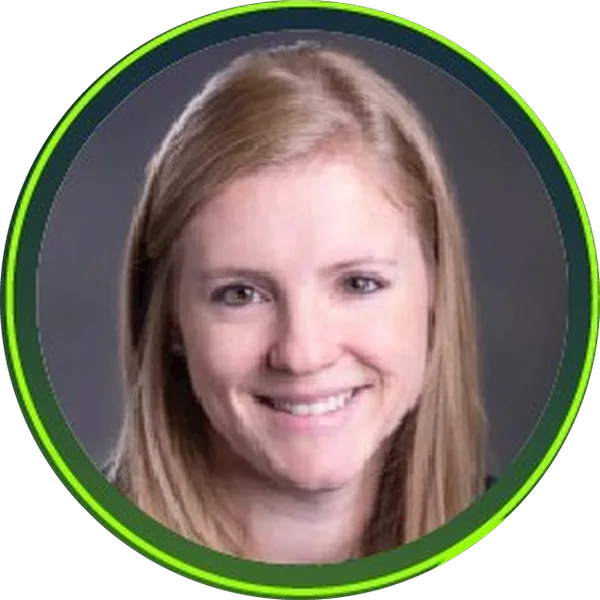
Danielle Wyman & Gina Reyes
Danielle Wyman and Gina Reyes from Openly share their expertise and insights on the future of claims management and product strategy. Learn tips and tricks on how to apply industry knowledge and experience to lead change in the insurtech space.
The full episode
Press play for the whole conversation.

The Future of Claims Management
Welcome to Episode 115 of the InsurTech Geek Podcast! In this exciting installment, we delve into the future of claims management and product strategy in the insurance industry. Join our hosts, James Benham and Rob Galbraith, as they engage in a captivating discussion with industry experts Danielle Wyman and Gina Reyes, Vice Presidents at Openly. Prepare to gain valuable insights into the evolving insurtech landscape and discover strategies for driving change through innovation.
Understanding Claims Management in the Digital Age
Danielle Wyman, Vice President of Product & Strategy at Openly, kickstarts the episode by diving deep into claims management. She sheds light on how technology and automation have revolutionized the claims process, making it more efficient, transparent, and customer-centric. Danielle shares her expertise in leveraging data analytics, AI, and digital tools to streamline claims operations. She also enhances customer experiences, and improve overall business performance.
Navigating the Intersection of Claims and Product Strategy
Gina Reyes, Vice President of Claims at Openly, brings her extensive knowledge and experience to the table. She emphasizes the critical role of product strategy in claims management. Gina discusses how aligning claims operations with product strategy is crucial for meeting customer needs and delivering seamless insurance experiences. She shares valuable insights into understanding customer pain points, leveraging technology to enhance claims handling, and optimizing product offerings to cater to evolving market demands.
Applying Insurtech Expertise to Drive Change
Our guests highlight the importance of leveraging industry knowledge and experience to lead change in the insurtech space. Danielle and Gina share their perspectives on fostering innovation, collaborating with cross-functional teams, and cultivating a culture of continuous improvement within organizations. They emphasize the significance of adaptability, agility, and staying attuned to emerging trends and technologies. This is to drive meaningful transformation and stay ahead in a dynamic industry.
The Openly Difference: Human-Centric Insurtech
Discover how Openly, a leading insurtech company, stands apart by focusing on human-centric solutions. Our guests discuss Openly's commitment to creating meaningful connections with customers and emphasize the company's dedication to delivering exceptional service and building trust with policyholders.
Exploring the Future of Claims Management and Product Strategy
Episode 115 of the InsurTech Geek Podcast explores the future of claims management and product strategy in the insurtech space. Our guests, Danielle Wyman and Gina Reyes from Openly, shared their invaluable expertise and insights. They have shed light on the intersection of claims operations and product innovation. From embracing digital transformation to fostering a customer-centric approach, their knowledge and experiences offer guidance for insurance professionals navigating the evolving insurtech landscape.
As the insurance industry evolves, staying informed and adaptable is paramount. By embracing technology, leveraging data-driven insights, and prioritizing customer experiences, industry leaders can drive change, improve operational efficiency, and deliver exceptional value to policyholders.
Tune in to this episode of the InsurTech Geek Podcast to gain a deeper understanding of claims management, product strategy, and the future of the insurance industry. Prepare to be inspired by the innovative thinking and expertise shared by our esteemed Openly guests.
Remember, the future is now. With the right mindset and strategic approach, insurtech professionals can shape the industry and create a better tomorrow for insurers and policyholders alike.
The full transcript
Transcribed automatically from the episode audio, so some names and terms may be misheard.
James BenhamOn this episode of the Insurtech Geek podcast talking about the future of claims management and product strategy with Danielle Wyman and Gina Reyes from Openly. The Insurtech Geek podcast powered by JBKnowledge is all about technology that's transforming and disrupting the insurance world. We'll be interviewing guests and doing deep dives into specific tech we see changing the industry. We're taking you on a journey through insurance tech, so enjoy the ride and geek out. And we are back with another episode. I've got my illustrious cohost, the most interesting man in insurance, author of End of Insurance as we know it, and good friend, my fellow Texagandr, Rob Galbraith.
Rob, how's it going in the heat down in San Antonio? Oh, man. It's pretty brutal, James. I can't can't lie. It's,
Rob Galbraitha 100 degrees. It's a 100 for the foreseeable future. And then we're actually getting, a ton of humidity, which we normally don't get in San Antonio. So it's feeling a little more like Houston.
James BenhamWhoo. Not good. Not good. Not good. Not good, brother. I mean, look. I my usual, you know, several weeks in Michigan has been shrunk to two this year. I'm in I'm in week week two of two right now, but it was a high of 74 yesterday, and I was enjoying every second of it. Let me tell you. It it it is brutally hot. And so all it's all of our friends. They're under extreme heat warnings in Texas and Louisiana and Mississippi, the the whole Gulf Coast.
It's unusually hot, unusually early, which is not good. But that's okay because we're not talking about the weather today. We're talking about claims. And and with us, we've got Gina Reyes and Danielle Wyman. Danielle, how are you doing today? Great. Thank you. Thanks for having us. Yeah. Gina, where are you? I am in Orlando, Florida where it's storming right now. So Yeah. It's like it's it's always hot and humid in Orlando. But, you know, it it you you've got all kinds of fun things to do there, and and it's a it's a good good time and certainly the afternoon showers every afternoon tend to help out a little bit.
So good to have you joining us from Orlando. Danielle, how's it going? Where are you joining us from? Doing great. I'm joining from Newburyport,
Danielle WymanMassachusetts, so about forty five minutes north of Boston. It was raining. Now it's cloudy. But you know, in Boston, we're used to swings from 50 degrees to 80 degrees. So I'm ready for anything.
James BenhamYeah, I spent one one New England summer, summer two thousand when I turned 21. I was an intern with Pricewaterhouse lived in Boston on the set on the set was at the Charles River, right? That points to Boston. I was I was a cry was in Cambridge, loved it. I mean, average temp was like 55 to 60. I enjoyed it the whole summer. I had a great time and a hell of a place to turn 21. So I'll always I'll always be fond of Boston for a lot of reasons.
It was a lot of fun. It's good to have you on the show today. Openly is a company we're gonna hear all about in just a second. Before we hear about Openly, though, I like to talk about the people because at the end of the day, insurance, while it is a data business and a risk business, our product is paper or a digital representation of that paper. Yeah. I I would I would love to hear about y'all as individuals. I'm gonna start with Gina. Just tell me, you know, where you're from.
Like, were you born and raised? And what got you like, what career did you think you have you were gonna have when you were a kid?
Gina ReyesOkay. Born in California, Sonoma County, wine lover over here, raised in Oregon and kinda went back and forth between California and Oregon the majority of my life. When I graduated college, I actually the only thing I was not going to do was go into insurance. So, somehow I ended up here, but a lot of my family is in insurance, I was like, I don't think I want to do that. That seems boring. Then that was the best paying job when you didn't really know what you wanted to do.
So I was an adjuster twenty eight years ago and never left. Been here for a long time doing a lot of different things in the property claims world. But it also meant that you learned the role extremely well. Very well. And I've had you know, I pretty much have done everything in claims you could possibly do. So pretty well rounded on the claims side of the business, including a few years working internationally as well.
James BenhamSo do you like it, are you just too tough to quit?
Gina ReyesI love it. It is, you know, it's got it's had its ebb and flows over the years. The last several years have been a ton of fun again, and the last couple I was working internationally. That was a blast. It really kind of rejuvenated me, and then I came here to Openly two years ago and just being able to start things from scratch, build a whole organization the way I would want to do it with all the technology, and it's just having a blast doing it.
And you are vice president of claims at Openly, correct? I am. I'm vice president of claims, hired on to build the team, and we've grown from two to 65 in the last two years. So and we're continuing to grow. So it's aggressive growth for us. Yeah. And, you know, when you when you have days where you have
James Benhamheadlines like last week where lemonade said they settled a claim in two seconds, we're gonna talk about that later, like about about speed versus accuracy versus human touch versus auto adjudication. We can talk all about that in in in just a second. But it's always always whenever they announced that, was like, I don't know if that's a good thing or a bad thing. And I read through all the comments on it, and I was like, everybody else is asking the same question. So it was really it was really funny.
It was like all my thoughts are in the comment stream. So we're gonna put a little bookmark in that. We're gonna talk about claims. We're gonna talk about technology and the role technology has in claims and the importance of of, you know, using humans and technology together. Danielle, let's talk about you. You've got a varied background, Boston College MBA, UConn bachelor's. And then, you know, you went from being an intern software company to working at Liberty Mutual for four years, and then jumping in, after Liberty Mutual to openly.
So, what led you, into your initial fellowship at Liberty Mutual and then kind of what led you into insurance in general?
Danielle WymanYeah, so at the University of Connecticut, I studied real estate finance, and I graduated in 2008. And I don't know if you remember what happened in 2008, but a little thing called the subprime mortgage crisis. And so I was not getting a job in real estate. And so I found Liberty Mutual, I could apply my finance background and kind of just went with it. So I had no original intention of going into insurance and realized I really liked how complex it is, and how challenging and how all the different aspects are there.
So I kind of bounced around Liberty. I did some work in finance, and I found my way to internal strategy consulting. And I also work on the international side with Gina. But I really liked being able to kind of have my hands in everything. Strategy, you get to learn about all different parts of the business, and particularly the work that I did internationally. I got to see all these scaling startups and how different macroeconomic environments, regulatory environments, consumer behaviors, impacted insurance. And so I saw it openly as a really cool opportunity to have my hands in all of that and do some disruption and break free of some of the things that legacy technology and big companies inhibit at times.
Moved over to openly made the wild decision. I was employee 30 something looking back on it. Oh, gosh, what was I thinking? That was crazy. But here I am. Now we're a company of 300 ish people. Really, team work I manage a team of product managers and designers. And we get to work with everyone across the business to help prioritize what initiatives are going to drive our mission, our values, our strategy, our priorities. And so just really exciting to be a part of everything and collaborate across the business.
James BenhamWell, starting something new is really exciting because you have a blank canvas and it's fun to paint on a blank canvas because you can design things, especially you have as much experience as you have working in a large organization and as Gina has working in, you know, bigger organizations, you're so much you're so often encumbered by this burden of legacy in larger companies and and the the way you do things and existing IT systems and processes and people getting design it from the ground up is pretty amazing.
Mhmm.
Gina ReyesIt was probably the biggest draw for me to come do this because I was great experiences in my past in the large companies, but you just run up to this process red tape to the tech debt to the I mean, I was working when I was when I left, I have probably 20 different claims systems between the seven countries I was working with. And And I'm just looking at all this going, this is this sucks. Okay. I wanna go do something fun. And I kept thinking about all the cool tools that are out there that we could really use, and I don't have to worry about transitioning from an old tool to a new tool and changing process and just building it right from the beginning.
James BenhamYeah. Exactly. And, you you get to design it for the the nature of the company you're building too. Right? So it's, you know, the the the way you might have run ideal claims at your previous company is not necessarily the way you run ideal claims at this company. Correct. So so you you have to think about that too, but it's certainly a a very entrepreneurial role when you're when you're kicking off a new business and getting it getting up up to speed. So, Danielle, I'm going to turn to you and just ask you what the heck Openly does.
Let's let's talk about the business. Like, what was it? What was the original idea and what does it do now? I think the original idea and what what it does now are pretty close.
Danielle WymanMaybe I'll I'll talk about the what we do is we sell homeowners insurance through independent agents today in in 21 states and focus on kind of that mass affluent customer. But our goal was really to make insurance comprehensive and easy to understand. And so, you know, if you're not familiar with insurance, there's all these gotchas around what is covered, what isn't covered, your limits, how much it costs to really replace your house. And so what we're trying to do is take that, I don't want to say guesswork, but take those challenges out and so cover more things, make it easy to understand.
And we focused a lot on the independent agents because they're the ones that interact with and work with understand insurance every single day. They're in our quoting platform. And so there's a real opportunity to delight and make things better for them. And we see them as the trusted partner for our customers too, to provide that coverage. And so really focused on that sliver of the market. And one of the big things that we added to our product where it's available in certain states, you know, here's my regulatory disclaimer is a guaranteed replacement cost of up to $5,000,000 And so you're not having to guess how much your house is worth, because a lot of times we'll see something come through and people are underinsured and they can't afford to rebuild their homes.
And so we're just trying to make it comprehensive and easy to understand.
James BenhamAnd that's complicated in a world where building materials and labor have been all over the board. I mean, obviously, is not quite the liquid gold that it was before. We had that brief period of time where where, you know, wood used for building wood products for building went through the roof on on price, which, of course, threw all of our replacement cost numbers out the window. Right? I mean, that that can create a lot of anxiety for homeowners, can't it? And for insurance companies.
Gina ReyesSo but I have to say our our product team does a really good job. Our insurance product team because at the few total losses we've had, we've been pretty dead on on our our calculations for replacement cost. So that's been nice. But, luckily, when the lumber went up 300%, we really didn't have any claims back then. We had just started selling policies. So thank God,
James Benhamwe we kind of missed that bubble. Yes. And timing is everything, and often it's totally accidental. So, you know, it's like, I started my business 04/16/2001. Nine eleven happened five months later, and there was a huge economic downturn. And then just when I launched my my first big product in o seven, you know, September '8 came around with Lehman and in their collabs. It was like, come on. Come on, bring it on. I mean, so you you always have timing. That's always this this this this thing that's always sitting there.
And certainly, timing is everything on insurance because if you have too many large losses too early, it can it can wreck a good idea before it gets off the ground. You know, it's I'm I'm happy for you that it worked out to your advantage.
Gina ReyesYes,
James Benhamwe are fortunate. Yes, you are fortunate. It's a good thing. Rob, what you got? So, Danielle and Gina,
Rob GalbraithI can totally geek out with you guys on replacement cost estimators. And as former homeowner's underwriter, I would always hear from the claims people when we didn't get that estimation right and some of the challenges, I guess. So, for the sake of the audience, I won't actually geek out on that part of it, although I'd be happy to offline sometime. But I would like to, since we have both of you on, I think it's a unique opportunity for our audience to understand the relationship that you, Danielle, as a product person and a strategy person, Gina, you as a claims professional have.
And some of that back and forth that goes into the design of the contract, the application process, and particularly, Gina, thinking about, hey, at the end of the day, you're the one that's seeing the claims, the losses. You're managing that customer experience. And so you can learn what's working well and what's not, and then provide that feedback back to the product team. So we'd love for each of you just to kind of maybe weigh in on your relationship and what that's like and how that feedback loop kind of starts and
Danielle Wymangoes throughout your process working together at Openly? Yeah, and maybe I'll start off with a little bit of clarification. So we have another part of Openly that is focused on the insurance products, so really working on the contract and the pricing. So that isn't my direct area, but work really closely together, but can speak more to just almost that closed loop feedback and collaboration. I think one of the things that's been so critical to openly is that we don't sit in these giant silos, but we really come together and provide feedback.
Any member of any team can provide that feedback to all the other teams around, like, we're hearing this from the agents in the that our coverage isn't competitive, or that our coverage is really competitive, or Gina can go into a little bit more detail, things that they're seeing as claims come through, circling that feedback directly to the team that works on the insurance product and doing that in real time. And then what my team does is prioritizes building some of those changes. And so as we hear the impact and the urgency of this stuff, our technology is more nimble and our process of prioritization, we can move quickly on feedback that we feel is impactful and say, okay, you know, let's get that into market.
You know, if we can, if we don't have to have all these approvals, let's get that into market as soon as we can. And so working really closely together and having that tight communication and trying to break down those silos. But I'll let Gina talk a little bit more specifically about how her team collaborates too. Yeah. We
Gina Reyestalk to our insurance product team pretty much daily. I have a lot of very experienced adjusters and managers on my team. I think our average ten years over twenty years in the industry within my org. So the probably one of the first times in most people's career, they have that direct line to our product and our underwriting team, and we give them so much feedback, and they are able to make adjustments and a lot of, like, adjustments with roofing. You know? So maybe what product thought we should be insuring and then what we're seeing from the field has been a little different.
So we we provide feedback a lot of sometimes the wording in the policy just doesn't translate to claims as well as intended, so we've been able to work with them on wording. We've been able to work on a variety of underwriting decisions and changes in our underwriting process. And whether we inspection process at Bind, we've been gave a lot of input to help with that and make some changes. So we are constantly have an open door. I mean, we have regular meetings, but we also reach out regularly.
And it's really great for the adjusters to be able to provide feedback and see that their feedback and the work that they're doing is making a difference in helping our company get better.
James BenhamHelp me understand when you provide feedback. So your claims group is providing feedback to the product folks, the insurance product. Are they saying, look, we're seeing too many claims of this type come in. We got to carve it out. We got to change rates. We have to do an exclusion or exclusion. We have to like, what exactly is happening there? What knobs are y'all turning? Are y'all are y'all suggesting that turn? Let me make sure. I don't wanna say anything that might get us in trouble.
You can speak in super generic, broad broad senses. Are are you are you changing the mix the the the product mix and the pricing? Like, what what what what what when you're doing the product design and you get that feedback loop, I mean, what what kind of feedback do you So so let's take roofing.
Gina ReyesSo, our guidelines, really, we had to focus on anything, I think, fifteen or twenty years or less. Well, as we started working through things, we're like, hey. A fifteen, twenty year old wood roof is not that great. It's very expensive, it you can't really repair it, especially in certain areas, etcetera. So let's rethink this, or let's, we weren't necessarily doing inspections on roofs that were under that age as well. And we're like, maybe we need to change that that age of the roof inspection process to have a little be a little lower because in certain areas of the country, you know, a fifteen year old roof can be heavily heavily with weathered and make a big difference on repair versus replace, and that's really what we wanna make sure we're pricing correctly for and that we're getting the risks that we want or there isn't you know, hail is very, very much in our states.
We're a lot in the Midwest. So making sure there's not prior hail damage. We do get a lot of that. And so, it's something that really wasn't thought through from a private side per se, but through our experiences, we've been able to give that feedback and make some changes on inspection requirements and stuff. Exactly.
James BenhamAnd and look, you have to have a financially sustainable insurance company. You've got to modify as things come up, and there's gotta be a really solid feedback loop. First, you've gotta actually track all the all the claims and all the losses and all the data. And so, you know, data tracking has been a really important part of that feedback loop. Right?
Gina ReyesVery much so. And then the other pieces is we review kind of our underwriting guidelines and our appetite with our adjusters, and as it changes and evolves, we keep reviewing so they know, okay. Somehow this claim is this policy says single home, but, really, it's a multihome, and that's not within our appetite. So somehow that was missed in all the data that we had. So our product team can go back and look at the data and see, okay. Maybe we need a different resource for this type of information because we use data, I mean, hundreds, couple 100 data points when we do a quote.
James BenhamYeah. And and you you need you need to. Right? I I've I've always been amazed at some of the insurance product I purchased and how little of my data they use to make a decision. I mean, yeah, let's let's just say aviation system, a pilot. Never once have they downloaded a flight log of all my flights, even though they could. I mean, wouldn't it make sense if you're insuring something, you want to know where it's going and how often it's flying and how much and what states and like, that'd be interesting.
And yet the data is never utilized. And so I think there's still just so much room in insurance to leverage publicly available data on assets and the privately available data that we generate ourselves. Right? Is and actually actually use it in the quote quote buying pay process. Right? It's it's really,
Gina Reyesscary. And if you came and got a quote from us, but we're not in Texas or Michigan, so you can't at this point. But if you did, you would think we weren't using data because we asked three questions. And with that, our system goes and pulls data from many, many resources and uses all the data points. And within seconds, we'll let the agent know, yes. This is this is in our risk appetite, and here's what the price would be. And then the agent can go in and, like, make some changes to, like, how much insurance they want for contents and ALE and stuff and might change the price a little bit.
Rob GalbraithYeah. I'm, curious. And and, Danielle, you might be the the best person to to answer this. So, one of the differences that I've seen over time is from a claims perspective, Gina, your folks, they may only be seeing three to 5% of the homes, right? They're only seeing the ones that actually have claims and then they can notice things while they're out there. Maybe it was approximate cost to the claimer. Maybe it was something different. Maybe you're in there for an interior water leak, but you notice an overhanging tree branch that you think, hey, this is touching the roof, or this could be a concern down the line.
And you want to report that back. But from an underwriting standpoint, it's like, hey, don't want to ask questions to every homeowner. Hey, do you have any overhanging tree limbs or things like that? You could make the application process two hours long for your agents, right? If you wanted to ask the homeowner, right? All these questions that a claims professional might care about or want to know about. So you use data and you may use things like aerial imagery or other things, right? You mentioned inspections.
You may not inspect all the homes, but some of the homes. So maybe you can just share, like, how do you try to balance the challenge between collecting all the information that a claims professional might want to have at the fingertips with just that speed, getting that time to quote, the customer experience kind of upfront when they're shopping their insurance with your agent partners?
Danielle WymanYeah, I guess I would say you're never done trying to balance it. And so we're really focused on testing and learning and quick innovation. And so we have some triggers in our process that say when things need an inspection. And then we test what different types of inspections. You could inspect everything, or you could inspect everything from the desk, or you can inspect everything with a drone or in person. And then we go back and see, Okay, how often was that type of inspection successful? Are we taking any action off of these types?
And so we're just continuously trying new things and seeing, Okay, is this causing too much friction? Are we getting results out of it? And then how do we work closely with Gina's team to help understand, what about these inspections is concerning to you? What other things would you want to look at? And so I guess my tenet is we never stop trying to balance. And you kind of want to be off balance a little bit to see where that edge is and then go back a little bit.
And so really making sure we're comfortable just trying things and trying pilots and pushing for that quick test and learn. But another big thing we talked a little bit about the feedback from Gina's team into our insurance product, but also not making it just a push version of feedback, but also pull. And so we spend a ton of time interviewing our agents, getting feedback from people within the company to understand, Okay, what really is the problem we're facing? And is the solution that we're guessing? Is that the right solution?
Does this cause pain to you if we were inspecting every single policy? Or if we added all these extra questions? So even though we want to test and learn and move quickly, we try and really focus on feedback from our customers, our policyholders, whoever the end consumer is, and making sure that we're not just basing it on like what Dina and I think is a good idea, but what actually drives value to the people that are using openly.
James BenhamYeah. That makes that makes a lot of sense. Like, that's a loaded statement, though, when you say, like, what drives value. Because that's like the that's like the essence of everything. Even in software design, as we build, you know, we build claim software and policy software at Terra. Right? So, I mean, we we look at every minute we work and every feature we build, and we ask ourselves that same question. We ask our claims adjusters, like, does this feature drive value or do you not care about it?
Like, because if you don't care, we really don't wanna build it. And, you know, like, will this really help? Or is it a shiny object? I mean, that's literally the essence of technology development. I think it's the essence of insurance product design, too, because I think we end up building insurance companies and insurance products with a lot of features that are not necessary that overcomplicate the contracts, overcomplicate underwriting, quoting, the under that overcomplicate claims handling as well because your your your claims handling guidelines are too complicated.
So, you know, kinda like the old the old quote, would have written a shorter letter, but I didn't have enough time. You know, it takes it takes a lot it takes a lot of time to make something shorter and simpler because you have to really focus on the the act of simplicity, right, of boil of boiling it down. Let's let's talk about let's talk about tech, baby. Let's talk about tech because I love talking about tech. Tell me what your favorite current one, two, or three pieces of technology that you think are really helping your business out?
Like, what's different at Openly? You don't have to mention the specific vendor or the product name if you don't want to. You can just talk about the category or the tooling or I I I don't want you to disclose things you don't wanna disclose, but just tell me kind of what your current favorite tech that you think is really making a big impact in your business. I'm gonna start with Gina.
Gina ReyesAlright. Well, my first I'll name names.
James BenhamSo Name names. I'm doing it.
Gina ReyesI think CoreLogic is one of my first because we're using CoreLogic for their estimating platform. We're also using some of their quality tools, but also we are using them in our underwriting platform. And so they bring the ecosystem together, whether it's so we're using their underwriting platform. So now my adjusters have direct access to any inspections we had without having to go through underwriting. And then CoreLogic brings in all the vendor anyone if you wanna be on CoreLogic's panel in their digital hub, you can. And so what that does for us is it makes our job really easy because any tool, whether it's a a roof, diagram with measurements or any of our vendors, all are integrated.
So everything's brought in in in one spot for our adjusters to do the work, and everybody can collaborate really easily. It's not complicated, one system. So that's my first favorite is they're just really helping make our job easier. And then my next one is Hosta dot ai. Okay. I don't know if you're aware if you heard of them, you might have interviewed them. They're they're they're growing. They're they're a DIY inspection tool, essentially, so very similar. They've got competitors out there, but they're they're another start up, in the last few years, and we've been working with them.
We're probably one of their first customers, but we've been working with them. They send we send a link to the customer, and the customer can do their own inspection of the home, and it is, you know, six photos of the room. It will diagram the room for you. It will put all the measurements in. It's starting to identify where the damage is. They're starting to identify materials. That is all integrated with CoreLogic as well, And soon, they're gonna start writing some smaller estimates, and so it'll make the adjuster's job much easier.
They just gotta do a little QA, maybe make some tweaks, and we'll be good to go. But this I like their tool versus some of their competitors because this is a link, and it's not an app that a customer has to download, and it's very, very simple to use. So we have been partnering with them and really testing and learning and doing a lot of pilots for them as they get new products and stuff. We're kind of their prototype tester. And so that's been a lot of fun for us, but it's been fun watching them evolve and taking our feedback and and evolving their product as well.
Yeah. And that's
James Benhamsuper cool technology. It's been the dream, I think, of every property claims, especially personal lines, claims department to have property owners be able to do their own inspection and assessments because we can dramatically speed up things that obviously reduce the cost of sending people on-site, but we can get super accurate data that you know you can trust. It's not it's it's not fake. I mean, the app the app doesn't you know, you have to capture it in real time off the property you're in. So Yeah.
And it, you know, it kind of prevents
Gina Reyesfake photos because it knows it used the geotags and stuff. But it's also just with COVID, times change. People a lot of people don't want they want as few people in their home as possible, and they don't wanna take off work to meet an adjuster to do an inspection. So they could do this at midnight, whatever time of day they wanna do it when it's convenient for them, and it gets the information gets back to us quickly, and we're able to settle the loss and make it super simple for the customer.
James BenhamThat's amazing. Totally changes the customer experience. And, of course, you if you read, you know, online reviews of insurance companies, the vast majority are dominated by crappy claims experiences. Right? It's always it's it's it's generally fairly easy to get a quote, and they usually don't complain about that on Google. They usually complain about, hey. This didn't get paid or it took way too long or it's too complicated or it took forever to schedule. I mean, there's a lot of reasons they complain. I've read I've read the reviews.
Right? It's it's pretty remarkable. Danielle, closing comments, like your thoughts on your on on what you're really excited that you're working on next at Openly.
Danielle WymanYeah. And I'm not just saying this because Gina's on the call, but we started building out our FNOL process, the first notice of loss internally. We used to use a vended solution. And so, you know, it's not quite cutting edge yet, but what building this out internally does is it creates this awesome foundation where we can continue to enhance it and figure out, you know, where do we want to buy solutions and plug vended solutions into that process and where do we want to build things internally.
So we're always talking about that debate of what do we need to be differentiated? Where do we want a lot of control or something is so core to our experience or our technology? And where is someone else just doing something so awesome that we need to be a part of it? And so building this experience in house so we can plug in either built or bought solutions, I'm really excited about.
James BenhamThat's awesome. Yeah. And it's at some point, it it really makes a lot of sense to take control of key customer facing technology interfaces so you can deliver the exact user experience you want to. That's really, really exciting. We've been part of quite a few FNOL projects. So we've built a lot of custom FNOL forms, I can tell you it makes a huge difference when it's done right. So it's that's really exciting. And I can see you're not just kissing Gina's butt like you're actually legitimately, you're actually legitimately excited about it.
So, that's really awesome. We are out of time. So Rob, your your closing comments?
Rob GalbraithYeah. No. Just, Danielle and Gina, it's great to have both of you on and to to learn a little bit about openly and about kind of the interplay, right, of your roles. And hey, property insurance is a really challenging space. And I think we've touched on some of those challenges, both from the financial pressures, catastrophes, inflation, you name it, but then the customer experience side as well. And so, congrats to you and everyone at Openly for the success, the rapid growth. And it's a very, very challenging space.
But the fact that you've had such this phenomenal growth, I think, speaks to the great work that you're doing. So thanks for coming on.
James BenhamThank you. Thanks for having us. And as always, I like to promote my good friend Rob's. He has a great newsletter called Forest View Insights. If you haven't signed up for it, go to his website to sign up for that. Can also sign up for the InsurTech Geek newsletter at InsurTech Geek. And by the way, we dropped the e. That's right. I n s u r t e CH. We dropped the e. I I caved to social pressure. I gave in. I I gave in. I gave up.
I, it's it's insure it's just, I'm such a sheep. I'm such a sheep. You know? I I I put the e in there originally because InsurTech Connect had the e in InsurTech. But then they became the only people with InsurTech with an e, and then they just went to ITC, I think, to get away from the e. I think they actually went to the abbreviation just to escape having to change the e. I didn't wanna go to ITG, and so we dropped the e. So, I I just, you know, hashtag drop the e just to let y'all know.
It's it's it's it's Insurtech without an e, I n s u r t e c h. Well, Insurtech with only one e, not two. Enough about the damn e's. It was a great conversation. Gina, you're awesome. Danielle, you're awesome. I really appreciate you guys being on the show. Thank you very much.
Gina ReyesThank you.
James BenhamAnd and and as always, it's good to have all of our listeners on. You guys have been listening very regularly. We appreciate all of your comments, questions, feedback, coming up and talking to me at conferences. I'm gonna be yours truly. We'll be at the Reuters InsurTech conference coming up June in Chicago. And then I think at least two people on this call, maybe three, will be at the Connected Claims Conference in Austin, I think in September with with Reuters. So if you're not at the Reuters events, they're amazing, like really well run, really, really great moderators and speakers because you happen to have a few of them on the show.
Right? I'm hoping you moderate my whatever I do for insured. I do have claims connect connected claims. Connected claims. Oh, yeah. I've I've already asked to moderate your session. Yes, we can have all kinds of fun. Because we had a great time at our last session. Doctor. Exactly. Doctor. So it's fun. You can catch us in person and hang out. Obviously, Rob, I hope you're there because it's just an hour north of you. It's an awesome to come hang out with us. It's gonna be good.
And then you know, sign up for Rob's newsletter, read his book and of insurance as we know it's all good. Thanks, everybody, for listening, and we'll see you at the next episode. Thank you. The InsurTech Geek podcast powered by Jibby Knowledge, jibbyknowledge.com. It's all about technology that's transforming and disrupting the insurance world. I've been your host James Benham. That's jamesbenham.com with co host Rob Galbraith at endofinsurance.com and thank you for joining us today. Look forward to talking with you soon. We're taking you on a journey through insurance tech, so enjoy the ride and geek out.