 YouTube
 Spotify
 Amazon
 iHeart
 Apple
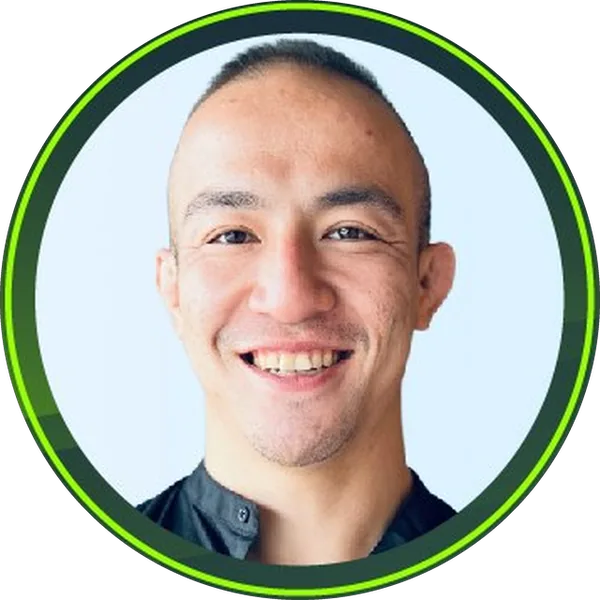
Dennis Li
Dennis Li from Amplify Life Insurance shares his expertise and insights about the dynamic intersection of insurtech and life insurance. Learn tips and tricks on how technology is transforming life insurance, and how it's allowing for greater accessibility and affordability.
The full episode
Press play for the whole conversation.

Where Insurtech and Life Insurance Meet
In the rapidly changing world of insurance, one niche that's been experiencing a significant transformation is life insurance. The traditional life insurance landscape is evolving, thanks to the dynamic intersection of InsurTech - a portmanteau of insurance and technology. To delve into this exciting transformation, we invited Dennis Li, Director of Business Development at Amplify Life Insurance, to the InsurTech Geek podcast. In this extended blog post, we'll explore the insightful discussion with Dennis, his unique background, and how Amplify Life Insurance is making life insurance more approachable and technologically advanced.
Amplify Life Insurance: Bridging the Gap
Dennis Li's journey in insurance led him to Amplify Life Insurance, where he serves as the Director of Business Development. Amplify Life Insurance is on a mission to make life insurance more approachable and understandable for a broader audience. Traditional life insurance products can be intricate and often daunting for consumers to comprehend fully. However, Amplify Life Insurance is dedicated to dispelling this complexity.
One of the keys to this transformation is the leveraging of technology. By incorporating digital advancements, Amplify Life Insurance is redefining how life insurance works and is perceived. The company is a shining example of how InsurTech can bridge the gap between complex products and everyday consumers.
Technology's Role in Personalization
A significant trend in the life insurance industry is the shift towards personalized and dynamic insurance products. These are not one-size-fits-all policies. Instead, they can be customized to an individual's unique requirements. This personalization ensures that coverage is more relevant and accessible than ever before.
Dennis highlights the critical role technology plays in making these innovations possible. Through digital tools, Amplify Life Insurance can tailor insurance products to meet an individual's financial and life circumstances. This adaptation ensures that consumers get precisely what they need from their insurance coverage.
Access and Affordability: InsurTech's Contribution
Amplify Life Insurance is committed to offering low-cost wealth-building life insurance products. Their mission is to make life insurance accessible to everyone, regardless of their economic background. This focus on affordability and accessibility is at the core of their philosophy and exemplifies how InsurTech is impacting the industry.
InsurTech, a burgeoning field that combines insurance with cutting-edge technology, enables Amplify Life Insurance to realize this vision. It streamlines operations, reduces costs, and creates efficiencies that translate into lower premiums for consumers. This affordability makes life insurance attainable for a broader population, securing their financial futures.
The Future of Insurance: A Technological Perspective
In our conversation with Dennis, we explored how continual technological advancements are poised to impact the future of insurance. Dennis Li shares his visionary perspective on the ever-evolving landscape of the industry and the pivotal role that technology will play in shaping it.
As technology continues to evolve, we can expect life insurance to become even more personalized, accessible, and affordable. InsurTech's influence will extend beyond streamlining processes to creating innovative insurance solutions that cater to the needs of a diverse and changing society.
In conclusion, the world of life insurance is undergoing a metamorphosis driven by the dynamic intersection of InsurTech. Dennis Li's journey from a seasoned actuary to a pioneer in technological life insurance solutions represents the future of the industry. With Amplify Life Insurance as a prime example, we're experiencing an era where insurance products are more tailored, understandable, and affordable than ever before.
The podcast episode with Dennis Li provides a unique opportunity to gain insights into the life insurance sector's future, seen through the eyes of an experienced actuary and insurtech entrepreneur. Don't miss this enlightening episode, available on the InsurTech Geek podcast. Tune in now to discover the exciting developments at the crossroads of insurtech and life insurance.
Stay tuned for more engaging discussions at the intersection of insurance and technology. #LifeInsuranceTech #InsurTechGeek
The full transcript
Transcribed automatically from the episode audio, so some names and terms may be misheard.
James BenhamOn this episode of the InsurTech Geek podcast, talking about the dynamic intersection of InsurTech and life insurance with Dennis Li from Amplify Life Insurance. The InsurTech Geek podcast is all about technology that's transforming and disrupting the insurance world. We'll be interviewing guests and doing deep dives into specific tech we see changing the industry. We're taking you on a journey through insurance tech, so enjoy the ride and geek out. And we are back with another great episode. With me again, it's good to see him back on the show, my illustrious cohost, Rob Galbraith, the most interesting man in insurance.
Rob joining us from San Antonio. How are doing, buddy? Hey, man. Always happy to be your copilot. Sorry. You had to fly solo
Rob Galbraitha few times, so we can't always make it work out schedule wise, but, it's always good when we get a a two man, crew flying the plane. Absolutely.
James BenhamIt is. Always about life's always better with a copilot. I agree with that completely, especially if it's you, buddy. Good to have you And, also good also good that the temperatures are not the surface of the sun in Texas anymore.
Rob GalbraithYeah. We actually can venture out of our homes. It's funny. It's taken me twenty five years to recognize, hey, all those years in Michigan when I didn't venture out in the winter, that's the summer in Texas. Don't venture out. Just hunker down. Stay in the AC. Then start to kinda duck your head out when it turns fall, not spring. So it's kinda flipped, but, yeah, I've finally learned. Yeah. It's kinda flipped. It got so hot here this summer in Texas that you couldn't use your pool because the pool water was hot.
It's like a bath. That was that was like it was crazy. It was really crazy. It was, like, really hot. You need to be able to have your spa go down to like 75. Right? I mean
James BenhamYeah. You actually you know, in Texas, they sell pool coolers. I don't know you know that. They actually cool your water off. Yeah. So you can have a, you know, cool water in the summertime. I I already spent enough money on my heater. Last thing I need is a cooler. With us from Western Massachusetts, the near the insurance capital of of the universe. He's a University of Michigan grad. This can be really interesting because he got two degrees from UMich. Rob Galbraith is a Michigan State guy.
My daughter wants to go to UMich. I'm I'm a Michigan summer guy. So I I will say I've got gear for both schools, so I can be a chameleon depending on whose company I'm in. So I have the Spartan gear and the Wolverine gear just in case because I'm a neutral third party. I'm the crazy Texas Aggie.
Dennis LiWith us, Dennis Li, director of business development at Amplify Life Insurance. Dennis, what's up? Glad to be here. Nice nice to see you guys, and I always like to start with a commonality, so I'm glad that we all have a piece of Michigan in us. There you go. We will have a piece of Michigan.
James BenhamSee, it's a good salesperson, you know, if you're looking for the common ground.
Dennis LiIt's And I hope I can get some of the warmth from from the South from you guys too. Now in Massachusetts, we're looking at, low 40 already.
James BenhamYeah. It's gonna be chilly. It's gonna it's gonna be it's gonna be chilly. It's it's okay. You know? It's, it's all all part of the fall, you know, the crisp fall weather, football, barbecue, you know, all the good things. Hey, it can't be that. Can't be that. Can't We be love talking about technology. We love talking about insurance. I tend just so you know, Dennis, I was a tech first, then insurance, and then Rob was an insurance first, then tech. But Rob, if I'm speaking for you.
So we we we it's really cool because, like, Rob and Rob and I have been buddies for a few years. I've been co hosting for a few years, having a great time on the podcast. But we come from like the two different angles. I've spent two decades building software for insurance. I have just under 300 employees that build custom software. We have our own proprietary off the shelf claims and policy software called Terra. You know, Rob is a consultant, thought leader, advisor, book author, speaker, and spent, you know, decades in underwriting and insurance.
Now, he and I are both primarily P and C guys, so we get really excited when we've got somebody from health life disability on because we get to learn the similar things and the not so similar things between the two halves of the insurance spectrum. So just a little background on us. But before we, you know, we talk about your company, I wanna talk about you because, you know, you did go to UMich for two degrees, but you came there from China. So tell me about growing up in China.
Like, where where were you born and raised and what'd you wanna be when you were growing up? Yeah.
Dennis LiI was born and raised in Beijing, 20,000,000 people. So very different sort of environment with, you know, town and city in The US. Grew up in a pretty typical intellectual family. Rob, you mentioned about your parents as professor in Michigan. My actually father is a professor and the way I sort of noticed Michigan is because he did his postdoc there. So, you know, small world, there's always some connection between people and between places. But yeah, life in China, growing up, it was busy. It was busy.
It was a lot of studying. It was a lot of math. So the whole joke, you know, Chinese people good at math, you know, it's not completely groundless. There is a lot of emphasis there from the top down. Yeah, that was, that kind of sums up my childhood. I like to have a lot of fun too, but we can say before, maybe after the show. Came here to The US, came to Michigan because affiliation, my family, because, you know, it's a good school because it has a lot of options too, right?
So yeah, I don't really have insurance people in my family at all. And I know, you know, most people come across insurance from the family, from like the relationship, but I didn't, I didn't. It was very coincidental, you know. I remember I met someone in my junior year in college and talking about actuarial science to me, and maybe it's after a couple of beers, but it sounded pretty interesting. It kind of lines up with what I'm pretty good at, what I will be interested in, right?
The business side of things and the discipline it requires to succeed in this profession. And also another interesting thing at that time is that one really appealing part for actuarial science is how sort of predictable the career path is, right? If you work hard, if you pass these exams, you will do great, You will do fine. So yeah, that leads me to, you know, starting the career, work as an actuary for the first eight years. But what's also interesting is after my priorities change, right, having that predictability actually is no longer my top priority.
So I switched my career a little bit, become, I learned this new term called a lapse actuary, meaning that actuary who don't practice the science anymore. I thought it's pretty cool inside joke, right? The labs is a big thing when we do actuarial study in life insurance. So, yeah, so maybe, you know, I'll take a quick break here, but that's sort of how I started my
James BenhamSure. So, I mean, let's just talk a little bit. I mean, because that's a, you went, you traveled a long distance. You went into an industry that you had no familiarity with, right? I mean, your dad wasn't in insurance, your mom wasn't in insurance, like this was a totally new What was the big goal like when you were getting started in your career? Know, and you were graduating, you had your master's from UMich. What did you did you really want to do? And then and then what have you ended up doing?
Because you're not now you're leading business development. You're leading sales. Yep. Right? Yep. So that's a that's another, you know, it's a that's quite different from maybe being a math nerd, growing up in China, and then coming over to The States. Right? So what was the evolution there?
Dennis LiYeah, so the thought process at that time is, you know, I want to use these skill set I harness to just solve big problems. I think one thing that has not changed through my career, just wanting to solve big problems, right? So at that point of my career, thinking about actuarial science, the framework I learned, and how could I, you know, how I could potentially just build coinsurance product. Maybe a little naive at this point, you know, at this point of time looking back, but that's a thought process at that time.
So that also brought me, you know, starting my career just with major, major carriers for the first eight years, working a lot of different functions. You know, now thinking back, it's really fortunate to work a lot of amazing insurance business leader, you know, got my hands wet, with a lot of cross functional project, made a lot of, you know, key decisions, helped launch insurance products. So these are all great. These are all the amazing sort of experience I looked at. But, you know, here's one thing, right?
On the other hand, I think I saw a lot of issues also with the big carriers. You know, I saw how the decision making process were, right? And despite what a lot of these amazing talent and people, I feel like, you know, a lot of these talents were handcuffed, if I can say more bluntly, right? So this is really what driving me to, you know, pursue the entrepreneurship in the, a few years back. So just give you a sort of a quick rundown. I started a B2B2C Insurtech company, and, you know, right when the COVID starts, actually.
Didn't pick the time, it just happened the way it is. And the thesis at that time is using embedded insurance or embedded technology to make life insurance and supplemental health insurance available to mass market. We all know that under insurance is a big issue. And, you know, my attempt was trying to use technology to solve that problem. Had a really good run, you know, worked with different business entities, especially credit unions for a while, but had to make a tough decision to lead the company earlier this year.
And join Amplify now as director of BDM partnership. It's been ten months, but it's been a lot of fun with this team and seeing the impact we're making this space so far. Yeah, so here I'm at, you know, doing very different thing, but with that same sort of mission to to solve big problems. It's just the context is still insurance.
Rob GalbraithYeah, Dennis. I'd love to drill down on the the labs to actuary part for a minute because I'm sure we've got, you know, listeners and and viewers in our audience that either are on that actuarial career track path or considering it, or maybe, you know, have have gone a different direction. And like you said, my wife is an actuarial science major. I was a pricing analyst, trying to work my way on that track for a brief time early in my career. I think there's a misnomer out there, right, of certainly getting fully credentialed, having that career culminating and saying being the chief actuary at a large and midsize carrier, of course, is a is a huge accomplishment.
But I've seen a lot of folks that have gone maybe that nontraditional path that have had extraordinary success. I always think that background that you get as an actuary, the thinking skills that you get, the deep understanding of the fundamentals of the business that you get really set you up regardless of how many exams you pass, regardless of, you know, kind of where you go right for where you can go so many different places. So, you know, what was it kind of in your mindset? Obviously, you just kind of started on that path.
And like you mentioned, you saw some challenges, you decided to go into different direction. You you have that entrepreneurial spirit that actually think a lot of actuaries have. They may be more risk adverse, right? So I'm just curious kind of, should you even share your thoughts just about the background as somebody that started their career in actuarial science, but then what those kind of, you know, off ramps or what made you make the leap?
Dennis LiYeah, I think background really foster a few important sort of thought framework I have that, you know, generate these new opportunities for me. And really start with the first principle, right? I think, you know, studying actuarial science, you really always ask why, right? At least that's how Successful actually told me, you know, get to the bottom of it because in actuarial science, can basically explain anything as long as you drill hard enough. And secondly, is that mindset of risk assessment, right? Because actuarial science is all about risk assessment regardless it's for P and C or life, right?
So, you know, even when we get to business development arena, everything is about risk assessment. There's no like established playbook, right? In a way, there's a lot of overlap between, building partnership and starting a company. You all start from scratch. You've got to understand how to use that risk assessment framework. You've got to, you know, choose the right metric to focus on, gotta be analytical. So there's a lot of overlap, more overlap than people would think otherwise. And last but not least, I think it's discipline aspect, right?
We all know that getting an FSA, getting a destination, it's a long haul. I know the record was what, like four or five years, people complete all the exam, but that's an outlier. On average, people take seven years consistently just getting through those exams, you know, while they're working, while they're taking care of their family. So just having that discipline, also just opens a lot of door, I would say, regardless sales, business development is all heavily relies on being super disciplined and, you know, not being able to see the result really quickly, but, you know, more have a long term focus.
So I think there's, again, there's a lot of overlap there and, you know, have the opportunity to go through this career path of the laboratory really helps a lot in even the project I'm working on today. Very cool. So let's talk about today.
James BenhamWhat's the project you're working on today and what's the company and and what what's it all about? Yeah. So right now I'm with the Amplify Life Insurance,
Dennis Lijust to give everyone a little bit context of what we do. So we, the company is founded in 2019 by our CEO, Hannah, Hannah Wu. She's an insurance veteran, so she didn't come from the tech space. She's actually in the insurance space, which I highly value, which we can get to the detail later. But she also had built a very successful agency prior to Amplify, and it was focusing on higher and permanent life insurance products. But she also saw the consumer need for cash value in a broader basis and really took the leap to start Amplify, you know, with the mission to democratize or make permanent life insurance more accessible for mass affluent customers.
So fast forward to now, you know, we are the leading distributor, you know, with a focus on helping millennials and Gen Xers build wealth using cash value products. And our focus is index universal life and variable universal life products. We have achieved really good growth,
James Benhamyou know, in the past many years, and the future looks bright for us. Yeah. And the IUL and and VUL and GUL, I mean, there's a lot of universal life products, index, variable, guaranteed, can be confusing, to say the least for for for many. Yep. Yep. You know, there's there's differences. You know, some you can choose the funds, other that you have you have limited fund selection, other that you have expanded fund selection, fundamentally, it's, and you're welcome to clarify this. But my understanding is it's a it's an investment vehicle wrapped in an insurance product.
So you have insurance, and then you have the ability to invest the money as well.
Dennis LiAnd then you can That's correct.
James BenhamYeah. And then you can also wrap it so that you can have, you know, floors and ceilings so that you you have some downside protection on your investments. Especially in IUL, I've seen a lot of index universal life products where you get some life insurance. You have some limited choices on what investments you can you can choose, and you also have a a, you know, a cap and a ceiling and a floor. So so so you, you know, you're you're capped on the on the top returns, but you're also sometimes have a have have a an absolute floor where you can't lose your original principal except for the net of the commissions.
I think the the challenge in IUL products for a lot of people who who are going to buy them is the commission loads. They're they're pretty they can be pretty large. And so tell me tell me kind of what y'all y'all's approach to IUL and VUL is that's different than, let's say, Pacific, who's really a big player in that space or, you know, Northwestern Mutual is a big player in that space. There's a lot of big players in the IUL VUL space. Like,
Dennis Liwhat's different about what Amplify is doing? Yeah, we're taking a fundamentally different approach in addressing the customer need using these two products, right? We always go back to the problem we try to solve for the customer. That's ultimately why they come to us with why they're looking for these products. And you're right, you know, these are very complex products and the trend we've seen, unfortunately, in my view, that the complexity is increasing over time. Yep. Okay. Now the new product we're looking at, even as an actuary, scratch my head.
I'll have to go back asking expert in this arena, like what exactly this new, you know, index means, right? Is it actually a registered product or no? And sometimes it's somewhere in the middle. So our approach is not to further increase this complexity, okay? We think it's already complex enough. We believe that these products, if used correctly, already have immense amount of value, okay? So it's about helping customer really understand this, helping the customer helping the product increase its transparency and leveraging our efficiency we have gained, a hybrid of technology and human, to achieve savings and transfer that value back to the consumer, okay?
So that's really at the very high level the approach we're taking, right? We want to build like simpler product, but make it easier to use for consumers. And in a way, you know, all these saving we we result can make the product more appealing
James Benhameconomically as well. Yeah. So you're you're selling this direct on the website? Yeah. We take a omnichannel
Dennis Liapproach. Today, we are focusing, the the the key distribution is DTC, but we are, you know, selling it through a different channel as well. And we'll see we'll expect that, you know, the non DTC channel grow in the upcoming years. Because, you know, the thought process behind that is different customer have different sort of mode of contact, we call that, right? They might prefer different ways to start a conversation, or they have different ways to think about, you know, the problem in terms of, oh, you know, what do I do if I want more tax efficient saving?
If I max out my existing retirement account, what should I do, right? So there's different opportunities that we can have our solution, you know, come across people's minds. So DTC is great because right now there's the market is still huge. A lot of people have these needs, but there's also a lot of other folks, for example, working with financial advisors a lot of time, right? There's a big gap there because these Universal Life product actually plays a very important role in financial planning. And there's also other, different embedded opportunity that we can work with other product and services that, you know, allow their customer, you know, see the value of these products and and get policy if it's the right fit.
So to amplify, and I'll I'll turn it over to Rob here in just a second. Are you guys a broker in MGA? What what what are you what are you structured as? Yeah. Up until today, we are distributors, so we are independent broker. We have access to, most of the, you know, popular IUL's, BUL's, including advisory product, which is commission free product.
James BenhamNice. Very good. Just making sure I didn't cover that in the beginning. I should have. My apologies.
Rob GalbraithRob, go ahead. Yeah, Dennis, I want to bring in the technology piece of this because, right, I think we can all agree, right? These products are super complex, super difficult to understand, traditionally have been sold kind of face to face, right? This is the classic, right? Insurance is sold, not bought kind of type of scenario. The very important I'm actually seeing that, you know, my my father just turned 89 and is, in need of some skilled nursing care. And so I've been kind of sorting through his finances in the last few years.
It's really, I think just put an emphasis in my mind having gone through that exercise of, hey, this is stuff, know, I've got term life insurance, but I really haven't looked very closely at any of these permanent type products that are more sophisticated and maybe a good need for my family and our needs going forward as I kind of approach 50, right, mid career or mid to late, I guess. So we know what's out there today. We know that Gen X and particularly millennials right and and they're not buying life insurance nearly at the same rate, that previous generations have and I think there's a lot of reasons for that.
So as you're thinking about, hey, we launched in 2019, right, we have just a clean slate I guess I'm imagining as it relates to technology stack, etcetera, vis a vis like traditional companies, whatever. You know, how are you leveraging technology to personalize the products to make them more accessible, more personalized,
Dennis Lietcetera? That's very big questions and that's definitely things we're being thinking about every day. I think it all start with, you know, understand what a consumer want, right? Taking consumer first approach. You know, this conversation of, if we can sell life insurance digitally, I think it has been over, right? It started five, six years ago. There's a lot of attempt to fully digitize this experience, but we have just seen there are so many challenges there. Again, like you said, this product is so not bought for very good reason, right?
So I think the thing we are really trying to optimize here is what sort of experience really will float the boat, what most of the customer want, right? What sort of hybrid approach? It has to be, you know, a combination of technology and human assisted, right? And it also has to be personalized, right? Personalized is a great way to build trust in the sales process. So these are the focus we have. And, you know, one thing we do have that most other company or, you know, carriers or brokers don't have is we have a tremendous amount of data at this point, data including customer experience, their preference of product based on their circumstances.
So we start to have a better and better understanding of what product and what experience is right for specific people, right? And what problems are they trying to solve based on these model we built. So, you know, leveraging these very sophisticated machine learning model we built, the thing we're able to accomplish is to, you know, people are, first of all, understand their problem a lot more clearly, right? And then depending on their preference regarding like the mode of communication, you know, we engage them in a way that's most conducive to them, right?
Regardless of it's agent or digital, we also simplify the purchase process. This has been a process there has been a part that, you know, a lot of emphasis has in place in the past few years. But I think the first two part has to be addressed before we get there, right? So, you know, streamlining the underwriting, the purchasing process, you know, even after the purchase, we are working on solution that further that engagement. It's not, you know, a one time sales, right? There are ways, regardless if it's carriers or different part of the value chain, here we are a distributor, we can add value too, right?
So these are all the things we're working on. And depending on depending on the part of the process, some are more technology than people, but we believe a blended approach is a is a way to go and technology can just improve the efficiency one way or the other. So let's talk about the actual specific tech stack. Like, what what what are you excited about in y'all's technology stack? Obviously, you've got a you've got a web based quota.
James BenhamAnd it looks like you've invested a good bit of time and and money into the user experience. Yep. You're, you know, you're doing a goals first application process where you say, hey. Tell me about your your life insurance goals, and then you're recommending products to them through a through a, you know, a digital adviser. But, you know, tell tell me about what, you know, what tech you have that you're excited and what you're developing that you're excited Yeah. I think the things we we have that that really exciting, that really, help us stand out is the
Dennis Liit's sort of the things that's under the hood, right? Because all the, experience you you have just using our website is based on a lot of data, is based on a lot of learning. It's a reflection of what we've seen from all the customer we engage. So it is a cumulative process. As more people come to engage with them, the better we can tell, oh, you know, this is the right product for you. And, you know, this type of customer based on what you provided us is more likely to willing to go through a fully digital process versus have one talk to them, or even like how do they talk to them, right?
With different ways we can make them a call, we can set up a Zoom call and all So that's really interesting. And I think that's really highlight the efficiency gain we have achieved in the following year, in past few years. You know, what's coming up that get me really excited is really the whole end to end, like sort of the digital capable process. Not necessarily, you know, everyone has to go through full digital, but just having that capability is something that's really cool. We see, you know, over time, people do tend to favor more of a digital friendly solution, right?
And also that in force management experience is also something that can be really exciting because that really set us apart, not just, you know, from the point of view of a company, but also from, you know, the customer's perspective, right? Owning a life insurance is more than just having a piece of paper or a PDF document in your computer. That's something that you can constantly interact with, constantly getting value. In our context, right, since IUL, VUL are both products that involves, I don't want to use the word investment loosely, but involves cash value, right?
So they are an element of active management, right? Especially VUL. And, you know, having people sort of engage or be active with their policy is something that, you know, I'm really excited about. And that will, you know, that's something we're working on in years to come as well. Yeah.
Rob GalbraithJust, as we kind of approach the end, Dennis, I'm hoping maybe you can, share a little bit more about what does that engagement look like? So we get it right. You're you're going to sell me the policy. You've got me in. You've educated me. You've convinced me this is the right fit for my financial needs. Now I have it. Like you said, one of the areas that you're trying to differentiate yourself is that onward engagement. So is that more on the investment side? Is that more on a health side?
Is that through gamification or virtual assistance? Or maybe you can give our audience a picture of kind of what does the engagement either look like today or what is your vision for the future?
Dennis LiYeah, let's start from the top part of the journey, right? For a successful onboarding, meaning including the sales process is about really educating the consumer, the right use cases of these policies. Again, people come to us with different ideas in mind. Some are, most of them are very valid, for example, to build tax efficient wealth in the same time, you know, protecting their family, but some are probably not right, right? Even for people who are misinformed, a lot of time we can help them actually find a valid use cases, you know, that will help them in the long run.
But in the rare cases, if that's completely, you know, my feature is a wrong product, is a wrong product, that's fine. We definitely want you know, be transparent there, you know, having built trust in the long run. So that's a really interesting part, right? How do we help customers who are generally do not have very, very high level financial literacy to understand these complex product in the short time span, right? So engagement experience that we have been doing really well. Of course, there's a lot of room for improvement, but, you know, going forward, things that get me excited in terms of the future, the future state of this product, and this is just my perspective, is that, you know, with the cash value products, as you build out your cash value, you can, there's so many different things you can do, right?
Supplement retirement income, right? Excess liquidity in times as needed, especially nowadays, right? We look at interest rate that has been skyrocketed in just a year. So having these financial vehicle to have access to liquidity in cost efficient way is becoming more important. But, right, customers also need sort of a pointers in, okay, when is the time to use it? What's the cost, right? Should I take out, you know, a policy loan at this time? What should I wait? What's the consequence? I think these sort of engagement, again, it has educational elements in it, but more importantly, it's almost like a two way conversation, is that advisory support, but ongoing advisory support that can only be sort of accomplished by, you know, a hybrid of data and people.
And of course, post purchase is more reliant on technology because of the data we are able to accumulate. But, you know, these are really the sort of thing that I think it will be a game changer for permanent life insurance and make it, you know, get the, we call the underserved market, which is mass affluent. These policy, these type of product historically are only available for affluent, right, or high net worth folks. So now, you know, it's available for mass affluent people, people like me and, you know, my friends, a lot of them buy these kind of products now.
And, you know, going forwards, having technology to help us even, you know, extract more value out of it to improve our financial health. Again, that's something that always get me excited. Awesome.
James BenhamWell, look, we are at time, but we really appreciate you coming on and talking about this with us. Really good discussion. Always good to keep our mind open, especially for those of us in the P and C world about the technology and processes and new business ideas that are going on over in health, life, disability, and of course, this very interesting segment that happens to be extremely popular in Latin America right now, by the way. A very, very, very hot market for IUL and VUL products, especially dollar denominated IUL and VULs.
It's very, very appealing in Latin America right now. So good to keep our eye on and good to understand what's going on there. And Dennis, it's really great to meet you. I hope we get to, you know, hang out at, maybe maybe meet up at the big house, go to a game. Mean Oh, we would love that. We would love that. Yeah. That's not I think, you know Maybe a little bit craziness involved, but I wouldn't mind. Dennis, how long after arriving in The United States did you fall in love with college football?
That's just need to know how long it took.
Dennis LiI have to be honest. It took a couple years because concept of football is not existing back at home, but until you really watch it once, it's an energy. Right? It's an energy that is hard to it's hard to convey. So,
James Benhamdefinitely looking forward looking forward to that opportunity. And hopefully, you know, we'll have some have some fun in Ann Arbor. Absolutely. Yeah. What a what a great place to watch football. Kinda like my my my Texas Aggies. Got we have an equally huge stadium, and it's a hell of an environment to watch football in. So hope we get to do that.
Rob GalbraithAs always, my illustrious cohost, Rob, thank you for joining. Absolutely. It's a pleasure. Yeah. It's a tough tough season for college football, but I've got my adopted LSU now that my son's going there. So I can I can pick and choose to have between two schools?
James BenhamOh, well, ready for a lot of heartbreak. I grew up in Baton Rouge. I grew up a block off LSU's campus and, you know, it's a destined for heartbreak. Of course, you know, they hired Chip Kelly, which means they're they're destined for even more heart for heartbreak. So that's the that's what he does. He just breaks hearts. So sorry. Sorry, buddy. You missed the Nick Saban and Les Miles years where they won national titles or Ed Orgeron where you had a a raging Cajun head coach.
You've gotta you've gotta buttoned up in Midwesterner for a head coach. So you got wait till they fire them and and get somebody else. Anyway, it's a great great discussion. Thank you all for tuning in to geek out, our interview with Dennis Li from Amplify Life Insurance. Thank you for having me. See you next time. Thanks. The InsurTech Geek podcast is all about technology that's transforming and disrupting the insurance world. I've been your host, James Benham. That's jamesbenham.com with cohost Rob Galbraith at endofinsurance.com. We're taking you on a journey through insurance tech, so enjoy the ride and geek out.