 YouTube
 Spotify
 Amazon
 iHeart
 Apple
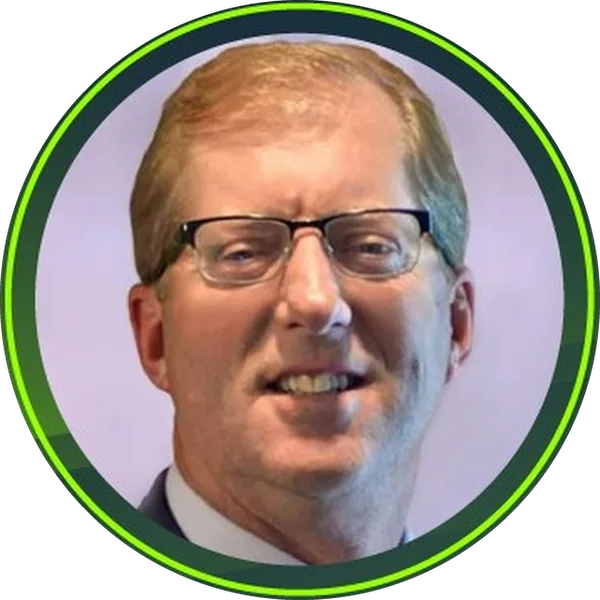
David Mocklow
David Mocklow from MSIG North America shares his expertise and insights on leading transformation with a startup mindset. Learn tips and tricks on how to approach new efforts, overcome challenges and transform by embracing the startup mentality.
The full episode
Press play for the whole conversation.

Getting Efficiency Through Data
Welcome to another episode of the InsurTechGeek Podcast! Prepare to embark on an exciting journey deep into the heart of InsurTech.
In this exciting episode of the InsurTechGeek Podcast, our hosts James Benham and Rob Galbraith interview David Mocklow from MSIG North America
Join us to learn how to lead innovation with a startup mindset.
David Mocklow started his career in Bermuda, at a time where there were only 200 people in insurance in the Island.
He gives his origin a prominent place because it made him fight for innovation and learn how to lead its implementation. Of course, in a very different context where innovation wasn't equal to technology.
After moving back to The States, he started working on a project on transferring wind risk to capital markets. After that he started a journey towards the path of Insurance Finantial Markets, bond markets, investor markets and ILS. He held the first ILS conferences in Boca Raton.
The full transcript
Transcribed automatically from the episode audio, so some names and terms may be misheard.
James BenhamOn this episode of the InsurTech Geek podcast, talking about leading transformation with a startup mindset with David Mocklow from MSIG North America. The InsurTech Geek Podcast powered by JBKnowledge is all about technology that's transforming and disrupting the insurance world. We'll be interviewing guests and doing deep dives into specific tech we see changing the industry. We're taking you on a journey through insurance tech, so enjoy the ride and geek out. This episode of the InsurTech Geek podcast is brought to you by JBKnowledge. JBKnowledge specializes in outsourced software development solutions for property and casualty insurance technology.
Check out our services at jbknowledge.com. And we are back with another great episode of the InsurTech Geek podcast. With me, my illustrious cohost, the most interesting man in insurance, author of an end of insurance as we know it, Rob Galbraith. How's going, Rob? Hey, it's going well, James. How about yourself? Outstanding. Loving the 70 degree, Texas wintertime. It's, nice outside, enjoying the fine weather and, certainly, you know, looking forward to a little bit more downtime. Had a little downtime at thanks Thanksgiving. We'll have a little more downtime at Christmas.
And then off to the races for 2024. Hard to believe '23 is already coming to a close. And with us, our illustrious guest, David Moclo. David, how are you doing? I'm great, James. How are you? I'm great. David, where are you joining us from today?
David MocklowI'm up in Brewster, New York, about an hour and a half north of New York City.
James BenhamOkay. How do they say that? Brewster, New York? Brewster. Brewster, New York. Yeah. So you said you said how how far from New York City is it? About an hour and a half.
David MocklowLike north towards the Catskills? Yeah. Well, no. It's on the East side of the river. It's my wife's family's from the Hudson Valley. So we moved back to be near them.
James BenhamHow far from Kingston?
David MocklowProbably about forty minutes if you can get across the river on one of the bridges, otherwise it's a long swim.
James BenhamYeah. Yeah. It's it's good. I've I've I've spent a little bit of time up there in, that part of New York and, enjoyed it thoroughly. Really pretty part of the state. Glad you joined us Yeah. Yeah. It's really pretty. Plus, you got some you got some good skin not too far from you. So that's a lot of fun. So let's, let's jump straight in, David. First, we're we're gonna talk about all kinds of things, but we're we're gonna start by talking about you and your career.
You went to college in Canada, but you actually grew up on an island. Is that right? Yeah, I grew up in Bermuda and I'm one of those
David Mocklowsort of oddballs in the sense that I left the island and still pursued an insurance career. Although I, like probably most people, I fell into my insurance career. I think that's how we all get into it. No one goes to college to be in the insurance industry,
James Benhambut I fell into mine. Yeah, not many people do. So tell me like what did your parents, was your dad an insurance, mom an insurance? Like who was an How
David Mocklowdid it lead you growing up on Bermuda? Yeah, quite literally when I got started and this unfortunately is gonna date me a little bit, there wasn't much of an insurance industry on the island. I was the thirtieth employee of ACE and I got my job ironically because I was in the banking business and they'd started a product that needed effectively a financial analyst. And I was good friends with the younger brother of the then CFO. And I became employee number 30, Brian Dupro was employee number 31 and that started my career.
And back then there were probably maybe 200 people on the island doing insurance and that was about it. Wow, that's a very different Bermuda than we know now. Oh, very different, very different. But what's great James is I think having had the luxury of being born there and being there during what was the next fifteen years of a lot of things going on, I saw and learned a lot and was involved luckily enough in a lot of things that shaped my career. So I think I count myself lucky and I sort of am a little bit of a unicorn in the industry having sort of been in what was a Petri dish, really, if you think about it, right, for so much development.
And back then we talked about innovation because we formed a cat focused reinsurance company, long before innovation was technology driven, right? It structure
James Benhamdriven, market structure driven. So it was pretty cool. What led to Bermuda being an insurance Mecca for the world?
David MocklowGreat question, right? And if you read all the newspapers and the history articles, it's around the common law, the British common law giving everybody contract certainty. It was sort of an hour and a half away from New York. So enough people could get to Bermuda quickly and be in a British domicile place that had a zero tax environment. I think there was a little bit of, if you will, luck in that a couple of critical people at the start of the birth of Bermuda's industry, New Bermuda anyway.
You might remember a guy named Ernie Stempel who worked for Hank Greenberg. Had a history of being on the island for AIG's overseas operations. I went to school with his son long before AIG and its affiliates sort of became big players on the island. So it was a little bit of the typical stuff, right? It was contract certainty, it was a nice place to do business, people could get on a plane and go there and the rest is history. Yeah. Mean, tax structures always matter, but proximity matters too, and it sounds like that.
And it's a people business, right? I mean, it's, you wanna be in front of the people that you do business with. Yeah, when you have a great tax structure and you've got a,
James Benhamyou know, really, you know, taxes matter, but being an hour and a half from New York is also a huge win. It's a big deal. It's a big deal to be that close. So at what point did you move back from the island onto the mainland? Well, was sort of interesting and this started my,
David MocklowI guess my unicorn career. At the time at ACE, we were toying with the idea of doing more cat reinsurance. And it just so happened that that year, a gentleman from Goldman Sachs walked in the door of our offices and he and another gentleman were the only two guys in Goldman that were doing interesting things in insurance. And he came in and he pitched us on the idea of transferring wind risk into the capital markets. And of course, probably like everybody else in the world, we laughed at him.
But my boss said, no, this is an interesting idea. Why don't you, let's try and do this. And the young guy in the corner, go, what's your name? David? You work on this project and see if you can make it work. So I spent a year, this is really dating me, on trying to do what would have been the very, very first cap bond. If you go back and look at Georgetown where you'll know what year I'm referring to, but we never got it done because back then there was no technology to transfer wind risk or earthquake risk or any risk into the capital markets.
It didn't exist. Now you can stamp out an ILS private deal in about twelve minutes. And my wife was American. We were thinking about getting back to The States and my buddy at Goldman said, why don't you come work for me? You're a smart guy. You get this right away. I wanna build this as a real business at Goldman. And so I said, yeah, I'll come work for you. And of course, unfortunately for me, he resigned and went to work for Aon. And my wife said, well, let's go to Chicago.
So I ended up in Chicago working with him as part of a team to start Aon Capital Markets. And that started my journey, if you will, down a very different path than anything I ever imagined than anybody else. And I remember I was Chris McGee and I were the first co presidents of what was then the Bond Market Associations ILS Committee. And, Rob, we were just in Vegas, right? 10,000 people going to an ITC conference. We had the very first ILS conference in Boca Raton, Florida, and we had 65 people there because there was nobody in the ILS marketplace back then.
And now everybody and his dog has got an ILS place somewhere shape or form, right? And by ILS, mean insurance linked securities. Insurance linked securities. We didn't call them that then back then. Called
James Benhamthem cat bonds, right? That's what they were called. Yeah. These are financial instruments that let investors speculate on events. Exactly. Hurricanes, earthquakes, pandemics. It allows, for large amounts of investor capital to place bets. So it provided what necessary capital for the size of the catastrophes,
David Mocklowright? Yeah, and it's become, if you will, one of the biggest innovations in our marketplace. And one would argue one of the biggest disruptors in the marketplace. And it sort of signaled if you will what I think of as the next obvious set of innovation in the marketplace, right? We're gonna talk a lot about innovation on this podcast, but to me that was the first real big one, right? It was the start of a catastrophe specialty marketplace where we suddenly had cat reinsurers and ILS investors.
And we had specialists in the food chain producing risk and selling risk. And all of a sudden, instead of having a client, a broker and insurer, and maybe a global reinsurer like Munich Re, we suddenly added three more mouths in the food chain and we became more of a specialist marketplace. And that to me was the very first time the industry started to resemble more of a, I don't know, maybe more of a financial marketplace rather than just a buyer and a seller of a risk.
Yeah. And that was cool, but it certainly was the start of a pretty cool adventure for me across the insurance and financial markets. Well, for sure. I mean, you're at the very tip of the spear,
James Benhamboth with Bermuda and with InsuranceLink Securities. I mean, that's
David MocklowYeah, it was pretty cool, right? I got to either be very close or involved in a bunch of new IPOs and startups in Bermuda. I left Aon to join a more traditional investment bank doing capital raising, M and A advisory work. I got involved in some interesting IPOs. One of the ones that I think has sort of led me to being, again, a little bit more of a unicorn was I got involved in two startup, well, one startup as an advisor and one business as a capital raiser.
One of the advisory roles was for a new total return reinsurer. And I tell this story somewhat tongue and cheekily, but I don't think I thought about it at the time. We went to A. M. Best to do the pitch book on the new company. And Rob, you'll love this. We had a 60 page presentation and on page 59 titled under other matters, third row down, not even the first row of the third of the other matters was we're gonna outsource our claims to Cedric or York.
And at the moment I hadn't thought about it, but I'm just sitting there thinking we just spent 60 pages talking about a billion dollar startup and all the amazing things we'll do to get clients underwrite business, price risk. And then we left. One sense on claims. One sentence to how we're gonna spend 70¢ out of every dollar. And then I did an advisory role for a capital raise for a company that was in the legacy space, a runoff space where a buyer company would buy old claims from insurance companies and try to monetize them, try to drive profit from those companies.
And I got to be very close friends with the management team, including the CFO. And I sat there and I spent a year inside of their business understanding how they can make money on a core activity of the rest of the industry who struggled to make money. And I remembered my A. M. Best pitch book and thinking, yeah, that's why this company is so successful because everybody else relegates claims to effectively one line, right? Which is we'll outsource it to someone else. And that sort of was another critical phase of my journey, if you will, unicorn phase.
I went from being a finance guy focused on raising money, developing a Wall Street following and getting close to the Wall Street community to suddenly seeing inside the belly of the companies and going, wow, there's some things that they don't do very well. We should try to figure out how to do it better. And of course back then the better wasn't a technology solution, right? It was blocking and tackling. And then I did something that probably every investment banker does after they leave the finance world, right?
I I went and started a TPA.
James BenhamYou saw that one sentence
David Mocklowabout handling claims and you're like, yeah, I'm gonna go do that. Well, it was interesting because I actually met a family that had just made a lot of money selling their insurance company and a mutual friend introduced me to him. And I gave him this little journey I've been on and they sat there and said, you're absolutely right. We're really, really good at claims. And they had been wildly good at claims, which is why their business was worth so much money. And we sat there and said, we can make a lot of money doing this better than everybody else in the industry.
And like a lot of people, you have brand plans and sometimes the scale, you don't appreciate the scale. And one of the things that we didn't do is I don't think we did a good job of assessing how technology could really help. And in the claims world, technology has been a four letter word, right? It's not been something that everybody has embraced. They've left it behind. So when I go and talk about insurance, oftentimes I talk about what I think is an underserved part of our industry where no one's, well, I shouldn't say that Rob, know talks about this, but I think the claims area is an area that the industry doesn't do a good job thinking about technology.
James BenhamYeah, it's funny when we talk to new tech centric MGAs or InsurTechs. I'm like, well, talk to me about claims. Oh, we use a TPA for that. It's a throwaway sentence, right? I know, I'm like, well, I work for the TPAs and I I know what actually goes on behind the scenes when they work for these tech forward MGAs. And there's nothing special or no secret sauce that's going into it at these you know, the major TPAs are just doing their best to keep up with hiring demands and, you know, adjust your claim counts.
I mean, there's a lot to adjusting claims properly. Yeah. There's a lot of strategy there that hinges on what kind of policies you write too. A lot of And the data that can we're doing that at a time where it's getting harder to do that. The claims are claims infrastructure,
David Mocklowthe people are older than they are in other parts of our industry. They've got a lot of experience, they're retiring. There's a lot of institutional knowledge we're gonna lose. It's not being replaced by smart technology that embeds thirty years of experience into workflow or data schema, or how you deal with a courtroom with a claim. It's really a crisis in my mind and one that as we think about it in Mitsui, we're really focused on.
James BenhamAnd let's wrap this first question with this little sub question. Who is Mitsui and what do they do? Yeah, Mitsui Sumitomo is the seventh largest
David Mocklowglobal insurance company and it's the one I always laugh about, which no one in The States has ever heard of, right? When I sort of went and did my due diligence on the company, I literally couldn't find them. They didn't even show up in the top 400 ranks of American insurance companies. And it always struck me as odd, right? Because they are a global brand. They are the largest insurer in Japan. They've got a 300 history of business, which is incredible. They've got a fairly large presence in Lloyd's through the Amlan Syndicate, and they've got a presence in Asia, but they didn't really have a presence in The States.
And so my role is to help them build what we hope will be a world class specialty insurance presence in The US.
James BenhamYeah, absolutely. That's great. Rob?
Rob GalbraithYeah, David. So many different ways I could take this conversation, but just kind of following up, like from a Mitsui standpoint, what are some of the specific challenges that you face in North America? You talked about trying to establish a meaningful presence. What are some of those things that you're really focused on? And then how does North America differ from Asia and those other regions where Mitsui is such a dominant player? Yeah, Rob, you hit on something that I think
David Mocklowis a challenge that's maybe a little bit different for us than it is for a lot of other startups, right? We have this incredible financial strength. We have this amazing history of commitment, staying committed to markets. When you walk in the door and you talk about that to clients, that matters, right? They wanna know that you're in a market, you're gonna stay, you're not gonna come in and out to leave and abandon them when things get tough. And that's critical. And our financial strength helps us a great deal.
But like any newcomer, right? We have typical newcomer challenges. We've gotta get our brand out there. We've gotta let people know what our products are. We've gotta develop the kind of personnel skills, interpersonal relationships that you need in the insurance industry, right? It's all done people to people. There are embedded relationships that sometimes are hard to dislodge. And we've gotta convince people our rating, our products, our service all matter and are important. And that's typical, but we also have, and I don't think of these as challenges, but we have other things we have to deal with.
And you mentioned them before, right? Which is partly cultural, right? The US market is really unique. And the Japanese, some Japanese companies had been here in size for a long time. Tokyo Marines been in The States for a long time and they've thought through all those issues and they've gotten comfortable. But for Mitsui, a lot of what the American marketplace is it's new. They didn't, the Japanese marketplace, a lot of captive agents, right? Your distribution model is your own internal agents. In The States, big you've brokers you have to partner with.
Aon Marsh and Willis on the retail side, and when CRC, RPG on the wholesale side. And you have to get comfortable that those partners are important and you have to be able to make them interested in doing business with you. And that's a different way of doing business than the Japanese are used to. Of course, another big difference is we have a very bifurcated market, right? We have an admitted world and we have a non admitted world and how you navigate those worlds are very different.
The market here that's also very different is we rely increasingly on MGAs and third party underwriters, right? Ten years ago, what was it? Billion dollars of written premium in the MGA world. It's the fastest growing sector. So you have to get used to giving the pen to someone else and hoping they do a good job for you. That's a very different model, unless it's a captive agent who you could fire on the spot because they do a bad job. But here's the biggest issue. And it comes back to what we talked about before.
And I think it's the underappreciated issue. How you do claims and how you manage litigation in The States is so much harder and different. And it really should, it doesn't in many companies, but it should really be at the forefront of every strategic decision you make about how you build and run your company, your people, your products, everything. And that's very different, right? The Japanese don't typically have to work in an environment that's highly litigious where courts matter, right? So all those things are important combinations and they're important factors.
And they're all things we have to work with our Japanese colleagues to get them to understand because we have to tell them what are we building that will mitigate those challenges that we face in our business. Right. How do we deal with claims? How do we deal with these these third party underwriters? Those are all things we have to teach them and get them comfortable with. Yeah. That's a that's a that's a excellent,
James Benhamexcellent point. And certainly, on on on this show, it seems to be the MGA show Yeah. A lot of the time. You are there just five people that are actually carrying paper? I mean, that's sometimes you wonder, like like, who's actually at risk? Of course, MGAs can buy into the risk too. So, I mean, we're seeing a lot of MGAs that start as, like, pure play MGAs, and they start buying risk, as well. So, I you know, you you see them edge into that space as they as they, you know, aggregate more profit.
They they they start they start taking on some of the risks too. And the good ones and the good ones sharing too. The good ones in the future who have a real edge,
David Mocklowdata being one, for example,
James Benhamthey should take risk. Right? I mean, that's where the biggest absolute value is. Right? Yeah. That's where the that's where the money can really be delivered. Let's let's I mean, this is that's a great segue to talking about technology. Yeah. What I like to talk about practical technology. Like, we we could talk about AI and what it's gonna do. And look, I I used I used large language models and chat GPT for an hour today. I I applied for to be able to use Grok. I mean, like, they're interesting and captivating and fun to use and and provide a lot of value.
Don't don't get me wrong. But let's I I find and I've been building insurance software for twenty years, you know, for carriers, TPAs, MGAs, brokers. Most of the requests are very meat and potatoes. Like, we still I mean, most companies I see, big one, big ones, still use the hell out of Microsoft Excel and are still trying to get off of Excel for quoting or binding or dealing with reporting, claim data reporting. I mean, so give me an idea of like what you thought, what you think the top innovations have been so far and what tech you're most excited about.
Well, first off, James, you're actually not talking to David Moklow, you're talking to Chad GBT and I'm the
David MocklowYou're
James Benhamjust a synth of a human. Exactly.
David MocklowI'm like you, I get a lot of people pitch me on a lot of stuff, right? I hear it all the time. And I'm constantly blown away by the fact that if I believe there's a massive amount of low hanging fruit in doing some basic things well, right? And when I think about basic technology, I sort of think about our industry at its two bookends, how we write premium and how we manage claims. Everything else in the middle is sort of a workflow, right? It takes you from the premium that you wrote to when you've closed the account either by booking a profit or paying a claim.
And so I think about the bookends. Historically, the underwriters have all been doing stuff sort of on their yellow pads and waiting for the brokers to bring the business to them. And so it's not an efficient process nor is it one where we capture value. And what do I mean by that? Well, we get lots of submissions and we spend a lot of time trying to read through them and then going, all right, these are the three I'm going to underwrite. So we've wasted time sort of pulling all that information together to start thinking about it.
And then we've lost all the data for the other stuff. So to me, one of the big innovations, which I think is very, very powerful, And I see a lot of companies doing this and it was a core foundation for how we started attacking the build of our company was we said, what's the thing that will give us the biggest edge? It was data, right? We don't have systems. So let's find data. Well, where do we start getting some data in our submission flow? So what we did was we are putting software on the desks of our underwriters that ingest all the submissions they get.
It then triages all of those submissions by whatever rules our underwriters want their inflowing business to look like. And so we're trying to order their submission flow into the one at the top is the one they're most likely to want to write. Whatever that target zone is. It could be the submission is complete, or it could be that the software has read the submission file and has generated a electronic version of the submission, extracted all the data and said, Hey, this one has no losses. So that goes to the top of the queue, right?
It's essentially an ingestion and extraction tool that makes the underwriter focus on the accounts he wants to write and not necessarily ignore the ones he doesn't wanna write. Just prioritize them. Prioritize it because I find a lot of waste goes on in things like prioritization. Then we have a lot of administration once we prioritize stuff that I wanna automate as part of the same process, clearance, checking the broker record letter, right? Shrinking all the admin work and the support that goes into him or her making a decision.
And so the software will do some clearance for us. Then what we are doing is on that pane of glass, we're throwing lots of other data that we don't have, but we can get from third parties. We throw that onto that screen to enrich the source of information the underwriter makes. So I could go on for hours about that but that's, if you will, the first bookend. We get lots of data and we help our underwriters be smarter and attack the business they want initially, but we capture everything.
And obviously there's a lot of stuff going on behind the scenes with all that information, but I'll save that for chapter two of the story. About the backend? About the backend? Once I have that business on the books, what technology do I need in order to improve our business? And this is the thing that sort of you've heard all three of us have talked about throughout this podcast, which is claims, right? The industry is not very good at claims data. Now, let me give you my context.
I believe the industry is a price taker in general, not a price maker, right? There's so much transparency and the brokers are so strong. It's very hard and it can be done, but it's hard in general for me to dictate the price the risk that I want and still clear the market because I've got competitors and etcetera, etcetera. So if I can't get the kind of maximum price I want, I've got to do other things to shape my return, my outcome on that business. Got to give the customer lots of great service.
So they repeat, they become a repeat customer. I don't have the cost of renewing new business, right? That's a plus. I gotta be able to make sure that I manage and sell them products that they want so they become a repeat customer. I've got to manage my capital dynamically. Those are all things I can do around the edges, but what's the big thing I can do? Man, I can manage whatever claim experience I have in a much better way. And this is the part that really is, I think the low hanging fruit.
I can ask a 100 people, what is the cost of providing EULAY, unallocated loss adjustment expense, and allocated loss adjustment expense for an average claim. And I'll get 100 separate answers because no one really figures that out. It's a plug. When I did the total return reinsurer in Bermuda, I called 10 buddies and asked them for what's the plug for loss in LAE. Everyone just plugs that number. And I think there's a lot of innovation around how you manage claims, particularly bad ones. So if I'm a price taker, what destroys my business?
A bad claim outcome. Average claims are fine, right? Average claims experience are fine because the market prices to the average. What destroys me is a bad outcome. So I have to have really good process to manage the risk of a bad outcome. What's a bad outcome in our industry? I get whacked in court, right? I get a really, really bad claim. I go to court to defend it because I think I'm right And I meet a jury that doesn't agree with me and awards 10 times my limit.
That destroys my business. And by the way, there's technology that helps manage that risk. Neither of these technologies are expensive. They're not hard to put in place. They provide massive amounts of data. I don't need to install an enterprise software system like Majesco or Guidewire. I don't need to rip up stuff that's already in place and replace it with stuff. I can put these in my operations without having to disrupt anything and they immediately enrich my business. So you asked for how I think about innovation to me, those are the two low hanging fruits at the front end my underwriting tools, I'm better at risk selecting and hopefully not selecting the bad one that at the back end, when I have a claim is the one that cleans me out in court.
But I've got technology should that arise.
James BenhamYeah. That's that is probably the most succinct answer to that question that I have ever gotten on this show. So thank you for the clarity of thought. I I love the clarity of thought around around submission. I just took a bunch of notes on this just to chew on this later. But around around prioritization of submissions because because technology also has enabled people to submit to a lot more markets. Right? So end up with an increased volume of submissions in a hard market, everybody's shopping more too.
So as an underwriter, you've gotta really prioritize the most likely thing you're gonna write if you wanna keep increasing your revenues. You do. Really do. And and on so claims, I mean, I started twenty years ago starting with claims, and so I'm super sensitive to the claims argument. And I work for a few TPAs, and so I don't view that as a magic black box. I know how great and how terrible that can be, and I've I've I've seen both. And, certainly, when I started building my own claim and policy software, Terra, I started on the claims end because I think it's, like, really where the opportunity is.
You know? There's there's a there's a lot of expensive policy software but there's not a lot of really good claims software. No, there isn't. And in my old company before I worked here, our highest paid employees were claim adjusters,
David Mocklownot underwriters. Our underwriters can only write the market clearing premium price. Our claims adjuster could save us $5,000,000. Why shouldn't we pay them more? Right? I mean, it's a great question. You may not agree with it, but if my underwriter can only underwrite the price that the market sets.
James BenhamYeah, to disagree with your statement would be disagreeing with logic, right? You're stating a logical point. Like you can only accept the market right. You can write the market rate. Now what you can do though is you can make sure you don't pick a bad risk. An underwriter has value. There's no doubt about it. Absolutely.
David MocklowThe catalyst is he picks or she picks a bad risk And then you have process error which leverages your outcome, right? You mean, I write a $100,000 policy limit. I get ECO and XBL which are fines and penalties. I get trouble damages in court. Suddenly my a $100,000 limit that I priced to becomes a $5,000,000 loss, right? That's what you need. You gotta think that in the back of your mind as you set up your infrastructure for your business. How do I mitigate the bad things?
I don't wanna focus at the front end to capture. I don't wanna only focus at the front end to capture as much premium as I can. I also wanna focus on the consequences of picking bad customers. And if on average that choice leads to small marginal losses, I'm less concerning. But if the chance of a mistake is profound because my risk selection is bad and my process is bad, That makes my error totally different. And it comes back to again, why I think I'm a bit of a unicorn, right?
Because when I sit my sessions with my colleagues, I try to make everybody sit back and go, yeah, I see where you're going. Maybe our focus should be to take that into account when we think about how do we underwrite and how do we set our rating rules and what kind of information should we give our underwriter? Wow, litigation trends may be the most important data they use to underwrite. Let's make sure we get that to, in our dataset to our underwriters, right? More so than some other data that maybe they've spent twenty years relying on.
That's amazing. Rob, final question.
Rob GalbraithYeah, David, I think this plays into something I know you've thought about, so I'd love to hear those thoughts, share it with our audience. So typically we measure, right, the productivity of our people and we think about commissions, right, top line revenue growth, like rewarding sales, right? And like you said, we're focused on the premium side and maybe we're not focused as much on the value of that outstanding underwriter from a risk selection standpoint, or particularly the claims adjusters you kind of mentioned, like, hey, maybe they should actually earn more than the underwriter.
So how can we build a model where a dollar saved is as valued as a dollar earned, we're even rewarding people that kind of figures out how to get increased operating leverage due to innovative use of technology, for instance.
David MocklowYeah, may be somewhat of a lone wolf in the industry in this regard because over my career when I've gone in and talked about this, when I've been interviewed for jobs or talked about startups, I get these blank stares from people, right? What do you mean the underwriter is not the most important person in the room? Or what do you mean we should have some other measure for the amount of return that you provide us, right? But if I'm the investor in the company, I don't really care who's, whether the person who adds the most value to the business is the underwriter, right?
Who's driving value? Whatever the value is, who's driving the most value? Is it the person who figures out what the total lifetime value of a customer is, but doesn't make the underwriting decisions and tells the underwriters to go and focus on that client base because you've got a captive group of clients that you can write products for. Is it the operating person who comes in and figures out how double the premium per underwriter because they put in a workflow environment that increases the productivity of the underwriter.
Is it the claims person who avoids a $10,000,000 claim because he or she saw something or alerted somebody or made a convincing argument to settle the claim. Rob, I wish I had an answer. It's been a source of frustration for me. And it's been something that I think frankly has held our industry back and it's held it back in one important area. It's attracting the next wave of really thoughtful, innovative types who can come into our industry and apply their expertise in areas other than underwriting, right?
What's the big thing we have, right? We have trouble attracting really good talent to our industry. And there's a 100 reasons why, but that's one example of stuff that we could figure out or do and bring people in who aren't maybe an underwriter. Maybe they're futurists. Maybe they look at Amazon as our next big competitor and try to figure out how to partner with Amazon rather than compete with the same guy they've been competing with for twenty years. I wish I had an answer, Rob, I don't.
I think about it every day. I try to get our people to think that way and reward people who add value and I don't care where the value comes from, right? It's value. Excellent conversation.
James BenhamDavid, this has been great And we are at time, but I really appreciate your insight, your thoughtfulness, and you have an interesting career that's led you to have certainly a lot of experience, and you were able to bring that to bear today. So I really appreciate it. I hope you stay warm for the holiday season, and thanks for joining the InsurTech Eak podcast. Thank you for having me. And as always, my cohost Rob Galbraith. Rob, thanks for being on today.
Rob GalbraithYeah. Always a pleasure, James. Thanks, David, for a great conversation.
James BenhamAnd, thanks to all our listeners for tuning in today to geek out our interview with David Mocalo from MSIG North America. See you next time. This has been the InsurTech Geek podcast powered by JBKnowledge, jbknowledge.com. The Insurtech Geek Podcast is all about technology that's transforming and disrupting the insurance world. I've been your host, James Binnam. That's jamesbinnam.com with cohost Rob Galbraith at endofinsurance.com. Thank you for joining us today. Look forward to meeting up again. We're taking you on a journey through Insurtech. So enjoy the ride and geek out.