 YouTube
 Spotify
 Amazon
 iHeart
 Apple
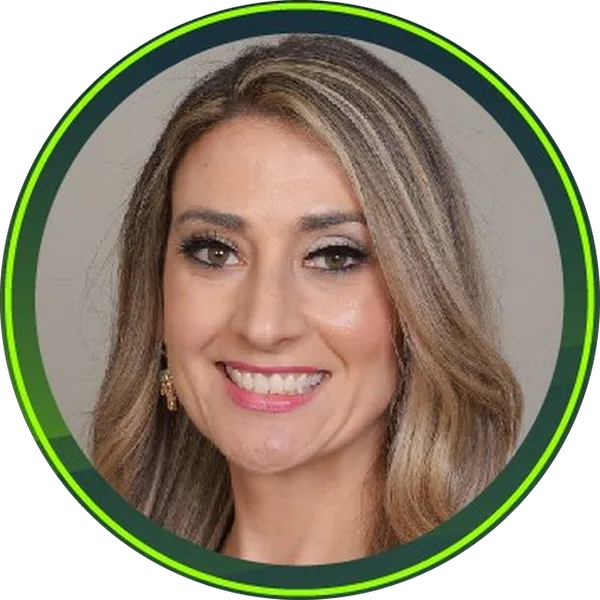
Diane Delaney
Diane Delaney from the Private Risk Management Association shares her expertise and insights on the impact of tech on private agents. Learn tips and tricks on effectively integrating tech into practices to deepen client relationships, drive value-driven service and strengthen capabilities.
In this episode, our hosts James Benham and Rob Galbraith interview Diane Delaney from the Private Risk Management Association.
Diane Delaney is the executive director of PRMA. She spent more than 18 years in the industry as Head of Sales Training at AIG before joining PRMA.
The full episode
Press play for the whole conversation.

Insurance for High-Net-Worth Individuals
After the 2008 collapse, Diane ended up in PRMA and CIPC.
PRMA is a non-profit association. Their mission is to elevate a movement of highly educated risk management professionals who are protecting highly successful individuals and families.
A private client division is solely personal lines based but insures high net worth individuals with a personal net worth of 5 million and above, so their needs and coverages are specialized.
PRMA is the location that is met to bring together insurance carriers who offer high network products, their independent agents, and service providers and for them to have a location to come to attend events, to network, and to be educated on what's happening in the industry to do their jobs better.
PRMA was a natural fit for Diane because of her time managing AIG's sales program.
"There are many clients out there, but we need each other to learn," Says Delaney, who positions herself as a "supporter of all carriers".
How is insurtech impacting the private risk space?
"We do have a lot of members more in the service provider space that are offering a number of tools for our independent agents to do their job better".
Whether it is a system where they can enter a client's address and it prefills all of their information or those repetitive questions you need to ask for an underwriter or a leak detection system, tech saves independent agents a lot of time to have real discussions with their clients. Then there are other tools, especially on the risk management side from a tech standpoint, that we've seen come into this space.
From various leak detection systems to a lot of wildfire tech firms, insurtech is coming into place, along with other providers with only one goal: for clients to protect their homes when offsite and for agents to improve the loss ratio.
"When technology hits the industry they come to us, we're an easy way to meet the carriers and the brokers, they are the middleman to the client, so we get to learn about the technology, and we put it in front of the clients. There's no better way for them to do their job"
A New Role for the Clientele
According to Denise, high net-worth individuals tend to live in the highest risk zones, which are unique gorgeous locations but they are becoming uninsurable because there's too much risk.
So, Independent Agents work with their clients, and their roles must switch as they are going to have to take steps and measures to prevent the loss from happening before they become uninsurable.
Technology is helping clients prevent loss. Independent agents only need to explain it to the clients and how beneficial it is to them.
Agents must know what the best technology is, which benefits it brings to the table, and how to communicate it to their clients.
What's happening with insurance premiums?
There are a couple of factors, according to Diane.
Insurance companies are losing a lot of money and it's not just the catastrophes, there are liability losses that are happening after these storms that are squeezing carriers from a certain amount, and at the same time Independent Agents are making a lot of money. Because of many due changes and imbalances, insurance premiums for the client are skyrocketing.
The premiums are bigger, and some of the carriers are trying to balance it, they can't have the carrier losing money and the independent agent making a lot of money.
One of the factors that influence prices in the high-net-worth niche is the contracts that are being offered. High net worth clients get bells and whistles in their policies that are not available in mass market providers.
Because of rising costs the bells and whistles are coming out of these policies because either the client doesn't want them, or they are impacting these carriers.
Delaney thinks something must change to get more balance between independent agents, carriers, and clients. She believes the market will transform into admitted and not admitted business and will impact both agents and consumers.
From the conversation
Her experience includes building an industry-leading High-Net-Worth Sales School designed to educate brokers on advising clients better.
She initially got a job in AIG's global training department as soon as she left college. They wanted to teach a trainer; she joined as an assistant to training courses.
Diane began her journey shadowing individual trainers until her manager had to retire and offered her the position. That role took Diane to many offices across the US and Canada, which eventually landed her in the private client division which was a very special niche at AIG at the time.
The full transcript
Transcribed automatically from the episode audio, so some names and terms may be misheard.
James BenhamOn this episode of the InsurTech Geek podcast, we're talking about the impact of tech on private agents with Diane Delaney from the Private Risk Management Association. The InsurTech Geek Podcast is all about technology that's transforming and disrupting the insurance world. We'll be interviewing guests and doing deep dives into specific tech we see changing the industry. We're taking you on a journey through insurance tech, so enjoy the ride and geek out. This episode is sponsored by JBKnowledge. JBKnowledge augments your company's existing IT staff and provides dedicated resources for insurance firms that need application development, data processing, systems analysis, and more.
Visit jbknowledge.com to learn more. And we are back with another great episode of the InsurTech Geek podcast. We're geeking out again today with my illustrious cohost, the man with the plan, my fellow Texagander. That's right. It's a Texan who likes to go to Michigan. Rob Galbraith. Rob, how's it going in San Antonio?
Rob GalbraithIt's going well, James. And I have to share a quick story with you. So I happened to be in London last week for the Insurtech Insights Europe event, and I had a first ever experience where we actually had a little side event promoting my book along with Robin Kerr, who's been a past guest for a long time. Yeah. A long time ago, one of our earliest guests. And somebody came up to me very excited and complimented me on my accent in London. And I wanted to know where I was from, and I had explained the whole Michigan, Texas thing, whatever.
So that that was a first.
James BenhamThat's amazing. I I love it. Yeah. But we don't have an accent. No. Everybody thinks they don't have an accent. It's the, you know, self bias. That's exciting. I was in I was in New York last week and got to hang out in Insurtech New York and got to speak there and see everybody. It was packed. It was actually a really good crowd at Insurtech New York and then took my daughter to five different college visits, and we did five Broadway shows. So five college visits, five Broadway shows in four days.
It was like a a marathon of of, activity plus the conference and meeting with clients and prospects. And New York was fun. It was a little cold for my taste. You know? It's already in the eighties here in Texas, so I I had to readjust to it being technically winter back there in New York. With us from the New York area, not New York, though, because she's Ocean Township, New Jersey, Jim Tan Laundry, Diane Delaney.
Diane DelaneyWhat's going on, Diane? Good to have you on the show. Thanks for having me. And I I really hope I get a compliment on my I have a mix between a Long Island and a New Jersey accent. So it's they will come out.
James BenhamYou get a you you're a blend. You're you're a you're a Long Island Jersey blend Yeah. Which is nice. That's a nice blend. I I appreciate that. You glad to have you on the show. You're you're the boss over at the PRMA, And so it's nice having you on the on the show. We're gonna talk about that. We're gonna talk about PRMA. But before we do, I wanna go into your background because you you've definitely, you know, punched a lot of tickets around the insurance space with one company, one massive company that you ended up going to work for.
But before we get into that, like, where were you born and raised, and what did you wanna be when you grew up? I was born and partially raised in Brooklyn, New York.
Diane DelaneyAnd then as a kid, parents moved us out to Long Island. And then eventually, as I grew up, jumped over to Jersey. But I had no intentions like any of us to jump into a career in the insurance space. My primary goal in life was to be a hairstylist. And my mom and dad said, that's great. You're going to go to college first, and then we'll talk. And when I left college, I mean, like most of us, a degree in business. And I had a great professor who it was a specialized college course on training in the corporate space.
And this professor had said, you have a natural ability to communicate. You at some point in your career, try to follow that path. And I and I did. I stuck with it. Did you go you went to Adelphi University. Did you go to the location in Garden City? I was. I was Garden City, ran track and field, d two. Yeah. What events? It was mainly cross country. So you just run a lot and far.
James BenhamYeah. I I had some good friends. I I like long longer distance running to short distance running. I I was not fast enough. I tried running track in high school, and I was not fast enough. So I pivoted into into longer distances. But I was in a cadet corps ROTC thing in college, and so we did endurance endurance competition. So we're usually running, you know, three to five miles, but in combat boots. So it was a it was brutal. It was like The college track was brutal, but that's tough.
It was it was different. It was a lot of shin splints. I I'll tell you that. Oh, yeah. No strainer of those. I I I definitely very quickly switched combat boots and and found out which the the most comfortable combat boots were, especially when you're trying to run for time and distance. So I think my best run time ever, which was in, like, what we call it season t. So you're in, you know, you're in camo. You're in combat gear, and you're in combat boots was I had a I had a eighteen minute three mile in that, and I was thrilled.
Like, that was my best time I ever had. And I yeah. I mean, I was 18. You know? It was the and and now now I can I can barely get below a ten minute mile now, and I I think my first mile split was, like, five fifty five back then? And I'll run an aggressive pace now, and it'll be, like, nine thirty, and I'm like, oh god. I'm so slow. I know. I'm the same. I I've done a couple of marathons, and I'll my mile pace right now is slower than what I did, like, mile pace for 26 miles.
Yeah. Yeah. Mean, it's what It's depressing. Yeah. Like, in, you know, in in track, like, the the pinnacle is, like, what, the sub four minute mile. Right? And the Yeah. Yeah. I mean, fastest I ever got was five. I'm just not a fast person.
Diane DelaneyYou know? But you can't be both. You are either distance or sprinter. I've learned that. I've accepted it.
James BenhamYou know it's about quality. You wanna you wanna you wanna be both. Anyway, it's okay. Know, I I I competitive people. Exactly. When you mentioned hairstylist, though, you know, I I I I was in Greece in high school, and so I I played the teen angel, which means I sang the song, beauty school dropout, no graduation day for you. And so I was like I was like, oh my gosh. New Jersey, you know, beauty school. Perfect. I know. It was like it was like a whole great setup for me.
So you went to Adelphi, and and thankfully, you had like I did, I had some transformative amazing professors at Texas A and M, and you had obviously a really good one. Yeah. You were probably probably a bunch of really good ones. Adelphi is a great school. Yes. And, you know, real really great experience. And then you ended up at AIG. Like, how'd you what, you know, what what led to that first job at AIG? Because you stayed there for sixteen years at AIG. Yeah. So was actually it was actually eighteen by the time I I left it.
It was it was quite some time.
Diane DelaneyBut, you know, fortunately, had a lot of growth there, so it was it was consistently learning. But right out of school, my brother was an underwriter there. I asked him to help me out, submit my resume. And they had it was a perfect setup. The broader the training department at AIG, which that department doesn't exist today, but it was a global department and they were looking to hire someone right out of school that they can mold into a training individual in the future. So it was a perfect role.
I joined there as the assistant of the office, and I would help prep any training manager to get ready for their course. Like, I would manage their rosters and tell them how many people were coming to class and any pre work that was done. And I would shadow the different training courses and learn how they would teach individuals from leadership to presentation skills. And I loved the presentation skills courses. The training manager that used to teach it unfortunately went on a ski trip one day and tore her ACL and they had no one else to teach it.
I was 21 years old at the time. My manager, she was about to retire and said, anybody want this course? Have it. And I took it. I basically self taught myself, but that role of teaching presentation skills took me to so many AIG offices across The US and Canada, which is how I landed into in 2008 moving into the private client division, which was a very special niche at AIG at the time. Yeah. And tell what tell for for the uninitiated,
James Benhamtell them what a private client division does. I call that the sexy side of insurance.
Diane DelaneyThis side is solely personal lines based, but insures high net worth individuals, which is a very broad term. But most of us look at that as individuals with a personal net worth of 5,000,000 and above. So their needs and coverages are so specialized. So it was a very unique division. I mean, it's still the the sector that I operate in today. That's great. And you you were at AIG
James Benhamwhen everything blew up. Right? Oh, I was. So tell me about I I'm I I whenever I talk to someone from AIG, obviously, AIG has a huge presence here in Houston. Big, I'm guessing you've been to the Houston offices of AIG. Absolutely. Several times. Yeah. So large staff, big big presence here in Houston. But AIG had a massive monster event two years after you joined. I mean, tell us what that was like to walk through the economic collapse of two thousand eight. And, obviously, they were insuring a bunch of subprime, you know, personal subprime loans that went super bad, and the government had to step in and save the company.
So tell tell me Mhmm. Tell me about what that time at AIG. Well, fun fact.
Diane DelaneyThe day everything hit, I was off from work because I had just purchased my first condo. And at 25 years old, I'm psyched. Like, look at me, grew up, purchased my own place, and obviously I had nothing set up, no cable. So I didn't watch news that morning. And I went up to 07:11 to get coffee. And I look at the front page of the paper talking about everything collapsing and AIG's on the front cover. And that obviously is one of the scariest things you can go through when you were that young in your career.
You just make this purchase. You don't want to go back. Love mom and dad, but to move home again. And then not knowing what was going to happen was scary for all of us. And especially working in Manhattan and headquarters at that time, it really wasn't all that safe either because you had a lot of angry people who didn't understand that the employees didn't know either. I mean, we're just doing our jobs. But I have to say, and our leader at that time, Charles Williamson of the private client division, he was such a phenomenal leader during this time that he put the staff's minds at ease of the sector we are working in is unrelated to what's happening.
Is it bad? Yes. But we have a job to do, and we have to maintain our clients. And he was getting on the phone with clients left and right explaining what was happening. We had a really high retention rate. And I think going through that made a lot of us stronger and the staff closer. So where I look at what's happening in the industry now and so much is out of our control. This is tougher than what we went back through in in o eight. Wow.
Wow. Yeah. It's dynamic times. I mean, obviously, that was a, a hard time for anybody in any business at that time and
James Benhamhard for college kids who are exiting right then in o six, o '7, o '8, and having their first life and first job and everything else. I mean, it's a lot to deal with early. It was. Yeah. And so you you spent quite a long time at AIG. You rose up through the ranks once you got into private the private client services. And then you went up to through training manager, AVP of sales and marketing. And you ended up your last job, you were head of sales training and events.
And and you, through that, had a a relationship with PRMA and CIBC. And so you you obviously made a leap over to PRA. What led to the to the first off, what is the Private Risk Management Association? And secondly, how did you end up joining it? Yeah. So PRMA is a nonprofit association
Diane Delaneywhere our whole mission is to elevate a movement of highly educated risk management professionals. And those professionals are protecting highly successful individuals and families. And we are the location that is meant to bring insurance carriers who offer high net worth products, our independent agents who are servicing the high net worth space, and service providers that offer any sort of service to protect these individuals to have a location to come to, to attend events, to network, to receive education in what's happening in our industry to do their jobs better.
And it was such a natural fit because in the latter parts of my career at AIG, I spent so much time running that sales program where I would travel The US and speak with brokers regularly on where their strengths were, what were their challenges, how difficult is it to communicate with clients, what did you need? So coming into this role at PRMA, it was just on such a grander scale of the ability to be no longer carrier agnostic. I support them all. I support all the independent agents.
And this is supposed to be a way where we come together and competitiveness goes out the window. There are so many clients out there, but we need one another to learn. And it's been a very rewarding journey since '22 to see how it's grown,
Rob Galbraithand and we will only continue to get bigger. Awesome. Thanks. Appreciate all the background and certainly learning about PRMA. Rob? Yeah. Diane, it's great great to have you on and, be remiss, right, on an InsurTech, related podcast to kind of ask you about the technology angle and insure tech and how that's impacting the private risk space. So maybe just kind of your your broad thoughts about it. If you have any that are our members or that you work with, kind of what's the intersection there? Yeah,
Diane Delaneywe do have a lot of members more in the service provider space that are offering a number of tools to our independent agents to help them do their jobs better. Whether it's a system that they can enter a client's address and it pre fills a ton of information on those classic questions you need to ask for an underwriter, like what's your roof made out of, which shockingly most of us don't know, I don't know. But it's saving these independent agents a lot of time when it comes to products like that so that they can carry real discussions on with their clients.
And then there's other tools, especially on the risk management side from a tech standpoint that we're seeing come into this space from various leak detection systems, which we know, especially on the personal side, largest cause of claims that are non weather related. So seeing how the technology has advanced over the years, and a lot of them are members of PRMA, We have a lot of wildfire tech firms that are coming into place, which are offering solutions that clients can protect their homes when off-site, whether it's completely saturated or put a fire retardant over their homes, which is eliminating that need for the human interaction and the firefighters to be on-site.
James BenhamSounds great. I mean, let's talk about I mean, tech. I mean, I've I spent twelve years in construction tech. And through that, we learned a lot about home automation systems, home protection systems. And, you know, any anything to prevent losses inside of home. And and real really around water was a really big area around I mean yeah. And so I I I like to kinda bifurcate the technology stack because you have a lot of tech tools that you mentioned that are there to help the producer or the company, you know, easily quote the risk and and and understand the risk and gather data on the risk.
And then you have the other half of technologies that are there to prevent losses. Right? Correct. Are you see are you seeing a big surge in tech providers that are coming in trying to help prevent losses? Because we're seeing, you know, some really interesting technologies like WENT and others that come in with sensors and flow meters that automatically shut water off to the house if they detect a leak in the flow pattern on the water. I mean, we're seeing some really cool technology come around that could that could dramatically reduce losses, and especially with a private risk group where you're insuring really expensive houses with really expensive finish outs.
You know? And and, you know, you you're trying to mitigate some property losses, especially on, you know, around fire. I was I was actually talking yesterday with a a carrier that we were talking about the the risk of EVs because they're starting to see with certain Jeep four by e electrical vehicles and some Teslas, the the risk if they're garaged of them catching fire while they're plugged into the wall if there's an overload. And so now there's a whole new category of product that sits between the wall plug and the the car charger to detect if there's a thermal, event going on and shut down power to the charger.
So it because you literally can't put out EV fires. You just have to let them burn out, and they'll take the whole house with them. So you can end up with a $2,000,000
Diane Delaneyloss from electrical overrun. Are you are you seeing a lot of this discussion around this A ton. A ton. And it has to because you you know, imagine with these high net worth individuals, they have multiple homes. It's not just one. Multiple vehicles. And they're not on-site in all of these homes. So you could have these pipes busting. There has to be a tool that they can access off-site. And that I mean, even myself, being in the industry had a leak detection system installed in my home.
And my pipes, although a brand new home, was fitted with a defective PEX fitting. So it's basically meaning the PEX fittings are just corroding. And we have multiple of these fittings throughout the home behind the walls that we cannot see. And unfortunately, we've had multiple pipe bursts, but the system I have is Flowlogic. It'll send me a notification to my phone saying it's seeing unusual activity. It'll merely shut the water. But even then, you know, a twenty three minute water flow, which I had a loss for, I was sleeping in the middle of the night, I didn't hear the alarm system go off.
Luckily, the pipes were shut. That was an $80,000 claim, but it kept me in the home where what we're seeing in the space is if a client has a $9,000 home and they don't have all of these devices installed, it's causing massive claims. So the advancements of these systems that we're seeing are incredible because years ago, these leak detection systems were not catching like small drips, which meant that there was a problem occurring. And now that they are, and it's making a big difference. But especially in brand new homes for high net worth clients, most laundry rooms are on the 2nd Floor of the home, which is great, really convenient.
You don't have to go to the basement. But when those pipes bust and they will, where is that water going? So having systems in those type of rooms to support them is is you know, we're seeing that from a tech standpoint happen as well.
James BenhamYeah. It's exciting. And and I think that's a good good role for your association to play too is in is in highlighting technology providers that can really I mean, if you're if you're improving if you're improving the loss ratios of your members, that's a major mandate for you. Right? Well oh, yes. And and that's where I love this sitting in this seat at PRMA because when we
Diane Delaneywhen technology hits the industry, they come to us because we're an easy way to meet the carriers and the brokers. Like, that's their they're the middleman to the client. So we get to learn about the technology and put it in front of the clients first on the independent agents firsthand. That's mean, there's no better way for them to do their job when they understand what's out there. Yeah, Diane. So
Rob Galbraithmaybe you can describe a little bit about you know, the the clientele. Right? That these carriers, that these, you know, agents and and and brokers, your service providers are are servicing. You know, we're talking about personal lines here, not commercial lines. Although there are aspects of, I think, about loss control on the commercial line side that probably for high net worth individuals, right, maybe makes sense in a way that it wouldn't for kind of the the the mass audience. And I've come across a ton of startups over the past, you know, five to ten years and they have some new gizmo.
Right? And they're like, it's gonna prevent losses. I think my carrier should adopt it and give it to all their customers. And I try to explain to them from the insurance perspective, well, you know, that's an expense that I have to pay, right, from a carrier perspective for all of my customers when only a handful, right, are gonna have a a loss in any given year, maybe three to 5%. And, unfortunately, I don't know which of the three to 5%. So, you know, so a lot of things kind of, I guess, fall apart on the economics from that standpoint of some of the smart home devices, whatever.
But, anyway, I'm just thinking about your clientele. I'm thinking about, you know, there might be startups out there that have that new Gizmo that could be a great proof of concept and maybe down the line, right, it does make sense for some of those mass carriers that we know that that are handling the the, you know, the larger books, right, to to roll out. But it feels like your clientele might be a great tip of the iceberg to do some experimentation or proving out without obviously, we're not beta testing right on these high net worth individuals.
Anyway, just kind of wanted to get your thoughts. Maybe you can describe a little bit about the needs of the clientele, what they look for and then you know their receptiveness to some of these more innovative solutions that you've seen to date. Sure. So if you look at the clientele,
Diane Delaneyyou know, and we think about it, where do high net worth individuals
Rob Galbraithprefer to live? Like, if I ask you that question, what would you guess? Where are the all the risk are? Like, they wanna view the ocean or the the mountains or the trees, etcetera. Near the water near the water and near the fire hazards in the mountain. Absolutely.
Diane DelaneyBecause it's gorgeous. I get it. And it's not where mother nature and, the world is cooperating right now. So because of that, and to your point, they are perfect candidates to be more proactive and actually they have no choice. So in order for a lot of these high net worth individuals today who are building homes or have homes in these unique, gorgeous locations, they're getting uninsurable because it's too risky for the carriers to take on so much in this area. So it's not even that the insurance carriers have to purchase some of this newer technology to help the client put it in their home.
And it's not that they're all requiring clients to take these risk management steps, but what the independent agents are trying to do is to really work with their clients and getting them to understand that their role now has to shift. That while they continue to purchase these nice homes and these beautiful locations and these fancy cars, they're going to have to take steps and measures to help prevent the loss before it happens so that they do stay insurable. Right now, if you just have a basic water loss in your home, you do not want that when you're living in California and Florida.
Like that's a claim that could have been prevented. And, you know, in working with a lot of the carriers and learning from their risk managers, they get excited about this technology that hits the space. And I had one recently, a risk manager that worked for an insurance carrier that called me up and said, Diane, you have to talk to this new firm. We just started using them. And it is, I just referenced them earlier is that they are a fire sprinkler system. As I mentioned, that the client can control it from an app and completely saturate their home when they're away from it.
But I've had other brokers recently share with me in the last week that their clients in Montana are installing this AI and camera and thermal technology systems in their homes to watch the very early stages of a wildfire so they can take action sooner than later. And the clients are receptive to it, but it just has to be explained to them as to why they need it. But when they know the only option is to leave this massive compound uninsured, or you could insure it at a much higher premium than you were years ago, but you install this system, at least the damage will decrease.
And of these clients could afford what's being recommended from the technology, it's about them seeing the value in it. And that's the tough job of the independent agent is they have to know what technology exists and then how to explain it to a client. Years ago, we struggled with clients installing leak detection systems because it was a hassle. They had to get an electrician in and a plumber and purchase the system, but then a massive claim happens. Yeah. Exactly.
James BenhamIt's a well, we're we're seeing, obviously, a massive cost run up in in the cost to repair and replace and fix things in general, both in automotive, you know, auto and and property. And we're also seeing a huge problem with trial attorneys, huge problem with trial attorneys exploiting state laws. And you just saw Florida dramatically overhaul their state laws Mhmm. To to deal with assignment of benefit claims, which have bankrupted multiple insurance carriers in Florida. We're also seeing a really weird shift in the in the in the in the high net worth private client insurance space around commissions.
I'm hearing from a bunch of brokers that they're getting commissions cut massively, like like a lot, like several percentage points. Yep. So can you can you walk me through why you think that's going on? Because, obviously, they're rate takings. They're increasing rates, and they're starting to reform laws. They've been lobbying heavily with the state governments. But at the same time, they're going to their private client brokers, and they're squeezing down on broker commissions by Sykes, sometimes, you know, by five, six, 7%. It's a lot. Mhmm.
I mean, can can you can you walk through that? What do think is going on? There's a couple of factors there.
Diane DelaneyWhen You the insurance companies are losing a lot of money, and it's not just the catastrophes that are happening, but you alluded to this before. What we don't talk about enough in the industry are about these liability lawsuits that are happening post these massive, storms that are happening, which is also squeezing the carriers from a certain amount. But now insurance premiums for the client are skyrocketing. So some independent agents right now, when they are keeping their policies on the renewal or the new business and they have their commission they've always had, they're technically making significantly more.
Some of them, not all of them, but because the premiums that the clients are paying are so much bigger, that's naturally happening. And I think some of the carriers are trying to balance that out where we can't have the carrier losing so much money and the independent agent gaining so much money. But for the both, and I support each side of it and see both sides of it. The independent agent has the most important role. They are that direct contact to the client, but the carrier can be sitting on the side and saying, but we're also losing money and how could we be losing money and charging your clients this much premium, yet you're making so much more off of that.
You know, in in something we just recently dove into on one of our own podcast is how if you look at the high net worth niche and the contracts that we offer high net worth clients, they get so many of these unique bells and whistles on their policy that you don't see from mass market providers. But those unique bells and whistles, your horn crumbles to the ground, you have additional living expenses. And it's not just go stay at the Motel eight, it's the Four Seasons. And you don't there's unlimited amount of time you could stay there.
And these pricing models that companies are using to help them from a predictive standpoint and catastrophes were never built to factor in, oh, the Smith family, their home is gonna crumble to the ground, and then we now have to put them up in the four season, and the home is not gonna start to rebuild for two years. And that's just adding up and adding up. And that's taken a toll on these carriers, which I think we're gonna see that shift there, not just in commissions,
James Benhambut some of the bells and whistles coming out of these policies because either the client doesn't want it or it's really impacting these carriers. Yeah. It's it's a good balanced it's a good balanced response. Right? I mean, you you have brokers and carriers that are part of your association too. Right? Yes. Mhmm. So you're you're you're probably at the nexus of this, fortunately and unfortunately, in particular around commissions because it's it's you know, I you've certainly, you can't have the entire industry lose a ton of money and expect there not to be consequences and ramifications.
You know? Right. When when combined loss ratios are over a 100% for the whole industry. Mhmm. You know? It's it's some something's gotta give. So laws have to change, right, which they're starting to in in, you know, states like Florida. Texas's law has already changed a decade ago, which has prevented a lot of this foolishness over here in the state of Texas. But, you know, laws have to change. Commissions probably have to change. Technologies they deploy have to change. I mean, it's it's a but it but I I'd say it's stressful for the industry because it's a lot of change all at once.
Diane DelaneyThat yes. And that's where and we talked about o eight before.
James BenhamThis is harder.
Diane DelaneyOh, man. I it's hard speaking to brokers every day, and they're just defeated because they're delivering so much negative news to the clients and that their rates have skyrocketed or they just don't have a solution for them. They're in this constant reactive mode, and then they do hear that their commissions are being cut. And you understand from the carrier standpoint, they're also trying to appease it all, but they they have to, I mean, just to even access reinsurance. Something has to change, like you said. So it's I have hope we're gonna see, you know, in the next eighteen months, but it will never go back to the way it was.
Really? You think it'll it it's a it's a permanent change? I do think it's a permanent change in the you know, we're starting to see our world is gonna be primarily non admitted versus admitted markets, which you would have never heard years ago. I don't think that's going to change much in these high cap prone states. I think it'll it'll it'll convert to more non admitted business. It'll be all all non amenity and s work. Yep.
James BenhamWhich is different.
Diane DelaneyIt's certainly different for consumers. Right? It's different, and and it's the independent agent has to learn to you know, years ago, the nonamit, it was like the penalty box. You don't wanna go in there. Nobody wanted to. But now it's no. You you it's not bad. You have an option.
James BenhamSo it's and then they have to now learn it. Yeah. It's a lot of like you said, it's a it's a lot of it's a lot of cheese moving at the same time. It's a it's a lot of at the same time. Rob, close bring bring us on. Close us out. Well, I just you know,
Rob Galbraiththink it's fascinating, and I really appreciate your openness, Diane, and sharing some of the the challenges, right, for this market. But on the flip side of the coin, right, to go to put a positive spin, that's where I think there's room for innovation. Right? So if there are Oh, absolutely. Out there looking to innovate, if there's new technologies, you know, and and I've seen a whole host of things and I'm sure there's a lot of stuff I've never seen out there that that that might be great.
So, you know, if I'm thinking about if there is somebody out there that they think they have an innovation or they wanna learn more about this market and and what opportunities that maybe they can help, you know, close some of the gaps, be part of the solution. Just curious, like, you know, how can they learn more about PRMA? And I know you have an event coming up in the fall that maybe you can kind of share as well.
Diane DelaneyYeah. And that's so, you know, if you want to just learn more about PRMA, you can go to our privateriskmanagementassociation.org webpage, and you'll learn more about the upcoming events that we have, both virtually and in person on a regional basis. But in regards to that event, and this event is a great way to feature new technology coming into this space, October 28 to the thirtieth this year in 2024, we will be at the brand new Lowe's Arlington Hotel and Convention Center. Last year, we had about six thirty people at our event.
I'm expecting close to 700 this year. Majority of our events, the independent agents are in attendance. So it is a great way. We will have a massive exhibitor hall. We will have up to about 64 exhibitor booths available. And that's where you'll see a lot of our leak detection systems that will come and display and really talk to the agents about what's there amongst a whole ton of other from the wildfire space to just, you know, Monometrics is one of our companies as well that you'll see there.
And that event spans three days. We really spend a lot of time in making sure exhibitors get face time with the carriers and the agents. And most of that event, while yes, it's fun, it is highly educational as well. And we have several educational topics about what's impacting the industry. Today, we're exploring a number of topics that will be delivered. It can run the gamut from cyber all the way to what's happening in the fine arts space.
James BenhamAwesome. Well, great discussion. Certainly, a topic we actually haven't had on this podcast. We have not talked about private risk management and the impact of technology and regulations and the shifting landscape. So I really enjoyed it. I learned something today. I'm excited about your conference about PRMA Summit, which is gonna be fun, and it's gonna be in the great state of Texas, which is even better. Come visit us. Right? I Yes. Might have to do it. You're gonna be in Arlington, which is not too far away.
I mean, October right before Halloween. So not on Halloween, though, so everybody can get back to your kiddos so you can go try a treat. The plan. Yeah. And, you know, that's gonna be great. So good luck with that, and I'm excited about your your role, leading PRMA and really great discussion. So thank you so much for joining us today, Diane. Thank you both. It was an honor to be here. And thanks to our listeners, and thanks for tuning out today to geek out our interview with Diane Delaney from the Private Risk Management Association.
See you next time. The InsurTech Geek podcast is all about technology that's transforming and disrupting the insurance world. I've been your host, James Benham. That's jamesbenham.com with cohost Rob Galbraith at endofinsurance.com. We're taking you on a journey through insurance tech, so enjoy the ride and geek out.