 YouTube
 Spotify
 Amazon
 iHeart
 Apple
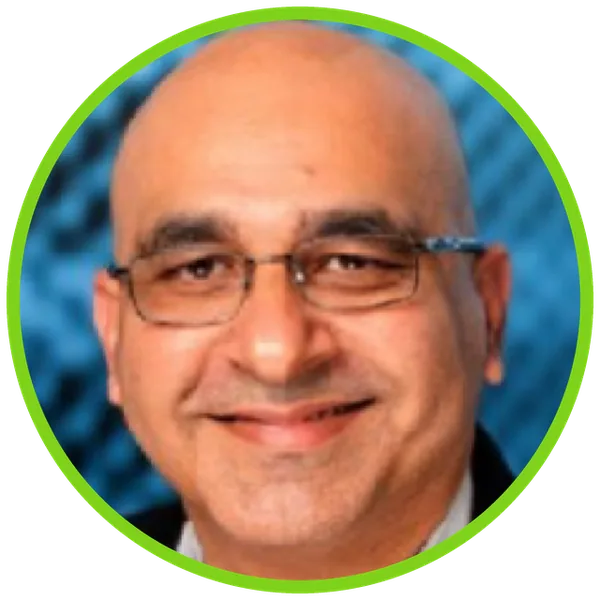
Pankaj Parashar
Pankaj Parashar of Purple Ant discusses the unique approach that he and his company have taken to help others use existing IOT hardware and do much more in the sector of home insurance.
The full episode
The whole conversation, straight from the show feed.

INTRO
On episode 14 of the InsurTech Geek Podcast talking about the IoT & AI in Insurance with Pankaj Parashar of Purple Ant.
INTERVIEW
JAMES: Alright-alright-alright-alright, happy Friday! Feels like every other day, these days, I tell you what, Rob, I mean it's a little bit like my favorite movie of all time, Groundhog day, sometimes it's like, is it another day or is it the same day I keep on living over and over again?
ROB: It is either another day in paradise or another day stuck at home. However how you look at its James. Good to see you again this week.
JAMES: Yeah, good to see you too! It is, of course, beautiful weather here in Texas. It is hard to believe there's a, you know again, we call it, I call it Voldemort, the virus that shall not be named. There is this crazy thing going on, out in the world the weather is about as pretty as it gets down in Texas, beautiful Springs weather, great fall, great Spring day and great sun shining day! But certainly, if you are out there in listerner-land, you are probably listening from home, or the home vicinity, or on a walk around your neighborhood. Distanced from everybody else on the sidewalks and doing awkwardly long pass by's from people you are trying to, I mean it is a, it is a weird world right now, but today, we are not talking about that. We are going talk about tech, because tech keeps moving and some awesome-awesome-awesome innovations are going on Insurance Tech. And Rob I am super excited to have you co-hosting again for this episode of the InsurTech Geek, and this time we have one of your good friends, longtime friends Pankaj Parashar, from Purple Ant. And Rob I would just love to hear a quick word about how you guys met and how you all know each other.
ROB: Yeah, so Pankaj and I met a few years back when I was at USAA and he was at Cognizant and we we're trying to figure out if there was a relationship that we could form between the two companies, and we ended up kind of, I don't know how to describe it, Pankaj can do it, kind of noodling around on something, we kind of developed some prototypes and stuff that I think could have been really - cool and ended up probably being ahead of its time, and unfortunately it never took off, but we kind of worked together on this, so we have a kind of shared passion, and so we stayed in touch over time. He left Cognizant and started his own company Purple Ant. We will learn all about that today, and I wrote that book about the USAA and I started my new roll. So, yeah, we've kind of kept in touch. He hosts podcasts himself, called Purple Ponderings of Pankaj and I have been a guest on his podcast.
JAMES: Nice
ROB: So, I am about to return the favor and bring him on our Podcast.
The full transcript
Transcribed automatically from the episode audio, so some names and terms may be misheard.
James BenhamOn episode 14 of the InsurTech Geek podcast, talking about IoT and AI and insurance with Pankaj Parashar of Purple Ant. The InsurTech Geek Podcast powered by Jibby Knowledge is all about technology that's transforming and disrupting the insurance world. We'll be interviewing guests and doing deep dives into specific technologies that we see changing the industry. We're taking you on a journey through insurance tech, so enjoy the ride and geek out. Alright. Alright. Alright. Alright. Happy Friday. Feels like every other day these days. I tell you what, Rob, I mean, it's a it's a little bit like my favorite movie of all time, Groundhog Day sometimes.
You know? It's like,
Rob Galbraithis it another day, or is it the same day I keep living over and over again? It's either another day in paradise or another day stuck at home. However you wanna look at it, James. Good to see you again this week. Yeah. Good to see you too. It's,
James Benhamof course, beautiful weather here in Texas. It's hard to believe there's a you know, again, we call it I call it Voldemort, the virus that shall not be named. There's this this crazy thing going on, out in the world, and the weather is about as pretty as it gets down in Texas. Beautiful spring weather, great fall, a great great, great spring day, and, you know, great great, sunshiny day. But, certainly, if you're out there in listener land, you're probably listening from home or the home vicinity or on a walk around your neighborhood, distanced from everybody else on the sidewalks and doing awkwardly long pass bys from people where you're trying to I mean, it's a it's a weird world right now.
But, you know, today, we're not talking about that. We are gonna actually talk about tech, because tech keeps moving, and then there's some awesome, awesome, awesome innovations going on in insurance tech. And, Rob, I'm super excited to, have you cohosting again for this episode of the InsurTech Geek. And this time, we have one of your, good friends, longtime friends, Pankaj Parashar from Purple Ant and, Rob, I'd just love to hear a quick word about how you guys met and how y'all know each other. Yeah. So,
Rob GalbraithPankaj and I met a few years back when I was at USA and he was at Cognizant and, you know, we were trying to figure out if there was a, there, there's a relationship that we could form between the two companies that we ended up kind of, I don't know how to describe it and podcast can kind of do it. It's kind of noodling around on something. We kind of, kind of developed some prototypes and some stuff that I think could have been really, really cool and ended up probably being just ahead of its time and unfortunately never ticked off, but you know, kind of worked together on this and had a shared passion.
And so we've, we stayed in touch over time and he left a kind of sit to start his own company purple ant and we'll learn all about that today. And then, obviously I wrote the book, left USA and started my new role. So, yeah, we've kind of kept in touch. He actually has podcast himself called Purple Ponderings with Pankaj, and I've been a guest on his podcast. Nice. I'm glad to return the favor and bring him on our podcast. I I like the alliteration, Purple Ponderings of Pankaj.
James BenhamThat's a that's a good one. So, Pankaj, welcome and greetings. Where are you joining us from today? Hey. Thank you for having me, James and Rob. And I'm from I'm here in
Pankaj Parasharsunny Chicago. I wish I could say what you said. Right? So, you know, about the weather, how it's nice it's outside. And, yeah, unfortunately, we're in a little bit colder place, but I got to tell you, this has been one of the strangest winters where it's not been that bad, right? It's been mild. We've had other problems, as you know, right? Yeah. With what's happening with virus. So we're kind of stuck inside the home, and Chicagoans don't like it because for a change, they could have been outside, right, meeting friends and colleagues.
So glad to be here. Thank you for having me. And just to say, I just want to tell you that what Rob and I were working on three years ago, Rob, if I may, I looked at that project and I call it the Salesforce for Underwriting project. Right? So that's we really think, I really think we were working on something which was absolutely groundbreaking. Unfortunately, the destinies and the stars are not aligned on that one and we went different ways, but who knows? Maybe one day we'll get an opportunity to, you know, do something on those lines.
James BenhamYou know, Pankaj, there's a there's a lot of projects like that out there in insurance land. I I remember my very, very, very, very first insurance client. I started JBKnowledge as a software development consultancy. In 2001, we're about to hit our nineteenth anniversary. And my first big client was an insurance client, and we designed and sat down for fourteen weeks in a room, a very small room with a with a large whiteboard. And we wrote about a 450 page document designing the perfect system for underwriting inspections that would revolutionizing that would would just totally revolutionize commercial and and personal lines property underwriting inspections, like the the entire inspection process.
It would streamline the whole thing, and it was brilliant. I mean, it was it was a decade ahead of its time. And the guy and I the the the guy that designed it with me was the IT director of this company. And we got the the chance to implement little tiny pieces of it, but never the grand vision because it got squashed by politics and a few other things there. And and it's it's interesting. You know? I think there's a there's a lot of those kind of projects that could have been revolutionary and groundbreaking, but it was the wrong time and and didn't take flight.
But this is interesting. I mean, you you had a vision there, and, you you've now you've now, you know, obviously, left and then and started your own your own business to carry your vision out. Before we talk about Purple Ant, I would just love for you to to help us understand your journey. Where were you born and raised, And what do you think you were gonna do? Most people kinda stumble into insurance. They don't, like, start out like a 12 year old saying, daddy, daddy, I wanna I wanna be an insurance underwriter.
I would love to be a claims adjuster. You just you know, it's not like a profession kids aspire to be in. And there's really very, very few college degrees in insurance or in in insure tech.
Pankaj ParasharSo what'd you what'd you wanna be? What'd you end up doing? And then what got you here? Yeah. How much time do you have, man? This is such a great question because I can talk for hours and hours. Well, maybe fifteen
James Benhamto twenty minutes. No,
Pankaj ParasharI think it's an important question, James, because, you know, I really think that before you talk about with anybody about any topic, you got to understand where they come from, why they're doing what they're doing, right? So this is what I hear you ask, which is very smart because that's what I do when I talk to people as well. I am from India. I was born and raised in North Of India. Up in the foothills of the Himalayas. Memory from those times are that, know, those were the times when there was no heating.
There was no, obviously, no air conditioning. So, if it was 30 degrees outside, it was 30 degrees inside, right? So I kind of got pretty used to the Chicago like weather from very early on. My father was in job that made him go around the country, so we had the fortune of moving every three to four years. So spent time in the North, in the South, in the West. The only part I didn't spend much time on was the East. But, through that journey, I did my, engineering, electronics engineering completely by accident.
I hated it. The only reason I signed up for it was because my parents thought that was a good thing and it was a cool thing. And because I had no clue what I wanted to be, I signed up. And four years later realized I wasted a good seat. From there, I went on to doing my MBA and in my MBA, I to join the finance industry because that was in thing, right? Everybody was joining these finance institution, investment banking was cool. It so happened though that in 'ninety five there was a stock exchange bust, right?
There was some scam and the stock markets died and all the jobs went away just like how it's happening right now for a lot of the people. And I had to pivot. And so I went to a counselor and said, Mr. Counselor, I don't know what to do. This job has gone away. So he said, You know what? Become a sales guy. And I don't know what he saw in me, he said, You know what? You should try to join these two technology companies in sales.
That'd be good. I didn't challenge him. I didn't ask him why or what, but I joined one of them from campus, moved on to about four or five different technology consulting companies. So that's what I've done. But then in 2001, I came to The States through one of those companies who did an interesting experiment Instead of just bringing technology geeks to come here and work on projects here, they got a bunch of us sales guys. I don't know for what reason they thought that we could be successful in this country.
Well, thanks to them because I'm still here nineteen years later. Yeah, so that's me. And then over these last, I would say ten or fifteen years, because in 2001, I sold into Westfield Insurance, which is a small insurance in Cleveland, Ohio. This was, by the way, I'm just talking about early two thousand and two, just post nineeleven, hard times, economy not doing well, but this customer made a bet on me and that's why I just love insurance because it's almost like my first crush, right? They gave me a great opportunity.
I could back up my job and convince my company not to fire me. And something about insurance kind of just stuck on, right? So in those days we didn't have verticals as such, but from that day onwards, for whatever reason, the companies that I've worked for just kind of made me focus on the insurance vertical and I've completely by accident stuck with them. Also because it's an industry which is all about data and because it's all about data and they've got all these kinds of systems, they're always needing consultants to help them out because there's always a cool technology that comes along and they've realized that they need to do something with it.
So I met my co founder actually in that way about ten years ago and realized that I've been, you know, we work really well together. We kind of are good at figuring out something out of nothing. And maybe that's a good recipe of having a starting or starting something on our own. So that's the long and short of my crazy journey. And I have so many stories, but it's probably good for,
James Benhamknow, to have to discuss over drinks. So I'll I'll pause there. Exactly. And, you know, it's it's interesting. I I ended up get getting my big crush on insurance because a friend of mine referred me to a company that he had bought as an M and A guy. And I got to start working. I'm like, man, there's so much opportunity here. There's so much to do. This is such an important industry. It's such an old industry, you know, dating back to the Babylonians. Right? The I mean, insurance is fascinating.
It's it's has a rich and deep history, and there's a lot to it. I have to ask, you know, I have I have a lot of friends in India. I was on the phone with some very close friends of mine in Southern India the other day, and I have a call later today with some really good friends of mine in Aurangabad. I always have to ask, what's your mother tongue? Are you, like, Lucknow or New Delhi, or were you Uttar Pradesh? What what part of Northern India?
Well, we're basically Punjabi. So we're from the state of Punjab, which is in the North. North North. Like, the Super North. Yeah. Okay. Yeah. Like, Kimchal Pradesh, like, there. Like, way up there. Okay. Close to. Yeah. Awesome. I'm a massive fan of of of of Indian food. My friends from there have have have have lectured me thoroughly on what is good Indian food and what is not. And, it's been interesting in in IT because you you get to interact with so many folks from India in in the technology business.
And there's certainly a lot of innovation that takes place over there and a lot of opportunity and a a lot of people. You can imagine the problems that you see at scale here are at a completely different scale when you go over a billion people and you put them in a in in an in an area like that. That's that's fascinating. So what was the, before I hand it off over to to Rob, what was the what was the moment with with Purple Ant? Like, what was the the the thing that said, it's time for me to leave a very large consultancy cognizant, who by the way has a huge office here in College Station, Texas.
You know, what what was the moment that said, I'm gonna head out from this, you know, big corporate job and go chase my own dream down? Yeah. So the moment, the moment for me was this conversation with my current carrier,
Pankaj ParasharSo the one who covers our home and auto policy. I was having a chat because they were, it was time of a renewal, I think. And they were pushing this idea of a discount on my car if I put in this dongle and, you know, not that easy to put in, but, you know, I started, I got fascinated by that. I started, what are you going to do with the dongle? And I said, look, we'll monitor your driving and based on the driving, you know, we'll make decisions.
I said, What kind of decision? He said, We'll probably lower your premium. I said, Great. And said, what if my driving data tells you?
James BenhamWhat if I'm terrible?
Pankaj ParasharYeah. Listen, you know, here's a secret, which I don't want no one to know that the stop sign near my home, which is near an elementary school, sometimes I don't completely come to a halt. I drive past that stop sign. If you're gonna know that I'm doing that, is there a chance that my premium will go up? They'll say, yep. I said, all right, nope, not very comfortable. But I said, look, I asked them, what do you have for my home? Because I am spending three times the amount as homeowner.
The check that I write is three times the car insurance. So give me something for my home because you know what? Whatever is it that you have to keep my home safe, I don't mind sharing that data even if you want to. And they had nothing, right? So that is what was the moment. Rob was one of the first guys, I think Rob probably will remember this, just called, started calling a bunch of my friends and said, look, why is the industry not giving the homeowner something to incent me to adopt this awesome technology which is available, which is just emerging called Internet of Things.
So yeah, that's what was the launching moment for Copaland.
Rob GalbraithThat's awesome. Rob? Yeah, Pankaj. So a lot of people actually that I've met recently have really made that jump from corporate America to starting their own companies. You know, we're just having a conversation right before we started recording about, you know, I feel like there's almost like two types of individuals, right? There's individuals that they kind of know they're not for corporate America from day one. Right. And so they, they start and you have serial entrepreneurs and other folks and, always admires folks like that. But then it's kind of a different thing when you're getting that steady paycheck, right.
Every two weeks and, and you kind of have grown up in that corporate environment and then to make the leap after kind of being in that environment for several years. So maybe you can just talk about like, obviously you knew you were taking a risk, but I'm curious, like what surprised you? What did you not anticipate, when you kind of made that leap to be a founder?
Pankaj ParasharHonestly, I didn't know what to expect, when I made that leap to a founder. But a part of me took some time to introspect, Rob, right? And I did some introspection because I asked myself, what is it that I want to do and why do I want to do that? And so, that, you know, really helped me get some thoughts around basically the idea that I should take a chance on myself. Like up until now, I've gone from a job to another job. I've gone from different, from education to sales, not because I wanted to do that, but just it so happened.
But for once in my life, I think I want to do something off my own. And so that to me was the time that I took to reflect and the time that I made the realization that I need to bet on myself, right? If I was a stock, I needed to take a bet on myself to see where I could go, right? So to me, the moment a little bit later in the journey has really been a pleasant one to realize that there are so many facets, there are so many things that I am now able to do that I love doing podcasts being one of the things, right, which I would not have done had I not taken this jump.
So that's all on the part about sort of betting on myself and seeing what that, you know, discovering my own capabilities in areas that I never tried before, you know, what that's like. I think the, you know, so that's the part that's the nice part, right? The other part is all the learning part, right? Which is I thought, believe it or not, I thought with the idea that I had, I'm going to be dammit one of those pictures and the stories that you read of startup founders, it's like, maybe I'm going to crush it in like three months.
Can be the Indian Zuckerberg, I know it, yeah. But I think I've realized painfully that it's very slow, right? The outcome is achieved more slowly, but you've got to be patient about the outcome. I call it the duality, which is you've to be impatient with what you want to do and how many things you need to do. Of course, you need to have focus and priority, but you got to be patient with the outcome. Right? You got to be really patient with the outcome and enjoy the journey, right?
So to me, it's a process of self improvement. There's so many things that I've learned in this journey and there's so many things I'm going to learn. And I'm really excited about that.
James BenhamOkay. So, Pankaj, let let's let's get to the meat of the the problem. The problem was that there was no insurance companies offering a discount for tracking. One of the largest problems in homeowners insurance and home owning in general is water damage. Right? And there was an interesting I was having an interesting discussion the other day with a home homeowner's carrier that said they're actually speculating that the current work from home environment will reduce claim costs because people are home all day and are noticing water leaks, and a significant portion of water leaks actually occur when people are at work.
So water damage is a killer. Even a little leak can cause massive mayhem inside of a house. There are there are solutions out there that will replace hardware in the house, the hardware based solutions, and you go to the water main, and then you connect a flow meter, and then you snap into that flow meter. There's a there's a lot of IoT for the house, in fact. And and by the way, I agree with you. It's ludicrous that they they wanna plug into my OBD two port in my in my vehicle and measure my driving which by the way, I I will I will do when they force me to do it, by the way.
Like, I will never do it until they make me do it because I like to use my 6.4 liter V eight. I have a 454 horsepower 6.4 liter V eight on my Chevy, and I use every horsepower of that. And so I will not put the tracker on. But but on the house, I've got IoT out the yin yang here. I've got everything from Nest, everything from saying I've got every device you can imagine in this house, and I get Zippo on my premium knocked off because I'm constantly monitoring everything with this house.
So that's the problem. And and in PurpleLand, said, I don't wanna start a hardware company. You wanted to do what? I wanted to you wanted to snap in with all the hardware that's already there? Yeah. So, you know, back to that moment. Right? So really the
Pankaj Parasharthe purpose of Purple Land was to figure out what that product looked like, which someone like me as a homeowner could use. But then I wanted to go through the insurance company, right? So, back, because I've been selling to carriers, I wanted to make sure the B2B is the way to go because if I could get one carrier to buy into my idea, they have hundreds of thousands, if not millions of homeowners, I can reach to many of them, right? So, started with the carriers, right?
To see why are the carriers not adopting this technology and that interacting with them brought two insights into what's stopping the industry from widely adopting it. The first one was user adoption, right? So they said that, Hey, we've tried sending these devices to a bunch of people for free. We haven't seen the uptake that we thought we would. All right, that's a problem. Second problem was the cost, right? So a lot of these devices cost a lot of money. So back in insurance world, right, you got to look at nobody has put the equation together of, hey, how much is my expense ratio going to go up and what should my loss ratio go down by to make this equation work for us, right?
Because at the end of the day, you know, economics need to be in our favor. So we said, all right, those are the two things that we heard from every carrier, right? So now let's look at what can Pergoland do to solve these two, right? So we started off making sure we understood what exactly is stopping the industry and then solving for that and then using that learning to build, you know, the product and the platform that we've subsequently built. So just taking one by one.
So the economics are very important, right? So depending upon the property configuration and depending upon the premium, there is a way for us to back into a number, right? Which is the cost of, I call it the cost of the mousetrap. So, you've got to make sure that whatever is the mousetrap that you're putting in, it costs lesser than the premium that you're picking up to save that pedal from happening, right? So with that insight, what we realized was there is no perfect device out there that can be a one size fits all.
There's different devices on different technologies that work better in different configurations. So if I'm an insurance company and I believe in this technology, need to have this ability to have different kits, different hardware kits to be able to be deployed in different configurations. So that was an insight that we got and we said, all right, if that's the case, unless I am, you know, world's most awesomest manufacturer who can build anything and everything, you know, and I'm not that. So the next best thing is to figure out, can I just work with what's out there, right, that fits in this requirement and make it work for the carrier?
And we found the way. So that was one insight. Now going back to the user adoption, this was fascinating, right? So the user adoption, which is all about consumer behavior, James. I mean, think one of the biggest learning for me has been how much important it is to understand the psychology of the buyer, right, the end customer. And two things came out when we started doing that, you know, interviews and research. One was that most homeowners don't get up in the morning and get excited about a water sensor.
James BenhamRight? Yeah. I mean, do, but I recognize I'm in the significant minority on that one.
Pankaj ParasharYeah, you recognize and there are a few, by the way, all the ones who've had a leak, who had some damage, they get it. They're like, dude, sign me up. I'm there. But vast majority, I'm going say 90% of the people don't really think about it. They think about video. They're more worried about who's showing up on my porch and pushing the doorbell and I have a video and I'll spend hundreds of dollars a month on that solution, but I'm not excited about water. So they had to figure out why should I, as a homeowner, be excited and motivated to do something with my water sensor, right?
So that was really the insight that we picked up. And so we said that, look, we've got to make it easier, right? So, we've got to give an incentive. That incentive could be a financial incentive, right? So, in making sure that there is a savings that the homeowner gets in exchange for them activating and deploying. And the other problem was actually deploying these devices, right? So you're tech, you're a geek, you'll get anybody with a set of instructions, I'm sure you'll be happy to spend some time figuring out, you know, what do I scan?
Where's the QR code? Where's the app? What's the next step? Blah, blah, blah, blah, blah. But a lot of the homeowners, you know, you can think Gen Xers, think baby boomers for sure, they're not very comfortable with technology, right? You can't ask them to, hey, you know, do a QR code scan and things like that. So we said, all right, to solve that problem, why don't we pre configure the set and send it to them? So that way they don't have to worry with configuration, right?
So that we take that away from them. The next thing we like did is okay, even if someone is just pure lazy, right? They don't want to unbox and plug in, which is, you know, should take no more than five minutes. So, we thought about how can we now have someone coming in and helping them out without adding any costs, right? So, for example, if a home inspection company is coming your way, you could tie up. So, that's what we did, right? So, we tied up and said that, hey, if a home inspector is going in at no extra cost, you'll be able to unbox this kit for you.
So long story short, I'm going a little bit into the Versus but just coming back out, user adoption as a problem we tackled from different like lenses, we applied different lenses and said, look, we got to do a number of these things to make sure that I am a homeowner that is motivated. The other interesting thing was the one thing which was positive in us building the user use case was alignment on the outcome. The one thing that home insurance, the carriers and the homeowners agreed upon was nobody wanted to have a claim.
They didn't want to have their premiums go up. They didn't want to have damage. So we said, you know, let's make sure that whatever is it that we put in, there is a workflow that is able to A, confirm that there is indeed something happening and B, gets them the intervention and the help that they need when it is happening. Because that's what helps prevent the claim, right? So, we kind of looked at it very holistically. And again, this was the system integrator, Cognizant, the Capgemini hat on, which is what we've been doing, right?
Hey, solve the problem. Don't just look at a service or a product, right? That's awesome. Rob? Hey, Prakash, I love
Rob Galbraithyour story. What I love about actually you getting into some of the details is, that's what makes it very real. I see so many founders and technologists and entrepreneurs out there and, you know, they've diagnosed some, some problem, right. Or some opportunity. And I don't know that I've ever. Ever, you know, in the hundreds of conversations I've had with, with founders said, Oh, that's, that's not a problem. You know, why are you trying to solve that? I mean, almost the diagnosis is almost always correct. The challenge is whatever your initial thought as to what the solution is, is almost always wrong.
And so you've got to just iterate and iterate, iterate, and get to that level of, you know, what are the incentives and what are the barriers to adoption? What are the roadblocks? They can seem relatively minor when you have this big problem that you're trying to solve. Right. But it's so critical, to the success or failure of your, of your company. So Pancash, obviously you and I have talked about specifically from an insurance standpoint, the level, this is a paradigm shift, right? This isn't just like a, we'll keep pricing and keep underwriting the same way that you've always done it.
Just, you know, add data from sensors. Like this is a whole different mindset. I don't need to look at the age of the home anymore as a proxy for well, how likely they have water leak. Like I have devices, they can monitor the water flow each and every day and tell me when something's a drift. And, we've talked about this concept of a near miss index. So maybe you can just, share a little bit of like, what's the potential of these technologies and what type of insights can people get in?
Yeah. How do you see this kind of revolutionizing the world for property insurers?
Pankaj ParasharYeah, yeah, no, that's great question, Rob. And you know, you're right. I'll talk a little bit about the near miss index, but I just wanted to maybe highlight a couple of things that the insurance industry will need to do, right, in truly adopting this technology, right? So the first thing is the mantra, right? We all hear prevention is better than cure. And it's, you know, even more applicable in these days, right, with the virus and you've seen how some countries have been able to keep a lid on it and some countries have not, and it's because prevention is better than cure, right?
So if you think about insurance and if you think about the operating model in an insurance company, they're not set up based on this guiding principle that prevention is better than cure because they're built on a reaction, right? So they're built on, I'm going to sell a product, I'm going to interact with that customer only when it's the time of renewal or if they have a claim. Other than that, there is no interaction at all, right? So I think one of the challenges that the insurance companies have faced and are realizing and figuring out is that here is an opportunity with IoT to completely transform that and completely change that, right?
To really have an interaction, have a reason of an interaction which adds value, right? That's the key thing, adds value to the homeowner. So now let's come to near miss index, right? So this is the use case that you and I discussed, right? How would a near miss index help both the homeowner and the carrier? So think of it this way, I have let's say, a device which is going to detect a leak that happens under a kitchen water sink. Right now, if the homeowner is not at home, the leak happens, it soaks in the, it gets into the floor below, floor is wooden.
So now, there's mold and it's not discovered for many years, many days because homeowner was, maybe they were out on vacation. They were in, you know, out of town visiting family, whatever. So that's the current problem, right? It's just not detected. It's just, you know, that is what causes the damage in the tens of thousands of dollars. Nationally, I think the average for homeowner is about $10,000 In a small commercial context, in properties, it's, you know, probably $30.40, 50,000, right? So it's a humongous problem. But let's say with this technology, we're able to know that there is a leak which is happening.
And let's say every time there is a leak that happens, we're able to get to the homeowner or the property owner and tell them that, Look, a leak is happening. Can you confirm that there is a leak that's happening? And they go and they confirm, Yes, there is a real leak, right? It's not an accidental spill because that's possible too, right? A sensor will pick up any, let's say, any information related to a water leakage. So we want to make sure that it is indeed a leak and not just an accidental spillage.
That's step one. But step two is, if that happens, you know, let's get the handyman in, let's get, some carriers have told us that, look at that point, we just want the homeowner to be able to, you know, connect to our claims department and we'll take it on from there. Now let's say these leaks are happening, they've not become a claim, but over a period of two days, I know that a number of leaks have happened. And given the fact that this is, let's say thirty, forty year old home, by the way, this is all public data.
There's a lot of public data around when the home was built, who built it, what was the material used. And now we've got artificial intelligence, AIML, a software computer telling us that, look, the chance of claim has just gone up from whatever 40% to 90% because of all these factors and all because there's a strong correlation as well. And so now that gets into that what you very nicely described as the near miss index, which is now carriers should care because if it's not done properly, it's going to become a claim, right?
So that near miss index is now becoming, becomes a really critical insight or an input. How that helps the carrier is A, for them to be able to intervene, avoid the claim for that specific homeowner, allows them the opportunity to go to three other homeowners that they have as customers in the same subdivision because they know the house was built around the same time by the same person. And there's a good chance that the pipe might be a problem, right? So maybe here's a link to Amazon, right?
And it's all automated. And all of a sudden there's value to the homeowner there as a customer because you see, hey, oh, my carrier is sending me some valid information which says that I should look at this because if I don't look at there might be a water claim or water damage coming in. That's another insight that that near miss index gathers, right? A third thing is if there is a new application, right? That comes in from that subdivision, now you can apply that same intelligence, that same insight to generating the code itself for that homeowner.
So I think there's just a variety of applications of just that one idea of near miss index. We've since kind of validated some of the other ones as well. And I'll stop there because James, as you said, I'm not gonna get into purple land product and solution. I wanna just focus and make sure that people understand the approach that we are taking, right? That to us is more important it's a holistic approach. We need to take a holistic approach if we have to see success of this technology, right?
And it's entirely, it's not just, Hey, I'm going send our device and it'll work by itself. It's thinking end to end, who's going to be adopting it, why are they going to be adopting it, both at property owner's perspective and also in the carrier, right? And the carrier is this the underwriter who's going to take some meaningful insights out of it? Is it the claims department that needs to now tweak their operating model a little bit? Is this the actuarial people, which at some point would be really interested in those correlations?
So, there's a whole lot of alignment and identification of that value that needs to be done. So I can go on and on Rob, you know me, I just,
Rob GalbraithI'll not stop, right? Yeah, no, no, it's all good stuff like that. So quick follow-up and then I'll have James chime in. Personal lines or commercial lines, where's the bigger opportunity? Oh,
Pankaj Parasharyeah, here's the biggest, know, people calls end startup life, it's a pivot. So we designed our entire approach philosophy product for personal lines carriers And late last year, and you know that, right? As a beta customer, we kind of started showing, here's the product, this is what can do. About six weeks in, eight weeks in, I found that it was mostly commercial carriers that were talking to me. And I started to wonder why, right? So then two things came out. One was that, remember that problem that I said about the cost?
Well, the small commercial context, you have a little bit more leeway because property premiums are higher. And even though the property configurations may not be that different, their appetite to now assume some of that cost is much more palatable, right, in that context. So that was one. I think the other one was really, I heard similar pain points, right? So pain points were, there's just too many device manufacturers out there, right? This device agnostic thing that Purpleland talks about, you know what, this makes sense. Very beautifully put by another carrier.
They said, look, we have something going on with our auto side on IoT. We've got something done on property side with the water. We have something going on with temperature because that's use case for our restaurants. So, temperature sensors. They were also doing workers' comp and they are also doing life. And so all of a sudden you have this possibility which exists that if I, as a customer have all these different policies and right now being sold as different products, but at the end of the day, it could be one carrier and one customer, right?
So with this IoT play, you now have a unique opportunity to gather real time data to make those underwriting decisions. And if I'm someone who's forward thinking as end customer, maybe we've now set up a play where we've reduced the risk of what those potential perils could be that I could face, right? So I think in commercial side, the possibilities are more. So again, long answer, but yes, it's more commercial or more small commercial than personal as we see it. That's fascinating.
James BenhamI've looked at both and yeah, there there's obviously a huge opportunity in in both in both places. Right? What what's most interesting to me is what I always thought would be a heart really a hardware problem is really turning out to be mostly a software issue. And that look. As a lie as a as a guy who's been writing software since I was 11, I'm a, you know, lifelong software nerd. It's exciting to me that it's a software problem and not really a sensor problem because the sensors are fairly cheap to manufacture now.
They're fairly easy to install. There's a lot of them. You can get sensors for just about everything in your house now. It's the software looking at everything. Let's just kinda bring it all home. What's the end result look like when someone really gets on top of this? Let let's say let's say even if their their carrier doesn't discount premium for it and on their own, they wanna get this technology in their hands. What's the end result look like? Is it is it lower total cost of ownership because their cost of risk is lower?
I mean, what what what what's the what's the you know, at the end of the day, what's the the end result? I think the end result is both. I think it's an improvement of the bottom line, so improved loss ratios.
Pankaj ParasharI also think that there is a positive impact on the overall combined ratio because this is also a good growth story, right, for carriers. So imagine if I'm a, in the commercial context, if I'm a broker and I've got two policies or two products to sell to my customer who I have a relationship with, one that offers IoT and one that doesn't offer IoT, I think the IoT one is going to be more attractive for both me as a broker and for that end customer, right?
Because it's lowered risk, it's lowered premium, there's a value that's been established, right? So, to me, there is a top line impact to the carriers as well. But my, I'll use this opportunity to just jump and share a little bit of a vision that I have even further down where I think insurance could go with this IoT play is really this scenario where if you think about a property, there would be an IoT play inherently with all kinds of sensors already in the home protecting all kinds of risks.
And then carriers would be writing a policy what these sensors can't cover, right? So maybe at that point the only policy looks like is liability, right? What if I'm a homeowner and I go all crazy and I start, you know, whacking things around and destroying things? We can't prevent that. But anything other than that, IoT can predict because it's all about connectedness, right? So walls, ceilings, sump pumps, appliances, you know, if these things fail, we will know that they are failing and then we can take the action, right?
And I look at it as maybe some people, I'll ask people how long do you think that state is going to come? I don't know, ten years, fifteen years, but who knows things may be faster than that I'm sort of hoping to. But yeah, so long story short, there a bottom line, top line. So we call it the loss prevention, retention and acquisition play. Nice. So
James Benhamlet's bring it home. Rob, I'd love to hear your thoughts. What is what is this is the now. Right? He's rolled this out. It's a product on the market right now. What Rob, what do you think the future looks like in this regard? IOT sensors and data for, homeowners.
Rob GalbraithYeah. So, the analogy that I often use when I'm given a keynotes and it's the first chapter, in my book, the end of insurance, as we know it, we talk about the world of maps, right? And so we think about maps. We used to go to triple a. I went on road trips as a kid, right. And you had paper maps and we've all kind of used those, Most of us have certain age and older views those. And if you think about it, like those were used by ship captains, By Christopher Columbus and others.
So one of the first things to do when people came to America, right. And, and folks from, from, from Europe, they, they created maps of the land, right. And they would send it back to England and Spain or whatever. So maps have been a technology that's been with us for centuries. And in the last ten years, we all use this magic thing called GPS, right? And it's a sensor, it's on your phone. It knows where you're traveling. It's sending all the information from your car up to the cloud via cellular networks.
It's being processed by artificial intelligence. It's being, being back to your phone on this quote unquote beautiful user interface that, you know, it doesn't seem beautiful, but it does take right the millions of possible combinations and narrows it down to two or three, right. And gives you the times and all that. It's actually fairly intuitive and easy to use. And so I'll ask people, you know, who uses paper maps still today? And most people, there's a couple of holdouts. I don't raise their hand, but no maps have kind of largely gone away from our life and we haven't really, I don't know that we've had a moment of silence for maps, you know, buried them as then and gone.
They've moved on. Right. And it's been kind of seamless. And so I very much see that world happening and I don't know how you get from point a to point B, the future that podcast was describing, but it's so intuitively better. It's certainly better than, things like age, gender, and male status that used to use for driving. Right. We all know an 18 year old single male is a worse driver on average than a 35 year old married female. But we also know that there's some 18 year old single males that are very responsible drivers.
Probably not a young James Benham, right? And we have some 35 year old females that you would not want behind the wheel either. And so since I can now quote unquote see their exact driving behavior, why would I use their age and gender and marital status as a proxy for how they drive? I can have directly observed how they drive. It's, it's the same with all the devices and sensors and use of AI that Prakash has been talking about. So it's clearly better. It's superior at kind of managing risk.
The question is how do we get from that old map world that we're stuck in today to this new GPS world of tomorrow? And that's the part that I think it'll be interesting over the next decade to see how it plays out. Yeah. Young James Benham drove 115
James Benhammiles an hour and hit my governor chip on my four my '95 Ford Mustang on a two lane undivided river road in Baton Rouge, Louisiana on a regular basis. So I am super happy there was no dongle to track my driving activity. And and I have well, I have not said any any words for the death of paper maps. I will say that I still own them, and they are still in my glove compartment of my truck just in case things happen. I I've got I've got active maps on my whole area paper, and I'm a pilot too.
I fly. All of my flight charts are digital now. They're on my iPad and iPhone, and they're synced with my plane. So my GPS has all my charts synced from my phone through WiFi connection with the plane and my phone. It's pretty amazing technology, actually. And I still carry the paper charts because if the Fit hits the Shan and I'm in the middle of nowhere, I'm gonna wanna know where I am. And so I'll I'll say I still carry the backups. So but that being said, the future is a brave future here.
So, Pankaj, let's wrap it up. What's what's next for Purple Ant? What's the I see what's on the website. We've talked about what you have. What's the you know, let's wrap it up for the listeners. What's coming next for,
Pankaj Parasharyou know, home sensors and insurance? Yeah. No, absolutely. And by the way, my website is pretty outdated. I couldn't keep up with it after I, you know, put in some content that, nine months ago. But what's next, think is that Rob alluded to it, right? So we spend some time thinking about what is that next small step, right? That first step, because the future is very, very interesting and intriguing and everybody knows IoT is coming, but it's taking some time for people to figure out exactly what that use case is, right?
So we are helping. So what we have is a three step phase which we use to describe how we help carriers figure out the questions that they need answer to, right? So we call it the plan phase, the pilot phase, and the launch phase. We're doing it with a couple of carriers and we're excited about this future, right? So everything that I talked about it really is reflective of the, it's not a learning that I had a year ago or six months ago, it's literally last week or even this week, right?
So, we're absolutely rocking and rolling and taking every learning that we've had and working with a couple of guys who I think want to see it the way we want to because not everybody sees the way we do. I will tell you there are some carriers today that are on the path of, hey, let's figure out the right device, right? So it's a hardware play for us. And when I meet those people I say good luck, we're not that company. We're the company that's betting on the overall behavior change and what it's going to take to change the behavior hardware, software, analytic insights, whatever it is for both the carriers and the end customer.
So,
James Benhamthat's what's next for Purpleland. I'm really excited. Awesome. Sounds great. Well, look, we appreciate your time. Rob and I love talking about InsurTech and, this is a really exciting topic. I am looking forward to the day when I can share data on my house because that doesn't bother me and I can get a premium discount. Know, Cincinnati Insurance on your target list because that's who my carrier is. Hopefully they'll get serious about it. Absolutely.
Pankaj ParasharBy the way, one of the things that we learned and we built is a consent management interaction, right? So just like you, there are many people out there who want to get that exchange happen, right? Hey, take my data, give me a discount, right? So we've kind of launched that from our standpoint. Cincinnati is on my list to call. Talk to you offline because they sound like someone who should be on the PurpleLand
James Benhamconversation. Yeah. They are. And they're they're they're a great carrier, they cover a specific type of property that I had to that had to get coverage for. So they they're they're really really good on that in that regard. Well, look. Thank you so much. Best wishes with the business and with everything else, and thank you for joining us today on the InsurTech Geek podcast. And Rob Thank you. Yeah. Awesome. And Rob, as always, brother, my fellow Texagander, Thanks for thanks for joining me today, and I appreciate you taking time to to geek out with us today.
Always happy to ride shotgun with you, James. Alright, brother. We're gonna do it literally. When we when this thing lifts, I'm coming over. We're gonna we're gonna we're gonna go do a, like, a carpool karaoke version of this driving around Texas, and I'm gonna go to every stinking taco place in San Antonio because I am severely taco deficient right now, and it's driving me crazy. Awesome. Well, thanks a bunch, and, thanks to all of you for listening in. This is the InsurTech Geek podcast powered by JBKnowledge.
It's all about technology that's transforming and disrupting the insurance world. I've been your host, James Benham, my cohost, Rob Galbraith at endofinsurance.com. Thanks to Jim Greenlee, our podcast producer, and to Kara Daltonaro, our creative producer. And thank you for joining us today for our discussion with Pankaj Padasar from Purple Ant. I look forward to talking to you soon. Taking you on a journey through insurance tech. So enjoy the ride and geek out.