 YouTube
 Spotify
 Amazon
 iHeart
 Apple
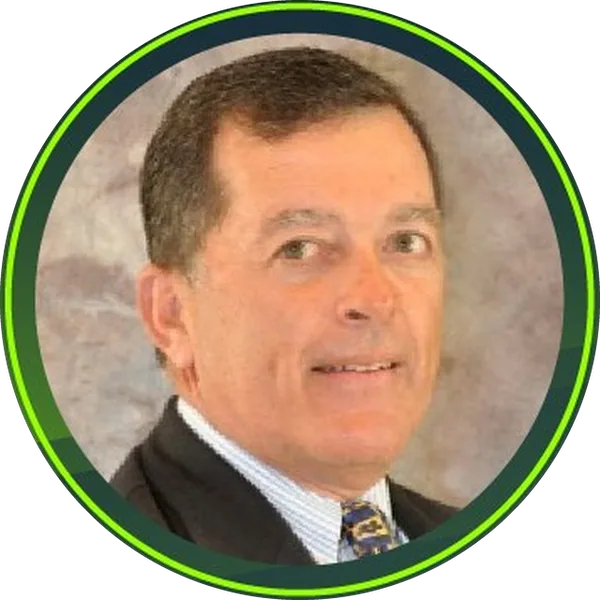
Skip Brechtel
Skip Brechtel, Executive Vice President - Strategic Partnerships at Cannon Cochran Management Services (CCMSI), joins the podcast to explore the delicate balance between efficiency and ethics in workers' compensation. As automation, AI, and machine learning transform the industry, Skip and James Benham dive into how professionals can harness these technologies to optimize claims processes while safeguarding ethical standards, ensuring fairness, and preventing fraud.
In this episode of the InsurTech Geek podcast, James Benham and Rob Galbraith catch up with Skip Brechtel, EVP of Strategic Partnerships at CCMSI, to discuss the growing role of AI in workers' compensation. But this isn't just another tech conversation. Skip takes a deep dive into how technology can enhance claims processing while ensuring the human side of workers' comp doesn't get lost along the way.
AI is making waves in insurance, but Skip stresses that it's not just about speeding things up. It's about improving accuracy and outcomes for injured employees. While AI can predict and assist in decision-making, Skip reminds us that technology should never overshadow empathy in workers' comp claims.
The full episode
Press play for the whole conversation.

From the conversation
One of the key themes in this episode is how to balance the efficiency AI brings with ethical responsibility. Skip raises the important question: How do we leverage AI without dehumanizing the claims process? He shares his views on how insurers can maintain fairness, transparency, and compassion while integrating new technologies.
As Skip reflects on CCMSI's journey to becoming the largest privately owned TPA in the U.S., he credits their focus on innovation and ethics. By embracing cutting-edge tools and staying true to their core values, CCMSI has been able to grow while keeping a personal touch at the center of their service.
If you're interested in how technology is shaping the future of workers' compensation without sacrificing the human element, this episode is a must-listen. Skip Brechtel's insights offer a unique blend of innovation and empathy, making this discussion essential for anyone invested in the future of insurance.
Stay tuned for more insights from industry leaders on The InsurTech Geek Podcast!
The full transcript
Transcribed automatically from the episode audio, so some names and terms may be misheard.
James BenhamOn this episode of the InsurTech Geek podcast, we're talking about balancing innovation with ethics and workers' comp with Skip Brechtel from CCMSI. The InsurTech Geek Podcast is all about technology that's transforming and disrupting the insurance world. We'll be interviewing guests and doing deep dives into specific tech we see changing the industry. We're taking you on a journey through insurance tech, so enjoy the ride and geek out. Terra, this week's episode sponsor, is revolutionizing the world of workers' compensation claims and policy management. Terra's cutting edge platform empowers insurers with comprehensive benchmarking tools, robust management systems, and an integrated ancillary services marketplace.
Discover how Terra is driving innovation and efficiency in workers' comp at terra.insure. That's terra.insure. And we are back with another great episode. With me and my illustrious cohost, the most interesting man in insurance, Rob Galbraith. Rob, how are you doing?
Rob GalbraithDoing well, James. We've made it to to fall. It's hard to imagine, but, it's Yes. Yeah. It's, it's gonna be 2025 soon. So, yeah, kinda crazy time for sure. Yes. There's people everywhere
James Benhamseeking out the spice, the pumpkin spice. I feel like it's like an episode of Dune, you know, where they're like, we must get the spice. They're like like like, we I I I if someone can send me, like, a meme with, like, Dune and pumpkin spice, I'm gonna find I'm gonna try and find one because that's gonna get posted. As we record this, It's Monday, 09/23/2024, which means it's officially fall. The weather does feel a little more fall ish. Texas is still warm, but I can tell you, it was just up in the Northeast this past weekend, and it was definitely feeling like fall up there.
And, you know, we're we're well into the end of the season. Oh, Skip, it was with us. Skip Brechtol from CCMSI. Skip, how are you doing?
Skip BrechtelDoing great today, James. I appreciate the opportunity
James Benhamafter five five years to get back on the podcast. I know. So for for for those who are following, Skip was the very first guest on this podcast. Episode one was just me talking. Episode two was the first guest and it was Skip and we talked about predictive analytics. We're we're gonna we're still talking about AI five years later, but we're talking about it's really made a lot of advances since then. And so, super excited to have Skip. He's in New Orleans, the New Orleans area, technically Metairie.
Skip, the saints didn't have the best day yesterday.
Skip BrechtelTough one. You know?
James BenhamThey they they got control at the end of the game and let it slip away in the last two minutes. It was a it was a tough loss. You know? It was a it was a tough loss. I can tell you, they look good as a team. They they had the they had what it took to try and, you know, to march it back and to take the lead and then
Skip BrechtelYeah. Expect to get it. You know, they're far exceeding their expectations of what the year started as. So that's a good thing. So everybody in New Orleans is is pumped. Yeah. Exactly. Because they LHU won. Yep. So another another good weekend. Yeah. Overall, a good weekend. Yeah. Exactly. It was a it's a good weekend. Aggies won barely.
James BenhamSo, you know, it's, it's it's it's all good. And the cowboys lost, which always makes me happy. I love watching Jerry Jones cry into his sad little hands, you know, when he just shake. That is I love, like, the the summary videos is him just shaking his head.
Skip BrechtelLike like You reap you reap what you sow. Exactly.
James BenhamAnd he keeps sowing it and sowing it and sowing it. Oh my goodness. So yeah, we are we're actually I'm I'm super excited about our conversation today. Certainly, we've had a lot of interviews and discussions around AI, but we're not just talking about AI. We're just talking about the use of data in general for decision making. AI is just another tool. Right? Like, we've been using data to make decisions for a very long time. And so we're gonna talk about that. Because it's been five years and, you know, you were last on on episode two, and this is, I think, episode one forty six, I believe.
Let's let's do a quick recap on on who you are because I always love talking about the people behind insurance. We've had some just amazing people on this show, but no none more amazing to me personally than Skip. And here's why. I guess Skip taught me everything I know about workers' comp, about account management, about stewardship meetings. I I can I can run through the laundry list of all the things Skip taught me, but he's not it's not just me? There are so many people in this industry that count Skip as a mentor in their life because he just he just naturally mentors people and brings them in and says, here, let me tell you what you gotta do.
And then you you better listen. You better listen. So Skip is the EVP, and he's in charge of strategic partnerships for CCMSI. CCMSI is the the largest privately owned TPA in the country because the the other ones, you know, have all sold and are part of private equity groups or larger conglomerates. So they're the largest. They're they're an ESOP. They're employee owned. They're they're a much bigger company than than five years ago or ten years ago, but they they keep growing in size. Skip's been with there for for a very, very long time.
He was part of that merger. He was an owner of one of the companies got merged in to to to form CCMSI. But, Skip, wanna hear from you because we did a personal background five years ago, but we're gonna go ahead and just do a brief personal background again. You were born and raised in New Orleans. Correct? Born born and raised in New Orleans.
Skip BrechtelYou know, accountant with a minor in computer science, plus statistics, numbers. I'm a I'm a old numbers nerd, okay, guy. So always believe that that data data lies very infrequently. So I've I've used it as a a tool to help me progress throughout my career. Been in insurance well over thirty years now. It's still having a ball. I'm a older guy, but still love what I'm doing. I think that there's lots of of of the future for for utilizing technology and in insurance space is awesome because they were a late player to the game and utilizing all the data they had to help drive better decision.
So,
James Benhamagain, excited to talk about some of this stuff today. Yeah. I I think, you know, insurance was a late player to utilizing the data, but not really necessarily a late player to actually originating and collecting the data. It just Oh, no. Right. Yeah. They were actually early adopters of mainframe systems and a s four hundreds and IBM r s six thousands. And, like, we could run through all the systems that they purchased because they were quick to get off of paper, but then slow to adopt tools that would actually tap into these treasure troves of decades of information.
Right?
Skip BrechtelCorrect. Correct. And and and and, again, I I started seeing that change, James, around 2016. AI started coming in in other industries much more so. And we actually the our our our session two, we turned on our first predictive analytics AI tool in in July 2019, and it's been an extremely successful tool for us. And and, again, I think it also gives clients a comfort level that, basically, we're looking for variances, right, where the adjuster and the AI might have differences. And where there's those variances, we think the adjuster, the supervisor, and the client should review it.
Artificial intelligence is not always right. It it's a it you know, you have high confidence levels on certain areas. But, really, where there is a differentiator or a difference, you need to scope it out. Maybe the adjuster is right. Maybe the AI is correct. But then you modify your thought process after you've done further review.
James BenhamYeah. So let's let's like yeah. I love that thought process. We're we're definitely gonna talk about that because, you know, there still has to be human decision making in the insurance industry Absolutely. For the foreseeable future. But, I mean, you you've been making human decisions in insurance for over three decades. Like, what drew you you're primarily a work comp guy. I mean, I know you you understand other lines. Right? You've done administration for general liability. You've done administration for property and auto. And, I mean, you Yeah.
We
Skip Brechtelour company does about a 140,000, almost a 150,000 work comp claims a year, but we also do probably, like, 80,000 liability claims. Yeah. So but but I did, you know, sink my teeth, if you would, in in self insured groups and more on the workers' comp ed. What
James Benhamdrew you to that?
Skip BrechtelWell, I I was actually with a a broker that had a small TPA, and we we ran three large self insured governmental accounts that had, you you know, high self insured retentions, and it just made so much sense to me. If you put the proper loss control, if you do all of the right things, and it it really led to to the our our clients getting much more involved and proactive in managing their risk management program. And when you do that, you're gonna drive better outcomes.
And so we're able to save our clients a bunch of money. So in my accounting background, that immediately made sense to me that this was a better potentially better alternative
James Benhamthan just a straight guaranteed cost. Look. I I haven't, you know, I haven't I haven't thought to ask you this before. Of all of the thousands of hours of conversations that we've had, I've never asked you this. But are we actually better at adjudicating claims than thirty years ago? Like, are we are we are we actually producing lower loss ratios? I mean, have we gotten better at insurance?
Skip BrechtelThey they yeah. My answer to that would be yes. Okay? Overall, I think we we we have. The one of the problems right now, and, again, this will lead into some of our further conversations on the utilization of AI. In in in the old years, the insurance carriers did a tremendous job of training adjusters. They trained adjusters up, and and that has sort of gone by the wayside. And and so in the old days, you had adjusters with a lot of experience. They were very technical, very totally paper driven.
Right? I mean, big old stacks of paper files that were were real high. That that has evolved, but I think with that, utilizing technology has helped, I think, drive better outcomes. Now from a from a comp perspective, we've seen loss frequency go down, which to me shows we're doing a better job of loss control and risk management. But on the flip side, severity is still a problem. We still have very bad claims, and those claims can be very, very cost. Yeah. But, like, frequency is down.
And and then right now, like, rates are down, right, in comp? Oh, rates are rates are down, I'd say, half in in in many comp programs. And and that's a tribute to the comp industry. You you know? The comp industry in the in the eighties and nineties experience mods and rates were were really off the charts. And that's that is really what spurred a lot of clients to go sort of a self funded or a large deductible program because they wanted to take more control of their program to drive lower cost.
Yeah. Exactly.
James BenhamYeah. And and they and they've been successful in driving lower cost. I mean, you look Yeah. If they hadn't have been, rates would have done what they've done. Right? Correct. Correct.
Rob GalbraithRob? So, Skip, I'm I'm just curious, you know, maybe you can talk a little bit about, the impact that technology has had over the years. And I'm specifically, curious, you know, we certainly see the impact that technology has in terms of making processes more efficient, right, reducing the amount of labor, but that also means trying to adjust yourself to handle a higher workload. We've seen it in terms of the data as you mentioned before, right, really getting granular, getting very specific, and then feeding that back in to loss control programs that are giving you more and more insights to to to clients, right, to help them reduce losses and and result in the lower frequency that you mentioned.
And then just improving the customer experience, like just getting more real time, you know, updates in terms of the the status of claims both from the client and from the adjuster standpoint. And and just, you know, maybe is it particularly when you're talking about work comp, right, where they may not be the initial customer working with the injured workers, different than work for the employer, different than working with some of the medical providers and and other folks that you have to deal with. Right? And so just kinda making that, like, a a better experience all the way around for all the various parties.
So just curious. Where have you seen the impact the most over the years? Well, it it that's it's interesting,
Skip BrechtelRob, because, you know, it it it it's good and bad. You you know, this is many years ago, it was paper. You you know, you get a letter. You there yeah. Jessica responded at four or five days. You you know, the paper files were yay thick. And it evolved from, you know, paper, the fax, which then speeded up the response time. And then, you know, as we get more technologically down the line, now, you you you know, people are looking for instant information back. You know?
They either call you, they text you, they email you, however they wanna communicate, and everybody's looking for data and responses right away. So thank god for technology because the technology has improved the adjuster's ability to respond quick. Right? So so that's been really beneficial. And now we've got all of this great data that all of the data that they're capturing, it does drive a lot of underwriting decisions, loss control decisions, etcetera. So, you know, from from from my perspective, we're we're gonna still see more of that.
I have really been spending a ton of time now with with a lot of our our strategic vendor partners to I want real time data back, you know, as quickly as possible so my adjusters can make the best decisions much sooner. For instance, in in the old days or or whatever, a PT, he's assigned, he goes to PT, you would get a a very technical document back from the clinician, and you get a bill back. Okay? But if that claimant has a bad attitude, they really don't want to return to work, which they sort of share with the clinician.
Are they not making clinical progression? We need to know that, and we have the ability now through API and web service to get that information pretty much real time, which then, you know, it's much easier to identify the claims that are problematic. 80% of the claims fall fairly smoothly through the system. It's the 20% that really costs the 80%. So helping the adjust to identify those better managers,
James Benhamtechnology is doing a great job. I mean, your goal is to get the worker back to work and to be healthy. Right? Like, that's the whole goal of this. James,
Skip BrechtelI was having a conversation last week. I was at a a vendor partner's strategic advisory meetings. And as much as we, as adjusters, preach that we're an advocate, an advocate for the claimant. We're trying to get them healthy, get them back to work as soon as possible. The insurance, the perception of adjusters, be it, you know, property damage or windstorm or auto adjusters where, you you you know, the claimant feels like the company's trying to take advantage of them. That's really not the case in work comp that we're trying to, you you know, not really fully take care and help that claimant along as quickly as possible, but there's that doubt in that in that claimant's mind that the adjuster is always advocating
James Benhamfor them. Yeah. And so a big part of that is utilizing utilizing modern technology as well to accelerate the communication. Right? Because when they when they don't get communicated with well, they also that that sows those seeds of doubt as well. You know?
Skip BrechtelAnd so Five years ago five years ago, no one really used texting at all to communicate with claimants. That that's now becoming an important tool, if you would, for adjusters because so much of the world at least my kids, the only way they I I communicate with them is they don't use email anymore. They use text. That's just the way it is. And and I think so much of society has moved in that. Yeah. Yeah. It's and that's that's just one of many tools,
James Benhambut it's but it's an important one. And so there there is there has been a lot of technological innovation to try and speed up communication. Because look. I mean, consumer expectations are for immediate response to everything. I mean, if you look across the board, when you order pizza now, they're using some of the most sophisticated systems on the planet. Right? Like, when when you order a pizza, they have they have a it's a very sophisticated supply chain and logistics program. They have text message updates. They got a mobile app.
They have a GPS tracker on the delivery car. Have a they tell you the progress of your pizza through the oven. This is what claimants are used to dealing with every single day is that that they know every shipment and when it's going to be there in a photo of the package by their door and when it's going to be where the delivery truck is with their package, when it's going be at their house. Same thing with DoorDash, the same thing with pizza, the same thing with I mean, you name it.
They've got online tracking, text message updates, GPS tracking. And so there is an expectation that is created by their consumer experience when they get into a commercial experience with something like workers' comp insurance, where they expect that same level of customer service, same level. But, you know, the the the challenge and really, really, I think in technology is always balancing the use. And that's actually what the title of talk was is balancing ethics with technology because we have a moral and ethical standard to meet in workers compensation because we're dealing with injured workers trying to restore them, right?
We're trying to truly the definition of indemnify, to bring them back to the original state. Ideally, maybe a little better. You know, if you have a good loss control program, you know, hopefully you're actually doing a stretch and flex program at work in the morning and actually the workers are getting more flexible and they're actually becoming becoming 1% better every day. That would be the the ideal, right? As you actually make people better, you help them become better. And, you know, but all we do have an ethical standard.
And so that means that we're also trying to offload tasks from adjusters that aren't human facing so they can focus on the humans and coach and guide and be the advocate for the customer. Right? And so there's a lot there's a lot of stuff that adjusters still have to do that's not related to soft touch. There's a lot of manual work. And so where do you think we're at with with getting that offloaded off the adjusters back so they can really focus on the people?
Skip BrechtelWell, again, that's an interesting question because clients and and rightfully so. They they're trying to better manage their program. So they're constantly pushing to collect more new different kinds of that. Right? And and so as we're as we're trying to give the adjust to more freedom to make those, you know, calls that you're talking about and better manage the claimant, We're also asking this, you know, to to capture many more data fields and information. Quite honestly, you know, COP is a is a state jurisdictional issue.
Right? And every state has different requirements for what information they want, what EDI reporting they want, and the adjusters have to capture all of this. And the states are asking for more and more information. Well, that takes, you know, adjusters putting in all this information. It takes time away from them to, you you know, to do the really good blocking and tackling with the claimant to make them feel warm and fuzzy that the claim is moving along correct. So, again, it's it's one of those catch 20 twos.
We we we love the data, but we're asking people to put more data in, which creates more of a time constraint on the adjuster. So it's a it's a true balancing act. You know? It's one we deal with every day, quite honestly. You know? What can we do to take off the adjuster to make them be as efficient and as productive as possible? And as you do that, then you're getting new requirements put on, you you know, through center for Medicaid, you you know, compliance, all these other features that, again, add additional work that they never had in the past.
Yeah. You know what? You're kind of in a vice as a TPA because
James Benhamthis the regulators are demanding substantially more data. The carriers are demanding substantially more data. The provider, everyone around the TPA is demanding
Skip Brechtelnot just a little bit more data. They all want all the data fields. They want everything collected. Well, the carriers are the the carriers that actually are are administering their own claims, they're they're dealing with the same things. Right? And and so their technology constraints are becoming more and more difficult. Actually, that's why you're seeing more and more carriers looking at outsourcing their claims administration because it it to keep up with the technology and the reporting and everything that's needed, it's a constant investment. We invest millions of dollars each year.
I mean, we we've got close to eighteen, nineteen hundred employees now, you know, handling all these different claims. The technology to keep that going and then and then to keep improving to meet those needs, it's a major investment.
Rob GalbraithSkip, I'm I'm kinda it's great to have you back. Obviously, I wasn't part of the initial conversation with James, but but, you know, learning that you were the first guest ever, and that you guys were talking about predictive analytics and AI five years ago. I'm curious. Maybe you can just you know, for for folks like myself that, you know, weren't, you know, didn't happen to to hear that initial conversation you had with James, you know, what was the original goal? What was the vision that you had?
And then now five years later, what have you learned? You know, where has it maybe met your expectations? Where did you see it advancing? And then where is it falling shorter or maybe, you know, has it maybe fulfilled its full promise in your view?
Skip BrechtelWell, you know, Rob, it's interesting. Back in 2014, what what we did internally is in the adjusters recorded statement that they took, we added 78 additional data fields. We we wanted to know the pain threshold. We wanted to know, you know, their their thought on their probability of return. We we captured all these. We'd ask height and weight. We calculate comorbidities because all of this has an impact. Right? And at the time, what we were trying to identify is claim that had the potential early on to be a potentially high risk claim, I.
E, they were obese, they had diabetes, they had previous surgery that had body part. They on a scale of one to 10, they thought said, I think I have a one out of ten chance in going back to work. Knowing that early, that would help the adjuster identify this as a potential problematic claim. Now that that evolved, but the good news is is that those early data fields, when we went to predictive analytics, we had much more specific identifiable fields, right, that could make predictions. As as time has continued to evolve, we, you know, we pushed every file note.
We pushed every medical bill. All of that went in, and it could the AI could read the the the the adjuster's file notes. They could get the medical information that they needed, etcetera. What's really coming into play now, right, is the is the OpenAI and the the ChatGBT. It's gonna really help, I think, where technology can actually read these PDF documents and read all this other data that we get sent to us that has a wealth of information. The models, I can tell you from 2019 to 2024, the models keep getting tighter.
Right? Because we've the the the dataset we have has about, you know, 35 to 40,000,000 claims in it. So and over five years, you you know, the models get better and better, the confidence levels. And I so the the the next step, I think, is being able to analyze even more data, right, that comes in what I'll call a nonbeta format to to basically, again, just support or enhance the decision. So but it's never gonna replace the human. You need a human to take that data, analyze it, compare it, and then make good decisions from it.
It's a it's a tool, and it's a very effective tool that should be utilized.
James BenhamYeah. I mean, just because we can automate the vast majority of items in a cockpit of an airplane doesn't mean we want to replace the pilots. You know, when, you know, it's the same it's the same thing and at your desk. Right? Like, just because you you have the technical ability to automate a lot of tasks doesn't mean that it's a wise move to you. What you're actually trying to do is elevate the human to a decision making role, an executive decision making role and, of course, human contact, human to human contact.
I I look I don't I don't care how good chat GBT is. I don't care how good it is at talking to people in text or even it's speech to text and text to speech where you can actually speak to it. I still I wanna still work through serious issues with a human and and on the phone. I want to get on the phone and talk to a human and talk about it. And I and, you know, I want to be shown some empathy. I want to I want to show them some empathy.
I mean, that that's super duper important to me. I know it's important to tell you, especially if someone who's injured. They're already, you know, really, really fragile,
Skip Brechtelemotionally from that. Well, I and and, Rob, I I think it's still evolving. I mean, we're we're working on a couple of models down that are looking at predicting medical only claim that are gonna flip to indemnity. Because if they're gonna flip to indemnity, you really wanna move it to a higher adjuster to start getting involved in that claim, to start managing that claimant earlier. Right? The the other models that we're working on, we're working on identification of claims that have a high probability of becoming litigated because if they become litigated, they two to three times as costly.
And, again, I don't know that we can stop it, but if we can it can put provide information both to the adjuster and the client. Maybe do we go in some earlier settlement negotiations, right, to settle this claim because if it goes to litigation, it's gonna cost me twice as much as as it it does if if it doesn't. So though know that there's so many new ways to look at some of this data. I I wanna know when is the appropriate time to add a nurse to a file.
Right? And and, again, when you look at these claims, you could see if a nurse was on it and what was the outcome. Okay? We also wanna use it for our providers. You you know? I've got a I've got a torn rotor cuff. Well, a rotor cuff is different than a knee. And when we send someone to a clinician or a doctor, I I I wanna try and direct that claimant to a a a doctor that gets great results for a rhota cuff. Right? And so we we have the ability now, again, through this data, we're gonna be able to identify those things earlier and hope direct the claimant to the best possible care solution.
Rob GalbraithYeah. It really shows just so many complexities, so many different pathways that a claim could go down, right, the way it starts out may not be the way that it it it finishes the way you anticipate it. And I think of it as almost like a super triaging, right, just whatever that claim needs, you're able to manage it in the best way possible just in terms of both, right? The gestures that are on it and then the medical professionals that are involved as well. Skip, I'm I'm curious, you know, thinking about the partnership part of this, right?
What did you you know, I'm curious, like, back in the old days, how much technology did you develop in house versus acquire, you know, from vendors? Then maybe how has that approach changed over time? Obviously, your role is in strategic partnership. That's different than just vendor management. Right? So maybe you can talk a little bit about partnerships and what how how that's evolved over the years for you. No. It's a great question.
Skip BrechtelAgain, we we built our own old policy management system because we managed about, oh, I'd say, 50 or so self insured groups or whatever, where we would actually do the the underwriting, the policy issuance, loss. We we we would do the whole thing. Okay? So we had a policy management system, and we had a claims system. We are currently in the process of writing what I hope is a a excellent underwriting and policy issuance product. We still have our own claims software applications, which we wrote in agile technology.
We rolled it out about a little over a year ago. Been been very pleased with that. You know, everybody's moving from big, you know, racks or servers to cloud based solutions. We we've done that. It you know, we probably between our internal staff and actually, James' company provides about 20 or 30, maybe 40, I don't know, software folks that work under the guidance of our team, but we're probably in our whole IT department have close to a 140, a 150 employees. So it's a it's a it's a massive management.
We have a priority list about this big of things we want to still accomplish and do that that there's so much in that space. There's only so much you can do, you you know, yourself. So it it's it's really a combination of I think we our our process is we like to try and build out, but we also have only so many resources that we have to where we we have to find a strategic partner to assist us in a number of these projects.
James BenhamThat's that's a that's a that's a thank you, Skip, and really impressive to see, you know, how far the organization has come, of course, how far the whole industry has come and and, you know, what people are doing now with AI and data. Just in the last couple minutes, I I wanna pivot this and and close with a brief, discussion, on you personally because you've been fighting a pretty big battle, and there's a lot you have a lot of friends out in the industry. And, you you know, you've been a a leader in innovation and technology and in service and and workers' comp and insurance, but you've also made a ton of friends.
And you have a lot of people concerned because you've been you've been fighting a pretty huge battle. This is your second time fighting a pretty huge battle with cancer for the last couple of years. Tell just talk about what happened the last time you got cancer and and, you know, what the resolution there was and then and what you're dealing with whatever you're comfortable sharing, whatever you're dealing with now. No. It's it's, you know, it's it's life,
Skip Brechtelquite honestly. 2007, I was diagnosed with with stage four bone lymphoma, heavy heavy duty chemo at MD Anderson. I'm gonna put in a plug. If you have cancer, go to MD Anderson. They are the finest cancer research hospital in the country. They the the chemo just about killed me. When I came out the back end, did real well. Fifteen years later, I get diagnosed with what's called myelodysplastic syndrome, which is a a blood cancer, which actually was caused by one of the chemo drugs I took in 02/2007.
Now those chemo drugs saved me for fifteen years, so I can't be upset that I'm dealing with this now fifteen years later. It's it's a daily battle. I have to do blood work constantly. But thank goodness for work, quite honestly. Work work is a sort of a peaceful place where I can go and focus on other things other than my my health issues. So I still love getting up every day going to work, solving problems because it helps me focus on other things. I've put my cancer in the hands of MD Anderson and Milan.
And between the two of those, they're they're the ones in charge, and I just do what they tell me to do. So
James BenhamYeah. No. You and you've you have crushed all of the original odds they gave you on the second round. I mean, it was Yeah. Second round, they gave me six to nine months to live, and here we are twenty
Skip Brechtelfive months later. I'm I'm I'm doing well and and play golf yesterday and, you you know, still still lead leading a full life. So Yeah. You you just can't you can't give in, and you can't feel sorry for yourself. You just gotta put on your big boy pants and go
James Benhamafter it. Yeah. But I what I love is, of course, your positive attitude throughout this whole thing, you know, and how you've continued to care for and love on everyone around you when when really everyone wanted to be the one taking care of you. But also that you you just kept working this entire time. I mean, were fielding calls from your chemotherapy treatment room. You were fielding calls from MD Anderson. You were you were working on PowerPoints. And I was like I was like, man, if you you could take but but, actually, I totally I'm I've I've known you a long time, and I get it.
I mean, this this gives you, you know, something else to focus on that's really productive and and and and fun and fun. You like work. It's interesting.
Skip BrechtelYeah. Yeah. It is, and and I get fulfilled. I I CCMSI is a great company. As you mentioned, we're we're in the top 100 ESOPs in the country. You you you know? So we're we're a very close knit group of 1,900 employees, and, you you know, we we are all pulling in the same direction. Well, we our our goal is not to be the biggest TPA in the country. We just wanna be the best, and we think we do a a pretty damn good job of it.
James BenhamYeah. That's awesome. Well, Skip, thank you. I'm certainly super excited that you've been crushing all the original odds you were given, but also thankful for your continued involvement in the industry and at your company and everywhere else. So I appreciate that. And also, I know I I join a lot of other people and thank you for being such a great mentor to so many. So
Skip Brechtelappreciate it. All that means is I'm very old.
James BenhamWell, you know, you're you're you're old in years older in years, but but not an attitude at all. You have the you have the energy level and work ethic of, like, a 24 year old. So it's just it has never cease and we're not gonna disclose your actual age, but let's just say, you know, he's got the the work ethic and energy level of someone in their mid 20s. And so it's really it's really awesome. So thank you for joining us for episode. Originally episode two and and now thank you for joining us for this episode.
It's been great to talk to you and really appreciate it. Thank you very much. Really enjoyed talking with you and Rob. It was great today. And Rob, thanks for joining as always. Absolutely. Great conversation. Thanks for being on, Skip. Great to meet you, and glad to be part of this one, and, glad you're doing well. Thank you. And thank you to listener land for tuning in to geek out with our interview with Skip Brechtel from CCMSI. Be sure to catch Skip and me speaking at National Comp in Las Vegas on October 15 from one to two p.
M. Pacific. We'll be discussing the Workers' Comp Balancing Act efficiency versus ethics and AI. We both hope to see you there in Las Vegas. It's the same time as Insurtech as ITC. So same time, same building, same conference center. We're going to be there in Vegas. I cannot wait to see all of you there and hope you'll join us at that session. Again, thanks for joining us today. This has been the InsurTech Geek Podcast. The InsurTech Geek Podcast is all about technology that's transforming and disrupting the insurance world.
I've been your host, James Benham. That's jamesbenham.com with cohost Rob Galbraith at endofinsurance.com. We're taking you on a journey through insurance tech, so enjoy the ride and geek out.