 YouTube
 Spotify
 Amazon
 iHeart
 Apple
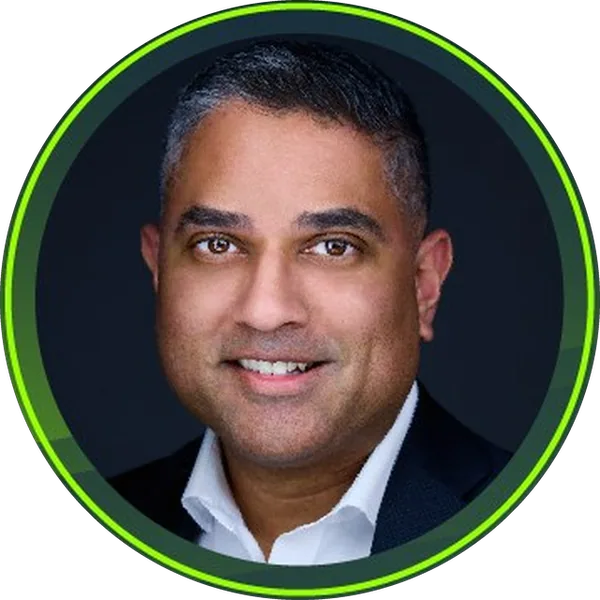
Chris Greene
Chris Greene from American Global shares his expertise and insights on navigating IoT & AI adoption in construction insurance. Learn tips and tricks for overcoming common challenges, implementing technology effectively, and maximizing the benefits of digital innovation in your organization.
In the latest episode of the InsurTech Geek Podcast, we dive into the intersection of technology and construction insurance with Chris Greene, Vice President of Innovation & Insights at American Global. Chris sheds light on how the Internet of Things (IoT) and Artificial Intelligence (AI) are bringing unprecedented levels of efficiency, risk management, and cost savings to the construction industry.
The full episode
Press play for the whole conversation.

Real-World Applications of IoT in Risk Mitigation
IoT devices are now a cornerstone of modern construction insurance. Chris shares how water leak sensors, wearable safety technology, and concrete maturity sensors are helping companies mitigate risk. These tools monitor everything from potential water damage to worker safety compliance, allowing companies to prevent incidents before they happen. This proactive approach is transforming how insurers and contractors alike view risk management.
How AI Enhances Data-Driven Decision Making
AI is helping to process and analyze the vast amounts of data that IoT devices generate. By spotting patterns and anomalies, AI enables contractors to make informed decisions on-site, leading to safer and more efficient projects. Chris discusses how AI allows brokers and contractors to pinpoint which risk factors matter most, turning raw data into actionable insights.
The Future of Tech-Driven Insurance Solutions
As these technologies become more sophisticated, the future of construction insurance looks bright. With the ability to automatically shut off systems, monitor real-time safety, and track equipment status, IoT and AI are giving companies new tools to manage risk. Chris predicts that these technologies will only grow in their impact, offering insurers and contractors more precise ways to safeguard their projects and bottom lines.
Tune In
To learn more about how IoT and AI are revolutionizing construction insurance, watch the full episode of the InsurTech Geek Podcast with Chris Greene.
Stay tuned for more insights from industry leaders on The InsurTech Geek Podcast!
The full transcript
Transcribed automatically from the episode audio, so some names and terms may be misheard.
James BenhamOn this episode of the InsurTech Geek podcast, we're talking about navigating IoT and AI adoption in construction insurance with Chris Greene from American Global. The InsurTech Geek Podcast is all about technology that's transforming and disrupting the insurance world. We'll be interviewing guests and doing deep dives into specific tech we see changing the industry. We're taking you on a journey through insurance tech, so enjoy the ride and geek out. This episode is sponsored by JBKnowledge. JBKnowledge augments your company's existing IT staff and provides dedicated resources for insurance firms that need application development, data processing, systems analysis, and more.
Visit jbknowledge.com to learn more. And we are back with another fantastic episode of the InsurTech Geek podcast. I'm James Binnam, your InsurTech Geek. Along with me, my cohost, Rob Galbraith, the most interesting man in insurance. Rob, how are you doing today? Doing well, James.
Rob GalbraithI was at LSU family weekend visiting my son in Baton Rouge, Louisiana. And I know it sounds weird for somebody that just got back to San Antonio, but, I feel like I'm actually cooling down here, because that humidity was a killer. You know, I was having a conversation about this this morning,
James Benhamtalking about, you know, summer heat in Texas, and I said, it's it's it's hot, but it ain't Louisiana hot. Because, of course, I grew up in Baton Rouge, a block off LSU's campus, and you give the same temperature as Texas and then tack on, you know, 90% humidity. Yeah. You feel like you're walking in a swamp, and you are because you're right by a swamp. It's it's it's
Rob Galbraithpretty brutal. Your your your kiddos getting the full full bore treatment. Yeah. Absolutely. Yeah. I think it was only 89 degrees. So I kept thinking like, oh, yeah. That'll be pleasant. But no. But I did get to go to my first LSU football game.
James BenhamThankfully, it's a night kickoff in Death Valley. That
Rob Galbraiththat just about the time I started to take the edge off. So that was that was an amazing experience. Well, you know what Cajuns do to take the heat edge off. Right? I assume drink.
James BenhamThey go tailgating and they drink, drink, drink, drink, and then you don't notice the heat anymore. And because we we call those days, Rob, we call those days ninety ninety. That's 90 degrees, 90% humidity. I can tell you ninety ninety feels a lot hotter than a hundred and twenty zero. Absolutely. You know, like in Kings. Absolutely. It's it's pretty brutal. But when you're when you're sitting when you're standing there and you you've had, like, two hurricanes out in the parking lot and you ate some crawfish and some shrimp and then you walked into Death Valley, you get to your seats, the tiger band comes out and they play these notes.
And you go, oh, we have football coming. I mean, it's it's it's it's it's crazy. Now look. I'm a Texas A and M graduate, but I grew up in Baton Rouge. So as long as the tigers aren't playing the Aggies, I root for the tigers. If they are playing the Aggies, I'm I'm an Aggie first. You know? This weekend had a big football weekend myself. Aggies won. Our our rivals in Texas, the Longhorns, they won. LSU tigers won. And then the the school that I'm on the board of had a football game as well.
We did not prevail on that match for Texas Southern, but it was still I got to see a great football game. So it was a big football weekend, but I'm excited to be here on this Monday talking about IoT and AI adoption and construction insurance. Construction insurance, two things I have a good bit of background in. For those of you in listener land who don't know, I owned a construction software for twelve years. I've owned an insurance software company for twenty three. Did those concurrently, and my team and I built the second largest bidding network for construction in North America before we sold it to ConstructConnect iSquareFoot.
So have a a good bit of background and some background with American Global, the company that Chris is from, but with us from Now this is not where the company's from, but where he's from in the Toronto area of Canada, where it's not 9090.
Chris GreeneMr. Chris Greene. Chris, how's it going, friend? Good. Good. How are you doing, James? And and Rob, nice to meet you. Not quite 9090 here, but we did win up there actually. So I was actually in Houston last week and, yeah, I felt it, but I think you're right about that humidity. So Yeah. I was lucky with that. Yeah. It's a beast. You know? It's a beast. And just it's Monday, September 30 as we record this 2024.
James BenhamJust for the record and and for for all of our friends out there in the East Coast, just wanna send a shout out to all of our friends in Florida, Georgia, Tennessee, Eastern Tennessee, Western North Carolina, South Carolina. That hurricane ripped through and, and dropped more water than they've seen in a very, very long time. Washed bridges out, washed homes away. Pretty serious insurance event. It'll be it'll obviously be a serious construction event, Chris, because there's gonna be a whole lot of Mhmm. Claims claims around, you know, any active job sites.
And, of course, there's gonna be a lot of work that gets spun off off of that. I also wanna note that, like, my friends and clients that are in Saint Pete, Florida, on the beach, they got seven to eight feet of storm surge. Not a lot of wind, not a lot of rain, but seven to eight feet of storm surge. It was a a pretty major event. Even though the hurricane kinda hit in the Big Bend area of of Florida, it it it scraped up the coast enough to really push all that water up.
And it was a pretty major event from an insurance perspective. We don't have the numbers yet on estimates on total claims, but this one's gonna be a this one's gonna be pretty sizable in particular that surprise. And and I would be surprised if a lot of the folks up in the up in the mountains of Western, mountains and hills of Western North Carolina and Eastern Tennessee have flood insurance. And so something else to think about is we're probably looking at a lot of uninsured folks for the type of event that occurred.
Rob, you gotta you gotta think this is gonna be a little bit of a surprise for a lot of people. Yeah. A 100%.
Rob GalbraithAnd, yeah, my heart goes out to everybody affected, but particularly in the the Asheville, North Carolina area, that's where I've spent a little bit of time. Always loved the Great Smoky Mountains. I love that town in and around there. I've gone hiking there. My oldest daughter loves that area. So, some of the the photos that we saw, some of the devastation was definitely,
James BenhamIt was a lot. Caught us for sure. Yeah. Caught us for sure. So let's jump in and jump into to our our interview, Chris Greene from American Global. He's vice president innovation and insights there. That's americanglobal.com if you wanna check it out. I just a big shout out to, like, my my good buddy, John Martinez, who works over there at American Global. I got your coworker on if you're listening. Chris, tell me about yourself. You know, were you born and raised in Canada? If so, did you wanna grow up and be a hockey player and eat poutine and and, you know, drink maple syrup?
I mean, like, tell me tell me tell me, like, what
Chris Greeneyeah. Where where were you born and raised and and what did you want to be when you were a kid? Yeah, I grew up in Windsor, Ontario actually, and they call it Little Detroit, I think it's probably a five minute walk across the border to Michigan there. But I went to school at University of Windsor, got myself a BCom with a focus on data management, and right from there, just kind of came out to the city to the Toronto area and got my first job at a large global broker.
And yeah, I've always focused innovation, data analytics, technology. The podcast name is fitting because I always see myself as this technology geek, and that's kind of what kind of pushed me to do what I do today because not a lot of people have been doing it in the past ten, twenty years. I think it started with a passion, but now it's turning into a little bit more of a prevailing function of this is actually how we need to run to be in this game. But but, yes, lots of maple syrup, lots of poutine, and all of the other good stuff.
So
James BenhamI mean It's it's got its it's got its local cuisine just like my home state of Louisiana. Certainly, we eat a lot of crawfish and a lot of etouffee and a lot of boudin. And, you know, I love I love that it has its has its unique unique things about it. And I I love that you you kind of jumped into this this industry fairly early. You know, you you were at, Irwin Utilities. You're in PR and research coordinator there, but then you that was kind of during college, and you were that was your co op.
After that, it was all insurance. I mean, you went to Aon for eight years, and you went to, you know, NFP. And then, yeah, obviously, you're you're a member of the Ontario General Contractors Association, which, by the way, I have spoken to as a speaker there. In in my in my construction days, I'd I I've spoken to just about every association you can think of, including the ones in Canada. And then you recently made this move to American Global. So, like, what was the was the goal to to really be a an analytics and data guru in the broker space?
Is that Was that what you set out to do, or is that what you arrived at shortly after arriving there? Yeah, you know, coming into it from university, just focusing on data and analytics in school,
Chris Greenecoming into Aon, you kind of realize, like, first of all, insurance and construction, very archaic. You look around and you realize there's a lot to be fixed here. And that got me excited, that got me motivated because from day one, I could actually use what I learned in school and start making some material changes, right? Obviously, it takes a lot of change for the industry, but just internally within my own company, I was able to make a big impact and kind of grow from there because you kind of generate excitement, you build a team around you, and you go from there.
By the time I left Aon, I was the director of analytics for the North American construction team, right? So that included both US and Canada. And I got to see both sides of the border and, you know, meet contractors on both sides and look at projects, and it's been exciting. I don't like, it feels like a blink of an eye, but, you know, ten years goes by very quickly.
James BenhamYeah. It sure does. You know, I I did twelve years in both. I I I started in insurance. I started this business in o one, and then I started building software for insurance in o four, construction in o six. And for twelve years, was like super neck deep in both industries. And people would say, why construction and insurance? I'm like, there's a lot of overlap between construction and insurance. There's a massive amount of insurance products for the construction industry. There's huge implications. I mean, there's a lot of connections there.
That was was the construction
Chris Greeneconnection, did that happen in the last few years for you? No. The construction connection has always been there for me, actually. So that's also from day one my first day in the job. And because I started off in our construction services group, and it's all I know on the insurance side, you know, working with contractors, working with subs, working with all of the plethora of construction technology companies out there. And yeah, just like it fits in together so well. And to me, it's not surprising because construction to me is all about risk and brokers and insurance companies are right there at the forefront of risk.
James BenhamDo you consider yourself a construction technologist, an insurance technologist, or both?
Chris GreeneThat's a good question. I think being the glue between those those those pairs
James Benhamkinda fits me better. Yeah. It's like that guy from office space. He goes, I talk to the people, to the customers, so the engineers don't have to. No. No. Sorry. It's if you if you remember that, if you've ever seen the movie office space, you'll know what I'm talking about. Anyway, we'll we'll we'll play that we'll play that that clip later. But that's that's really great. And I'm, obviously, excited about your role at American Global. This is a a newer company compared to some of the larger companies.
Right? American Global is a a regional player that's really becoming a national player. Is that an accurate description? Yeah, I mean, it's becoming
Chris Greenea formidable global player actually. They're about ten but years at the same time, we're taking a very different approach. We're taking a very innovative approach to what we do. And we're speaking with some of the top contractors out there, both in The US and Canada and around the world. Yeah, Chris, still to have you on, and I love your role kind of as the
Rob GalbraithVP of Innovation and Insights, right, and kind of bringing both that data analytics background, right? As well as this passion for kind of technology and innovation. So I'm very kind of curious, like hearing about that blend. In particular, I'm a former underwriter. That's where I spent a lot of my days before I kind of moved into the innovation space. So I think we kind of share a little bit of a passion in terms of how innovation can kind of help change the way that carriers underwrite and maybe the possibilities of technological solutions that help to mitigate risk.
I've heard a lot about AI, IoT, etcetera. So just kind of curious your thoughts about the blending of those two and where you see possibilities at American Global. Yeah, I mean, I've always thought the broker,
Chris Greenelike all of the risk and all of the exposure and everything kind of funnels through the broker, right? So I think once you start being able to measure that and to structure that data, that's what feeds into the insurance market, right? But it's also the job of the broker to help paint that story from all this unstructured risk and data and work with our clients to figure out how you improve your risk profiles, how you improve your operational best practices. So we have to be that expert in construction, in insurance and risk control, and really be able to speak the languages of a lot of the different players in the space.
So I think that's where I got excited about this because, first, I like to geek out with the data and analytics, but once you're able to have that under your belt and be able to tell the story, that's when things start to provide value, right? Because a lot of the times insurance carriers have been drowning in data. When we look at IoT and AI and all the new cool stuff that we have in the industry today, they do provide a ton of data. They haven't been around for twenty, thirty years for an insurance underwriter to actuarially underwrite based on the science, but at the same time, that's also why we need to leverage that data and almost tell that story, make it more artistic, less mathematical right now, but it takes someone that knows what they're doing to be able to boil down a million different data points and, you know, what are the 20 that will actually make an impact on my safety, on my ROIs, on my profitability, things like that.
So
James Benhamlet's break it down and keep it simple. Like, first off, what is IoT? Because there are people that don't understand what it is, like what it really how it expresses itself. So what I want to I want to I want to break it down for for a listener who's not experienced in this area. What is IoT? What is it not? And how is it being used right now?
Chris GreeneSo IoT is a very broad category, but maybe I can give a couple of examples on how to kind of bring that back to home base. So Internet of Things. It basically means that something is connected to the Internet and it's providing information to somewhere else. So if you take an example of water leak IoT, if we have a little sensor that detects a leak, either it's on or off. It's binary, right? Either there's a leak or there's no leak. Now, that sensor feeds data to some kind of other system.
Maybe when there's a leak, it says, Okay, let's turn off this water main automatically because there's a leak. So now we go from a leak that could have turned into a flood on a Friday night automatically shutting off the water main valve to mitigate that risk. That's one example. There's a ton of other examples around reality capture, around worker wearable technology, but basically think of it as a binary device that connects to the Internet and provides you information about what's going wrong, what's going right, or anything that you wanted to want to point out it.
James BenhamThat's awesome. And, you know, I have 67 IoT devices in my house right now. I I the at last count, I only know that because Google Wi Fi tells me how many devices are connected to the Internet. And there's actually more than that because some of them use Bluetooth and they relay through another device. But, like, I recently added a moan is it moan? It was a a water shutoff automatic shutoff valve that that detects water patterns. So it's not binary. It's not is there a leak or not?
It's what kind of leak is there. Right? Like, what how is this a normal is this is is this a a normal thing or an abnormal thing? And then it uses it uses AI to determine water flow patterns through the valve. And if it doesn't like it or doesn't recognize it, it shuts it off, which is done multiple times. It's actually really helpful. And I have to train it. Like, hey. No. That's normal. This is what it is. But it's for for a guy who travels a lot and, you know, it's an it's an amazing device.
But, I mean, everything in my house is connected. Right? Lights, locks, cameras, doors. It's it's all my washing machine tells me when it's done. And I mean, there's there's amazing it's amazing how many but IoT isn't limited to your house or your office. Right? Like, IoT applies to wearables. Right? These are IoT devices because they collect it they collect digital information and then relay that to us as well. Correct?
Chris GreeneYeah. And, you know, one might almost argue that, like, the personal lines and, like, things that you have in your house, even telematics on cars, I think we're using that, we're leveraging that in our day to day without even realizing it. And I think construction can even catch up to that in a lot of ways. And you're right, we have edge computing devices now that, like your water profile, it can actually sense how many toilets you're flushing in a day, right? And it actually gives you a baseline of your water profile.
James BenhamYeah. And so how is it give me the top three utilizations of IoT now that you've defined it. Thank you. Excellent definition. You know, what are the top three uses you're seeing construction companies use that impact insurance?
Chris GreeneSo number one is water. Water risk is always we have the top of the charts. Another good one is the worker wearable technology. Things around compliance or on should you be in a certain danger zone, do you have proper certifications? And you can wear those things on your hard hats, on your body. They have little sensors that basically determine where you should be and where you shouldn't be. And then another good one in construction is actually something like a concrete maturity sensor. That's having some big impact right now on cost savings, on schedules, and that's a little device that you're putting into your freshly poured concrete that tells you when it's mature so you can kind of keep on going with your project schedule.
But there's hundreds of other ones out there, to be honest. There really
James Benhamare. I mean, I used to cover I had a whole podcast called Content Guru that's still around that just did nothing but cover all that. And it was and it's just like this limitless. There's just incredible amounts of of of of connected devices that qualify as IoT. Rob?
Rob GalbraithYeah. Chris, you kind of mentioned earlier, right, that certainly there's a data component to this and it's kind of exciting about the granularity of the data that you can collect, right, about particular behavior. I think of systems, right? So how is this system doing? And then being able to kind of, you know, tile that together. But it's hard, this isn't something that just comes across in like an Excel spreadsheet, you make a pivot table, right? And it's kind of obvious, it's just a new type of data, very different.
This is where artificial intelligence obviously is very, very helpful for some of the pattern recognition, right, rather than a human might have difficulty just taking the raw feed and making any deciphering. So kind of, you know, going further on the artistic theme, you know, there's elements here such as human behavior, company culture that can impact the risk profile and technology adoption as well. I can tell you from my own experience, you know, working for, carriers in the commercial space in the past, with regards to work comp, like we were excited about, you know, what wearables could do for instance.
But what we found was that the companies that had the greatest safety record, they were the most interested in wearables because they were like, what else can we do? Right? And they would just gobble it up. Whereas the companies that actually probably had the the worst risk profiles, they were really reticent where we thought we could really move the needle in terms of the risk, but they were just really slow to adopt this new technology because they weren't really doing a whole lot to begin with from a safety standpoint.
So I'm just kind of curious like what you've seen and experienced out there as you kind of look to partner and bring innovation to some of your clients.
Chris GreeneYeah, mean, we're always going to have people that Human behavior and change management is the toughest thing, I think, in our industry. And I think not just construction or insurance, but any industry out there. And if you've been doing something the same way for the past twenty, thirty years, you may be reluctant to change. At the same time, I'm not saying that's as a broad spectrum for the construction industry because we do see, like you're saying, if you're naturally inclined to want to be a better company, you're going to be open to testing out these things and you're going to be open to having a better risk profile because safety and risk management is at the forefront of your mind in anything that you do and any job that you do.
So the companies that implement these innovative, brand new technologies, they get results. Sometimes it's not even because of that piece of technology that they're implementing. It could actually be just because of the cultural shift around, okay, let's be aware of risk, let's be aware of what's going wrong. And to be honest, even the insurance carriers are starting to see this. Well, they have been seeing this because it's not necessarily the fact that, you know, I can say this, this pen keeps me safe in this room, but just the fact that I'm thinking about safety and I'm thinking about how I can be better and how I can kind of do things better, that's driving a bigger result on your claims and your loss runs and your underwriting from the insurance carrier side.
So they're starting to look at things around company culture, around the implementation, not just the fact that you are using something, but like, how well are you using it, you know? Because the more passionate, the more invested you are about this technology, the better you're gonna be as far as your risk profiles. Okay. So let's pivot.
James BenhamLet's let's talk about what future tech you're excited about. Because certainly, I mean, I IoT and well, actually, before we talk about future tech, let's talk about applications. Are you are you postulating? Are you seeing that by automating systems, by digitizing construction, by adopting technology that's not spreadsheets, by utilizing IoT and wearables and cloud based solutions and, you know, managing projects. But are you seeing better outcomes for construction projects? Are you seeing better outcomes for claims? Like, is this all going? And is it actually working?
Chris GreeneSo I would say for the past ten years, our clients have been suffering from a bit of tech exhaustion because there's so much out there, they don't know where to start, they know that they have some problems, but they also have 100, 200 different tech companies knocking at their door all the time. What we have kind of developed is a plan start from the basics, like go back to the drawing board. What do your operational best practices look like? What are your top risks given a specific region or location or even by asset type?
And start with that, and it takes an understanding of what your data architecture internally is as a company so you can start collecting this information both passively and automatically. And that's really the first step into actually making a big impact and a difference in using the tech later on. I don't think we should ever just start with the tech for the sake of starting with technology that's innovative, right? I think you need to have a bespoke and customized solution, and that's why we hold our clients' hands and we walk them down that path.
Let's build out your data architecture and find out how we collect and passively have that information to use.
James BenhamYeah. So you're not the carrier. You're not the TPA. You're you're you're the broker. Right? That's right. Yeah. You're you're play you're placing insurance and you're placing builders risk, commercial property, commercial auto, work comp. You're doing surety. Right? You're you're I mean, American Global does all of that. Right? They do that. Yep. That's all. Anything your contractor might need. So Yeah. And you're putting them in CSIPs too. Right? Contract control insurance program. So, you know, you're you you you've got a lot of incentive as the broker to to assist them and to help them manage their risk because that's really what they're bringing you in for, not just to be there once a year to renew their policies.
Right. Right. Yeah. We're we're definitely not transactional. So it's you find that you're really you're you've really become full scale consultants for technology and technology selection and app selection and implementation? I mean, I I how how far are you gonna take this?
Chris GreeneYeah. I mean, from my perspective, it's always been or or at least the better brokers have been really good consultants, because we try to understand specifically how our clients are operating within their businesses, whether they're pain points. At American Global, we've developed a platform to actually help clients kind of onboard them. It's called CRISK, and I'm going to be teasing it out at IRMI at the Construction Risk Conference, but basically what it does is it helps you, given that information flow right from the onset of where things lie, where your exposure lies.
So we're tying into your project management systems. We're tying into understanding what your exposure is in a given region by asset type, by scale and size and scope, tying that into your insurance policy structure. So if you take a bridge, for example, in Chicago, what kind of limits can you get on there? What kind of deductibles? But also, what are the top causes of loss for that bridge in Chicago at that size? Those are the questions I think we need to kind of focus on. Once we figure out the questions and have an easy way to have those questions answered with this platform, then we can talk about how we have solutions in the tech space, which technology should we apply specifically that meet your needs.
And I mean, a bridge is an interesting analogy
James Benhamsince we just had a major bridge issue over in Maryland. I I mean, you know, I was talk I was talking to a carrier who was in the tower, the reins the insurance tower on that bridge collapse the last week, and it was an interesting conversation. Do you find that the system you built c is it called c risk? Letter c and then risk? Yeah. That's right. Is is that more like a like a BI solution where you're stitching data together and then you're presenting it in dashboards and reports?
That's part of it. But as we stitch that data together, we're helping our clients get better operational best practices because we can give them the insights and everything around
Chris Greenehow things are connected and flowing through. So there's your policy exposure connected with your policy structure, your failure data, and also the tech risk controls that come out of there. So it's really a tool that helps give insights to the C suite and all the way down to a project manager that helps you run your project better because you don't have to worry about specific issues that we've learned can come up for bridges in Chicago, right? Just as you're saying here. Are you connecting that with a major project management platform like Procore so you can pull the project data in as well?
No, we're creating bespoke solutions for our clients and where we can get imports from various different project management companies, then we can do that. But it's really meant to be kind of a plug and play service, we're building it out on Microsoft Azure. But you're right, the BI part of it is definitely a big part of that in the end because you see a lot even dynamic dashboard about what's going wrong and what's going right, in your project pipeline.
Rob GalbraithYeah. Got it. Thank you. Rob? Yeah, Chris. So I, you know, I guess what I'm kinda hearing is is, you know, you've talked a little bit about some of the technologies that you're utilizing, the introduction of the C risk platform, etcetera. As, in some ways, I guess you're fundamentally changing the role of the broker at American Global, and you kinda mentioned that you guys are a little bit like, you know, younger, I guess I would say, right, rather than some of the more traditional companies, obviously, you previously were at Aon, etcetera.
So, yeah, I just would love to kind of get your thoughts on where are you positioned today and where are you hoping to head at American Global in terms of being one of the leading brokers out there.
Chris GreeneYeah. I mean, I think we're getting a lot of people drawn into American Global from some of the larger players because we're able to be a little bit more nimble and focus on client needs. So a lot of us have had ten, twenty, thirty years or plus worth of experience in the large space, working with large contractors, and that's really our focus. We're able to kind of take, like I said, take a step back, go back to the drawing board and figure out what specifically is needed for clients to make a better and a different business decision going forward.
And it's all around the risk profile and safety. So it goes back to being a consultant and understanding what our clients' needs are. But also, I go back to that saying when Henry Ford asked people what they want, they said a faster horse. They didn't know that the car could even be in existence, right? So I feel like we're at that cusp of showing people this is the car. This is actually a better way forward. And we're changing things quite drastically and improving our clients' return on investment quite drastically as well.
Awesome.
James BenhamSo let's wrap the conversation with,
Chris Greeneknow, what's the one or two things in technology that you're most excited about that are coming down the pipe? So what I'm excited about, it might be a little bit boring for some people, but technology that actually connects together, both structured and unstructured data. And that means that you can start asking questions across a wide spectrum of context. So you can ask questions around weather or IoT or leaks or types of assets and get an answer from there. With the advent of AI and everything that we have going on with LLMs and Chat GPT and everyone's kind of use of this stuff, I think just having a proper foundation and structure will skyrocket you to be able to leverage all those tools coming at you in a much more valuable way.
That's awesome.
James BenhamExcellent. Yeah. I I agree that is super duper exciting, especially if you're a data nerd. That's like it's like the gold cup. Well, thank you. I really appreciate you joining us today. Appreciate you talking about this. Where where can people find out more information about your company and then you? Yeah. So like you mentioned, the website, americanglobal.com,
Chris GreeneI'm on LinkedIn, anyone can reach out to me. And like I also mentioned, I'll be at IRMEE's Construction Risk Conference talking about some of this stuff. So feel free to reach out and hit me up and we can have a chat. And I'm gonna be demoing Cerus there as well, so Oh, yeah. Their hands on it. Oh, I love hearing about live demos. That's exciting. Yeah. We've been I've been doing a lot of live demos of our claims and our policy system, and it always it always geeks me out doing demos.
Like, I I maybe again,
James BenhamI I am a I am a geek. Well, a a a fellow InsurTech geek with us. Again, thank you, Chris, for joining. And as always, Rob, thanks for being my my my cohost here. Always great to be a copilot, James. Thanks so much for having me, guys. Yeah. You know, I like to say I like to say copilot, so, certainly, I would agree with that being a being a you know, you never have flown right seat with me. If you want a you know, Rob, I I I feel like you need to come out to army so that you and me and Chris can have a have a have a Canadian a good cold Canadian beer.
Chris GreeneAnd A good strong cold Canadian beer. Strong
James Benhamcold Canadian beer out at army. To all of our listeners out in listener land, my name is James Benham. I'm your InsurTech Geek. Thank you to to tuning today to geek out our interview with Chris Greene from American Global. Enjoy the ride and geek out. See you next time. The InsurTech Geek podcast is all about technology that's transforming and disrupting the insurance world. I've been your host, James Benham. That's jamesbenham.com with cohost Rob Galbraith at endofinsurance.com. We're taking you on a journey through insurance tech, so enjoy the ride and geek out.