 YouTube
 Spotify
 Amazon
 iHeart
 Apple
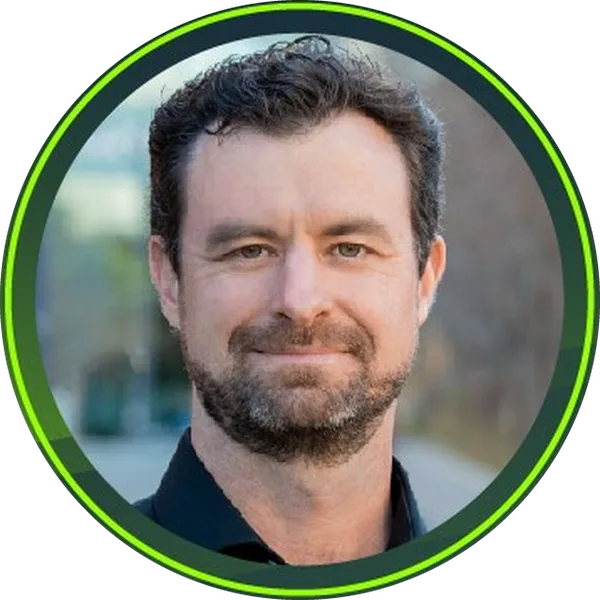
Josh Butler
Josh Butler from CompScience shares his expertise and insights on identifying and predicting risks before they become claims with computer vision and data science. Learn how AI-driven workers' comp can transform workplace safety, strengthen client relationships, and allow you to differentiate yourself in a competitive market.
Imagine a workplace where risks are identified and prevented before they ever lead to injuries. Thanks to AI and computer vision, this is becoming a reality. In Episode 150 of the InsurTech Geek Podcast, we sat down with Josh Butler, Founder and CEO of CompScience, to learn how his company is transforming workers' comp with cutting-edge technology.
The full episode
Press play for the whole conversation.

The Journey to Innovation
Josh Butler's story begins with a personal tragedy - a family member's workplace accident. This experience led him to explore how AI could improve safety standards in high-risk environments. After working in self-driving car technology, he realized the same principles could be applied to prevent workplace injuries.
What Makes CompScience Unique?
CompScience leverages existing security cameras and video analytics to analyze workplace conditions, identifying potential hazards like slippery floors or unsafe machinery practices.
The Role of AI in Workers' Comp
AI has proven to be a game-changer, not only in risk assessment but also in underwriting. By analyzing billions of video frames, CompScience provides insurers with precise data on workplace conditions, ensuring accurate pricing and safer practices.
Looking Ahead
Josh sees potential beyond workers' comp, envisioning applications in general liability and property insurance. With AI bringing unparalleled insights into workplace safety, the future of risk management looks brighter than ever.
Stay tuned for more insights from industry leaders on The InsurTech Geek Podcast!
The full transcript
Transcribed automatically from the episode audio, so some names and terms may be misheard.
James BenhamOn this episode of the InsurTech Geek podcast, we're talking about predicting risks and preventing claims with computer vision and data science with Josh Butler from CompScience. The InsurTech Geek podcast is all about technology that's transforming and disrupting the insurance world. We'll be interviewing guests and doing deep dives into specific tech we see changing the industry. We're taking you on a journey through insurance tech, so enjoy the ride and geek out. This episode of the InsurTech Geek Podcast is brought to you by Terra. Learn more about our cloud native risk management information system at terra.insure.
And we are back with another great episode of the InsurTech Geek podcast with my main name, my cohost, Rob Galbraith. Rob, how are you doing? Doing well. Doing well. Looking forward to, Thanksgiving holiday just around the corner. That's awesome. Yeah. Me too. Can't wait. The biggest matchup of the college football season is happening in my town in College Station, Texas. I I'm not biased or anything, but, yes, the entire college football season is leading up to A and M playing UT for the first time in twelve years.
And the the two top teams in the SEC, which, of course, is top conference in college football, are gonna smash head to head into each other. We'll see who comes out on top. The winner of that will probably go into the SEC championship game. So exciting times here in College Station leading up to that. With us, from beautiful Oakland, California with the redwoods in his back window, mister Josh Butler. How are you doing, Josh? I'm doing great, James. Thanks for having me. Man, so glad to have you on.
You know, I love talking about comp. And I know not a lot of people say that, but I actually mean it. I've I've spent the last let's see. I've spent the last sixteen years of my life building software and technology for comp. And so I'm, like, super geeked out that we get to talk about about comp and computer vision and technology.
Josh ButlerThat really warms my heart to hear you say that. It's not gonna be
James BenhamYeah. I wasn't, like, just pandering. Like, I'm I'm, like, actually legitimately excited. So I'm I'm I'm geeked out. Rob's well, more of a well, Rob's been a good stint in comp with AF Group and, you know, was at USAA. He had just did some time in property. I I feel like, like, Rob's like that guy that did. He's like that prisoner that did time in the Fed pen and the state pen. No. I'm just kidding. He's not a prisoner. He's like, he's I did some time in comp, and then I did some time up in property.
And
Josh ButlerSo, you know the CAF group. Did you know Jacob Geier? At Yeah. He was head of specialty over there. He's our head of insurance here at Comstock. Oh, okay. Yeah. Small world. Small world. Yeah. Small world. Yeah. Yeah. See, it's just like back in prison. You're like, man, did you serve with this guy?
James BenhamDid you like, yeah, man. We were in together for five years.
Josh ButlerThey he fled the coop and moved to Orlando. Exactly.
Rob GalbraithWhich is a prison of the desert. Right? Michigan. I hate to say that. I went to Michigan State, so I love the area. But A prison of humidity. No. That's true. Yeah. Spartan.
Josh ButlerJust like Jacob.
James BenhamYeah. He's a he's a spar they're Spartans. They're they're but not like the fun Spartans. Not the, like, Spartans, you know, like Mary Katherine Gallagher. Sorry. That's like a separate live reference that will only be gotten by people who actually watch SNL in the nineties. Yeah. We're gonna move on from that really quick. So let's let's look. This is all about insurance, and it's all about tech. But at the end of the day, this insurance this insurance industry that we love is powered by people. It's like the Charlton Heston film, Soylent Green.
It's made of people. And and so since it's made of people, we we we like to ask people what what the what they're all about. And, Josh, you got a neat, like, really, you know, professionally diverse, background. And so I just wanna kinda talk through, you know, first off, you know, you're you're born in Boston, but then you're you're raised down in South Carolina at this, this this school that occasionally is phenomenal at football called Clemson. You're you're you're raised there, but you didn't go to school there.
You go back up north, and you go to to Brown University for a bachelor's in comp sci and artificial intelligence back in the early two thousands, which is a a very different time for artificial intelligence. It was the winter of artificial intelligence, if you will. Yeah. Yeah. Exactly. So, like Yeah. The question is, are you the winter soldier? You know? And so, like so so, like, talk to me, like, what led you to leave the comfort of South Carolina and, you know, and, you know, whiskeys in the evening looking over the the the the the flats of the Lowcountry and to go up to to Rhode Island?
Like, what what on earth what on earth led you to do that to go to Brown and to study computer science? Like, what was the big goal?
Josh ButlerYeah. I mean, I think, I always knew I wanted to build tech products, and I I didn't know of any tech products that were were built in Clemson, South Carolina. I mean, I think I I always figured I'd probably end up in probably Boston, honestly. It's like, I had family up there. You know, you've got all these all these crazy famous schools up there and bunch of research. You know? These days, it's, like, pretty heavy in biotech and robotics. But, you know, I'm back in the day, like, I I was just always fascinated by how much you could do with just software, not having to worry about, you know, like, building any any, like, any hardware, making things work in the real world or anything like that.
You could I mean, there was just, like, this incredible pace of innovation in software and Internet. And and that was what really captivated me about especially AI, is like, what if you could actually teach a computer how to understand people, the world, information, things like that? That's what really inspired me. And I think it's it's evolved quite a bit since then. And think it kinda, like, goes hand in hand with the the kinda course of my career, frankly. Like, when I when I graduated, you frankly, I took a step back from software initially as I was I didn't really believe that you could build the AI that I wanted to build yet.
The the computer systems weren't there yet. The the hardware wasn't fast enough. So everything I was doing in the research lab at Brown was just way too slow. You could actually I had a professor who invented the algorithm for tracking body movement. Cool. Using just a camera. And it could actually convert a just a a video into, like, a a A stick frame. An avatar. Yeah. It was, like, moving just like the just like the person. But it was so incredibly slow. It just you couldn't use it for anything hardly.
So I actually stepped back and spent some time just I built a school. I built a developer training academy, and I did it in Costa Rica, where I figured if I could train up some people how to build websites and databases, I could probably change their lives. And I did that for four years. Learned Spanish. Had an incredible cultural experience and realized pretty quickly, Costa Rica is a really small place.
James BenhamYeah, it is.
Josh ButlerIt's a very, very small country. And if you wanna do like world class, like big ideas, I knew I was gonna have to move back to The States. There was a moment there when I did come back after selling the company. And I was like, do I move back to Boston or do I move to Silicon Valley? And it was I didn't know anybody in Silicon Valley. I didn't know a single person out there. But still, just when I visited and I felt the energy of this place, it felt like I was warped in this warp drive moving forward, like three or five years from what I'd been experiencing down in Costa Rica.
And I just couldn't leave. Knew right away it was the right place to be. That kinda led me into the the rest of my career here.
James BenhamThat's amazing. Yeah. And I had a really similar experience growing up living in Mexico and was like, I fell I fell in love with Latin America, became fluent in Spanish. Just loved it, man. I loved it. It was amazing. But then you you kinda have to look at and the same thing. I fell in love with what software could do when I was 11. I'm I'm 45 now. So 1991, I just was like, man, this is this is incredible what you can do. And that was before the Internet.
And the Internet comes out, and I'm like, oh my gosh. You're gonna really have global reach now. And and, like, there have been so many so many cases where, you know, it's been proven that software eats hardware all day long as far as, like, you know, the the pace of innovation. Like, you there there was a really famous DOD project where they had, like, this massive amount of hardware for a self driving car, and then they had another one that was just a BMW x five with a with a ton of software.
And, the BMW won the challenge, you know, because software eats hardware for lunch all day long. You know? And I think Elon's proving that right now with with Tesla and their self driving vehicles as well. So, I mean, there's just it's it's it's just an neat realization similar for me, but I I went to the I I kinda went to a slightly different state, equally as big as California. It called called the great state of Texas. But, that's that's where you and I are are past the verge there, but that's that's really neat.
What what led what led from these early days to insurance? What was the connector?
Josh ButlerYeah. I so, I mean, I think if you kind of, If I think about the the path of my career, it's really been about finding new domains where you can apply AI one after another as as, like, really hardware, mostly, gets more powerful. And, I mean, first so first thing I did when I moved to The Valley was I I joined Facebook. I call it Meta now, I guess. I'm still getting I'm still having trouble getting used to that. Yeah. Exactly. You know, there was there was a joke when I moved out here that 95% of PhDs were busy optimizing clicks.
And it it always felt like, is this really the the highest use of of everyone's talents? You know? Well, the fact is like mean, Elon but Elon talked about that too. He he's referenced that frequently. Has he really? I mean, I know. Peter Absolutely. Peter Thiel always says, like, they promised me flying cars, and I I got, like, what is it? 72 characters or something like that? Yeah. Exactly. X. And the fact is, like, Facebook and Google, I mean, I I I got had an incredible opportunity to, to do product at at Facebook and, like, you know, lived through the IPO and everything.
Like, these are incredible products, completely free to everyone. We were talking about we were talking about before this, you never thought anything would ever replace Google, on your desktop. And now, somehow, out of nowhere,
James Benhamthat g t has totally replaced Yeah.
Josh ButlerBut these are two two examples. Like, the news feed on Facebook and Google search, like, they've totally transformed the way that we consume energy consume information, the way that we connect with each other, the way the world works. I think when I moved out here is and they're completely powered by AI, essentially. They're processing information, figuring out what information you wanna see, all that stuff. When you know, back in was it late oughts and early twenty tens, like, this is really like, this is the the biggest application you could you could think of for for AI.
It wasn't until maybe ten years ago, self driving cars started really kinda taking off because all of a sudden, had the compute power. You had the compute power that you could put in a car to actually process, like streaming video that and now you could really teach computers how to understand the world. So we're we're we're actually bringing the AI into the physical world. And for me, transitioning from Facebook into self driving cars was really the next step in the path for me to get into insurance.
There's one more step beyond that. But actually being able to bring AI into the physical world is the first step in really helping the insurance industry get a lot better, a whole lot better at understanding risks and making better decisions. And that's really what we're doing here with CompScience. The the the way I came up with the idea for CompScience was, you know, while I was working in product at, at Neo, building self driving cars there, my father-in-law had an accident on a construction site. I never would have had this idea, honestly, if if it hadn't been for that.
It totally changed the trajectory of his life, and I guess mine as well. Going through the recovery from getting ejected from a crane that he was operating. You know, just seeing seeing And the impact on him, both physically and emotionally, and that oh, and it affects everyone, the family. You know? It affects everyone. That was really what inspired me to to dig into, like, you know, how you know? It's 2020. Like, how today are are are people still getting injured on the job? And they're just trying to, like, make it on his wage.
They're just trying to get home safe at the end of the day. Make a you know, just and and and why why are we why are we putting people at risk when, you know, we have technology like what I was building for self driving cars, like like this perception technology that can detect the movement of vehicles, that can detect any object pretty much, that can understand, the way people interact with the world and the way that, they're operating machines, things like that. Like, if we can teach these computers to understand those risks and flag those risks in time, then we can actually prevent this stuff from happening.
So it was it was five years ago I started CompScience. I didn't actually think I was gonna start an insurance company, though. I actually was originally planning to build a software company. Yep. Yep. It's the classic quandary. Right? Do you build the tool, or do you build the company that uses the tool? Yeah. What but the realization really came it came from DHL. One of our one of our our big clients here, we've had a tremendous success, actually. And they told me, like, why are you asking me to pay for something to prevent something that hasn't happened yet?
And I'm like, I don't know how to answer that for you. I'm driving down injuries by, like, sixty five percent in your facilities. You have 90% less, like, accidents, like like, physical damage from forklifts running into things. And you and and it's it's just it it doesn't compute. There's it's very hard for someone to figure out how much should I pay for this. But insurance actually closes the gap here. I think one thing I really learned, the first startup I worked at here in, in Silicon Valley, Rocket Fuel.
They IPO ed in, I don't know, was, 2016 or something like that. The CEO was a genius, Stanford PhD guy. He told me, don't build a product that no one's ever bought before. It's really simple. Build a product that they already buy. They already buy a lot of and just make it better than everyone else. And so rather than trying to invent this this new software product that is gonna save people from getting hurt and, you know, will try to charge charge money for that, Why don't you just sell them workers' comp?
They already pay for workers' comp, and they are expecting their their insurance company to tell them if they need to make changes to be in compliance. And so that's that's what we do. We make it look just like a regular old insurance product, like a like a workers' comp product with a remote inspection. And we use the video analytics to understand better what we're underwriting.
James BenhamAnd you're an MGA, so you have a a single carrier partner that's the paper that you're writing on?
Josh ButlerThat's right. Yeah. We're, we're, you know, really honored to be backed by, by Nationwide and Swiss Re. So a b rated paper, just tremendous paper, awesome claims. It's it's really nothing you could possibly complain about. Very strong, operations. Like, the the policy itself is excellent. But people don't think about nationwide usually for, for workers' comp. They have multiline, like, very general, very large, like, number four carrier in The United States. So we're basically we've created a a unique product that allows them to get exposure to this this space and really grow a really high performing book, especially for, like, higher risk work.
We do focus on, like, industrial. We also we've added restaurants recently, which is a a a big fraction of The US economy, actually. And there's and they're actually quite dangerous. Oh, yes. We can do that. Yep. Yeah. I mean, there's cuts. There's burns. Slip trip fall happens to be the the number one leading cause of injury for in restaurants, which, you know, you can imagine grease in the floors, things like that. And and we can affect all that. But also mean, what's what's also exciting is you can you can imagine if we can help with the, the workers' comp injuries, we can also help with the general liability risk as well.
You can see, are there fall hazards in the front of the house? So we're really only getting started with this workers' comp product. Really believe that bringing AI into the physical world like we're doing here, to understand the physical world, to make better decisions, it's gonna transform all property casualty, really. And we're already seeing some of this in telematics with auto. Think I we're seeing some of that. That's a great parallel. We've seen a lot of adoption now. In fact, it's more often than not, a carrier will ask, especially in commercial auto, what are you using for your electronic tracking devices?
Can we get access to the telematics? And we also have active insurance. We call this active insurance. We also have this in cyber. We got some great examples of coalition. Our investors also have invested in coalition multiple times. Coalition, they're through the roof, I mean, tremendously. We use them. Yeah. We
James Benhamdo as well. So yeah. Absolutely. Great. Yeah.
Josh ButlerAbsolutely. So I I think there's this wave of MGAs kind of like us now. It's not like there was a wave a while ago that was very focused on distribution. What we're really focused on we always sell through brokers. We think brokers are the right way to ensure that the customers are getting the very best service package they can get. But we partner with them, and they love selling CompScience because this is something fresh, something new. It's got an added value prop in a product that's very easy to sell.
And it's really a very kind of it's it's the biggest line for their customers, so we can have a huge impact. And everything else out there kinda looks the same. So really helping we're helping brokers grow. That's really what we do. Awesome. Rob?
Rob GalbraithYeah. Just wanna know more about, specifically how comp science leverages, you know, AI and and cutting edge technology. Right? Because I think about traditional work comp, you mentioned the underwriting cycle, obviously, tons of questions, maybe even have a supplement if you're a restaurant or a high hazard occupation, right? So you're gonna get some initial just do we even want you or not, right? Or do you meet our risk appetite? And then if it is, there's usually probably gonna be some type of loss control, right? And so you've got an ergo expert or other people going out, they're taking observations, they may give you some recommendations, right, into how you can help reduce losses.
But it's similar to measuring my son, who's a teenage driver, right? And just asking his age, gender, and marital status and saying, well, that's a proxy for how well you drive or I could put telematics right in the vehicle and I can actually observe how you specifically, not your demographic drives. I'm imagining comp size probably works a little bit similar to a work hub. So yeah, maybe you can just kind of talk about that differentiation from what a more traditional work comp provider would do.
Josh ButlerSure. I mean, for one, we like to make it as close to that experience as possible from like a ease of purchase point of view. So rather than force we're not actively monitoring our customers. There's no eye in the sky here. We actually just let them upload a few hundred hours of video data from their existing systems. They already have systems. Almost everyone has camera systems already. Right? They upload some video data. And we we we it's like a remote inspection. We we talked to them about it like it's a you know, this is like your your pre inspection almost.
You're not just gonna get this report that, frankly, most people throw away when they get it. They actually get a really data driven predictive analytics report that shows, here's how you index against all your competition on different types of risk, based on our calibrated predictive analytics that we have over $100,000,000,000 in claims in our database now. We have ten million hours of video that we've analyzed now. Yeah, it's incredible. Have 5,000,000 hazards we've identified. And we don't just give them, Here are the numbers. We do give them the numbers.
This is where you're most likely to have issues moving forward. And we look at both their claims, but also looking forward at the hazards, the risks that we're detecting. And then we give them a list of specific recommendations. So we have experts. It's not don't actually say AI doesn't replace the human here. It augments the human in a big way. It makes the loss control person 10 times more effective without ever having to go on-site. And then we kinda coach the customer through the process, all remotely of choosing the things that are gonna have the biggest impact.
And we get to measure, did they actually implement it? So in a way, it's making us much more consultative. And also, we have the advantage of being able to show them photos or video examples of the stuff that they might not know about. And it motivates them to actually take the step on their own volition. The implementation rate of recommendations is just through the roof. It's like 80%. It's way beyond what any loss control people love working at CompScience because they feel like they're really having an impact.
Yeah. Because people actually listen and do it. Right? Because there's the financial incentive for them too? Oh, there's financial incentive too. Yeah. I mean, we'll we we definitely underwrite, and we update our our pricing based on participation. And we've seen we've seen over 25% reductions on average in frequency in the first year. Wow. For customers that use our platform. Massive difference. It's a huge think about the number of people. There were about 50 last I checked, it was like fifty, sixty thousand people who we protect today.
The rate of the injury rate's going down by twenty five percent. That's like that's thousands of injuries. Many of those will be life changing. And then obviously, there's this huge savings. So the real benefits are like, I mean, there's the social impact, human impact. There's the savings for the end customer, but also the brokers. The brokers get to be much more- they can bring more value. They can also they use the same reports. They they can be more consultative for their customers too. So so I think everybody wins.
James BenhamYeah. So at the end of the day, they win because they have a lower incident rate. They're they have healthier workers, safer workers, and less downtime.
Josh ButlerI mean, it's literally, like, I I work with I work Retention with rates. Turnover went down by, like, a half at one of our customers because of we did a study there. Turnover went down by a half because it just felt safer. People didn't feel like they were at risk. Yeah. So there's there's a turnover goes down.
James BenhamThe number of people that are out from being injured is goes down. Their cost of workers' comp goes down. Right? Yep. Yep. Yeah. And and and You know, if we tried to do this if we tried to do this ten years ago, it would not have been possible for a few reasons. One, cost of compute
Josh Butlerwas way too high. It tossed way too much to process as much video. Two, cameras probably weren't there for most of these companies. And then three, the bandwidth. You couldn't even like, it was hard to find honestly, pre COVID, when we did start this, there were a lot of customers who were like, we have a cable modem, and we're not sure this is gonna it's all different. All these things have changed now. And on top of that, we're accelerating, to the Let me chat GPT. Have visual models now.
You told me ask chat GPT what it knows about you, and Yeah. You'll be surprised. Ask chat GP to make an image of what it think your life what it thinks your life looks like, and you'll be blown away. I, our our staff was doing this, earlier this week, and it was uncanny. It, like, shows shows your kids. It shows your, you know, your pets. Shows the coffee on your desk, everything. It's, like, it's pretty nuts. Yeah, this technology is accelerating everything about how we build these tools.
Because it basically allows us to condense information in ways that a human, our loss control guys, can really can really synthesize into really meaningful insights that are gonna make a big difference for our customers. And it's you really have to see it to believe it. How how just how insightful a lot of the it actually it actually generates text alerts out of the out of the imagery and the video now. It's really incredibly insightful. It even recommends how to how to fix it. It knows all the OSHA guidelines.
It knows OSHA nine ten, nine twenty six. It knows the EPA limits. It understands chemical data sheets. I mean, it's got all of human knowledge. That it's it's read all of it. And and we're actually and and and it was just never accessible before. All this information accessible in a file Did used you create did you create a custom GPT inside chat GPT? Or did you go into a different LLM somewhere else? We have so I do have one running on my machine here. But in our core system, well, we've created a number of sort of more traditional computer vision models here.
But the the LLM model we're using is act we're actually just hitting a like, we have OpenAI, we have Anthropic, we switch between those. Very soon, we'll be we'll actually be rolling out our own open source based, like, locally run model as well. But it's we haven't had to yet. It's actually been beneficial just to use the you get the very, very latest through the APIs today. We really had to move that way. Yeah. But at the heart of Actually, fine tuning fine tuning was only released.
Visual fine tuning was only released in the last few weeks. We've been able to do yeah. It's incredible how much you can do with, well, with the you need to have the data. The the the hardest thing about this actually is getting the right getting the data. That's the hardest part about this whole thing. You have a process that where where customers feel comfortable and know that they're gonna be getting significant value for sharing their data? And if you can turn that data into something really meaningful for them?
James BenhamAre they sharing their security cameras? Like, what are they sharing that you're analyzing?
Josh ButlerYeah. It's mostly security cameras. Mostly. We there's also sometimes we can ship them. This is like a little A game camera, like a like a deer game camera. Yeah. They can ship these things too. They have they have cellular cellular connections now. It's, like, 120.
James BenhamSo the the do that for field work. Yeah. So the heart of this is a really badass computer vision system that snaps in and watches what's going on and then provides real time feedback and guidance and coaching. So you can get ahead of behaviors that are going to lead to accidents and stop them in their tracks. Is that accurate? That's exactly right. That's exactly right. The
Josh Butlernuance is understanding what are the things that you if you see them, you can actually impact, you can actually drive change around and really make it a meaningful reduction in risk. And that's a it's a big product development question. It requires safety expertise, technical expertise, and also sort of a human element. How do you how do you compel people to make change, even if it's not the easiest thing? I think that's one thing that's really special about our team here, they're good at influencing. They're good at influencing based on we know this works.
We know this works. We've seen it work before. They're very consultative. And we don't demand things from our customers. I don't think we've ever really said, you must do this or else. Because we're really we're partnering. We're really changing the relationship in a big way. And I think that the data and the power of this product is that we can be a real a real resource for our customers in a way that your traditional carrier really hasn't been able to.
James BenhamAwesome. Rob?
Rob GalbraithYeah. Josh, two questions for you. Number one is what what's the best profile, I guess, of a of a client that works best for you? Right? Industrial? Do do agricultural? Right? Yeah. Construction, etcetera. Imagine some type of high hazard, right? Then size, right? Small, medium, large, kind of what size premium account if you have a And sense of then the second would be, where do you ride? I imagine Nationwide has a nationwide footprint. Don't know if you're licensed to do business all 50 states or not, if you're a broker out there and you're hearing this and you're thinking you've got some clients that might be a great fit for Josh and CompScience, how could they get in touch with you or find out more?
Josh ButlerGreat question. Here's what I'd say. We we generally write policies that are a 100 k and up. We are I think brokers love us, especially in the for the larger deals because they have a much better win rate working with us, especially for the larger deals. And we can have an like, the the absolute largest impact as well for those large large customers. As far as verticals, I mean, we we started out really in what we call four wall risk. So think of manufacturing as the most general version of that.
But if you look within that, you'll see we're doing everything from plastics and wood manufacturing, metal manufacturing, bus manufacturing, things like that. But food manufacturing, food processing is actually where we see the absolute highest win rates and the biggest impact. That's a huge industry. More recently, we launched into restaurants, where we're getting a ton of interest, and there's actually a lot more pain in that industry. So we're talking chains usually at five or more restaurants. Huge industry there. And then also construction. We recently signed a deal with a group that's helping support us with our in getting this product, this technology, into the field for the highest risk.
The very highest risk. If there's not a massive risk, they're not interested. So we, we're really excited. We're working with bridge builders. We're targeting, like, commercial roofing. These are like, you know, even, commercial drivers as well. There's a lot of risk in commercial drivers, and I can I can dive into that for those who are ask who would ask, like, how do we how do we make it work with the dash cams? But, you know, we sure, we love customers that are safe. We love customers that have low mod rates and all that.
But you know what? We know we can have the absolute biggest impact. And then in fact, we can, I think, get uniquely aggressive with those that have had some bad years? If like, our our goal here is to really help turn around the ones that are really struggling in a lot of ways. Maybe they're trying to get out of the state fund, they're trying to get that moderate back down. We love those cases, that's, I think, where we often partner best, with brokers.
James BenhamThat's great. So what's you you've hung your hat and are making your name on computer vision and on loss prevention. Right? Yeah. What's the and and, obviously, you're just getting into the phase where you have fine tuning available inside ImageRack on large on on ChatGPT, and and and, I mean, like, you're just getting to where some of the really good stuff's coming out. So what do you what do you think that you can talk about publicly? Like, what what what do you think's next that you're really fired up about?
Josh ButlerYeah. I mean, I I think all those things just accelerate our product development tremendously. I think we have a nice pivot. A nice lead. We're the only ones in the market with anything like this. Sure, there are tech vendors that do that kind of monitoring with alerts using computer vision AI. Absolutely, those exist. But we're the only ones that are able to really deliver a workers' comp policy without having to pay for anything else. It's all just bundled in. And you know what? You don't even need You don't need to let us monitor you either.
I think that's a big thing. A lot of customers don't really want that from their carrier. So you don't need to do that. We'll definitely allow people to opt opt into that if they want to.
James BenhamI think so okay. How do you what's acceleration there? Well, wait. Wait. Wait. How do you deliver how do you deliver the value of analyzing their video without monitoring them?
Josh ButlerWell, we we it's like an inspection. But think of an inspection with a 100 times more data. So a typical inspection, you get two hours on-site, maybe. And everyone knows you're there. And they're on their best behavior. So I think we know the like, you you can imagine how much data you really get about the facility. Well, we get two to five hundred hours of video across the entire facility. We do that multiple times a year. We get a lot like, that that the the point is to get as as much data as you can so you can deliver the best insights.
And we do that great with and without having to sort of, like, roach into that, like, you know, big brother watching kind of a of a position that you might have if if you were forcing them to accept being monitored. Now if they wanna opt into it, we'll absolutely offer that. So anyway, that's to that point. And we get a tremendous amount of value just from these batch runs. But if you look at other opportunities that are out there outside of this kind of core product area, there's a lot that's being unlocked just in improving processes.
Everything gets done over email today, right? You know, you get lost runs, you get all these supplementals, all this stuff. Mean, even just automating a lot of that document management allows us to not only like save a lot of time and get a quote turned around much faster, but also we can go much deeper in the data and see like like, you know, like if if you have a 30 page loss run from a customer, we actually do go we go look at each and every one of them, and we generate insights about specifically the nature of their their history, so that we can decide how aggressive can we get based on what we know about how good we are at preventing specific types of of losses.
So that's one area that we're actively developing out right now. I think there's also I think on the claims side, let's be real. Like, the That was my next question. We really offer as a as a Yeah. Like, most carriers really offer is claims. Like, we're lucky to have nationwide's, like, top tier claims specialists, like servicing our customers. But there's there's absolutely a lot of variability in outcomes from one specialist to the next. Right? So I I think this is an excellent application for LLMs. And we haven't got into it yet.
I'm sure there are startups out there that are thinking about this. But, like, what if you ask the LLM? Just like how okay. So what what could a specialist have done better across my if you're a big company, like thousands of claims, right? What could they have done better? How could we train them to improve the service they're offering to these people who've been injured, and frankly should just probably looking for someone to show a little bit of compassion, and a little bit of help getting back on their feet.
James BenhamI think there's a tremendous amount that we'll see of improvement from a service perspective there. Well, that was even my my my last question is, so you're running all the you have your own adjusters and you're running your own claims? Are you using a TPA? Nationwide is doing it for us. Okay. So so they're they're acting as your TPA essential, even though they're they're the pay they're they're the paper. They're all they're also handling the claims. Yep. Using their own software or yours?
Josh ButlerThey're using their own. So, we've we've we haven't scratched the surface in claims yet. Yeah. I was gonna say you haven't even really touched claims and what you could really do there. We're absolutely we're I mean, they've done a tremendous job. Like, and they've obviously, they've been doing this for a long time. Yep. But we're we're talking with them right now. We're just down there in Phoenix, talking to our team about how we can how we can partner more deeply. And I think this is a really, a really interesting area where we specifically, coming from the tech world, we could probably help them beyond our own program, and with some great tools here.
So I think this is an area that is gonna see some tremendous innovation. It just it makes total sense, especially given all the all the progress with LLMs recently.
James BenhamYeah. That's awesome. By the way, I I did ask when you told me to. I asked I asked chat GBT generate an image of what you think my life looks like, and then it just gave me it gave me a text narrative. Oh. I have to figure out which one that is. I I think they said proverbial image. Maybe they were thinking. Oh, no. I don't know. It was the one I saw was pretty epic. I was pretty impressed. Yeah. Yeah. Well, also Yeah. It's yeah.
I think I think I was using preview o one instead of the so instead of there I'll I'll yeah. I'll switch the yeah. Well, it's it's thinking too much instead of generating an image, and so I I just switched back to I just switched back to GPT four o to see what kind of image it creates. There we go. Now that's That's cool. You're right. Right. You send it to me offline? I yeah. I'm gonna send it to you offline because, actually, it's super cool.
Josh ButlerIt blows my mind. I I I feel like the luckiest guy in the world to be doing what I'm doing, honestly. Not only do I get to play with the the the coolest tech, but I also we also have get to have this enormous impact on on people's lives. It's a yeah. I mean, this is definitely like you know, this will be my life's work. Absolutely. And, yeah,
James Benhamstay tuned. There'll be lots more product coming out. Amazing. Well, if you decide you wanna hang out with all the other entrepreneurs moving back east to Texas, come on. We we we'll we'll welcome you with open arms in in in Texas. But if you if you wanna stay out there, that's cool too. I love I love Silicon Valley. I love the area. But super excited about to Texas
Josh Butlerover the last few years. Yeah. Yep. You have.
James BenhamYeah. It's it's it's amazing how regulatory environments and tax policy impacts impacts people's decisions. But, you know, I I'm I'm it turns out they care. So I'm I'm really excited to talk to you. Thank you so much for your time today. We are out of time, but I really appreciate it. And we'll we will catch you, catch you in the future. And for all of you out there in listener land who are listening, thank you for tuning in today to geek out for our interview with Josh Butler from CompScience.
This is James Binnam, your InsurTech Geek, and Rob Galbraith.
Rob GalbraithRob, do wanna say something? Okay. I'll edit it. No. Just appreciate all the listeners out there. Thank you for your loyalty. And, yeah, thanks, Josh. Fascinating conversation, and I'm I'm really excited to see, what comes next.
James BenhamAwesome. Thanks, Rob. Appreciate it. We'll see you next time. Thanks for tuning to Geek Out. See you in the next episode.