 YouTube
 Spotify
 Amazon
 iHeart
 Apple
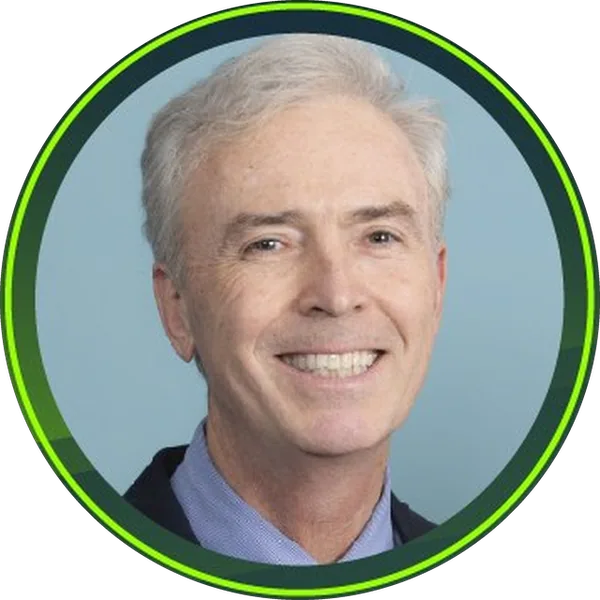
Dr. Daniel Carlin
Hosts James Benham & Rob Galbraith are joined by Dr. Daniel Carlin from JobSiteCare. Dr. Carlin shares his expertise and insights on telemedicine, technology, and the future of care. Discover how his innovative concierge telemedicine model is transforming workers' compensation, improving injury outcomes, and shaping the future of workplace safety with cutting-edge technology.
The full episode
Press play for the whole conversation.

Dr. Daniel Carlin from JobSiteCare
Dr. Daniel Carlin from the JobSiteCare shares his expertise and insights on telemedicine, technology, and the future of care. Discover how his innovative concierge telemedicine model is transforming workers' compensation, improving injury outcomes, and shaping the future of workplace safety with cutting-edge technology.
In this episode of the InsurTech Geek Podcast, we spoke with Dr. Daniel Carlin, founder of JobSiteCare, about how technology is redefining medical care for injured workers. With over 50% reductions in claim costs and a significant drop in OSHA recordables, JobSiteCare is proving that integrated telemedicine solutions can reshape workers' comp.
Dr. Carlin's model is changing the game for high-risk industries. Tune in now for an inspiring conversation on how tech is humanizing care.
Stay tuned for more insights from industry leaders on The InsurTech Geek Podcast!
The full transcript
Transcribed automatically from the episode audio, so some names and terms may be misheard.
James BenhamOn this episode of the InsurTech Geek podcast, we're talking about telemedicine, technology, and the future of care with doctor Daniel Carlin from JobSiteCare. The InsurTech Geek podcast is all about technology that's transforming and disrupting the insurance world. We'll be interviewing guests and doing deep dives into specific tech we see changing the industry. We're taking you on a journey through insurance tech, so enjoy the ride and geek out. Terra, this week's episode sponsor, is revolutionizing the world of workers' compensation claims and policy management. Terra's cutting edge platform empowers insurers with comprehensive benchmarking tools, robust management systems, and an integrated ancillary services marketplace.
Discover how Terra is driving innovation and efficiency in workers' comp at terra.insure. That's terra.insure. And we are back with another great episode of the Insured Tech Geek Podcast. Again, I'm your host, James Benham, your Insured Tech Geek. With me, the most interesting man in insurance, my illustrious cohost, the man from many states and many different jobs in the insurance profession, now a phenomenal consultant. My main man, Rob Galbraith. Rob, how are doing, buddy? I'm doing okay, James. Although,
Rob GalbraithI appear to be on Ticketmaster's blacklist. I was trying to buy some tickets for a concert that my daughter wants to to go to. And, yeah, it just wouldn't process. And I talked to the bank. I was like, hey. Are you blocking? And they're like, no. It's not us. It's them. And so they gave me a number to call. It was our, like, fraud monitoring. And after waiting on hold forever this morning, they're like, just leave us a voicemail. Like, what am supposed say? I'm not a That is the worst thing ever.
Know. So you know what it is, James? It's because for two years in a row, and I probably jinxed it, I have been looking repeatedly for Super Bowl tickets thinking that my beloved Detroit Lions would actually make it there. And I promised my son if we ever go over the first time, I'll get tickets. And I mean, obviously the price is outrageous and all that. So I think that is what is flagged my account. So I I shouldn't have bothered because now it's not only are the lions not going to Super Bowl, may not go for a while.
Now all of a sudden, I'm in in bad with Ticketmaster, which is not good. Which is
James Benhambrutal.
Rob GalbraithBrutal. Hard to watch. Hard to go out and live your life and go do stuff with Ticketmaster
James BenhamBlack Lives. Yeah. Well, let me just first off with the lions because Dan Campbell and I went to college at the same time at Texas A and M. We were not buddies. I I wish we would have been buddies because I loved watching him on the field at Texas at Texas A and M. He is he was a great player. He's an even better head coach, and I'm I'm very frustrated the lions didn't make it. I'm, I'm even more frustrated that the bills didn't make it because I just I love the underdog.
I love the you know, Buffalo shouldn't be an NFL market. It's too small. And, you know, it and Josh Allen's a phenomenal quarterback, and it just watching him at the end of the game was, like, soul crushing. I I I felt his pain. Like, freaking Mahomes did him in again. It's like, come on. Give a guy a break. Like, if it weren't for Patrick Mahomes, Josh Allen would have, like, two Super Bowl rings right now, I think. And maybe the refs. Oh, and the not even get started on the refs.
So that's tough. Now I was I was I was just in New Orleans, yesterday. I can tell you the streets are already shut off. They're already they're already building all the infrastructure for the Super Bowl. It's gonna be bananas. But, I will not be there for the Super Bowl. I am not I I I go for Mardi Gras, not for not for the football stuff. So, I will not be there, but, man, would have been cool. And Ticketmaster is a monopoly, bro. And if you you get sideways with them and you ain't going to anything, so you gotta wait till wait till it goes on StubHub or something.
I don't know what to tell for to to save for you. Get an Apple Card, and then you can do, like, a a burner virtual card that Apple Card lets you do. Maybe you can get around it that way. I mean, that that's I don't know. Think it's on my phone now, so I think it's tied to the number and Oh, no. No. No. No. No. It's a bad scene. Well, with us today to talk about the future of telemedicine technology and care is doctor Daniel Carlin joining us from New Hampshire.
Dr. Daniel CarlinDan, so good to see you. James, it's a pleasure. Great to see you again.
James BenhamYeah. We we met at the army conference in San Diego. We had booths side to side by side, and I I was a speaker there. You and I got to talk very briefly, but I got to hang out with your team and get to know them and get to know the product. And I was like, this, we gotta talk about because this helps get workers healthy faster and gets them back to work faster and get some care faster. And I'm like, this is the kind of stuff I like to talk about.
Dr. Daniel CarlinSo super happy to have you. Is it a snowy day today in New Hampshire? It certainly is. We picked up five inches of snow overnight and more snow coming tomorrow and then maybe yeah.
James BenhamLots of snow. Lots of snow. Yeah. I was just just up north in in New York, and, of course, I was in Boston before that, a few weeks before that. And I love and appreciate that they have the ability and capacity to handle snow. In the South, we do not. And we don't have the equipment. We don't have the salt. We don't have the pellets. We don't have the we you know, it just the financial cost of doing that doesn't make sense for people to do it for the few times it snows.
We see to be getting snow every single year now, which Yeah. Is a new thing. I I went deck a decade and a half without snow. I can tell you this. I was in New Orleans last week. They had a foot and a half of snow in New Orleans. Yeah. It it was the wildest thing I have ever seen, and I found out how alligators survive snow and ice. Do you know how they survive?
Dr. Daniel CarlinNo. I mean, I assume they go into the bottom of a pond or something. I don't know. Something similar.
James BenhamI didn't know this until I was in New Orleans, and it was the bayous and the swamps were covered in a foot of snow, which I've never seen. They said it hasn't happened in over a hundred years. Alligators, they they sink as low as they can, and they just stick their nose, the little tip of their nose out the top, and they let the water freeze around them. So they they breathe, and they go they slow down to a breath a minute. Wow. And they they they they breathe through just their nostrils sticking out, and they keep the rest of their body submerged in water.
And then when it unfreezes, they can move again, and they come out of this hibernation snake. Wow. I was like Wow. Wow. No wonder these guys have lasted since Jurassic times. Right? Right. Like, these are some resilient animals. They've seen it all. They've seen it all. I've I've seen I've I've seen it all now. I saw it. There it's crazy. There's alligators everywhere, of course. It's crazy. So fascinating times. I'm glad you're with us despite all the snow. I know that you guys are well equipped for that, you probably relish the snow.
You know, we we love talking about insurance and tech, but I also love talking about the people behind it, and you're you're definitely one of those. So I wanna talk about you first. I know that you're in New Hampshire now, but were you born and raised there?
Dr. Daniel CarlinI'm originally from Western Mass, a little town called Dalton, Massachusetts. And then when my dad was 40, he decided to stop being a town doctor. I was literally the son of a country doctor. And we moved to Boston. He did a big three year training in neurology and pediatric neurology. So he picked up stakes, moved to Boston, and then he became a boarded neurologist in New Jersey by the time I hit middle school. So then New Jersey Medical School, coll or high school, and then college in Pittsburgh, medical school back in Boston, and then a a stint in the navy, etcetera, etcetera.
James BenhamYeah. So you you you really kinda went moved around the Northeast. And, course, Carnegie Mellon's a phenomenal university. As a software development lifelong software guy, we're very familiar with Carnegie Mellon. Their engineering program, their robotics program specifically right now is doing some really phenomenal work Yeah. That's actually ended up being commercialized in some great applications in the construction space Yep. Which I'm I just I'm I'm astounded. What most most people don't know, Carnegie Mellon also has a great musical theater program, but they only accept they accept six boys and six girls per year total.
That's it. Wow. That's it. So it's very, very difficult to get into, but there's some fascinating schools. You and then, of course, you did your internship at Bethesda Naval. So when did you now, by the way, son of a country doctor, my great grandfather was a country doctor in Mooresville, Indiana in 1890 to 1925. He died while he was practicing. Died of a leaky heart. That was the official
Dr. Daniel Carlindiagnosis. Technical diagnosis.
James BenhamYes. That's what it's what it said on the records I pulled up, and, I think it was a aortic valve or so. I think we'd call it a Sure. Yeah. But, he I I found the hours that he kept in a newspaper ad from 1922. He he was on call every day. His office was the building next to his house. Yeah. And he had office hours every day including Sunday.
Dr. Daniel CarlinWow. I recall a similar thing with my dad that he was open every day but Sunday. And then I recall many times him leaving the house after dinner to do his house calls and visit some of the more rural areas. It was almost like being a priest or a rabbi. It was a true calling. Yeah.
James BenhamIt really was because it's your whole life. You know? And and you're you're on call all the time, and it's a really, really fascinating lifestyle. But, you know, the nice thing is you didn't have insurance companies between you and people. You just No. You just dealt with your patients. You know? Yep. Yep. What led you to being in the Navy and being a ship's medical officer? What was the draw into the Navy?
Dr. Daniel CarlinThat's a really good question. I didn't apply to the Army or the Air Force in medical school. I was keen to get a scholarship, kind of hauling my own freight by the time I was 20, 22, something like that. And I thought, boy, the worst thing that can happen here is I end up on a ship, which to me was a good thing. So I said, let's go. And as soon as I finished the Tufts off to Bethesda for a year and then two years in the Atlantic fleet on USS Mississippi.
James BenhamWhat was that like?
Dr. Daniel CarlinIt was maybe the best job I ever had. All kidding aside, it was 600 foot ship with five ninety guys, two burning reactors. And the rest of it was either weapons or communication. And I had like at least 30 different jobs and everything from like tuberculosis monitoring to hazardous materials monitoring, a huge number of administrative occupational safety type of jobs. And then you have 600 people of whom five fifty are less than 20 years of age. Wow. So you have all these kids with this incredible responsibility and they it doesn't even occur to them that, hey, you're 19 years old and and you are responsible for the safety of this ship when we are underway.
And it was a kind of an amazing experience. Was a very eye opening experience. I fortunate. I had a great senior enlisted guy, Gary McLeod. He was a chief petty officer and he really taught me the job. As a senior enlisted guy said, hey, I need you to be a good officer and I wanted to be a good officer. And he got me there. And it was an incredibly rewarding experience. I was actually quite sorry to leave the ship. It becomes your home. Can imagine, right?
For two years you float on this thing and you're in all kinds of weather and all kinds of situations. And at the time it was the height of the Cold War with the Russians. So there was always a little bit of attention in the background. Our job was hunting submarines, etcetera. So you become part of a community and it's a tough day when you leave the community. All all kidding aside, it's hard.
James BenhamYeah. It was you know, my my dad was in for for four years as an enlisted surface warfare guy. He's on a destroyer in the South Pacific between Korea and Vietnam. And definitely, it's how he felt. The ship was his home. He still talks about it. Whenever he talk whenever he says his ship's name, he smiles.
Dr. Daniel CarlinYeah. And and Totally. I totally get that. And
James Benhamthen my grandfather was a submarine hunter in World War two, so he he he flew PBYs, sea big big giant seaplane. Sure. Sure. And, again, he he he loved that as well. So, I mean, the navy does a phenomenal job, and I think something we can all learn is they take safety very seriously. Yeah. And they they take process very seriously, and they they take their their worker health very seriously. And and so, you know, it's it's really, I I think, a great training ground. When you left there, it looks like you went to the International Medical Corps.
What was the draw there? So I left the Navy
Dr. Daniel Carlinon 06/21/1988, and I took a job as a refugee camp doctor on 06/28/1988. And this was a camp on the frontier between Pakistan and Afghanistan during the Russian war in Afghanistan. So lots of refugees wounded, all kinds of infectious disease that we haven't seen in one hundred years like polio, leprosy, tuberculosis, you name it, you name it. So it was quite a baptism. You leave a very uncontrolled environment or controlled environment in the Navy is very controlled. And then you're over there in this camp and it is uncontrolled to say the least, but highly educational.
And I had to call for help a couple of times, James. Meaning I remember this kid I saw with meningitis and boy, this kid was in tough shape and it was beyond my expertise. And it was maybe my first exposure to telemedicine calling back to The States, one of my old professors at Tufts and saying, need help. What should I do with this kid? And it it had a happy ending. So it kind of planted a seed for what would become my career.
James BenhamExactly. And and what would become job site care because, you know, telemedicine is a core component of what you're doing at job site care, which obviously we're gonna get to in just a second. But it it it lays the foundation and the groundwork for the for the start of that company. Yeah. Yeah. I mean, that's my mother just got back from a refugee camp. She's 81, and she went to a refugee camp in Northern Uganda. There's 1,600,000 South Sudanese who crossed into Northern Uganda to escape persecution, and they have nothing.
Absolutely nothing. They have nothing. They have not they have literally zero things. And she was there helping teaching them how to make clothes and toys for kids and and to sew anything. So it's you know, refugee camps are still a dynamic and unique place. It's still a very challenging place, but I certainly learned a lot. And then you spent a pretty pretty good career as a physician in emergency medicine Mhmm. For looks like twenty years in emergency medicine. And then in '98, you founded World Clinic.
What was the origin story behind World Clinic?
Dr. Daniel CarlinSo I was a practicing ER doc board certified in emergency medicine. And thanks to the Navy, I was a sailor and I knew life on boats quite well. And I saw an obvious gap that once you go to sea medical care gets very, very dicey, sometimes inaccessible. So I said, well, I'll solve that problem for sailors. And my original sailors were crazy sailors like sailboat sailors, solo sailors circumnavigating the globe, Southern Ocean. But they were a great population, a great group of people to take care of.
In 'ninety eight, I wrote an email to get a guy to operate on himself to save his arm and by extension his life. And the story went right around the world. He became a bit of a hero and I became like the first internet doctor. And from there I got so this notoriety and I started taking care of superyachts. And then I started taking care of the families that own superyachts, which are a very different economic slice of the pie. And from there, the big turning point was in 2008 when one of these private islands owned by one of these families, they're having a really hard time with their construction workforce.
And they called me up because I was known as the island doctor guy, the telemedicine guy back then. And I took on the project and it was a huge success just taking care of these construction workers, figuring out who can stay on island, who needs to leave, how fast do they need to leave. We saved the general contractor a great deal of money as well as the owner of the island. So it was pointing me in the right direction. And then eight years later, the general contractor Moss Construction called me back and said, Hey, can you do this telemedicine for us on our solar sites?
And I said, sure, what's the problem set? And they said, well, we've got they're very remote. So we want you to take care of our workers like you did on the island, but we also want you to look at workers' comp and help us fix it. And at the time, honestly, James, you'll laugh, but I was like, I don't know anything about workers' comp. But I learned very fast and I came back to the leadership a month later and said, this is the most dysfunctional corner of medicine.
I had no idea it was this way. It's so wacky. It's like completely upside down. Incentives are all wrong. And by the way, when I take care of a patient, it's usually just me and the patient. And maybe there's an insurance company way back there in the background in an injured worker. It's me, it's the patient, it's the claims manager, it's the risk manager, it's the safety officer, it's the state of Florida, it's the carrier, it's the owner and on and on and on. And I came back to Moss and said, this is fixable, but you have to tie these people together.
And as near as I could figure at the time, said the only way to do this is build some software. And to Moss's credit, they made a bet on me and my guys. And we built the software. And we it was like letting a thoroughbred out of the gate. We've been running fast and hard since the very first project. It works beyond belief. It's way exceeded what we thought it could do.
James BenhamYeah. I love how I love how you like like so many things in life, Dan, where you, you don't expect to end up in a place. I mean, you don't expect to be a super yacht doctor, and then you don't expect to be a private island doctor, and then you don't you don't expect to do those things. You just meet the right people at the right time, and then then you stumble into what would actually be a multi decade calling, and that is providing ropes for so so that that's the origin story of World Clinic and Jobsite care.
It started on an island, and then it moved into workers, and then it moved into solar sites. And then Right. And now you where are you at today with job site care? What do you do? Like, what do you do, and how broad is the scope now?
Dr. Daniel CarlinSo it's grown like crazy in the last five years. So here's the fundamental origin. The World Clinic, the original island superyacht practice, that was a very concierge level model, if you will. So you're really attending to all the details and you're being incredibly accountable and continuously communicating and you're really trying to remove all the obstacles to good care for the patients. That's their expectation. So we brought that ethos, if you will, to jobsite care. And we didn't realize it at the time what was really going on.
But by the worker feeling that they had someone who actually cared about them, they could talk to them, that was going to call them the same night they got injured, that was going to talk to their boss, that was going to talk to the surgeon, that was going to reconstruct their thumb and sort of translate. It was a very old school model, right? It was very human to human, very warm, very trusting. And it was look, was our DNA. What we didn't realize is what that would imply in workers' comp.
Because what happens is when the worker gets injured and I know you guys know this, but they're in a very anxious point of time. What's going to happen to me? What's going to happen to my hand, my thumb? And if the worker is not anxious, their spouse is. So it's a time of very high anxiety. And we leverage telemedicine to see the guy when he gets injured or the gal right when they got injured, when they're anxious and afraid and bleeding and oh my gosh, it's a bit of a mess.
Let's clean up the mess. Let's restore some control. Let's restore some calm. And then more importantly, I'm going to tell you the plan. Here are the expectations. Here are the milestones. And then when you start meeting these expectations, they start to trust the process. And that was the big revelation. This was we were leveraging technology to deliver old school human care, take care of the entire patient, the whole worker, their emotional state, obviously their physical injury. But getting them to a point where they could trust the process of them going into a smooth recovery and giving them a sense, hey, dude, we're watching.
Are checking on every single event that happens to you and making sure that things go smoothly. I'll give you a great example, right? We had a surgeon repair open thumb fracture. This is about a year ago. And our patient left the outpatient surgery center and left their prescription for pain meds at the center. And it's 02:00 in the morning and the poor guy's in agony, you know, all the anesthetics have worn off. So he called us, called the provider. He's got a phone number for one of our guys.
And we said, Okay, we got to relieve this guy's pain. Now we did simple stuff like, hey, you got to elevate your arm and that, but that wasn't cutting it. So we ended up electronically prescribing half a dozen Percocet, which he had already been prescribed, but he didn't fill his prescription. And then we sent an Uber. It's kind of like in a TaskRabbit type role, to go pick up the prescription at two in the morning at a twenty four hour pharmacy. And by four in the morning, this guy was at least comfortable.
But after that moment, his wife trusted us. She was that was I think the true skeptic in the crowd was his wife. And she said, Holy cow, okay, what's next doctor? You know, and said, Okay, here's what's next. We're going to take, you you do the wound dressing changes, physical therapy, but you become this continuous presence during your recovery and you troubleshoot the usual stuff that puts them in a state of fear. And if you can keep the worker in a place of trust instead of fear, the outcomes take care of themselves.
Honestly they've all got cell phones. I mean they all have smartphones. So you're doing a lot of FaceTime. You're doing a lot of video. And you know, I think if you ask me kind of one of the most important things is making sure that your head is big enough in the screen like I'm doing right now that they appreciate, oh, you're like, they're there. Like you are fully present to me right now. It's stuff like that. It's definitely a new practice model. But if you meet that emotional need, get the outcome you want.
Not for everybody. There are fraudsters and other people that clearly have a different agenda. But for our experiences rank and file workers and we're in like 24 states right now you take care of the worker emotionally. They pretty much go with the program. They go with the flow.
James BenhamThat's awesome. Rob?
Rob GalbraithSo, Dan, just hearing an incredible life story that you have, thinking back to your father, right, as a country doctor, then your experience in the Navy, then as the Internet guy and the island doctor, etcetera. One of the big moments I hear kind of coming through is this the telemedicine isn't just for these remote, right? Like understandably in the Navy, right? Or in a refugee camp or on a private island, like you're not going to have the same access to the medical infrastructure that you would here on the Mainland USA, right?
But yet that doesn't mean there isn't a place for telemedicine. It's not like, well, when you can't have the medical establishment, you know, then you can kind of do these one off for telemedicine, but it can be a core component. And and you can deliver the type of service that your father did, right, as a country doctor. So I'm just curious, maybe, you know, kind of taking a step back, it's clearly made a difference in high risk industries. What are the most significant ways that you think you've improved injury response times and recovery outcomes for workers?
Dr. Daniel CarlinWell, by the way, thanks for noticing that, Rob. This is this is my dad's life, right? Only now it's on an iPhone and the patient's a thousand It can scale miles
Rob Galbraithbeyond Absolutely. Your town,
Dr. Daniel CarlinAbsolutely. I lost the track
Rob Galbraithof your question. Give me your question again. Just to me, the big moment is this isn't just a one off or like this can scale and this can be used even when the medical infrastructure is present. It's not like when you don't have it. So I know that you've had a big impact on improved injury response times and recovery outcomes. Just wanted to hear you maybe at a broad level, talk about that. Yeah.
Dr. Daniel CarlinCouple of comments. One, it's infinitely scalable. Right along with telemedicine and connected care is the rapid progression of all our digital informatics currently culminating in artificial intelligence. But our ability to organize information and report it and move it around and get it to the right party in a timely fashion, It's 20 times greater than it was ten years ago. It's it's incomparable. What used to take three, four days in terms of reporting is now maybe forty minutes after you've seen the injury, the safety officer is getting their first report, the claims manager for the clients getting the first report, you've opened a claim, you've already sent them off to imaging.
Things are happening so fast because of that. Right. So very, very scalable. We're now licensed in all 50 states. And I actually don't see an end to it. What I do see is when we started, we were all just focused on the injury. Oh, you've taken the tip of your thumb off and we were just doing simple video and kind of confining our area of interest to just the thumb. Now there's a far greater awareness like, oh my gosh, I can do so much more with this connectivity, with this video.
Not just managing a thumb, but managing someone's concern around their anxiety. We are using it to do a lot more illness management. About 25% of what we see on our job sites right now is not injury. Injury. It's an illness. You know, a lot of times it's coughing colds like the old sick call on the ship, right? But sometimes it's the 45 year old guy with chest pain who hasn't taken his blood pressure medicine in two and a half months And he's having angina and you're picking him off before he can become a fatality on the scene.
So I'm just watching this very organically happen where the scope of practice is getting bigger and bigger and bigger. And it's obviously it's very good for the workforce. And honestly, if it's good for the workforce, it's good for everybody. Everybody that's in the comp place. If you can do a better job taking care of the workforce, keep them healthy, you get a lot less injuries when the workforce is healthier. You know, they're not showing up to work dehydrated, losing consciousness, falling in front of a heavy piece of equipment or something.
I mean, it's a simple example, but it's quite real. So I don't think we're at the end of understanding where this ends. I think it's going to keep
Rob Galbraithgoing for a while. That's exciting. That's exciting, Dan. I also wanted to ask you, you kind of touched on this, but preventative care, right? So you've talked about, hey, we were really focused on the proximate cause at first and now you've kind of had this broader scope. Does that play a role in preventing these things? Are there emerging technologies, AI, wearable devices, other things that can help prevent injuries and just improve overall management, getting those workers to make sure that they're coming in healthy each and every day?
Yeah, great
Dr. Daniel Carlininsight. Again, haven't gotten to the end of it, but what I'm definitely seeing is very organically we're now moving towards a bit more, well, considerably more preventive medicine. So a couple of things are going on. We're much closer, much tighter with the site safety people. They have a fundamental mission to create a safe work site. So they're already on our frequency around prevention. So you're working hand in glove with the safety people. There's a bunch of really cool technologies that we're seeing like accelerometers. So everybody's got an accelerometer on a hard hat or on their vest.
And when they suffer a fall, the accelerometer signals, hey, I just had a two gs or three gs signal drop and it's over there. The accelerometers are they're now being paired with position beacons on the job site. So you know right where your casualty is. The position beacons are kind of cool too, because they can also tell you when someone should not be in that particular area of activity. Like someone who's not involved in rebar, for example, should not be anywhere near Rebar because it's a high risk environment.
So we're looking at that. I just saw something which is kind of cool where we're starting to we can we're doing this in the military now. We monitor our soldiers' heart rates. And originally it was because if they were traumatized, you know, shrapnel, bullet, whatever, we'd kind of want to know if they're alive. But as it turned out, the real value was in prevention for heat injury. So we got guys wearing heart rates now and, you know, it's rebuilt solar field in Texas where the surface temperature is 120, sometimes 128.
Right. And we've got a million ways to cool off workers. But if you don't know which ones are really in danger of overheating, you lose a lot of efficiency. Right? So I predict that's going to be something we're going to be seeing fairly soon here in the really high risk environments and environmental environments, meaning extreme cold, extreme heat, or just extreme physical risk, you're going to see more of these devices. It's interesting. And again, I'm going even a step further. I think you're going to see a day when with folks who are bringing a chronic illness to work, they're going to be under the monitoring and management of an off-site physician, like the folks with heart disease, hypertension, diabetes, even depression, mental illness, we're we've got some really promising technologies of keeping an eye on these chronic conditions and sort of sampling them every day, getting a data point every day.
And if they start trending outside the guidelines, intervene early before it becomes a crisis. This is gonna become a very common thing in the next few years.
Rob GalbraithIt's exciting. James?
James BenhamYeah. It's almost like we're adopting the Navy's model where you you have a ship doctor in the Navy and now now you've got a ship doctor on the I mean, you consider the job site a ship. Yep. You know, we're actually taking on-site medical care much more seriously. You know, countless I mean, I I podcasted in construction tech for a very long time, and we had countless stories of job sites getting near shut down because of a flu spreading. Or, I mean, know, illness can be just as catastrophic to a job site as as injury.
Shut it down for investigations, but illness can cause, you know, rampant infections and then rampant job you know, worker shortages. And if you don't get people again, they're busy. And and that's something that's it's it's hard to relay, you know, when you when you're between insurance and construction because in construction, they're working six days a week, twelve hours a day, fourteen hours a day. Yeah. And going to a clinic and going to see a doctor is not high on the priority list. And so they're like, I gotta suck it up.
I gotta get to work. And, so if you can have a a medical professional on staff, let's it's it can make a huge difference than actually getting medical care and then Yeah. Not spreading their illness to everybody else. Let's talk about the things that that you believe are truly technologically innovative for our last couple. This is kinda my my final question is, you know, what you think is really technologically innovative. Now you've talked about by you've talked about IoT, like, you know, Internet of things, devices that are on the biometric devices that are certainly the Apple Watch Ultra has combined a boatload of sensors around heart rate and had a little patent issue with their blood oxygen monitoring.
But, you know, a lot of smartwatches can monitor way more about workers than we ever thought about and proactively alert you. So you talked about that, but, like, what do you think that is truly technologically innovative are you doing that you think either in development or in production, you know, aside from having great medical care remotely available anywhere and starting to integrate with IoT networks that the contractors are already purchasing, what are you all doing that you think is really technologically innovative? Alright. So James, the coolest thing by far
Dr. Daniel Carlinis the stuff I'm sort of freely taking from the military model. So I just submitted a talk at a big conference you've heard of. Here's a really simple thing. Remember the old Google Glasses, you know, heads up display? I had a pair. I had a So pair. We're thinking about deploying those on our medics. We have about 40 medics out in the field. And having them seeing, being able to actually perfectly see what they're seeing when they're doing an examination with us, right, interviewing a patient.
And also in the display, starting out the opening up the medical record on this particular person downloading that first report of injury. So we look at that and say, Yeah, that's going to be part of our future. Right now, the unit cost of these things are pretty high, but they're going to come down. There's a bunch of remote diagnostic devices like Bluetooth type of otoscope. We do see a lot of ear injuries over the course of the year. What is that a bug in your ear?
Is it impacted wax or what's going on with you? So being able to look in someone's ear remotely, again, it saves you a trip to the emergency room. Simple cardiac stuff, that's an absolute given. We do use glucometers now because we have a lot of day laborer type of people that don't eat breakfast and they have been partying the night before and they show up dehydrated and hypoglycemic. So we're one of the smartest things we did was we asked a contractor to just pass out breakfast bars every morning.
And our heat injuries and our lightheadedness went way, way down if you couple food with hydration. But otherwise on the technical side, I think the really so I'm very selfish. I want to see the diagnostic stuff. I always want to make my diagnosis in the field. So I'm looking for good tools that way. So a better camera, that kind of thing.
James BenhamWhat about medical records?
Dr. Daniel CarlinMedical records is a wonky space. I built our original EMR CRM system and access in 'ninety eight. It's probably undergone 20 revisions. It's now built in Salesforce. And we did that for security and we did that for interoperability. But the medical record systems, they're not quite at the point where they like to play well together. The mainstream medical records are fighting it out for market share right now. So we bridging software to both. We have a partnership with a big, big medical center you've heard of that uses Epic.
And we're using that to export medical records and to deliver or transfer a medical record on our watch into their system for their doctors. But it's problematic. We have a long way to go in medical records.
James BenhamYeah. I mean, Epic integrates well with other Epic instances. That's about it. That's about it. I kind of say like one of the things I'm excited about is Apple HealthKit more than anything because Apple HealthKit integrates with Epic and with a bunch of other EHR systems. And so, like, my Apple HealthKit record is by far the most accurate record of me because it has all of my IoT data plus all the third party data. But Yeah. That that's really exciting. I mean, look. By the way, I put these on because I I love my meta I love my meta I noticed.
Nice. I love these. I love them. I love I have had every kind of glasses you can get. Google Glass, HoloLens. You name it. I bought it. These are the most useful things I've ever purchased. The cameras are super high res. Yeah. You can talk on the phone on it. You can listen to music. You can take photos and videos, and it does have an integrated built in remote hands and eyes feature where people can see what you're looking at. And so I'm just a huge fan of the meta views and, really, really love really, really love them.
But, look, I I really appreciate our conversation today. We do have to call it, on time, Dan, but, love your your career, your story, what you've built at JobSiteCare and really appreciate you coming on the podcast today. Thanks.
Dr. Daniel CarlinIt was a real pleasure, James. Rob, it was a pleasure. I'll steal the line from the GEICO commercial where it says, do get 15% off. I'll give you one hard number. So far five years in practice, the claims cost when you do this in this new model, this connected model, it's 50% to 55% less. Wow. It's ridiculous. The number never changed from the very first pilot we did with Moss in 'ninety nine to this, we're doing a big thing now. But yeah, the number doesn't change.
I wish I could say it's high technology, but at least half of it is just committing to this person as a human being and they
James Benhamstick with the program. Yeah. That's incredible. I mean, you have a you have, like, a up to an 85% reduction in claim cost, up to a 71% reduction in OSHA recordables. That's correct. Seventies up to a 7070% reduction in claims generated. And, you know, the the these are these are huge monster numbers. And when you when you look at that, it it is a it is a massive amount of money. You know, you can you can have all of the things in the world wrapped around this, but when you get qualified medical care with the right technology, I mean, the numbers don't they don't lie.
They speak for themselves. So, you know, if you care about driving work comp costs down, this is a a great way to do it. Thanks
Dr. Daniel Carlinfor the plug. I I happen to agree with you. Yeah. That's great.
James BenhamRob, thanks as as always for being on the show. Any any closing comments?
Rob GalbraithNo. Just fascinating, Dan, and and I love that, you know, your passion seems equal today than it was way back when you were that chip doctor, and it just amazing for you to kinda keep that going forward. And like you said, even following in the footsteps of your father. So thanks so much for taking the time today to share your story. Thanks, guys.
James BenhamAnd thank you out there in listener land for joining us today and geeking out for another episode of the InsurTech Geek podcast, our interview with doctor Daniel Carlin from JobSiteCare. See you next time. The InsurTech Geek podcast is all about technology that's transforming and disrupting the insurance world. I've been your host, James Benham. That's jamesbenham.com with cohost Rob Galbraith at endofinsurance.com. We're taking you on a journey through insurance tech, so enjoy the ride and geek out!