 YouTube
 Spotify
 Amazon
 iHeart
 Apple
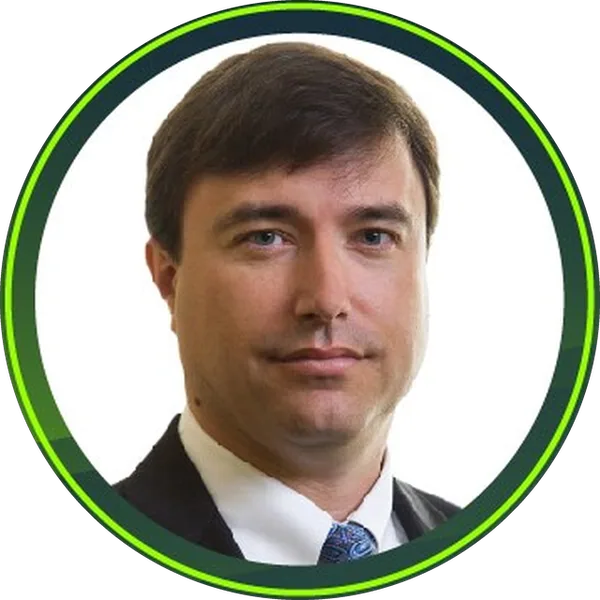
Matthew Monson
Hosts James Benham &Rob Galbraith are joined by Matthew Monson from The Monson Law Firm, LLC. Matthew shares his expertise and insights on the unethical practices threatening insurance claims. Discover the emerging legal trends, regulatory challenges, and technological advancements shaping the future of fair claims handling.
The full episode
Press play for the whole conversation.

Matthew Monson from The Monson Law Firm
Matthew Monson from The Monson Law Firm shares his expertise and insights on the unethical practices threatening insurance claims. Discover the emerging legal trends, regulatory challenges, and technological advancements shaping the future of fair claims handling.
The world of insurance litigation is evolving, and not necessarily for the better. In this episode of The InsurTech Geek Podcast, James Benham welcomes Matthew Monson, an industry-leading attorney, to uncover the hidden legal battles shaping the future of insurance.
From AI in claims handling to litigation financing, Matthew reveals how some legal firms are using digital tools and lead generation tactics to drive mass lawsuits - sometimes before insurers even know what's happening. He explains why insurers need to rethink their legal strategies and how the industry can fight back against these emerging threats.
If you're in insurance, this episode is a must-listen. Tune in now!
Stay tuned for more insights from industry leaders on The InsurTech Geek Podcast!
The full transcript
Transcribed automatically from the episode audio, so some names and terms may be misheard.
James BenhamOn this episode of the Insurtech Geek podcast, we're talking about the unethical practices threatening insurance claims with Matthew Monson from the Monson Law Firm. The InsurTech Geek podcast is all about technology that's transforming and disrupting the insurance world. We'll be interviewing guests and doing deep dives into specific tech we see changing the industry. We're taking you on a journey through insurance tech, so enjoy the ride and geek out. Terra, this week's episode sponsor, is revolutionizing the world of workers' compensation claims and policy management. Terra's cutting edge platform empowers insurers with comprehensive benchmarking tools, robust management systems, and an integrated ancillary services marketplace.
Discover how Terra is driving innovation and efficiency in workers' comp at terra.insure. That's terra.insure. And we are back with another great episode of the Insured Tech Geek podcast. Today, I'm flying solo with my guest from my home state of Louisiana. He's from the North Shore. That's North of Lake Pontchartrain for those of you who don't know what that means. And his name is Matthew Monson. Matthew, how's it going today down in beautiful New Orleans, Louisiana slash Mandeville slash Covington? No. It's a wonderful day today. Thank you for having us.
Glad you're on, and I'm glad to be talking about I mean, you've got some good stories. You and I met up recently, and we actually saw each other, last week in Orlando at the National at Namic or Namic, whichever way you wanna say it. Potato potato, hanging out with all the mutual insurance companies. But before we talk about what Monson Law Firm does and and about, you know, our topic du jour, I'd love to talk about you. Looks like you might have been born and raised in the in the in the South.
Are you from are you from Mandeville? You from New
Matthew MonsonOrleans? Where are you from? So I'm actually from was was born in Violet, Louisiana, which is, let's say, down the road or down down the road from from from from New Orleans itself. You know, kind of born and raised on on the South Shore in New Orleans, grew up over there, you know, ended up going to college in Washington, DC. Then I experienced zero degree temperatures for the first time in my life. I said this is way too cold. I am coming back home to law school, so I went to Tulane for law school.
In practice at some of the, normal insurance defense, I guess, what they call sweat shops for a number of years. And I said, hey. Look. I think we can do a better job with that. And so about fourteen years ago, I started our firm, and started out with just me. Then we expanded from, from Louisiana into, into Texas and to two offices in Florida. Now we have about 20 lawyers kinda doing our thing in insurance defense world. That's great. How did Jindavan North Shore? Family, really.
You know, when we had our our our first child, who's now 23, we wanted a nice safe place to raise a kid in in New Orleans. Well, it's really, really fun and has it's a great place to hang out. Anybody who wants to go visit and have fun and come spend your money down here, please. But as far as the best place to to to raise a kid, that that nice little safe environment over here in Mandeville, North Shore was a place to be for us.
Yeah, absolutely. Yeah, my
James Benhammy uncle and cousins, I had some uncle and cousins up there on North Shore and of course a bunch more down in Uptown and in Downtown CBD, the whole area there in New Orleans. So always, always fascinated how people wind up where they where they where they end up. I had a similar experience that an internship in Boston when I was in college and experienced 55 degree temps in July. And I was like, no, no, no, no,
Matthew Monsonno.
James BenhamBoston's a great town. It's a great town. Had a lot of fun, but you know, five to six months to seven months of that. What I wasn't about it. Couldn't do it. So I I came on back to the South and certainly I go to New Orleans a lot. So you you go to Tulane, you get your your JD in law there, and you know you you started out doing defense work. So like
Matthew Monsonwhat was the the lead into doing insurance defense work? Like, how did you wind up in that? I I doubt that was the specialty you isolated when you were in law school. Certainly not. Well, of course, the legal market wasn't so great. And my father was a a surplus lines insurance broker. So I grew up in the insurance business. As a matter of fact, in 1982, he started his insurance brokerage literally out of the front room of the house, eventually expanded into two rooms. We had people showing up at our house every day.
When we talk about, you know, in insurance technology, we go all the way back to pre fax machines. So the communications that he would have with London was via a Telex machine, which when I mentioned that to most people in the industry now, they have no idea what it is. It literally is a ticker tape machine, Western Union. Think of think of the old school way. So so in London where I communicate with my father, it would be at 03:00 in the morning our time, be 09:00 in the morning their time, and the whole closet would shake right below my room.
So I'd hear the same, you know, just punching and and and hitting and and whatnot. And so I grew up in the business. I grew up with my father seeing the first advertising plaintiff attorneys at the on the 10:00 news. I grew up with him crank calling them at 10:00 at night. He's and screaming to them, you're disgrace to your profession. You know? And that that was just for the first couple of things. And I but but I also grew up with him seeing, some of the, apartment complexes would catch on fire, and they would mention it, you know, again, 10:00 news.
And he would go, oh, no. I know I quoted that. And so he would get up in his PJs, walk over to the front room of the house, and go through his files knowing that he had quoted that thing every year and seeing if he was on it and if that was going to, you know, have a claim that was So I really kind of grew up in there. And so having worked at an insurance agency during college and worked for my dad, you know, over time, you know, that was on the resume.
So certainly that is something that, I guess, attracted the insurance defense firms to me. That's awesome. Yeah, my my dad was in the Teflon and plastics business.
James BenhamI did not end up working in the plastics business, but it certainly definitely made me want to be an entrepreneur, run a business, you know, growing up with them. And then all all my aunts, uncles and cousins in New Orleans all were business people. All like all of them. Yep. Well, I I think it was seven years old and
Matthew Monsonand I went to the office with my dad because they were replacing the carpet in our house. And I went there literally in my white first communion suit to the office and and and spent the whole day with them. And my grandfather had some car dealerships. So they they actually asked me at that time, do you wanna go into insurance like your dad? And I said, no. I I wanna, you know, own a car dealership like my papa, as I said. And so so I always knew I wanted to be in business and would be a business owner at some point.
And so, you know, it ended up being in the legal field.
James BenhamYeah, that's awesome. And I love the thread. I love the thread of your father through this as well. And, you know, it's it's exciting. So when you started Monson Law Firm, did you start going into insurance defense work straight out of the gate? Was that the idea? Yes, we had two clients. We had a a a homeowner's insurance client and a single commercial general liability client.
Matthew MonsonAnd and it was it was a fun adventure because I was working, you know, as a partner at another law firm, not not equity. And I and I I thought that it was, you know, it's time to do it. I was 38 at the time. And I said, you know what? Made a couple of phone calls to to to people. I said, look, I'm thinking about doing this. If I do it, would would you, you know, let the files ultimately kind of move with me? And they said, sure.
And and so we we we made the leap. I like to say to other people that I was too stupid to know what I, you know, what I couldn't do. And so, you know, because I was not aware of those limitations or or how, you know, challenging it would be. Because, again, most people who start insurance defense law firms, it's usually, you know, a group of four people, you know, or five five partners, each of them having their own business. We we literally started in 1,200 square feet with me and my then secretary who's still with us as our office manager and, and kinda grew grew from there.
And, a lot of learning, a lot of mistakes, along the way. And so, so I now I realize why everybody just doesn't go ahead and do it, you know, after after been through it, but, but we're better off for it. So what emerging regulatory
James Benhamor legal trends should insurance professionals be paying attention to this year, especially in response to increasing concerns about unethical practices and claims handling? I mean, there's a lot of a lot of noise going on around claims handling. There's litigation as well around the use of AI in claims handling. There's there's a lot going on out there. So what, you know, what should insurance pros be paying attention to? Well, I I really think the biggest thing that,
Matthew MonsonI don't think the insurance industry is fully aware of or cognizant of is the the tech enabled claims instigation. You know, while while insurance companies are trying to wrap their their their arms around and embrace the technology, A. I. You know, in some of the efficiencies that it provides. What I don't think they see as a real threat or the threat that it is, it's the tech enabled claims instigation, meaning, you know, text message marketing or some of the insidious ways that that law firms are able to obtain clients.
Right. In the insurance industry, we have or excuse me, in the legal industry, we have very specific rules that engage in lawyer advertising. We're all familiar with the billboard lawyers, right? We look at the billboard lawyers as a threat. But what I can tell you is that the billboard lawyers are not anywhere near the threat that the tech enabled claims instigation, you know, presents to the entire insurance industry because you can't see it. You can't see where it's coming. There's actually a company called Forewarn. It's run by a gentleman by the name of Todd Kosakowski who's done extensive research into it.
So it'd probably be a very good guess for you guys in in the future that that talks about not just search engine engine optimization, which is fine ten years ago, right, to talk about that and say, hey. There's the threat. But they're talking about fake websites of insurance companies in order when somebody thinks they're filing a claim with an insurance company. They're actually signing up for with a lead generator. You know, my wife and when we talk about this a little bit later on with with the the law firm that I busted doing this, text message marketing in in storm claims where they can go and canvas an an entire area and reach the policyholder immediately after the storm saying, hey.
Look. We can help you get paid. Right? And as we all know from just just basic numbers. Right? When you have something a claim that's represented by an attorney against an insurance company that, you know, that's a four or five x cost as far as the the value of that claim just because it gets more expensive and and the the the defense cost, you know, hiring us as as a law firm, you know, to defend those types of claims. It just goes up astronomically. And the challenge when you really look at that is that, it's not baked into the rates of the insurance companies.
Actuarial science is a backwards looking science that takes the data from the past and tries to extrapolate as to what's gonna happen in the future. But the the technological change is happening so fast, the capabilities are are expanding of the plaintiff's attorneys to, be able to get these cases, such that it's not baked into the cake. It's not baked into the rates. And we're seeing insurance companies really struggle as a result. It's it's evident in California. It's evident in Florida. You know, there's 12 insurance companies that failed largely due to, you know, the the the Litigation expenses.
Yeah. A 100%.
James BenhamYeah. And and they're they're they've applied private equity and technology to scaling plaintiff's litigation. It's it's a you know, I've always said that efficient bureaucracy is a terrifying one. Like, if you actually the government know, an inefficient government actually isn't much of a threat to many people, but an efficient one is is scary. I would say the same thing when it comes to litigation. You know, of course, I'm I'm a big advocate of loser pays from other countries. I think that would,
Matthew Monsonwell, it probably dry up most of your book of business, so it might not be good. Well but but it's fine by me because I get that. Right? And so I don't feel it as a threat, and that's what makes me different than your average insurance defense attorney. Right? I want what's right for for the people, for for the public. I grew up just like I talked about, you know, with seeing how the way things are supposed to be handled and, you know, going back, you know, forty years now.
And so and seeing the changes that are happening, you know, all insurance companies know what to do is to raise rates in response to these rising threats. And, unfortunately, we're getting to the point where the average Joe cannot afford the rates that are necessary to be charged to address the risk.
James BenhamYeah. Exactly. It's just too much.
Matthew MonsonYeah. We There's another company. It's called Quintessa Marketing, and they advertise. They advertise this on Facebook. They advertise it on LinkedIn. And their advertisements state only pay for signed retainers. We will go out. We will find the people. We will do the lead generation, and then we will get them to sign your contract for a retainer with without anybody ever speaking to anyone from the law firm. And and and and it's not that it's it's happening. Of course, this is happening all over the place, particularly in the the mass tort world, in in your asbestos, in your Camp Lejeune and whatnot.
But they're advertising it. They're not hiding what they're doing. And the regulatory agencies, when you talk about bar associations or whatnot, are so far behind and and so under resourced that there's no way that they can keep up with this.
James BenhamThat is really scary. So, well, I I of course, I think the real solve is a legislative one. I think it's loser pays because then then then, you know, plaintiff's litigation doesn't scale. You know, they're gonna have to almost, like, have a different set of rules similar to the to the rules like the AOB, the assignment of benefit rules that in Florida where you can't, you know, you can't assign benefit to a roofing company. I almost feel like it's a like an assignment of lead rule where, like, the lead can't be generated by a third party lead lead gen company.
Like, you you you almost have to make you almost have to make it so they can't scale the litigation.
Matthew MonsonWell well well, keep in mind, it's already unethical. It's already against the rules, But the law firms are doing it anyway, and they're being told by the lead generators that it's fine. So so but it's not against the rules for the lead generation company. It's not against the rules for the, you know, for the hedge fund or financing law. It's against the rules. There's a difference, right? Correct. Correct. And and but then again, it's there's a statute in Louisiana that was meant, you know, when we went back into the nineteen eighties.
We're talking about, literally the ambulance chasers. Right? They are there are laws against it that make it criminal over here in Louisiana. Unfortunately, with the the story that we'll talk about in a in a bit, our attorney general's office did nothing when presented with that evidence. That's tough. Yeah.
James BenhamSo how do you see Insurtech? Now, of course, Insurtech is technology focused on the carrier and the TPA and the broker, the MGA. How do you see it transforming claims handling and coverage disputes from a legal perspective?
Matthew MonsonI think it's it's a necessary circumstance, right? We all have to, you know, move on from the typewriter onto the computer onto, you know, you know, the Internet. And now that the AI and the technology is is amazing, right? You know, some of the things in the speech I sat in with you, it's it's a very good thing. It's necessary, right? Especially when you talk about the the talent drain from the people who've been around for thirty or forty years in the industry now retiring. And so improving the speed and the capacity to handle more claims is necessary.
We have to have it there. Right. And but it comes at a risk. And one of the questions that I raise, and maybe you're the one better to answer it than me. But, you know, while tech can allow someone to handle perhaps, you know, twice the number of claims, at some point, we're going to reach kind of maximum capacity of our brains. Right? You know, if someone can normally handle 50 or 60 lawsuits, for example, on the legal side, you know, the technology might let you handle 300 lawsuits.
But do you have the mental capacity to keep up with the technology to be able to process or have your mind switch between those 300 claims and still provide the same level of of customer service. And and that's, you know, I think that's that's one of the the the concerns that that everybody should should be focused on. Right? Not whether or not AI is gonna take over somebody's jobs. No. We're always gonna need people involved in the process. Right? But, but are those people gonna be well equipped to be able to keep up with the AI or to keep up with the technology?
Yeah. Exactly.
James BenhamSo let's let's talk about, Apex MMA. You you played a really key role in bringing the Apex MMA scheme to light. Can you walk us through, like, what that was about? Because a lot of people don't don't know about this. So summarize it shortly and then tell us what led you to take action
Matthew Monsonand what we can all learn from how the case unfolded. Right. So so just real shortly in in the elevator pitch sentence, I busted one of the biggest insurance and legal schemes in US history. The there is a law firm that came into Louisiana in 2020 after the twenty twenty hurricanes, and they signed up 15,000 people in Louisiana by their own admission for representation for hurricane claims and or lawsuits. That was more than the entire rest of the legal and complete legal industry combined. And they they they, you know, there are some some young gun gunners.
The the one of the ways I really busted is that my wife received an unsolicited text message saying, you qualify for hurricane Ida claimed, and I put little dollar signs on here. Click here. Right? So she clicked on on there, and it took her to a website that was called disasterclaimhelp.com. And it didn't identify a law firm. It violated every one of our, you know, attorney advertising rules. You fill out some information and you you see you click a button and it said, see if I qualify as though it's some kind of government program to get money.
And then next thing you know, she's in the system. And and and about three minutes later, we received a phone call from somebody from a call center, I believe, The Philippines that was trying to onboard her to to sign her up, you know, with a signed contract for this law firm. And so I filed the bar complaints with them. When you talk about Apex Roofing, Apex Roofing was an AOB contractor, Right? You know, using assignments of benefits. But the challenge that Apex ran into when they came into Louisiana in 2021 and was working with MMA is that I wrote personally the first language in the country that got approved at an insurance commissioner level that allowed carriers to reject an assignment of benefits.
So at that time, assignment of benefits were still legal in Louisiana, but, but pursuant to some of the the case law account, an insurance company could contract out of that. So they didn't owe the AOB. Well, then what, what this law firm did along with Apex is say in order to get around that prohibition on that assignment of benefits, and it was demonstrated in one of my cases 856 times, the law firm indicated and admitted on the record that they told insurance companies that they represented the policyholders when in fact they represented Apex Roofing.
And and and so that resulted in more bar complaints from me. Also, complaints to the Department of Insurance, which fined the firm a combined $2,000,000. Sadly, though, because the the division of administrative law just ruled that the those $2,000,000 of fines were not appropriate and that the the Department of Insurance should have gone to other enforcement agencies and law enforcement. The bigger challenge with that is that the the state attorney general at the time did not take any action because that state attorney general was running for governor.
That state attorney general, both from a PAC and from personal to the campaign, received $15,000 in donations from, from this law firm and looked the other way. And it still, to this day, has not taken even the new attorney general has not taken any action. Unfortunately, that person's now our governor. And, you know, and and, and has shown and has shown, you know, that essentially is, is very close with the plaintiff's community.
James BenhamAnd and and we're talking about a conservative MAGA type, you know, type type governor. Yeah. We had a there there was a similar problem back in back in the, you know, in Florida with legislative reform there. I believe the speaker of the house was plaintiff's attorney. I recall correctly, and that was it took DeSantis had to work really hard to kind of override that and get the insurance reform because despite homeowner premiums going through the through the roof, no pun intended, because of these because of AOB and Morgan and Morgan and all the other things, know, scaled litigation.
It's interesting, you know, as a technologist, they're very effectively using technology to scale up their litigation efforts. They're offshoring call centers. They're using CRM systems. They're they're using,
Matthew Monsonyou know, text message two way texting capabilities. They're doing mass outreach. I mean, so they're they're leveraging, you know, the play the plaintiff's attorneys are are leveraging the hell out of tech to enroll this many people. No. No. Certainly. And, obviously, there's a big cost there. And so when you talk about the homeowners industry in particular, right, a lot of them, the major insurance companies have kind of pulled off the coast over the last several decades. And so what you have is a bunch of smaller regional insurance companies who, quite frankly, are being out financed by the people who are looking to take their money.
And and that's, you know, they estimate the litigation financing is a, you know, $20,000,000,000, you know, industry, you know, and growing. And and Well, they're financing the solicitation of litigation,
James Benhamthough. Correct. Yeah. This is a traditional litigation finance is where, you know, you're in the middle of a lawsuit. You you hit a max where you just can't fund it anymore. You go to a litigation finance company. You present that individual case. Yes. They review the facts of the case, and they decide if they wanna finance your litigation or not. This is totally different. Correct. And and I This is this is litigation finance in advance of the cases being solicited.
Matthew MonsonAnd I've coined a term a while ago for this. I call it litigation harvesting financing, right, which is different than litigation financing. And even when you look at the statutes that have been passed in multiple states that are meant to to disclose, you know, seek to have disclosure of litigation financing. When they define it in Louisiana is one of those states. When you define litigation financing, it's defined as a loan to a particular file, just like you're describing, right, where the repayment of the loan is contingent upon a successful result in the lawsuit.
Those same statutes, because they define that and say that this is what needs to be disclosed, right, actually prevents from disclosure by law, the litigation harvesting disclosure. So you can't even make anybody tell you about it in the context of a lawsuit, and that's what such a problem is. And that's what goes to show that the people who came up with this model statute that they wanted to push in all 50 states, they're so far behind the times and they don't even know it. And and that's that's that's that therein lies the challenge.
And so, you know, so these insurance companies are under assault. And generally, when we discuss about, you know, we we need litigation financing because these multibillion dollar insurance companies, you know, are out there, and we need to level the playing field. Right? That does that's really not the case when you talk about these smaller regional carriers. They're not multibillion dollar companies. And the money that was lent to MMA for exist for example, the $35,000,000 in financing that this one small little law firm received would would be enough to create three brand new insurance companies in Louisiana.
James BenhamOh my god.
Matthew MonsonAnd they're just a drop in the bucket. There's another law firm that just filed for chapter seven bankruptcy that focuses on the mass torts in in Houston. They only advertise four lawyers on their website, and they just filed for chapter seven bankruptcy, which is a full liquidation that say that they owe $202,000,000 to financers.
James BenhamYeah. So it definitely doesn't always work out.
Matthew MonsonCorrect. And and so, you know, you bring up a a very good point there by saying it doesn't work out because it's actually predatory lending to law firms where the law firms borrow a ton of money. Know, You they go, here you go. And we we we think we're gonna make a bunch of money sometime in the future. And then the the proceeds, the legal fees from that are actually subject to UCC financing statements, almost like a mortgage on their fees. And so the the lenders go they don't care.
They don't care what law law firm has it because even if that law firm goes under, the lenders are still gonna win when those cases ultimately get settled. And that's what's so disturbing. And that and that's the the very large money coming coming, you know, after the insurance industry. And, look, there's examples of the insurance industry actually participating in litigation financing. And that's, you know and if you think about it, if you're a hedge fund that's investing in reinsurance, what's the best way to hedge your bet?
It's to to invest in the money that's coming after that. And you can win on both ways. And that's that's the challenge.
James BenhamYou know, really an existential crisis that's not being considered in the marketplace right now. Yeah. I mean, this when you say existential crisis, it's existential to the carriers. Yes, it is. Yeah. You're you're talking about bankrupting the entire personal lines property and potentially it's hard to do this on auto, right? This is mainly around property, isn't it? It is because the the tech enabled matter
Matthew Monsonlends itself to that because it's a mass mass group of people that you can market to, or you can go by zip code and you can use the same information, you know, that's that's attainable from, you know, from voting roles and things like that. And, you know, and wherever else, you know, this this data has been amass and and apply that big time. But and it works towards a mass torts. Right? There's another law firm that's being sued by a lead generator for $13,000,000. They had agreed to pay this lead generator $42,000,000 to obtain 10,000 Camp Lejeune clients.
Now I don't know how many people drank the water at Camp Lejeune. Right? But for one law firm to represent to or to state that they ethically represent 10,000 people when that law firm did not ever call them, did not ever reach out to them. That's a massive, massive problem. And and so but but when you talk about the text message marketing, I've received tons of text messages over time because because of that click on them. Most of us just deleted, reported as spam, but they will go so far as to try to get workers comp cases, your normal slip and falls, your auto accidents.
Right. This is going to to invade all levels of claims in the insurance industry.
James BenhamWow. Well, just to kind of wrap, like, is the is the big solve I mean, is there technology we can deploy to attack this? Or or do you think do you think, like, the the really big I mean, loser pays would solve this pretty instantly. Right? So if you you know, if the if the person who filed a lawsuit had to pay for it. But, I mean, the reality is I don't see that happening. So do do you think that they're just gonna tighten up and make the the the rules for lawyers laws, so that we can prevent this type of thing from happening, or they just need to bring a lot of enforcement actions to to say that we're actually gonna inform like, what's the what's the big solve?
Matthew MonsonI think the big solve is we need to make it illegal to unethically sort case source cases through lead generation. We need to make it illegal to finance litigation harvesting. And, you know, we should apply the ambulance chasing statutes across the board. I think the chances of this are zero of this actually happening. And and we're all going to end up paying as a result. When you look at this this circumstance, you know, if if you try to take it from a a more right leaning perspective, this is just bad business.
Right? If you look at it from a more liberal perspective, this is the ninety nine point nine percent getting screwed over with higher insurance rates so that the point 1%, which which are the lawyers and the and the hedge funds can make a lot of money. Yeah. Because they end up pulling down, what, 33 to 50% of the of the settlement amount? The the attorneys, certainly for the attorneys, yes. But then what you're seeing is the, you know, what they are paying, they're paying sometimes loan set rates of 20% to the to the lenders.
So you really get in a circumstance where when, you know, there's only so many pennies in a dollar, as a friend of mine once told me. And so all those pennies are being called for, you know, by the people who are involved in the prosecution of the claim. And it's and again, it's not being done to truly better the individuals. This is not personal service. We're replacing, know, technology is replacing the personal service with the handling of the claim for if and if somebody has a legitimate claim, they need help.
They need someone to worry about their claim and not run it through this mass machine. When when MMA or McLennan Moseley and Associates, when they declared bankruptcy, they claimed a fee interest in 31,161 claims. The law firm was never bigger than 18 lawyers. Right? You know, how does how does one lawyer handle several thousand claims on their own behalf? You know, when you divide it up, it just you know, it it doesn't lend itself to personal service. And what was ended up happening is that this law firm was showing up and expressed the ability to to to settle 500 claims in a day.
This is this is what Zach Mosley himself stated in another podcast, interview that he involved with. But they would show up with insurance companies and say, hey. We wanna settle 30 or 40 of these today with you. And not a single policyholder would show up to the mediation. It's just processing, process over people. And that's what we have to guard for when we're looking at technology, right? Technology is definitely the present. Forget the future, it's the present. We need to embrace it. We need to to be able to use the efficiencies that it can provide, but not at the expense of, you know, of the personal service to the individuals.
You know, and so, you know, kind of kind of going in the future, right? You know, my biggest hope that technology focuses on the customer, Right? The insurance industry needs to have better outreach to policyholders. You know, somebody I know mentioned that his wife was working with Morgan and Morgan. And as much as, you know, you know, people like to criticize them and they they put themselves out there as the biggest law firm in the country. You know, what he was describing was that the outreach to his wife at every stage of the process was incredible.
The the, you know, letting her know everything that was happening and everything that is going on. And it was with text messages and it is with, you know, that that constant communication. And it's something that the insurance industry, I think, needs to have be doing better. They need to educate the policyholders as to the process. We need to inform them, you know, every step of the way so that the policyholder fully and timely understands what's happening with their claim so that they don't get confused by what most people would interpret to be a very complex process and go to the go to somebody to help them, communicate with the insurance company when a lot of times they could do that on their own.
James BenhamOkay. Well, great conversation. I really appreciate it. Appreciate the, the battle you're fighting on behalf of the insurance industry. And, thanks for bringing this to light for everybody. It's, really, really, really important to know what's going on. No. Thank you, James. Thank you for having us. I really appreciate this. Yeah. And thank you to all our listeners for tuning in today to geek out our interview with Matthew Monson from the Mauston Law Firm. Talk to you next time on the InsurTech Geek podcast. The InsurTech Geek podcast is all about technology that's transforming and disrupting the insurance world.
I've been your host, James Benham. That's jamesbenham.com with cohost Rob Galbraith at endofinsurance.com. We're taking you on a journey through insurance tech, so enjoy the ride and geek out.