 YouTube
 Spotify
 Amazon
 iHeart
 Apple
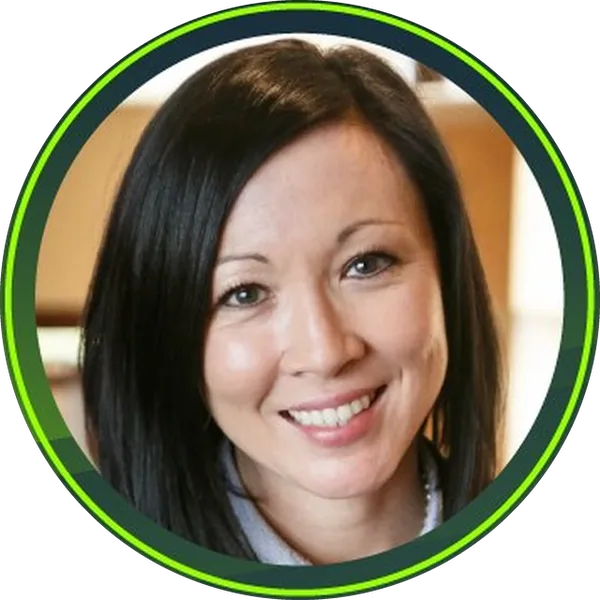
Bobbie Collies
Hosts James Benham & Rob Galbraith are joined by Bobbie Collies from Coterie Insurance. Bobbie shares her expertise on intrapreneurship and disrupting insurance from within. Discover how to turn innovation into real change, leverage technology and data, and drive meaningful impact in the future of insurance.
The full episode
Press play for the whole conversation.

Bobbie Collies from Coterie Insurance
Bobbie Collies from Coterie Insurance shares her expertise on intrapreneurship and disrupting insurance from within. Discover how to turn innovation into real change, leverage technology and data, and drive meaningful impact in the future of insurance.
A New Era in Insurance
Insurance has long been viewed as a slow-moving industry weighed down by legacy systems and traditional processes. But Coterie Insurance is proving that things can be different. On this episode of the InsurTech Geek Podcast, Bobbie Collies, Chief Insurance Officer at Coterie Insurance, shares how the company is streamlining small business insurance using data and technology - delivering bindable quotes in under 57 seconds.
Bobbie's journey from underwriting to leading innovation at Coterie is a testament to the transformative potential of InsurTech. In this post, we'll explore the key takeaways from the conversation and how Coterie is reshaping small business insurance.
In this episode of the InsurTech Geek Podcast, we geek out on
How Coterie makes it possible to bind policies in 57 seconds The real power of APIs in insurance distribution Why independent agents are crucial to the future of InsurTech How Coterie evolved from a startup to a high-growth, profitable company
Bobbie also shares her personal journey - how she went from underwriting bars and restaurants to leading one of the most innovative insurance startups today.
If you're in insurance and want to know where the industry is headed, this is the episode for you. Tune in now!
Stay tuned for more insights from industry leaders on The InsurTech Geek Podcast!
Bobbie's Journey: From Underwriting to InsurTech Leadership
Bobbie Collies didn't set out to become an InsurTech leader - her career started in commercial underwriting. After graduating from the University of Wisconsin-Madison, she took a job at Society Insurance underwriting commercial lines for bars and restaurants. Over the next 15 years, Bobbie's expertise in underwriting and commercial insurance deepened as she moved through leadership roles at Secura, Integrity, and Grange.
Her transition to Coterie in 2022 was sparked by a desire to be part of the next wave of insurance innovation. She saw that technology was poised to disrupt how small business insurance was distributed - and Coterie offered the perfect opportunity to be at the forefront of that transformation.
"I knew there was going to be a wave of technology that would change how insurance is distributed - I wanted to be part of it."
Coterie Insurance: Speed and Simplicity as a Competitive Advantage
Coterie operates as a tech-enabled MGA (Managing General Agent), but Bobbie challenges the need to call it "digital" at all. After all, most carriers now use some form of technology. What sets Coterie apart is the speed and simplicity it offers to agents.
By using data and automation, Coterie eliminates the need for manual underwriting for most small business policies. The company integrates directly with agency management systems and comparative raters, allowing agents to work within their existing tech stack.
"We aren't trying to pull agents to our platform - we meet them where they are."
Challenges and Opportunities in the InsurTech Space
While Coterie's growth has been rapid, Bobbie acknowledges that the transition from startup to established company presents new challenges.
What Makes Coterie Different?
Bobbie emphasized that Coterie's success comes down to execution and problem-solving, not just innovation for the sake of it.
"Ideas are easy - execution is hard. That's where we focus."
Coterie's focus on micro-commercial policies gives agents a reason to engage. For many agents, writing small business insurance was previously not worth the time and effort. Coterie changes that by making the process fast and simple - allowing agents to serve more clients and increase their earnings.
"We're helping agents make money on small business insurance - because it's fast and easy to place."
Advice for Innovators and Future Leaders
For those considering a move from a traditional carrier to InsurTech, Bobbie offered valuable advice:
"The industry doesn't need more ideas - it needs better execution."
The Future of Insurance is Fast and Efficient
Coterie Insurance is proving that insurance doesn't have to be slow or complex. Through technology and automation, Bobbie Collies and her team have created a streamlined process that benefits both agents and small businesses.
As Bobbie noted, the future lies in balancing efficiency with profitability - and Coterie is already well ahead of the curve.
The full transcript
Transcribed automatically from the episode audio, so some names and terms may be misheard.
James BenhamOn this episode of the Insurtech Geek podcast, we're talking about entrepreneurship and disrupting insurance from within with Bobbie Collies from Coterie Insurance. The InsurTech Geek podcast is all about technology that's transforming and disrupting the insurance world. We'll be interviewing guests and doing deep dives into specific tech we see changing the industry. We're taking you on a journey through insurance tech, so enjoy the ride and geek out. Terra, this week's episode sponsor, is revolutionizing the world of workers' compensation claims and policy management. Terra's cutting edge platform empowers insurers with comprehensive benchmarking tools, robust management systems, and an integrated ancillary services marketplace.
Discover how Terra is driving innovation and efficiency in workers' comp at terra.insure. That's terra.insure. And we are back with another great episode of the InsurTech Geek podcast. With me, my illustrious co host, the most interesting man in insurance, Rob Galbraith. Rob, how are you doing? Doing well, Doing well. Yeah. We,
Rob GalbraithI think are just coming off of our third trip to the, pet vet this year. So our poor puppy has not all of her some kind of random stuff. So, but she's she's thankfully doing, well again. Nothing to be concerned about. But, yeah, I don't know why that's happened this year of all all the years. Pets are are lovely till they're not,
James Benhamand then they get really expensive. Think my 14 year old daughter had to have an unsuccessful surgery on a hamster recently, which I did not know they would conduct surgery on hamsters, but but they will. For our listeners out there, I am James Benham. I'm host of InsurTechie podcast, proud resident of College Station, Texas, otherwise known as God's country. With me today from literally Mecca for me, and I I just need I need listeners to understand what this part of Wisconsin is like if you're a pilot, an air aircraft owner.
Oshkosh and she's she's from just South of Oshkosh, but Oshkosh, Wisconsin has this really great air show. 700,000 people go every year. 10,000 plus airplanes fly in. And for seven days, it's the busiest airport in the whole planet. And there is nothing like it on the planet Earth. And it turns out Bobby Cleese from Coterie lives about thirty minutes away. And so I am super excited to have her on the podcast today, not just because she's brilliant. She works for a very interesting company, but also because she lives in one of my favorite places on Earth to go visit.
Bobby, how are you doing today? I'm doing great, James. Thanks for having me. And, yeah, thanks for talking up Oshkosh.
Bobbie ColliesYou could use a little bit more economic stimulus in this area, so I appreciate that. Yeah. The other fifty one weeks a year, right? It's like for
James Benhamone week, everyone knows about Oshkosh and the other fifty one, it's pretty quiet.
Bobbie ColliesYeah, absolutely. Yeah.
James BenhamThey have this airfield there. Whitman Air Force. Big, big airport. I mean, it's like physically a huge airport. It has to be to accommodate this big of an air show. And they got an air air base and they've got a, you know, an ultralight runway and they've got a grass strip and they've got, you know, multiple paved runways and then they have a sea base. I'm a seaplane pilot as well. I've never actually landed at the sea base, but I like to I like to fly in and camp out.
I tried putting my tent under the wing, and it didn't fit. And so I had to I had to I had to kinda put it behind the plane. But there's nothing like waking up at, you know, 07:30 in the morning to the sound of airplanes buzzing overhead starting to land. It's it's incredible.
Bobbie ColliesYeah. I get to hear from my house every day. I'm at least flying over. And it it kind of brings a different type of definition to tailgating. Right? Yes. Camping camping behind the plane
James Benhamright under the tail. It does. It is your you're literally tail getting a it's a totally different deal, but it's it's super fun. And Wisconsin's just a cool place. You know? I've I've because of Oshkosh, they decided to explore other parts of the state and really enjoyed it. Their summertime's amazing. Yeah. I mean, god god god bless you for surviving five months of winter, you know, sometimes six. But, you know, from June, I think, till kind of October, you've got a really
Bobbie Colliesawesome place to live. Yeah. It's awesome. And you if you embrace the winter, it's actually pretty awesome as well. Yeah. Ice fishing, skiing,
James Benhamshoeing, all those things. Yeah. Yeah. There's downhill there's downhill skiing too. Yeah. Yeah. Like, I I I, you know, spent fourteen years kinda spending three months here in Michigan. And we have great down downhill skiing there, great cross country skiing, great, you know, snowmobiling. You know, if you if you if you hunt for activities, there's actually a lot of fun stuff to do in the wintertime in the Midwest. Yeah.
Bobbie ColliesWhen you get a chance, just, go to the YouTube and look up Sturgeon Spearing. It's pretty wild, and it's one of the only places on earth that it happens. Right off the shores of Oshkosh, actually. And I actually happened to be in an episode of Wisconsin Foodie that features sturgeon spearing and it's like harvest to table. So the caviar that comes from the sturgeon ends up on some of the high end plates in New York City selling for a lot of money. So it's very interesting.
James BenhamWow. Yeah. Yeah. You've given me a new rabbit hole to dive down on YouTube. So thanks thanks for that. It's it's gonna have to work its way in with pimple popping videos. And and the and then and then, like, there's this weird genre video of of, like, trimming horse hooves that's actually, like, really popular on YouTube. And then, of course, flying videos. Yeah. So, you know, that's that's, like, like, super high on my list. I'm gonna add that one to my list of things to go check out.
Sturgeon Tech. It sounds great. Yeah. It's pretty cool. So you're from you're from Wisconsin. You went to school at UW Madison, then Oshkosh. You got a bachelor's in business. Then you you went straight into work, it looks like into insurance. So what what was it family that attracted you insurance? Was it just the first available opportunity? Like, what was the what was the draw into insurance? Yeah, I had two job offers out of college.
Bobbie ColliesOne was working for Oshkosh Truck. The other one was working for Society Insurance. And when it came down to making the decision, insurance underwriting for bars and restaurants as early 20 year olds sounded a lot more fun than working on military vehicles. So I'm like, I know bars and restaurants. Like I kind of lived that scene for the last four years of my life. I can underwrite that. So society is where I landed and I started out as a commercial lines underwriting trainee, underwriting a book of business that was 40%
James Benhambars and restaurants. So that's pretty cool. Do a lot do a lot of loss prevention inspections?
Bobbie ColliesYeah. I so I went on a few field trips. I'll call them.
James BenhamYou walk in there, you do underwriting field trips, and go in there and go, we are not we are not writing this bar.
Bobbie ColliesOh, yeah. Or if I travel, I'd be like, okay. This is one place I really gotta see what it looks like after 9PM. So yeah. Yeah.
James BenhamYeah. I was I was in high school, I was a busboy, barback, you know, help helper. Let's put it that way. I cleaned things for a couple years. Loved the job, actually. Loved the restaurant I was at. And did definitely learned of all the all the mischief that goes on at bars and restaurants. It is it is a heavily mischievous place, both with the customers and the employees. And then just the fact that you've got a bunch of combustible gases sitting around open fire.
Bobbie ColliesKnow? Stuff. Yeah. Booze.
James BenhamAlcohol, heat sources. It's it's kinda it's kinda got it all going on. Right? I mean so that was interesting. And you you actually stayed I mean, you you were a commercial underwriter there, you know, eight years. Is that why you you kind of are described often as an insurance junkie? Like, you just, like, fell in love with it initially and then, like, like, oh, no, this is what I'm doing the rest of my life. Yeah, I don't know. Like, I feel like the word junkie makes me sound like I have a problem, but maybe I do because I seem like I feel like I've never been able to even think about moving outside this industry.
Bobbie ColliesI've kind of been like, you know, sucked in and there's so much opportunity in insurance for improvement and innovation.
James BenhamIt's endless in my opinion at this point. Yeah, yeah, definitely. I mean, I got I got sucked in through the technology vortex and have progressively gotten more addicted to the to this. So it's yeah, I don't think I don't think junkie is a bad thing. I'm a tech junkie. I don't think that's bad. You know, just depends on what you're a junkie about. Yeah. That's like it's like it's like you can be an addict and you can be a good kind of addict or it can be a bad kind of addiction.
Just depends on what you're addicted to. Yeah. So so so you you you've stuck with that for quite a while, and then you got into being a small accounts leader at QBE. Then you went to secure insurance, then integrity, and then Grange. So you've had a a pretty diverse career in commercial lines underwriting, which was like fifteen years of that. And then then you made a jump into marketing and then sales and marketing. So what was the what was the desire to switch the the, you know, the teams inside the company?
Bobbie ColliesYeah. So it was actually when I was in a leadership role at Sakira and underwriting, and it's part of the, you know, like the future leaders, you know, program that they had for developing folks. So I got assigned a project to lead a research project for the senior leadership team on how is technology going to impact distribution in PNC and how ultimately how will that impact Sakura. So I started to dig in like, what's this InsurTech thing? Like, what is this? What's going on here? And I met Ben and Ilya from Bullpenguin when it was just two of them with an idea.
I met Mike and Alan from Ask Kodiak when they just started kicking around, you know, Appetite API. What's an API? I didn't understand what an API was as an underwriter, but we did several case studies on some, you know, incumbent insurance organizations as well as some new insure techs. And it came very apparent to me that there was going to be a wave of technology that was going to impact how we do business and how insurance is distributed. And yeah, I've been an underwriter long enough.
I went from writing small bops at society to doing some middle market, more complex accounts at Sakira and I'm like, this is cool. I want to explore this a little bit more. And I knew in order to really understand how tech was going to impact distribution and how I could kind of insert myself and hopefully impact that for whatever organization I was working for, I had to get in. I had to get into the sales and marketing org and start to make friends with partners, understand how independent agents are leaning into technology, understand how we could help our independent agents understand that this new tech is coming, whether that's through our benefits program, our co op benefits program offering some new technology solutions and just trying to find some tech forward agents to learn from and to spitball ideas around with.
So that was kind of the, it was like 2016, I think that research project was. So if you look at my resume, you can kinda see, like, you know, it wasn't much longer after that where I started to transition over to the the sales and marketing side.
James BenhamAwesome. And then in March 22, you hopped into Coterie. What was the you've been there now since you're now chief insurance officer. You were VP of distribution, then chief growth officer, and now your roles change the chief insurance officer. Just help us understand that evolution and, you know, what does Coterie do first and then. Yeah. How's your role there evolved?
Bobbie ColliesYeah. So. Coterie was interesting because when I was at the two prior carriers, after I did this research project, I really talked about putting a proposal together on let's stand up a digital MGA. Like we have the paper, we have all the back office TPAs, like let's figure out how do we set up a digital MGA. We can use APIs to distribute small business products. As you can imagine, there's always different priorities for large incumbent carriers and it was like, yeah, that's cute and it's cool, but now is not the time.
So when I got the call to potentially join Coterie after their Series B fundraise, it was late in 2021, I started having conversations with them. It made a whole lot of sense just because that was something I had put a proposal together for and that was exactly what Kotri was doing. So and I had some friends that worked there, which always helps, people that I knew and I trusted. So I hopped over there in, 2022. By the '2, we had put together a pretty solid distribution strategy and 23 rolls around.
You know, our our the person that was leading underwriting insurance for us left the org and, you know, my boss is like, hey, you were an underwriting leader for a long time. You could do that too, right? At that point, I took on all of the growth org and then all of the insurance org. Then now it's kind of like this my role is encompassing of everything except for our data analytics, data science team and then our finance compliance legal. But yeah, most everything else is kind of within my leadership and my team.
It's been really fun just to knock down silos, get people collaborating. I think I told you guys before we warmed up the podcast recording that, you know, one year at Coder, it feels like seven years in incumbent life. So we're accomplishing a lot. We're moving fast. So it's been a ton of fun.
James BenhamIt moves quickly. Before I hand it over to Rob, I I do have
Rob Galbraithyou know? Well, actually, no. I'm gonna I'm gonna hand it over Rob, and then I'm gonna ask this question later. Rob, take it away. Yeah. Thanks, James. And, Bobby, so great to have you on the podcast. I I couldn't believe when we were talking off camera before we started recording that you hadn't been on before because you and I have known each other for for several years. So I'm thrilled to to have you on this episode, and, I know our our listeners and viewers are really, taking a lot from your experience.
Want to just do a little more of a deep dive on Coterie. Talked about your evolution, working from several roles within traditional carrier space, making that leap in early twenty twenty two over to Codery. Now you've been there for just over three years, which is again an eternity, maybe that's like twenty one years, whatever. You've even had several roles now at Codery. Maybe you can just talk about how Codery has evolved over the last three years and then end with just what are the biggest challenges and opportunities that you're looking at today?
Yeah.
Bobbie ColliesSo Codery operates as a tech enabled MGA but really our partners look at us as a full stack carrier, right? That's really kind of the problem that we solve for them. We are using data in ways that most incoming carriers are not in order to go collect all of the rating and underwriting information we need in order to get to a bindable quote. So last time I checked, we were at an average of fifty seven seconds from logging in and entering the name, address, verifying classification, and you get fifty seven seconds, you get a bindable quote.
In about two minutes, you have a bound quote with policy docs and a certificate of insurance. We've really focused a lot the last couple of years on diversifying our distribution and our value prop to our agency partners is we're going to try to be in places, you know, in your tech stack wherever you need us to be in order for you to transact business with Cotery. So it's not like we're not trying to pull everyone to our dashboard. We're connected with all the agency management systems, all of the comparators.
We have several direct integrations with some of our partners. In fact, 70% of our business is transacted through API and only 30% is transacted through logging into our dashboard and actually transacting a quote. So we've signed up, I think over 45,000 producers since we started this journey. We have about 13 to 15,000 active producers right now, depending on how you want to count them. And then, you know, on average, we got about 4,000 folks that are producing with us on a monthly basis. So we got a lot of flow.
I think our PIF count is around 85,000 now. So that's a lot of small policies that we have in force. So it's been a pretty cool journey. I think, you know, the challenge that we have is the opposite of what incumbents have is, you know, how do we bring more product to this great distribution engine that we've set up because we, you know, we as a startup, you kind of rush into let's put this thing together. And James, you can probably attest to this as a tech guy.
You know, let's do what we can to see if we have product market fit and then if we do, then we'll kind of go back and start to shore up the tech so we can scale. That's kind of the place where we are today but what I can say is it doesn't feel like we're a startup anymore, Rob. It feels like we've, you know, we've we've passed the point of cash flow positive, so we're starting to reinvest the money that we're making back into the org.
It it feels like we're kind of in this middle zone of transferring into a much more mature organization with more governance. So it's kind of fun to watch and be a part of. But I think like the biggest challenges we have are like, let's get our tech short up so we can have more products. And then also this transition, which feels uncomfortable for a lot of folks from being a wild west startup into having a little bit more governance around what we do, but not so much that, you know, we're super slow.
James BenhamIs that like is that like wearing a Schmiedium T shirt? Yes. Yes. Like, I know. Yes. You know? And, like, I I was gonna ask, like, what's a digital MGA now anyway? Because, like, I I work for a lot of I I work for a few big carriers and TPAs, then I work for some medium sized carriers and TPAs, and then I work for some small. Yeah. Because we have a small small with the two dots. You know, I work for a broad array. All of them have heavy digital initiatives.
I don't think a single one of them uses paper. They they they they've they've all really streamlined. To some extent. They're on the spectrum of streamlining their underwriting, you know, quote, buying pay issue, renew policy and streamlining claims. So how would you even define what a digital MGA is versus a MGA that uses
Bobbie Colliesall digital tech? Help me understand how you define that now. I don't. Good question, James. Like, here's my thought on this. Do you remember when digital marketing came out and then your marketing department had two separate resources? One was your marketing specialist and one was your digital marketing specialist. And then at some point, we just dropped digital because all of marketing became digital. I kind of feel the same way about where we're at. You know, are we just an MGA because everyone else is digital now and it's it's really not a differentiator or like InsurTech, like isn't all insurance, almost all insurance technology now?
Yeah.
James BenhamYeah. It doesn't even make sense to me anymore, to be honest with you. And I'm I've been I've been in the space for twenty one years. I'm like, I'm not sure I see the difference anymore.
Bobbie ColliesI can agree with you on it. I think that's a good challenge. Yeah. I'm gonna drop the digital moving forward. You just you just you brought me to a point of the fork in the road where it's just gone. It's just gone. It's just like y'all are y'all are just really efficient. You're cash flow positive. You're making money. You're profitable. Right? And Yeah. So that that's a total game changer
James Benhamin general because then you're you're really a steward of resources now. You're not trying to, like, prove you can make money where whereas there are some like, even if you look at, like, you know, lemonade and hippo that that, you know, like, last I checked, still hadn't made money yet. And, you know, they like, companies have to get to that point a lot faster in insurance. There's just no tolerance for for, you know, crappy loss ratios. This this is not. Like, the market didn't tolerate it.
And you can see, 96% reduction in stock value in those public companies, and they just don't tolerate it like pretty quickly. You got to prove that you can generate an underwriting profit, you know? Yeah. Yeah. Absolutely. And then that your combined is going be under 100. And then, you know, like it's you you have some steps, but the steps can't take that long. You're you're executing those steps faster than most because you used a heavy a heavy digital strategy. But, like, I mean, every So that's that's kinda what I was thinking about as as you were describing it.
But what makes well, what makes Cotery obviously, it's an MGA. It's not a carrier. You're not writing your own paper. But, like, what makes it unique and special? Like, other than the fact that underwriting, you know, the application's pretty streamlined. I've gone through the application multiple times. Right? I mean, just to just to see what it's like. And one time it kicked me out, and I had to modify the data a little bit to get it not kick me out so I could actually see what the rest of the application it did take me longer than a minute.
But, like, what what makes it different other than that? Are are you just, like, really efficient at paying claims out? Are you like, what's the what do you think is the the difference maker in your BOP versus someone going to their State Farm agent and getting a BOP from State Farm?
Bobbie ColliesYeah. Well, so the product sells itself, James, in that it brings speed and simplicity, right? And so like our value prop is we can help agents make a buck on the small micro commercial because it's fast and easy to place and they're not actually losing money by spending too much time going through like, you know, 90 questions on this retail BOP, you know, on Main Street America. And so the efficiency is what makes it special, I would say, for agents just because we are fast. If you look at some of our partners that are comparative raters, we're always in the top three for return rate.
And that top three in return rate is rate call too. We're returning a bindable quote, not just an indication. So it it's fast and easy and it's off the agent's desk so they can focus on writing larger stuff that has a lot better commission and they can make more money. I would say everything else right now, back office day two, there's some cool stuff that we do with self servicing of like COIs and those types of things. But a lot of what we do on day two is market parity, right?
2.7% of our policyholders have a claim. Every single one of our policyholders has payments, right? So we try to streamline the payments and make sure that all of those transactions that are high volume, we're building in automations, we're building in workflow efficiencies because if we're trying to maintain more of a fixed cost model while we grow this book, Those are the areas that we need to focus on. And everywhere else, we're just trying to, you know, meet expectations, if you will, at this point.
James BenhamIn going through my my application of applying for insurance with Coterie for my company, I noticed that like it will not write business if you make over $10,000,000 a year in revenue. It just says you gotta you gotta talk to somebody. You can't do that digital. Like, is is that because when you're you're really targeting, like, main street businesses, you're not going after that I think you kinda mentioned this, but that that $10,000,000 limit appears to be like where you guys are like, hey, we got to have somebody look at this.
Yeah. So help me understand, like the are you guys going to start going up market and going after larger businesses with the same streamline digital process?
Bobbie ColliesSo that is definitely on the roadmap. Would say, first before that, we're probably going to focus on non admitted within the same space, right? So we're really trying to be able to offer that same speed and simplicity based on the data that we can get, right? So the more data that we can get, the further up market we can move. The fact that we have three writing carriers right now can put us in a position where in app we can produce three declinations and quote hopefully within about the same amount of time that we're producing a quote for admitted products.
So I think there's an opportunity for us to bring some real value to our partners there. But I think at some point in time, we're going to have to think about, are we going to challenge our tenants around speed in order to move up market to continue to scale? But we have a lot of opportunity, I feel like right where we are now. And once we get up that above that 10,000,000, James, that's when risks start to get more complex. And so we've really tried to build a box where agents get a quick yes or no.
There's no referral process. It's either yes, we'll write it or no, we won't. We don't have underwriters reviewing apps. And we've really created a tight box for maintaining a healthy loss ratio. And so something interesting about, managing profitability on the loss ratio side for us is every single one of my growth leaders has an underwriting background. So they're driving growth in ways that they feel comfortable and with the thought of protecting loss ratio. And, you know, our our team is very insurance heavy and underwriting heavy with a lot of really good technologists that are helping, you know, solve problems with our folks.
So it's I think we'll move up market at some point, but in the next year or two, I just I don't see it.
James BenhamWell, America is a wonderful place to target small business because this is the easiest country on the planet to open and run your own business, and they need an easy way to get a bop, you know, and dealing with a company like mine that has a huge cyber and, you know, issue is not ideal. Yeah. So I I totally get that. Real really quiet. Anyway,
Rob GalbraithRob, what you got? Yeah. Bobby, so just to, confirm right now, you guys write GL professional liability in in BOPS. Is that correct? For micro and commercial, that's your target market. Any thoughts on expanding to work comp and some other lines or that's still TBD?
Bobbie ColliesI think it's TBD. Like I said, we're shoring up the foundational tech right now and next step I think will be that ENS route just because we know we have our declination data, we know what we can write, right? It's kind of guaranteed. Makes sense. And the last time, this was probably more than a year ago, Rob. So our books changed slightly since then but the last time we looked at it, like only 14% of our policies had employees that we could find within the data.
So the opportunity is there, but it's not so extreme. And I think, yeah, there's just, it's all about ROI. And here's the other thing. There are a lot of carriers and markets out there that do work comp fast and they do it well. So it's not like we necessarily be solving a new problem. It just be like, how can we better grow our book?
Rob GalbraithYeah. Everything that you talk about Bobby, just, the term smart growth, right? Kind of really and you talked about your team, you talked about their underwriting background. Just the success that you've had both on the growth, but certainly on the financial side and particularly the time that you've done this, 2002 to 2005. This was kind of a now we call it a Sure Tech winter that's probably going a little too strong, but right, we saw that emphasis on profitability. James, you referenced some of the struggles of the of the early darlings, right, the the lemons and hippos.
We've seen certainly a lot of acquisitions, we've seen failures, etcetera. So just I feel like you guys have been fighting headwinds at Coterie and having success despite maybe not the most favorable economic environment. I wanted to follow-up, Bobby, because a recurring theme throughout your career has been kind of that entrepreneur, right? Somebody that has great ideas and you've kind of referenced it at previous positions, but then also like seeing them come to life and it kind of felt like maybe even at some of your more traditional carrier backgrounds, like you had the ideas, would come up with a plan, but like that ability to kind of execute at the speed and the scale that you wanted to maybe wasn't there in a way that Cuttery has given you that opportunity.
So just for our audience, I would love for you to maybe share just a couple of thoughts of keys to success and turning innovative ideas into real impactful change.
Bobbie ColliesYeah, like we all know that great ideas are easy. Everybody has great ideas. Getting a team to execute on those ideas and getting people to adopt them, that's where the real work comes in, right? And so even when I think about, you know, our API docs, they're public. Like if anyone wants to go look at them, they're welcome to. Like we don't hide our appetite behind, you know, a secret curtain either. Like all of our producer resources are public. Really comes down to execution and prioritization and change management.
So like getting buy in from the people who are actually going to use your product, your technology. I'm going to admit like early coterie days, it was hard. Agents were like, this isn't right. There's no there's no way that this quote is real if you're giving it to me this fast. They didn't trust that they didn't have to fill out, you know, you know, this is too fast. I don't trust it.
James BenhamThis is too easy. You must be lying.
Bobbie ColliesYeah. It was it was uncomfortable.
James BenhamI had a guy tell me that recently. I was able I I was able to do a quote over the phone on something with technology. And he goes, how on earth can you commit to that? I'm like, because I know this space really well. Like Yeah. Like, this is this is like I said, why you like, why you worried? Like, I'm I'm literally giving you guaranteed cost on this. Like, what what's the what's the concern? I'm sorry. You're you're worried about me making money or not?
Like, it's I got it's gonna be fine. How'd you produce the quote? Because I know the space well. We've got the information. It's fine.
Bobbie ColliesBut yeah, that was definitely a challenge early on when I joined Cotery. And I think the other piece too is just thinking about, you know, you have to solve a real problem. We've we've seen a lot of, you know, InsurTechs or even some digital MGAs like sorry. I said digital MGAs again. It's gonna take me 14 times to to stop. Other people. Other digital MGA. No. I'm by the I wasn't criticizing. I was just challenging on what makes it digital at all. I totally agree with you.
I just I I really need to I want to I want to stop using that term because I agree with you a 100%. Yeah. It's just an MGA. But there's like, you know, Insurtech's chasing innovation, but not necessarily solving a real problem or real pain point. Right? And so I remember sitting at the desk as an underwriter, you know, when I was underwriting Bob's or talking to some larger brokers and they'd be like, yeah, we don't pay our producers any type of commission under X amount of revenue because we don't make any money, right?
And so what became something that probably was a product that large brokers would turn their nose to, I was like, well, guess what? You can make money now because it's that fast and easy. And I also was not competing or cannibalizing on their large carrier contract business because they weren't writing it. So it was kind of new new and net new to all of these larger agencies where they weren't making money and they weren't focused on it, but now they could. So, you know, we've had a lot of luck getting that adoption within centralized marketing teams and, you know, the larger brokers.
But I think the biggest thing with the entrepreneurship is that persistence and that grit and that resilience because it's not easy. You're going to run into big challenges. You're going to run into people that say, you know, this is horrible. This is a terrible idea. Being very persuasive and being consistently persistent is like my best advice, Rob, because I think it's you have to sell the change both internally and externally. And in both areas, we've had a lot of resistance to change, even at Coterie. Know, folks saying like, don't think this is going to work.
Let's push. Let's see what happens. Let's test it.
James BenhamYeah, that's awesome. Look, maybe we just call them innovative. You have innovative companies and non innovative companies. But, you know, you're you know, at the end of the day, if I were you, I'd just say, hey, we're we're just a better kind of MGA. You know, I'm I'm excited about the future of insurance. I'm excited about how technology has really helped transform and eliminate a lot of the menial tasks that make people's lives miserable. Like, you really nail it out with me, like, why why am I even bothering to to run an insurance software company?
Because I think that we we help make lives better and we help bring more certainty to decision making and insurance companies. And we eliminate boring menial stuff no one wants to do. Like if you at the end of the day, hopefully we drive better margins. Right. If they make if they make all because they have to make good business decisions to to drive better margins. So let's talk about the tech because that's why they this is a tech show. Want to wrap up with this question.
What what have been the what the decision making process like around tech? Have you have you gone entirely in house built? Did you use some off the shelf software plus some in house technology? Did you become a software company? Did you just license and have good technology partners and be quick to adopt them and quick to change? Like help me understand the decision making process around technology.
Bobbie ColliesThat's been a fun journey, if I'm going to be honest. So there are areas where we're doing build yourself. And those areas are those areas that we have our value prop and we think that we're ahead of market. So our automated underwriting engine, how we built our imputation models around the data to feed in data fields that come back null based on our searches, That is all internal. So the machine learning, the AI, all of that is us. We've also made a decision to host most of the policy admin internally as well with our own tech team For obvious reasons, we just didn't wanna be beholden to, you know, some of those big software names and they're really expensive and we didn't have a ton of money as a startup.
They are super expensive. Yeah.
James BenhamAnd if you have a really if you have a really narrow focus on states and lines, then sometimes you can, you know, depending on the line of business, sometimes you can build it, build your own tech.
Bobbie ColliesYeah. Where we where we have vendor relationships are areas that, you know, we kind of talked about earlier where we're just at market. We're meeting expectations, our claim system. You know, we were partnered with Salesforce for CRM and some of our service automations.
James BenhamAnd the claims or are different,
Bobbie Collieshave a different claims product. We have a different claims product. Yeah. Yeah. And you know, like we have plenty of vendors, but I would say are the core systems where we think we have the differentiators. That's where we keep it in house.
James BenhamYeah, makes sense. Yeah. Yeah. That's good. I mean, it's it's a tough decision to to build something because it is really expensive. But sometimes it can be even, you know, way more expensive to get something like really that one of the top three providers and then pay the implementation services. Often that budget is higher than just building it on your own. Yeah. Which is what you I'm sure inevitably found in that in that particular case.
Bobbie ColliesThat's great. Yeah. And it takes longer, right? Which is why, you know, we've been waiting a little bit to introduce new products into our distribution but I think it's going to be well worth it once we get to that point. So, you know, and we've been able to scale and grow without new products for a period of time. So it's just, you know, really making sure we refine those differentiators is our focus for the next year, year and a half. And then hopefully maybe in 2026, we'll see some non admitted, hit the market for Coterie.
Oh,
James Benhamnice. Rob, bring bring us home with our last question.
Rob GalbraithYeah. No. I just it sounds like you've really done done phenomenal at Coterie. You've really enjoyed that experience. I don't know if you have any thoughts about somebody that might be working within the more traditional firms. Obviously, a lot of people have made the leap, a lot of people made the leap back, whatever. Just personally for you, how has the jump been? If somebody is thinking about, right, and trying to weigh these pros and cons, don't know if you have any things that maybe, you know, they should think about as they're wrestling with that decision.
Bobbie ColliesYeah. I think it comes down to like, you know, what kind of flow is your ideal flow, right? So when I was in incumbents, I felt myself very antsy, impatient, felt like things weren't moving fast enough. And then I went over to Coterie and I was like, wow, this is fast. So I went from walking at two miles an hour on a treadmill to running at somewhere between seven and eleven miles an hour on a treadmill most days. And so the pace is really fast. So it's kind of like what flow do you like?
Do you like to innovate fast? Do you like to test and learn and fail and pick up the pieces and start over again in a very short period of time? Or do you kind of like steady Eddie? And I, you know, there's plenty of incumbent carriers where you can be somewhere between two and six miles an hour on a treadmill and not have to sprint every day. I like sprinting. I like running fast. It's really where I find the energy. It's where I'm most comfortable. So I think that's my best advice, Rob, because it's definitely a different world and I truly didn't have an appreciation or an understanding of it until I lived it.
Rob GalbraithYeah. No, you're so right. I've So I haven't worked for, you know, a startup, but I've interviewed for positions and been asked to present like a strategic plan or whatnot. And the stuff that I would say would happen over the next three years. I mean, the questions I would get were like, why can't we do this in six months? You know? And you're like, well, I thought I was being aggressive getting all of sudden that I could never end my, you know, traditional carrier. You know, this is like a ten year plan.
Right? So, yeah. I I mean, what you're saying totally resonates with me. I I think that's a excellent analogy and a great way to put it for folks and definitely a great question to kind of add and to think very seriously, right? Just about your stage of life, personality, all those factors that makes total sense. And as you mentioned too, alluded to a lot of the people that you may be worrying for that are founding the company, whatever they're probably technologists, they're not necessarily from within the industry, right?
Either they got frustrated or, right, they're just totally different expectations, right? Yes. And you have to introduce them to some of the procedural things that make insurance slow and painful.
Bobbie ColliesLike regulators compliance.
Rob GalbraithI didn't say it.
James BenhamDon't know what you're talking about. Well, that's that's excellent. And I really appreciated the conversation today, Bobby. I'm excited about what you're working on at Coterie. And, obviously, it's wonderful to to meet a fellow insurance junkie slash geek. We're gonna include you in the geek phase. So You're getting set. Yeah. And and I'm excited about the future, both your future and the industry and and obviously what the what the company is is working on and striving towards. Obviously, congratulations on making money, being profitable. Yay. Nice to meet you.
That's a big freaking deal. I'm I I I feel like I want a segment of this show, like, you know, like, Dave Ramsey has a segment. I love Dave Ramsey. And he has a segment of a show where he where people cut their credit cards up, and then he, like, celebrates that the credit cards are gone. And I feel like we I I want that. Like, when when companies turn profitable, we need have, like, a segment of the show where we celebrate it. So it's a this is us celebrating you guys making money.
It's a Let's do it. Let's do it. It's a big deal. Means you're You can add some cool graphics or something. Hope you guys can help with that. Some some some emoticons. You know, certainly, can I can just do a, you know, a few here really quick in my in my video phase? So There there there you go. There you go. So Right at your fingertips. Right at your fingertips. We'll celebrate it and and then, you know, say, hey. Look. Congratulations. Excited for you. And I hope to see you hope to see you this summer in this summer in in in Mecca for pilots, otherwise known as Oshkosh, Wisconsin.
Yeah. Let's do it. Thanks for having me, guys. It was a pleasure. Awesome place. And and to our listeners and listener land, thank you for tuning today to geek out our interview with Bobbie Collies from Coterie Insurance. See you next time. The InsurTech Geek podcast is all about technology that's transforming and disrupting the insurance world. I've been your host, James Benham. That's jamesbenham.com with cohost Rob Galbraith at endofinsurance.com. We're taking you on a journey through insurance tech, so enjoy the ride and geek out.