 YouTube
 Spotify
 Amazon
 iHeart
 Apple
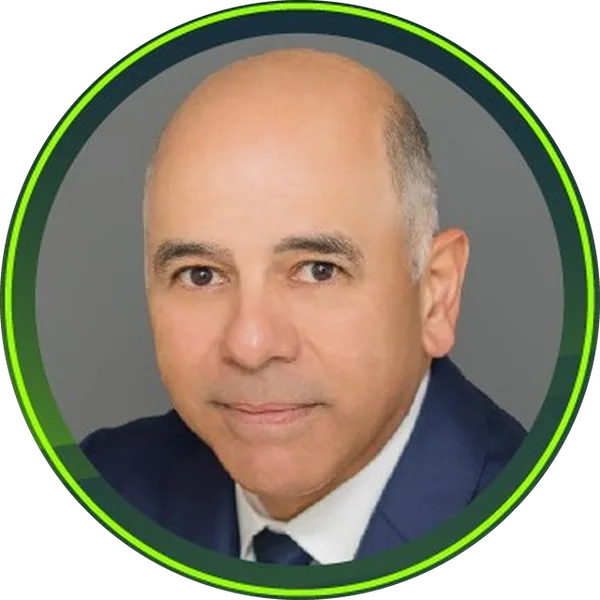
Dean Fadel
Hosts James Benham & Rob Galbraith are joined by Dean Fadel from Ohio Insurance Institute. Dean shares his expertise in connecting policy, people, and progress in the insurance industry. Discover why he believes insurance is in everything, everywhere, all the time, and how that perspective should influence innovation, public understanding, and the role of policy in shaping the industry's future.
The full episode
Press play for the whole conversation.

Dean Fadel from the Ohio Insurance Institute
Dean Fadel from Ohio Insurance Institute shares his expertise in connecting policy, people, and progress in the insurance industry. Discover why he believes insurance is in everything, everywhere, all the time, and how that perspective should influence innovation, public understanding, and the role of policy in shaping the industry's future.
In the world of insurance, innovation often races ahead while policy and regulation struggle to keep up. In Episode 164 of the InsurTech Geek Podcast, James Benham and Rob Galbraith are joined by Dean Fadel, President and CEO of the Ohio Insurance Institute. With over 37 years of experience, Dean has been a central figure in shaping Ohio's insurance landscape, navigating regulatory hurdles, advancing public literacy, and preparing the workforce for a tech-infused future. This episode offers rare insight into how regulation, innovation, and integrity can coexist in the insurance ecosystem.
The Mission of the Ohio Insurance Institute
Dean begins by explaining the Institute's multi-faceted role: it's the primary trade association for property and casualty insurance in Ohio, representing over 90% of personal lines and 50% of commercial lines in the state. The Institute engages in:
The Institute's reach and influence reflect insurance's status as the fifth-largest industry by GMP in Ohio.
Fighting Exploitation in the "Insurer of Last Resort"
Dean also serves as manager of the Ohio Automobile Insurance Plan - the state's last resort for auto insurance. This role has grown in complexity due to recent abuse of the system. Clever brokers began exploiting a regulatory gap, skyrocketing plan premiums from $1 million to $45 million seemingly overnight.
Through rapid legislative changes and increased regulation (including requiring five declinations before acceptance and pushing for telematics integration), Dean and his team brought down the volume by 85%. His unique dual-role as lobbyist and plan manager allowed for swift and effective response, a national standout.
Technology as an Enabler - Not a Threat
Despite his roots in regulation, Dean is a firm believer in the power of technology. He champions the use of AI tools - particularly ChatGPT - which proved essential during the recent plan overload when Ohio lacked conventional underwriting programs.
"We had 12 policies and no systems," he explains. "ChatGPT was a lifesaver."
Dean also supports legislation to allow broader use of electronic truck monitoring devices and is an advocate for aligning policy with the tech-driven nature of today's insurers.
A Legacy of Integrity and Public Service
One of Dean's standout qualities is his ethical compass. "I've never, ever felt ethically conflicted with any position I've had to advance," he shares. He emphasizes insurance's core values: support, stability, and compromise.
He's also active outside of insurance, contributing to dyslexia advocacy, developmental disabilities, and the promotion of reading through science-based instruction methods.
The Talent Gap in Insurance and What to Do About It
Looking forward, Dean warns of a looming workforce gap: Ohio alone must fill 108,000 insurance jobs by 2031. To tackle this, he supports robust educational programs at Bowling Green, Akron, and Cincinnati. Notably, Bowling Green has launched a dedicated AI minor to prepare future professionals.
The Future: Unpredictability and Policy Lag
As the industry faces challenges from climate volatility to litigation funding abuse, Dean's concern is clear: unpredictability is now constant. He calls for smarter legislation, regulation that embraces innovation, and industry-wide collaboration.
Dean Fadel's journey shows what's possible when leadership, innovation, and public policy align. His story reminds us that InsurTech isn't just about disruption - it's about evolution. To navigate the future, we must bridge gaps between technology and governance, between ethics and innovation.
Past Episode Recommendation
The full transcript
Transcribed automatically from the episode audio, so some names and terms may be misheard.
James BenhamOn this episode of the InsurTech Geek podcast, we're talking about connecting policy, people, and progress in the insurance industry with Dean Fadel from the Ohio Insurance Institute. The InsurTech Geek Podcast is all about technology that's transforming and disrupting the insurance world. We'll be interviewing guests and doing deep dives into specific tech we see changing the industry. We're taking you on a journey through insurance tech, so enjoy the ride and geek out. Terra, this week's episode sponsor, is revolutionizing the world of workers' compensation claims and policy management.
Terra's cutting edge platform empowers insurers with comprehensive benchmarking tools, robust management systems, and an integrated ancillary services marketplace. Discover how Terra is driving innovation and efficiency in workers' comp at terra.insure. That's T E R R A dot I N S U R E. And we are back with another great episode of the InsurTech Geek podcast. I'm your host, your InsurTech Geek, James Beneman. With me, my cohost, the most illustrious, interesting man in insurance, Rob Galbraith. Rob, what's up, buddy?
Rob GalbraithHey, James. How are doing? Excited to be here. And, yeah, Dean and I were just chatting off camera. We're thrilled to be in the afterglow of exciting
James BenhamUS Open golf tournament that we both enjoyed on Father's Day. Yeah. That was good stuff, wasn't it? That was a that was a hell of a finish. Absolutely. That was a it was a you know, the the masters was a hell of a finish too for me. Like, I really enjoyed the masters a lot. Although, like, I, you know, I was rooting for him so much to win. And then he like, it's like, really? We gotta go? Okay. Yeah. Sure. Why not? As long as you still win, I'm good.
And it and it was, it's great, man. I mean, golf does have the capacity to be very exciting. It does. When you play it, it's, of course, infinitely frustrating, but that's neither here nor there. I think this will be the last time you'll be recording or maybe the next to last time you'll be recording from that domicile. Pretty soon. Yeah.
Rob GalbraithSo our house for those of you who have following along, we're we're actually it went under contract yesterday, so we're really excited. And, yeah, mid July, we will be moving out. So one of these days, it'll we'll we'll we'll do one episode and another one, and you guys will see a entirely
James Benhamnew backdrop. Entirely new backdrop. That's great, man. I'm excited. I'm excited. Alright. So with us, Dean Fadel from the Ohio. What's up, Dean? How you doing?
Dean FadelMan, great, man. Well, how are you doing? I'm good. Ohio's Ohio's a little steamy today, but, I think most of the country is gonna be steamy this week, but all is good here.
James BenhamYeah, man. I tell you what, it's, it's already blazing hot in Texas. Of course, we're we're in the we're in the the midst of it. We're almost official summertime, you know, June 26. But in Texas, the summer kinda starts at the April. So it's a it's a little bit it's a little bit of a different story down here. I am enjoying it, though. It's nice being out swimming and hanging out outside and doing all the fun things. Of course, near where Rob lives, which is not too far from me, my favorite Texas summer pastime, tubing on the river.
That's, it is it is prime tubing season now. They they do river tubing in, Columbus, Ohio there, Dean?
Dean FadelNo. There's not much there's there's not much river tubing done here in Columbus. We do have a river, but I don't know if you'd want a tube in. Yeah. I mean,
James Benhamit runs right past downtown. But if you saw the industrial waste in that river, I'm not sure you'd wanna float in it. Right? Yeah. Yeah. There's there's not much activity in that river.
Rob GalbraithMight not need a tube to float in it. I don't know. We
James Benhamdo. Well, Dean, to be fair, we don't float in the rivers like the Brazos River or the Rio Grande or the well, some people would choose to float the Rio Grande, but I I'm not I'm not into that. You know? The, because that used to be a long time pastime of South Texas kids go down to the Rio. But I I'd I'd say the, the the prime floating territory is the Como, the Guadalupe, the, Frito, you know, the San Marcos River. We've got a few rivers.
They're they're spring fed, and so it's just clear, cool, constant temperature, 60 something degrees, 65, 70 degree water. It's it's awesome. I mean, it is truly awesome. You just got you know, there's some snakes over on the edge of the river, but the water is just you can see the bottom is super clear. Yeah. It's it's amazing. And I I'm I like to go at least once a summer, if not twice. And, I'm I'm I'm excited to get over there soon. So it's it's good to have you on the show.
You know, Dean, you and I met at, a conference. It was a kind of a cross state, regulator, conference that we had in Austin. We got to hang out. And they started talking regularly, and I was like, man, I want this guy on the podcast. I wanna talk about, all kinds of topics. So where to start? First, just tell everybody what the Ohio Insurance Institute does, then we're gonna talk about you.
Dean FadelSure. Yeah. So so we're the state and trade organization for the property casualty insurance industry. We do several different things, but you know, our membership is the insurers that write in the state of Ohio. Our membership comprises about 90% of all the personal insurance that's written in the state and over 50% of the commercial coverage that's written in the state. You know, we got the big ones nationwide. Progressive are obviously based here. They're members. State Farm's a member too as well. So, all the market leaders are members and primarily, we lobby, we we stay attuned to the judicial front and what's happening at at that area.
We've got a very robust workforce development program that that just started in, 2011 that keeps growing. And we do a lot of public education and public information. Our organization has been providing, financial literacy for high school students for years and years well before they mandated it. And, so when we keep refining that material, so it's, we do a lot. We're the fifth largest industry in the state in terms of, GMP. So, we got a lot going on here.
James BenhamYeah. And and, you know,
Dean Fadelas as insurer of last resort. Right? Like, that's that's a that's a that's a That's another part of part of my job is I'm the manager of the Ohio automobile insurance plan, which is the last resort auto insurance mechanism in the state of Ohio. And Ohio was a sleepy little plan for years and years. When I first took over, it was there were only like 10 commercial policies and no private passenger policies. We were situated like a lot of other states with good markets. They we had very few commercial policies, so our our rate wasn't adequate.
And unfortunately, we had a some agents figured out how to game the game the plans. And so we went from literally went from about 1,000,000, it seemed like almost overnight, 1,000,000 in premium to 45,000,000 in premium. It seemed like it happened overnight, but fortunately, we've we've been changing the rules, and we've been modifying what we're doing based upon how these guys are gaming it. But, yeah, that's been that's been an interesting, interesting eighteen months that that since with this has all started, we've changed we've we've had two changes to the law as a result, and it's been it's been good and bad.
James BenhamSo we're gonna we're gonna talk all about that because, you know, you have a role coordinating and organizing the insurance industry in Ohio. And, of course, you and I met as a at a national association of the state associations. Right? So that was that was kinda how we how we got together. But, you also have a role as insurer of last resort over there on on commercial auto. That was really interesting. Of course, you're in, you know, Columbus, the home of Nationwide Insurance, plus a lot of other a lot of other insurance companies have come out of there.
So it's a it's a neat place. Before we go much farther into talking about the Ohio Insurance Institute, I wanna talk about you. You got a degree from Ohio University. You got a a finance degree. Did you did you imagine that you would that you would spend, you know, spend your your career in in insurance? Was that was that the plan? Was your dad in insurance, or did you did you did you fall into this like I did?
Dean FadelSo I I I more or less fell into it, but but not completely. I was a caddy at a golf course growing up, and the guys that were in the insurance business were kind of the good guys. I kind of liked them, you know, they were kind of the guys that were nice and they were friendly and they tipped well. So, really that that was sort of my interface, my very first interface, you know, when I was real young. It was just the guys that were were agents and in the industry, they they were the nice ones when I was caddying.
And then, you know, I did take some insurance classes in college, but I landed my first job, I landed at the Ohio Department of Insurance. So, I wouldn't have thought I'd be as a heavy duty lobbyist as I'm as I am, but I love it. It's been it's been an incredible, incredible journey. So
James BenhamThat's awesome. Yeah. Because, I mean, it's it you've been president of this institute since 1988. So you've been you you've been doing this a long time. I wasn't president. I've been Well, you've you've been working you've been working there, sorry, since '88. I've been the chief lobbyist since 1988. So yeah. So So a lot of legislative affairs, a lot of work in the state house, a lot of work in the senate, going to committee meetings, pushing legislation reform. And, obviously, with this recent twist in the in the insurer of last resort, you had to go and do some more legislating.
Right? So there's a as a regulated industry, you end up having to have a strong government affairs arm, and that that, it makes total sense. So, like, what's been your before before we jump back into the institute, like, what, of this, you know, really beautiful career, of thirty seven years at the Ohio Ins Insurance Institute, I mean, not many people can say they've been at the same the same place. And, you know, I've been I've been at my company now twenty eight years, and, I I intend to, you know, I intend to be buried at this desk.
You know what I mean? Like, I like I like what I do. I I enjoy I enjoy my work. I like who I work with. I mean, life's good. So, I I get it, and I respect that. What what's been what's been your biggest high points? Like, just look looking back on this, this pretty awesome Obviously, got plenty of runway left in front of you, but, I mean, what's been the biggest high points left so far?
Dean FadelYeah. It's, it's been interesting. It's been cyclical. You know, we had a period of time in Ohio where we were the focus of attention because of the Supreme Court and rulings they were making on uninsured, underinsured motorist coverage. So in the nineties, I felt like I was literally playing a tennis match with the Supreme Court where they were bastardizing the law, and then we would had to go fix it. But, know, as I as I look back as a whole, it was one thing this industry has always done, and it's always it's never made me uncomfortable with a position that we've taken.
I've always been real comfortable with it. It's a it's an industry that's conditioned to compromise. Right? You know, you gotta you gotta compromise on claims. There it's a it's a contractual relationship. So that's the one thing I would say is that I have never ever felt personally ethically conflicted with any position I've ever had to advance. And and all in all, it is a noble industry. I mean, you it is picking people up when they need it the most. People complain. They think it's gotta cover everything under the world.
It doesn't. But, you know, under making people understand that's part of what we do. And then the third thing is the people. There's a lot of great people that I've been able to work with over the years. And then then they give me the opportunity and freedom to do other things. So I'm I'm able to pursue my passion projects. I'm very involved with the developmental disabilities community here in Ohio and, serve several different roles in that arena. I've helped create a new five zero one c organization for siblings and that organization's flourishing and they're gonna get funding in the next budget, that's pending right now in the general assembly.
So, and then I've also engaged in, literacy and reading. I'm dyslexic. My daughter's dyslexic, and teachers don't understand people with dyslexic. They just need to learn how to read differently. It's not that they can't learn to read. It's just they need to look different. So there's been a lot of activity on promoting science of reading, and I've been working closely with the our governor has mandated it, so, so I'm involved in that as well. And that's that's another thing I love about it is my my employer, my companies love that I do that other stuff.
They're like, yeah, we love that you're you're doing all that other stuff. Go do it. So that that's what's cool about it. I don't feel like I ever go to work. I love what I'm doing. So.
James BenhamYeah. It's fun. I get excited as I drive to work every day. I I get really fired up. What can you walk us through a typical day in your role as president and CEO? Like, what what is that like some of the key initiatives you're focused on or you're leading or what your your typical day is and what it's looking like right now? Yeah. And that's the beauty. Every day is a little bit different. So this week, the a lot of attention at the state house.
So, we have a third party funding litigation
Dean Fadellegislation that we're trying to get through, and then the budget's pending. So I had some time at the State House this week, and, I I we support a lot of public safety efforts, so I spend some time at the Department of Public Safety where we got a seat belt initiative that we're working on on that front there. I'm visiting the schools. So when I talked about workforce development in the state of Ohio, you know, we're a major employer of the property casualty insurance industry, and we've done a study and we've found that we need to fill 108,000 jobs by 2031, mostly due to retirement and the shrinking workforce.
So we've got several programs now in Ohio that are are providing degrees or certificates in risk management and insurance, three of which are just killing it, in my opinion. Bowling Green, Cincinnati, and Akron have their their programs have been growing and are and are becoming more and more robust every year. So we get to engage with the students, which I love. And Bowling Green has actually just initiated an AI course. And you can you could get an AI kind of minor degree from Bowling Green. They've they've just initiated a degree in AI, which we find very cool.
So and then, you know, there's a lot of media relations. I talked to reporters. I talked to legislators.
James BenhamAnd Because you help represent the industry there. I mean so you they have their own PR arms, but you also will chime in on articles, news coverage on when there's topics about rising rates or falling rates or coverage. I mean, it it it becomes newsworthy real fast. And so you come out and represent the industry.
Dean FadelYeah. And it has been lately because of, rising rates. Fortunately, we're seeing some stability now in terms of rates not going up as high as they were, but but the, the unpredictability of it, you know, when they started talking about tariffs and all this other stuff, it was at a time when rates were finally starting to stabilize. So, there's still a lot of uncertainty out there.
James BenhamAwesome. Awesome. Well, thank you thank you for that run through. Rob?
Rob GalbraithYeah, Dean. So, it's great to have you on the podcast and, hear a little bit about how many balls you might have in the air at any one time. I'd be remiss if I didn't ask you about technology and innovation. That's obviously what we do here at the SureTechKey podcast. You were just sharing, prior to to hitting record that, you know, you recently went to an event, run by Intertek, Ohio, and there was 30 startups there. And you were kind of amazed at, you know, how, like, they'll find, like, a specific problem or a specific niche that they're, know, they're kind of working to to solve and and stuff.
So, you know, you kinda have a unique position in terms of just the breadth. Right? I mean, you obviously work with your individual member companies. You're looking at you you've got your own residual market that you're you're, you know, managing. You're working with the legislation. You know, you you have your finger on the pulse of the health of the PNC industry in Ohio, right, at any given time. So, you know, when you see some of these startups, some of the technology, some of the innovation that's out there, Just, you know, what are your general thoughts?
Like, what is the place? Are you excited? Where do you think there's some some opportunities? And is this different than, I mean, with your role, right, going back to 1988? I I mean, we've been talking about this kind of term insure tech. Right? And I always get question the of like, well, hasn't technology always been insurance? So would love your perspective. Just, you know, do you feel like this is a different period that we're in? Or is this just kind of a, you know, part of the evolution over time?
Dean FadelProbably a little bit of both. We have a lot of innovation here in Ohio. Our Department of Insurance is receptive to innovation. I mean, got Root Insurance. It's just down the street here as a good example of a of a good innovator. And companies are are are using AI more and more. The interesting thing you mentioned, the InsurTech, scout conference that I went to yesterday, there were there were over 30 startups from all over the country. And it was interesting because they all found, like, this little like you said, they found this little niche that that they find that needed to be, that there was a gap.
There was something missing. Some of it was involved, you know, dental coverage. There was one that had developed an app that was for people who have dual employers and which insurance should we get, the this employer or that employer, and how do we do that? But it all started with, you know, for me, with, Uber. I mean, that was really when the policy and the lack of policy and technology kinda met. All of a sudden, you got Uber and Lyft out there, and are they contractors?
Whose insurance applies? You know, that really was the first, my first real experience in the policy part of technology, because there wasn't any policy at all and it was brand new technology, right? And and this is going to happen again and again over the years. It's happening right now with, the driverless vehicles too. So, so, and then we've had to, we've used a lot of what we did with Uber with when we had the Lime and the scooters appearing all over the streets everywhere, you know, okay, well we got this model here.
We had to revise it a little bit because it was a little bit different. And then we had the Turo and the car sharing from the airport. So so, you know, anytime anytime something inventive comes along, generally, it's not gonna be regulated. Right? It's because it's brand new. So so invariably, you know, we're we're gonna be the ones that are gonna gonna have to put some guardrails on it or whatever it might be. Oh, I was just gonna say it as a follow-up. Like, I'm
Rob Galbraithguessing those startups, often don't come to you and ask for your assistance. It's maybe, a legislator or a regular somebody coming to you. It's like dropping this issue in your lap where you're Yeah. It's it's probably hard to not be in reactive mode.
Dean FadelSometimes they need sometimes the entities actually need a law change to to exist. That's not ever a good thing. But most of the time, yeah, they're not coming to us, but but we're finding out about the practice, and then somebody's getting a claim from something that happened because of the practice. And then then that's when it lands in my lap and says, hey. There's no rules on this. There's no guardrails on this. And insurance is regulated at the state level, so every every state's gonna have a little bit of a different set of rules.
James BenhamYeah, it's great. By the way, I just finally got a, a self driving Tesla Model Y and I I can tell you, I never touched the steering wheel. It drives itself all the time, and it's a way better driver than I am. Way better. Way way better.
Dean FadelWell, James James, you and I are in the 3% of the population that recognizes that we're not great drivers. There was a poll done, and 97% said that they're great drivers.
James BenhamThat's hilarious. That's hilarious. Well, yeah, I I I think it's a you know, obviously, that's gonna be have have some big impacts coming up, but, we don't have to talk about those now. So, actually, we can. We can talk about how that how it affects policy. And think about that. Like, typically, policy lags technology by several years. I was a city councilman in Texas. I I I was a planning and zoning commissioner before that. Our regulatory frameworks always lag behind new technology and building development zoning.
You know, we we were always playing catch up. When vape pens got popular, it took us years to deal with it. When, you know, we became a a test site for five g. We became a test site for unmanned drones. We were the first site in College Station for the deployment of unmanned drones for Amazon delivery. I mean you know? But but all of those required regulatory changes that were that still were lagging years behind, the actual innovation. So you're balancing Insurtech, this industry that's hell bent on disruption and transformation of a very paper based industry to a very digital and streamlined and automated industry.
At the same time, you've got you know, you you've gotta have regulations that catch up with that at some point and allow for some of these things. For example, there there are TPAs that are applying for AI claims adjusters, licenses. They're actually trying to license artificial intelligence models. Like, that's a that's pretty that's a pretty massive regulatory change. So, like, you spent three decades at the intersection of public policy and insurance. So how do you think policy can be a really proactive partner in supporting, like, everything we're doing here, like, with this?
I mean, what where if you're a legislator, how would you change the way you view what's going on in insurance?
Dean FadelWell, I would change it in the terms of, you know, it's not the paper business it used to be. Right? And you see more and more companies say, hey, we're not an insurance company, we're a technology company that sells insurance. You know, we're a world of data, we're a world that needs to be as predictable as possible for insurance purposes. And in today's day and age, you know, there are so many more resources to draw from. If you're not, you're going to be left behind. You know, just for my little kitchen table operation.
Which is used to be a kitchen table operation with the auto plan, know, I mean, GBT was a lifesaver, Right? We didn't I mean, we we had 12 policies. We didn't have any programs or any of that other stuff that that a bigger company can utilize. Chat BGT was literally our lifesaver in terms of how we were underwriting and how we were reviewing these applications. And still is. We've got some better methods now that we've, we've gone through this growing pain, but, you know, it's, the policy will collide.
We've had to enact the law to be able to use the technology. And, you know, that and now we were also pursuing an amendment to allow us to use the, the they're not the black box. They're they're the more broader, device in trucks. So, you know, we wanna we wanna get a law that says they have to have the, electronic device that we monitor them in the truck if they're gonna get insurance from us. But we have to change the law to do that. We have to change the law to use that technology.
And, so we've got we've got some language that we're gonna try to get into a bill before the before the end of this session.
James BenhamYeah. That way you can actually get real time tracking data. It's just a it's totally it's a totally different ballgame, especially with the issue that you're dealing with right now. Right? Being yeah. Yeah. But but but, again, all these things require regulatory changes. It it can be it can be really hard to keep up, and that's why I think all technology startups have to remember that we are in a regulated industry and that you can talk about disruption all day long. But there's a there's a regulatory reality that we have to that we have to cross hurdles with as well all the time for good for good reason.
Rob?
Rob GalbraithSo, Dean, I'm just curious, if there are any, startup founders out there or or people innovating in the space, and maybe they haven't thought about the regulation aspect or the policy aspect, right, where laws need to change or whatnot. Do you have any advice or guidance for those folks?
Dean FadelWell, if you're an insurance company, you want to know about what's going on, you should join one of the trades, you know, either your state trade or one of the national trades. You know, that's where you that's where as somebody who's gonna be affected by that policy, that's where you're gonna get the best seat at the table to try to, impact that public policy in terms of how it may impact your company or your operations. So, you know, my advice is get a seat at the table.
I mean, you know, we we support the entire industry here in Ohio, and there's organizations like ours in other states, Indiana. Every state has a state insurance trade. Obviously all of them are a little bit different based upon what the domestic industry is like in that state. But the fact of the matter is, for a lot of this, you gotta forget about your competitive, nature with your, you know, the people you're going against every day in the business world and come together to be able to fashion a policy that works for everybody.
And that's what we try to do is get everybody under the same same roof and, and on the same page, and that's that's how you become most effective in the in the policy arena. And and that's the biggest challenge most of the time is is keeping everybody under the same under the same roof.
James BenhamAwesome. So let's talk about the the the last thing I kinda wanna close with is this, this new twist that you're dealing with. And that is in the last eighteen months, some very creative, brokers, I guess, have, have figured out a little loophole. Maybe not a loophole, but a a way to really look at an insurer of last resort. So talk about the situation and talk about the challenges it poses and and what you're doing to tackle it. Yeah. I think loophole's a good word.
Dean FadelThey were gaming the system. They they were, utilizing, you know, some methods that were were making it look like an entity was based here but wasn't for our coverages. So, I mean, the first thing we did was we got a new rate, right? You know, our 12 policies, our rate was inadequate. So the state let us enact a an average national rate. Iowa and several of the other states have done the same thing since. So that that, you know, that was really important. We've got language in the budget right now dealing with, due diligence.
We want to mandate that the this is pending legislative language that they have at least five declinations before they come to us. And then I talked a little bit about the black box amendment that we're going to be working on as well. And but it's been it's been interesting. We have so we're a little bit differently situated than a lot of the other plans because we're tied to the state trade association. I'm like the only lobbyist that's actually a plan manager. So we've been able to stay ahead of ahead of it a little bit better than any other state because of our ability to get rapid fire legislation passed.
And we got a great relationship with the insurance department and they know what's going on and they're helping us as well. And we're working real closely with them as well. So to a certain degree, I think we might be a little bit ahead of the game nationally in terms of dealing with the last resort abuse that we're seeing. And, know, obviously technology has played a large role in that, but so is our ability to maneuver the general assembly and the executive branch as well. That's played a huge role in putting us at the forefront of this.
We got our volume down 85% in the last year. Our volume's down 85%, which is, you know, that's what we want. We don't we don't want you if you don't need to be with us.
James BenhamSo Yeah. You know, it's you you have a different mission role and function Yeah. Than, you know, your average your average bear, right? So it's it's different.
Dean FadelI mean, and the whole entire industry is bearing the cost of the entire industry and the state is bearing the cost because we we assess members, you know, for the operation of the plan and you are required by law to pay the assessment based upon, you know, your your book of business in the state. So, when we fail, the companies lose.
James BenhamYeah, Exactly. Because they make up the difference. Rob, you wanna close this out?
Rob GalbraithYeah. Dean, I'm just curious. Are there any challenges or opportunities over the next decade where you kinda see coming or or, I guess, what's on your kinda radar maybe that people aren't talking about in the the here and now?
Dean FadelOh, gosh. You're asking somebody that's gonna be 64 years old next month about the next decade.
James BenhamWell, your average life expectancy has got you pushing over 90 now, so you can't retire until you're you're past 70. So I don't I don't feel any any older than 30, so I'm good. Well, you you don't look older than 30, so you're good, Dean. So I got Thank you. Like I said, you got a long one runway, brother. We gotta start being able to see see down the runway a little bit. What what do what do you what do you see coming? So, you know, I guess the one thing that that that
Dean Fadelhits me the hardest is the steady unpredictability. I mean, you know, usually we've gone it's been cyclical where we've gone through these periods of of great unpredictability, but then it stabilizes. Right? And I have never in my career seen more unpredictability in so many different areas. And then we saw it when the rates went up just right after COVID, you know, where rates just exploded right after COVID because, you know, the industry gave $15,000,000,000 back because they figured people weren't gonna be driving as much. Well, guess what?
In The United States, our fatalities went up by five percent when people stopped driving as much because people were driving fast and they were driving reckless. So for me, I think the the the big thing is will we when will we see an environment that at least somewhat stabilizes and becomes more predictable? Because in every area, it's unpredictable. It's unpredictable in weather. It's unpredictable in in auto claims. It's unpredictable in home and cost and labor costs and all of that. And we're an industry that's based upon predictability.
The other thing we need to do is we need to rein in third party litigation funding. That that is that's a cost we we can control. Our our justice
James BenhamDid did you see in the big beautiful bill, nationally that there's provisions for for for taxation on on foreign investors in these litigation financing against insurance companies and and taxation domestically too.
Dean FadelThey were getting a tax break. Can you believe that? I know. Well, and through our justice system too. Right? They're using our justice system as an investment tool. That's what that's what kills me is our that's not we're the only country in the world where you can invest in our legal system. And foreign companies are doing that, and they're making lots of money on it. And, you know, I think the the challenges will make people realize that every time they see one of those billboards, every time they see one of those ads, they're paying for it.
They're paying for it in the price of eggs. They're paying for it in the price of bread. They're paying for it in the price of insurance. Right? And and that's really something that needs to get tackled. And it's, you know, it's a it's it's been a state by state thing. You know, the trial lawyers hold a lot of hold a lot of cards in this game because they got a lot of money, and it's a tough one. That that to me is is the big thing that needs to get done within the next ten years to because that's something you can control.
That's a cost you can control, and that cost is getting out of control more and more every day.
James BenhamYeah. Yeah. I agree with that completely. Well, look, guys. It was a great conversation. Enjoyed talking with you. We are at time, but, always always fun to catch up, Dean. Always good to see you, and I appreciate you coming on the, on the show. Go, Aggies. Oh, you know it, baby. This is the season. We're gonna it's gonna happen. We got we got about, nine weeks till opening day of the football season, which is hard to believe. And I love it. You know, hope springs eternal in my soul for the Aggies team.
A and M has a spot in my heart because of you, James. Man, I appreciate that. Rob, good luck with the move and the sale. I hope it goes well. Appreciate it. Thank you. Thanks so much for being on, and thank you to our listeners for tuning in to geek geek out our interview with Dean Fadel from the Ohio Insurance Institute. See you next time. The InsurTech geek podcast is all about technology that's transforming and disrupting the insurance world. I've been your host, James Benham. That's jamesbenham.com with co host Rob Galbraith at end of insurance dot com.
We're taking you on a journey through insurance tech. So enjoy the ride and geek out.