 YouTube
 Spotify
 Amazon
 iHeart
 Apple
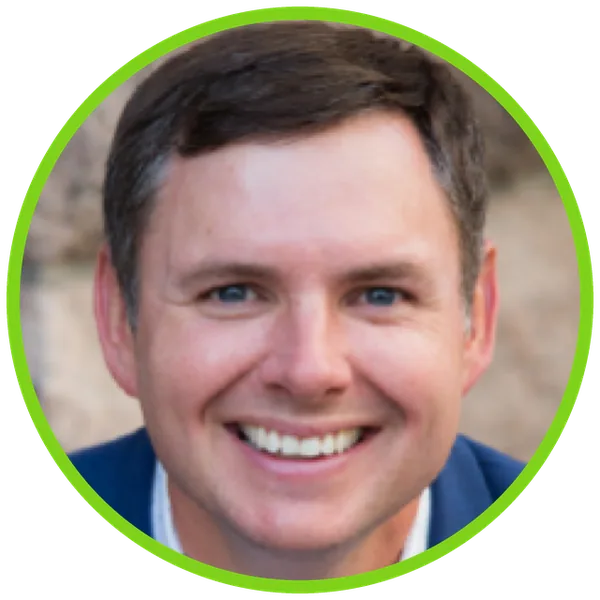
Lance Poole
Hosts James Benham & Rob Galbraith are joined by Lance Poole of Juniper Labs. James, Rob & Lance discuss machine learning, automation, underwriting and data efficiency.
The full episode
The whole conversation, straight from the show feed.

INTRO
On episode 17 of the InsureTechGeek Podcast, Machine Learning and Automation in Underwriting with Lance Poole from Juniper Labs.
The InsureTechGeek Podcast powered by JBKnowledge is all about technology that is transforming and disrupting the insurance world. We will be interviewing guests and doing deep dives into specific technologies we see changing the industry. We are taking you on a journey through insurance tech. So, enjoy the ride and geek out!
INTERVIEW
JAMES: All right. All right. All right. Another week, another show. So excited to be back with you talking about all things insurance tech on the Insurance Tech Geek Podcast. I am your host James Benham. I am joined by my illustrious cohost and author and a very interesting man, Rob Galbraith. Rob, how is it going, buddy?
ROB: Good James, how you doing, man?
JAMES: Doing great. I am in your home state of Michigan.
ROB: You are, yeah!
JAMES: I can feel "-"
ROB: Those Michiganders are making us Texans look very reasonable with all the protests and all that
JAMES: 17?
LANCE: Always.
JAMES: It is like you just cannot stop winning. I do a talk called building a mad scientist about how to build innovation labs at companies, and I have a slide about the building process like you have to have a process to be successful. And I have a picture of Nick Sabin on that slide, because how does one coach have that much turnover, right? Like all the assistants get cherry-picked every three years, right? And all of his players leave every three to four years. And he just keeps winning national titles. He does not have rebuilding years, right, Lance? It is insane.
LANCE: It is. It is an amazing thing. And there is, throughout Alabama, there are a lot of businesspeople who study Nick Sabin's speeches, his way he coaches, all these things. It probably does not happen with a lot of other States where folks who are obsessed with how a football coach operates, but it is produced good results in Alabama.
JAMES: But you should be obsessed with the way he operates because it is that level of sustained performance, it seems impossible. I was tailgating in Tuscaloosa a few years ago, and I was hanging out with the strength and conditioning coach for the Crimson tide, and he was telling me that everybody keeps cots in their offices because they would just sleep there. Sabin never quits. They say it takes 24 hours off after a national title and then he starts recruiting again. 24 hours. That is all he gives himself after winning the big show, I was like, yeah, man. I take like a week after a good year. I am like, I want to take a week off. He takes a day, you know.
LANCE: Yeah, no, no one's going to be writing case studies on appropriate work - life balance by the looks of it.
JAMES: No. You should not look at work - life balance there. Terry Savage, I do not know if she will have something to say about that or not, but I will tell you what, it is fascinating. So, let us just dive right in, one of my favorite movies, Office Space. We are going to jump to conclusions now. Let us just dive right in on this whole thing. You are from Alabama, you are born and raised in Tuscaloosa. You went to the University of Alabama. What would you study there? Like what would you envision going into as a career and then how would you land in InsureTech?
The full transcript
Transcribed automatically from the episode audio, so some names and terms may be misheard.
James BenhamOn episode 17 of the Insurtech Geek podcast talking about machine learning and automation and underwriting with Lance Poole from Juniper Labs. The InsurTech Geek podcast powered by JBKnowledge is all about technology that's transforming and disrupting the insurance world. We'll be interviewing guests and doing deep dives into specific technologies that we see changing the industry. We're taking you on a journey through insurance tech, so enjoy the ride and geek out. Alright. Alright. Alright. Another week. Another show. So excited to be back with you talking about all things insurance tech on the InsurTech Geek podcast.
I'm your host, James Benham. I'm joined by my illustrious cohost and author and very interesting man, Rob Galbraith. Rob, how's it going, buddy? Good, James. How you doing, man? Doing great. I'm in your home state of Michigan. In the car. Yeah.
Rob GalbraithI can Yeah. You know, those Michiganders are making us Texans look very reasonable with all the protests and all that. So
James BenhamMan, oh, man. When you've got armed protesters in the state capital, you've got a little political problem on your hands. They've she's got a challenging time up here in Michigan, and it's different. I tell you, the grocery stores are way thinner on the shelves here. A lot more stores are closed. It's a strange thing to leave Texas where all grocery stores are full and the shelves are fine and there's no food panic. And you come up here, it's like, there's a lot of stuff people don't have.
And so it was interesting. We came up to check on on our place here, and, of course, I love I love it up here. But it's cold. It look. It started out at 33 degrees today with huge winds off the lake, and it's gonna be a high of 39 in the May, Rob. And that's on a that's on a week when it's like in the nineties in Texas. Crazy. Yep. Yeah.
Rob GalbraithNo. It's it's summer started early down here for sure, as you know. And, you know, I'm worried it's gonna be pretty brutal because normally it rains quite a bit in April, May, and the taps just, you know, turn off and we don't get rain, for three months in the summer. But, we haven't got that much so far in Texas, so definitely hot. But hey, after a long winter, long, start to 2020, I'm happy to have summer start early. Understood.
James BenhamUnderstood. And joining us from beautiful Denver, Colorado, mister Lance Poole. Lance, how are you doing today? I'm doing terrific. Thanks, James and Rob, for having me on. Yeah. Super glad to have you on. Excited to have you. Even if you are an Alabama graduate, we are still excited to have you on. I just want to point out that I will interview any graduate of any school, including Alabama, on this podcast. It's Okay. Rob will interview anyone from Michigan, Michigan State, Notre Dame. It doesn't matter where you went to school.
We want you on this show. You know, you are a local yokel Tuscaloosen. So you were born and raised there. Kind of like I was born and raised in Baton Rouge. I did not go to LSU. You did go to your local college. You went to the, you know, the national what? Under saving five time national champion. You have, like, five coaches that have won national titles or something crazy like that. I mean, how many national titles are y'all up to now? 20 something? 17. 17.
Only 17. It's like you just can't stop winning. I do a talk called Building a Mad Scientist about how to build innovation labs at companies. And I have a slide about building process. Like, you have to have a process to be successful. And I have a picture of Nick Saban on that slide. Because how does one coach have that much turnover? Right? Like, all the assistants get cherry picked every three years. Right? And all of his players leave every three to four years, and he just keeps winning national titles.
He doesn't have rebuilding years. Right, Lance? It's insane.
Lance PooleIt is. It's an amazing thing. And there's you know, throughout Alabama, there are a lot of business people who study Nick Saban's speeches, his way he coaches, all these things. It probably doesn't happen with a lot of other states where folks are obsessed with how a football coach operates, but it's it's produced good results in Alabama. But you should be obsessed with the way he operates because it's
James Benhamthat level of sustained performance seems impossible. I was I was tailgating in Tuscaloosa a few years ago, and I was hanging out the strength and conditioning coach for for the the Crimson Tide. And he was telling me that everybody keeps cots in their offices because they have to it's like, we just sleep there. Saban never quits. They say it takes twenty four hours off after a national title, and then he starts recruiting again. Twenty four hours. That's all he gives himself after winning the big show.
I was like Yeah. Man, I take, like, a week after a good year. I'm like, I wouldn't even take a week off. He takes a day. You know? Yeah. No one no one's gonna be writing case studies on appropriate work life balance by looking at No. Okay. Football program. You should not look at work life balance there. Terry Saban, I don't know if she'll have something to say about that or not, but I'll tell you what. It's it is fascinating. So let's just dive right in.
You know, one of my favorite movies, Office Space. Going to jump to conclusions now. Let's just dive right in on this whole thing. You're from you're from Alabama. You're born and raised in Tuscaloosa. You went to University of Alabama. What'd you study there? Like, what'd you envisioning going into as a career? And then how'd you land in Insurtech?
Lance PooleNot many people get into insurance on purpose. Maybe I'm I'm the rare exception. So I studied, finance as my undergrad and then statistics for graduate school. Again, not a not a really popular path. I had a statistics professor while I was in undergrad that was just inspirational. Loved his class, made it a lot of fun, and I thought, okay. I wanna be like this guy. I wanna be a statistics professor. I really geeked out on statistics like that. Again, thankfully, this is the Intra Tech Geek podcast, so I can really geek out on some of these things.
And I got a couple years into a graduatePhD program and decided I don't want to do research for my entire career. The idea of being a professor was more exciting than the actual work of it. So that's one thing you find out when you're in school, like what it's like to actually do the jobs. So I was you know, after I'd read my thirtieth research paper, I felt like I don't wanna be writing these for my career. And at the time, I had someone else in my program that was studying for an actuarial exam, and I looked at it, I was like, hey.
This is pretty easy stuff. Like, I think I can pass this exam. This isn't too bad. And so I took an actuarial exam, and that was kind of the first step, in a life full of glamour and fame as an actuary.
James BenhamIt is a very it's a very I mean, there's there's, paparazzi.
Lance PooleI mean, it's It's hard to deal with, James. You know?
James BenhamReceptions, constant award shows.
Lance PooleThat's right. That's right. But I so I got interested in actuarial science. Thought, okay, this is this is a path where I think I could be successful. It's got a lot of, math that's involved, but also there's this business aspect and you're, sort of the engineer for the insurance company. I actually started out my undergraduate school studying engineering, and so that was a path I wanted to pursue. So I've kind of had a little bit of that mindset, but now I'm doing this for an insurance company.
And that's how I ended up, getting into the world of actuarial science.
James BenhamIt's interesting. You know, I've thought about this because I've gone to hundreds and hundreds, if not a thousand conferences since I started JV Knowledge nineteen years ago. I know how many. I've spoken at over 400, but I've attended maybe close to 1,000. And it's interesting because there's a lot of conferences in a lot of industries I've been to where people say the exact same thing. No one goes into college to become this, whatever that is. One that I really believed was a compliance conference. I went to a compliance conference.
And for sure, I know that there's no 17 year old out there saying, dad, I want to be a compliance officer one day, right? Like, that's I know that. You know, there are some 16 and 17 year old math geeks. And I say that affectionately because I'm a geek, right? I'm a hardcore geek. I'm a computer science geek. I'm an accounting geek. I love numbers. I know there are people that say, I want to be a mathematician. I want to be an actual so I know that happens.
But you look at the professions kids want to be. They want to be oh, I want to be a doctor. I want to be a police officer, a firefighter, a pilot, an astronaut, those kind of things. But there's most professions, kids don't dream of, right? You end up and you find your passion later. This is interesting because you found a passion for mathematics and numbers, And you found probably one of the best homes in the planet for mathematicians in insurance.
Lance PooleWhat was it like when you really started digging into the work? So I started out in I'm a life actuary by training. So, you know, you can there's different kinds of actuaries, and you can focus on life or property and casualty. I was working for a life insurance company, and I started out in probably what's one of the most least glamorous actuarial jobs you can have, and that was working in the reserving department for the company. So they calculate the reserves, how much money does an insurance company have to hold.
There's a lot of requirements there. And so I was in that role for a couple years, and I found the work to be somewhat boring and repetitive and not all that interesting. Mean, there's some people that thrive in that and they love it. I was always more business oriented. You know, I wanted to understand, like I remember an early conversation asking one of my coworkers about the product we're working on because a lot of times you just refer to these products by, you know, some four letter code.
And I said, what is this product? Like, what's it do? And the response I got back was just a blank stare. Like, why does that matter in terms of the work I'm doing here? Why do I need to know what this product does? I was like, well, I'm just kind of curious, like who buys this product? Who's it for? You know, how's it work? A lot of those kinds of things. And so that was kind of a wake up call to me that maybe I'm not in the right role.
I'm interested in what it's like to be an actuary, but there's other kinds of things I could do. At that point I switched companies, started working for a different company where I was there for almost ten years and ended up in the product area, which I think was just a great fit because when you're a product actuary, you're working, you're building new products, you're helping tweak the products. At the end of the day, that's why the insurance company existed. It exists to sell product, to ensure risk.
And so being in the product area was a really good fit for me and my personality. That makes sense. Rob? Yeah, Lance. So I've known you in your current role as CEO of Juniper Labs,
Rob Galbraithand you were one of the first people that I met that had come from the insurance industry and then kind of made the leap over to the InsurTech side of things. Previously, a lot of it had been investors, entrepreneurs, you know, folks like James that really kind of started from the outside, right? And kind of selling into the industry, you know, saw an opportunity to make it better. I didn't see a lot of insurance insiders as I would turn it kind of flip it over to the startup world.
Just tell me about that transition. I'm really fascinated by that. I've seen, by the way, more and more people doing this over the last couple of years. But yeah, tell me a little bit about your journey of, how you ended up in the startup world. So, when I left
Lance Poolethe insurance world, I was VP of Product at a life insurance company called Protective Life. I on the C suite track, was sort of the de facto innovation person at my company. So, I'll say this, felt like I had the best job that I possibly have in the company, and still felt like, okay, this isn't what I should be doing. You know, a few minutes ago, were talking about actuarial science. I'm not currently working as an actuary. I'm the CEO of a of a Insta Tech startup.
And I I guess my chief role now is like the head salesperson for our company. So not sure if that tells you about our company that an actuary is the person in charge of sales and product and those things. The chief executive should be the chief spokes person, I believe. You should be. After two after two decades of doing this, I can tell you that that is your main job anyway, no matter what. That's right. That's right. So for me, it was recognizing that, you know, I wasn't in a role that I feel like fit well.
And so what are my options? At the time, and this has been six years ago, startups were becoming to be more of a thing that would be talked about as like, this is a path. And my story is different than a lot of entrepreneurs. A lot of entrepreneurs you hear, one of my favorite podcasts outside of this one is How I Built This. And if you listen to How I Built This, I feel like those stories are so often I was a 12 year old and I had this first business, or I was a 10 year old and I had this business.
And both of my parents had, my mom was a teacher, my dad had a blue collar job. So I didn't grow up with this model of an entrepreneurial path in mind, which I think is why I went the corporate route pretty early because I felt like this is what it looks like to work. And then as I had some corporate success and had some friends that had done startups, thought, okay, this could be a really interesting path and let me see if I want to pursue this.
So I'd say, you know, one point of the transition is recognizing that I wasn't in the right role and I should do something else. The other part of my story I think is important is and I recognize there's privilege in this, too. Actuaries do pretty well. You get paid well. So, I was able to build up a bit of a cushion, too. I didn't leave with no cushion. I had six to twelve months where I could say, I'm going to try and make this work. And then on top of that, as an actuary, there's almost zero unemployment.
So I felt like stepping away, worst case, I can come back and get a job for an insurance company. And maybe I'm more employable having had some true startup experience. So I'd say point two would be you have a plan B. Most startups are going to fail if you have to come back and end up working in the corporate world by choice or because your startup failed and know what it is you're going to come back to. And then another thing I would say as well, and maybe this is I'm not sure if this is controversial, but I think you should you should leave knowing that you make more money in the corporate world.
So I'm a big believer that on an expected value basis. So we, you know, we talk a lot about what expected value is on average. Like, what are you going to earn? I think on average you do better just working your way up the corporate ladder. You know, I'm I'm six years in and my bank account can can can prove that for sure. Not having had an exit, but it's not all about the money. So, you know, doing what you feel like you're called to do is more important than for me, maximizing
James Benhammy earnings. You know, Lance, I kind of took the different approach. I took kind of the Hernan Cortes approach. When he landed in Mexico, he ordered all of his ships burned so his troops couldn't go back. And when I started JBKnowledge, I had some offers from really large accounting firms. I'd interned with one of them. I'm not going to say who they are. They're a great firm, but I'll leave the name out. And they called me to find out if I was taking their full time offer, and I said, I'm going to start my business.
And they're like, are you sure nineeleven just happened? This is 'one. Are you sure nineeleven just happened? There's no jobs anymore. Like, there's a lot of people who want this job. And I said, you know, I'm going to Cortez this so I can't go back. And I said, then you won't have a problem filling it. And that was it. That kind of ended the conversation. And I definitely burned all the boats on the look, I really wanted to be fully all in. I would not do that again just because it's good in business to have relationships that you maintain.
And I was young, right? I was young and brash and 21 and thought I had the world all figured out. But it's interesting. I'd love to talk about what exactly you'd say you do here, to quote The Office Space again. Tell me, like, you have some products, one which I thought was super cool because you worked Sudoku into a product name. Tell me what the products do. So the best way to think about Juniper Labs
Lance Pooleis we help answer the questions an underwriter would want to answer. So we're focused on commercial insurance. We're, you know, we're an Intritech building technology for insurance companies. And the questions, commercial insurance underwriter would want to answer are questions like, Who are you? What's your business name? What's your address? All the things about your business. So question one, Who are you? Question two, What do you do? What does this business do? In commercial insurance, there's very different rates from a florist to someone who is doing roofing.
What the business actually does is really important. Third question would be, how much of it do you do? What's the payroll? How many locations are there? Things like that. Then the fourth question, has anything changed? Businesses change dynamically all the time. The moment we're living through right now shows that businesses change. So those are the four questions. We're building technology that help answer those questions. And the data sudoku, as you refer to it, is just taking some of this technology we have and filling in data gaps that may exist.
This particular problem is a problem for carriers, but also you think, about brokers when they are capturing information from the application. They're just trying to get maybe the minimum amount of data they need to get the app across. And there could be a bunch of data gaps there in terms of what the business does. What's the business's website? You know, anything else that could be pertinent? And there's probably things they wish they would have captured, when it comes time for renewal that they don't have. So that's, that's something that we've been working on this product called DataSidoku.
James BenhamAwesome. Rob?
Rob GalbraithYeah, Lance. So yeah, as a, as a former underwriter, I can totally appreciate that. And, yeah, there's, there's definitely a need for that. There's no doubt about it. So I think that makes a lot of sense. One of the things as we've talked about Juniper Labs, it's always struck me is, you know, obviously you have a vision for your company and your business in terms of a strategic vision, if not a roadmap, I imagine as well of how you're going to get there. But you know, what you want your company to be when you grow up, right, if you think about it that way.
Yet at the same time, one of the things that's always impressed me is your ability to, to flex, right, and to kind of say, hey, as we talk to carriers and and let them know about, opportunities that we see and things that we could do, but, know, we're also, flexible in terms of, hey, they need a little bit of this. So how do you, manage, I guess, would say that that strategic vision with kind of the being opportunistic and just going where the, you know, those conversations that you have with carriers take?
Yeah. So good question. So we have a big vision of being able to make commercial insurance cheaper and more transparent. So you're completely right, Rob, that it's important to have vision.
Lance PooleWe want to transform the experience is all these things we want to do, as you say, when we grow up, because you know, we're early stage startup. But I think the thing that's important for us is we're not wed on how we get there. I think in the early days as a startup founder, it's important to listen to problems, to always have your ears open for problems. So when you're talking to a carrier, you may start the conversation with, you know, focused on a particular solution that you have, But my ears perk up when I hear of a problem that a carrier has.
So that's one thing is kind of always be listening. The other thing is if you're not working on something that's a top five problem for an organization, think you should just move on because it's a fool's errand to try and force the organization to try and look at a solution that's not what I would call one of the burning problems that they have. The other thing we'll do too that I think is pretty scrappy is just replicate success. So if we talk to a carrier, hear of a challenge, work on something, then a lot of what I'm doing is asking around to see if other people have a similar problem or experiencing similar pain.
So you have to have a lot of relationships. If you just know a couple of people, it's hard to do that, but if you have a wide network of twenty, thirty people, it's easy to pick up the phone and call someone, and you don't have to divulge confidential information, but just in general terms, you know, say, you know, I'm hearing of someone else is having this issue. Is that something you guys are experiencing too? Is that a problem? And you can either get a, yes, this is a problem or no, it's not something we're really focused on right now.
Gotcha. Let's dive a little deeper. Let's talk about machine learning. Just just there's
James Benhampeople who say the word machine learning and don't understand what it means a lot. Now, I started writing software when I was 11. I got my first computer from my dad. And at middle school, they started me in computer science classes. And I started on like a Gateway 2,000 at the house. And I had a, oh jeez, at school, I think we had some old TRS-80s, and then we had some 386s. They're pretty old machines. But we were able to build expert systems back then, not a GW basic, QBasic.
We built a whole bunch of conditional statements. If this, then that, right? And I think a lot of people confuse an expert system for a machine learning algorithm, right? They say, oh, this is artificial intelligence because I did some things and it deterministically figured out that I had and the reality is behind the scenes, this is like a giant if then statement. So walk people through your definition of machine learning
Lance Pooleand how you're applying it here. Yeah. So our definition of machine learning, the way I think about machine learning is, you know, maybe one can go pretty literal with the word. It's just that we have some system that is able to take in data and then improve the experience, improve the learning without being explicitly programmed. There's no if then statement, as you referred to in your example, James. So just to give an example of one of the things we're working on, you know, mentioned these questions that an underwriter won't answer.
One of those questions is, what does your business do? So we have an API that can classify businesses. And if you're not as familiar with commercial insurance, a large driver of the rate that a business pays on insurance is the class code. It's a code that groups similar risks together. So we can take just a short description of text, a website, and then return back a four digit class code as to what this business is. And the way that model was created is we took millions and millions of records.
We didn't have to program if then statements, but we could take millions and millions of records and train a model to get good at being able to predict what the classification code is based on just a short description or a website or some input text. Awesome.
James BenhamAnd I've seen some pretty interesting examples of how people in InsurTech are using machine learning. Can you just give me just the really and you said we're only working on top five problems, which I agree with, right? There's a lot of solutions in search of a problem out there in InsurTech and in Altec. You're trying to solve real world problems they have right now so that they can make more money and be more profitable, more productive. Certainly in Rob's book, one of the top seven problems facing the insurance industry is that insurance is too expensive, right, like, just in general.
And he talked about how how we can tackle that. So just
Lance Poolewalk me through what's the the biggest problem that you've been able to knock out or begin to knock out with machine learning. So for us, the small business segment, we see it as challenging for carriers because there's not a lot of premium there. So if you run a shop that has four people in it, your workers' compensation premium might just be 2,000 or $3,000 a year. That's not enough to support a human underwriter spending hours upon hours working on a file. So what we're seeing and the ways we're hoping to make the commercial insurance even cheaper is by reducing the effort that has to be spent to do some of the key underwriting tasks as it relates to commercial insurance.
So a big one is classifying a business. There's been research that showed that 40%, 50% of policies are actually improperly classified as is, as having a human underwriter look at them. What we can do is actually run this through our API or technology and more accurately classify businesses, but at the same time then allow the commercial carrier to not have to have as much time and energy spent on that work. So that's one of the ways we're helping to make the small business segment more profitable for commercial insurers.
Awesome. Rob? Lance, I have a question on what your background is in, uary,
Rob Galbraithand, you know, we talked about artificial intelligence machine learning. You know, some of the actuaries I've talked to, I've talked to several different, CAS events, Casualty Actuarial Society, and others. I actually, which is great that they keep inviting me by the way, and I think they keep inviting me because I keep challenging them, actuaries are so used to the process, taking the exams, the certification, reading all the papers, I feel like they're actually not prepared for this world of artificial intelligence that is here now, right?
This isn't ten years from now, like this is real now. I don't know, I'm just kind of curious of your thoughts about actuaries, this whole, you know, they used to have all this tribal knowledge that was really important, but, you know, any blokes such as James and myself could run TensorFlow now, Maybe you could just talk about the impact that you see for AI in general on actuaries and how would you mentor
Lance Poolea young actuary today or encourage them to stay relevant in this ever changing world? I think you're absolutely right in terms of the implications that now you don't have to have a, you know, 100 year old process to to price a product. In fact, like, those models are outdated, not useful, not helpful. We've seen the world change really dynamically in the last two months. So you can almost take all those assumptions and throw them out the window. Being good at machine learning, taking, like you mentioned, TensorFlow as an example, but picking some of these off the shelf tools and being able to create models is far more important than having a process that's rooted in a true science like actuarial sciences.
So the advice I would have is to be really good at using those tools and understanding the methodology and knowing how you can take shortcuts. We've had conversations with a couple of venture techs who are working on creating their pricing model right now, and they don't have the data that The Hartford may have, but they have access to, you know, public data on companies. They have access to lost data. There's other things you can get to if you're scrappy where you can create a model that's that's good enough and allows you to get to market much faster than someone who's going to try and get the the perfect model.
That sounds great. Yeah. That's awesome. That's great advice, Lance. And I got a quick follow-up.
Rob GalbraithI'm sure you're aware the University of Alabama is home to the Insurance Hall of Fame. So I'm sure you'll no doubt be in Shrine there one day. You're one of the smartest guys I know in the industry. Where do you see the future of the industry? Not necessarily just short term during the pandemic, but long term. And do you think this is going to accelerate some trends or do you think some will slow down or just how do you kind of see the next five to ten years playing out?
Well, speaking of the Entrance Hall Of Fame, it's a funny story. I took a lot of classes
Lance Poolein the room where the Entrance Hall Of Fame exists, and you have all these pictures on the wall. And it's almost like the Scooby Doo cartoons where the pictures have eyes and they're looking at you, so it's really unnerving to sit there and try and take in what the professor's saying when you look over and you see this picture of this older person that's looking at you. So I would be honored to one day have my picture on the wall, Rob. Not sure if that'll happen, but continue to work hard to get it there.
In terms of change, I think this is definitely going to accelerate the pace of change. We've certainly heard the quote, There's decades when nothing happens. There's weeks when decades happen. I think these last weeks have been decades happening. The other thing I've joked about before is that I want to be in the insurance industry when the world ends because it's going to happen ten years later in the insurance industry. We're behind, so I think the pace of change will accelerate, but maybe it's not quite as fast for insurance.
Some things that I see happening probably been a lot of people that have talked about digital. I think this is going to be a big push for digital solutions. If you're a carrier and you haven't been focused on digital, you're already behind because now there's going to be more demand on doing things digitally. Don't want to interact as much face to face. You know, paper, paper. If stock in paper, that should be down. Stock in digital things is up. The other thing that that I'm really interested in and could be completely wrong on this take, but we haven't talked a lot about federalism.
It's interesting that we're I'm on the podcast with two guys from from Texas. But I wonder, there's been such a such a a lot of the mess related to the crisis is because of there not being coordination between states and the federal government. You've got, you know, these stories of governors outbidding each other for PPE. You know, there's all kinds of things. And that also has insurance industry can resemble that too. The fact that we have 51 different commissioners, there's lots of all the different jurisdictions that are at play.
And so one of my predictions would be that there could be more federal coordination going forward, maybe this is a push towards more of a unified standard, in The US on the insurance front. That's like a third rail
James Benhamwith many in the insurance business, right? Like you have literally a multi trillion dollar industry predicated and billions and billions of dollars in The US predicated on 51 unique sets of rules. It's created there's many, many companies that exist. And we can name a few of them. We're not going to because of the disparate regulatory environment, the patchwork quota regulations. That being said, maybe we won't touch on all of the issues we could talk about when we talk about coronavirus, because certainly what works for Michigan does not work necessarily for Texas.
And the same with what works in a super urban dense area like New York City apply to Marfa, Texas. And so I, for one, am a pretty large states' rights advocate in general. But I have seen the incredible amount of inefficiency that it's brought to the insurance market. It is just really complicated. I'll tell you what, Lance. I would love to see the health insurance market be federal. Just the fact that you've got to get different insurance when move states, which makes no sense. And the rules are so different.
And of course, it limits competition, too, which is the really big problem, is I'd like to see all those insurance companies competing with each other nationally to try and drive premium down. But I think that's probably a bit of a pipe dream. I'm not sure that it'll happen simply because there's too many billions of dollars and there's too many insurance commissioners whose entire careers and staffs are dedicated towards the individual regulatory environments of the states. And when it comes to coronavirus, I thankful that Texas, that has 28,000,000 people and is larger than most European countries and has a larger GDP than almost any of them, was able to make its own decisions.
I didn't want to have to consider all the considerations in other areas. So I think there's it's always a two edged sword, right? It's always a two edged sword. But certainly, a technology perspective, the patchwork creates a ton of opportunity for technology companies. So there is opportunity
Lance Poolein all that mess, right? Yeah, there certainly is. If you look at what's happening with Insurtechs in Europe and The UK, you know, where there is one system, there are some things that are more straightforward. Know, look at one of the things we deal a lot with is stitching together open data, data from different municipalities, taking the Harris County in Texas appraisal data and putting that with the business license data in Texas. That takes a lot of effort, but it allows us to create value. I've seen the same kind of open data in Europe and The UK that's amazing and really easy to use, and you don't need someone like Juniper Labs to help put it together for you.
So you're right. The mess does create opportunities for tech companies here, whereas in other places that are under one system, there's efficiencies that we don't have here, but I I'm with you. I like the ability for states to make their own decision, but would love to see us be able to capture some more of the efficiencies that are gained when, when there is one person making decisions. Yeah, it's
James Benhamalways a two edged sword. Who is it that said that they have a significant fear of efficient bureaucracy? Because an efficient bureaucracy is absolutely terrifying. And I think I agree. After I served six years in our city council here, and I've been involved in government for a while, and an efficient bureaucracy should scare the hell out of everybody. Because they can be brutally efficient.
Rob GalbraithThere's a two edged sword in everything in life. Rob, what you got? One of the things that, we've done in the last few podcasts is, kind of talking about some of the latest news items and headlines. So James, you probably already had a couple queued up, but one I wanted to throw it to you guys is the AIG CEO this week, Brian Dupero, mentioned that he thinks COVID-nineteen is going to be the worst global catastrophe ever, which raised a lot of eyebrows. In the same earnings call, they actually killed their insure tech unit called Blackboard.
So that also caused a lot of chatter. So just curious if you guys saw that. Any reaction? Do you think it's mean, people were starting to say, well, let's see hurricane Katrina was this amount and whatnot. So people started counting on their fingers and toes when they said, worst catastrophe ever. Just curious, any thoughts that either of you had if you saw that? Yeah, thank you for bringing the news up, I appreciate that. We're going to be doing that every show. This was an interesting one because first off, it depends on the topic Lance and I were just talking about,
James Benhamthe political situation at states. Because we're talking there are state legislatures that are discussing basically overriding insurance contracts and requiring coverage on general liability policies for this, even though they either explicitly excluded pandemics or did not include it by name. And so I think it depends. I think it's a big, giant question mark. It depends on what the insurance company's exposure is to this, right? If we're not really talking about the phrase catastrophe in terms of exposure to insurance carriers, we're just talking about total losses on a catastrophic event, then I think it's a different conversation.
It doesn't depend on the regulatory environment. It just depends on how much money people lose, right? I mean, there's going to be significant financial loss, companies unable to recover, etcetera, out of this. I think it's a bit too early to be making that definitive of a statement because it's challenging. You look at a lot of different models. Like Sweden is kind of going their own way. They've experienced far less economic ruin. They've experienced more deaths. But their argument is we're just getting it over with faster.
And so you look at what Sweden's doing, it's a very interesting experiment. So I think we're probably a few months away from making that determination. I feel like it's a bit premature to say it's the worst catastrophe ever. I mean, do we really have the cat numbers on the nineteen sixteen to nineteen nineteen influenza epidemic, which was just one hundred years ago that my great grandfather died in. Do we have the data on that really? Do we have the loss numbers? So we didn't really collect cat loss numbers one hundred years ago like we do now, right?
So maybe in the recent history, because hurricanes are so localized compared to a global pandemic, right? Like, there's no other thing I can think of in my forty years of walking this earth that impacted every business on the planet simultaneously.
Lance PooleIt feels like a managing expectations type of statement. Right? At this point, let me just go ahead and say this is gonna be the worst catastrophe ever. Let's get that priced in. And then when it's better, then AIG stock price is higher. So it feels to me more like I'm going to set expectations low and hopefully we do better than what I'm helping everyone to think this is going to look like. So I'm with you, James. It seems early in terms of making making that statement, and I feel like as a CEO on our earnings call, it's just just managing expectations.
James BenhamLance, I I came up with a phrase a couple weeks ago on my other podcast, corona goading. It's when you have existing business problems and you blame coronavirus for them. Now, in this case, it's like scapegoating corona goading. So I think it's going to catch on, hashtag corona goading. I'm seeing a lot of startups do this. Like they had failing business models already. They were losing money like crazy. They were trying to raise more rounds. Of course, term sheets have all been torn up in the last two months, right?
And so if you're not a profitable company, you have a bunch of debt, you have a big cash burn situation, having a revenue decline is pretty devastating, in particular if you can't get your next round of funding. Because what I've been hearing is the major PE and GE groups and VC groups have been still be willing to fund, but vastly, they're down rounding all of their investments right now to you know, they're taking advantage of the situation. They're sitting on lot of capital. They go out and they can get a lot more of the equity for less money.
And so I think there's a good deal of corona goading. I think if you're a public CEO and you might have been on the verge of hitting some negative numbers, you could just say, hey, coronavirus is the worst thing that's ever happened. I don't know. I'm not sure. I agree with you. There's a lot of expectation setting that happens on those investment calls, though. Rob, what are your thoughts? Yeah, I figured the two CEOs would
Rob Galbraithcatch on to that expectation setting really quickly. So yeah, I agree with both of you. You know, I think it's a little early to make that call. You make a great point, James. I think what's unprecedented here is the global nature of it. You know, I've talked to friends all over the world, right, in Germany and India and Australia, Thailand, elsewhere, and everyone was locked down. Everyone was stuck at home. And obviously, countries are reopening at different paces. There was a time when, yeah, it didn't matter where you were.
Brazil didn't matter where you were in the world, right? You were experiencing the same thing. That's unprecedented. And so it may very well prove to be the biggest global insurance catastrophe ever. But I think it's a little bit TBD. Yeah, so that makes sense in terms of, I guess they call it the Overton window, right? You've got to shift the window of, you know, where you want people to focus on stuff. So anyway, that was something that I know in the news kind of, caused some, chatted this week among a social network online.
Awesome. I had an article, Rob, that was from a few weeks ago from Forbes. And you probably read it.
James BenhamIt was just outlining. It was by Lev Broinski, Five Technology Trends in the Insurance Industry. And I just thought it was a good article that really covered what I think is certainly in the rise of InsurTech, talking about telematics. I mean, really the topics you and I talk about all the time telematics, the rise of social media, robotic process automation, artificial intelligence, and blockchain. And it's interesting, of these, the one I feel like is really taking a backseat in conversations is blockchain right now. I feel like we talked a lot more about it a year ago.
And right now, with everything being as crazy as it is, we're like, Okay, forget about blockchain. Blockchain is actually playing a huge role in some of the developing markets right now and in insurance and in risk mitigation. The blockchain market went crazy in Argentina. They're on the verge of yet another collapse because of Latin America. I mean, grew up going to Latin America. I've been operating Argentina for nineteen years. Most of Latin America operates in perpetual cycles of boom and bust and boom and bust. It was that way when I lived in Mexico in the '90s.
I've been operating Argentina for the last nineteen years. But the blockchain the Bitcoin market to be particular, which sits on blockchain technology, went bananas in the last few weeks in South America because of COVID. And the currency is collapsing again, the peso is. And I think you're going to see this happen a lot. And they're going be looking for ways in insurance and this is where smart contracts and blockchain come in. When you have chaos, you need a simple way to track provenance and a simple way to track who owes what money.
And there's some really, really, really strong cases being made right now for the use of blockchain and for the use of cryptocurrency to top it off. And of course, we've all known those of us that are insurtech geeks have known for a while that smart contracts and blockchain and cryptocurrencies could play a colossal massive role in insurance. I mean, the entire insurance product line could be delivered inside of a blockchain. And that's something that I saw from this Forbes article that I thought was kind of the sleeper right now.
Because we're still talking a lot about machine learning, But blockchain's kind of been taking a backseat. And I think there's a big role it's playing right now with COVID. In particular, as you see currencies collapse and entire economies collapse, blockchain takes on an even more important role.
Rob GalbraithRob, I'd love to hear any thoughts you have on that. Yeah, I totally agree. And the fact that so much of your economic well-being right now is going depend on your political leaders, right, and what decisions they make, and whether those are wise decisions or not. And again, not being this in a partisan way at all, it's difficult, right? It's a moving target, and numbers are very conflicting, right? You've got to make some hard choices. But however that plays out, right, the fact that you've entrusted somebody with your livelihood in many cases, right, I think people are going to look to find alternative ways to kind of be able to control their own destiny a bit more, control their own future.
And so, yeah, exactly right. Not worrying about, you know, what the Federal Reserve does, right, or what Congress does or whatever. And again, not just in The US, but all around the world. And that's what crypto and blockchain, right? It's like, hey, we talked about kind of the rules. There's a system. Here's how it works. And I think people can I saw you have been kind of monitoring the price of Bitcoin throughout the past couple of months on this? Lance, what are your thoughts? I'm very curious.
Two two things that I think have been interesting.
Lance PooleZoom bought Keybase yesterday. That acquisition was announced. Keybase is They had to. Right? They had to. Yeah. I'm sure the Keybase founders did really well on that. So Keybase, they have a Slack like technology that's that runs on blockchain. They have a handful of other solutions. I'm not an expert on the company, but I think Zoom bought this company as a way to shore up its security. So I think to your your point, James, the blockchain as a technology, we're going see more and more of that.
It hasn't been talked about as much, but just made news yesterday. The other thing too that is interesting is parametric insurance and parametric products and smart contracts. You mentioned that it could be powered by blockchain. To bring back and circle back to the actuarial perspective on this, it's really hard to price some of these products where the exposure is just completely unknown and you have to use traditional pricing techniques. But if you can bring these products more to a parametric approach, if this thing happens, then we will pay this amount and we can measure it really easily, The pricing is more straightforward than putting this on a traditional insurance product.
Yeah, well that would define explicitly
James Benhamcovering everything in a conditional statement, right? I had a friend who built a system eight years ago, nine years ago. Super cool. It was a giant conditional engine that you could place. It wasn't betting, although it would have made a brilliant betting platform. He pulled in data feeds on every kind of event you can think of. And I mean every kind of event. So he pulled in sports data feeds, all sport data feeds. Then he pulled in details on the games. And then you would put a conditional statement.
If Tom Brady makes five completions in the first half, I'm going to donate. So it wasn't betting because online gambling is not legal everywhere. I'm going to donate $50 to this charity. So it was all a giving and charitable platform. Thought it was brilliant because he basically created an if then statement around every event that he could get his hands on an RSS feed for. Yeah. So any weather event, any sports event, any government I mean, every time us every time SpaceX launches a rocket, I'm giving $100 to the National Science Foundation.
You could literally condition everything that happened that you could get a data feed for and then trigger a financial event from it. Unfortunately, the startup didn't work out for a variety of reasons. But the core technology dovetails into exactly what you were just talking about. Right. That would be a fundamental a fundamentally different insurance contract, right? The contract would be a series of conditional statements and what they pay out if they are triggered, right? Exactly.
Lance PooleA lot more straightforward. You know, there's not this, is my business interruption insurance or coverage going to be paid? Is coronavirus causing physical damage because BI is a part of the, you know, the property insurance. So those questions that get debated and talked about today would just be a very clean-cut. Maybe that's part of the future of insurance too, making this the payout more clear, the conditions for the claim more clear, versus what's there now, where it's up for debate and you know, you have to, you just told, well just file a claim and let's see what happens.
Rob GalbraithRob, Yeah. Any, closing thoughts on that? Just the transparency. Right? I think that's the theme that keeps coming through. So you know what you you have. And again, like I said, kind of taking a little bit more control over your own destiny rather than what are the courts going to do, right, what's the state legislature, the governor going to dictate to you or whatnot. There are so many decisions that I think are outside people's control, it actually ties a little bit back into the decentralized versus centralized, right, that we're kind of debating more.
So yeah, you know what you have and not now. People may not like the price, right, when they say, yeah, you know, add the pandemic coverage to the business interruption. But it would be great if you had the transparency and the pricing too. Say, Hey, you want this? It's going to cost you, obviously people have talked about, Wimbledon, right, getting the pandemic patent where they were paying 2,000,000 a year for pandemic insurance over thirty four years. Then boom, this year, right, coverage triggers to get $140,000,000 So it clearly can be done.
So I think the big one with the parametric is going to be do people really understand such a fundamental transformation. You know, I think already people used to go into insurance agents and brokers right for their advice. And so to the extent that now you're flipping over to kind of parametric, it's just such a different paradigm. But I think after this, and people said I've been paying all these years and I didn't really understand what I had. I thought I was covered and I'm not as it turns out, Or I'm covered only because, right, some contract got blown up retrospectively or whatever.
Just this unknown and this unsure, you know, and having to wait to see how the courts decide. People are going to want a lot more transparency going forward.
James BenhamAwesome. Well, look, we do need to wrap up. Lance, final question. This is our closing question. Let's look forward in the future. What's the one thing relating to your business
Lance Poolethat you're really excited about that's developing or coming in the future? I hit on this a little earlier, but it's the move to digital. That before there was face to face, there was paper involved. There's all these what I'd call old school, you know, one dot O type technologies. And now there's been a huge impetus to move away from that, and to adopt digital solutions. Whereas before the carrier might have said, hey, we're good. Like business is okay. Business is fine. We're growing at 10% a year.
Everything's okay. We're not as worried about the intratech startups that are coming into our world. Now it's all out the window. So now there's going be a much bigger push to digital. And so for our business, we're helping enable that move. So for us, this has accelerated the adoption, accelerated change. And so that's got me excited. And then also just as a consumer too, you know, having an easier way to purchase insurance. That's exciting,
Rob Galbraithas well. Awesome. Rob, closing thoughts. Yeah, Lance. It's, so great to see you. Thrilled to have you on the podcast. Glad to know you guys are going strong at Juniper and, yeah, really appreciate you having it on and your thoughts again, one of the smartest guys I know in this space. So it's always good to be able to catch up and, get your thoughts. James, good to see you. Enjoy freezing cold Michigan. We'll
James Benhamcatch you next episode. Yeah. I I will. Absolutely. Lance, where can people find out more information on your company? Go to juniperlabs.com,
Lance Pooleand then you can also follow me and, and catch me on LinkedIn. And then I'm on Twitter at Lance Poole.
James BenhamOkay. Awesome. Great. Well, of course, we'll post all that in the show notes. Appreciate you being on. Super geeky conversation. Go SEC. I'll just say that we can we can bond around that. Our chancellor I don't know what Bama said, but our university chancellor said we will have football in the fall. I thought that was a a pretty bold and definitive statement. He said, we will have football in the fall. We will have class in the fall. So needless to say, Aggies were pretty excited about that.
I just don't know if there'll be any people allowed in the stands. But it should be an interesting season of SEC football. And maybe Alabama will be back in the mix again this year, right? Hopefully so. Yeah. I wouldn't be surprised at all with Nick Saban at the helm of that organization. Thanks, everybody out there, for joining us. Again, this has been another episode of the InsurTech Geek podcast. We had a really great conversation. Remember, this is all about technology is transforming and disrupting the insurance world.
I've been your host, James Benham, and my cohost, Rob Galbraith. A big thanks to Jim Greenlee, our podcast producer, Cara Daltonaro, our creative producer, and thank you for joining us today. Look forward to talking with you soon. We're taking you on a journey through insurance tech, so enjoy the ride and geek out.