 YouTube
 Spotify
 Amazon
 iHeart
 Apple
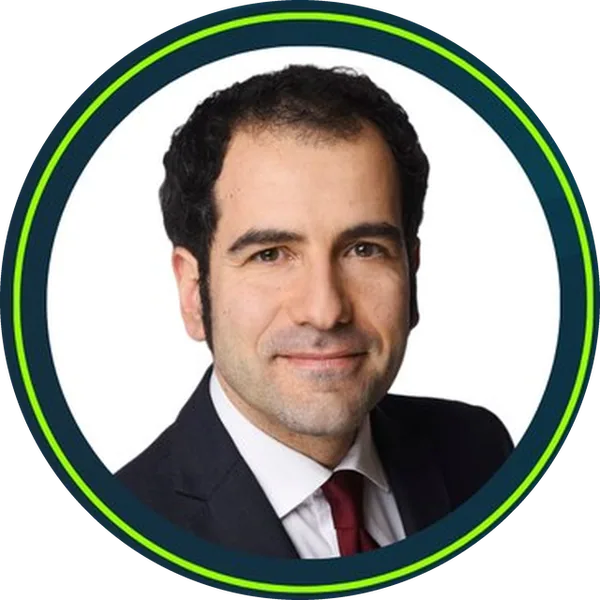
Danilo Raponi
The Group Head of Innovation at Generali joins James Benham at InsurTech Insights London 2026 to dissect what large insurers consistently misunderstand about innovation, from a blockchain consortium that collapsed in plain sight to the discovery frameworks that surface real problems, and why humanoid robots are a five-year industry reckoning, not a twenty-year one.
The full episode
The whole conversation, recorded live at InsurTech Insights London 2026. Blockchain post-mortems, the three questions that surface a real problem, and why robotics is a five-year reckoning.

The Failure Pattern Nobody Talks About
Insurance innovation conferences run on a predictable cycle: major announcements, press releases, consortium formations, then silence. Raponi calls this the "Keyser Söze pattern": innovation projects that vanish without a post-mortem, without acknowledgment, without a lesson shared.
He inherited one firsthand at Generali: a blockchain-based art insurance platform joining forces with a major bank, a stock exchange, and an auction house. The technology premise seemed sound. The problem was everything else: no confirmed client demand, and no explicit alignment on what each partner actually wanted out of the project.
"Start with the problem, not the solution. That is the fundamental rule."
Danilo Raponi, Group Head of Innovation, Generali
When the consortium needed to scale, the diverging objectives (insurance sales expansion, lending volume, transaction fees) surfaced as irreconcilable. The project collapsed. The lesson isn't that blockchain failed. It's that the project never confirmed a real problem existed before building anything.
Insurance Companies Are Not Tech Companies
Carriers attempting to become technology companies dilute their core competency without gaining genuine competitive edge. Insurance firms already face enormous complexity in pricing risk, managing risk transfer, and optimizing float returns: that's a full-time job.
Rather than building internally, Raponi recommends partnering with specialized firms that already excel in a given area. The Florida property market makes the cost of ignoring this concrete: insurers that expanded without fully modeling litigation exposure alongside hurricane risk faced catastrophic losses when claim payouts exceeded every pricing assumption.
His discipline at Generali: fund two experiments thoroughly rather than run one hundred poorly. Focus is the differentiator, a truth that applies at every scale, from early-stage startup to global carrier.
The Magic Wand Question
The primary failure mode in insurance innovation is building solutions before confirming that a real customer problem exists. Insurtechs present impressive demos at conferences, collect polite interest, then return months later seeking six-figure contracts, only to find there was never a real buyer.
Raponi's three-question discovery framework cuts through the noise:
"If you'd wave a magic wand and change one thing, what would you change? That's when you'll actually get truth."
Danilo Raponi
The third question only works after the first two have built rapport: early questions yield polished, defensive answers. Later questions, after the relationship has warmed, reveal genuine struggles. Generali's 15-person innovation team, plus 30 embedded colleagues, runs this framework across geographies: France's pain points differ from the UK's, and that difference matters.
Robotics Is a Five-Year Problem
Beyond large language models (which Raponi characterizes as "now, not the future"), robotics represents the next major disruption. He predicts humanoid robots will become commonplace within five to ten years, not the twenty-to-thirty-year horizon most insurance scenario planners are working with.
The industry underestimates the systemic breadth. Robot-caused injuries create obvious liability questions. But the deeper changes run further: workers' compensation underwriting assumptions, property insurance frameworks, and life and disability coverage models all require fundamental reconsideration when robots become everyday environmental infrastructure.
China's manufacturing investments and Tesla's Optimus program signal that adoption speed will far outpace the industry's planning timelines. Raponi disclosed being an early-stage investor in a serious robotics company, and warns the first significant developments arrive within two years, not ten.
Key Takeaways
Technology-first innovation fails when it skips confirming real problems exist. Build a hypothesis around a genuine pain point before touching a solution.
Two well-funded experiments beat one hundred underfunded ones. The principle that defines startup success applies equally to global carriers.
Multi-party projects collapse when partner objectives diverge during scaling. Surface and resolve misalignment explicitly before any money moves.
Industry planning assumptions underestimate humanoid robot adoption speed by roughly two decades. Systemic business model impacts extend far beyond obvious liability questions.
The full transcript
Transcribed automatically from the episode audio, so some names and terms may be misheard.
James BenhamAnd we are back with another great episode of the InsurTech Geek podcast. I am here live at InsurTech Insights London twenty twenty six, hanging out in one of my favorite cities in the planet with a bunch of awesome people from all over Europe hanging out, talking about insurance, technology, innovation. We're geeking out. I am, of course, James Benham, your InsurTech geek, your host. And with me is the incredible Danilo Raponi. Danielo, how are doing? I'm very well. It's good to be here, James. Yeah. Good to have you here.
I know you've you've been busy at this conference. You've been in sessions. You've been on the exhibit floor. You've been networking. You've been here in this podcast booth for for the the official podcast. So very exciting times. I really appreciate you taking time to speak with me. I love talking about insurance, technology, and innovation. That's the whole theme of this podcast. Fantastic. Right in your wheelhouse. Yeah. Absolutely. So before we talk about that, I wanna talk about you. Alright. So I want you to wind back to when you were a child.
Mhmm. Where were you born and raised?
Danilo RaponiSo I was born in a small town in Central Italy called Cassino. It's actually really halfway between Rome and Naples. I grew up there, and I went then to university in Rome, studied political science, international economics. I I I... At at at the time, then I decided that studying was was was really nice and that that didn't want to start working. So I I I went to do a PhD here actually in The UK at the University of Cambridge in modern history. So nothing really totally unrelated to insurance.
Right? But then what happened is once I was there, I I I I kind of started looking around and seeing that that people were going off doing all sorts of different things regardless of what they had started. And when... And I was looking into finance, know, investment banking or stuff like that. But then one of my best friends, he was like, why don't you look at reinsurance? He said, I was like, what? What's reinsurance? And he said he said something different but with a bit of a profanity, so I'll I'll I'll mild...
I I... I'll say it mildly. Right? He said reinsurance is like investment banking, but with nicer people. If you you can guess what he said. Right? That's true. And so... Okay. So then I just got in touch with Swiss Re, and and the intention was to to... I wanted to stay here in The UK because, you know, same as you. I I really love the city. Yeah. But then for one reason or the other, I said, yeah. You know, you're gonna come come to Zurich. The headquarters are there.
It's okay. So I I I entered the reinsurance without knowing anything about it, started working in Zurich, in Zurich, then I was there for about five five, six years. At some point, I was like, wait a second. I ended up in reinsurance without even wanting to. Let me see if I wanna step back and see whether this was what I really wanna do. So I I quit. I did a couple of entrepreneurial things, a bit of consulting. Then I went to do an MBA as well at Bocconi School of Management in Milan.
And then, you know, I ended up back in reinsurance, but in the competitor in Munich Re. So I was in Munich Re for a while. Then I was doing things where we're actually basically investment banking because I was all on the side of the structured reinsurance transactions in in in the life size of capital management plays, all these exotic things. Making making money on the money. Basically. Right? Stuff that you shouldn't do probably, but yes. No. No. Nothing but nothing so dramatic, but it was it was it was.
Yeah. And what... And then I... But then I I really... I mean, I was always a lot, you know, as as I said before, a lot close to the to the to the tech scene and to the entrepreneurial environment surrounding insurance. So I was like, you know, there's stuff going on, Insurtech. It's it's it's real now. It's it's picking up stuff. So I got closer and closer to to the tech side of insurance, and then and then that's why Generali then said, hey. Why don't you come here?
We wanna do innovation a bit more seriously and, you know, take take charge of that and build up our innovation capabilities department and stuff. And that's how and that's how I ended up there. And now I'm still there. Yeah. Because you... I mean, you got you got involved in ITC, so you're you're an advisory board member for ITC Vegas. Yes. Yes. So you like going to Vegas every year in the fall. I don't quite like Vegas so much.
James BenhamI'm I'm not the biggest Vegas fan. Yeah. Me neither. I'm just... I've gone to Vegas so many hundreds of times Yeah. For conferences
Danilo Raponithat I'm kind of tired of it. Yeah. I I... I mean, I mean, I love The US, but I am more kind of a Yellowstone National Park kind of type and not so much about Las Vegas. I'm more rain to nature than this crazy. You know, you would have loved where I was last week. What way? I was not not too far away from Vegas, but I was in the the
James Benhamkind of Zions National Park in Southern Utah. Cool. I I worked with in the village. Was camping there. So I woke up in the morning, and I could see 200 kilometers of canyons, mountains. Was, you know, went to the Grand Canyon and saw that. I I mean, I went, what's called canyoneering where you actually rappel Ah, yes. I think that was. Rappel down into the canyons. I mean, it was it was incredible. I I agree with you. And and Vegas was so close. And I was like, I'm not going.
This this is this is where I wanna be. This is the life. Yeah. So you... ITC Vegas, you're an advisory board member, MIT Tech Review Italia, which is cool. Yes. You're you're on Mundi Ventures supervisory committee. Mhmm. You are House of Insurtech Switzerland. You... You're currently chairman of the board there. Indeed. Yes. So, I mean, you... You've really gotten involved in the Insurtech community. Yeah. Yeah. Absolutely. No. I think I Yeah. Yeah. In a big official way. Well... Yeah. That's great. Yeah. Yeah. No. I like it because, I mean, I think I think still needs this.
Right? So we've been doing... We've been innovating insurance for a long time, but there is still so much to do. Right? I mean, you know, it's an industry that evolves
Danilo Raponirelatively slowly compared to others maybe. So I see still so many opportunities, so many things that we could do better and differently. Right? And that's why I think involving oneself also with other with other... With people who are trying to do great things. Right? I mean, in the end, ITC, Vegas, regardless of the city, I think they're they're doing a great job. Right? And they're also, you know, obviously expanding to other parts of the world. I think they have ITC, Europe, they have ITC, Japan.
James BenhamYeah. Exactly. Yeah. They're they're doing a lot. Yeah. Yeah. I mean... And I and I look at... I mean, you... You're... Again, I I actually don't have time to read all of your involvement here, but you you got quite involved all all across the all across the board. Mhmm. And you you know, you you even did what I did, actually. You you did some time as a lecturer and adjunct professor. Yeah. Yeah. Yeah. I like that as well, Yes. Actually, you know, the funny thing is I I was an adjunct for five years.
Oh, cool. And it's probably my favorite thing to do is teach. Yeah. I think it's great, right? When you see students wanting to know more and more and being really active. What's nice about being an adjunct is you don't have to deal with the politics. That's right. Academia. Yes. There's a lot of politics in academia. I'm I'm currently chairman of the board of a university. Oh, cool. And it is... There's a lot of politics in universities. So mean, you spent time at... I mean, you... Like like you said, I mean, you spent time at Swiss Re.
You spent time at Munich Re, and then you go to to Generali in in in three different roles there. So Yes. I I I appreciate your background. I appreciate the diversity of the background. What... First off, I have an... Maybe a slightly interesting question for you since you're involved in all these areas. Yes. Define Insurtech for me. That's
Danilo Raponia good one. For me, Insurtech is everything we do to ensuring that insurance remains relevant in the future. Right? That the that the industry can renew itself and can be there for what customers want and need rather than for what we think are the best products. Right? Yeah. So in other words, it's not just about software. It's really all about the It's about the innovation. Yeah. It's about the insurance itself. Right? Yeah. It's it's about it's about innovating the core products as well. Yeah. Absolutely. And, obviously, we need And how they're distributed.
And that... I mean, the distribution is the big thing of insurance, obviously. Right? If you get distribution right, you're gonna Everything. Make a billion dollars. Right? So it's everything. Right? And and and and, yes, it's software everywhere. It's tech all the time, but these are always means to ends which are different. Right? Yeah. If you if you do... I think if you define it by technology,
James Benhamall insurance companies now could almost be considered Insurtechs because, you Yeah. You know, so many of them, even upstart digital MGAs are using the same systems that the large traditional players are using. So it's Yeah. Yes. You know, it's it's it's, you know, six one, half dozen in the other. Right? Like, on each hand. Yeah. I I I appreciate that your definition of InsurTech really... You you... May... Maybe we should redefine it Insurovation. You know? Something like... Yeah. Yeah. Yeah. Yeah. It's it's... The cat's out of the bag.
It's too late. We're gonna keep calling it InsurTech. Yeah. Sure. But, you know, by very definition of the word technology, though, technology does not imply electronics.
Danilo RaponiNo. No. No. Yeah. Yeah. You know, the the wheel is technology. Yeah. Exactly. And and and then it's not... And I don't wanna downplay the tech at all. The tech is fundamental, but but it's It's a delivery tool. Yeah. Yeah. Yeah. Yeah. And in fact, I think sometimes because the tech is so important, we should leave it to the professionals. Right? Sometimes, I think the the... What insurance companies tend to do too much of themselves is to become almost tech companies, although they're never gonna make it.
Right? So in order to build, build, build inside, whereas there's people out there doing great things, and you can just partner with them. Right? There are. And Yeah. And if you try to build it all yourself, you're gonna have a hard time getting everything done. Yeah. Because it's not the business model. Right? We are here in the business of insurance. Right? We're not we're not programmers. Right? Yeah. Yeah. Yeah. If you're a third party administrator,
James Benhamyou need to be very, very good Yeah. At claims and policy administration. Absolutely. If you're a a carrier, you have to be really good at off laying risk Yes. And calculating
Danilo Raponithe cost of risk Absolutely. Yes. And then investing the the the money that you hold. Right? I mean, like, these are the things you have to be amazing at. And that's a big difficult job to do. Right? So you don't need to add other things to that. Right? I think it's important, as I always say, to start ups, the most important thing is to focus. Do one thing, do it properly, do it well. Same still applies to large corporates, right, to us to to an extent.
Yeah. I was asked what my number one... Because I've been running my own company for twenty five years as a bootstrapped entrepreneur, so I never raised money. I just had to use my own money. And and I was asked what my number one and my guidance was for entrepreneurs, and it says focus. Yeah. Well, it's Do... And and I said the definition of focus is doing less better. Yeah. Exactly. It is. It is. It is. I I was I was in a panel this morning, and and then they asked me, you know, what...
What's what's one of the things we could change to make, for example, the innovation labs that insurance companies have more successful. That's what I said. I said, instead of doing 100 things and trying out stuff that doesn't make sense, just pick your bets, two things, do them properly, put money, people there, and then just see how it goes. Yeah. Yeah. It gets your... And and that's why, like, I...
James BenhamThe the more I've focused in my business, the better we've done. You can imagine. Yeah. You know? And I think that that goes for insurance companies too. You you see some of them blow up because they expand lines of business and geographies too fast. Yeah. Yeah. Exactly. And then they they lose sight of their their combined ratios. Yeah. Yes. Yes. Or their administrative cost balloon. Yeah. Yeah. Or they improperly price the risk. That's... I saw that happen in the Florida markets. Mhmm. A lot of the the markets in Florida improperly priced their property risk.
Yeah. And they didn't account for two things, hurricanes and lawyers. Wow. The the the latter being the most The latter actually being the one that really blew the market up. That's crazy. So it was... It's it's been really interesting to to to be around long enough to watch
Danilo Raponiinsurance companies go out of business. Yeah. It has happened over It actually happens. For these reasons. Right? It actually happens. Scrounging out too fast without thinking properly about what you're doing. Yeah. Yeah. Or without doing proper research on rates. Yeah. Yeah. Also. Moving moving into a new market area and assuming that your old rates will work Newly, they're on new market. It's it's almost like setting up another company. Yes. I mean, you know, yes, we have the brand and and stuff, but, know, it's different different people, different
James Benhamcircumstances you're dealing with. Yeah. So it's a big Quite quite challenging, isn't it? Yeah. Yeah. Yeah. Absolutely. So, you're here speaking about preparing for the next frontier in insurance tech. You're also, speaking about lessons learned from failed innovation experiments. So I'd love to hear... I mean, I think humans all love hearing a failure story. Most people at events like this will only talk about their successes. Most humans in general would kind of gloss over the failures. We just stop talking about things. Yeah. Yes. Exactly. It's like you'll hear you'll hear you'll hear big announcements Yes.
And then all of a sudden Nothing. Yes. Do you remember the movie, with, Kevin Spacey where it was Kaiser Soze, the the usual suspects? Yes. Yes. Yes. Yes. Exactly.
Danilo RaponiExactly. Kaiser said Just put up in smoke.
James BenhamSmoke. Yeah. And I feel like that's what happens with innovation efforts that don't go well Yes. Is I think they go up in smoke. We pretend they never happened, and we never talk about them again. Exactly. So I wanna talk about it. So tell me tell me where innovation you thought it would work and it didn't. And you... Give me give me... Either give me some examples or talk... Give me some ideas on this. Yeah. Sure. No. I think I think there's a couple of of examples of of
Danilo Raponithings that didn't turn out as as expected. I mean, one, it was... For example, when I when I joined Generali, there was a large innovation project that that dealt with blockchain in in art, art insurance. And and it it started very well because it was a consortium of of of different players, a large bank, a stock exchange, an auction house. Right? But then in the end, there again was one of these cases in which people, they got excited about the technology. So they're like, oh, with blockchain, now we can we can monitor all the the the transactions happening around the world.
And, you know, our transactions are not very transparent. Right? So, you know, blockchain enables us to do, you know, encrypted transaction of all of all the the tran... The the the the hard dealings happening around the world, and we can track them, we can insure them, we can fund them, we can... Whatever. But then first problem, is this really what clients are looking for? Who are the clients of of these? And second, biggest problem which made everything blew up, misalignment between the partners. So, know, the the insurance company was just looking to sell more art insurance.
The the bank was looking to do some some lending. The the auction house was looking to do more. So everybody had had completely different objectives, which weren't discussed in the grid before. So when it came to setting up the company and funding it, yes, the first round was... Went through just because they wanted to to see it done. But one... Once once it came to actually then scaling it and and building into something proper, then people started, like, fighting and and and and then it just Fighting over what?
Over what the company should actually have been doing. Right? So they... As I said, they were completely different objectives. So they were fixated on the technology and not the actual business in love with the technology, but the business plan wasn't there. Right? They were not even the clients. We even know who the prospective clients were. Right? Who's gonna actually use this? You know what I call that? Well, this... Shiny object syndrome. Yeah. Yeah. SOS. Yeah. Yeah. That happens a lot. Right? Yeah. Yeah. Yeah. Yeah. That happens to me when I go in Best Buy.
Do you know what Best Buy is? Yes. Yes. Electronic store? Yeah. Yeah. We can buy your iPhone. Do you have that here? No. No. No. But I know why, you know, when I've seen... Yeah. So Yeah. That happens to me when I go to Best Buy. I'm like, oh, I've gotta have this and this and this and this. I need everything. Yeah. And I go home and I'm like, crap. Yeah. I don't need half of this stuff. Yeah. Exactly. Which is why I joined Best Buy Total.
Sixty day return policy. Oh, 100 Then I just bring it back. I'm like, I don't need this. I don't need this. Yeah. Yeah. And like, I feel like, what I I did... So before this podcast, I had another podcast
James Benhamon construction tech, because I owned a construction tech company, and I sold that in 2018. Mhmm. But we talked about blockchain a lot. Yeah. Okay. And, look, I'm not a crypto guy. I own some crypto, but I'm not a crypto guy. Like, I own I own a tiny itty bitty little itty bitty baby bit of crypto, and then I sell it. And then I'll buy a little bit, and I sell it. Yeah. Yeah. Yeah. And I never like it. Yeah. I never enjoy it. Yeah. But crypto is is obviously...
Blockchain's a key underlying technology. Sure. It kind of cracks me up that people thought that a lot of, illegal business would go on on crypto because it's also transparent on the blockchain. I'm like, no. Yeah. It's like... It's actually terrible to me. It can't really be. Yes. Yeah. It's terrible because they've they've discovered all kinds of terrible things, you know, because they just look in the blockchain and they'll let you... It's just the open ledger. You can see everything going on. Yeah. Yeah. And then, obviously, like, when NFTs came out Mhmm.
There was a lot of conversation around art insurance with NFTs. Yeah. That's That you would have an NFT that was a digital representation, that it would serve serve as an immutable ledger of art and its providence Mhmm. And that the NFT would be a digital representation. The NFT market blew up in a big way, and then it crashed completely. Worthless. They're all worthless. Yeah. Because we all knew they'd be worthless. Of course. Because you're gonna buy what? An NFT of an image that you can just screenshot?
Like, it made no sense. Really total. Yeah. It made no sense. Yeah. Yeah. But, like, I I think that this was one of those cases where a lot of us got fixated on how cool the tech was. Yeah. Yes. And then, you know, we're like, oh, wait. We can build a website with a secure database and accomplish the same thing. Yes. And then the the reality is that the people who were buying the the the premium or paying the premium didn't care. Yes. Yes. Yes. Right?
Yeah. Absolutely. Yeah. That's true. So we're all sitting here, like, just mentally, you know Fabricating. Fabricating demand.
Danilo RaponiYeah. Exactly. That's that's that's that's an issue. When demand is not there, then So what's the top lesson from that case then? Well, the top lesson from that is don't think about the object. Think about the problem. Right? Always. So start with the problem. Mean, this is lean start up. Start with the problem, not with the solution. Right? And and this is the fundamental rule of entrepreneurship entrepreneurship. But I I tell you, I keep seeing it over and over again. Right? It's it's part of, obviously, large companies being very good at doing what they do.
No? So sometimes they they they model something new. They come up with a new product. They they do something that they... On paper looks great. Right? But then when you go to customers and you're like, oh, look at this. I've got this great new shiny object. They're like, yeah. Sure. It looks great. But, actually, I need something else. I need that. You know? And then you're like, oh, what? I didn't know. I don't know. You know? You So need to you need to start... You need to have a constant dialogue with your customers.
You need to understand what they are doing, and the world is changing. People are... Habits are changing and stuff. Right? This is this is also changing the industry in our world. Demographic change,
James Benhampopulation decline, you know, we're gonna have more and more Serious population decline. Yeah. We have a major population decline Much faster than the UN rates we're expecting. Right? Yeah. Much faster. Well, you know, the whole world, the man who was largely responsible for our false belief that we were gonna overpopulate the planet Mhmm. Died yesterday. Oh, yeah. Who was he? He wrote the book called the population bomb. Uh-huh. And he fearmongered the whole world. Yeah. And he suggested policies in the seventies and sixties like the one child per family policy Yeah.
Crazy. Which was disastrous for the Chinese. Yeah. Absolutely. Yes. Of course, the Chinese have reversed course on that now. Yeah. But it's not Too late. It's too late. It's too late. It's too Do you know do you know there's conspiracy theories that the Chinese actually have half the population that they publicly Wow. That they publicly say they have? Anyway
Danilo RaponiNo. But, I mean, the word, if you if you... If if if the the the decline continues as it is right now as we are speaking, in seventy five years Half. South Korea will be extinct. Seventy five years. And Japan. Yeah. Italy will have 20,000,000 people, and now we are 60,000,000. I mean, this is dramatic change. A dramatic change. Yeah. It's gonna... You know, imagine the implications on everything, real estate and Yeah. Well, real estate becomes world. Right? Devalued heavily. Yeah. I guess some centers are gonna be the only hotspots where this remaining
James Benhamhandful of people we wanna be, so there, they're gonna be fine. But every... Everybody... Everything else is gonna be Maybe homes will maybe homes will be affordable enough that people will start having children again. Maybe some people are thinking, oh, finally, I can buy a home. I know. Can have children. Yeah. Then maybe we start again. Yeah. Yeah. It's true, actually. It's a it's wild cycle. Yeah. It's a weird thing thinking really impact insurance markets. Yeah. For sure. So I think the lesson for me is is always if you have an hour to solve a problem, spend fifty five minutes studying the problem The problem.
Absolutely. And five minutes studying the solution. You know, solutioning now is fairly easy. Yeah. Exactly. You can you can vibe code, for example. Yeah. All of us are doing it. Yeah. Sure. Yeah. What I like about vibe coding, it's not necessarily great for lies at... Live enterprise grade products. Right? Not sure. Because if you have something that's in flight running policies and claims Yeah. You cannot just tell Claude to go build site. You Awesome. You have to quality control this. Yeah. Absolutely. So you gotta tightly control new code that you introduce to that environment.
Yeah. Yeah. No. That's impossible. You can do some rebuild work. Can you can you can vibe code components, and then you have to you have to hand assemble it on, you know, to the object. Be be careful. But but you have to be very careful Yes. Because you could really screw up premium calculations. You could screw up claim payments. Yeah. Yeah. But I I think what's wonderful is that... Well, first, you have to, know how to ask questions Mhmm. To find the pain. Yes. And I think this is the step that almost everybody in insurance misses is they don't know how to ask questions.
Yeah. Yeah. This is another big thing. So what they... What I've seen Insurtechs do, well, companies that call themselves Insurtechs. I've been a technology company in insurance for twenty five years. So let's let's let's just say You've called yourself Insurtech. Yeah. Yeah. I'd... I've never called myself an Insurtech. And then it... Then the phrase came around, and I was like, okay. Well, I'm an insurgeist. Guess one. I guess I am one. So what what they what they do is they build something Uh-huh. And then they go to guys like you, heads of innovation at at big insurance companies.
Mhmm. And they say, here. Look at what I built. Yes. All the time. Yeah. If if I finish this, will you buy it? Yeah. All the time. I mean, right now, the hero Yeah. No. Probably 50 of these. Right? Yeah. Exactly. Yeah. You get invited to all the dinners, all the receptions, and they show they show you the thing. They say, look. Look here. This is what I built. Will you buy it? Then, and you say, okay. Well, maybe. Mhmm. Or if you're polite, you say, yes.
That looks like something we'd be interested in. And they go, great. Okay. So they run off for a few months. And they build the thing. They go build it, and they come back, and they say, okay. We want a $100,000 a year. And you go, well, good luck at that. Actually, yeah. Actually, I I don't have budget for that, so I'll see you later. Yeah. And it's because they're not asking the right questions. Yeah. That's right. They're not even asking the questions at all sometimes. No.
They're just asking if you like what they built. Yeah. Exactly. And so I think this... The the first step is learning how to ask questions as an innovator, and this this goes for you too as head of innovation. Yeah. Sure. If you're the head of innovation and you just take the latest shiny... If you catch three shiny tools Yeah. Yeah. And you go shopping around inside your company and say, if I buy this, will you use it? They're just gonna be polite to you. They'll lie to you.
Yes. They'll tell you what you wanna hear. Yes. And then if you buy it, they'll never use it. They're gonna... This is gonna disappear. Like, it's like the failures you mentioned earlier. At some point, you never see these things again. Yes. Yes. Yes. Yes. And then you'll and then you'll terminate the license a year later because Yeah. For under... For no... For non utilization. There's nobody's using it. Yeah. There's nobody's using it. Yeah. And this happens over and over and over again at every insurance company on the All the time.
And so that's because we're not doing the most important thing, and it's the the... And I read a really great book on this. Mhmm. And it's called the magic wand question. Oh. Mhmm. And and then this has to be the third question you asked, by the way. I see. The first question is, what do you do? Mhmm. The second question is, what's the most challenging part of your day? Mhmm. The third question is the most important question after you warm them up. Yeah. And that is if you'd wave a magic wand Mhmm.
And change one thing, what would you change? That's a good one. Then you get a good insight of what the person is actually struggling. You warm them up on the first two questions of what do you do every day Yeah. And what's the what... What's the challenging parts of your day Yeah. And then you ask them the magic wand question. Yes. That's when you'll actually get truth. Yeah. That's a good one. Mhmm. Then you say, okay. Now I know what their top pain point is. Mhmm.
Now I'm gonna go solution to and see if I can find a solution. Yeah. Yeah. So I think, like, that's something that we've gotta get so much that your group has to probably be the best at. Right?
Danilo RaponiYeah. I mean, we... Know? Is asking the right questions? Yeah. It... It's it's it's essential. Right? I mean, you know, we... You know, with our with our internal stakeholders, especially in a group that is so large and varied and multinational, like, generally, we cannot assume that everybody has the same problems and the same needs. Right? So if you go and speak, for example, with our colleagues of retail, P and C, Generali, France, they're gonna have a totally different issue that's causing sleepless nights compared to our colleagues here in Generali UK who do corporate business and specialize in parametrics, for example.
Right? So so you've got to be very disciplined. First of all, again, focus so we cannot obviously solve every problem of everybody all the time. So we're gonna have an overview, kind of a... We have actually a portfolio of problems of the of the the... Our colleagues, and then we we analyze them one by one, and we also match them a little bit with what are the priorities of the company, obviously, in the strategy of the company and see where we can focus and where we can find solutions.
And within those, okay, is this a a common problem also outside general? Or is it unique? Yeah. Exactly. If so, if it's unique, maybe we should think about solving it ourselves, building something ourselves. It's a common one that I'm sure there is someone out there already already offering a solution that we may want to think about adopting. Right? And then and then we start looking at solutions and who's out there, who's offering what. Right? And then it becomes more interesting because it's more Have you had success with that?
Yeah. Yeah. Yeah. To add... You know, one of the things you mentioned earlier, it's the house of Intrutech that we have in Switzerland. That's basically what we do there. Right? So we really... It's a group of people who who have interesting backgrounds. Some of them are entrepreneurs, some of them more insurance people, some of them developers. They they really do with us the scanning of the issues, and then once we we we look at the issue in detail, they are... They they do the scouting, and they connect also with our with our VC
James BenhamVC initiatives. So via... At the VC, we work with. We do have a fund of funds. You know, we have a great deal flow of companies. Yeah. Yeah. Yeah. Yes. Who's the v... Do you have you have a... You have an outside VC or did y'all form a fund? No. We have... So we're generally House Venture Tech? No. No. Well, so House of Insurtech is the is the the innovation lab. It's the innovation lab, but that's do the But that's not a fund. No. It's not a fund.
We have Generali Ventures, which is a fund of funds. Your fund Yes. Of funds. Exactly. We Then you invest in other VCs Yes. That are funding the Insurtechs. Yes. Exactly. For example, we have one of our GPs is Moody Ventures,
Danilo Raponia large, you know, VC fund that only does interest equity in New York. And you're the board of that. Right? One. Yes. Another one is proven. It's been off of Prudential US. Right? So they are great because they do it... From them, we get incredible intelligence about what What's coming up. What's coming about, what they think the world is gonna look like, and
James Benhamcrazy deal flow. Right? Okay. Know? Yeah. I'm an LP in four four VC funds. Cool. So full disclosure. Yes. I'm a bootstrapped entrepreneur, but I took the money I made on my business. I invested in four VC funds. Yeah. I've been in those funds for five years now. Oh, okay. So I've started to see some fund maturity. Oh, good. Some... And so I'm curious. Mhmm. How's your rate of return?
Danilo RaponiWell, we started in 2021. Same time I started investing. Started in 2021. In 2022. I think overall... So we have about now eight GPs. So we're in eight. So we're, you know, LPs to eight funds. I think overall, we are above one, but with variations. Obviously, know, you can't speak about individual funds now. What does yours look like? Similar? Yeah. We have... We're... It's it's just...
James BenhamThe maturity is just getting enough Yeah. That I'm starting to see material markups. Okay. Good. But it At four at four years in, that's what that's Yeah. That's with the the the vintage was, like, 2021,
Danilo Raponi2022 on those fonts. Yeah. Yeah. Yeah. And so the wine is just starting to get good enough Mhmm. To take out of the bottle. Which is which is normal. Right? I mean, you have these VC cycles. It's like... It's five to eight Yes. Yeah. Yeah. The first two or three years, you're gonna see you're gonna you're gonna see that it's going down. You're gonna see bankrupts and stuff. And then Yeah. And then it's gonna slowly picks up. Right? After five Yeah. But more six, seven years, that's when you should see the return.
Has Generali started
James Benhamusing any technology from any of the the
Danilo RaponiGPs that you've become an LPN? Yeah. A couple. Yeah. So I I assume... Yes. Not not not as many as I was expecting, to be honest, but but definitely a couple. We had a couple of cases. But it was always... You know, that... That's the thing. Right? We get a lot of a lot of things being pushed at us. Again, as we said before, and then it's difficult that we find the match when it comes from the business and say, hey. They raise their hands and they say, hey.
We have a problem here. We'd like to look at something helping us with this and that. Then we call the VCs and they say, ah, yes. There is an interesting company here. And then and then usually the match the match works well. Yeah. So do you
James Benhamdo you have staff... Like, how big is your team on your innovation team Yeah. At general? It's... The the the one at the head office,
Danilo Raponiit's about 15 people. And you're the head of that? Yeah. Including the house of IntroTech, but then we have innovation colleagues
James Benhamin the BU as well. Yes. Yes. So 15 plus the Plus another, I don't know, 30 or four or something like Yeah. And do you get all 45
Danilo Raponiof them together? Yeah. Yeah. Usually, we have we have an innovation gathering. We had the last one in Paris, which was very good because there we discuss, you know, what what are we seeing, what are the main issues, what... We we invite some some some VCs to speak, some entrepreneurs to speak, and stuff. Does your CEO come to us? Not the CEO. No. No. No. The CEO doesn't come. But but we had... But the the... When we did in Paris, the CEO of Generali France came.
He's a he's a very strong support of innovation. Excellent. Fantastic manager. Yeah. Because I've I've seen that Yeah. Because of the... Just the number of insurance companies that we develop solutions for,
James Benhamwe move solutions into on a on a off... You know, from our product lines. Like, it's the most successful implementations have the chief Yes. Saying, we're doing this. Yeah. Yeah. Yeah. Yeah. And the least successful ones have an indifferent,
Danilo Raponiyou know... The... It's rare that the CEO... If the CEO says we're not doing it, it never anyway. Then it doesn't... Yeah. Exactly. Yeah. So the the way they kill it, they... I call it quiet killing. Right? Yeah. Yeah. No. No. No. That's... No. This is this is good in general. You know, we have we have supporting management that understands the import... The importance of innovation. That's why that's why we are there. Right? That's why also we are developing a lot of, you know, solutions that that wouldn't happen otherwise without top management sponsorship.
So so of your 15 people,
James Benhamis someone in charge of vetting all of this inbound? So I'm guessing Yeah. Yeah. Yeah. When when all these tech and innovation companies contact Generali, they direct them to you. Right? Yeah. Exactly. And then I have to And they they say, call Danilo. Yes. Right? Yes. Exactly. Then you give it to
Danilo RaponiYes. The one... To to George, who's in my George. Yes. So George is your filter. Yes. Yes. He's he's the And he does the demos. He does the evaluation.
James BenhamAnd then you compare that against the problem statements Mhmm. That you're getting from your counsel. Exactly. So the heads of innovation at the business units are responsible for understanding the problems. Exactly. Then they're responsible for bringing those to you. Mhmm. And then George is responsible for playing matchmaker with the known problems and the solutions that are being presented.
Danilo RaponiAnd if you do all... I mean, the the way you described it is is really the the the perfect case scenario. If we do all these things correctly, then it actually works out. Right? I think where it's important that you do the filtering well, almost brutally. Right? Because otherwise, you get too many things. Right? So you... The the more you understand the problem, the easier it is actually to to filter out the noise. Right? Yeah. You just say No. The You say no even without hearing the pitch.
Right? Because you already understand from the website what I'm gonna do. You say looks interesting
James BenhamBut it's not this is not our top problem. Exactly. You know, and what's interesting, I'm in Texas, so that's where Elon lives. Mhmm. The Elon. He's he's incredible. You wanna talk about an innovator? One of the things that impresses me about him and that he is well known for doing is that each day he picks one of his companies, and he steps in and he solves the most important problem that day, personally.
Danilo RaponiYeah. That's, that's unusual,
James Benhamto say the least. Right? But that focus Yeah. Yeah. Yeah. On problem solving Yeah. He's the... He helps be... He has brilliant engineers below him. Yes. Brilliant mathematicians, brilliant physicists, brilliant coders.
Danilo RaponiYeah. But he steps in and says, what's the top problem? And he helps fix it. And it's also about decision making because, obviously, then he can just decide, right, without all the politics and all the heavy things.
James BenhamHis board his board has given him carte blanche. Yeah. Exactly. So he there's no stealing committees or whatever the division is called. Do you feel like that can be a a recipe for a successful formula for a innovation group? Having someone who comes in and decides Maybe you. Maybe you. Yeah. I mean, some I mean, some some of it can be done. Right? But, obviously, you know, in a... Hey. Yes. In a more traditional companies, right, not the ones of of of Elon Musk, it's very difficult.
Right? Yeah. Because you you don't have the mandate. Yeah. No. Exactly. Because you have a you have a business unit CEO. Yeah. Exactly. And then you have their desires for the company, so you have sell them on why they should change that. Right? Yeah. Yeah. And and the You can't just step in and say, I'm gonna solve that problem. Nobody can nobody can do that, really. Nobody. Nobody. And and and to an extent Nobody except
Danilo Raponiexcept the founder entrepreneur. Right? Exactly. Exactly. So as soon as you are a a publicly traded company and in a regulated industry like insurance as well, you know, it is... It just all changes. It just doesn't work. No. Yeah.
James BenhamSo, I wanna finish with with a couple things. First thing is what's... What are you excited about in the future? I know what my answer is, but I want your answer on what you're excited about future wise looking... Not the stuff we have now. Yeah. Large language models are now. That's not future. Yeah. What what are you excited about looking forward? I'm I'm excited about something which I think actually is coming sooner than than we expect. So tell me if this is already here, but but it's almost there.
I think robotics.
Danilo RaponiRobotics is... It's gonna be... It's already a little bit here, but it's gonna be massive already in five years. People think about robotic as in twenty, thirty years. But I think in five, ten years, we're gonna have metallic friends working around and helping us doing stuff, which we don't wanna do. So that's why. The coming is imminent. Yeah. Yeah. And and if you look at China, I mean, if you go to China, I mean, it's crazy what they're doing there with that. Yeah. It's Yeah. Well, if you if you go to Tesla's manufacturing
James Benhamfactories, they Yeah. They've automated Yeah. Most of the tasks. Yeah. Yeah. But he he has Optimus robots. Yeah. Exactly. It's kind You of know, full disclosure, I'm an early stage investor in a a pretty serious robotics company. And so Yeah. I can tell you that there are some amazing things. There's amazing things happening in the next two years. Two years even. See, and we are underestimating their impact, one, in general. And as an insurance industry, we are really
Danilo Raponinot doing enough to understand what's gonna be the impacts, not only in the liability, which is the most obvious thing of these robots running around and doing things, but in just how are they gonna change Yeah. Everything. Yeah. My
James Benhammy last question has nothing to do with insurance. Good. Tell me your favorite Italian car brand, and money is irrelevant. My favorite Italian car brand is actually Alfa Romeo. Really? Yes. If you had any checkbook, you'd get an Alfa Romeo. I'd get a Ferrari, of course. Okay. There we go. Thank you. Thank you. Any checkbook,
Danilo Raponiyou're getting a Ferrari. I'll get a Ferrari. You too? Oh, yeah. The 296.
James BenhamYeah. '2 2 '96 GTB. Awesome. I'm curious to see actually the the electric one, which is coming out with 2,000 PS or something crazy. Oh, it's insane. Yeah. It's gonna be crazy. Yeah. Yeah. Yeah. It's it's wild. Alright. Well, look. Thank you. Really appreciate your time. Thanks for being on the podcast. Thank you, James. Thank you. Great to be here. Yeah. Absolutely. And thank you for our listeners for tuning in. From Insurtech Insights London, 2026, I appreciate you. Danila Raponi, thank you for joining. And to our listeners, thanks for tuning in to Geek Out, our interview with Danila Raponi from Generali.
Enjoy the ride. Geek Out. See you next time.