 YouTube
 Spotify
 Amazon
 iHeart
 Apple
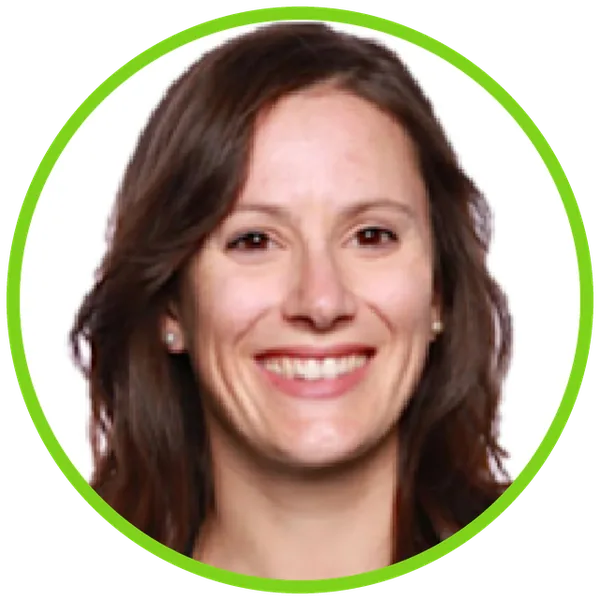
Juliette Murphy
Juliette Murphy, CEO & Co-Founder of FloodMapp, dicusses her personal experience with two major floods and how they inspired her to make a difference and start FloodMapp, which focuses on Predictive mapping before a flood and hazard mapping to help underwriters determine risk.
The full episode
The whole conversation, straight from the show feed.

INTRO
On episode 20 of the InsurTech Geek Podcast, talking about Predictive, Rapid Flood Modeling & Hazard Mapping with Juliette Murphy of FloodMapp.
The InsureTechGeek Podcast powered by JBKnowledge is all about technology that is transforming and disrupting the insurance world. We will be interviewing guests and doing deep dives into specific technologies we see changing the industry. We are taking you on a journey through insurance tech. So, enjoy the ride and geek out!
INTERVIEW
JAMES: Oh, another day, another week. Now for us, as we record this, it is currently Friday. I think for Juliette, I think you are across the dateline, I believe it is Saturday for you. Is that correct?
JULIETTE: It is. It is Saturday morning here, 6:30 AM. So, it is a beautiful day in Australia.
JAMES: Nice. I am super thankful for you waking up so early and for coming on a weekend, and although if you are an Aussie, you are used to this very strange Tuesday through Saturday workweek that you end up having because of the international dateline. But it is really good to have you on the show from Queensland. I believe you are in Queensland, correct?
JULIETTE: Thank you so much for having me.
JAMES: And also, here, of course, the most interesting man in insurance, the illustrious Rob Galbraith Rob, how is it going today?
ROB: I am great James. Yeah, great to have you on, and of course, Juliette, great to see you again. So yeah, we are just talking a little bit off air right before we started. Juliette and I have known each other for a few years, and we had to see each other when I was in Sydney for the Anza InsureTech Conference in late February before this pandemic Corona Virus thing happened. Yeah so crazy times. So, it is great to catch up and I am so glad that we can do this virtually Juliette. Good to have you on.
Connect with Juliette Murphy
The full transcript
Transcribed automatically from the episode audio, so some names and terms may be misheard.
James BenhamOn episode 20 of the InsurTech Geek podcast, talking about predictive rapid flood modeling and hazard mapping with Juliette Murphy of FloodMapp. InsurTech Geek podcast powered by JBKnowledge is all about technology that's transforming and disrupting the insurance world. We'll be interviewing guests and doing deep dives into specific technologies we see changing the industry. We're taking on a journey through insurance tech. So enjoy the ride and geek out. Oh, another day. Another week. Now for us, it's as we record this, it's currently Friday. I think for Juliet, I think you're across the date line.
I believe it's Saturday for you. Is that correct? It is. It's Saturday morning here at 06:30AM.
Juliette MurphySo it's a beautiful day in Australia.
James BenhamNice. I'm I'm super thankful for you waking up so early and for coming on a weekend. Although, if you're an Aussie, you're used to this very strange Tuesday through Saturday work week that you end up having because of the international dateline. But it's really good to have you on the show from Queensland. I believe you're in Queensland. Correct? Thank you so much for having me. And also here, of course, the most interesting man in the illustrious Rob Galbraith. Rob, how's it going today? Oh, great, James.
And yeah. Great to have you on. Of course, Julia. Great to see you again. So We were just talking a little bit off air right before we started. Actually so Julia and I have known each other for a few years, and we,
Rob Galbraithgot to see each other when I was in Sydney for the ANZIF and Sure Tech conference in late February before this pandemic
Juliette Murphycoronavirus thing happened. Yeah. So crazy time. So it's great to catch up and so glad that we can do this virtually, Julia. Great to have you on. Yes. Thanks so much, Rob. Yeah. Was thinking it's it's great to see you. I haven't seen you since before COVID. So it feels like it's, yeah, great to catch up in this new different world and see that you're still doing okay and and getting through everything. It's a
James Benhamstrange new world we find ourselves in. Yep. So we're gonna avoid a few phrases today. Oh. We're gonna avoid new normal. I don't wanna hear that one. Okay. We're gonna we're gonna avoid we're gonna avoid extraordinary times. We're gonna avoid that one. We're we're gonna so I I have a few phrases. We just wanna avoid them. Tired of hearing them. But and you you haven't said any them. You haven't triggered me yet. So it's all good. Right. It's like reverse bingo. I'm kinda feeling nervous. I'm gonna I'm gonna say it and like Yeah.
And I'm gonna be like And I'm pretty competitive too. So I want the points. Like, how many points do we get deducted in each one of us? Yeah. Five points for each major buzz phrase that you repeat. You know? No. It is what it is. You know, like this this thing is look, we're we're we're gonna talk about tech. Right? Today is about tech, and and we're gonna have a fun time geeking out. I I'm I'm excited to have you on because this is a major issue.
Flooding's a really big deal all over the world. Whether you believe well, I hope you believe the climate's changing because that's pretty pretty evident that the that the climate has always changed. Ever since the creation of the planet Earth, the climate has changed. So if you don't believe the climate changes, then you're in complete denial of the history of the of of the planet. It's always it's always the causes of that climate change that are that are contested, not the fact that it's changing. But the the consequence has always been that places that used to not flood start flooding, and places that used to flood stop flooding, and water is not where we want it because it moves.
Humanity has an I'm I'm a I'm a history nut, Juliet, and I really am. And, you know, history has a way of repeating itself. Human beings have a have a have a historical pattern of following water wherever it goes. In fact, if you wind back to ancient India, like the very beginnings of India, you know, it's just a such a fascinating study. It all developed around the river systems, and then as the rivers went, so did society. So so water is this really deep fundamental thing to human beings, and and you've built a company around water, And I think it's a it's a really worthy topic.
Before we get into that, I wanna know a little more about you because there's obviously insurance as a people business, very, very deep relationships across this industry. And so I wanna hear how somebody from Queensland has worked their way into being CEO and cofounder of an Insurtech company. Walk me through. Where'd you grow up? Was it Wagga Wagga? Or was it I I have a friend in Wagga Wagga. Not kidding. Amazing. I have a friend who lives in Wagga Wagga. And then I have another friend from Davao, and we jokingly call it Davo Davao, which makes him very upset.
So he does not like being called Davo Davao. But beside the point, where were you born and raised? What did you think when you were a kid? What did you think you wanted to go do? And then what got you here? Oh my gosh. Wow. Love it. Okay. So, yeah. I was born in Brisbane, Southeast Queensland.
Juliette MurphyBut sort of shortly after that, my parents moved to regional South East Queensland. So I grew up in this really small town named Boona. And yeah, I used to have fled a lot there actually, like in the wet season, sometimes like when I was a kid, I'd be watching the school bus to come pick me up and you'd see it get to like water over the road and then turn around and go back to town. We were just like, yes, like day off school, this is the best.
So I'd always been a bit fascinated by climate, weather, thunderstorms, you know, flooding. But yeah, I kind of also spent some time in, by the time I was in high school, was living in Northern New South Wales near Byron Bay, did a lot of surfing. So always just been interested in like waves and like the coastal engineering piece as well. And yeah, when, what did I think I wanted to do when I grew up? A range of things. Like I think, I don't know, my mum was always really into gardening at one stage.
I thought I wanted to be like, you know, work in a nursery and like plant trees. And then by the time I was 16, I went skiing and I was convinced, like I was like, I found it. I know what I'm gonna do with my life. I am gonna be a ski instructor. And I think, you know, I did a bit more research about it and people were like, yeah, it sounds fun. But I don't know if that's like a really good career choice. I was like, wow, this doesn't pay as well as I thought.
So it came to kind of like picking a course. And I was really good at science, really good at maths, massive geek. And kind of after some talking with different career advisors, they were like, well, I think you should look at engineering. And I'd never really thought about it because I sort of perceived engineering to be about, you know, building structures and bridges. And I was like, no, that's really not me. But then I saw in these, like, uni courses, there was this environmental engineering course.
And I was like, oh my gosh, this has me written all over it. Like, yeah, it sort of sets you up to go down so many different paths, like model the environment, like rainfall, you know, runoff, the flooding side, all of this, but also looking at systems and processes, renewable energy. It just sounded so fascinating. So I was like, I'm going study that. And then when I graduated, yeah, I came out and I did my thesis in renewable wave energy. And as much as like renewable energy excited me in Australia, there's not really many jobs in that, especially when I graduated.
So I was like, well, I'm just, like, really interested in this. I'm seeing I'm seeing a pattern here of you being interested in career paths that didn't have a lot of jobs. It's true. Yeah. It's definitely a pattern. Did you do a gap year where you because, like, I went to Whistler, and Whistler was filled with Australia gosh. Whistler was filled. Whistler Canada was filled with Australians. There wasn't a Canadian in the town. It was all Australians on gap year or gap year three. Right? I mean, like, sometimes they do two, three, four gap years.
Did you do a gap love the snow in North America. I didn't do a gap year. I was just, like, really I was pretty driven. I was, like, getting through university to, like, get a good job and, like, get my paycheck. But then I saved up later and it was my goal actually to go and ski in Canada. But I just did it with them. The company I worked for, I kind of chose them because they were a Canadian company first, like had hundreds of offices all over the world.
And actually got a chance to move to Canada with them and and ski. I told them I was going for six months, but it ended up being four years. I I loved it so much. And, yeah, Banff, it was just, like, full of Australians. And I was like It's all Aussies. It's like they've they've invaded. It's a Commonwealth country. If you don't know much about the Commonwealth, it's the Queen's territories.
James BenhamAnd and so you can you can move fairly easily among Commonwealth countries. You can get a visa fairly easily. And so that's why a lot of a lot of Australians end up going Canada. I went to Banff. I went I Exactly. It's I went to I spoke at a conference in Banff and spoke at a conference in Whistler. In both places, all Australians. Amazing. Yeah. Everyone who serves you coffee, dinner, likes Aussies everywhere. Good eye. I'm like, did I go to Sydney? Where am I? Hey, mate.
So let's keep talking. So you you got your degree,
Juliette Murphyand then what happened? And then so yeah. It's You worked at this company in Canada? Modeled modeled a lot of floods, basically. I, yeah, did a lot of hydrology investigations. I mean, like, in Australia, lots of, like, soil moisture, drought and flooding rains. In Canada, a lot of like snowmelt driven hydrology. Worked on projects for government, mining energy companies, one insurance project, super interesting stuff. Got like, yeah, over a decade experience. So it was sort of like my domain, like it was my thing that I did in terms of flooding, but it was actually probably two personal experiences that sort of bore me on this path to starting FloodMapp.
Because I never set out to like say, I'm gonna found a company. I think as a founder sometimes to be as like, you know, crazy as we are to start a company, you've got to really care about the problem you're solving. And for me, was flooding. So in 2011 in Brisbane here, there was just this catastrophic flood that caused billions and billions in damage. I think it was over $6,000,000,000 just in the city. Flooded kind of 20,000 homes were inundated, 100,000 people without power kind of event.
And my friend, she was living in a super affected place, Gudna, and you know, this is like her house. The flood went over the peak of her roof, and she just had no idea that it was coming. So she kind of moved some things up on tables, but like ended up losing everything that she owned and it just like, it broke my heart going into her house to kind of clean up in the days after the flood receded. I was just like, we had a responsibility to do better.
Like one, it was kind of pretty criminal that her house got built in this zone for whatever reason, but we should be giving more warnings. Like she, like it's crazy that we live in this world where you can order Uber Eats and see the pizza coming to your door, but when there's a natural disaster, you're basically left in the dark. And so then I was, yeah, two years later moved to Calgary, Canada, and the same thing happened, like this catastrophic level flood, like $10,000,000,000 damage at least, like 100,000 people evacuated.
All my friends texting me saying like, Hey Juliet, am I going to be affected? Should I evacuate? Should I move my car? What should I do? Because no one is telling them this and the reason is like I really got to the heart of the problem which made me go in this pursuit of flood map is that the government agencies do an incredible job when it comes to meteorology forecasting to forecast the rainfall and hydrology forecasting to take that rainfall and forecast a peak river height.
So you get this message saying, okay, the Brisbane River Catchment is going to reach 5.5 meters, but unless you're a hydraulic engineer, it's meaningless to like, is that, you know, just to sea level? What's my house floor level? What's the Brisbane River? Do I live in the Brisbane Catchment? Wait, what catchment do I live in? Like every day people don't necessarily know all these metrics. And so it's crazy to give this really broad warning and expect people to know what it means. And so the next step to, if you were to give people a map to show them what area and what properties would be impacted, you need to do the next step, which is hydraulic modeling or, you know, hydraulic forecasting to turn that horizontal river into like a, sorry, the vertical river height into like a horizontal map.
But previously, this has just been so computationally intensive, it hasn't been feasible and governments can't offer it. And that's what we built at FloodMapp. We were just like, we're going to design a model that's built to run-in real time so that before a flood people can actually see like, hey James, your house is gonna be impacted or, you know, your site or your substation or your assets, so that people can kind of prevent the loss before it happens, some, not all, and preserve human life, I mean, ultimately.
Yeah. So yeah, I kind of just like started. It was a hobby, like I built this app in my spare time, and then yeah, got involved with my partner and co founder, like kind of developing the code and prototyping. And then yeah, eventually we sort of, I think we showed it to some people from local government and they were like, you should start a business, like people would be interested in this. And I was like, no, that's crazy. I don't know anything about business. But then we sort of thought about it some more and ended up getting some seed funding through an accelerator program and yeah, it's been a bit of a journey since then.
Wow, that's awesome, awesome. Rob? Yeah, I kind of want to pick up on that, Julia, but I kind of specifically want to talk about
Rob Galbraithhow you relate to insurance. I know you guys are also working a lot with emergency managers and I imagine that's difficult, particularly now, right in The U S certainly some of the, our response to the pandemic has been through FEMA, but yet, you know, we just started our hurricane season, June 1, etcetera. So maybe you can just talk about, you kind of mentioned some of the challenges with government messages, but who are some of those key stakeholders that you work with and how is insurance involved and who are maybe some other major players outside of insurance that you guys work closely with?
Yeah, yeah, thanks Rob. So I see ultimately like insurance as being like a huge piece of this puzzle, because ultimately,
Juliette Murphyyou know, flooding causes so much damage. The US alone, Congress right now budgets $54,000,000,000 for hurricane and flood related damage, which, like, that's a big number and it's growing. The thing is, it's growing for two reasons. I'm glad I'm in the right place. And James wanted to check that I believe in climate change, which is good because yeah, it's definitely making flooding more frequent and more severe, warmer oceans. We're seeing like increased hurricane, tropical storm depressions, but also like development is growing, like populations are growing, so there's more infrastructure, more houses, and that means losses are climbing.
And yes, this is impacting residents, it's impacting utilities, it's impacting, you know, the energy sector, but ultimately it's impacting insurance. Like ultimately, who are the people that are paying out for these losses? Insurers. And so I think like it's a super key piece of the puzzle. I think ultimately, yeah, we'd love to have more and more government clients and this be a messaging app that can also save lives. But I think, you know, with any startup, it's a journey and we see the loss prevention piece as a sort of easier piece to start with where we kind of build that trust and become basically the most trusted provider of predictive mapping in the world.
And so, for, I mean, insurers, when you look at it, it's actually really interesting what we've learned from so many discussions is there's multiple pieces along the insurance value chain. Where there's a lot of interest in our technology, obviously the number one is loss prevention. And I think it's sort of a growing area, it maybe hasn't been a big focus traditionally. But when risk and exposure is climbing more and more, and you know, there's these traditional methods of risk transfer, but you're still getting this big exposure, the obvious thing is to sort of look at, okay, like, well, what can we do to prevent the loss and prevent the claim happening in the first place?
So particularly that I think has been a real interest to some of the big reinsurers and particularly in the commercial markets, know, when you have things like, if it's like a shop front and they have twenty four hours warning time to that their shop is going be inundated and they can move all their like electronics or mobile phones out, maybe they've just saved a $1,000,000 claim just because they put some stuff in a car and drove it away. Like it's just crazy when you think how much of this damage is preventable, you know, like people can't move their house, but I think the World Bank is saying anywhere from 35% to 65% of flood damage is preventable with early warning signs.
So there's a huge opportunity for insurers to reduce those claims and financial losses. There's also a huge opportunity for them to just streamline the claims process itself and improve the customer experience in the moments that matter. So if you're a, you know, insurance policyholder, you get a message from your insurer that it's going to flood and that's an opportunity to safely leave with your family or save some stuff in your business to kind of minimize business interruption. I mean, you're with that insurer for life. As you said, James, insurance, it's all about relationships.
And if you have these two major touch points with an insurer when you buy the policy and when you make a claim. And if that experience in the claim is a really bad one, that's a key touch point to change insurer. And we've seen that happen a lot in Australia after big events is like people either love their insurer and stay for life or they'll change insurers. So insurers are seeing it as a really big value point to retain customers and even acquire customers to really build their brand as this trusted insurer, as well as like automate things like claims.
So if you can see the flood events coming, there's been a big hurricane and you've automatically got this map where you can visualize your whole portfolio. How many of my policyholders have been affected? What location? How many resources do I need for claims? Where do we triage? Where's the highest volume claims? It really adds a lot of efficiency and reduces costs in the claims process as well. So, yeah, I think insurance is a huge, huge part of this problem. So let's geek out for a minute.
How does it work?
James BenhamAre you using, like, ArcGIS in the background? Are you are you using a massive GIS database, and then you're then you're taking this massive amount of water and then doing volumetric calculations? I mean, just walk walk me through the math and the computer science behind it. Love it. Love geeking out. Okay. So I'll preface this by saying I'm not a software engineer,
Juliette Murphyenvironmental engineer for sure, but I'm not the one, like, writing code every day. I have, like, people much smarter in the company that that are doing that. The way it works, we, yeah, as you say, so it's all driven by spatial databases. It's powered by like tools like PostgreSQL and Postgres, QGS, we use a lot too for visualization of the results. And we are just ingesting like just millions and millions and millions of records of data across The US. We're ingesting 18,000 gauges of river height data every hour and running that through machine learning models.
So there's basically two steps of modeling we do. We don't forecast the weather, we ingest that data. So we kind of ingest weather on predictions of rainfall. We put that into our hydrology models to forecast the river height. So this is like doing a simulation to work out, okay, what's the catchment characteristics? What's the area? How much of that rainfall is gonna soak into the ground? How much is gonna run off? Then how high is the river gonna get? We have this cool machine learning models that are like learning the relationship about all the gauges throughout the stream gauge network and learning from each other so that if one gauge goes out during an event, you can kind of still like predict all the ungaged parts of the catchment.
And then that goes into
James Benhamthose hydrology results going to our rapid hydraulic model. So we've we've actually just we're very excited to say we've just, like, developed a a name for our rapid hydraulic model. It's called DASH two d, Dynamic Automated Scalable Hydraulics two d. Dash two d. Because flood engineers have to have an acronym for everything otherwise, like version The will be dash three d, then the next one will be dash four d, and the next one will be dash five d. Five d. And then she'll be on dash 12 d the next time we talk to her.
Pretty much. Pretty much. No. No. No. No. Now look. The amount of water that gets gets absorbed into the ground is certainly highly dependent on how much impermeable impermeable surface is there. So are you using satellite data to calculate impermeable surface, or are you using just gross estimates based on population density and urbanization? Yeah, a range of different factors. Yeah, definitely rely on a lot of aerial imagery to
Juliette Murphyunderstand different land use types, whether it's urban, forested, farming, etc. Because all of those, yeah, as you say, have different infiltration rates. And then a lot of calibration or machine learning of models to just basically learn that relationship. So sometimes we don't necessarily tell the model exactly what the surface is and therefore exactly what the infiltration is, but just let the model learn
James Benhamthat relationship. We're doing a lot of exciting R and D on that front at the moment. And couldn't you just measure input and output, gross measure of inches of rainfall over a specific acre or hectares or acreage, and then look at your your river levels and then interpolate the the permeability of the surfaces between the two? That is that another way to validate your model? Exactly.
Juliette MurphyYeah. So usually and The US actually does have incredible stream gauge network. It's also pretty good in Australia compared to some other countries where yeah, they'll measure streamflow at certain points and usually pretty strategic points at like a catchment outlet. And that's your kind of point for calibration. So you're essentially training the model within historical rainfall data and maybe some evapotranspiration data, like how much of the water is being taken up by the plants and going up to the sky. The physical catchment characteristics, how large, what area, the steepness of the catchment, land use type, that sort of thing, and then training it on that measured stream flow as you say.
So before I hand it back to Rob, who buys this from you and like what kind of like what kind of company buys this from you and what do they do with Yeah. So and probably to go back to your point, you mentioned ArcGIS earlier. So the how they buy it, it's delivered via a data feed, like a web map service, web feature service, or kinda like API. Basically can connect our outputs of the rapid hydraulic model, which is usually like a vectorized polygon file that can like then land in their databases, something like ArcGIS or even overlay on like a Google Maps or Mapbox product, like we can export a shapefile to your JSON or a KML, really doesn't matter.
And then that way they get the most power out of it because they have the ability to overlay it over their insurance portfolio or over their kind of network of assets or infrastructure. So who buys it? Insurers, we certainly worked with insurers in Australia and The US, but also power utilities have been really interested. We got a few inbound leads from power utilities in Australia. And so now we're kind of talking to quite a few power utilities in The US and they're super interested in it.
Think for them, it's a big, I mean, public safety number one. You got to know who, like which substations and power lines to switch off because you can't have power lines in water. Public safety issue, it's a huge problem. And then yeah, also governments, cities, mining, energy companies. But yeah, it's interesting, a lot of the driving force for buying this product for those commercial entities too, it all comes back to insurance because they've suffered flooding in the past. And if they've had an event where there's power mixing with water or they've lost their assets, what happens is they struggle to get insurance
Rob Galbraithor their premiums take a massive hike. So we're really kind of working with all these industries together to ultimately find that solution that's it's win win win for everyone. Awesome. Rob? Yeah, that's awesome. So Juliet, I know a lot of people. So there's a couple of things that are kind of coming together and I want you to help maybe kind of parse this out and maybe differentiate what you guys are doing from flood map versus some other folks. There's been a lot of interest in flood modeling over the last five to ten years, both from startups and from some really large corporations.
There's also a catastrophe models, right? That insurers and reinsurance really heavily rely on for these types of events. And so it can be very confusing to kind of know, well, what do I use for what? And what is complimentary versus what is a competing product, etcetera. I believe when you and I were in Australia at the ANZIP and Sure Tech conference during your presentation, one of the things that you were really emphasizing is like knowing the catchments, knowing when the rain comes down or which catchment is it going to go into?
And that isn't something that's typically kind of mapped or captured. It can be very challenging, right? To capture accurately, etcetera. Maybe you can just talk about, I guess, you know, help us sort through out all these different types of models and then where would I want to use flood map or what do you think kind of differentiates you from some of the other? Yeah, yeah, sure Rob.
Juliette MurphyIt's, yeah, you're right. There's a lot of solutions out there and it is, you know, there's a lot of modeling technologies that have been used a long time and there's a few different spaces. So I feel like I don't have a whiteboard here, so I'm gonna do like lots of like hand motions to help explain this. But yeah, and then insurance sector, there's definitely these like cat modelling firms, you know, that AIR Worldwide, RMS, JBA Risk, these types of players. And they typically use models that are known as two d finite difference models to model that hydraulics, which is really useful for flood hazard mapping.
So amazing models and then definitely built for a purpose, great for flood hazard mapping, but they have a downside. So these models, they work by basically dividing up the land that you're simulating into like millions or thousands of different grid cells and running the model over, you know, thousands of time steps that the lower you make the grid size, so say like a one meter cell has to have finer a time step than a 10 meter or 30 meter cell, because the calculations sort of have to be at a steady enough point that the model doesn't go unsteady.
Anyway, the point I'm getting at is incredibly computationally intensive. So to run one of these models for just one catchment of like 5,000 kilometers squared might take you like six hundred hours at like a 10 meter resolution. And so what that means is these firms often to go and have at large scale, they need to increase the grid size to have an acceptable run time because you can't just have these models running for years. So that often means for the CAT models, they're like typically like a 30 meter, sometimes a 90 meter resolution.
And then you're kind of losing accuracy, but sometimes, you know, that's okay. Like it does mean you've got like a large scale solution. And then you've also got like the engineering consultants typically have done a lot of flood modelling, like doing flood modelling projects for FEMA and hazard mapping to cities and things. So they also use these two d kind of finite different site models. It's very much what I used to do in my previous career. So models like two flow, HEC RAS two d, Mike, and same problem.
So the way kind of engineering consultants work is like, because flood modelling, it's so computationally intensive, takes so long to set up, can take like weeks or months to set up, you know, weeks or months of simulation time. So they'll often do just a small area, like just a government, local government flood study simulation. And these models are not really feasible for running in real time. So what we developed and why it's different, we're not a two d finite difference model. So we don't use the St.
Bennett's equations to like simulate continuity and momentum down to like a physical kind of step in each cell over each time step. We sort of take a more high level approach and yet by implementing a lot of like big data automation and machine learning techniques, we're essentially able to sort of build a water surface, you know, in three d across like a whole catchment scale in sort of anywhere from, like, seconds to three minutes where other models might take six hundred hours. So we're getting sort of run speeds of, like, 10,000 times faster because of the new technology we're using.
And so the interesting thing is we have made a new set of algorithms and approximations and simplifications when it comes to handling some of the physics behavior and the hydraulic behavior of the catchment. But the interesting thing in our research is that because our model is able to run much faster, it means we're able to decrease the resolution and run, you know, a much smaller essentially equivalent like cell size, if you like down to like we've done sort of 15 centimeters, which ultimately is showing that actually in some places, even though some people might look at the two approaches and think ours is a bit more simplified, we're showing like in some ways it's outperforming and more accurate even than the traditionally considered very accurate approach.
But we developed this model very much for emergency management, knowing that just out in the market across the different flood models, they're all very focused on flood hazard mapping or infrastructure design. No one sort of built a model that's really focused on that real time instant simulation.
James BenhamAnd that's what really sets us apart. The technology we developed, it was sort of purpose built for event based modeling. So not modeling things like the one in 10,000 or one in 500 year flood, but to model like there's a hurricane off the coast and it's going to hit in twenty four hours, what's the flooding going to be? Awesome. Super cool. What's what's I mean, this is all really exciting stuff. We need it badly, especially here. Houston is arguably one of the you know, Houston and New Orleans.
I'm I'm from the New Orleans area. I live in the Houston area. Oh, wow. Two of the cities that have had the biggest problems because they're at sea level and now they tend to they seem to be flooding more and more and more and more. The whole real estate market talks when you buy a house or sell a house there, they talk about whether or not it was in the flood area the last time. And nowhere seems safe. Right? Nowhere seems safe. And so I would say, I'm I'm just curious as to like, what's the next big thing?
Like, this is a big deal. Giving them a KML fee they can bring into all their own system and do their modeling. Like, that's really what you're you're you're a data subscription company. Right? Yeah. And so they're subscribing to your data feed. They pull the data feed into their own software, then they they use it. And it's different than the hundred year I mean, this is the this is the crazy thing. You know, the hundred year floodplain, the five hundred year floodplain, you know, we people talk about that, but I don't think they even understand exactly what it means as far as probabilities go.
And it seems to be fairly meaningless because hundred year hundred year floods seem to happen more often, and so it it they don't seem like hundred year floods by the definition of the phrase. So you've already made major headway in creating a technically distinct product from the market, more accurate. You're leveraging machine learning and a whole bunch of data sources and a whole bunch of math, a whole bunch of computer science. I mean, you're leveraging every tool at your at your resources, and you're delivering far more accurate data feeds that carriers are making better decisions on probably premium and rates.
Right? Like, whether or not to underwrite it, and if so, at what rate. What's the next big thing in flood mitigation and mapping though? Like, where where are we going to? Are are we are we going to a place where you can simply key an address in, hit your data feed, and make a binding writing decision on the spot? Like, are are we are we going to dramatically reduce the amount of time for underwriting? Are we going to start getting into prevention using your data? Making recommendations on what can be done to fix it?
Like that because that's really seems to be the the big thing. I was a city councilor in my city, and city councils don't and city councils and flood districts don't exact or river districts, river authorities as we call them in Texas, don't exactly know what buttons to push to fix the problem. Right? So are are you gonna go that far where you start saying, by the way, cities, if you wanna lower your your ISO rating, you wanna lower your flood rating, here's the three things you can do based on your geography and our modeling that'll actually help fix this rather than you know, right now, it's all it's a lot of it's emotional, you know, and and and the the I've seen the presentations because they make them, you know, they they they take their best guess at what would mitigate flooding, but they don't really know.
You know, they don't really know because a lot of the recommendations end up not working. So what's the next step? Are you gonna start working with municipalities
Juliette Murphyand river districts and start making recommendations on how to fix this stuff? Hey, I love this. I feel like we could just like talk all day about this. There's so much I want to talk about. Because it's a really great question and I don't know that there's an easy answer. It's a really complicated problem. I think, yeah, ultimately building more flood resilience. It's so multifaceted. There's things that need to happen where I'm a big believer that yeah, there is a real physical kind of infrastructure problem and, know, like consultants or, you know, solutions like FloodMapp that can kind of offer that rapid real time and scenario based kind of flood modelling can help inform better development planning and things.
But it's really complicated. Like in some places, you can build a flood levy, but then, you know, that might protect one side of the river, but make it worse on the other side or increase velocities. So I think it's just this complicated thing where so much of humanity we've settled on floodplains next to rivets because we need water, like humans need water. But by nature, we're always going to be exposed to flooding from the river or maybe from, you know, the coast. Like living near water, it's just, it's sort of going to be a part of life.
And I think, yeah, definitely there's smarter development choices that can happen. Things like, you know, better planning where rather than having these fancy, like houses on the river that's perceived to be this like status and beautiful thing to have, like we need to have like the golf course on the river, the parks on the river and the houses on the hill. Like there was this town that flooded in Lismore in New South Wales and I saw someone do like some drone footage after the flood event and they took off and you could see the drone going up and I'm like, oh, they're on the golf course.
And I was like, oh wow, the golf course is on the top of the hill. And then they fly over the central business district where all these like the McDonald's, the petrol station, the whole city town is like underwater, but the golf course is high and dry. And like, just these like logical planning, I think that definitely needs to change 100%. Like, I'm really passionate about that, where I think historically, we maybe just didn't have enough data and this planning has been done, but schemes like property buybacks or where in Australia, there's some insurers that are doing some really exciting stuff In North Queensland, where homes are affected by cyclones, hurricanes, if they, you know, make a claim, the insurer is kind of helping them invest more money if they will make resilient
James Benhaminfrastructure changes to their homes. Or raise raise the house up. Yeah. Like, raise the house up. Exactly. Yeah. So there's these physical things, think, is one definitely key part of the problem. But if it just flies in the face of what Aussies want, I mean, I I I took a I took a boat ride up the river in Bris Bris Vegas. You know? I went to Bris Vegas, got on the boat, and and we're cruising up the river and all the houses of all the Aussies are just lining the river.
And I I did find out something interesting. I asked I asked the river the the boat captain. I'm like, why is no one in the water? Like, you know, in Texas, everybody be in the water, water skiing, and playing around, and swimming. He goes, hey, mate. Bull sharks here. They just they they kill you real fast. I'm like, wait. Wait. Wait. Wait. Like, there's so many things that if it's not the floods, if it's not the crocodiles, it's the bull sharks that will rip you to shreds so no one's in the river anyway.
So they can't go swim in the water. So you might as well. What's the point? What's the point? Like, literally, everyone was on the water, and they can't get in the water because they'll die anyway. Yeah. It's pretty funny. I actually I have been wakeboarding in the Brisbane River. Tutchwood luckily didn't get eaten by a bull shark. So people do do it, but, yeah, the bull sharks are a real thing. They're really aggressive. Oh, yeah. There's been a lot of shark attack. Especially during and, you know, right now, it's mating season.
And I was like, oh, oh, crikey. You know? I was like, like, where's Steve Irwin? You need it. Yeah. You'll see here, the the male bull shark swims up on the female. And they're, oh, where's Roykins? Too much. Alright, Rob. Last last question. Bring us home. Let's wrap it up, Rob. What you got? Yeah. I wanna save everybody from your Shane Mott of Queensland. Call me Motto.
Rob GalbraithSo Julia, I'm going to kind of share with our listeners, a little in secret, and that is that we've kind of made a resolution that every time we get together and in True Tech connect in Las Vegas every year, we're going go out and grab notches. It's like an annual tradition now that we're going to do with you and the flood map team. You know, I don't know if we're going to be in Vegas this year or not. Right. But, you know, I kind of think about like, okay, where, where you've been.
I know you've won a ton of pitch competitions. Like you said, you know, you guys just started out like, you you and Ryan and you built this great company. And so maybe just, I guess, take a moment to reflect on the journey so far, but I'm really interested in kind of then, you know, what's, what's next for flood maps. We're about the kind of future flood modeling, but I'm kind of interested in, you know, where you think you're going to go as a company you've been growing and you're doing tremendous.
It's so wonderful to see your progress over these years. So yeah, just kind of, you know, take a moment to reflect on where you've been and yeah, what's next for FloodMapp?
Juliette MurphyYeah, such a man, I get so inspired thinking about this sort of stuff. It really has been a journey. Like actually, I think back to this super key part of our journey was like, I think it was way back in like, it must have been '27, 2017 maybe. And so I like connected with Rob on Twitter and I'm like, hey, you know, like, we don't know you. We're these random people from Australia. We're working on this flood thing and we wanna understand like if like insurance industry would be interested in this, like, do you have some time to chat?
And Rob was so kind. He was like, yeah, like I'm doing a road trip. Like, I'll get you on the phone in the car and I'll tell you what I know about the insurance industry, which turns out was like a great deal and we learned so much from him. But we just think back to when it was just the two of us just trying to like validate if there was even a market for a solution like this to now. You know, just recently last year, we closed a seed funding round and we're now kind of a company of 10 people and, you know, trading with like selling our solution in The US and Australia.
And I think what's next is really growing that steadily and sustainably, but really staying kind of niche with the problem of flooding. Like people ask us a lot, like, are you going to do bushfire, earthquake, what's next? And we say no, like we want to partner with those people, but the flood problem is so technically specific. And I could no doubt about it all day. It requires resources. So we're going to stay really specific, but go broad. So we definitely want to take the solution into Europe, to Southeast Asia, to a lot of countries that like, we get a lot of queries and especially around insurance, interest out of like Singapore for countries like there's a big interest for this in Japan, India, Bangladesh.
There's so many places that suffer from flooding that really need our solution. So slowly growing the company and ultimately having kind of some global offices like, yeah, a North American headquarters, maybe like a Singapore kind of headquarters, maybe a Zurich headquarters or something like that, so that we can ultimately serve global markets. And then kind of more, essentially more products and more features. So right now, our big focus is on this sort of like event based modelling, like really specific on loss prevention, really specific on claims, but ultimately we think there actually is this whole other opportunity to go into that flood hazard modelling space, which may have like way bigger applications on getting more accurate kind of underwriting pricing, but also for local governments for that development planning for reducing future decisions that are putting people at risk.
And I think, you know, in Australia, there's like a big conversation that goes on all the time. And I think the same in The US between the insurance industry and FEMA or the, you know, government agencies that are doing this mapping where sort of insurers are just having to take so much of the financial hit, even though it's not their decision, like where the buildings are built. Like they're not land planners, they can't decide where someone builds their house, they just have to price the risk.
But in some regions, flood is getting more frequent and more severe, like flood insurance or just insurance in general is becoming more and more expensive. So, you know, people feel like they can't have the coverage. And so there's this big discussion about collaborating more and saying like, it's not one person's responsibility. It's like governments have to work with insurers to lower the risk to make more affordable premiums for people. And I think like we really fit into that solution to help both those industries come together and give them the data to collaborate.
And yeah, ultimately find a better kind of insurance and a better, more resilient outcome for everyone. Awesome. Yeah, I love that vision, Juliet. And, you know, one of the things that gives me a lot of hope is in Florida,
Rob Galbraithyou know, I was hearing cases where developers wanted to build new houses, like right on the Gulf Of Mexico, but people weren't going to buy them because the insurance is going be $2,030,000 a year. And so they've actually moved them inland like a half mile. They're leaving the wetlands there to be that natural barrier from the hurricane. Right. And flooding. So to your point, like insurance actually can drive proper valuing of your green infrastructure. Right. And kind of keeping some of those areas that have always been that natural protection.
Right. For centuries. And people know it's valuable, but it's always been really difficult to put a price on that. Well, now you can and what you're kind of talking about, maybe you can say exactly to James's point right now, you can go to those local planning authorities and say, you don't wanna zone this for residential. Right? You wanna keep this here, but you can put it here, etcetera. So I I just love the vision and and where you guys are talking towards. Oh, thank you so much, Rob.
Yeah. Insurance drives behavior all the time, doesn't it? I'm a pilot. I can tell you this. The Federal Aviation Administration may set the rules, but the insurance company tells me what I'm gonna do. And and so, you know, it's it's it's very it's very interesting. I I I'm always concerned about the FAA,
James Benhambut I'm really concerned about what my insurer thinks. And and so I spend a lot more time focused because they they react instantly. You know, it takes years for municipalities and federal agencies to react to changes in reality. It takes ideally days or weeks for insurers to you know, they they cut off riding in a market. They rerate the market. They rerate the individual. They rerate the risk. You know, they do it quickly because if they don't, they'll get a they'll get in really bad trouble.
And so that's why it's always interesting, Juliet, and I love looking at when I'm looking at historical documents and, like, Eric Larson's one of my favorite history writers. I don't know if you ever read him. Devil in the White City was his first really big book that hit. I haven't. Oh, read it. Read it. Read it. He wrote a great great book called that you would love called Isaac's Storm, and it's about the the the the great hurricane and flood that wiped out Galveston, Texas in nineteen o one.
And so Oh my gosh. I definitely need to read this. Yeah. I'm so curious. Wow. So for all of you out there, if you've never read a book by Eric e r I k, Eric Larson, he's the best history writer I've ever read. And, probably number one and the number two is Dan Carlin for me. I love Dan Carlin and his hardcore history podcast. But if you look at insurance records, they they always tell you what was really going on. Like like the I don't know if I mentioned this before, Rob, on another show, the the the rebels that threw the tea in the harbor in Boston.
Yeah. Remember that? They were actually smugglers, and and they they weren't they weren't actually really hardcore patriots. They were actually really ticked that their smuggling gig was up because the the the king was gonna actually waive his stamp tax. And so they they went and dumped tea in the harbor. That was the Boston Tea Party. It was actually a bunch of smugglers. And the only reason they know they were smugglers is Malcolm Gladwell went along with some others and pulled the insurance records because Lloyd's was insuring the shipments that were coming across.
So they they compared the customs bills to the to the insurance register, and they were completely different, which means they were completely they were lying about what they were bringing over. And that that's what they say. You you'll lie to the government all day long, but you'll never lie to your insurer because if you have a loss, you want it covered. So insurance records are really some of the best ways to make policy decisions, and and you couldn't be in a better sweet spot right now, Juliet.
So I hope everyone will go check out your company and consider rethinking the way they look at flooding and and flood data. It's floodmap.com. That's floodmapp,2p's, floodmap.com. And this has been Juliette Murphy, our delightful Queensland resident from Australia. Juliet, thank you for being on the show today. Hey. Thank you so much, James. Thanks, Rob. It's really appreciated that you had me on and and really great to speak with you guys this morning. Rob, always good to see you, my friend. Thank you for joining and for continuing to introduce us to a lot of your great friends around the world.
Absolutely, James. And I know we're running out of time, but quick
Rob Galbraithnews note this week. Lemonade came out with their s one filing, big IPO. I've seen a lot of people saying they're gonna short the stock when it comes out. Yep. But any quick thoughts, guys, on that? You know, when you're when classic SoftBank company, right, when you bleed cash, the the public markets are not
James Benhamresponding very well. And so it'll be interesting to see how the public markets respond to a to a cash burning machine that is an insurance carrier because this will be a this will be a new one. You know, they're they're used to seeing these claims being lower than, you know, gross loss ratios and and net loss. Yeah. They're they're used to seeing a much different number than what they're seeing in that s one. And so I I think it I I personally, Rob, don't think the market is ready for rapid growth high loss companies, but I don't think that Lemonade or other public company the companies that wanna go public, there's one in the construction space, Procore.
They don't have a lot of time left because they've raised so much money. And, you know, SoftBank's not handing out any more money. They've they've pulled back on their Right? So I I think they they have to go public. They're gonna they're going to sell shares. The question is at what price? And certainly certainly, I'm not buying any IPO stock of a company that's not profitable when they go public. Just saying for myself. That's my my own opinion. I
Juliette MurphyJuliet, I welcome your opinion on that. Oh, it's so interesting. And I think it's just gonna be really interesting to just watch this one, especially after the the WeWork IPO. Like, I think lemonade, what they're doing like 67,000,000 in revenue, raised $4.00 8,000,000 to get there or something and that 2,000,000,000 valuation. I sort of think the market right now, it's people are looking at things a bit more conservatively right now. And it's a bit of going back basics, as you say, like looking at, you know, are they profitable?
What's their revenue? What's their expenses? Like how much do I actually think these shares are worth? And that's what I'm going to pay. Like it's less about that speculation and more kind of going back to basics. I
James Benhamyeah. Probably my personal self, I'm not, like, rushing to go and buy lemonade shares as soon as it hits the market. It's just my personal I'm just gonna kinda sit back and watch. Like, I think they're really brave and good on them for going to IPO right now because it's a yeah. It's an interesting time. Yeah. And they've and they've got a good and keep just keep in mind, I love the user experience of lemonade. I have friends and employees that that that use them as their insurance carrier.
I've been through the process of applying for like, I love that I love what they've done. I love what they've done. I'm just saying I'm not sure the market's ready right now, and that's the the challenge. They did publish an article 05/06/2019 saying nearly there. This was on the Lemonade website. Why why Lemonade steadily improving loss ratio is important. You can go read that. That's their own literature they published. And then, of course, you're gonna read INS nerds, insurancenerds.com, title from Nick Lamporelli, who who I who you and I both know said, don't believe the hype, the lemonade story.
And so there's there's a lot of there's a lot of of of writing out there on both sides of this. The beautiful thing about the market is that it's brutally honest. It is brutally honest. So the day they go public, the market will tell you. And really the day after, you're gonna find out what the market really thinks about high growth, high cash burn companies. And and in particular, if SoftBank is going to have any more runaway hits, That's the that's the really big question because their model has been called into serious question.
So, Rob, thank you. I appreciate you bringing it up because it's impossible not to mention that one, and that one almost slipped by me. So thank you for for mentioning that. And and wait. Look. I'm rooting for the best for them. Remember, I want I want Insurtech companies to be successful. I want their IPOs to go well. I'm just worried about the the public markets and how they're reacting to these. So we'll see, Rob. Absolutely. Yeah. I might dip my toe in the water a week after he goes public.
Yeah. We'll see if it gets beaten down and bad enough. Yeah. I I dipped my toes in the water on Lyft the day it went public. So that was not a fun swim. And so luckily, I kept my my investment small. And then when Uber went, I was like, I'm gonna wait. And that went badly pretty pretty quickly. And then I went and I was like, okay. It's just not a time to buy IPO stock right now. I just need to I need to sit out of this.
So So I have to make my bad dad joke at this appropriate time and say, are you underwater on those investments? Love it. Dude, so my 13 year old, I just got I just made, like, two really, really sweet, awesome dad jokes with my 13 year old, like, an hour ago, and she told me that I was super on my dad joke game. So Nice. Wow. I love that she said that. What was your dad joke? Oh, I don't even remember what it was. It was something it was something horrifically, you know, punny.
You know? It's a it always always involves a pun, and she thought it was she laughed and then patted me on the shoulder and said it was cute. You know, she she tried to make me feel funny. She tried to make me feel better about myself. She's she's a she's a sweetheart. So alright. Well, onwards and upwards. This has been the InsurTech Geek podcast powered by Jamie Knowledge at jamieknowledge.com. It's all about technology transforming and disrupting the insurance world. I've been your host James Benham, jamesbenham.com, and my cohost Rob Galbraith, endofinsurance.com.
Thank you to Jim Greenlee, our podcast producer, Cara Daltonaro, our creative producer, and thank you for joining us today. We're taking you on a journey through insurance tech. So enjoy the ride and geek out. See you next time.