 YouTube
 Spotify
 Amazon
 iHeart
 Apple
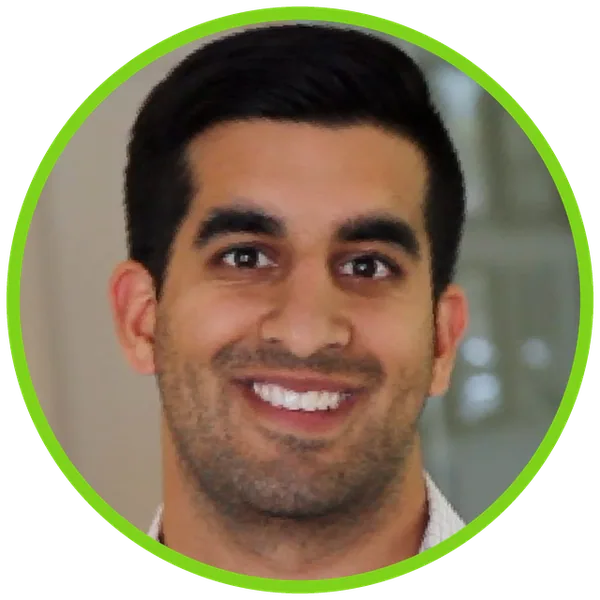
Raghav Tanna
Raghav Tanna, CEO of Tarmika, discusses the InsureTech tools Tarmika offers and how it can help improve the everyday life of an independent Agent!
The full episode
The whole conversation, straight from the show feed.

INTRO
On episode 23 of the InsurTech Geek Podcast, talking about InsureTech for the Independent Agent with Raghav Tanna from Tarmika.
INTERVIEW
JAMES: Tell you what, it was a busy week. It was a good week. We had a lot of stuff going on in the last week. As we record this, it is Friday, July 10th. Meaning we are just rolling off of one of the strangest July 4th weekends in modern history. Lots of fireworks! So, this has got to be driving some a property carrier's nuts because you got to think with the sheer, incredible volume of fireworks sold this last week, there had to be a higher incident rate. There had to be right? Rob, I mean, it had to happen.
ROB: Yeah. You would think, some wild-fires and all sorts of whatever. Yeah.
JAMES: Yeah. Injuries, you got to think there are some people's umbrella policies that are going to be tapped into after people get things blown up in their hands. So, word is that fireworks sales set an all-time record this July 4th. And not by a little bit. And considering that many cities, in fact, most, decided to cancel their July 4th celebrations instead of doing the logical thing and just telling people to space out a little bit, not group up, not holding the event, they just canceled the whole thing. People took it on their own. And I can tell you here in South Haven Michigan, the summer studio for the InsurTech Geek Podcast, I jokingly called it, like a combat air force base, you know what I mean? Like the sheer number of explosions going on at all times. And it was like five days of rolling explosions. It was intense but it has been a busy week. A good one. Raghav you are over in Boston. Was it wicked awesome or was everything canceled?
RAGHAV: Boston's always wicked awesome. We got the Red Sox. We got the Patriots. Lost Tom Brady, but besides that, it is wicked awesome.
JAMES: Yeah you did lose Tom Brady.
ROB: You picked up Cam Newton
The full transcript
Transcribed automatically from the episode audio, so some names and terms may be misheard.
James BenhamOn episode 23 of the Insurtech Geek podcast talking about Insurtech for the independent agent with Raghav Tanna from Tarmika. The Insurtech Geek podcast powered by Jimmy Knowledge is all about technology that's transforming and disrupting the insurance world. We'll be interviewing guests and doing deep dives into specific technologies we see changing the industry. We're taking you on a journey through insurance tech, so enjoy the ride and geek out. Tell you what, it was a busy week. It was a good week. We had a we had a lot of stuff going on in the last week as we record this.
It's Friday, July 10, meaning we're just rolling off of one of the strangest July 4 weekends in in in modern history. Lots of fireworks, so this has gotta be driving some some property carriers nuts because you gotta think with the sheer incredible volume of fireworks sold this last week, there had to be a higher incident rate. There had to be. Right? Rob, I mean, it had to happen. You would think? Yeah. I mean Wildfires and all sorts of whatever. Yeah. Yeah. Injuries. You know? I mean, you gotta think there's some definitely some people's umbrella policies that are gonna be tapped into after people get, you know, things blown up in their hands.
So word is that fireworks sales set a all time record this July 4 and not by a little bit. And considering that many, many, many cities, in fact, most decided to cancel their July 4 celebrations instead of doing the logical thing and just telling people to, you know, space out a little bit, not group up, not hold in the event. You know, they just canceled the whole thing. People took it on their own. And I can tell you here in South Haven, Michigan, the summer studio for the InsurTech Geek podcast, there it was it was I I jokingly called it like a combat air force base.
You know what I mean? Like, the sheer number of explosions going on at all times, and it was, like, five days of rolling explosions. It was intense. It was intense. But it's been a busy week. Good one. Raghav, you're over in Boston.
Raghav TannaWas it wicked awesome, or was everything canceled? Boston's always wicked awesome. We got the Red Sox. We got the Patriots. Lost
James BenhamTom Brady, but besides that, it's wicked awesome. Yeah. You did lose Tom Brady. Cam Newton. We got Cam Newton, though. Yeah. Old old Scam Newton as we call him. Come on. Yeah. Well, you know, he had quite a few scandals following him around for a while. But Belichick Belichick has proven to be a good selector and breeder and, you know, kind of a a guy who would take talent and really do great things with it. Right? So we'll see what he does. He did have the greatest quarterback of all time to back him up.
So Yeah. You always wonder about that. Right? Like, in in old old scam Newton, you know, he had a college football coach that he make may look really good. And then when when when Newton left, things kinda went downhill real fast. So, you know, sometimes quarterbacks make the coach look good. Sometimes the coach make quarterbacks look good. We'll see what's going on, but Boston is generally wicked awesome. I'm not gonna agree with you on the baseball front because I'm a rabid cubs fan. But other than that, we're not division rivals, so it's okay.
You know? No. Not at all. I you know, it's different. We did we did win the world series first and then again and then again And again. Before he has Yeah. Again, and Yeah. It was good. So it's been a busy week. It was also my birthday this week, so that was fun. I went down to Happy birthday. Thank you. Went down to Tampa, where evidently all the baseball is gonna be played down in Florida. Right? Ain't that right? Or is it yeah. Or is that in in, in Arizona?
No. Florida. I don't know how they're doing baseball. I've been following the basketball. They're gonna all play in Orlando. But Yeah. Know. Know baseball's starting then. Yeah. Florida's gonna be a a hopping place for for pro sports. It's gonna be crazy. So we're gonna be talking about InsurTech today, not sports. This is not a sports show, but I always do like, opening with a little bit of that since we are I am in sports withdrawal right now. I'm having to suffer through a summer with no baseball, which is pretty tough for me.
But that being said, we are gonna talk about Raghav, and we're gonna talk about Tarmika. We're gonna talk about agency models. We're gonna talk about technology for agencies and the role of agents in general. Right? I mean, there's we we gotta we we have to talk about that. So before we get into all that, let's just chat about you. We're Govtana. You're born and raised Bostonian. You went to Bentley University, and you still live there. You know? I mean, you've endured the winters, and you're like, you know what?
I'm gonna stick around. You didn't go south. I I I I was just in Tampa all week hanging out with a bunch of folks from Boston who moved down to to Florida because of the winters. But you're like, no. I'm staying. Yeah. I mean, you don't wanna leave the greatest city on earth, do you? Right. So I I've decided I grew up here. I went to school here. I worked here after college, and I'm now, I'm in I got married here. Every everything happens in Boston, so Yeah.
I think this is this is it. I'm in here for the long haul. Yeah. I got I got it. I have deep ties to Boston. Rob, have I ever told about you know, I'm a I'm a genealogy nut. I love ancestry.com, and I did two different DNA tests, and it it verified all the stuff I already had in my family tree. So my the, you know, the Benhams, another JB, John Benham, he landed in Boston 1631. So, we came there we came there a while ago.
They they used to be Red Sox fan, but they move on, you know. It was before baseball. So I I I love going to Boston because I get to visit places that my family was at. Right? Like, there's a very high likelihood because he was my eleventh great grandfather. Straight up the line. Dads, you know, Benhams. And and then his two sons were there, and they lived in they lived in Salem for a little while. And, you know, we we had all kinds of fun stuff happen.
My my tenth great grandmother, the last witch trial down in Connecticut. They moved to Connecticut to get away from all the all the assholes, and they then she got tried and and acquitted, might I add. She was acquitted for this. So I I got a little personal background in Boston. I lived there for a summer in 2000 and loved it. And what's what I what I found really interesting about Boston that I think is really neat for a tech company to be there is what, 18 major universities?
Is that right? Yep. Yeah. Incredible, incredible knowledge base, incredible people, incredible research labs. I mean, some of the some of the premier institutions for research in the world. I mean, not to mention just Harvard and MIT. You're talking about a lot of really great universities, a lot of great talent. Some of the coolest VCs and private equity groups I've met are also in Boston. And I can tell you this, Vergav, that I jive with them a lot better than the ones I meet from Silicon Valley.
There's there's a practicality to the to the money groups I meet from Boston. They're focused on profitability and growth and building real businesses that have product that make money that generate profit that you just don't see in Silicon Valley. And I think that's one of the biggest things with VC firms in general. And you we've noticed it across all tech companies. Right? I mean, not even just tech companies. If look at WeWork,
Raghav Tannaeven look at Lemonade, I mean, companies aren't profitable. And, yeah, they're banked by I mean, they're backed by SoftBank, but that's a little bit different. I think Boston's big thing is trying to build profitable, strong companies,
James Benhamand you don't really see that too much in the InsurTech space either. Yeah. But I'm an old school guy. I've been in business almost twenty years. We bootstrapped JBKnowledge and self funded, built four products, sold two of them, started two more. You know? And I I really like building sustainable businesses where you don't have to depend on another round. Right? Mhmm. And and now while look, you know, the Lemonade IPO did not go poorly. That that being said, the the reality is that that it's better if you can make a profit.
Right? Like, the in in general. And so I I really appreciated that attitude Boston seems to have. So I started at the end, and the end is you're the founder and CEO of an InsurTech in Boston. Let's go back to the beginning. When you were growing up in Boston, what did you envision doing as an adult,
Raghav Tannaand you you studied finance, like how'd you wind up here? Yeah, so it definitely wasn't insurance. My dad actually owned an insurance agency the whole time I was growing up as well, which is, I mean, it's one of the reasons why I'm in here, and I feel like that's the story with everybody. You fall into insurance because someone in your family was doing it. But the whole time, growing up, my plan was to do something business related. But I went to Bentley and I thought, I love finance, I love seeing how companies grow, and I love discussing how they can acquire and merge with other companies, see how they're financially stable.
So that's really what I was into. I was into looking at a company as deep as humanly possible and understanding how we can grow and get better. And that's kind of what drove me to start my own company too. But, I mean, I played tennis growing up, and I played tennis in college. So my plan growing up was to play tennis, and that didn't pan out very well. Yeah. Did you play for Bentley? I did. I played for Bentley for two years, and then I got a couple knee surgeries and decided that it's time to hang it up.
I wasn't going anywhere. So You weren't playing on enough clay, were you? Apparently not. Yeah. I had I've had my fair share of knee injuries, so I I think tennis is behind me. I'm I'm more of a golfer now. You know, I found when you have when you have problematic
James Benhamknees, clay courts, they they definitely help out a little bit. They're a little more forgiving than that concrete. A little bit. Yeah. Yeah. I I I like tennis. Here's the problem. I suck at anything involving a just involving aim. Like, so I I I just I'm just terrible. I I I am a I am a endurance athlete, so I I used to do endurance competitions in college. And, you know, if it if it involved a lot of work over a long period of time, I was down.
You know? But if it if it if it involved a skilled shot, it wasn't gonna happen with me. No matter how hard I tried, I wanted to be a good tennis player very badly. Once I got the knee surgery, I decided I was gonna start running more, which really doesn't add up too well, but it worked. I mean, I started running a couple half marathons and made my knee feel a little bit better. And I went back into playing tennis, and everything got worse again. So Yeah.
For me, was the ankles. Yep. Yep. So I have to baby my ankles. So, you know, like most of us in insurance, you didn't dream of being an insurance person when you were growing up. I I when I was 13, I did not say, dad, I wanna be in insurance. Right? I mean, I I didn't. And I in fact, don't know any kid that says that. My kids don't say that. But but it's such an amazing place. And and and it I think it takes some maturity to understand how important it is, and that's probably one of the reasons that children don't fantasize about that as a career path because it takes a it takes a little bit of understanding.
So what was when did the when did the light bulb go off for you? Yeah, so I think right when I was going into my senior year of college,
Raghav TannaI interned with my dad's agency, and I kind of enjoyed what he was doing, so I decided I wanted to go work at Travelers. And my next year, I interned at Travelers, and I started working there full time after college, just to get a better understanding of insurance. Insurance has a lot of finance related to it, so I figured that was my path into finance, to work, kind of combine the two entities that I knew so well. One thing led to another. I had this idea for the company at Travelers.
Wanted to learn more about the agency side first, so I switched over to my dad's company and then started the company a few months later or a few years later, I guess. Yeah. So tell me about what you well, you're an account exec at Travelers, so did you deal with large accounts? What what what lines were you dealing with? Yeah. So it was small commercial. I dealt with all select business. Anything under a 100,000 in premium was mostly what I handled. Some accounts got a little bit bigger than that, but there was nothing over, you know, your $203,100,000 dollar mid market account.
I wasn't working on any of those. Awesome. First off,
James Benhamwhat does Tarmica do? And secondly, what was the pain point that you saw that led you to to start it? Yeah, so Tarmica is a small commercial comparative rater, essentially.
Raghav TannaAnd the whole focus of the company was we noticed even when I was at Travelers, I noticed that a lot of companies would log in to 20 carrier systems, quote it, and then call their underwriter and say, hey. I put this into Travelers. I need a response, like, in five minutes. That's not logical. So then when I went to the agency side, I realized I was the one doing that all the time. I was the one that was constantly saying, hey. I need a response immediately.
So the whole point of the company is to get data into as many insurance carriers as possible that you work with and that you wanna quote with for anything over under a 100,000 in premium. So then you can go into each individual carrier, review it, and decide which quote fits you best. And how is this any different than any other data aggregation or, you know, ratings? Obviously, you know, this type of site has been built before. Yeah, so we're most we're 100% on the commercial side today.
We are moving into personal lines, but the big differentiator for us is the data dashboards that we provide to the carriers and the agencies on the back end. So we can essentially look at any quote that you have submitted, any NAICS code, any location, any agent, any user within your company, and tell you how you're performing with each one of your carriers, and then tell the carrier how they're performing with each one of their agencies and users. So everything's done through an API integration, so we can aggregate this data real time, and provide it back to all of our users, all of our carriers in time.
But who pays the freight for it? If you're giving both of them intel on each other, who's paying you? Both of them. Okay. I mean, everyone's gotta pay for data, right? That's like a big ticket item nowadays, so we don't overcharge for anything. We say, you're providing us the data, so we're gonna provide you something in return.
James BenhamBut to get quality, high quality data, it costs money. So it's a per transaction fee, or are you charging for seats? It's it's a seat license fee. For both sides? For both sides. And the the the big part and the hard part of these kind of models is getting started. Like, wiring all the integrations in so you can actually run it. Right? There's a massive amount of work. I mean, heck, mean, how did you convince all these carriers to even let you in their systems to to integrate with them in the first place?
That that alone can be a monumental feat. Yeah. So the first year of my life at this company was trying to convince carriers to integrate with us, and I was probably three for
Raghav Tanna55. And over time, you eventually develop a good relationship with them. It was a lot of me waking up at 4AM and preparing financial documents on how they could improve their quote structure, quote ratio, hit ratio, and submissions by partnering with us. And that's essentially how it worked. I just kept providing data analytics back to them, agency feedback, and eventually it worked. Yeah, you do something, you're gonna get better data, and you're gonna get a better hit rate, right? Eventually, they're gonna get a better hit rate, and they're always gonna get better data because it's aggregated among agencies from every county, every state.
And now we're in 31 states, right? So it really is aggregating
Rob Galbraitheverything into one place. Yeah, Raghav, so great to meet you and connect in person. Thrilled to have you on. Maybe you can go just one layer deeper. I know you've got kind of two main products, the Tarmika Bridge and Tarmika X. So maybe you can talk about the difference between the two and, yeah, just kinda go a little deeper. Yeah. So really nice to meet you as well, Rob. Tarmica Bridge is an agency product where essentially they log into our system and they quote only their appointed carriers.
Raghav TannaAnd they can quote all of their appointed carriers using their producer code, their credentials, and it ties into their system, essentially. So they're the name on the deck page. Tarmica X is a little bit different. It's a white label solution that they can actually pass off to the end consumer to fill out the entire application on their behalf, and it passes through to the carrier as well through the Tarmacarex platform. It's branded towards the agency. The customer only sees the agency focused stuff, but they can get an end quote directly from our system, and then the agency goes in and binds coverage on their behalf.
So it doesn't go all the way to buy? Basically,
Rob Galbraiththey'll submit, you'll get a quote, but then it's sitting in that agency system,
Raghav Tannaand they have that opportunity to review the risk, make sure it's something they want to take on their books, answer any clarifying questions, etc? Well, yeah, when you think about it, we always say this, but insurance companies spend millions of dollars on their systems to upsell certain coverages to push agencies into their systems, so we don't want to have the bind on our end. It wouldn't be beneficial to the carrier. Carriers wouldn't want to partner with us if we did that. So our goal really is to push them into that end screen, the quote summary screen of the carrier, so they can add additional coverages, provide that value add to their client, and show what the carrier has to offer as well.
And that's why we don't have any bind on our pages. And then what lines do you have? You kind of mentioned you're commercial now, you're into personal, but what lines are active now on the commercial side? Yes, so we have BOP, workers' comp, commercial auto. We added in management lines with two carriers, and we do have med mail with one carrier. But if you but if don't have the bind option, does the agent have to rekey all the data when they wanna go and bind? No.
So that's the whole bridge component. So the reason we called it bridge was it bridges the data over to the carrier system, so all of the data is prefilled in every one of our carrier systems, which is essentially the the greatest part of an API, is we can push data and pull data back and forth within the carrier system. Who are you freaking out? Who who who sees this? Not you don't have to give specifics, but who sees this and goes, oh, crap. This really screws us up.
I really hope nobody. I mean, carriers spend all this money on their systems. We're just trying to enhance their systems by providing them another avenue to get quotes into their own personal system. Are there any are any have any carriers been working on something like this already, or they they see it and they go, oh, man. This is a existential existential threat to my department? No. I think I think most carriers saw it coming. I don't I haven't had anyone come out and say, this is this is gonna end my career.
We had one carrier. This has only happened to me once. I had one carrier who I had a call with, and the I won't name the carrier because that's, you know Yeah. Don't on me. About thirty seconds into the call, I started introducing myself. I don't even think I got to what we did. I just said hi, and he hung up on me. He said, I'm not interested, and he hung up the phone. And he scheduled the call, so I was really I was gonna say, that's not an abnormal sales experience until you said that he scheduled the call.
It was a Zoom call. I was literally looking at him, and he scheduled it on my my demo link after we emailed back and forth three or four times. That I probably got to my name is Raghav. Here's what I do,
James Benhamand he hung up on me. That is awkward as hell. Yeah. So the agents are the agent none of the agents are getting freaked out by this? They're not they're not what what because the someone's someone's gotta look at this and go, well, if if they allow this if they allow the end client to do this, then what do what do we here for? Right? Like, what what if you what if you disallowed
Raghav Tannathe end insured like me to log in and use your system to to price with everybody? Yeah. So we're a 100% agency focused. I think You you say that. You said. You say that, but but you say that, but the real play has gotta be a consumer play. Right? Oh, no. Definitely not. I mean, think about this. I so I own a company. Right? So I would never go direct to consumer to get my coverages. Even as an insurance person, I don't know what I need.
Every contract I get is different and requires different coverages. There you go. You need that agency focus.
James BenhamYeah. Yeah. It was a loaded question. So, know, look, I the the reality is if if you have a good broker, and I've had some really bad brokers, and I've had some really good ones. Right? I've had both. They are they're helping you navigate the waters. I mean, and to me, as much as anything else, they help you read the contracts. I mean, I I had an yet yet another I had two situations in the last week where I was buying insurance that my broker helped me navigate something that a previous broker had really screwed up on.
You know? One was in aviation where there was a a market was particularly lower than everybody else, but they're a market everybody would know. I'm not gonna mention who they are. But they exclude they exclude stuff flying in the engines, which by the way, is like one of the number one causes of losses. Like, it's one of the most likely things that will happen to you is that something will fly in your engine. And it's it's explicitly excluded deep down in, a subsection c of a paragraph 25 of I mean, it's buried in there, man.
And it's sure enough, it's excluded, which is a big problem. And, previous brokers missed it. New ones caught it. Same thing happened with with my E and O tied to my cyber. You know, it was too limited. I mean, there's there's it it a good a good broker, you know, a good agency earns their keep. I mean, end of story. Right? So you're you but but as I visited a lot of agencies over the years now we don't you know, we we do tangentially, we do some work for insurance brokers and agents stuff.
We mainly work for carriers and TPAs. But as I've visited brokers, I've been astounded at the sheer amount of PDF form filling and Excel spreadsheet manipulation and just menial tedious BS that I see going on in these big multi billion dollar
Raghav Tannacompanies. Don't you think that's a I mean, that's a good segue into why I started this company. Yeah. But what but it's crazy because they'll have these agency management systems, and they'll still be doing this. Why haven't the agency management systems done what you've done? I mean, at the end of the day, you're built on a legacy technology. Right? It's really hard to shift from an outdated technology, spend all that money for new technology if people are paying you already to use your outdated technology. Why start from scratch and spend all this money when you're gonna make the same amount of money keeping your current system and no one's competing with you?
Yes.
James BenhamBut you would think that they would be aware enough. I mean, look, there's we're talking about two companies, right, that are the big two in an agency management software, and I'm I'm even describing one of them right now. I mean, it's shocking to me. I I I was reviewing some someone had a they were a really specialty lines broker, and I met with them a couple week a few weeks ago, and they they're in a really narrow niche, and they they built an entire access database just to do a fraction of what your system does, just to prepare the submission and generate
Raghav Tannathe custom forms that each market wants to see. So they didn't actually connect with those markets systems. They just found the the form, their application form, and they created a PDF form filler based on an access database so they could aggregate their clients' data, and then just auto generate the forms and email them. And you could take all those forms and just make them e forms and make them on the web. Right? Yeah. That's essentially what the platform did. I mean, companies are doing it too, but I think that's one of the one of the issues is everyone is still following that trend where you have to do things with PDFs because that's how agencies do it, instead of trying to change their behavior.
And most agents are switching their behavior to be a little more efficient, to be more optimized. At least that's what we're seeing. Yeah. So why not shift to that e form kind of application? I'm happy that a lot of agency management systems don't care about that, because it helps us grow. Yeah. It creates the demand that you need, for sure. Rob? So, Raghav, I'm
Rob Galbraithcurious, like so there's this concept, right, that that people call SEMC, right, which is single entry multiple carrier interface, And a lot of people are trying to do it. And I was telling someone the other day, it's more like MMC, right? There's multiple entries, multiple carrier interfaces out there. So there's a lot of competition in this space, particularly for that small commercial book that you guys have targeted. You know, I don't know that there's a lot in the mid market, certainly for large accounts. Right. But definitely the small commercial space.
It makes sense from an agency perspective because the cost of acquisition is one of your highest costs. You can bring that down, right, improve your hit rate, etcetera, and then have that opportunity to kind of cross sell the account. Right. Create that stickiness and increase your revenue. It makes total sense. So maybe you can explain for the audience, you know, this is a bit like the holy grail, I guess this fall commercial and lots of people have attempted. So maybe just walk us through, know, what are some of the obstacles, or what are some of the challenges, and then, you know, how are you positioning Tarmika to kind of overcome that?
Yeah. And I think that's I think that's
Raghav Tannathat's also a loaded question a little bit is what are the obstacles, and why have other people failed? One of the biggest reasons is technology wasn't quite there a couple years ago. I mean, there were companies that tried this in the early two thousands, and my dad was actually part of a company that tried this in the early two thousands, and he's been in the insurance industry for a long time. One of the biggest issues was carrier technology not being there. The second kind of reason that companies today aren't doing as well is, for the most part, a lot of companies are still trying to bank on old, outdated robotic processing technology, screen scraping and stuff like that to do these integrations, and it doesn't work.
I mean, you'll get semi results and you'll get quotes back in an hour or forty five minutes or whatever you want, but if you want ten second quote responses, it has to be an API. So the way we've kind of went around these obstacles is we've built APIs for carriers, and that's what our team is well versed in. So we've built 10 or 11 carrier APIs over the last year, year and a half, and that's really what set us apart at the beginning, and I hope that sets us apart in the future.
There's not many people trying to do that for their carrier partners. But can other people use those APIs too, or is it exclusive Absolutely to not. We don't make it exclusive at all, because we want other people to use them. We always feel like our technology and maybe this is a bad move on our part, but we feel like we're doing a disservice to the carrier by saying, No, you can't partner with anybody else. If
James Benhamcollaboration and we show that willingness to work with them, they're gonna show us the same respect, and it's proven true for the first couple years that we've been around. So are there so you're saying that they actually you turn over intellectual property, you turn over ownership of the API to them. So you build it, and then they host it, or do you build it and you host it for them and act as a We
Raghav Tannahave both relationships. So either we build it and we host it, or we build it and they take it over. And if they take it over, even if we host it, they're free to pass it off to any of the other compare commercial lines, comparative rating platforms out there, and it's fine with us. It's just it hasn't been all that common yet. Yeah. Because you're such an early mover on this space. We like to think so. What's your what's your what's your ultimate target? Do you wanna write all lines?
Mean, if you if you if you mean, all personal lines? All commercial lines? I mean, that's a it's a mountain. Right? It's a mountain. It means I have a lot of work to do. But I am 27, so I can work for the next, you know, thirty years trying to figure it out. Yeah. Or more. I mean, average life average life expectancy for your demographic is over 90, so come on. Let's see, you know. Yeah. I don't I don't think I sleep enough to live till 90, but let's see what happens.
James BenhamEarly stages of a company, remember. I didn't sleep for the first eight years of Jimmy Knowledge, but it makes you feel any better. So It does. I mean, I didn't sleep I haven't slept since college. I I'm I'm just an early burden. Yeah. Lately, I've been going to bed later and later, so it's getting worse. Yeah. That just keeps happening. Just FYI. I hate to break it to you. When you get a when you get a I I remember when I when I started having a I remember when we passed a 100 employees, and I woke up, like, at three in the morning, and I realized I had to make payroll for a 100 people every two weeks.
And I was like, oh my gosh.
Raghav TannaIt was it was it was suffocating. I didn't sleep for a while. So Yeah. I call it the Monday morning freak out. I wake up at, like, 03:00 before I work out, and I'm like, I definitely forgot something. I didn't pay someone, or someone someone probably quit. I don't remember.
James BenhamIt's like in college, I used to I used to be convinced I had a class that I'd forgotten to attend all semester. It's like a it was like a perpetual fear I had. It never it never went away. So all I mean, All Lines is is a mountain. I mean, you're talking about aviation, marine, transportation.
Raghav TannaI mean, just trucking alone is a is a massive amount of work. I mean, all of these have these highly specialized applications. And if you can build enough APIs and enough e forms, eventually you can get to a point where you're covering most of your bases, right? Trucking is a mountain in itself, But if you can cover enough carriers and if you can partner with the right carriers and create a single application for them that combines everything, it makes their lives easier too. So if we can help them develop that cadence essentially to say, Alright, this is how we're going to structure it, It makes everyone's lives easier, the agent, the carrier, and ours.
Because you also have to look at all the SIGs and SIFs out there, right? All the self insured groups, I mean, there's tons of those too. So there's a mountain, and you know, when we say we want to cover everything, we want to cover everything that we're well versed in. So we have people at the company that have been writing insurance on the agency or carrier side for a long time. Our COO has been in insurance for thirty years, so we have a lot of people here that understand insurance.
Everything that we understand, I mean, we talked about coastal homes last week, we talked about trucking a couple weeks back, We're going into you you mentioned aviation. We talked about aviation and boating,
James Benhamand any commercial lines policy, so we're we're really going all out here. We just dove into D and O last month, so it's it's really expanding as quickly as we can. The real opportunity for me is not just in what you're doing, but expanding it to data collection on the front end for the population of the actual forms itself. And I'll use aviation as an example, since I'm a pilot, I love flying, and generally, it's one of my favorite topics to talk about. I use a digital logbook product called ForeFlight, which is now owned by Boeing.
It's the number one number one logbook application for pilots. The number one thing that carriers ask pilots for in their coverage is their logbook data. But nobody, and I mean nobody, will accept the standard export format that ForeFlight, even though they have over half the market. Right? So there's there's gotta be opportunities like that to target the data collection endpoints so you can take go farther than because you're already saving time. Right? You're because facilitating the transmission of all this data to all these markets, but it's collecting the data from the insured that's often the biggest pain in the butt, isn't it?
That's I mean, that's huge, and then not only collecting the data from the insured, because that's a massive component to this, but what about the data that comes out of everything? So after you've pressed submit and you get your quotes back,
Raghav Tannano one has access to that back end data. Carriers think they have a pretty good handle on it, but they get their data from going into agencies and saying, Hey, who else did you quote with? Who did you put that consultant with last week? And they're gonna say, alright, I put it with, you know, carrier XYZ instead of you because they were $200 cheaper. There's no way that's the reason they put it with carrier XYZ. So we have the behavioral and statistical data on the back end to help them understand that better, but it also covers exactly what you just talked about.
How do we pull data back into a format that's suitable for all their carrier partners, for all the agencies, and make it one standard format? That's a big
Rob Galbraithis a big bite, isn't Rob? So this is kind of a two two part question, I guess. So number one, and I I mentioned the two off air before we started, recording, but Tarmaco has been, like, just blazing hot. Like, I I see that name kinda everywhere in the last, three to six months. So, so congrats on that. Maybe you can talk a little bit about your marketing effort and kind of, you know, what you've been doing, particularly on the agent side. And then two, you obviously talked about kind of expansion.
You want to add more agencies, more carriers, to more lines, but yeah, where do you see yourselves in five years? What's that roadmap look like? Yeah, I appreciate that. We have a really good marketing team, so I always tell people I'm the least important person at this company, and I don't say that to be humble or be fake. I actually mean that. I feel like I don't do anything compared to anyone else. But our marketing team is awesome. And they do a tremendous job with inbound leads, getting in front of agencies and carriers, and making sure that people understand what we do and how we can help them, hopefully.
So that's been amazing for the last
Raghav Tannathree to six months. Our marketing lead, Alex, has absolutely crushed it. But, I mean, five year plan, we're in a mass hire right now, so we're bringing on four people in the next two months. And then again, we've brought on four people in the last two months. So we're really expanding here, and the goal is, at the end of this year, we want to have $5,000,000 in quoted premium every month through the system, throughout all of our agencies on commercial lines, and then obviously the personal lines are a little bit separate.
But long term, we want almost 10 to 15% of all agencies to start their quote in the Tarmica system. So that's my goal. I want 10 to 15% of all agencies to start their quoting process in the Tarmica system for all the lines that they write. And if we can get to that point, then I'll finally consider this a success. Not profitability? That's not your measure of success? Hey. We didn't raise money. We're already profitable. Nice.
James BenhamI was gonna say, if you're already profitable, then you've already you've already you've already done it. So you bootstrapped this whole thing? So we we it was a joke. We bootstrapped up until March,
Raghav Tannaand then we raised money from our agency partners. Not much, but it was enough to get our data analytics dashboard up and running. But yeah. I mean, my dad was our our first he was the first guy to fund it, me and him, and then our cofounder and one other founder. So was the four of us that started the company. Nice. And yeah. Ever since then, we we've been cruising. Same thing here. My dad stepped in with me. So Yeah. Yeah. That's it gets interesting after twenty years with your dad, just FYI.
Yeah. I We can There aren't many We we can have a beer sometime and talk about working with your dad for two decades. I I love love my dad. It's it's but it gets really interesting. There aren't many people I spend more time with than my dad, and talking to him, drinking with him. So I'm closer to him than I am with most people, but every time we have a new carrier announcement, he shows up to my office with a bottle of scotch and expects to finish it right there.
So, I mean, I feel like he's he's just as invested as I am.
James BenhamThat's intense. Yeah. My dad doesn't drink, so we definitely did not do that. But, you know, I I I would always offer him a beer. He's like, no. No. No. No. Very very serious guy, but good good guy. It's a certainly, that's a great way to build a business though, in particular to have your your customers engaged so much like that. Well, that's great. Well, look, we appreciate you we appreciate you coming on and talking today. This has been a really interesting conversation. Where what I wanna I wanna wrap with this question.
We've talked a lot about kinda where you've been and what the problem was, what the problem statement was, and what you've done to solve it. And, you know, you've driven revenue and profitability, and you you built a you built a real business in a real city with real people. I mean, that's that's one of things I I just I love about Boston is everybody is super real, sometimes excessively real with you, but in a in a great way. What's next? I mean, what what's what's give me give me the long vision.
Like, are are you are you are you trying to do something bigger? Is there a blockchain play for customer data? Are you gonna revolutionize, you know, proof of insurance, what they have? I mean, there's there's gotta when you when you aggregate as much data as you're gonna aggregate,
Raghav Tannathere has to be something bigger on the horizon. I mean, data is the biggest play there is for us, and we work with other insured tech companies too to make sure that this data is structured the right way, sold the right way, and collected the right way, everything. Our long term goal since we started this company was data aggregation, anonymization, and then providing the best dashboards we possibly could with the best data we could to carriers and agencies, clusters and everybody alike. So that's the big play.
And that is going to take years and millions and millions and millions of data points to finally get right, but hopefully, we're on our way. Yeah. It's interesting. You know, of all the people we've interviewed on the show and all the folks I've met,
James Benhamof course, I'm in I'm really heavy in the claims side of the business. I we've built claims software for sixteen years, and we have our own claims product and our own certificate of insurance product. And I I could talk to you for, you know, a week straight over three bottles of bourbon about how inefficient the COI process is. It's insane. There's a lot of room to improve every little corner of the business. Right? And and if you're in that nexus point, the the interesting thing for me is looking at what the digital MGA model, you know, we're seeing a lot of Insurtechs become digital MGAs, right?
And then eventually, they'll either buy their carrier partner out, or they'll go and create one, Right? I mean, they'll get together they'll get licensed themselves. We're seeing some really interesting movement, which means that you could be staring in the face of a lot more fragmentation. As you have a lot more of these digital MGAs come up and a lot more carriers enter the market, you could actually end up with fragmentation, which means a lot more integration points. Right? So do you end up playing the role of being the standard bearer for for XML and JSON standards for data exchange on this?
I mean, is that because there's there's nobody serving in that. Right? Accord's not coming out with anything that's really helping us integrate data between different providers. Yeah, that's probably the first time I've ever been asked that question, which means it's the first time I've ever thought about it. So I'll say that that question should have been asked to me like six months ago, so I had a really good idea of what we could be doing in the future and make the revenue even more than what what it could be.
So now that you mentioned it, I'll probably start thinking about it. Yeah. It's it's just it's just something to wrap your brain around. You know? But I I keep looking at, you know, data standardization, and there's really there's really an absence of leadership there because of this highly fragmented state based model we have for insurance in The United States, and, you know, it just really no one's stepping into that void, and of course, it just creates an incredible amount of work for everybody to exchange data with each other.
A lot of carriers don't want that though, right? They don't want a standardization of their data or their
Raghav Tannacode or their XML, their platforms, none of that stuff, so it is hard. You're fighting self preservation as well, right? Yeah, you're essentially trying to turn the Titanic
Rob Galbraithafter it's already sunk. Yeah. That's the quote of the show right there. Rob, anything to wrap up with? No. Just it's so great to have you on. Where can people find you and find out more about Tarmika? Yeah. So tarmacca.com.
Raghav TannaThat's the best place to find out more about us. I do wanna add, I mentioned this to Rob before the show started, required reading for our company is to read his book. So I think everyone should know that when you started my company, you have to read his book. Same, same.
James BenhamSo just just FYI. He he he gives people an insurance education in a single book that used to take multiple different reading sources and time, and I I agree completely. It's that's pretty awesome. That's t a r m I k a. For those of you who don't wanna know how to spell Tarmica, T A R M I K A Dot Com. You can go there and check it out whenever you want and reach out and and ask them, ask them for a little bit of help.
If you wanna streamline your process and not just streamline your process, man, change your process. Stop filling out all those PDFs. My gosh. Every day. Can you I just can't imagine having to do that. I I appreciate it. I appreciate having me on here. It was awesome. Yeah. That's awesome. Alright. Well, thanks everybody out there. Again, this has been the InsurTech Geek podcast, powered by Jimmy Knowledge. It's jimmyknowledge.com. It's all about technology that's transforming and disrupting the insurance world. I've been your host, James Benham. This is jamesbenham.com with cohost Rob Galbraith, endofinsurance.com.
Big thanks to Jim Greenlee, our podcast producer, and Cara Daltonaro, our creative producer. And thank you for joining us today. Look forward to talking to you soon. We're taking you on a journey through insurance tech. So enjoy the ride and geek out. See you next time.