 YouTube
 Spotify
 Amazon
 iHeart
 Apple
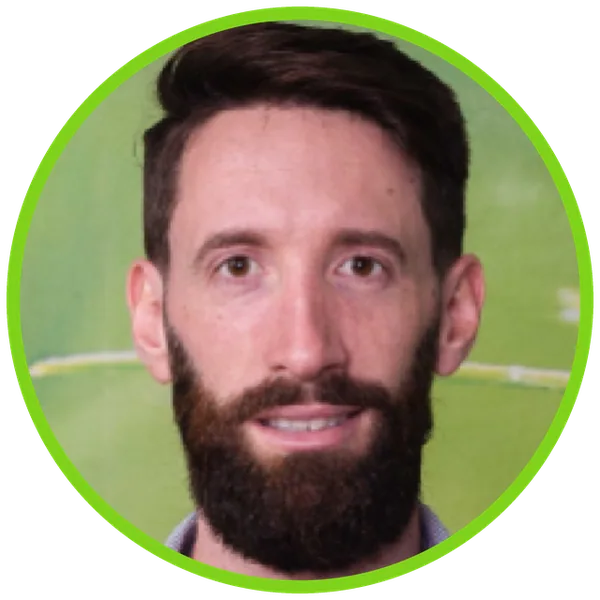
Simon Schwall
Simon Schwall of OKO Crop Assurance discusses how his company has created new markets for low cost crop insurance in emerging economy areas such as Africa. Listen in to learn about they're unique system and approach and the tech they use to pull it off!
The full episode
The whole conversation, straight from the show feed.

INTRO
On episode 28 of the InsurTech Geek podcast. Talking about High Tech Crop Insurance with Simon Schwalbe from Oko Crop Asssurance.
So, enjoy the ride, and geek out!
INTERVIEW
JAMES: Back with another episode of the InsurTech Geek podcast. We have got another international episode. A very interesting international man of mystery. Is he French? Is he from Luxembourg, is he Israeli? We do not know. We are going to find out. He is joining us from Israel. Mr. Simon Schwall. Simon, how are you doing?
SIMON: I am very well, thank you. Thank you for having me.
JAMES: Yeah. Glad to have you on the show. And with us, my fellow Texa-Gander, Rob Galbraith. The most interesting man in insurance. Rob, what is going on, brother?
ROB: Hey, welcome back to the heat of Texas my friend.
JAMES: It is back. It is hot and muggy. My girls went outside this morning. They stepped outside for five minutes to go jump on the trampoline. Came back in. And I was like, man, that was quick. Like, man, it is already hot and muggy, seven o'clock in the morning. I am like, yeah, it is not Michigan anymore. It is terrible. It is truly terrible temperatures. But we love the great state of Texas, even despite this little three-month period that we call Hades. It gets better pretty fast in the fall, and then it stays good through the winter. So that is why we are here, that and the low taxes and the great Tex-Mex. Good to have you, Rob on the show. Oh, and Simon, we are going to get back to you in just a second. I want to remind you, that if you want to subscribe to the podcast, you can text GeekOut to 66866. Make sure you never miss an episode. Text GeekOut to 66866. Back to Mr. Simon Schwalbe from Oko Crop Assurance. Simon, we love talking about insurance, we love talking about technology more than that. We love talking about the people behind it. Now, you have an interesting educational background and you are kind of half French, half Luxembourgian. What do you call someone from Luxembourg?
SIMON: A Luxemburger.
The full transcript
Transcribed automatically from the episode audio, so some names and terms may be misheard.
James BenhamOn episode 28 of the InsurTech Geek podcast, talking about high-tech crop insurance with Simon Schwall from OKO Crop Assurance. The InsurTech deep podcast powered by JBKnowledge is all about technology that's transforming and disrupting the insurance world. We'll be interviewing guests and doing deep dives into specific technologies we see changing the industry. We're taking you on a journey through insurance tech, so enjoy the ride and geek out. Back in a second. Back with another episode of the InsurTech Geek podcast. We've got another international episode. A very, very interesting international man of mystery.
Is he French? Is he from Luxembourg? Is he Israeli? We don't know. We're gonna find out. He's joining us from Israel, mister Simon Schwall. Simon, how are you doing? Very well. Thank you. Thank you for having me. Yeah. Glad to have you on the show. Also with us, my fellow Texagander, Rob Galbraith, the most interesting man in insurance. Rob, what's going on, brother? Hey. Welcome back to the heat of Texas, my friend. It's it's back. It's hot and muggy. My girls went outside this morning. They stepped outside for five minutes to go jump on the trampoline, came back in.
And I was like, man, that was quick. Like, man, it's already hot and muggy. 07:00 in the morning. I'm like like, yeah. It's not Michigan anymore. I mean, it's terrible. It's truly, truly terrible temperatures. But but we love the great state of Texas even despite this little this little three month period that we call Hades. It's a it get it gets better pretty fast in the fall, and then it stays good through the winter. So that's why we're here, that and the low taxes and the great Tex Mex.
So good to have you, Rob, on the show. And, Simon, we're gonna we're gonna get back to you in just a second. I wanna remind you that if you want to subscribe to the podcast, you can text geekout. That's g e e k o u t, geekout to 66866. Make sure you never miss an episode. Text geek out to 66866. Back to mister Simon Schwall from Oko Crop Insurance. Simon, we love talking about insurance. We love talking about technology. More than that, we love talking about the people behind it.
Now you have an interesting educational background, and you're you're kind of half French, half Luxembourgian. What do you call someone from Luxembourg? Luxembourgger. Luxembourgger. That sounds like something that that that In N Out would serve. But I I it's like like a like a secret menu item at at In N Out. I'd like a Luxembourger, please. Like, it's like a burger but extra special and a little sweet, little hint of French. You know? Maybe maybe that thousand island or French dressing on top of it called the Luxembourger.
Simon SchwallSo did you grow up in Luxembourg or in France or in both? I was born in Luxembourg. I lived a bit a bit in both. I would say more mostly in France, South Of France. Yeah. Awesome.
James BenhamSo you got your bachelor's in in France, I believe. And and then you went to the University of Singapore, National University of Singapore for your master's. And so tell tell me about, like, when when you were growing up and I was a a little French boy. I dreamed of making baguettes or, you know, whatever it was. Like, by the way, I can say that because I'm, like, a quarter French. Grandmother's French. She's from Provence, and I I love France. K? I love France. Just to be really clear, I don't call them freedom fries.
I call them french fries. Alright. I love France. I think it's great. Brie, it's one of my favorite cheeses. I love a good baguette. I've had I had a great time touring France. Alright. So just just to to to sandwich this in that statement. When you were a boy growing up in Luxembourg in France, what did you dream of doing? And then when you're when you're studying, science in college, and going into international management in graduate school in Singapore, like, what what path did you think you were on, and how did you wind up in crop insurance?
Yeah. So first thing you'll
Simon Schwallyou'll like it, my first job was actually as a baker. So I during my summer summer holidays, I was making sandwiches in in London for the bankers, like French sandwiches. So yeah, my first dream job as a kid was to be a baker. So that's a very stereotypical. But yeah, then I, I traveled, during my studies, as you, as you can see, I went to Singapore. Even before starting my bachelor, I did a trip to Mongolia to help cattle herders to build new shelters for their sheep.
So I was quite early on open to new horizons. Maybe the fact that also that I moved from place to place from Luxembourg to France, back to Luxembourg, it gave me more flexibility in my mind. I don't feel like I have strong roots anywhere. So yeah, I was very early on open to new places, to Asia, to Africa. And I think that's why I came back to this later on after I graduated. So I studied indeed management in France, in Paris at HEC, which is a prestigious school in Europe, a bit in Singapore.
And initially with the idea in mind that I would work in the media industry. But then media and telecom became quite related. The mobile operators started to offer TV and stuff like this. And I discovered the world of telecom. And in the world of telecom, I realized that it was changing the world, especially in Africa. It was changing the way people work and transact. They were finally able to pay each other remotely without having a bank account, just using their phones. So that's why I became very interested in the space of payment and micropayment and I ended up in microinsurance.
James BenhamThat's awesome. So talk about the origin story of your current company. Tell me where the idea came from. Where was the pain point you identified that made you want to start this business in crop insurance? Alright. So I worked for a startup. I did the first few years of my career in strategic consulting.
Simon SchwallAnd then I joined a startup called BMA that is providing life and health micro insurance to populations in emerging markets. So during my years as a consultant, I discovered, as I say, mobile money, the way people transact with their phones. And I wanted to be part of this. So I joined this company called Bima. They sent me to Papua New Guinea. So I launched their operations in Papua New Guinea. From scratch, I grew the company from zero to 150 employees to 350,000 subscribers. So it was a huge success.
So I saw one one side that it was possible to offer insurance to people who never had insurance before using partnership with mobile operators, using the device that they have on their pocket in their pockets already. But then I saw that most of them were having part or all of their incomes coming from agriculture. And this was a huge risk on their life, on their lifestyle, because every time they suffer from a bad season, they would lose most or the entirety of their income. So it was great that we could provide them life and health insurance, but I saw that there was a huge risk on the majority of our customers that was absolutely not covered.
So knowing that I had a tool in my hands to distribute insurance and that there was this strong need, I decided to leave this company and create OKO, so it's not OKO, it's OKO, sorry for that, to bring affordable insurance to the billions of farmers around the world that have no way to secure their income today. Does that mean that they can apply for it on their phone? Can they text in for insurance? Exactly. So they don't need to have a mobile sorry. They don't need to have a smartphone.
They don't need to have Internet. They don't need to have a bank account. They just need to text us. So to be precise, it's not really a text, it's a code that I need to dial on the phone. And a menu pops up on the screen. On this menu, you can choose to register, to find out more, to request a callback. So it's really making it accessible to anyone, even from the remote part of the country, where there's no three gs coverage to have access to insurance.
James BenhamAnd how do they use this? I mean, is it a chatbot? Is it a live agent on the other side? And how are you binding it? And how quickly can you issue insurance? And where are you licensed? Okay, so we are licensed as an insurance agent. So we are partnering with an insurance company locally.
Simon SchwallIt would be lengthy to obtain insurance insurance license in each market. So, yeah, it's not really a chatbot. We tried a chatbot initially, but people struggle to read and write a lot many times, most often uneducated. So it's difficult for them to interact with text interfaces. So what we did is we added this option to have to request a callback and then people call them back from our call center and take the details to complete a registration form that is very basic location, crop type, field size, and from this three information, we can give you a price for insurance.
So they receive their, they are told, yeah, they're given this quote over the phone, locally, and then via text message, and then they can pay using the payment systems that the mobile operators offer in these countries. Awesome. Rob. Simon, is this fascinating background and, fascinating how you came up upon this opportunity.
Rob GalbraithI'm just kind of curious if you can go a little more in-depth on the local insurance carriers that you partner with. So you kind of mentioned, you know, you're just collecting a very few data points. What's happening behind the scenes and maybe it varies by carrier. Like, are they doing any type of. You know, weather modeling, catastrophe modeling, looking at, you know, flooded, exploded, rain, etcetera, maybe kind of give us a glimpse for the underwriting that I mean, behind the scenes, and then maybe you can give a sense for also what is a typical cost for these policies?
Because again, you mentioned a lot of these folks are probably, you know, living right year to year, right, based on their crops, whatnot, don't have a lot of discretionary income. So I'm just curious for the premium size for these accounts. Sure.
Simon SchwallSo these insurance companies, they were not providing crop insurance before. The reason why is that, as we say, these smallholder farmers, can pay maybe between 10 and maybe 30, maybe $40 a year. And to provide insurance to these people, you would need to send someone on-site to create a quote. You would need to have a network of agencies to collect the premiums. And you would need to send an expert on-site at the end of the season to verify the claims, assess the damages, calculate the compensations.
So all these costs would be way too expensive for smaller farmers, or it would pump up the price of insurance and then it wouldn't be affordable anymore. So what we do is we use index insurance. So our insurance is based on data. We cover only weather risks, but we have a very good knowledge of the weather risk because we have used twenty five years of historical weather data that we collect from satellite providers. So in any place in the country, we can know what is the frequency of droughts, floods, of extreme temperatures, of extreme wind speeds.
So we can calculate the risk based on this data. So we do this on behalf of the insurance company. So we create the insurance product. We have a partnership with Allianz, the German insurance group. So they reinsure the product. So we share our calculations with them. Once they approve it, then we can sell it locally. So we design the product, Alliance reinsures it. A local insurance company issues us a group policy contract, and then we can start distributing it. So we onboard customers to this group policy contract.
They don't have to sign in the documents themselves. They just need to contribute. So pay their premium or their contribution via mobile and then they are on board. So the costs, as you said, yeah, we need to keep it really low cost. So at the moment, I think farmers are insured with us, they paid in average about $910 per policy. So that's for a season. So that's for five months of coverage to cover against droughts and floods. And that's for about one hectare, one and a half hectare.
So I think you know, in acres, it would be about four or five acres. So yeah, that's really low cost. It's about 5% of the insured value. That's what customers can afford. So then it's the big challenge that we have is about scaling up, having enough of these customers
Rob Galbraithto cover our fixed costs and to make it a profitable business. And then Simon, correct me if I'm wrong, but I think one of the things that you're looking for is to partner in some, some emerging economies with local insurance firms. Correct. Maybe you can talk about how you found some of the ones that you have today and what you're looking for in a potential partner. Yes.
Simon SchwallSo indeed we're not an insurance company ourselves. So we partner with insurance companies that have presence in emerging markets. So today we're mostly in Africa, in West Africa especially, but we are looking at other markets. It could be Southeast Asia, it could be South Asia, it could be Latin America. We know that there is a similar need in all these markets. So we found Alliance. Actually, Alliance was already working with BIMA, so my previous employer, life and health insurance. And they know the model. They were very interested in going into crop insurance.
They did a few tests, they were lacking a solution to bring it to scale. So they when when I reached out to them, they were very interested in what we're doing. So we signed a partnership with Alliance at the African level, so for the full continent. So we know that other companies like AXA that are very much yeah. They're looking into this. They created AXA Climate to cover climate risks. So we see a growing trend, a growing demand for these kind of products by large insurance companies.
So yeah, if we have insurers among the audience that came to test this in the markets, feel free to reach out. That's awesome. So what's technologically
James Benhamspeaking, I mean, is a tech podcast. Right? You've you've enabled people to very quickly I mean, you're not a carrier. It doesn't look like you're an MGA. You're you're a broker. Right? Yeah. So you don't have text bots for for obvious reason and and the reasons that you've laid out that, you know, chat bots can't handle this kind of interaction. So you have a call center with people who take phone calls. You've got a text line. Where's the technology? Right? Like, where's where's the technology that's really making this different than just changing a business model?
Yeah. So there are two sides to our technological solution.
Simon SchwallOne is about distribution. So some parts are really low tech. So it's call center, it's SMS, it's really basic. But still, we need to automate everything in the back end. So we are connected to the operator's API in terms of mobile payment, in terms of SMS, in terms of also voice calls, we can do remote calls. So whenever a customer makes a payment, it automatically updates the policy in our system. And again, to keep costs low, we had to redesign a CRM, customer relationship patterns tool from scratch to make it really light so that it could operate with low bandwidth to make it cheap, to make it scalable.
So we built this cloud platform to match the insurance policies, to interact directly with customers who are not connected to the internet, connecting with SMS, with the USSD, with mobile money APIs. So that's one part of the solution. The other part of the solution is the data science that is behind the products. So we are collecting a huge amount of data. So weather data, but also yield, historical yield data to understand the correlation between, for example, let's say a 20% is in rainfall during the season.
How is it going to impact the yield at the end of the season? And when is this critical that the rain falls? What is the impact of a shortage of rain in the beginning of the season versus the end of the season? So all of this, it's sort of data science that our actuaries are working on to come up with a product that is reliable enough for farmers to trust in insurance. It's usually the first experience in insurance, and for us to be sure that we cover the right risk at the right price.
But if you're not the carrier,
James Benhamwhy do you have to go into that level of detail? I mean, aren't your carrier partners doing that underwriting when you pass the data on the information to them? I mean, you know, there's only so much you have to do as a broker, right? Yeah. So because these are very new products, it's a new expertise that not all insurers have.
Simon SchwallSo we talk with the agricultural experts of IONS and they have a fairly good knowledge of how this should work, But they want to see, they don't have the bandwidth, the operating scale to do this in every market for every crops. So that's why we need to bring this to them. We need to do this work of preparing a product and then they will validate it, but they don't have, at least at this stage, the expertise and the scale to build products, to industrialize the creation
James Benhamof products. If they don't have the expertise, then how are they actually writing the policies?
Simon SchwallThey see the They trust you? They trust our calculations. They look at what is the payment rates, risk ratio, the frequency of payouts. So based on all these parameters, are checking that we did this work on historical data on a large number of data, they can trust us. So yeah, we are kind of making it easier for insurance companies to provide these products. Some insurers are doing this themselves. I talked about AXA, they created AXA Climate to create these kind of products. So some insurers need us to do this, some others don't.
So
James Benhamin that case, we can always provide the distribution solution, which all insurers are missing today. Fascinating. I find it interesting that you're kind of pulling your markets along, right? I mean, you're basically saying you have more expertise in this area than your markets do. They're still willing to write the paper even though they don't fully understand the product to actually write the paper. Yeah.
Simon SchwallSo insurers are really interested in one thing, opening these new markets. So Africa is growing. The middle class is growing, and people don't have insurance today. They've never had of insurance. So and these people might never have a bank account. They will jump straight to mobile payments. So they need insurance, need to understand how to address these customers. What are their needs? How to reach them? How to how to collect payments from them? So that's what is the most interesting for our insurance partners. So, but you're right.
We need to to somehow educate the insurers, but also educate the the farmers because farmers don't know about insurance. So it's a lot of work that we do to create a market. But the good thing is that once we create these markets, it's a blue ocean. We don't have, we don't compete with incumbents. There are not many players on this field yet. So once we crack the distribution parts, then we open a brand new business of millions and millions of customers. We estimate it's about 500,000,000 farms globally that need this kind of product.
Yeah.
James BenhamSo walk me through what's next. Right now because you're you're you're you're really in the infancy of this company. What countries are you operating in right now? Like, where are you writing policies right now, and what countries do you wanna be operating in in the next year? So today, operate in Mali, West Africa, and in Uganda, in East Africa. So these are interesting markets because they are very focused on agriculture.
Simon SchwallThey are big exporters of cotton, for example, or coffee for Uganda. And these were great places to start our operations, but we know that we need to go to larger markets in order to make it a big business, international, and fast growing. So we're looking at Nigeria. We're looking at Ivory Coast. We're looking at also outside Africa. We're looking at Colombia, for example, as a market where we could that could be huge for us. We've always looked also at India, but the situation is a bit more complex there with the states being in charge of crop insurance.
It's bit more lengthy. So it's like The United States then. It's a state based insurance system? Yes. In India it is. There is a nationwide product that has been approved, and then there's a, the monopoly, I think, given to one insurer per state. So it's making things a bit more complicated. So, for yeah, now we focus on Africa. We're looking at mostly Nigeria and Ivory Coast as next priority markets. And beyond that, yeah, Nigeria, sorry, say Nigeria already, and Namibia, South Africa as well, Mozambique, Cameroon.
So there are a lot of very strong markets, agriculturally speaking, that need these kind of solutions. And the good thing is usually the same insurance companies and mobile operators operate in all these markets. So that makes the growth easier, but still, yeah, it's a lot of efforts to go market to market. Yeah. It's fascinating.
James BenhamSo where where do do you really wanna do you think you'll ever target North America? Are you gonna stay really in the developing world, like move into Latin America, South America, stay in really expand in Africa? I mean, what what what where do you think where do you think the real growth opportunity is for crop insurance? Obviously, crops are growing everywhere. So, I mean, you could say, I wanna target the whole world, but the reality is you've got a very specific type offering. And so where do you think you really should go long term with this?
So
Simon Schwallindex insurance could work as well in Northern America and Europe. It's actually used in some niche markets like vineyards, olive trees, for example. So there are very specific needs and no tailor made products today. So it could be a market, but what we believe is that with the scale of agriculture in developing markets and with the absence of existing solutions, that's where the biggest opportunity lies. And we know that other players will provide these niche products that are needed in developed markets. So we specialize really in distributing and making this insurance products work in emerging markets.
To do so though, we need investments to grow. So today, as you said, we are, as I said, we are in two markets. We proved that this model works. We grew faster than any other previous initiatives in this space. In a matter of three months, we had 2,000 farmers
James Benhamregistering. We were just one product for corn in Mali. Yeah. Let's pause for a second. Just talk about Mali. Okay? You have 2,000 farmers in Mali. How'd you acquire them? Like, what was the method of customer acquisition? Was what was the customer acquisition cost? Was it really high or really low? What what tools I mean, you you said you're dealing with a largely illiterate population or or borderline literate population who has a tough time texting. Like, how are you reaching them? Is it costing a lot to get to them?
Simon SchwallWalk me through the mechanics there. Two means to to to communication channels to these farmers. We have a mobile. So all these farmers have a mobile phone. It's not connected to the Internet, but they have mobile phones. So we do SMS send outs. We do just cold calling, calling, getting lists of, numbers and calling SMS to reach out to them. But we also get inbound calls, following radio campaigns. And the fact also that we are integrated in this mobile money menu of operators that are used by 4,000,000 people in Mali every month.
That's a real good showcase for our products to be in that menu. So that's how we acquired a third of our customers. The other two thirds we acquired through a ground presence. So we have a network of agents who are paid by the commission every time they register customers, the customer is paying a premium. So we have about 70 agents around Mali that go from cooperative to cooperative, from marketplace to marketplace to introduce insurance and register new customers. So the cost of acquisition is therefore quite high.
It's about $9 today, which you would say for an insurance company in The US, it wouldn't be a lot. But for us, because they are only paying about $10 a year, and we are keeping only a fraction of that. Yeah. A proportion of that. Yeah. We need to reduce this further and we need to scale up quickly. So we are now implementing new innovations such as WhatsApp chatbots. We found out that 30% of our customers use what use WhatsApp and they use it for voice notes.
So they don't read or write, they just send each other voice messages. So we're going to have a chatbot based on these voice messages to make it accessible to all these farmers and further reduce the cost of acquisition. We're going to have a voice, interactive voice menu, again, for people to speak in their native language, which is not always written language to make it really accessible to all and make it automated so that we reduce the cost of acquisition again. Yeah. Mean,
James Benhamlet's say you're getting a standard broker let's say you're getting 15% on a $10 policy to buck 50, a $9 CAC is is obviously way too high. And but you but you you previously said that their their language skills aren't gonna be doing really well for for WhatsApp. The you you know? So I'm I'm I'm wondering whether or not WhatsApp's really gonna work or not only because of the previous comment you made about them having a tough time with chatbots. If the agent's not there to let them know about it, are you gonna have to implement a market wide, like, go into the markets and do ad campaigns?
Like, are you gonna do, like, a a ground on the ground print ad campaign with signs in the marketplaces where they come to sell their goods? I mean, that'd be the place to reach them, right, is to sponsor the marketplaces where they come to sell all their crops? So we'll do a bit of that, but, again, mobile is really the game changer in this space, especially in Africa.
Simon SchwallSo operators offer solutions to do, for example, robot calls. So even if farmers can't read, they will get the message across to the local language through these kind of calls. When I talk about chat with WhatsApp, I'm talking about the voice notes. So it's not a text, it can be videos and voice messages that we send to them. You would be amazed to see group chats on WhatsApp in in Mali. No one types anything. It's only, voice notes to voice note to Really? I mean I mean all I I have offices in Argentina and South Africa, and all of my employees in those countries
James Benhamuse WhatsApp exclusively, but they largely type the text. I've I can't say I've seen a large group chat with all voice notes that I I Yeah. Must be chaos. It's gotta be absolute chaos.
Simon SchwallIt is. Yeah. It is more difficult to follow, but for them, it's a it's a great innovation. They they before that, they could only have radio, and, now they have a personalized means of communication. So we can give them a very specific message. We can say, okay. If you grow maize, type one. If you grow cotton, type two. And we send a specific voice note specific to their to their request. I like that. So that's the way we see distribution being the most efficient. So WhatsApp is your distribution channel partner long term?
Yeah. For now, for 30% of our customers. The rest, we still rely on SMS and voice notes, call center calling. Yeah. Well,
James Benhamlook, insurance, I think it's important to talk about the moral good of insurance. Right? Like the it's not you're not just there to make a profit. You're literally there improving the planet. Like, if the plan I mean and this is, I think, not not enough people think about the bigger picture, the philosophy of insurance, but the philosophy is pooling risk so that we can all get by. We're we we we all chip into the pool so that when something happens bad to one person, they can be taken care of, and and the the the pool doesn't dissolve, right?
Yeah. That's the entire point. And so there's a real good moral good here in that there's families that won't starve now in Mali because of this, right? Like that's Exactly. So I really like the That's a big deal. That's a big deal. Insurance is
Simon Schwallmost needed by the most vulnerable people who can lose everything. And it's the those people who have least access to it. So in that sense, we're really making something that has a impact. When you break your phone and need a new one, that's it's good to have insurance. But if you lose all your income for the next six months, and then you have some insurance that come and helps you to prepare the next season to get by until the next season starts, that's going to save your family, to maybe prevent you from migrating to the city and have a low paying job while you wait for the next season.
So it really has a strong impact on the life of these farmers. Not only that, but also because we reduce the cost of risk that these farmers are exposed to, we open the door to them to micro loans. Micro loans There you go. Has been proven as a very effective way to help people grow their business. So for example, for farmers, it means being able to buy more fertilizers to grow more, and the next season have more income to cut more seeds. But the problem is that farmers are very often denied these micro loans because they have a high risk on non repayments because as soon as the rain doesn't come in time, then they might not be able to repay.
So we are starting to do partnerships with micro finance companies so that loans are being made more accessible, our rates are better for farmers who are insured. So then it starts to go to a circle where farmers get insured, then they get a loan, they can plant more, they can grow more, they can pay a higher premium to us, which is good. They can grow their business further and equip it. The goal is the goal overall, like, societally is higher product higher production of agricultural
James Benhamgoods. Right? I mean, because the consumption needs are there. I mean, so that the goal is for you to more crops, and then they get paid when the crops fail. Microfinance has been proven to work over and over and over and over again. The repayment rates that we've looked at in Africa, because I have friends who are who who have actually funded microfinance startups in Africa. Their repayment rates are super high. People repay these loans and, you know, a small loan goes a long way, just like a small premium goes a long way in this in insurance.
So there's it's important to note, first off, there's a great business model behind eliminating friction that a lot of these people have to getting insurance because that's largely what keeps them from buying insurance, right? It's just too difficult. Either they don't know about it, they don't know they can even get it and that's fairly common, or if they don't know about it, if they do know about it, it can be really challenging for them to actually acquire the insurance and they give up. But if you combine microfinance and insurance, you're solving, like, number one, number two problems to getting into business and staying into business for a lot a lot of these farmers.
I mean, it's it's, I love the I love the trajectory it could go. It's exciting to see that the early results in Molly are so good. It it's you know, the only concern. Right? The only concern is the customer acquisition cost and the need to use agents, but but that's really like the but I understand you you you also are pretty early stage, you're having to pivot and find all the ways you can find your customer and where are they hanging out online and how do we reach them online without having them in person go meet them in person.
So the really cool thing in Africa, my parents have been very involved in Uganda for a number of years. The last fifteen years, they've been really involved in Uganda, is how explosive the use of mobile technology was. They really leapfrogged wireline because they couldn't afford for the build out, but they could afford cell towers. And I mean, my my dad told me fifteen years ago, he goes, James, the cell coverage here in Entebbe is better than back in Louisiana. And I was amazed. And so that that's really a game changer.
Right? Yeah. So mobile is has is really game changing in Africa.
Simon SchwallPeople receive their salary on the phone, and they can pay for their electricity bill on their phone, and they can have a solar panel, for example. They they pay they their own kind of power station. So they have solar panel, and every time they need to electricity, they send an SMS and it repays the solar panel. Or they can activate irrigation with their phone, suddenly sending SMS to your irrigation system that has a SIM card. So it's really changing a lot of industries in Africa and the financial industry was the first one with remittance with payments.
Insurance is coming next. And then there's also micro pension funds now using phone transactions. Credit risk is done looking at your usage of phone and how we pay it with your phone, how you will recharge your account. So it's fascinating area to explore.
James BenhamYeah, that's awesome. Well, how many lines do you think you can offer? I mean, you you can't stop at crop insurance, right? I mean, why not move into property, commercial auto? I mean, you insure their tractors and their barns too, right? Yeah. The the challenge is always in the claim verification.
Simon SchwallSo if you do a tractor insurance, it's going to be tricky to verify the claims remotely unless they can send a picture. Can yeah. I think the smartphone adoption needs to grow a bit a bit stronger in order for these kind of products to arrive. But for example, we saw we did a short project for warehouses in Morocco. So they were in an area that was in risk of flooding. So they were looking for these kind of index insurance as well to protect their stock against against potential flooding of the of the commercial area.
So this could also work for them. We work with AB InBev, so the beer company. We provide insurance to the body growers in Uganda. But now we are also trying to see if we could provide insurance to the people who are collecting BA bottles in capital cities for recycling. Because on a day where it's too rainy or in a day where there's a lockdown, they cannot work. So can we also provide microinsurance to these kind of informal workers? A lot of possibilities Sometimes I'm thinking, okay, this doesn't work, I'm kind of also of create an insurance for ski holidays.
Like if there's no snow in your resort, you get compensated, so you don't lose all your, you can change your flight tickets and go somewhere else. So this kind of index insurance product is really powerful, and then coupled with micro payments and mobile payments, it depends the way to Will your
James Benhamyou be excluding pandemics in your coverage?
Simon SchwallSo for now we don't do life and health insurance.
James BenhamI know, but you just mentioned business interruption with the bottle collectors. If city's on lockdown, is that a pandemic related claim and will you cover it?
Simon SchwallWe didn't explore this yet, but indeed, we explored lockdown because that's very easy to check-in their decree. Is there a Yeah. Statement from the mayor, or I don't know, something that states that the bars cannot open and the streets shouldn't be clear. In that case, we can trigger payments. So as long as it's something that we can Measurable. Verify remotely, and that we can measure also in the past, so to have, statistics on how often these problems happen,
James Benhamthen we can provide insurance. In other words, the the key and I'm I'm really repeating what you just said, but the key is remote verification. I mean, on on everything. So you might be able to do property. Once you have fleet of drones you could deploy to fly over a property and verify damage, maybe maybe you can remotely verify it. Or you could tap into mean, there's so many satellites flying overhead now that you can get near real time footage of on on on property from a satellite.
So if you can verify the damage remotely, then it's a line you can try and get into cover. And in particular with weather events, that's very easy to verify. If you had an event, a government decree is very easy to verify because it's published publicly. So I'm with you. That's awesome. Well, Simon, I'm excited about the future here of OKO crop insurance. Really, really neat. I think you're you're actually doing a round coming up. Is that right? Oh, so we we had a first round about a year and a half ago.
Simon SchwallNow we raising a second round to scale up. So as I said, we have proof of traction in the first market. We signed important partnerships with huge companies such as Allianz, such as AB InBev. So we now trying to close the second round. It's a difficult time for, to speak to investors, but we have already a few investors committed, but we are still looking for, for strategic investors. So fintech investors, fintech investors, or impact investors. So if that's something that is interesting to your audience, again, I hope you will share the details so that they can get in touch with us.
Yeah. So how can they find you? Oko.finance, htpoco.finance. So that's our website. We have a strong presence on LinkedIn as well. You can find that find us under Oco Assurance, I think, or Oco Insurance. So we have a good presence online, and otherwise, an email at info@oco.finance.
James BenhamInfo at o yeah. So it's okoinfo@Ko.
Simon SchwallO k o oko dot finance. Where does the name come from? Oko is the name of a deity in West Africa and Orisha, so it also exists in Latin America. So it's an ancient divinity that is protective of agriculture. We chose this name, obviously, for that reason, but also because it's short. And as you see, we use SMS. We use
James Benhammeans of communication where every character counts. So something with Swedish is is useful. Yeah. So if you're an investor out there and you're interested in checking out being in their second round, again, that's info at oco.finance. You can go check out their website at oco.finance and check out what's going on in crop insurance and more. There's there's more that they do than just crops, but this is a really, really exciting segment. And certainly, it's it's really great to see a company focused on delivering insurance to people who need it the most.
And, if you had not spent time in develop in the developing world, I encourage you, if you're a listener, to get out there and go go check it out. It's Their needs in insurance are different. The way they buy it is different. The way they consume it is different. The way you handle claims is different. And there's a lot of buyers out there, right? There's billions of people in the developing world that need insurance even more than we do in the developed world of Western Europe and United States, Canada.
It's really impressive. Well, Simon, thanks a bunch for your time today. I'm fired up for you and I'm fired up for your product and I hope it goes well. Cool. I'll be in touch. I'll show you the updates. Awesome. And, to all listeners, thank you out there for joining us for our interview with OKO insurance. Rob, any any closing comments?
Rob GalbraithI'm just so excited about what you're doing, Simon. And I love it. It's just very inspiring. You know, you kind of saw a need and saw where there wasn't any, any service really, right. For folks. And so I think we always talk about kind of, you know, improving customer experience for existing things.
James BenhamAnd so you're kind of building a market on whole class. So congrats to you and best of luck. Thanks. That's great. And again, thanks for joining us today. This has been the InsurTech Geek podcast powered by JV knowledge. It's javyknowledge.com. It's all about technology is transforming and disrupting the world. I've been your host, James Benham. Jamesbenham.com with cohost Rob Galbraith. That's endofinsurance.com. Big thanks to Jim Greenley, our podcast producer, and Cara Daltonaro, our creative producer, and thank you for joining us today. We're taking you on a journey through insurance tech.
So enjoy the ride and geek out. See you next week.