 YouTube
 Spotify
 Amazon
 iHeart
 Apple
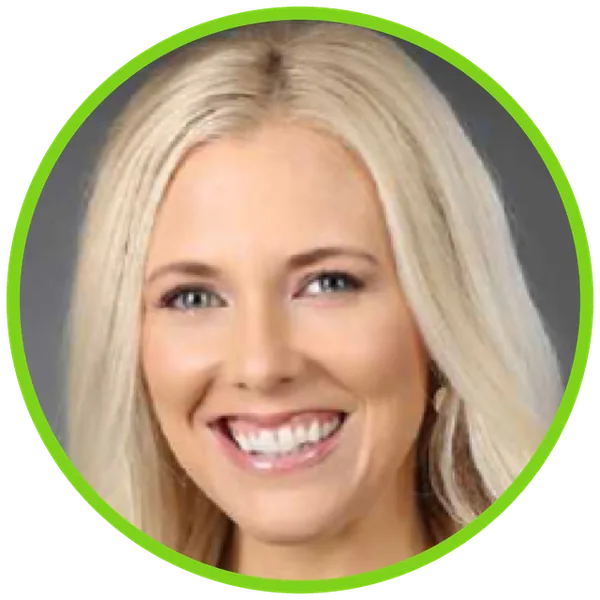
Amber Wuollet
Amber Wuollet from Bold Penguin discusses the different aspects of commercial insurance, infrastructure and what Bold Penguin brings to the table.
The full episode
Press play for the whole conversation.

Insurance Tech News
In a First, State Farm to Acquire Texas Nonstandard Auto Insurer GAINSCO
Blackstone Backs Algorithm-Led Insuring in $500 Million Deal
INTERVIEW
On episode 33 of the InsurTech Geek podcast, talking about infrastructure for commercial insurance with Amber Wuollet from Bold Penguin.
JAMES: Alright! Going to have some fun today, talking about tech and insurance, and how we are going to overhaul all that back-office infrastructure for commercial insurance. We are going to have all kinds of things talking about that, and many other things, including home routines and all kinds of fun things we become adjusted to, but besides that, let us just check with our cohost, the illustrious co-host Mr. Rob Galbraith. Rob, how you doing buddy?
ROB: I am doing great, James, how are you doing?
JAMES: Awesome. It is another beautiful day in Texas. The temperature dropped like 20°. It is down in the '70s and '80s and it feels like the Midwest right now. That beautiful cool breeze coming off a lake somewhere, except it is down here in the hot, humid Southern parts. Of course, we have had some hurricanes in the South in the last couple of weeks that have kept us on our toes, but nothing scraped through these parts, as they say.
And, with us today, we have got our guest Amber Wuollet from beautiful Minneapolis, Minnesota, Amber. Nice to have you on the show.
AMBER: That was a beautiful Minnesota accent James, Well done. Yeah, so, hey Rob, hi James, thanks for having me on. I am excited to chat today.
The full transcript
Transcribed automatically from the episode audio, so some names and terms may be misheard.
James BenhamJBKnowledge Podcast Network. On episode 33 of the InsurTech Geek Podcast talking about infrastructure for commercial insurance with Amber Wallet from Bold Penguin. The Insure Technique powered podcast powered by Jamie Knowledge is all about technology that's transforming and disrupting the insurance world. We'll be interviewing guests and doing deep dives into specific technologies we see changing the industry. We're taking you on a journey through insurance tech. So enjoy the ride and geek out. Alright. Gonna have some fun today talking about tech and insurance and how we're gonna overhaul all that back office infrastructure for commercial insurance.
We're gonna have all kinds of fun talking about that and many other things including, home routines and all kinds of fun things we've had to become adjusted to. But beyond beside that, let's just check-in with our cohost, the illustrious cohost, mister Rob Galbraith. Rob, how are you doing, buddy? I'm doing great, James. How are you doing? Awesome. It's another beautiful day in Texas. Temperature dropped, like, 20 degrees. It's down in the the seventies and eighties, and it feels like feels like the Midwest right now. You know?
That beautiful cool breeze coming off a lake somewhere, except it's down here in the hot humid southern parts. Of course, we had to had some hurricanes in the South in the last couple of weeks that have kept us on our toes, but nothing nothing scraped through these parts as they say. And with us today, we've got our guest, Amber Wallet from beautiful Minneapolis, Minnesota. Amber, nice to have you on the show.
Amber WuolletThat was a beautiful Minnesota accent, James. So well, well done. Yeah. So hey, Rob. Hi, James. Thanks for having me on. Excited to chat today. Absolutely.
James BenhamGlad to have you here. You know, do you vacation at Lake Wobegon, or is that just where your cousins and aunts and uncles go? I'm just
Amber WuolletEvery Friday night, you know, heading up to Lake Wabagong.
James BenhamHey, you know, if you don't know what I'm talking about, of course, was prayer home companion. Longtime running radio show out of Saint Paul, I believe is where they actually recorded that that I listened to my entire childhood. So I've got volumes of this stuff that I've listened to. And every time I go to Minneapolis, you know, they had they had these store and in the stores, they have all the gear. I mean, it it's a fun place. You have a big mall there too. You have a big mall.
It is quite large. Yes. Far from not not far from the MSP Airport. I've been to that mall, got lost in that mall, found myself again, and then found the found the amusement park. Whole roller coasters, I believe in there. Man. Yeah. That's fun. It's designed to make you last, so I I guess it did the work. Yeah. Right? I mean and it's designed for six months of brutal hard cold winter. Yes. That too. Yes. Which is that thing that you have. I remember one time I went to Duluth, Minnesota in July to visit a client of mine, and I flew into Minneapolis, got a rental car, and drove to Duluth, it was like 75 and sunny in Minneapolis.
Really nice, pretty summer day. And I got to Duluth and I you know, like, you've driven to Duluth, I'm sure. Yep. Okay. Yep. So you know how you got you kind of, like, you peak that hill and you come down. Yeah. So I peaked that hill and I came down and the temperature just went, and I just bottomed out. Yep. And it's like it it was Alright. It was the high of 55 in the July
Amber Wuolletin Duluth. Yep. I mean, people there just must be tough as nails to Oh, they are. Northern Minnesota people. It's a whole different breed of human. It's beautiful up there. I love Northern Minnesota, but definitely it's always like 20 degrees colder, and it gets cold in Minneapolis. So when gets cold in Minneapolis,
James Benhamyeah, it's like, you know, 20 degrees colder up there. So Gracious. Buckle up. I mean, it is. And you think a couple hundred years ago, people settled there without, like, central heating. You know? I mean Intentionally. Yeah. I no. Like, it wasn't an accident. Like, they chose to live there. My goodness. So we're glad to have you on the show today. You did not have to deal with hurricanes this week. You know, it's I did not. If you did, that would be very disturbing. Before we It would be.
Before we get started with our interview, don't forget that you can subscribe to the InsurTech Geek podcast by texting geek out to 66866. If you're seeing this video on Vimeo or on, you know, Facebook or Twitter, you know, we we put this everywhere. You can actually subscribe to the podcast and we email you the show notes. So you get that and you can you can get links. We transcribe these podcasts and so you can read through them if you want to. Just text geek out to 66866.
You can never miss an episode. And before we have a sponsor of the show today, doing things quickly, correctly, and on time is essential in the insurance industry. Smart Compliance is an incredible insurance tracking and compliance management tool crafted to assist a wide variety of professionals such as risk managers, TPAs and service providers. Learn more about increasing your efficiency with COIs with Smart Compliance at smartcompliance.co. Back to our guest, Amber Willette from Bold Penguin, a company name that tells you absolutely nothing about what they do.
Amber WuolletIt could be And simultaneously everything.
James BenhamRight? And simultaneously meta. Everything. It could be swimming gear. It could be volleyballs. It could be it could be it could be it could be a a media brand. We don't know. We don't know. So we're gonna find out what it is today. Before we before we dive in and and figure out what bold penguin is, I wanna know about Amber. I wanna know about you. Here's what I know. I I know what I read on your LinkedIn. So you go to you go to UW River Falls, and you study foreign languages.
And you you told me before the show you had the dream of being a diplomat, and may may maybe maybe you watched a lot of Bond movies, and you wanted to be like a spy and and and pose as a diplomat. I I don't know. Tell walk me through what your what what what where you were you born and raised, like, before, you know, before college, and what led you to to wanna learn study foreign language and and, you know, go go into that arena? Yeah.
So
Amber Wuolletfirst of all, I didn't have spy dreams, but I did have a lofty goal of, like, brokering world peace. So that was a thing. But it really started when I was younger. I did a few exchange programs. I spent some time in Germany as an exchange student, some time in Uganda as an exchange student. Traveled around Europe a bit and really fell in love with it. So when I graduated college, I moved to France. So I spent a year in France working as a teacher, and then I moved to Sweden and then came back.
And I was actually accepted to an international relations program in Brussels. I was accepted. I was two weeks out of leaving and my sister talked me out of it. She talked me into applying for a job at American Family Insurance. She's like, just give it a try. Try corporate America before you like commit yourself to a life of living around the world away from your family. Why don't you just give it a try? I'm like, okay, I'll give it a year. So how many years later is it?
I don't know, fourteen years later, something like that, I'm I'm still in insurance. So that was sort of my my one eighty of a career move, which, you know, really kind of serendipitous landed in an amazing industry completely by accident like many people who are insurance, I suppose. That's awesome. I mean yeah. And and, you know, we we say this on the show a lot. Very,
James Benhamvery few people, some do, but very few people go to college saying I wanna work in insurance. Right? They they discover the magic that is this industry a little later in life. Sometimes by accident, that was me. I I landed an insurance client in 2004. And then I walked, I'm like, Oh my gosh, I didn't even know anything about this industry other than, you know, buying renters insurance and car insurance or homeowners insurance. I mean, we all understand the giant machine that is insurance and how it enables global commerce, right?
I mean, I do a talk. I do a speech on the history of insurance. Winds all the way back to to banking contracts in ancient Babylon where they would they would forgive the loan if there was a loss. So it was it was a it was a it was a bank loan that was forgivable, and you paid an extra premium. You paid extra interest for the forgivable nature. It was brilliant. It's a brilliant, brilliant financial instrument, and it's thousands of years old. Right? So Right. This is not a new industry, but a lot of new stuff is happening.
What did you learn at American Family that made you really want I mean, you you were there a decade. I mean, when you you you arrived there, something happened, something clicked in your brain that led to you being an underwriting ops services manager, you know, that that's a really important role at an insurance company. So, you know, what clicked for you? What really went off in your brain that made you want to commit a decade of your life to that? I'll never forget my first week.
Amber WuolletReally jumping into insurance with very little background. You know, I had purchased maybe an auto policy at that point, but that was the extent of my insurance knowledge. So everything was new. At that point in time, it was quite a bit different than today. Like, we were literally learning how to calculate rates. We had like a worksheet up with a pencil and a paper, and we were going through insurance. Like we had printed out contracts. We were studying policy language, and it was like a different language essentially.
And first of that was fascinating. I love language. I love understanding stories and that was a lot of what it was. But what I really credit to is the leadership and the mentors that I had at American Family who really turned like an entry level job, which I thought would be temporary into a lifelong passion. Because they also explained the why. This is why we do this. This is who we do it for. This is why it's important. You know, this is a foundational block of society is insurance, is what we're doing.
We're literally protecting dreams and hopes and families. That was just I mean, I guess I'm a typical millennial, you know, looking for that meaning. You know, I'm I went from like thinking I was gonna, you know, broker world peace, obviously very idealistically. But then switching it to something else that also has so much meaning and add so much value and it was really fun. You know, I got into underwriting, was working with agencies and some of our newer states on the West Coast. So just trying to understand the different risks, you know, how is a risk in the Tahoe area different than Seattle, different than South Dakota?
What do I need to know? What what elements of the story are important? So learning all of those pieces, it was just fascinating. And then of course, digital transformation became the thing and change became even more rapid. So I realized very quickly, this is an industry that you can settle into and never really settle. Like that you can keep growing and keep evolving. And I got to work on some awesome projects like changing rating structures, adding new discounts, things like that, and really just fell in love with the space.
That's why I sort of shifted into product marketing. Awesome.
Rob GalbraithRob? Amber, I love your your background and your history, and I know that you are a true insurance geek. So it's a pleasure having you on the the podcast. So I kinda curious, about the move from that traditional insurance company to the Insurtech space. So maybe you can talk a little bit about your journey post American Family and how you landed at Bullpenguin and then tell us a little bit about Bullpenguin. Yeah, absolutely. It was a huge
Amber Wuolletseismic shift really going from spending ten years in an organization, that large, you know, in the same office with the same people for ten years. And when I left, I was the second to least tenured leader on the management team at ten years. So and that just speaks volumes about the the the breadth of knowledge and experience and the culture. So leaving was simultaneously thrilling and and terrifying, but it felt like a very pivotal point. I was just finishing up my MBA at that point in time, U of M Carleton, and I had really gotten into sort of product and marketing, had done some consulting work at Carleton, and really felt like I was ready to move into a different area and take that knowledge and add it to the industry in a different way.
So shifted into new product development and marketing at that point and really went from, 8,000, 9,000 person organization to explore, which at the time I think we were about 120 something. So really working directly with senior leadership at a small data company that you know, very tenured in the insurance industry, sells into the personal line side and really getting hands on. And I think one of the key differences, if you look at those large, like heavily matrix organizations, there's opportunity in on both sides. The main difference is that in the smaller organizations, they're going to wear a 100 different hats.
And at that point in my career, I'm like, yes, I want to wear a 100 different hats because I've been studying all this. I've been experimenting and all these things. And I feel like that was a really key point of just embracing that and then the uncomfortableness of presenting to senior leadership my second week and diving into new data sources and trying to understand a different world. Just had a fantastic time doing it while still working with the insurance industry. You know, I was actually working with some of my old colleagues at American Family.
So it's like, it had this element of familiarity still where I was able to use my knowledge that I had spent the last ten years gaining in a new way. And then, you know, Bullpenguin had been on my radar really since probably 2017. When Bullpenguin came up, I saw a very different message from them. So being on the carrier side when Intertek started was kind of a disconcerting experience because a lot of them came out saying, you know, we are disrupting. We're revolutionizing. Agents are gonna be gone.
Underwriters are gonna be gone. You're We're all going It's like an Oprah dinosaurs.
James BenhamIt's like an Oprah show. You're gone. You're gone. You're oh, wait. No. It's not like an Oprah show. It's the opposite of an Oprah. Remember that when she used to, give away cars? Like, you get a car. You get a car. It's the opposite of yeah. Yeah. They're like, you know, well, what they were basically saying in their arrogance, right, in their arrogance, they were saying, we're going to eliminate all of you. And that's absurd. Like, if you know anything about insurance, you know it's such a relationship business.
Like, so much of this business is relationships because there's only so far data can take you in. And while data can eliminate a bunch of menial tasks, you still have human relationships because, I mean, like Absolutely. Yeah. So it's it's absurd to say you're going to you're gonna disrupt
Amber Wuolletand eliminate everybody. Yeah. And I think I know, Rob, you you you had similar experiences around this time period as well. And really, it was it was fascinating to see a few voices at that time period, just a few that were saying the opposite. And Bold Penguin was one of those saying the opposite of we are not here to displace anyone. We are here to empower the existing value chain. We wanna help you. We wanna work with carriers and agents and other insure techs. And that was a really refreshing message to see at that point.
And just the brand was a ton of fun. So it's like, they're just they're they've got a really cool piece of technology they're building over there and their messaging is really different and really unique. So they were on my radar, yeah, really from the beginning seeing them out and about. So, yeah, it I was kind of a fangirling for a few years before I even talked to leadership. That's awesome. I mean, let's now I don't think we we did a really succinct elevator pitch on what Bold Penguin does, just just to be clear.
So can we in thirty seconds or less, really, really explain it for me. Yeah. So essentially, Bold Penguin is the pipes of small commercial, like pure play technology company. Like, an agent, not a carrier. It's the technology in the middle connecting a very, very fractured industry. So you got agents, carriers, small business, other Insurtechs. Bullpenguin is at the middle. Obviously, with technology, you know, you're using a machine learning, natural language processing, APIs to connect. So I think we're we're best known probably for our exchange, was one of our first undertakings, which matches agents and carriers and small businesses using all of that technology instantaneously, essentially.
James BenhamDo you help deduplicate? This has been a hot button, by the way, recently with my client base. So JBKnowledge, we're a 230 employee insured insurance comp technology company, and we work for carriers, brokers, TPAs, PBMs. Right? We build custom software. We implement stuff. We have a couple of small products. And and I I've heard this recently. There was this topic this week was about deduplicating clients who are shopping the same insurance to multiple brokers, and the brokers are all shopping the same markets. So the same quote the same quote is hitting the same carrier, like, four or five times.
Do y'all help deduplicate that type of that type of interaction? That that's actually a major pain point with folks out in the insurance business.
Amber WuolletOh, completely. There's so much duplication and, inefficiency. And actually, to to back up to, yeah, 2016, Bullpenguin was founded by a couple former insurance agents who actually had a hard time writing small commercial because they're like, it is the the scale of small commercial is really hard to make work as an agent because we're talking, you know, primarily organizations with less than a 100 employees, sometimes micro, you know, one, two, three, five employees. We're not talking, you know, huge premiums. So how are you gonna do on average, you know, can take six, eight, twelve weeks to write a policy, do all that research for a policy that's you know a thousand dollars a year in premium, like it doesn't work.
So how do you make that work? So that's one of the components that they were very passionate about building in is like our agent terminal for example, that independent agents can use. You're typing in the information once. It's getting all the information once and then the carriers are kind of you know waiting in the wings and they're opting in and out as you're entering information. So you know one carrier might ask, how many years have you been in business? Another one might ask, what year was the business founded?
So we just dedupe that. We ask the question once and then maybe the answer is 2020 and carrier A is like, I don't take, you know, I only take more tenured businesses. Opt out behind the scenes. Other ones pop up. That's all happening in real time as you're going through the app. So you're not calling 12 different underwriters filling out 12 different applications, you're doing it once. And so that's really one of the beautiful things of the system is it's it's made for the agents and carriers to get at what they want because carriers already told us, you know, exactly of the nineteen thousand two two hundred and fifty five NAICS codes, we want, you know, these 8,000 types of businesses.
I got, like, plugged in there. We'll take landscapers, but not landscapers that go on roofs. That's plugged in there. So as you're entering information,
James Benhamit's it's it's all real time. And and who who actually pays you? The carrier and the agent?
Amber WuolletSo there's a few different ways of like revenue stream works. So in our exchange, for example, it's a true matching system. We're not like selling leads or anything. So as the agent or the small business partner sends in the small business who's looking for insurance, we pay them. And then on the end, the receiving side pays us. And then of course, if you've seen us in the news with like Nationwide or Progressive, obviously those are like custom terminals. That's like a custom build for like a consumer facing storefront or an agent facing storefront, which is obviously different revenue model.
So you're you're enabling carriers to go direct to consumer with your platform. Is that what you're saying? Yep. Or directed through their agencies as well. It's like if you go to, like if you buy commercial policy through Progressive, like if you're a small business, you go on their site, that's our our technology powering that experience. I always do working very closely with their teams. We actually kind of become one team through that process. Like our engineers and their engineers kind of become a team. It's a very, very collaborative effort.
James BenhamAwesome. Rob?
Rob GalbraithSo Amber, you know, I I love how you talked about being a fan girl. Right? And you'd kind of known of old Bold Penguin and loved that they had a different message in the marketplace. Certainly, we've talked a little bit about the different value prop of being an enabling technology, but I think you'd agree that since the very beginning, they've actually had a different message entirely. It was always fun. And I think Doctor. Robin Kira, who we've had as a previous guest on the InsurTech Geek podcast.
Yeah, he uses the term attention hacking a lot. And so I think that's something that BoldPenguin does super well. You personally and a lot of your your video series on the insurance nerdy and others, if anyone has ever followed your work, knows that's something you also do well. So definitely feels like a a good marriage to have you as a chief marketing officer. But maybe you could just talk a little bit about, you know, what are some of those things that separate Bullpenguin from just the plethora of Insurtechs out there trying to get attention from carriers and agents and brokers in the marketplace.
And what are some things as kind of the chief marketing officer? Any tips or tricks or guidance you guys have a unique voice in the marketplace that I've always admired? Just kind of curious, whatever secret sauce you can share with us. Appreciate. Absolutely.
Amber WuolletWell, first of all, I'm flattered to hear my name mentioned the same sentence as Robin here. Huge fan of his, talked to him at a few different events. Love his work and what he does. And I think step one, which is completely out of my control and which I'm very lucky to have is to have a really, really solid product because there's no marketing in the world that can compensate when it's it's fluff or either just hype. So I think that makes my job so much easier is we're doing our our teams.
They're doing incredible work. Our engineers are building an incredible set of technology, which makes my job so much easier. And then we also have a leadership team that is really all about embodying who we are and that's bold. So there's a reason we're called Bold Penguin. We want to be that bold force leading the industry forward and we're willing to take some risks and kind of break the marketing mold in order to do that. And I think that speaks volumes about our leadership team. And then it's really about being authentic to who you are.
And for us, you know, we you know, we show up at events and we're always thinking about how do we communicate what we do and how do we connect with the industry. So, you know, at ITC twenty nineteen, you know, we're out with the penguin suits. You know, we're having those conversations. We've we've, you know, we've got our swag bags. And then we also have like our, you know, our our sales leaders well, like at the ready to communicate on a deeper level about what that means and what we're doing.
And then we do deeper content as well, white papers, work with insurance journal, other partners in the industry. And then we're always looking at ways how do we connect beyond those. So so we started our own weekly video series last April. We called it BPTV for obvious reasons. And really the goal there was to create content that is both entertaining and relevant to our audience's lives. So again, just really trying to add their own personality to it and what we would call kind of short snackable content, you know, like eight minute videos with insurance leaders across the space.
I mean, having a little fun with it and really just trying to bring the industry together, which is what our technology does, but also doing that with our content. Awesome, Rob. Awesome. Yeah. So Amber, maybe you can talk a little bit more just about small commercial.
Rob GalbraithAnd I know there's this term CIMC that's out there, right? Which we'll kind of throw out to listeners to see if you can guess what that acronym stands for. But yeah, maybe just how small commercial I know it's going digital and it's actually very tough, as you mentioned, for agents to make money. Being able to enable it digitally helps bring the cost of acquisition down and something like 60% of businesses fit into that small commercial space. So it's a ton of folks and not necessarily a ton of premium, but it's fairly substantial if you add it all together.
So there's definitely a wave of different competitors out there. Maybe you can talk a little bit about what differentiates BoldPenguin from your competitors.
Amber WuolletYeah, absolutely. It is a good trivia question. So I'll give the audience a second. What does SEMC mean? Insert Jeopardy theme song here. So stands for single entry multiple company interface. So if that's not the catchiest Yes. See. Long name you've ever heard. But as the name would imply, yeah, it's it's about connecting one single interface, multiple connections there, which is really what small commercial has been needing because it's such an incredibly challenging space to thrive in for agents. I was really funny. Was actually on my way back from ITC last year.
I was at the airport in Minneapolis waiting for my bags at like midnight. And the guy next to is waiting for his bags. And he's like, Oh, I'm a small business owner. Is last thing I need to do is lose my bag. It's like, I've been having all these insurance problems and I'm like, gotta be kidding me. Tell me about them. Tell me about them. I want to hear about your insurance problem. He's I guess he's like, I make bottles and it's not that complicated but this agent, my insurance agent has been trying to find me coverage for like four weeks now and about to lose a major job because I don't I can't prove that I have the right coverage.
Anyways, he's like there's got to be a better way to do this. This is ridiculous. I must not a business owner. I don't know about insurance. I don't want to know about insurance. I just want someone to give me a policy that I need to run my business. Like that is extremely like I mean that's exactly what Bullpenguin is trying to do is fix that problem because as a small business owner, yeah, you you don't want to think about insurance. You want to get the coverage you need as fast as you can and get back to work.
And as an agent, you want to be able to help the small businesses that come in through your door in a way that works for your business. You know, if it takes three months to write a policy and you that's, you know, $1,500 in premium, you're you're you can't make that work. And that's the one of the huge challenges of small commercial. And I think that is a huge problem that our founders saw, you know, when they were agents, you know, ten, fifteen years ago and wanted to fix.
So that's the role that Bullpenguin really tries to play and has really succeeded in that role of connecting small insurance, being the pipes of small commercial, the infrastructure that brings the players together and makes their lives a heck of a lot better. There's so many different players in small commercial. And really what we're doing is trying to make technology that helps all of them succeed. So working together
James Benhamhow we all succeed in small commercial because it is such a challenging space. Sure. Mean, the the the agents and and we through our smart compliance product end up working with a lot of agencies that that deal with small policies, Right? And the number one number one conversation is how do we make money on this? Because Yeah. It I mean, you really you know, you look at a at a at a million dollar company that you're writing and a $100,000,000 company you're writing, and it's not it's not 10 times less work to write.
Exactly. The yeah. It's just not, you know, it's it's it's not. It's it's actually there's there's a a similar amount of work regardless of the size of the of the company. Of course, there's some companies that are incredibly complex, like anything touching the PEO space. But but when when you're dealing with small business and medium sized companies, I mean, the the premiums are way smaller, but you have about just as much work. So it's like the number one topic we talk about. Do we how we how do we do all of this faster?
How can we automate as much of this as possible? And let me focus on building relationships, get out of the way on data entry. And and certainly, I'm seeing some people try to do CMC products in the avi I'm a pilot. So in the aviation industry, there's been some attempts there because they request an incredible amount of information. And you have to fill it sir. And you have to fill it all out every single time in everybody's different forms. And luckily there for the agents, there's a lot more money at stake.
And so there's enough commission money to make it worth it. But, man, these policies and look. The reality is a lot of these policies can be written pretty quickly. If if there's something that the digital MGAs who are skipping agents and just writing direct to consumer, you know, direct to business owner have showed us is that they can write a lot of this without ever having a phone conversation. And so right? So there's got there's gotta be a there's gotta be a change for agents to be able to compete against the direct to consumer digital MGAs.
Right? Yeah. You really have to
Amber Wuolletmeet the customer, these business owner, where they wanna be met, and give them the experience that they expect. And to do that, yeah, if you have data, if you have connections, you can do that. You know? And a lot of businesses at at that scale can be written quickly.
James BenhamIf you've got the data and the connections and you can make it happen, then, yeah, literally everyone in the value chain wins. Yeah. It's it's I've I've said this for so many times. You're about delegating and elevating. You're delegating menial tasks to computers. You're elevating humans to thinking tasks like building relationships and analyzing risk and trying to allow, in particular in this case, smaller accounts to get a lot of attention. Because that's who ends up losing right now, I think in the in the current system without a CMC.
And by the way, I play the sound effect over when you explain that that is single entry, multiple company interface, entry, multiple company interface, SIMC. Know, the the the whole the whole goal there is to to not have to fill out 500 applications with the same information on different forms. I Exactly. Right? That's it. I mean, if if you had to if you had to boil Bold Penguin down to one thing, wouldn't that be it? It's you're you're cutting the number of applications down by like 95%.
Yeah. And you're getting the job done like 300 times faster, literally. Yeah. Yeah. So I mean, everyone's saving time. This is one of those interesting things where I think like everybody wins. You know, you know, know, and there there are some technologies and and when you look at the technology, you go, well, that's a great technology, but this party over here loses because because of x y z. Like, they're disrupted and now they don't have a job anymore. Like, you look at self driving cars and and eventually you look at, you know, 4,000,000 commercial drivers and you go, okay.
If self driving cars really actualize, there's gonna be real pain and suffering and a massive disruption and a lot of retraining. You look at this and you go, if Simsies like bold penguin are really successful, literally everybody wins. The client wins because they're gonna get their quotes back way faster. Right? Yep. And they're not gonna have to fill all these damn forms out. The agents win because they don't have to rekey all this information and lose money on half their accounts. The carriers win because they get the data flowing into them.
I mean, I was on the phone with a carrier today that still receives faxes with all their applications and they have to respond with that. I mean, they still regularly receive faxes for commercial. And so they have faxes, they have emails, they have an API entry, then they have a portal. So have like four different ways of getting these things, you know, and it's and it and it just it's a mind numbing. They wanna they wanna take a power drill and drill a hole in their skull to relieve the pressure.
It's I mean, it's and so, you know, if if this is successful, bold penguin successful, then every party involved with you wins. And, just tell me what that when once you get there and here's the question part. Once you once you get there, what's next? Like, what's the big what's the big play? Well, the big play is
Amber Wuolletupgrading small commercial and never stopping. I think we often when I was thinking about like all these transformations, these digital transformations, and I was part of them, you know, on the carrier side is like, okay, we're gonna be done in 2009, in 2012, or, you know, on this date. And what I have quickly realized is there is no done when it comes to technology, it comes to innovation, consumer expectations are constantly shifting. And it's not just insurance to insurance comparison. You know, we have to live up to the expectations that, you know, the Googles and Amazons are setting outside of our space.
So there is no done. So it's always about how do we cover all the small businesses that need small that need coverage. And small businesses are innovating. They're coming up with up with new ways, especially over the last year, new business models. They're, you know, reinventing new ways to to thrive in the crazy macro environment that we live in. So that means we have to change too. It means we have to figure out how do we get that, you know, that insured covered. How do we meet them?
How do we understand their need? Okay, we're going to need data. How can our machine learning help with this? How can we make sure that they're classified correctly? We know that you know 19,000 plus NAICS codes. How do we make sure they have the right one, the right classification? So that's an ongoing, that's a moving target. And then how do we really like how do we support them for their whole life cycle? So that at from the second that they open their business, you know, until they retire that they continue to have a coverage that they need and the support that they need.
And that's that's a huge ask. And again, that will require continuous innovation, new data sources, new technology using our existing technology in new ways to continue to achieve that.
James BenhamThat's awesome. Yeah, I mean, that, that would be an amazing end result, right? I mean, at the end of the day,
Rob GalbraithRob. Yeah. So Amber, I'm kind of curious, maybe you can tell us a little bit more or really advice actually for folks like ourselves that have been in the insurance industry for a while. This really could be anyone of any age, but I'm particularly thinking of millennials, right? That may have started out for a career in insurance. And as you mentioned, kind of ten years at the company and you're the second most junior person still on the leadership team. And I've seen this more and more, a lot of folks originally that kind of started out, right, were from Silicon Valley and really technologists, entrepreneurs, investors outside the insurance industry, but more and more, we're seeing people that are professionals that have worked in our industry for several years that see some of the problems, see what I call the seven fatal flaws in my book, really kind of jumping over to the InsurTech side to help solve some of these problems.
And so I'm just curious, having been on both sides of it now, what advice would you give to somebody that maybe is thinking about making that career leap, but is kind of a little bit unsure about going from perhaps a larger organization to to leap into startup world. Sure. So from insurance to insurance or outside insurance to insurance? Insurance to to insure tech, let's call it. Sure. Gotcha.
Amber WuolletYeah. I think there's no one magic organization or magic role. It's really about assessing what you're passionate about, what you're good at, and which parts of your job that you enjoy and then finding the right fit from there. So I think it's hard to thinking about. And for me, what I realized is that I love the storytelling part. And that was one of my favorite parts about underwriting ops and my favorite parts about the project work that I did. You know, I would go out and present to our agents and help help them understand what we're doing.
It was about crafting the story and telling the story. I love being creative with that. So I was always thinking about, okay, how can I continue to develop that skill set and use that skill set to add value to industry? And that's where I started shifting to the smaller organization where I could expand that. So I think it starts with looking internally and really thinking about what do I love doing. And sometimes the answer is not obvious. So I think that's a great point too where I had a clear counselor once tell me, you know, ask five people in your life.
Ask a friend, a family member, two colleagues, and someone who you've reported to. Ask them what you're passionate about, what they see you in and what you're good at and you'll get some different answers but you'll get overlap as well. And if you're wondering where you fit that can help add some clarity and spark some introspective ideas Because I think that's when you really find contentment and true satisfaction in your career is when you're doing things that you're passionate about and that you're excited about and that you feel good about doing.
And I think if you're looking at making the move to a smaller organization, just being realistic about what that means, you know, you're going to give up a little bit of the consistency, a little bit of the process, a little bit of that that sense of security, but you're going to gain usually a little bit more freedom, usually a little bit more flexibility and more growth. So just thinking about this point in my career, where I'm at today, this is what I'm good at. This is what I enjoy doing.
And this is where I want to be. So, you know, I think that's a really key point is just thinking about your day to day balancing that with, you know, five years from now. Where do I want to be ten years from from now where do I to be and then talking to those that are on that side. Certainly, I got to know a number of folks on the intertech side prior to making the the shift. So I felt like you never know a 100%,
James Benhambut I knew enough to feel pretty confident that it was the right space for me. Awesome. Great advice. Thanks for sharing, Amber. Really appreciate it. It's great having you on. Yeah. It's been a good been a good discussion. And, Amber, I'm excited about what Bold Penguin has has done so far to kill menial work that nobody wants to do. Right? Like, this is this is such a this is such an important thing, and I appreciate you breaking it down and explaining the basic concepts and then diving into the the the kind of the current implications and where you're headed.
And it's it's good. It's exciting. It's exciting to me. We we do have we do have some news. I'm gonna to lead off and with with our with our news just because this just happened. I mean, I just got the email yesterday. Yeah. So eight days ago, I get my my email from InsurTech Connect insiders update. Talking about, hey. It's just eight days ago. It's coming up. Sessions begin Monday, September 21. You know, that was eleven days from that email. Three shows in one. What is ITC global talking about?
Networking and sessions and expo, and they divided the whole world into three things. And they, I mean, they had this plan, and and eight days ago, it all sounded like it was locked on. And then yesterday, I get a very surprising email that they have decided to delay all of InsurTech Connect by an entire month. And and mind you, this was this decision was made four days from the beginning of the of the conference. So it came as a surprise to many people. They said they had over 9,000 people registered, so this is not like yeah.
It's just not like it was a small a small group of people. They are they are deferring 9,000 registrations by a month. They are saying that this is to better serve the community of industry executive innovators and thought leaders because they didn't feel like giving them enough time to plan all of the ancillary meetings that take place around InsurTech Connect. You guys if anybody's been to insurance conferences lately or ever, you know that there is, like, 70% of the value of an insurance conference conference is outside the sessions.
Yep. Maybe more. I don't know, like and the sessions are great, by the way. I'm not trying to like undermine how good the sessions are. I've been a speaker at REMS multiple times. I've been a speaker at army multiple times. I've I've exhibited at REMS since like a decade and a half. Like, I I mean, I've been around the block on insurance conferences, and I love them because there's so much business that is done in the hallways of the conference center that's done in restaurants, that's done in all the parties afterwards.
And I will say the parties about a decade ago used to be bigger and better. I'm just gonna be honest. I'm gonna say that there are some carriers that threw some blowouts with, like, major like, I got to I got to see, you know, One Republic at a party. I mean, that was oh, yeah. Now that's a major FOMO. I need to travel back in time. Oh, Amber Amber, you missed OWL because they I you know, we had I mean, major major band. I mean, it was amazing, but, like, you're there watching One Republic with a thousand of your friends.
Right? I mean, one of the smallest concerts one will will play that year. And and then you meet three people that you end up doing business with there having a drink. Like, that's just the way that this is. And so it's disappointing. It's surprising that it's this close to the event and they're moving it. So if you didn't know already, it is now gonna take place Monday, October 19 through Wednesday, October 21. And they moved to October. It's still virtual. And they they laid out their reasoning.
Obviously, this is a I'm I'm sure a very tough decision for Jay Weintraub and Mi Jong Jing to to to to pull off, but, you know, they had to do it. They had to what you gotta do. It's a extraordinary year. So, Rob,
Rob Galbraithyou've been pretty tight with the ITC bunch. What are your thoughts on this? Yeah. I'm curious to get Amrita's thoughts as well as somebody that I'm sure had a lot of activities planned for ITC. It it's really tough. So for any of you that have ever been to InsurTech Connect, and I've been twice, the first year I went was just an amazing experience and kinda mind blowing. And so actually wanted to try to capture that experience last year. So I actually made an ITC video diary over the three days I was there.
So we'll get that over in the show notes for anyone that's interested to watch those on YouTube. But it is a one of a kind of event. You're absolutely right, James. The sessions are great, but that's not where the action happens. Again, not to denigrate as somebody that's spoken at multiple ITCs, including a virtual world tour event for Turkey just earlier this week before all this news came out. They are great content, but it is one of a kind. Networking, the expo is second to none.
That's why people travel from all over the globe to Las Vegas when this event is happening in person. We know that the events that have gone virtual, the biggest lacking part is the networking. It's dead. Nobody's done it right on a virtual event. So just knowing how important that is, particularly for ITC, I don't blame them for this call, although like you said, definitely late in the game and I'm sure it's very, very difficult. But the networking part the whole point of ITC really. It's a celebration, a global celebration of insurance.
And so it's sad to see that they've had to make this tough decision. But Amber, curious what you thought. Yeah. Mean, no one loves ITC more than me. One year I made a video diary. I also wrote a song about it. And sure tech wannabe YouTube that for some entertainment. So
Amber WuolletI love ITC, but I have to agree the networking component is is a huge value add. And that that speaks to the value of the networking, not the lack of value of the sessions as you mentioned James. But yeah, I think that's been so hard to recreate. Know, you talk about being at a concert and making deals and whether it's, you know, at a conference hall, you know, the happy hour or a concert or one of those. The fact is that that's where a lot of the deals and that that relationship building happens and no one has been able to really find the key to make that to really represent that in the virtual space.
I think they're probably just really trying to dig into it to make sure it adds value. And that's a that's a huge challenge. I mean, I don't don't under their position. That's that's hard. It's a tough nut to crack for sure. Now just for your listening pleasure,
James Benhambecause I am a massive music nerd. I've got to play this for everybody here just so they know how magical this is. Oh, man. You're good, girl. Come on. I'm gonna I'm gonna I'm gonna get my guitar out. We're gonna I'm gonna
Amber WuolletStop gonna have a guitar right there. He's ready to join me. I know. I'm gonna join you. I mean, my goodness.
James BenhamAmber.
Amber WuolletSo I like country music and I like ITC. So I'm I I I married the two. Oh
James Benhammy goodness. I'm gonna have to play a song now. You know, I I guitar has been my coronavirus project. So Oh, fun. Yeah. You know what? Nice guitar too. It's pretty. Oh, yeah. You know, I got I I and I just didn't buy one. I bought four, you know, because I was like I was like, I'm gonna get an electric guitar, and I'm gonna get a three quarter guitar, and then I'm gonna get a full size guitar. And then I just I just didn't stop, and then I got a looper pedal.
And yeah. So it's it's a sad it's a sad moment. It's a sad moment for us with with ITC getting delayed, but we are gonna get IT we are gonna get ITC back, and we are excited about that. And Amber, you definitely win the prize for the only Insurtech song ever written. There's actually a couple of them, but you know, I I do think that mine's up there. I I feel like top 10. I feel like I just need to do like a like a GDC per progression and just, you know and then, you know, and just No more.
Just I think I think we just write one right now. You just need to write one. So let's move on to other news. Rob, I know you had a really interesting story that I I was captivated with about State Farm. Yeah. So I gotta give a shout out to my friend Denise Garth from Majesco who we'll have to have on a a future podcast, but I'm planning an upcoming webinar with her and Brian Falchak on September 30.
Rob GalbraithWe were preparing right before this event and she actually gave me both news items this week. Shout out Denise, I cannot take And she was saying that State Farm, and this is in insurance journal, they announced the first acquisition in their ninety eight year history of Gainesco, which is a nonstandard auto insurer based here in Texas, in the Dallas area, I believe. And a lot of people were thinking it might be reaction to Allstate's acquisition of NetGen, which we talked about earlier this summer or not.
You guys can definitely check out the article. But basically the question is, is this the beginning of a whole lot more M and A activity in the insurance sector? I don't know if you know this, James. We have 700 insurance carriers here in the state of Texas alone. I certainly could not tell you what differentiates all 700 from one another. So there's a thought with consolidation of technology and other space that you're going to see more of this. So anyway, fascinating scoring. We kinda curious thoughts of of guys more in M and A.
State Farm was the very first project I had to their first carrier I ever had to integrate with. Built fifteen
James Benhamyears ago sixteen years ago, I built an an inspection interface for one of their vendors to collect all their home inspections, and then we had to ship all the data to State Farm and they had to use it. And so I have a very near and dear place in my heart because had State Farm not required the digitization of their inspection process, I would not be in the insurance industry. So I am I mean, seriously, that's that's like for real. So I am I mean, I'm excited.
It's it's notable because of how large State Farm is and it's the fact that it's their first acquisition. Right? Like, that's it's hard to even believe in an industry that is so acquisition heavy that they went this long without acquiring anybody. But it certainly is telling that companies have they're sitting on a lot of cash. It's almost impossible to make returns without taking risk. Right? I mean, you cannot make you can't even make 1% right now without taking a good bit of downside risk because of how terrible the bond and the credit markets are because the Federal Reserve has bottomed out everybody's interest rates.
So you're gonna see more money looking for homes. So there will be deal activity, just careful deal activity. And so I'm I'm stoked. I think it's interesting. I hope there's I mean, you know, they're gonna be cautious about it with his frankly, I mean, I'm not saying this to be insulting with his little experiences they have acquiring companies. It's going to it's going to, I'm sure, be a culture shock for many people on State Farm to have another company stepping in. And they're gonna have to learn how to buy companies.
It's actually it's a skill, right? It's a skill to buy companies. So they're gonna have to figure that out. And I'm sure they have some awesome advisors helping them out. And State Farm is a great company. And I certainly I I owe my entire insurance career to them. So I'm I'm I'm excited. They're they're getting it done.
Rob GalbraithYeah. Yeah. Absolutely. And then the other one I wanted to quickly note is, this is an item from Bloomberg. Blackstone backs algorithm led syndicate at Lloyd's of London, KI, K I, and $500,000,000 deal. What's fascinating about this one, so we're talking about Lloyd's of London, Talking about syndicate, think about, in fact, Lloyd's, I think they're all gonna go back to the office here soon, right? And they're little underwriter booze or whatnot, but they're gonna do the entire underwriting for this new syndicated totally based on algorithm.
No humans involved. So definitely one that's really, really fascinating to watch. They they say no humans.
James BenhamI so this is the beautiful thing about being on a podcast is we can just, like, spout our opinions off and just, you know like, okay. I've been writing software since 1991. When I turned 11, I started writing GW basic code. And I have heard so many times there's no humans involved. This is fully automated. And then I then I get a chance to peek under the covers, and it's like, oh, Soylent Green is still made of people. Because, like, they say there's no humans, but then there's, like, people, like, coaching all the machine learning algorithms, and there's people doing QA and QC on it.
Like so I am very look. $500,000,000. Like like, oh my gosh. That's a ton of money. I am captivated by the size of the check. I will be following this closely along with you, mister Rob. And if I get to to peek under the covers, I'm curious to see if Soli and Green is still gonna be made with people. You know what I mean? So y'all y'all remember that? Y'all remember that? Right? I mean I do. Yeah. Amber, know you're a millennial, you know, that that's a that's an old Charlton Heston, you know, and and it was that movie was redone.
Not that wasn't redone, but that whole concert was redone with, I think Tom Hanks was in it. The the the redo is it it it's a it's a wild concept. The the reality is what we say is automated is not always automated. So we'll see. We'll see how much they're able to do. I I'm excited. I'm excited about the check side. It's gonna be they're really serious. Me a lot of money chasing that problem, buddy. Amber? $500,000,000.
Amber WuolletI mean, that's a lot of zeros, especially thinking about, you know, a company like Lloyd's just infamous for the old school underwriting pro, you know, the booth. So to think about them dropping that many zeros on,
James Benhamyeah, AI, it's a fascinating marriage for sure. It'll be exciting to watch how that progresses. I'd like to go back in time to the coffee shop. You know? Yeah. Yeah. In 2020, y'all are gonna spend $500,000,000 on an artificial intelligence algorithm. Oh my goodness. Well, look, Amber, this has been so much fun. I am so thankful that you came on our show today.
Amber WuolletLikewise. I had a blast with an awesome way to wrap up the week and chatting insurance and country music and and Lloyd Sabine. Does it get any better from that? I don't think it does. Rob,
James Benhamdude, you're you're awesome. Thanks for bringing on. Thanks for introducing us to Amber. Of course. Absolutely. And to all of you and to all of you in honor of my country music star, know, just Insurtech geek powered by JBKnowledge is all about no. I'm just kidding. We're all about technology. Start geek on. I I like like it. It. We're gonna come up with an InsurTech Geek song. We're gonna sing it together. It's gonna be awesome. In the meantime, we're gonna play our usual music. This has been the InsurTech Geek podcast powered by JBKnowledge, all about technology that's transforming and disrupting the insurance world.
I've been your host, James Benham, joined by my cohost, Rob Galbraith. That's end of insurance.com. Big thanks to Jim Greenlee, our podcast producer, and Kara Dalton, our creative producer, Adele Waldeck, our transcriptionist. And thank you for joining us today. We're taking you on a journey through insurance tech. You should enjoy the ride and geek out. See you next time.