 YouTube
 Spotify
 Amazon
 iHeart
 Apple
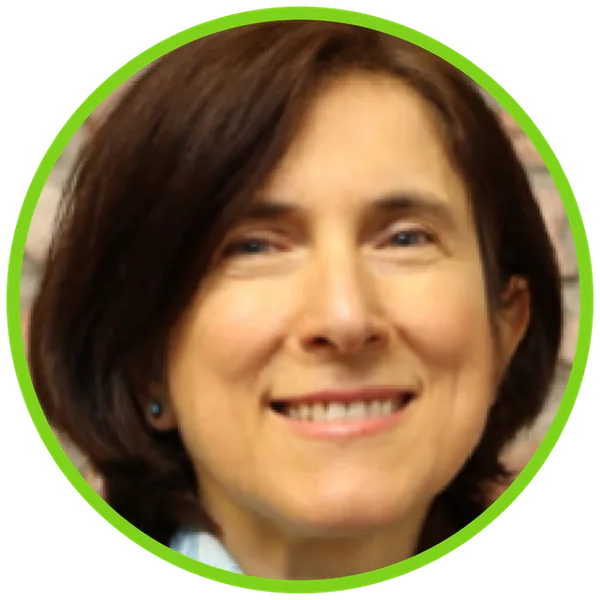
Zehra Cataltepe
Zehra Cataltepe from Tazi AI discusses the different types of Artificial Intelligence and focus in on Machine Learning and the benefits it can bring to those in the insurance world.
The full episode
Press play for the whole conversation.

Insurance Tech News
Next Insurance Lands $250M Series D
MetLife Looks to Sell P&C Auto and Home Insurance Business: KBW Analysts
INTERVIEW
On episode 34 of the InsureTechGeek podcast, talking about machine leaning's role in insurance with Zehra Cataltepe from TAZI.
The InsureTechGeek podcast, powered by JBKnowledge, is all about technology that is transforming and disrupting the insurance world. We will be interviewing guests and doing deep dives into specific technologies that we see changing the industry. We are taking you on a journey through insurance tech, so enjoy the ride and geek out! Back in a second.
JAMES: Right. Another day. The hurricanes have passed in Texas for now. We have clear blue skies finally, after a week of rain here in central Texas, and it is a gorgeous Friday here as we record this. It is Friday, September 25th, 2020. That is right. This dumpster fire of a year is getting close to being over. We are almost in the 4th quarter of 2020. Definitely not the year any of us thought it was going to be. We had to modify all of our one-year goals and do all kinds of adjusting, but that is okay. We will survive. And with me of course as always, my cohost, the illustrious Rob Galbraith. Rob, how is it going?
ROB: It is going, man. I guess that is the answer every week, these days. So good to see you again, James.
JAMES: Good to see you too. We are glad to have with us from the beautiful state of California, a little smoky state. Everything probably has a smoky smell right now. All those forest fires over there. It has been quite a wild ride the last few weeks over in California. With us from California, Zehra Cataltepe from Tazi. Zehra, so good to see you on the show today.
ZEHRA: Good to see you guys too. Very happy to be here. And I look forward to more sunny skies here, and blue skies in California, obviously.
The full transcript
Transcribed automatically from the episode audio, so some names and terms may be misheard.
James BenhamJamie Knowledge Podcast Network. On episode 34 of the InsurTech Geek podcast talking about machine learning's role in insurance with Zera Kataltepe from Tazi. The Insurtech e podcast powered by JBKnowledge is all about technology as transforming and disrupting the insurance world. We'll be interviewing guests and doing deep dives into specific technologies we see changing the industry. We're taking you on a journey through insurance tech. So enjoy the ride and geek out. Back in a second. Alright. Now the day the hurricanes have passed in Texas for now.
We have clear blue skies finally after a week of rain here in Central Texas, and it's a a gorgeous Friday here. We as we record this, it's Friday, 09/25/2020. That's right. This dumpster fire of a year is getting close to being over. We're almost in the fourth quarter of, 2020. Definitely not the year any of us thought it was going to be. We had to modify all of our one year goals and, and and do all kinds of adjusting, but that's okay. We will survive. We will survive.
And with me, of course, as always, my cohost, the illustrious Rob Galbraith. Rob, how's it going? It's going, man. It's going. I guess that's the answer every week these days. So good to see you again, James. Good to see you too. Good to see you too. We're glad to have with us from the beautiful state of California. Little little smoky state. Everything kinda have a probably has a smoky smell right now. All those forest fires over there, it's been quite a quite a wild ride the last few weeks over in California.
With us from California, Zehra Catalteppe
Zehra Cataltepefrom Tazi. Zehra, go so good to see you on the show today. Good to see you guys too. Very happy to be here. Yeah. And I look forward to no more sunny skies here and blue skies in California, obviously.
James BenhamYeah. No more no more orange skies, please. I mean, it looked like the apocalypse sometimes when smoke was in the sky, and we, you know, of course everybody on the internet saw those pictures. You are in the Bay Area, is that correct? Yes, yes. I'm in Los Gatos,
Zehra Cataltepeso we have seen, you know, red suns and, you know, the first time I could take the blue sky picture, shared it with everyone, look the sky is blue today! Yeah! So for the last couple of days we have been getting out seeing the blue sky thanking God and you know, returning back to our lives. So we didn't know it was such a blessing before. Exactly,
James Benhamit is a blessing and you're, you are in such a beautiful part. I mean Los Gatos is like right there at the gateway to get down to Santa Cruz and go down to the coast and go see Monterey and Carmel. I absolutely love that part of the country. My great aunt lived in Carmel most of her life, and so I'd go visit her in Carmel by the sea, we go to the Monterey Bay Aquarium, I mean just, oh, such a beautiful place.
Zehra CataltepeDefinitely, I totally agree. Know, one of my favorites is Capitola, hadn't ever been there until a couple of months ago and just lovely little towns here and there and Karmel is one of the famous ones, most famous ones, but every one of them is unique, know, so definitely worth seeing. And there is always almost a 10 degree difference between like inland and the beach. Yeah. Beach is actually warmer
James Benhamduring winter. Did you know that? Yeah, the ocean moderates the temperatures there. It's wild. I mean, the closer you live to the ocean, you actually get a more moderate temperature, but it's still not not exactly an ocean you'd want to go for a swim in without a dry suit or a wet suit on. It gets a little cold there. California has been in the news a lot lately for forest fires and all kinds of things. But this week was in the news for something that was really interesting and really impacts insurance.
We we have I I I'm actually gonna start with this, then we're gonna jump into the show because I feel like it's so timely. The governor of California, Gavin Newsom, announced that by 2035, all cars have to be all new cars have to be electric. No more no more combustion engines allowed in the state of California fifteen years from now. And then they they they said that the freight and, you the the the larger vehicles will be twenty forty five. So fifteen years for the passenger cars and then another twenty five years for the larger cars.
But this is a pretty major, you know, California can add 38,000,000 people, pretty large consumer market. So it has a a big impact on the plans that large companies make.
Zehra CataltepeZehra, this this had to be a a topic of frequent discussion there in California. California. Yeah. Mean, but my question is why wait that long, to be honest with you? I mean, you know, like one of the things I see, I think after COVID, we realized that we don't really have to impact the environment this much. I mean, so I mean, I think we are even late, later than you know where we should have been and I see a very similar trend in AI. So just because we have, you know, GPUs, TPUs, people think that we can just irresponsibly create thousands of models that we don't need, and and we should just not do that.
I mean we should be just responsible to the environment and COVID has shown us that actually we can
James Benhamlive by consuming less, we can live by polluting less, and I hope, you know, I hope we actually do the electric cars even earlier. Yeah, it'd be nice. Certainly there are some use cases that this law of course, the law of unintended consequences will drive some some challenging effects like by people who drive several 100 miles a day. There there is not an electric car in the market that will work for them. And so there's got there's got to be some accommodation for for that. But I imagine the value of of used combustion engine cars in California will go up because of the people that need those.
But there's gonna be all kinds of interesting things that occur. I I agree. Some you know, I typically like to let the market play out. But in some cases, you know, you have to you have to nudge the market along to move on to its next step in the evolution. And I I love electric vehicles. I think they're fantastic. They're absolutely amazing. I'm watching a really great series right now on Apple TV. I promise we're gonna get talking about Insurtech. All this impacts Insurtech because electric cars typically carry with them automation packages that will drive automotive insurance rates down.
And we can talk about that in a minute because that's directly tied to machine learning and AI. Great series on TV right now on Apple TV plus with Ewan McGregor, the famous Scottish actor who, of course, from Star Wars and all kinds of other movies. He he he's riding with his buddy. He did two other around the world journeys, but this one's from the Southern tip of Argentina and Chile and Tierra Del Fuego all the way up to Los Angeles on two electric motorcycles that are prototype electric motorcycles Harley Davidson built just for the journey, and they're using two Detroit built.
And this was the cool tie in to Michigan, Rob. They had two Rivians, which are, the the all electric truck that's built in Michigan. So Rivian delivered unit number VIN number one and VIN number two for this movie, and Harley Davidson delivered VIN number one and two of their motorcycle, and they they went to Milwaukee and they went to Detroit. And they picked up the vehicles and they shipped them down to Tierra Del Fuego, and they installed charging points along the way, and they're doing all electric all the way from Tierra Del Fuego all the way to Los Angeles.
Yeah. Cool. Yeah. It is super cool. They they ran into some pretty big problems in parts of Argentina, and and then they document how they dealt with it. I mean, it really, really fascinating view of the future of electric vehicles. But we talk a lot about electric and automated vehicles because it it's going to have a massive impact on auto insurance. Before we get into that, remember that you can subscribe to the InsurTech Geek podcast by texting Geek Out to 66866. Make sure you never miss an episode.
You can subscribe to our weekly email and we'll send you the show notes. We transcribe those and then we send you the link to the video because we're video now, by the way, if you haven't watched the video. And then we have our audio episodes. Back to you, Zehra. We're gonna talk about Atasi AI. We're gonna talk about how artificial intelligence machine learning is impacting the insurance space. Before that, I wanna have a brief discussion about you. You have a really interesting background. You grew up in rural Turkey and then you definitely are very well educated, went to Comp Engineering at Belkent University, and then you went to got your Master's and PhD in computer science from Caltech.
Just walk me through growing up in rural Turkey, a family of farmers. What about what led you to computer science and what led you to Caltech and Insurtech?
Zehra CataltepeWell, so I had a father and mother who just believed in me, so I mean whoever, whatever your income level is, if you just let your children be and if you trust them, they will do just so many great things. I definitely believe in that. So they always told me, you know, do what you like to do and if you fail, we are here. So that confidence was just so great and I chose computer engineering. I could have been a doctor, I just couldn't memorize stuff.
So I have such a horrible memory, my mom wanted me to be a doctor and to help people, but I just said I can't do it, I can't memorize stuff, so I decided to become a computer engineer. I really love math and I chose AI during my BS project years because I had great role models who loved what they were doing I actually wanted to have an AI that was like human. At those times there was Japanese fifth generation project where people were using rule based models, you know to mimic humans etc and then I came to Caltech, I worked with Yasir Abu Mustafa, who's one of the pioneers in machine learning and his love for AI also was so inspiring.
Then I know I worked in industry, I moved to academia and then we established Tazi and with Tazi, the machine learning solution that we provide is such a perfect fit for insurance industry.
James BenhamWe chose insurance for that reason and I can talk more about that later. Yeah, well we can chat about it now. Mean, me what Tazi does, like what exactly would you say that it does, right? It's AI, okay, well AI is a super, super giant, broad, massive umbrella that can apply to just about anything in computer science at this point. Right? I mean, Yes. Yes. To anything. Yeah. And really, we're not talking about general AI. You're not developing general AI. You're using specific forms of AI, specifically machine learning and other techniques to solve specific problems in insurance.
Because general AI, for those of you who don't know the difference in general AI and specific AI, general AI is, we're thinking like Hal from 2,001, A Space Odyssey. Right? I mean, you have a you have a sentient computer that is functionally self aware, can learn, grow, think, you know, like a human. That's not what we're talking about. And and whenever we talk about AI, that's not where that that's by by many people's estimates twenty to thirty years in the future. And as far as we know, it hasn't happened yet.
And and so really, what we're dealing with right now is a form specific forms of AI, natural language processing, image recognition speech processing, text to speech, speech to text. You name it. A sentiment analysis is really common. Reading free text. There's a lot of different forms of specific AI. And machine learning for our listeners is when you teach a machine to learn rather than explicitly programming every potential outcome. So Arthur Lee Samuel in the 1950s and sixties was one of the pioneers of machine learning and really taught.
He was one of many people who worked on this, but he taught a machine how to play checkers against itself, and then it used those games to learn how to win. And then it played the world checkers champion and won. And so that was the those are kind of the seeds of machine learning. So walk me through what Tazi does,
Zehra Cataltepewhat specific forms of AI it uses and what platforms it sits on. Let's get technical. Sure. Okay. So we established Tazi in 2005 with my co founders and my husband Tanju. So I told him I don't want to establish a company with you because you know I want you to be my husband and we might have fights when we established this company. You know for the last five years we didn't have any fights but you know we created this great technology which was inspired by the problem of adaptation.
So think of Covid-nineteen, machine learning systems you know as you said James, so they learn from data right, so and the machine learning systems that we are talking about in insurance, they are not just differentiating apples from oranges or you know cats from dogs, they are trying to differentiate risky customer from not risky customers. The loyal customer versus the customer who's about to give you. So those are changing concepts. So we realized that in real industry, solutions were being deployed and people used a lot of you know data science resources, business resources to have those deployed solutions and solutions could not live long because life changed and it took as much effort to create as to update a solution as to create one.
So we decided to establish Tazi as a self maintaining AI system, a system that is deployed and can learn from the data in many ways automatically, without needing lots of you know cranking. So we
James BenhamYeah, so well and by that you mean not not a ton of human intervention in the way of hinting, having people hint and train. And that that that's what machine learning algorithms have kind of become famous for is you have, you know, hundreds of people in offshore offices constantly hinting all these systems and then supplementing them. That's not what we're talking about with when you refer to AutoML.
Zehra CataltepeYes, so AutoML concept hinting is actually good and I'll tell you why it's good in a minute. So AutoML platforms are for data scientists, okay. So so they are aiming to make the data science tasks easier. What we realized after having this continuous learning technology and deploying it in customers, we realized that it was just not enough to work as data scientists, because insurance is such a complex business. As a data scientist, I might say no by the way I'm a data scientist person, like I'm just a technical person who is learning insurance, okay, so I might make mistakes, correct me, know, Rob is here as the insurance expert and you are here, so I will make mistakes, okay, but what I realized, what we realized in insurance was, as a data scientist you might find a solution, but that solution might not be serving your return on investment.
Know it might it must it might not be serving the business KPIs and business KPIs change. Know today I might you know want more customers, tomorrow I might want less risky customers, or I might want customers who want to use my new product. So while those KPIs changed and while the data that the customers produced and what they wanted changed, it was just impossible to have an AI system that worked only with data scientists. So our customers started asking for, hey I want to understand how this AI works and these people are insurance professionals.
We are talking about underwriters, pricing experts, sales and marketing experts, not necessarily data scientists. So they asked for explanations and on a Sunday morning, know, I came up with this, we are using some open source tools and I was able to interleave our continuous machine learning with explainability. And I still remember that morning, I'm like, hey guys, look it's so beautiful. I don't have time. I would love to show it to you and I want Robert Donnie Jr. To use our explanation models. It really looks like Iron Man.
Nice. So if he hears me, my wish is to have him use my models, our models one day. So we are actually turning every insurance professional into Iron Human, in the sense that they are empowered because they are able to understand machine learning and then we realized after the explanation came, hey I understand this and note I can make it better because because you you are using these features, these variables in your model, but I know the other variables that can contribute And then you know you are making mistakes here, you shouldn't include Porsches in that risk model for example.
So when insurance professionals saw how models worked, we realized that they could help in two different three different ways: define very timely business KPIs and make sure that they are being followed by the models, monitor them. The second one is during model creation, fast forward the process by pointing out to what should be used in terms of data, and then the third actually to help the models learn better. So what you are describing is was a negative thing, but what we are doing is a positive thing.
For example, if I know that restaurants will be closed in a certain area in town, I might actually suggest some rebates or actually maybe even increases in insurance premiums based on whether delivery is more common or not in that area. And models don't know that yet because there is no data generated yet for that. So the insurance professionals are actually able to, underwriters are able to intervene with the models when there is no data. So we call this learning from past is batch machine learning, which is a state of thought insurance right now and in machine learning.
What we are doing is learning from today with continuous learning and if you put those you know thirty years of, tens of years of experienced insurance professional with the models, you get learning from the future and that's just so exciting, like having that that whole loop. So we are our vision is to have not just data scientists but insurance professionals themselves using machine learning and being in the process so that models are useful, not from the beginning, not just from the beginning but all the time.
And then it's a very difficult and insurance professionals are really the perfect match because their life depends on predictions, because they have been predicting, they have been dealing with data and models all the time, so they are the perfect fit and insurance is such an underserved sector in terms of AI, they are ready you know and we are making data scientists more efficient and insurance experts involved, so that models are working all the time. And if they are not working, you know that they are not working and you know ways to make them better.
So yeah, I'm just so too excited sorry about that. So if I start talking about this, I'll never stop. Ram, that's good for the podcast.
Rob GalbraithZahra, it's great to see you again. I wanted to know just a little bit more on your background coming from the world of academia. And then you talked about you really wanted to make this practical. You wanted to make this accessible and you decided to go the route of a startup rather than go work at an insurance carrier firm. So maybe just talk a little bit more about how you made the transition. And then, you know, I'm sure in academia, because you have such a foundational and theoretical knowledge and you very steeped in AI.
You've talked about the opportunities in insurance, I'm just kind of curious a little bit more like why insurance versus some other sectors which of course AI has applicability in a whole lot of different industries.
Zehra CataltepeVery good question. So first of all, like I'll answer why insurance and then I'll answer maybe I'll answer why not academia. So I love being an academician. I mean my advisor Yasser used to tell us, hey I'm having so much fun and they are even paying me for this, so I feel the same way when I interact with my students, know with my you know thesis students doing research especially. However when you do academia, you are more or less in an experimentation and research phase and at Tazi, we are involved in two European Union projects, one of them is on digital twins, the other one is on explainable AI.
So that research, I think has to always be with a startup, because you know we are racing against you know huge elephants, know like billions of dollars of worth companies are our competitors. How can we survive against them? Research is the only way, I mean we have to always be doing the state of the art research. Our advantage as a startup, as a research enhanced research super powered startup is because in our team we have people who have research background and also applications background, so we are able to come up with an idea and actually bring that into being a part of our solution in a very short time.
So we can listen to our customers, we can identify what the problem is and how we can solve it as a product or using what kind of AI and we are able to implement that in a very short time and we can do that only because we have research as well as development. So and the excitement of, you know, something that you do being used by an insurance professional and getting that praise is just so amazing, know, so writing papers as an academician doing projects is just so awesome and I have done very rewarding work.
I have worked with, you know, students with ADHD and autism for example, you know I have done very interesting stuff but having what we have done, like being used by people to improve their business processes, to improve their understanding of their customers and seeing that light is just so rewarding, so that's why we did this transition from academia to being a startup, and I did work in you know huge companies, mean like I had worked at Siemens corporate research, my husband and co founder, he worked at Bell Labs for many years and those are great institutions but they are institutions, mean it's hard to see what you're thinking being a part of your product and being used in a large institution and the startup gives you exactly that.
You can see the problem and solve it in a week. So wow, I mean like this is like super, super, super empowering, so I just can't exchange that with anything else right now. In terms of insurance, we actually, it took us such a long time to find insurance. We started with, believe it or not, we started with telematics actually, we also thought about gaming industry, like computer games and then it was just hard to develop business and to find real business value there. So with insurance on the other hand, we found a great traction.
So we have two customers in insurance, two European international insurance companies and for them they signed up right after COVID and we have been able to increase their revenues because of our customer retention solution. So there is such a great traction and such a nice fit both in terms of the difficulty of the business and enhance the need to include business in the solutions and also the continuous change, enhance the need for a self adapting model. So for that reason it's a great fit, but insurance is the first industry that we are solving problems in and finance for example, manufacturing, these are all very interesting and healthcare, know these are all very interesting other verticals, but we are a startup, we have to concentrate and insurance, we found good traction and a very nice fit.
So we want to keep doing this.
James BenhamYeah, so Zehra, let's break it down to simple terms. An insurance company signs up with you. Let's say you you say that you have auto insurance life. So you have auto insurance profitability and Yeah. Profitability and growth detection, and you have claims prediction. And then you have life insurance claims prediction. Those are the three those are the three main service lines you have listed on your on your website at least. So walk me through. I'm an auto insurance company and I call up Tassie and I say, come help me.
What's it gonna look like for them to work with you and and your tools? And then what's the end result for them? Like what's the let's just talk about outcomes. What's
Zehra Cataltepethe problem they're experiencing that leads them to talk to you and what's the outcome when they're done? Yes, sure. So first of all, as I said, we did more than 30 use cases and we are listing all our use cases on our website and those are use cases with customers. But right now we are concentrating on especially auto insurance and for auto insurance customer loyalty. So we are talking with especially mid level insurance companies and are a number of pain points. One of them is customer retention.
So they have a lot of problems with customer retention, especially post COVID and I should say during COVID, unfortunately COVID is not post so well, so during COVID they see lots of customer retention problems. So we have an initial conversation, we show them our demo and then business always has to be in included in the process, we cannot just be talking with the BI teams. So we had this three by three solution. If your data is machine learning ready in three weeks, you have a solution, not just a toy model, you have a solution in three weeks, where you can see the results, know, where whether there is predictability and you can also see whether there is a return on investment.
So because return on investment requires some kind of a prescription, right? So I can't just sit down and cry if my customers are leaving me, I have to have some set of actions. So what can you do if your customer is leaving you? Well you know you can see if you can give some rebates as most insurance companies are doing right now, or you can see if you have new products to offer, you can see if there is a mismatch between with the agency, and you can also take a look and see what your competition is doing, and see if you can offer even new and better products.
So we are able to actually keep the pulse of the customers with the customer retention model and then the actions that can be taken can be taken by the upsell cross sell models, know price elasticity models and so on. So in three months, you would have a deployed solution
James Benhamwith the ROIs in your hand. So that's what we are offering. And you have a deployed solution that helps you make better decisions on claims when they get intake. So you have an auto claim that's intake and you can set the reserve better? I mean, that the end outcome is you're going to do a better job on reserve setting? Well,
Zehra Cataltepedon't we are not right well, now, we are using claim risk prediction as a step in our customer loyalty solution. So our claim risk predictor just aims to say whether you know ZENRA is a risky customer or not, so only if the risk is less you should be offering stuff to your customer, because if the customer is a high risk customer then maybe you should rethink on what you need to offer. So I'll give an example in terms of customer loyalty. So if the customer is going to leave you, what are the things that you can do?
I'll ask Ralph because you know you guys are the insurance experts more than me. Based on a different states, right, know if you are in Michigan or if you are in California, there are different things that you can offer to your customers if the customer is going to leave. So what are they? So I mean you cannot always give a reduction, you cannot always give a rebate, right, or you cannot reduce the prices, because some of the things are regulated, but you can, the customer retention model tells you why the customer is leaving you.
Is it the price? Is it the experience with the product? Or is it the agency? Those are things that we have seen so far as root causes of why the person is leaving you. There might be other things that we will see but those seem to be quite prominent right now. Does that answer your question, James? Yes, absolutely it does. I mean, we're trying to understand because I think this can be kind of mystical for some people when they're trying to understand exactly what value it adds and where why should they use it.
James BenhamIt's not just for marketing. There's real practical return and value in utilizing machine learning to do things that humans just don't have the time to process. Rob, your thoughts?
Rob GalbraithYeah. And just to add on to that. So this problem is very interesting, particularly on the customer loyalty. You know, based on previous experience, I've learned a few things over the years. Number one, the people that complain aren't always the people that cancel, which is very interesting. And so oftentimes companies will actually spend a lot of time trying to help those that complain, right? And take care of them. Right? They don't want them to leave. So they'll threaten to cancel. But actually those are not always the people that cancel.
Sometimes the people that canceled just walk away and you never get a chance to talk to them. They never complain. They're just gone one day. And so you don't know that. And so knowing that those are actually two different profiles that the people that complain are not necessarily the people that walk out the door, I think it's important to know. The second part is to Zehra's point here, you kind of have, and this is very crudely defined that, you you have people that are loyal that will be with you unless a you price them out, right?
You raise your premium enough and it's not just raise it, but raise it by a certain amount. Generally 10% or more I think is what I've seen or they have a bad claims experience. And unless you do anything to kind of drive them away, they're gonna be with you because they don't wanna shop for their insurance. They're generally happy, whatever. And you have people that are always looking to save a buck. So they're constantly churning. So for example, when I worked at USA, one of the things that was tough to get your mind wrapped around was we lost the most members in auto insurance to GEICO.
And so we're like, Oh, GEICO is a really tough competitor, government employee insurance company. They actually were started by a former USA employee way back when back in 1936. You know, that was kind of alarming. And then if you say, well, who are we taking the most customers for? The answer was also Geico and so what you start realizing is that oh actually there's people that churn that kind of switch every six months and go from one company to another and you can spend a lot of money chasing these people.
We know customer acquisition cost is super high. It costs six times as much to acquire a new customer if not more than it is to retain an existing customer. So when you start chasing these people that are going to churn anyway you end up spending a lot of money whereas those loyal people you kind of take them for granted. And again those are the people that may be walking out the door tomorrow that you don't even recognize and so understanding the nuances of those patterns being able to leverage the AI that Zehra is talking about I think does have a tremendous value.
Zerra we met in Istanbul last year with the Global InsurTech Summit and you were part of InsurTech Hub. We were one of the startups that presented there and then obviously you've moved from Turkey to California. Early this year we even talked about you know where's a good place for you to locate and obviously you have a history in California which is great. I mean I know that you're also part of the Alchemist accelerator in Silicon Valley so maybe you can just talk a little bit about that journey kind of maybe the startup community in Turkey.
There are several great startups that are there. Why you decided to target The US market? You've talked a little bit about your success in the EU market, so just tell us a little bit about that journey over the last eighteen months. Sure, sure.
Zehra CataltepeWe you know, by the way, I just love California so much, we always wanted to be here but I guess there is always a time for things and this was the time. So obviously Silicon Valley is just such a great place to be as a startup and you know, if you can do it, you should be in Silicon Valley as a startup. I mean, you should not be in Chicago, you should not be in New York, you should be in Silicon Valley.
James BenhamFighting words. You should be in Texas, Zehra. I hate to break it to you.
Zehra CataltepeI was in New Jersey, I spent a couple of months in Chicago, come on guys, I mean the dynamism like you know the whole like from the mountains, this whole valley is pulsing, even though there is COVID. Mean like you know you just like oh you know I'm a product manager, I have done like you know installations to companies blah blah, I mean like you can just talk with one or two people and you'll find a team in such a short time in Silicon Valley, know, and you know being a startup you need a great team and it's really all about human power, right, because we have a product but the product happened because we worked with great people up to now and Silicon Valley has the best resources in terms of you know professionals who know how to create a product, how to sell a product, how to make a product useful, so for that reason I'm in California and Alchemist Accelerator, I mean Ravi, Danielle, you know those people, I just don't know how to thank them because in the middle of Covid, they are like you know the sun because you know with Covid everybody were home, it was just so hard to reach out to people, to investors, to customers and with their mentors, their, I don't know, like the connections involved, like we have access to almost thirty zero people who are great experts in very particular things and I can have a meeting with them in just a week, within a week they will give some time to me because I'm from Arkansas.
So that's just such a huge opportunity, I couldn't find it anywhere else, like nowhere, nowhere I could find that. So yeah, that's why we are here and we are seeing lots of interesting insurance companies, especially mid tier insurance companies, you know while the big guys are saying I have hundreds of millions of, you know, hundreds of millions of people's data and I guess some of the customers might not be present anymore, but you know I have you know one hundred years of data, I have 150 PhDs in data science and they still need continuous learning because they don't have it yet.
But the mid tier companies, they are really bleeding out, like you know, they need a solution yesterday and we are able to deliver that in such a short time and our deal is really clear, you know, give us three weeks, if you don't see anything, money back guarantee, so and I'm learning how to talk as an academician, so I'm learning, but you know, there is clearly a need and there are such, you know, agile and wise insurance professionals out there who know their customers, who know their local customers.
This is like you know Amazon versus your local shop and and and they do know what the customer needs and and and, you know, once we had that matching,
James BenhamI'm sure we are going to create great value. So so so yeah. Well, alright. So so bold words from a a new Californian. Yeah. We'll we'll have we'll have to challenge you. What what what what new Californian. We'll we'll have to a one time. Come on. We'll have to we'll have to we'll have to challenge you with the sheer number of defections to Austin, Texas from Silicon Valley. But that's okay. That's okay. That's okay. I I have friends in Austin, Texas. I have friends in Arizona, and I and I love those places too.
Sorry. Sorry. I didn't mention those places. So sorry. It's okay. Yeah. But it's not look, I love going to Silicon Valley and it's wild because you're just driving, even just driving up and down the highway, you're like, oh my gosh. It's literally every tech company that you work with. So let's
Zehra CataltepeIt's like being an REM concert, you know,
James Benhamyou can take it a little bit, not need to go to the coast, get some rest, and then come back in. Exactly. Well, let's just let's wrap the conversation by talking about the future because right now you're focusing on the insurance business. You have auto and life. Let's talk about it. Let's talk about two years from now. What's the big the big stuff you want to work on in the next couple of years? Let's let's finish up by talking about the future. First of all, insurance
Zehra Cataltepewill be disrupted. I mean it is being disrupted. There were things like UBI, connected mobility, and those were things that people talked about and and we were just thinking they would be here one day and and they are here much faster than they would have been if COVID didn't happen. So I think you know insurance industry will be disrupted and we are going to have more interesting data and we are going to be facing with a lot of different issues that we haven't faced before. So now our claims process will be different, our fraud processes will be different and our customers will require us you know to insure in different times and in different places and even under different scenarios, like think of Uber driver's insurance, know think of the scooters.
So we will be able to actually compute risk for a person you know who rents a scooter somewhere and then drops talk some other place and hopefully COVID will be over and tourists will be back in New York, so another tourist will pick up that scooter and we want to ensure that to tourists as well. So we will need to ensure people under very interesting scenarios with different vehicles and with different people. So we will need to create new solutions for insurance and I'm hoping to be a part of that.
Believe our ability to make AI or machine learning a commodity product, just like you know there are so many engines that are in this room right now, they are doing their work and I don't even know their presence, but somebody put them there. So the insurance professionals will find the pain points in their processes and our aim is to be able to help them answer their questions in a very short time, as opposed to months, in weeks, in days, in hours. We are going to be able to create solutions for the predictive problems and they are going to help make better decisions.
Another dream I have is enterprise wide AI for insurance, as opposed to you know lots of data means privacy and security issues with data, so people don't want their data to be shared. The problem with UBI and telematics is if you get my data, how do I know that it's going to be used not against me but for me, to benefit me, right? So we want to have re shareable models as opposed to data, so across different insurance business units for sales and marketing, for finance, for underwriting, there will be different models and those models will talk with each other as opposed to data and that's a huge vision.
So this will mean communication within the insurance company without being scared of who shares what data, because models are much easier to explain, they have much less risk than sharing data, because with models you know what they do, if you have explanations with the model, what you're sharing, and not only within insurance companies, so this is really just breaking down the silos, like having much clearer communication for the benefit of the company, not just for a department, for the benefit of the whole company. Sharing models is my vision and another vision is to users know what they are sharing.
So if I have my sensor data on my car, maybe I don't want the sensor data to be shared, I just want some predictions about my behavior to be shared and I have control over what's shared with me, about me, with the insurance company. So things like edge computing and having more lightweight AI, more environmentally responsible AI, these are all things that we are addressing right now. We have the technology to address it. So continuous learning and explainable AI and human in the loop, those three technology advances will lead to huge things and those are just some of them that I can think of right now, but you know people like you guys, know, I'm sure you have more vision than I do.
I'm just learning insurance and you guys are disrupting insurance. No, we're all in the same boat together right now, but it's been a really, really great discussion. We do need to move on to our news.
James BenhamRob's got some good news stories. I've got a couple and so Zehra, stick with us for a second. We gotta we gotta we gotta cover this and then wrap up. Rob, what do you have the the and and by the way, Zehra, thank you so much. Awesome conversation. Really, really enjoyed this. And we're going to just have a quick chat with you about what's going on in the news. Rob, what do have going on this week? Yeah. No. Really
Rob Galbraithexcited about your vision for the futures era and what you guys got going on at Tazi AI. So thanks for joining us. So yeah, just a couple of quick news hits from the week. Probably the biggest news item this week was $250,000,000 series D for next insurance. So congrats to Guy Goldstein and the folks over there, big news and crunch baits and other outlets. There was some talk about kind of following in the footsteps of hippo and root and, you know, talk about the lemonade IPO.
So, you know, we've kind of seen this, this movie before, but you know, yet another success story for kind of InsurTech. So definitely check out the next insurance. And then there there was a report in the insurance journal this week. It was neither confirmed nor denied by representatives at MetLife that they are looking to sell their P and C auto and home insurance business. And this is a really big deal. Obviously, MetLife really big in the life insurance space, as you might imagine, actually recently acquired a pet insurance company or launched a pet.
Don't know exactly how it works at the beginning of this year. So it's kind of interesting that you're introducing pet insurance and you're actually potentially looking to divest your auto and home insurance book. So if that actually happens, would definitely be a big deal in the marketplace because they're not a small player of any needs. Yeah. And on on my side, since you mentioned lemonade,
James Benhamtheir stock price has dropped pretty precipitously from their peak. It's interesting to see what's happening. Of course, tech in general has taken a hit, you might have to factor that out. They their stock peaked at $85 a share, and it's currently trading at $50 right now. And so they're they're down about 35 to 40% depending on the day from their peak stock valuation. Of course, some of this has to do with financial guidance they're issuing, and they're, of course, finding the brutal reality of being a publicly held company is the there is a focus on this thing called profitability that is really, really important to the public markets in particular in difficult times.
Now, I would say you probably need to consider the entire that a lot of tech has been hit fairly hard, and so they may just be getting lumped in with the rest of tech. I think investors are pretty savvy with lemonade and understand that there's gonna be a a much bigger play coming in the in the future. Also, the news cycle, you know, course, Root Insurance was tipped by Reuters to be prepping an IPO. So that's something, you know, and I'm I'm a big fan of Reuters News.
And so there you you'll see some more of these, and we're gonna get what what's gonna happen is we're gonna continue to see some market validation on on, you know, what private equity values a company at versus what the public markets are gonna be willing to value an InsurTech company at. And those that's a really important because that's gonna that's gonna backflow into the private equity markets on the valuation deals if the if the public deals are not, supported by the but, you know, then then you can imagine valuations will come down in the private market.
Also, in lemonade news, lemonade's entering France. So just a little side note that was, reported on the fifteenth, of September that they, plan to enter France. They're gonna they're gonna keep pushing for global expansion. Obviously, they have to keep pushing for revenue growth. So, again, we're rooting for lemonade. We want them to be successful. We are talking about this. We we remember, we we are rooting for all Insurtech to be successful. We want the valuations to be high. We want the market to support it. We also want companies to be profitable.
Right? Profitability, especially once you go IPO, you've got you've got to reach profitability fairly quickly or the market punishes you. And so just please understand the context of this that we want we want Lemonade to be successful, want Root to be successful, we want these IPOs to to go well because it's gonna it's gonna bode well for all the funding rounds that are occurring in the private market as well. So that it's just some interesting news around Insurtech in general because there's there's quite a few other companies that would like to IPO in the next year to year and a half, and the market needs to support support that.
So that's just the little smattering of news that I saw as it relates to InsurTech. Pretty pretty good week, obviously, in broader news. I mean, what isn't news these days? It is it is a I would almost call this like an overhyped news cycle. Like, we're like, it's everything's big news. There's no boring days. There's no slow days. It is a it's a it's a very interesting time. We have a supreme court nomination going on. We have, you know, more police news, and then then, obviously, there's a presidential election.
Of course, there's a lot of local and state elections. And I I wanna remind you that a lot of state governors, you know, appoint insurance commissioners. And so with, you know, with political change and turmoil comes change and turmoil in the insurance markets too. So don't feel like you can just stick your head in the sand and ignore who's getting elected because you know, the people that regulate the insurance markets get appointed as a result of a lot of these elections, and that has a big impact on our ability to expand and write business and build technology and function in these markets.
And so really dynamic time right now. I think that's the nicest way to call it a dynamic time, but certainly a lot to follow, Rob. Absolutely.
Rob GalbraithYep. No doubt about it. So election will be here right around the corner. And you're right. I'm glad that you called that out. Obviously, ton of focus on the presidential election, understandably so. But yeah, those state and local elections matter. I know you were previously on city council there in College Station. And yeah, it's interesting. Definitely appointments, but also elected insurance commissioners. I know California, for instance, has an elected insurance commissioner as well. So, yeah, I just encourage folks to get out there and vote and to make sure that you do your homework and research all the races because they all have an impact.
Obviously, you know, new voting rules in terms of whether it's, you know, mail or early voting, it depends on what state you're in and all that. So I think you have to spend a little extra time to make sure you know what the rules are in your location. So, but, yeah, and, you know, it's crazy that October is right around the corner and we're already in Q4. I keep telling people that, you know, the, the year is slow, but the, you know, I can't get over this year enough, but the days are going by fast.
So I think that's a reality for most of us. 2021 will be here before you know it. Yeah, absolutely.
James BenhamZehra, absolutely Zehra, I was just going to ask your opinion. Yeah, so I did work on stock market prediction,
Zehra Cataltepeyou know, as an academician, and I know it's just such a hard thing to predict, but I want to comment on profitability. I worked, we worked with a gentleman from Sonpoint Japan, actually they were our first insurance customers and you know he helped so much in terms of developing our product and once he told me, if you are going to do a fraud model, forget about a fraud model, like you're not going to have labeled fraud data, you should look at your profitability model. So we developed profitability and growth micro segmentation models for detection and also for prediction.
So as an insurance company, you actually need to find out why all things are happening, not two or three months down the road, while things are happening, you need to figure out where are you exactly losing money. So if you say to a company, oh you are not profitable, you are not really saying anything. I mean I was once talking with a psychiatrist on autism and he said if you tell a parent your child has autism, there is not much that they can do, but if you tell them your child has difficulty communicating, especially verbal communication, then they know what to do.
The insurance is just like that. So just you know if machine learning can, our models can actually exactly pinpoint where you are losing money and you are losing even more money in time exactly where. And when you know that, you know where your problem is, whether you know it's a pricing problem, whether it's a competition problem, whether it's your agency or it's a fraud or something else. So I really think companies should look at where they are losing money, where they are seeing losses with AI and try to find out solutions that will solve exactly the pain, not instead of just taking general measures.
I just wanted to say that and I'm so happy with the investments, obviously lots of investing is needed if you want to develop technology and I hope that Lemonade and other guys, they all do well, because I think insurance and finance, they are both very, very important industries for continuing our life basically, know, like so many things depend on them. So hopefully things will get better hopefully.
James BenhamAwesome. Well, you for being here today, Zehra. I appreciate you and Rob as always great to see you. Likewise James. Appreciate to be here. Thank you so much. Thank you. This has been the InsurTech Geek podcast, powered by JBKnowledge. It's all about technology. It's transforming and insure disrupting the insurance world. I've been your host, James Benham. It's jamesbenham.com with cohost Rob Galbraith. That's endofinsurance.com. Thanks to Jim Greenlee, our podcast producer, Cara Daltonaro, our creative producer, and Adela Waldeck, our transcriptionist. And thank you for joining us today.
We're taking you on a journey through insurance tech. So enjoy the ride and geek out. See you next time.