 YouTube
 Spotify
 Amazon
 iHeart
 Apple
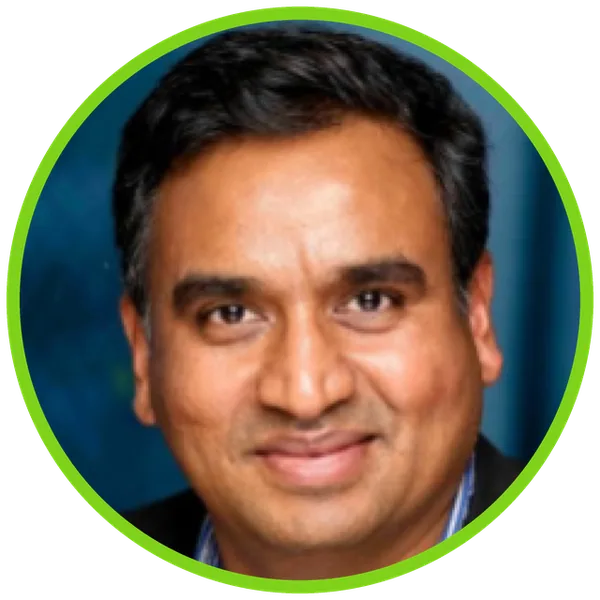
Sai Raman
Sai Raman from CogniSure AI discusses the importance of data collection and what insights can be pulled from that data with the right tools to help those in insurance make profitable decisions.
The full episode
Press play for the whole conversation.

Insurance Tech News
the neon launch: LIVE EVENT 9/30 #indieTech
Insuretech Market Is Booming Worldwide | GoBear, Insureon, CideObjects and more
Allstate to Lay Off 3,800 Employees
INTERVIEW
On episode 35 of the InsurTech Geek podcast, talking about actionable insights from unstructured data with Sai Raman from CogniSure.
JAMES: Alright. Another week in the 4th quarter of 2020, Rob Galbraith. The 4th quarter. This nutty year is one quarter away from being done. I do not know about you. But I am not going to shed a tear when we cross into 2021.
ROB: No, I think we are all ready for this to be over. I do not know, James, if I have told you about our political yard sign that we have at my house, it is not for President Trump, it is not for Vice President Biden. It actually says giant meteor 2020 - just ended already.
JAMES: Exactly. That is the general sentiment this week in particular act of the presidential debate is, let us just get a meteor and finish this off. It is the dumpster fire heaped on a dumpster fire. It is a crazy year. And again, we try to stay super apolitical on the show in general. And of course, there is nothing more apolitical than a giant meteor, so I do like that, Rob and I agree. It has been a weird year. I think the only saving grace has been that we have had college football back towards the end. I went to the very first season opener at Texas A&M. They played Vanderbilt and we have managed to barely win. And you could tell how distracted the players were cause it was just a weird game, weird vibe, but an Aggie victory made it taste a little bit better. And with us today, Sai Raman. Sai, it is good to see you. Where are you joining us from today Sai?
SAI: Chicago, James, how are you?
JAMES: I am doing really well. I love Chicago in particular in the summer and the early fall. I am a Cubs fan and I love my windy city, so I am glad you are joining us from there. It is a beautiful time to be out there in Chicago. isn't it?
Connect with Sai Raman
The full transcript
Transcribed automatically from the episode audio, so some names and terms may be misheard.
James BenhamJBKnowledge Podcast Network. On episode 35 of the InsurTech Geek podcast talking about actionable insights from unstructured data with Sai Raman from CogniSure AI. The InsurTech Geek podcast powered by JBKnowledge is all about technology that's transforming and disrupting the insurance world. We'll be interviewing the minds behind the innovations that are driving technology in InsurTech and doing deep dives into specific technologies that we see changing the industry. We're taking you on a journey through InsurTech, so enjoy the ride and geek out. Alright. Another week in the 2020, Rob Galbraith.
The fourth quarter. This nutty year is one quarter away from being done. I don't know about you, but I'm not gonna shed a tear when we cross into 2021.
Rob GalbraithNo. I think we're all ready for this to be to to to be over. So I don't know, James, if I've told you about our our political yard sign that we have at my house. So it is not for a president Trump. It is not for vice president Biden. It actually says giant meteor
James Benhamtwenty twenty just ended already. Exactly. Right? I mean, that's the that's the general sentiment this week, in particular, after the presidential debate is, let's just get a meteor and and finish this off. Right? It's like a it's a dumpster fire heaped on the dumpster fire. Well, it's a it's a crazy year. And, again, we we try to stay super apolitical on the on the show in general. And and, of course, there's nothing more apolitical than a giant meteor. So I do like that, Rob, and I agree.
I agree. It's been a it's been a weird year. Said, yeah, I think the only saving grace has been that we've had college football back towards the end, and I've been able to I went to the very first season opener, Texas A and M played Vanderbilt, and we managed to barely win. And, you could tell how distracted the players were because it was just a weird game, weird vibe, but, but, you know, an Aggie victory made it made it taste a little bit better. And with us today, Sy Ramen.
Sy, it's good to to see you. Where are you joining us from today, Sy? Chicago, James. How are you? I am doing really well. I love Chicago in particular in the summer and the early fall. I'm a rabid Cubs fan, and I love my Windy City, so I'm glad you're joining us from there. It's a beautiful time to be out there in Chicago, isn't it? Yeah. Yeah. I think it's it's getting cold, but Chicago in summer is, you you cannot ask for more. Yeah, exactly. It's really nice up there.
So glad you're joining us today. Before we get started with our interview, don't forget you can subscribe to the InsurTech e podcast by texting Geek Out to 66066. Make sure you never miss an episode. And now back to our special guest, Sai Raman from CogniSure AI. Sai, we're gonna talk about CogniSure. We're gonna talk about just technology in general and what AI really means. What portion of AI you're using because no one's created general AI that we know of yet, right? You know, all dabbling with specific forms of artificial intelligence.
But I want to talk about you for a second. You got your bachelor's in Andhra University in India, and then you went to Madras for your master's in engineering, and then you worked at a bunch of companies I'm super familiar with. You worked with some very, very large Indian outsourcing and consulting firms Tata, Cognizant. You were you worked for several years over at HCL. Did you you know, you obviously had a bent towards engineering from a very early age because you majored in it and then you started doing engineering and technology practice consulting.
So what was it about that that really attracted you when you were a young kid growing up in India? What made you want to be in engineering and go work in technology?
Sai RamanSee, when we were growing, actually, word technology doesn't exist. It's engineering or medicine. We had two choices and, you know, engineering was cream. Getting into engineering was really tough. So, you know, it's a challenge. So I want to take the challenge and, you know, at least get the engineering degree.
James BenhamAnd and and when you once you once you got in, I mean, jump straight into to be a consultant role with Tata, which, you know, they're they're a they're a massive company now. I mean, they're they're just enormous.
Sai RamanWhat what practice area were you in there? Yeah. So it's it's interesting. Right? In in actually, in India, six to two thousand was that two k rush, you know, because in The US, that's when the actual Indian IT got the momentum, you know, the or you or you can call the tipping point. Right? So a lot of people like me who who never thought about information technology got the experience like the startups and, you know, the Infosys of the world started and, you know, we were all excited.
Mainly you can travel abroad, you can work on multiple projects. So my major was mechanical engineering and in IIT Madras, I was doing research on welding technology. My specialization is welding technology and engineering. Then I got an opportunity to be in TCS as a software engineer.
James BenhamAnd that's the way it started to be at IT. Well, that's a pretty big difference. So you spent time studying orbital welding and TIG welding. TIG welding. Yeah. And you're like, okay, let's just jump into software.
Sai RamanExactly. Yes. It's interesting. When I jumped into the software, I came to US in '97 And my first project was working for Target. That was a Target Corporation. We were supporting their systems. And then I went back to India and then they made me a project manager for an insurance project. So I always tell the story how I became an insurance person and not by choice, but it just happened. So I was a project manager to integrate two company systems. And I have a 30 member team and I have no idea what we are doing or neither 30 of the people.
So we are migrating policies and contracts and claims from one system to other. And we used to call file names, PremSum, PALSum. Six months into the project, we realized, no, PALSum means it's policy summary. PremSum means it's premium summary. So it was such a mess. You as a project leader, you don't know what you are doing. So I thought, okay, I need to understand insurance. And that's the beginning of my insurance journey. Say 98 or 99.
James BenhamYeah. I mean, it's how many of us in technology got into in any industry we worked in. I jumped straight into running a software company right after my senior year in college. I had no industry, particular industry expertise. I'd only done two internships with PricewaterhouseCoopers. I had six months with a big consultancy, They put me on some very interesting projects that I worked on, but I kind of knew what that was about. I had to kind of figure it out. Then I end up in insurance three years after I opened the company.
It's same thing. What's policy? What's premium? I mean, I got two business degrees. I didn't get engineering degrees. I got an undergrad in accounting, a master's in information systems. They taught us nothing about insurance in the business school. And so I didn't know what policy and premium and claims and all of these things were. And it's funny because you literally interpolate it from field names and table names in your SQL queries. And you're like, Oh, okay. So it's a totally different way of learning the industry because you're learning it from like It's like learning how a body works from sticking a microscope inside someone's body.
Looking at like, oh, okay. I see how this all works. It's a wild way to learn a business, but certainly you learn it pretty quickly because you have to learn how the data flows through an organization. Right? And
Sai Ramanthat's a big challenge. Yeah. I think the way I see quickly those days in India, if you are a technology person, you are like one project to other. From one day you are in manufacturing, other day in retail, the day because you are a developer, like a cowhull developer at Java. So first thing I did is I went and did it when I went to UK, actually, as part of that project, I went to UK and then I took the certificate in financial planning. I'm actually a financial adviser in UK.
I thought that gave me all the financial products And, you know, I was the first person in TCS to get that certification. Those days, domain is not there. Everybody was talking about technology. So when nobody was talking domain, you know, when I started talking, so they made me a domain expert and helped me stick to insurance for the next twenty years. So I'm very glad that happened, actually. That is the way otherwise, you are not going to learn insurance just by doing projects. You need to make a conscious effort to really so when I came to US after that, I took the CPCU.
I did my accounting and finance and insurance. So learning insurance doesn't come just by doing projects. You know, I think you have to put a lot of effort to really understand deeper
Rob Galbraithdeeper of the industry. So that's what I did. Yeah. That's awesome. Rob? Yeah. So I you know, James mentioned some of the big companies that you've been a a part of, but now you are the founder and CEO of Kaivasure AI, an a true tech startup. So I definitely appreciate, you know, spending almost twenty years working at USAA, working at a a really large company, and then kinda going out of my own, like, the the differences. So, yeah, tell us a little bit more about what what made you start Cognitura AI?
What were the business opportunity that you saw? And then I know you're focused specifically on helping loss run automation and standardization as an early use case. So maybe you can share why that is one that you began your focus on for your company. Sure.
Sai RamanSee, I think as I was working with all the Indian companies, it's more of James, you were also asking about my outsourcing experience. See, India has gone through labor arbitrage. It's labor arbitrage. So now the world has started thinking about the automation arbitrage. It's more digital tools. So a couple of years back, I started, okay, I want to find out a problem in the industry which was never solved and it's worth solving. So my initial thought was, see, as an individual, as a homeowner, am I covered for all the risks which I'm exposed to?
So then how do you find out if there are any coverage gaps in my own scenario? And the only way you can see is you need to look at your policy and then somebody says, okay, you don't have this endorsement, you don't have this endorsement. I thought, if I'm able to come up with a way where somebody can say, look, these are your coverage gaps. These are the gaps in your protection. And these are the severity and probability of these risks. It'll be great for me as a consumer, but it's not there.
I cannot check what coverage gaps I have in my policies. And you live in Texas and 70 to 80% of flood claims, people don't even know that it's a separate policy or even especially in Illinois, the water backup endorsements in basements. So my initial thought was how do I find out coverage gaps in the policies? Or what is a protection score similar to credit score? What is my protection score? Where are my gaps? So then immediately you are dealing with a PDF policies. What I have is my homeowner's policy, which is a PDF.
I wanted to read the policy and get me what I do. I have this endorsement. Do I have this limit. So that started me on a journey of, can I actually get what I want from these documents? Because they are non standard, unstructured. So that's when I started as an experiment and I found out that it is pretty I was able to solve that. It's not easy. You need to understand a lot of contextual knowledge of the contracts and policies. Once I figured out a way to do that, bingo.
Then I said, okay, then there is a lot of potential. Then then I started looking and talking to BrokerTec Ventures and all. Rather than going to the personal lines initially, why don't I focus on the commercial side? And then when I looked at commercial side, the biggest problem in commercial lines is the loss runs. Nobody has touched it because it's extremely complex and it's a massive one. So my starting point is, is this complex enough where nobody is there and I want to try whether I can solve it.
And, you know, that's that's the way I started with loss runs. That's great. Mean, let's let's talk about CogniSure for a second. Like, just just give me the thirty second elevator pitch. If you had to explain someone very, very briefly what it does, help help me understand. See, CogniSure is basically actionable insights from unstructured data. Unstructured data in the context of insurance being policies, loss runs, code, submission emails.
James BenhamSo basically all the data.
Sai RamanAll the data. Millions of hours are spent. See, a lot of companies are focusing on extracting the data. I say it's a part of the problem. You extract it, then you need to understand what it is so that you can act upon the data. So my goal is CogniSure is just not extracting. It is rationalizing, normalizing into a common industry format and giving you actionable insights into the data. If you give me a 100 page loss run, so if I give you JSON, so what good it is to a business user?
It's no good. So I need to put that into a context saying that, okay, your workers' comp claims because of these causes are high, so you need to focus on see, it has to be converted into actionable insights. So Cognosure is a company which can convert the data and then normalize it and give you actionable insights.
James BenhamAwesome. And look, when you talk about unstructured data, that's why I said there's basically all the data because there's so much unstructured data in this business. I mean, policy is a contract, right? And it's a lengthy contract and it's complicated. And then all your claim files are tons of bills that come in, and then you have tons of, you know, journal entries and diary entries and transcripts of phone calls. Then, I mean, it's just mind boggling how much unstructured data are. If you have a claim file, there's photos and video, and you can really dive deep.
I mean, just in the policy itself, the policy and all the endorsements. Then there's just unstructured data heaped on unstructured data. This entire industry from the very beginning of thousands of years ago has been built on contracts and documents, but not contracts and documents that were in standard forms right I mean it was that's right I mean and that's that's really where the that's really where the rubber hits the road in insurance is all the little details and the gotchas that you have to read or that hopefully your broker is reading when you're buying insurance.
It's really complicated. So we've seen examples of financial service industry like there's an example JP Morgan says they save three hundred and sixty thousand hours a year by applying machine learning, some specific forms of AI to reviewing loan documents. What they're looking for is basically there's a lot of menial work and the financial services industry in both banking and insurance of people just looking for very specific language. I know that Cognition is not that simplistic, right? Where you're just looking for specific language and how it's structured.
You're actually trying to develop trends. You trying to get into like reserve recommendations and policy recommendations? I mean, are you trying to do full policy review documents? Like, what's the end deliverable look like in the end of the day? See, I have a very large plan, but
Sai Ramanyou have to go through smaller steps. So my initial focus is, for example, if you say policy checking, to your point, the goal of a policy checking is to do what? To be able to identify what coverage gaps you have, whether all the limits are right. So you have to be able to do that. Whereas when it comes to loss runs, you have a big construction company. You look at a history of a company, okay, what do you tell them? You have a 100 pays loss run from three different companies, workers' comp, general liability and property.
Okay. I have now three loss runs and, you know, 100 pays. So what do I do with that? So you want to know, oh, do these three things so that you can reduce your losses or you can reduce your premium. What I am trying to do is rather than become an extraction as a service, I want to take one domain initially. Okay, let's take the loss runs as an example. Extract any claim, whether it is a auto, commercial auto, property workers' comp, and then contextualize to make meaning out of it.
So then I will go to the next one. Then once I have the losses losses taken care, now my my I'll go to the policy. I can go to the courts. So it's not see that if you if you try to do every document and any document, I can say you're going to fail. You have to you have to pick up one, and my battle I picked up is lost runs. So let me focus on lost runs because there are millions of lost runs floating around and nobody has a solution yet.
So that's my focus right now. But I will launch into a lot of other things. To your point, see, there is a community aspect also. Let's say if I have more and more loss runs, I can tell you, let's say this class code or this industry, on an average, this many claims, but why are you having many claims? More claims. Today, there is no centralized claims. And if I succeed in aggregating a lot of claims data in commercial lines, I can give more
James Benhampowerful insights which doesn't exist today. And what's the end benefit result for the company? Let's say a carrier. Is a carrier buying this? Is a TPA buying this? Is a broker buying this? And if so, does this make them more profitable? Does this actually drive lower staff time?
Sai RamanYeah. So brokers are buying this because brokers, for example, if you take their largest customer, they have anywhere three to four policies and three to four loss runs and it can be 50 to 100 pages. So they don't have a way to see all that loss data in one shape. So they can advise them on loss prevention, reducing the premiums, and actually guiding the customer about their risk mitigation strategies. So today, for them to understand the historic loss data, they don't have tools. That's why brokers are super excited.
The second one is underwriters are looking at see, broker is again sending the same loss runs to underwriter. Underwriter is trying to see, oh, can I issue the policy or do I need to decline this coverage because this guy is too risky? So they have to spend so much time again reviewing these loss runs. So underwriters are buying in terms of reviewing the submissions and wholesalers. The entire industry risk mitigation, loss control, loss prevention, everybody has a view into your historic data of claims so that you can actually make a lot of meaningful
Rob Galbraithdecisions, like, you know, reducing losses, preventing all that. Awesome. Rob, I know you have a question about brokers. Yes. You mentioned that being part of the initial cohort for BrokerTec Ventures. So just kind of curious a little bit about your experience. And obviously, lot of carriers have been trying to to partner with startups, and I know you're you're exploring those on the the carrier side as well. But, yeah, what what attracted you particularly to to work on the the broker side and to kind of focus there?
And then, again, yeah, I would love to to hear more about BrokerTec Ventures.
Sai RamanYeah. So my whole life in a in a twenty years, think mostly I spent with carrier side, you know, especially the policy admin claims billing. So last two, three years I got a chance to work with brokers and I said, Oh my God, think brokers, they have not invested heavily on the technology. And the other thing is, see, the industry is always focused on product. I'm selling this product. Nobody is thinking from a customer standpoint. I am customer standpoint. Okay, this company is selling auto product or workers' comp product.
So BrokerTec Ventures, I thought, is the best way to understand the customer because broker is trying to help the customer and that priority or that focus is missing in all the digital initiatives of the carriers. They are more interested how do I underwrite better? How do I have an efficiency in my system? So BrokerTec, I thought it is a channel to understand the customer better because broker is close to the customer. So I said, okay, I'm going there. And then when I show the loss run, he's looking from his customer's eyes.
What can I tell him? Tomorrow, if I premium goes up, I should be able to look at and say, yeah, you have to control your claims. I think BTV is a very, very powerful accelerator there in the market, number one. And they are because they are not too large brokers. It's like their investment and time is significant and they're really working in pilots. I do see they want you to be successful and they are working and they're really it's different. It's different and, you know, a lot of involvement and, you know, you learn a lot.
So I I really enjoyed being part of, you know, BTV and there is tremendous value. And you see a different angle. If you are an insurance, mostly you are from a carrier side, but you go to a broker, you get a different perspective of a product or everything. So that's what is very, very important. And I really liked it. Okay. So let's talk about what's next. What's on the horizon?
James BenhamBecause right now what we're doing I feel like we're in the the infant toddler phase of AI right where we're learning how to use machine learning and software robots and we're trying you know we're learning how to teach machines how to learn. We're letting them learn. And we're using the output to automate a lot of really boring menial tasks we don't want to do anymore. And to identify trends that we don't have the time to analyze. Right? Like there's just an incredible we don't have the budget available to pay enough people to sit and peel through unstructured data to get any information out of it, which means we've got really untapped exabytes of data that have never been analyzed before.
Like one of the things that really excites me honestly is the potential to go back and back scan historical documents or take and I've been watching some other machine learning and AI companies doing this. They're taking document repositories, you know, really old like old case files, old claims files, old records, you know, going back ten and twenty years, the ones that have already been scanned in. And then they're using natural language processing, and they're ripping them out. They're using OCR technology, and then they're actually analyzing all the notes, and then they're correlating the notes to outcomes.
And then they're looking at old policy documents. So there's a lot of work going on right now. There's hundreds of millions of dollars, if not billions of dollars really chasing some really big problems. And so that excites me because what's going to come up is we're gonna learn how to identify key drivers in the cost of risk that we really haven't been able to identify yet. So knowing all of that, what's on the horizon for you? We've talked about where you're at right now and what we're doing right now.
But what's next? See, I
Sai Ramanpersonally think, right? See, what is missing, you know, in my twenty years of insurance experience is the customer view. So I always ask a question. If you go to a business owner and ask, are you covered? Number one, for anything that can happen to you, are you covered or do you know what you are not covered? See, I am thinking this unstructured data, if it can make a difference to the end customer. See, there is industries will spend like, underwriters will spend a lot of effort.
Can we see what is the purpose of insurance is? It is shifting from indemnification to prevention. Can you prevent the losses from happening? I would say what is next for AI is it's just all about preventing the losses from happening rather than do you have all this unstructured data. So I think I would say the more focus is going to be shifting from indemnification to prevention and technologies like, if I know, for example, I kind of myself that I'm in a zone where there is a risk, earthquake or mining risk.
I don't even know that. So basically, if I know what can I do about that or what kind of a coverage should I have? So what I'm trying to say is more the insurance has to start focusing on more the impact to consumer because the carriers are always thinking about, okay, I implement a Guidewire platform. So it's not going to make a difference to me as an end customer. So I would say the next few years it should be like even in your construction. I have seen how the construction industry can benefit a lot.
James BenhamIt's amazing. There's so many things. It's an endless you're one of the most inefficient industries on the planet. People on insurance say that they're inefficient. Not even remotely close to construction. To construction. Construction has razor thin margins for a reason. One of the only industries in the planet that over the last forty years has not uptick at all in productivity output versus ag manufacturing. Everybody else has increased productivity, not construction. So there's a ton of money chasing efficiency
Sai Ramanover in construction right now as well. Yeah. Because even in the insurance companies have an interest, right? I think what I see is, see, insurance companies right now rather than I write a policy versus what is future to me is how do insurance companies collaborate with the end customers to prevent losses and make them better rather than, yeah, I have a policy, I'm getting a premium and you go and do whatever you want because you're absolutely right. I think construction, I had a special interest for construction.
And when I looked at a lot of research, as I mentioned, your report was amazing. JB knowledge report was the only report I could find a lot of statistics around constructing, less than 1% spend. See, insurance can drive the construction industry. Okay, if you implement this technology, it's a win win. You benefit and as well as me because the highest claims happen in the construction industry. I think to your question, the collaboration is going to be shifting to prevention, collaborating with the insureds to make a different ecosystem is what I'm I'm hoping for, but I don't know when that is going to happen.
Yeah.
Rob GalbraithOn that note, Rob. So, Sai, I'm I'm really interested, you know, having seen your software and seeing how it works and and your capacity today to take loss information and and not just take it from a PDF and and and structure it and create, you know, fielded data and summarize it and be able to identify, you know, the causes of loss and things like that. But you actually have dashboards, you have analytics, like you can boil all that up to kind of a one page summary.
You you mentioned kind of an underwriter before, but from a broker side to help advise our clients and from an underwriting side to say, is this a risk I wanna accept or not? And possibly applications and loss control as well. So kind of a two part question here. Number one, maybe you can talk about that added part because the part to me that's that's really new is is not just going from the unstructured to structured. Right? But, you know, you are actually creating the intelligence. Right?
A lot of maybe carriers are able to do that or they've got data science teams or whatnot, but you're making it easy, you know, for your customers to be able to to to gain those insights. So what extra steps do you have to do to to basically create the analytics? And then I'm curious, you know, as we talk about unstructured data in general and how much there is an insurance, you know, are you purely gonna be focusing on on documents? You talked about policy language earlier.
Are you thinking about images, video? Are there other things that are on your roadmap that you'd like to do in terms of unstructured data and insurance? Yeah. So so I think the
Sai Ramanthe two part question. Your first question is what do I need to do? First thing you see, every carrier has their own structure, their own format. So your first step is rationalizing into a common format. I think is the brokers are suffering because of that. I have a customer, yay, I have five different loss runs. For me to really get a a complete picture, that's my focus. Know? It's one once you extract it, how do you how do you rationalize to a common format, a policy type in this one and this one?
So then only you can do insights. So a lot of companies, if you don't do that rationalization, it just I give you data in a different format. Which is also going to die. I think if insurance companies start doing the APIs, you already have a structured data that you are converting into a PDF and giving it. Now if you start giving directly the API, but still my value is the normalization. So that is the first part. I think the second part is, am I going to start thinking about images and video?
See, right now, again, it's use case to use case. If you are going to look at a use case, for example, coverage gaps, right? I was thinking about, okay, somebody I can go and scan my take pictures and upload. Then I can immediately say, okay, you have some valuable paintings. Can you based on the images, can you recommend any additional things? See, there are so many things, but image recognition and all like Google's and Microsoft's are already much, much ahead of that. Or even that NLP, natural language processing, right?
If you are a technology company, you can never beat them. They are much, much ahead. What my focus is contextualizing that data to insurance. I think that should be the focus for me. Yeah, image is there. Okay, what does that image means to me from an insurance context? So my focus is right now extracting and contextualizing and making a meaning out of that so that there is a value to everybody, insured, broker or an insurance company. That's awesome.
James BenhamWell, it's been a great discussion. Mean, I'm excited about the future of machine learning and artificial intelligence. I'm excited about the untapped potential of getting into all these documents and really started bringing some normalization. I used to think there was hope for standardization and insurance. I've given up. Right? There's it's it's it's it's not. I mean, you know, and I and I'm not a defeatist. Like, I'm a pretty I'm an optimist. Like, I think the the the now even even with COVID and all this other stuff, I think the now is great.
I think the future is better. Just my general rule of thumb but I think there is literally zero hope for any semblance of standardization in the insurance industry and so I think the only hope we have is for technology to bridge that gap and you know solutions like yours that are gonna do it. So hang with us for a second. Rob and I've got a couple of a couple of news items we wanted to talk about. And I'm gonna open up by talking about the InsurTech market in general.
Now look, don't cover a boatload of funding announcements etc, but there's been an incredible amount of activity in the Insurtech space in general and I think it warrants some discussion. Is from the Daily Chronicle Insurtech market is booming worldwide. Gobert, Insurion, side objects and more. There really there's some good research projects now let y'all this will be posted in the show notes so you can get it. Rob, you've been friends with these folks for a while, and I've been getting to meet this really fascinating network of folks that exist in InsurTech.
There's a lot of funding activity. I mean, there there is a lot of funding activity, and it's not it does not appear to be slowing down. Low interest rates are are actually pumping even more money into private equity right now looking for better returns. You know, the the the public market is so chaotic and so psychotic that people are saying you know what we're gonna get we're gonna have a better ride over in private equity and we can't just leave our money sitting making point 04% in the bank or even you know negative theoretically negative rates which is just mind blowing So it's creating this juiced private equity environment, and you've been tracking this pretty closely.
It's been it's been
Rob Galbraithactive active active. Yeah, it has. And I think, you know, it's almost returned to the pre pandemic levels already, right? Even though we're still in the middle of the pandemic. We just learned last night now that we're recording that, you know, the president and the first lady now tested positive for COVID nineteen. So clearly not out of the woods in terms of the pandemic, but you're absolutely right, James, in terms of, you know, it's it's it's money looking for a return. We're in a super low interest rate environment.
We know that insurance companies, as well as private equity need to find, a return. That's how insurance companies make money. You know, they have operational gains and losses, but, you they know, can always kind of be sure and try to be sure that they're going to get some investment gains. So part of it is coming from the companies themselves, right? Carriers, reinsurers and others and some of course from VCs. And then the other part, think that added on to that is we've seen some successful exits.
So we've seen some of these IPOs that are coming that have already happened like Lemonade that are lining up. We've seen other exits like know and buying CoverWallet and things like that. Know however they're happening like, we've had a series of exits now in 2020 that really is proving the value of these Intratax. And so I think, you know, it's clearer than ever, right, that this is a a really hot space. So whether that will continue or not, who knows? But it's not a surprise to me that, you know, the activity has really picked back up.
James BenhamYep. And it's I I don't expect it to slow down largely because of the well, you have to pay the you you what what's the old saying? It's the economy, stupid. It's all about the economy, it's all about returns. And as long as returns suck, money's gonna flow into private equity, and then they're gonna and the same thing with insurance. When you're gonna have a harder market, the premiums are gonna come up. If their investment returns are in the tank, they gotta make it back up on their on their, you know, on their premium and that's one of the reasons you're seeing a of course some some movement in that area.
Rob you've got two pretty interesting news articles what do got today? Yeah so actually
Rob Galbraithkind of a shout out to a group that has been working this is a new startup called Be Atomic they've been around for about a year and a half. Seth Zarema and Sydney Rowe worked there. Actually, a buddy of mine, Pat West, just started working there as well. So these are folks that have been in the independent agency space for a long time and saw the need for a new technology solution for agents. So their I've launched this their product called Neon. They just launched on Wednesday.
Ryan Henley had a big show, and so I'm including in the show notes a link to the the YouTube video of the whole launch. It's almost an hour long, but they go by the the hashtag Inditech, and then they say it's agency tech that is created, you know, by agents for agents. So congrats to to them. Something definitely to check out. And then a big headline this week was Allstate announced that they are laying off 3,800 employees. It's about 8% of their total workforce so we're going to include an article in the Wall Street Journal which you can find in insurance journals and elsewhere and so yeah very very interesting times.
I think this is not the first time we've been talking about layoffs in the sector, James. So that continues even at some of the the larger companies. So definitely the economy and, you know, more turnover really of employees. We know that insurance is a very tenured workforce, and we know that as people leave the industry, whether voluntarily or involuntarily, they're not all going to be replaced by people and AI is certainly going to fill the talent gap to some extent within the insurance industry. Yeah, it's a pretty wild ride that auto went through and is still going through because they had this sharp reduction in driving
James Benhamand then this massive return in driving and then they had they thought they were gonna have a lower total claim dollars but then severity went up and so they really got like I almost feel like they moved too quickly to rebate people, you know, they really did. I mean, because they did it, they distributed a billion dollars to customers to their shelter in place payback plan, a billion dollars. And and it was like, that was really premature because you have I mean, they had they had fewer auto accidents for a very short period of time.
Might have been a month and a half, but then severity comes up, then driving comes back in force, and they're kinda caught flat footed. They they handed out all this cash. Mind you, this is just two months after they bought National General Holdings Corp for 4,000,000,000 in cash. So they they laid out 1,000,000,000 to the customers, 4,000,000,000 in a cash acquisition. Net income increased 50% to 1,200,000,000 in the second quarter. I mean, it's a it's a weird story. And and and, I follow these pretty closely and so do you, and I still can't quite make heads or tails of all of it.
I don't know, Rob. Yeah, interesting times. I think we've been talking about automation with Sais, I'm kind of curious, you know, AI
Rob Galbraithgetting rid of jobs, right? That's been a big talk. So I'm just curious if you you have any thoughts on, you know, what the future of AI is gonna be. Are we gonna be a a jobless economy or what's the the impact for employment in the insurance industry from your perspective? Yeah. Actually, very interestingly, I don't know whether you read this Harari's
Sai RamanSapiens and Homo Deus book, which is a very popular book about, you know, what happens to human beings because of all the automation. Right? It's one of the fascinating books if you have to read, I say Sapiens and the Homeward US. So he he gives an interesting perspective. It's not about it's not don't focus on jobs. Focus on humans. Human needs. So it's not about what are their needs. So this whole book is all about sometimes I shut down my insurance and start reading these books to see completely different perspective, like a human angle.
So automation and what it's just not about the one industry. He's asking one fundamental question that look, planet Earth cannot survive the way it is rapidly growing. So Homo sapiens, the reason why so many species evaporated, but we existed and we are thriving, what is the reason? So what is what is going to eat? It cannot sustain. So that there is a what happens and how this automation is actually a threat to the whole humanity. And if you don't do anything about that, the Homo sapiens are going to be gone.
And then there he's talking about Homo Jews who are like human gods. They will destroy the sapiens because they don't need. Because you what is the purpose of a human being? So it's an interesting whether it is right or wrong, but there is an interesting view. So to answer your question, so I think, know, an immediate in the next few years, I don't think you know, there's so much, you know, it's like people are looking for more help rather than replacing a lot of jobs initially.
But I think that's a more broader question of effect of automation on the human species is what is recently is actually a lot of interest to me. I am not an expert. I'm learning a lot reading those things, it's fascinating. It's fascinating as a as a whole concept.
James BenhamYeah. I mean, that's I tend to be a a utopian and not a dystopian on the future. And, you know, it's it's I I tend to believe that things are gonna be getting better, that the future probably looks a little more like WALL E than Terminator. You know, we'll you know, we'll see. Mean, only only time will tell. Elon Musk has issued a lot of warnings around automation and AI, and he's a pretty smart dude. You know, I like one of my favorite quotes of Elon Musk, the greatest and you'll appreciate this as an engineer, and we're gonna we're gonna close on this.
He said the greatest engineering minds of the most recent generation to enter the workforce have been focusing all of their efforts on how to get people to click on an ad. He said, we're trying we're focusing the greatest engineering minds of our generation on getting people to click on advertisements when we should be solving big problems. That's why he's trying to get us to Mars. He's trying to solve tunnel boring. He's trying to solve electricity, you know, solar and electric. And we've got here. We have to focus.
I just finished his biography. I thoroughly enjoyed it and he really challenged me to focus on what matters, you know. Focused all the engineers. I mean we have almost 180 engineers at Jibby Knowledge. We got to focus our time on things that matter. On that note, it's been an absolute pleasure speaking with you. Sai, best wishes with the business and we're excited to know you and meet you and thanks for being on the show today. Thank you. And as always, the most interesting man in insurance, Rob Galbraith, endofinsurance.com.
Always good to see you, my friend. Great to see you, James. Cy, great to have you on the show. And yeah, guys, another great episode. Yeah, rock and roll. And for all you out there in listener land, this has been the InsurTech Geek podcast powered by Jimmy Knowledge. Jimmyknowledge.com. It's all about technology that is transforming and disrupting the insurance world. I've been your host James Benham. That's jamesbenham.com with co host Rob Galbraith, endofinsurance.com. Big thanks to Jim Greenlee, our podcast producer, Cara Dalton, our creative producer, and Del Waldeck, our transcriptionist.
And thank you for joining us today. We're taking you on a journey through insurance tech. So enjoy the ride and geek out. See you next week.