 YouTube
 Spotify
 Amazon
 iHeart
 Apple
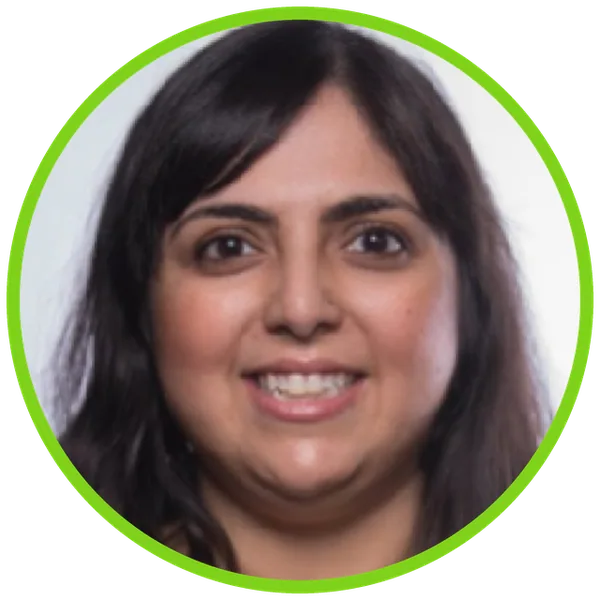
Bobbie Shrivastav
Bobbie Shrivastav from Benekiva discusses the origin of what got her into the insurance world and why Benkiva focuses on bridging the gap between insurance carriers, policy holders, and beneficiaries.
The full episode
Press play for the whole conversation.

Insurance Tech News
Australian insurtech startup Cover Genius banks $11m in new funding
California exceeds 4 million acres burned by wildfires in 2020
INTERVIEW
JBKnowledge podcast network. On episode 37 of the InsurTech Geek podcast, talking about all things InsureTech with Bobbie Shrivastav from Benekiva. The InsurTech Geek podcast powered by JBKnowledge is all about technology that is transforming and disrupting the insurance world. We will be interviewing guests and doing deep dives into specific technologies we see changing the industry. We are taking you on a journey through insurance tech. So, enjoy the ride and geek out!
JAMES: Oh Yeah. It is another Friday. Tell you what, it is fall time. And of course, fall time for me means football time. It is the leisurely distraction on Saturdays that gets to take my mind off everything. I am so thankful. We have football back in the great state of Texas. These poor folks up in a big 10 country had to wait and wait. California. Geez. What a mass. But my Aggies beat Florida. It was a good game to go to Rob. I got to tell you it is happy days in College Station. Very sad days in Austin for those sad little Longhorns. They of course lost to OU. But you got to enjoy seeing football again huh Rob?
ROB: It is good to see. My Michigan State Spartans will start their season here in a week or so, so I do not know. We will see, I will tell you after the season, whether it was worth starting up again or not. Maybe we should have skipped this year. I do not know. Ohio State is going to be really tough.
JAMES: Yeah. I will tell you this. Prepare for them to be rusty. That is the main thing I noticed about my team the Aggies on their first go - round, was how rusty they were on their first game. It was pretty obvious. They had a lot going on. A lot of distractions and not a normal year. But they settle in pretty quickly. All with us Bobbie Shrivastav. Bobbie, what is going on?
BOBBIE: Living the dream, living the InsureTech dream.
JAMES: Ah! You know it! Where are you joining us from today?
Connect with Bobbie Shrivastav
The full transcript
Transcribed automatically from the episode audio, so some names and terms may be misheard.
James BenhamJBKnowledge Podcast Network on episode 37 of the Insurtech Geek podcast talking about all things Insurtech with Bobby Srivastava from Benikiva. The Insurtech Geek podcast powered by JBKnowledge is all about technology that's transforming and disrupting the insurance world. We'll be interviewing guests and doing deep dives into specific technologies we see changing the industry. We're taking you on a journey through insurance tech, so enjoy the ride and geek out. Oh, yeah. It's another Friday. Tell you what, it's fall time. And of course, fall time for me means football time.
That's right. It's the leisurely distraction on Saturdays that gets to take my mind off everything. I am so thankful we have football back in the great state of Texas. Those, these poor folks up in, big 10 country had to wait and wait and wait and wait. California. I mean, jeez. That's a that's all what a what a mess. But my Aggies beat Florida. It was a, it was a good game to go to, Rob. I gotta tell you. Happy days in College Station. Very sad days in Austin for those sad little Longhorns.
They they, of course, lost to OU in in some overtime.
Rob GalbraithBut you gotta you gotta enjoy seeing football again, Rob? It's it's good to see. Like you said, my my Michigan State Spartans will start their season here in a a week or so. So Yeah. I don't know. We'll see. I'll tell you after the season whether it was worth starting up again or not. Maybe we should've skipped this year. I don't know. Ohio State's gonna be real tough. Yeah. I'll I'll tell you this. Prepare for them to be rusty.
James BenhamThat is the main thing I noticed about my team, the Aggies, on their first go round was how rusty they were on their first game. It was pretty pretty obvious they had a lot going on, a lot of distractions, and not a normal year, and the but they settle in pretty quickly. Also with us, Bobby Shervastov. Bobby, what's going on?
Bobbie ShrivastavLiving the dream. Living the InsurTech
James Benhamdream. Oh, you know it. Where where are you joining us from today? I live in North Carolina, Winston Salem. Winston Salem. That's right. So basketball season's around the corner. Every time I've gone to North Carolina during basketball season, it's all anybody there talks about. I got to go several years ago. I was in Green is it Greensboro? Is that right? Greensboro's
Bobbie ShrivastavColiseum?
James BenhamYeah. Probably for the Regional. Right? Yeah. So I was at the Coliseum there in Greensboro. I got to see North Carolina play. I got to see Duke play. Didn't get to see him play each other. I got to watch Tyler Hansborough plays his play his last few games. This is how long ago it was. Plays last few games for North Carolina. But, beautiful place to live. Let's but before we jump into our interview, just a reminder for our guests, that you can subscribe to the InsurTech Geek podcast if you're watching this video online by texting geek out to 66866.
Just text geek out to 66866. Make sure you never miss an episode. So, Bobby, you did your, what, your undergrad in IT marketing at Appalachian State. Course, what everybody who likes college football knows Appalachian State for is being that team that any year could upset their nonconference opponent. And they did to mister Galbraith, arch rival University of Michigan, if I'm correct, Rob. That's right. Mother upstate. Yeah. Exactly. Of course he does. He's he's he's a tragic Rob, that was years ago. I know. It was years ago.
He still loves him, though. It's it's still fun to love the upsetter of things. Then you went to Western Carolina. I got your MBA from Wake Forest. So you you've you've you've done your rounds in the educational arena. What did you what did you grow up wanting to do first off? Like, what was childhood career aspiration? And then what'd you end up in and how'd you wind up in Insurtech? Can I be very honest? Yes, please.
Bobbie ShrivastavGrowing up, I wanted to be a developer. I mean, a software developer. Nice. That's exactly what I ended up ended up doing right out of college. So you see the information systems and marketing. I also did a minor in Spanish and a minor in interdisciplinary studies. As you can see I love learning so I eventually I want to get my PhD. Haven't picked a topic, but I just thought at that time, know back in 2000, I fell in love with both marketing and IT,
James Benhamand I wanted to do a blend of both. Most of my friends weren't doing a blend of both, but it was it was a great experience doing that. Yeah. I started out Texas A and M and computer engineering, switched into computer science. You know, computer engineering was more hardware heavy. Computer science was really all about software dev. And after two years, I was like, man, I've been doing this since I was 11. Because I started writing software when I was, like, 11. Then I plowed through about eight languages through an engineering high school, and I was like, man, I am tired of this.
I gotta do something else. So I switched over to business and got a degree in accounting and then got a master's in information systems. And that combination of, like, business and technology for me was really helpful. And and certainly marketing, what what I've told students that I mentor now, if I could go back and switch my master's degree, I'd actually get a master's in marketing because, like, over half of my day as the CEO of a tech company is spent in marketing, and it's such a critical skill set.
So I totally understand what you're saying with what and it's fun to study too. It's fascinating. It's it's like it's really about human psychology. Right? Yeah.
Bobbie ShrivastavSame with sales. I think part of in our in our and at AppState, they did they wove in a lot of sales into marketing because, you know, back back in 2000, you know, digital wasn't there. So marketing was really much about content and how do you sell to folks.
James BenhamYeah. That's awesome. And and, look, I I too well, I I can't say from a child I wanted to be a software developer. Like, I really enjoyed it. I wanted to be a concert pianist until I was 16. So then then when I was 16, I found out how much money they made, and I was like, never mind. So I I I had different aspirations, but but, of course, ended up in software. Rob, I don't think I've ever asked you this question. What did you did you wanna do do you you wanna wanna be a baseball player, astronaut?
Like, what what'd you wanna be when you were a kid?
Rob GalbraithYeah. This probably won't surprise you that much, James, but I would have loved to be a a sports general manager. Right? I knew that I didn't have any athletic ability and I probably couldn't coach anybody, but the whole idea of, you know, trading players and managing the team and winning the championship. And I was probably money ball ahead of money ball, right? Of analytics
James Benhamand whatnot and players. So yeah. Nice. Yep. So I'm definitely not in that space at all. No. So you're you're looking analytics, just not in sports. Just not in sports. You're like a young Bobby Bean, man. That's and and that's named Billy Bean? Bobby Bean? Billy Bean. Bean. That's what it is. So let's talk about your career, Bobby. So Pepsi. Right? Do you remember the Pepsi? We're gonna talk about Pepsi because you spent six years there, and then you got into looks like you got into some insurance.
But what tell me about Pepsi because you remember the Pepsi taste challenge. Remember this? Do you remember this from the were were were you around when they did the the they traveled around the country doing the Oh, yeah. Do you remember this? So The commercials. I remember the commercials. Yes. And they would actually And Pepsi always won. Yeah. Yeah. Because do you know why? This is a fascinating marketing study. Malcolm Gladwell did a whole podcast series on this. Did you know that? You have to tell me why.
I haven't done Because it was a SIP test. Alright. So the in in a sip test, people always picked Pepsi because it's grossly grossly sweeter than than Coke. In a can test where they drink an entire can, people almost always pick Coke. So when Coke came out with new Coke that was sweeter, their sales dropped, which is why they went back to classic Coke because they they screwed up the test. They did a sip test. When people don't sip Coke or Pepsi, they drink the whole thing.
Side note, go listen to Malcolm Gladwell's podcast on that. It'll change your mind in the way you do surveys and marketing. So what got you into insurance?
Bobbie ShrivastavSo honestly, even when I worked at AIG, United Guarantee, which was at that point division of AIG, I mean I never really thought about insurance until I met Brent. A lot of people don't know this, but during college, my freshman year, I worked at two different agencies. So I worked at Nationwide Insurance. So my exposure to insurance has been like all the way from when I was doing a part time job during college. I quoted auto. They trained me on doing homeowners even though I wasn't licensed, but I was just having them set up so that they could do the quote side.
But I fell into insurance really after my first startup when I met Brent Williams and when he shared some really interesting research and statistic around the life insurance space. That's when I feel like I came into the industry, even though I've been surrounded by the industry during my career.
Rob GalbraithAwesome. Rob? Yeah, Robbie. So it's been great to get to know you and Brent over the last couple of years. You both are just an amazing team. I think Ben and Kiva has an amazing story. So maybe you can just tell everybody more like, obviously I come from the P and C world and for you guys to be in the life insurance world. We actually didn't see a lot of insured tax and life insurance. I've seen more and more, but you guys were definitely one of the earliest ones.
You saw what's seemingly such a basic problem, but it's actually, like, really challenging to solve. So, yeah, tell us more. What was that opportunity that Brent brought to you and and how has been Akiva evolved and what problems do you guys solve? No. I'll I'll share a story in terms of how I met Brent. So I had
Bobbie Shrivastavcreated a product with another founder that handles all things documents. So think about what we wanted to do was ultimately we had created, we still believe we created a superior product than DocuSign. Because DocuSign is a very, if you really think about some of the document challenges, it's DocuSign just touches the surface. We kind of went deep into document facilitation, document generation. So my husband at the time and is now still my husband and I traveled to Des Moines, Iowa, and that's where he did his undergrad at Drake.
And we had both created this startup together back in 2015. So in 2016, we go to Des Moines and we do mark, you know, I reach out to two random people that agreed to meet with me. One of them was a mayor Clive, Brent's client on the advisory side, and he and she heard doc, you know, like our startup pitch and said, you need to meet Brent. He's into this tech startup world. You guys will can talk about this and maybe there's some synergies between what he's trying to sell and what you're trying to do.
We meet Brent. Initially, he tries to sell us financial advisory products because he but and then we're like, no, we're more interested in what you're doing in the startup world. And he shared a statistic that sixty eight percent of claims go unclaimed for one reason or another, which was totally shocking because it's like, are you how is that true? Like I had just bought life insurance because we have a one year old daughter at the time and we're like, so sixty eight percent of them don't get the money.
They're like, nope, and the claims process is even worse. So he started sharing a lot of the research that he had done and that coming from a document side of the house when he was talking about the claims process and other challenges, we were like, okay, we can solve this. We think we can solve. We fell in love with the problem, to be honest with you. And that's how we started Benikiva. And that's how I really, I learned the insurance industry because of that. Mortgage insurance is a different beast nationwide and the, you know, like, the agency side was a different beast.
This I just fell in love. Love, love, love with the life life side of the house.
James BenhamThe stats are really wait. The stats are really that, but this is the something that I'm I'm having a tough time grasping. You're talking about when someone dies, like like, 60% of that money that's supposed to go to their dependents never gets paid out? For one reason or another. Does it go to the, like, the state unclaimed property? Is that where it goes usually? Yeah. So I figured. So that's where, like, when Brent was and he heard this at an at a what is it? Like a
Bobbie Shrivastavconference. So somebody was somebody from, like, an association was sharing the statistic. And I and honestly, I can see why. Because if you think about it, like the claims process is a) there's no proactivity in that and it's so difficult. So but yeah, the money has to end up now being as cheated. But that was after 2015. Prior to 2015 they still have to escheat it, but there weren't any laws around it for the insurance carrier. So sixty Minutes did this episode twice talking about the top was it 30 companies that that aren't paying claims basically, and they have so much money that's just sitting in unclaimed property.
And that's what created a lot of different regulation
James Benhamaround it. That is wild. I I can see why it'd be such a fascinating problem to try to solve. So what what what is the solve, though?
Bobbie ShrivastavSo what we so when we so honestly, in 2016, when we heard about this stat and then we interviewed several of our family members that had actually gone through a death process, all they kept talking about. So there is a piece of unclaimed property, then there's a piece of claims, And then there's other areas like notification and how do you do beneficiary updates. So the whole BeneKiva vision solves six, has six modules that solves different pain points. But we ended up focusing on claims because that was like our foot in the door to say, we know the claims process is really, really backwards.
And there's four key problems with that, like legacy process, legacy systems, this all of these laws keep changing around child lien notification, follow ups, and then how do, and then the unclaimed property, like we have to eschete it per state, they have different requirements. So we started to focus more on the claim side, but initially we kind of wanted to tackle the whole issue around everything. But as you know, with startups, you have to be pinpoint focused. Even though we built like an MVP around those pain points, we ended up focusing more on on claims.
And that's where we've kind of stayed focused on is claims and then a little bit of update on that side for policyholder servicing.
Rob GalbraithAwesome. Rob? Yeah. So one of the fascinating things about your solution, Bobby, is, you guys use blockchain. And I know you and I have had conversations in the past and a lot of folks are saying, you know, blockchain's all hype. It doesn't scale. It's just, you know, a solution in search of a problem. So I'm really curious. Maybe you can explain now that you've talked a little bit about the problem and and the areas that you kinda solve. How are you guys using it, and and why did you pick that technology to apply to the problem?
So that's that's a great question, Rob. And initially,
Bobbie Shrivastavwe were planning on building our tech stack on top of a blockchain database, and we decided earlier on not to, but make it as part of an integrated solution. So for folks that were interested in leveraging blockchain from a like our first scenario, because a lot of carriers are asking us, okay, what does blockchain solve? If you really think about the future vision, it could do a lot of cool things in terms of one experience for the beneficiary, and they don't have to go to like five different entities if they have, if their loved one had five different policies at five different carriers.
That's the ultimate vision, right? Is how do we create this consortium and this one unified experience? But let's take a step back. Let's take baby steps like crawl, walk, run. We can, you know, start storing this data. So from a signature perspective, we can start getting into smart contracts. That was a use case. Another use case was audit trail. When a audit, regulator comes to you and says, hey, I want to see your claim claim records now without a doubt of, you know, you can say, hey, here's here's here's some data and it's backed by blockchain.
So you know it's not tampered. Those are the different scenarios that we kind of were looking at and got very excited. But here's the catch: we got excited about building those scenarios. Our carriers love talking about that, but when it came time to implementation, nobody really wanted to take a leap and still are not wanting to take a leap into blockchain. It's really honestly, this year, I haven't heard much in terms of when we go and talk to a lot of prospects, they're so deep into fixing their current issues with EAPs, claims servicing, you know, like self-service claims or self-service servicing.
This is not even a topic that they even talk to us about.
James BenhamYeah. They they they love paying lip service to it. I mean, it's like, oh, yeah. Blockchain's gonna revolutionize business when most of them most people I talk to can't really define what blockchain is. Like, if you ask them to spend thirty seconds explaining it, they couldn't. And they'll they'll they'll say, like, yeah. It's gonna revolutionize things, and they can't explain what it is. And then and then when you actually talk about allocating IT budgets to it, oh my gosh. You're you're talking about literally, like, last place on the priority list.
Now I'll say blockchain is for real. It's not it's not a fad. I don't believe it is because I I have companies I work with that have already deployed it successfully, and it's it is actively working. But it works almost when you don't talk about it. I don't know how to it's like you don't sell the blockchain. You you sell you sell the stuff that it does for them. Zach, you're like, it's it's Totally agree. Yeah. Yeah. Yeah. It's encrypted, and it can't be changed. Here's the problem it solves.
Right? People don't buy blockchain. They buy solutions. Right? Like, they don't care if it's on Azure or AWS or whatever. They just they they want they want the solution to their problem. It's like, you know, like when COVID happened,
Bobbie Shrivastavyou saw a lot of marketing around. We have a platform that enables digital transformation for the entire industry. Yeah. I mean, what specific problems are you trying to solve? Like people just gravitate towards buzzwords and I'm one of those people. I absolutely hate buzzwords and when people were talking about digital transformation and I'm like okay here you go again. I've heard it like since 2012, 2013, and we're still talking about it in 2020. Okay. Let's let's come up with another buzzword. Yeah. Well, PAs. I have very strong opinions on Yeah.
Buzzwords. I just am not a big buzzword
James BenhamWell, I I believe in strong opinions loosely held. So as long as long as you have strong opinions loosely held, we'll be good. That way, we can we can we can we can have an honest debate. You know, there look. For those of us who have been around the technology development space since pre 2000 and went through the y two k ramp up. We've been talking about digitization for over two decades. You know, it's it's really been about two and a half decades because the y two k conversion was the first time that everyone's like, okay.
We gotta digitize our systems. We have to get serious about it. And so this this is old hat. This is old topic. But but the reality is that you have a really well defined problem that impacts a lot of people, and it impacts the insurers too. Right? I mean, they they wanna have a good reputation. They wanna pay claims out. They they don't they don't wanna be on they don't they really don't wanna be on sixty minutes twice being outed for not getting money to policyholders.
That is bad for business. Right? So, I mean, there there are there's really strong motivators for everybody to figure this problem out. I just think blockchain is a nice solution because in a in a low trust, no trust environment, which is a lot of businesses, you know, blockchain brings something that's so far proven to be quite reliable, and that is, you know, an immutable ledger. And so it does it it brings this ledger that can be written to and not changed at least until a quantum computer blows it up.
Right? So that's that's what I think is so exciting about it. So what's actually selling right now? Because they're not they're not buying blockchain. What are they buying?
Bobbie ShrivastavSo they're buying a so they're buying a way to to really and I'm gonna use a buzzword, loosely coupled buzzword, but they're really buying a claims transformation solution. And when we talk about that, it's claims intake all the way to payout, including audit features, including like how do we trigger new business. So we have a we built a platform that enables carriers to go self-service with their claims. If they can't go self-service, enable it for their phone team so they don't have to be on booklets of scripts to to say, how do I what questions do I ask?
Or did I ask the right questions in my customer management system? You know, we've we've configured the system so that they could do that claim intake through Benekeva. They have a workflow solution. They have a requirement solution. So there's no guessing game when it comes to adjudicating the claim, as well as how can we start to move the needle in the life side to auto adjudicate the claims. So in the PNC world, that's a very common like auto adjudication was happening like a long time ago in life.
Paying lip service, right? People talk about auto adjudication, but they're really not many carriers are doing that. We have the capability to allow them to do that. Do you integrate with their claim system or replace it? We can do both depending on the so this is like and you know we're a startup right and our foot in the door is we are a claim system. What we've seen though is we're replacing their claim system because their claim system can't do all of the different features and functionality that a claim staff really needs to do, as well as the experience the beneficiary is really asking for.
Those claim systems are really more like an adjunct to an admin system, so they do like calculations and do all sorts of admins type of functionality, which if you think about it, the claim staff maybe uses portions of it, but Benequiva can do all of that, plus have that nice front end for the beneficiary. That nice customer experience for the beneficiary. Awesome Rob. But we do integrate with admin systems in order to make Benequila work. We need data from from systems, so we built a very flexible integration layer that allows us to integrate with any systems, including claim systems.
They really want to not replace their claim system. Understandable.
Rob GalbraithRob? So Bobby, one of the things when I think about you and I think about, know, Brent and Ben Akiva is you guys are so positive. I think a lot of folks in the insurance tech world have gotten to know both of you guys. You're you know, when we used to go to events, right, you were at, like, pretty much every single event. It seemed like, you know, you guys are always smiling, always laughing, always having a good time, and you're kinda known for some of the video series that you put out, you know, making lemonade out of lemons, and you guys have this wonderful happy Friday stories that you run every Friday during the the pandemic.
I was fortunate enough to be a guest on one of those episodes, and you're just kinda, you know, sharing stories about, you know, what what happened this week that was good in your life. So maybe you can just talk about, a, like, the challenge as a startup to get noticed, get heard, like, what kind of drove you to this kind of marketing strategy as a differentiator? And then two, like like, you know, how how has that been working? And and, yeah, how did you just settle on that?
Because it's definitely something that's unique about Bendakiva. From a marketing perspective, it's it's very interesting. When we came up with these video series, the lemonade one
Bobbie Shrivastavcame out of a desire of initially in my ecosystem, there's very few women entrepreneurs. So it was all about making lemonade out of lemons. I would interview a lot of different women entrepreneurs so that, you know, we, how do we share perspective and motivate others to, hey, this is possible. You can have a side hustle if you're not ready to go full time. Marketing second. It wasn't about marketing. It was about sharing perspective, sharing knowledge. With Happy Fridays, we were so bummed about all of the negativity around what was happening in the state of U.
S, right? With covid we were hearing news blasting like a thousand people died. I mean, it was just such bad. It was just sad news and and or we were seeing our fellow insurtech companies, you know, telling us, hey, our investor pulled out, you know, we kept hearing stories. So the whole happy friday came, the concept came of how do we spread happiness? Once again, marketing angle came later to say, hey, we can actually publish this on Benikiva and we can start tagging. It was like an afterthought.
So I think some of the good marketing, you don't think marketing first. It's like an afterthought. I think that's been like our successes. We don't think about how do we get new customers if we produce this content. The minute we do that, we don't get that. The minute we are very true to ourselves, true to our brand and what we're trying to do to make it better industry because it's gonna help people the minute, like the marketing angle start opening up. And then it's like, oh, yeah, we can do this.
We can do this. So it's a little bit of a different approach that we take.
Rob GalbraithYeah. It's super authentic to both you and Brad. It really is who you are as people. And I think that really comes through. It's not spin and it's very genuine. You're just an inspiration and bothering me because you post stuff about your exercise routine, which is insane. You're like, you're making me feel really, really lazy and slob. You know, you have wonderful photos of, you know, your daughter, you talk about your husband, you talk about your family, and it feels like, you know, we talk about work life balance, but it's almost one for you, right?
It's kind of integrated. And I think people embrace that genuine, yes, about you, it kind of translates to your company. So, yeah, if you guys don't follow Bobby and kind of social media channels, I definitely encourage you to do that because she does a wonderful job hitting social media for sure.
James BenhamThank you. Thank you, Rob. You know, when we COVID, I had, like, a really bad week, the first week of lockdowns, and I found myself downward spiraling mentally as well. And I best way to get out of I deleted all my news apps off my phone. I deleted all the social media off my phone, and I I left social media on my iPad, which I only touched at the end of the day. And and so my phone has literally no alerts that come upon it at all.
I like, literally, there's nothing. There's just it's all my, like, workflow tools and stuff. So I have a lot of apps on there, but no news, no social media. And it was amazing how much better I felt. I I I really I really felt a lot better about things. It's like, okay. I could just deal with what I gotta deal with. And I started setting, like, these insane objectives for the for my COVID lockdown. You know? Like, I'm gonna do this and this and this and and knocks it out.
So I I'm I'm glad, dear, I wasn't the other one who was, like, sick of the negativity. Was like, no. We gotta we gotta we gotta focus on what we can control. Let's wrap up with this. What does the future because you you're really focusing on the claims process and on the claims problem. And and you've already accomplished some really neat things in the area of trying to bring auto adjudication to the life insurance claims process and trying to transform their relationship with between the claimant and the payer.
But what's what's on the horizon? Like, what what's two or three or four years out that you'd really like to accomplish?
Bobbie ShrivastavThat's a great, great question. Right now, our biggest focus is, like when I look at it from eighteen months perspective, what we're trying to do is create processes and automation to eliminate, even further eliminate, like workarounds that we typically see in the claims and customer servicing side. In the next few years, we want to really start to tackle and crack the retention side of the house. We are starting to do that, but it's not fully there. So the whole retention piece is, if I give you a great customer experience, a claims experience, it's a horrible experience, right, personally.
But if I give you a great experience, it's you're going to be better off. And if I engage the agents and financial advisors, now you have now they have an opportunity to do true retention with the assets. So based on our research, four to 6% of the time their assets are retained 94% of the time the asset leaves the insurance carriers, and now they're trying to figure out new distribution models. They're not working their book With our model, are we have a very strong hypothesis and research that shows that how can we start to retain that asset in house.
So that's where we're starting to work with carriers on that. I would love to see, like, several use cases on how we've successfully done that with some really good stats. That's awesome.
James BenhamRob, your closing questions or comments?
Rob GalbraithYeah. I love the way you always bring a PNC mindset to life, right, is the way I kind of summarize it. You know, you talk about the auto adjudication, you talk about that retention and it is different, right? You don't have that annual policy that you have in P and C, but you're right. Like we always know a positive claims experience. You can create a customer for life or gain a new customer through that experience. And again, I think an analogy to auto insurance, you know, people that have been in an accident and they may have to deal with not their insurance company, right, but another insurance company.
If somebody else was at fault, then they have a really good experience with that company that might switch and become a customer of that company. So I just love that you're kind of bringing this new and, you know, innovative approach to the life insurance side. Just curious, what has the reception been so far from the carriers that you've worked with? And then, you know, what are you looking for? Who are hoping to partner with to their, you know, new leads that you're looking to gain or who who who would you love to connect with?
Well, we've been blessed,
Bobbie Shrivastavknow, like, with the pandemic. Like, it's it's been you know, we've we've actually been a COVID positive company where we've been experiencing a lot of growth. Our team has grown exponentially in the last few months. I'm hiring if anybody's looking for a role. But on the on the partnering side, I'm looking right now actively to partner with data companies, because that's another trend that I want to look at third party data. And how do you make that claim process even more richer that could feed into retention.
So I'm, that's what, that's where I'm focused, focused in. And right now from a customer perspective, we're pretty blessed that, you know, we've, we're working with several. We recently celebrated our first tier one in production that went live, we've got a few that are in the pipeline ready to close. So anybody that wants a great claims experience is who we're targeting
Rob Galbraithafter no matter what size, because right now we've proven that we can work with small to large carriers. That's awesome. So great to hear that you've had success even during the the pandemic. We know it's been a tough time for some, but we've tried to other founders such as yourself where actually business has never been have never been booming more. So it's great to hear that you guys success. So Awesome. James, you wanna talk a little news before Yeah. The show? Yeah. Absolutely. I saw you have two news stories.
I'd love to talk about what you what you brought up. Yeah. So so we've had Darcy Shapiro from cover genius on a few episodes back, and this came across the newswires this week. They got a $15,000,000 Australian. So that's 10,800,000 US. More funding to kind of expand, and they're looking to integrate with even more distribution channels. And so as you guys might remember, this is the the one API to rule them all episode where they really talked about being able to sell insurance products from a variety of products, variety of carriers and, you know, what you might consider a nontraditional channel.
So, you know, eBay, Wayfair, companies like that, just kind of meeting customers where they are going outside that traditional agents or brokers are trying to sell direct over your website. So congrats, and we're super excited to see that. And then the second one, we haven't really talked about catastrophes, which used to be my bread and butter. Mean, it used be the world that I really lived in, James and Bobby. Headlines this week, I guess, there's a little back and forth that the the Trump administration has denied California's request for for federal relief, and I'm I'm sure that's, you know, a little bit of back and forth there.
Hopefully, they'll they'll get it worked out. But just highlighted that California has actually exceeded 4,000,000 acres burned by wildfires in 2020. This is double the previous record. And I know I lived through some pretty bad years of California wildfires when I was managing cat exposure a few years ago. And so, you know, that's not my world anymore, but we've obviously had a number of hurricanes as well. We're up to the Greek letters, right? Hurricane Delta. And I even saw a news item that said that Hurricane Delta estimated losses were 15% better than was expected because it followed partially in the path of Hurricane Laura.
So, you know, the fact that Laura already damaged property when Delta came right around it, you know, it actually made the losses a little bit less than they would have been. So it's been a really bad catastrophe year, and we just haven't talked about it that much. I know it's probably flown under the radar in many ways with the pandemic and the election coming up and everything, but just wanted to put a spotlight and I think I read over 20,000 firefighters from around the world, you know, and have come and helped out with the California fire.
So special thanks to those that have been on the the front lines, and it continues to be a
James Benhambig issue for folks out west. Yeah. Absolutely. And that certainly we wanna we wanna you know, obviously, all all thoughts go out to everybody that's actually out there trying to mitigate that by fighting those fires. It's been a it's been a been a hellacious year. But from an insurance perspective, you also have to have to know that there's there's gonna be some consequences to a heavy hurricane year and a heavy fire year in one year. Right? I mean, it's there's you know, we're we're in the hurricane delta echo foxtrot.
Like, we've gone through all the named hurricanes, and we're into, you know, we're into, you know, much higher storms. Although, you know, the reality is the two that that you know, the second the second one that really made landfall in in Pensacola, Mobile, that area was was was pretty pretty rough in comparison to, like, the late Charles hurricane was moving so fast that it wasn't able to sit there and churn like like a like like a lot of previous hurricanes did, but still a pretty heavy claim year.
So you're gonna have to look at what happens to premiums, and certainly, there'll be out of all kinds of pain will come more technology too, Robin. You have to understand that every time you have a big bad year like this, there's always entrepreneurs and money that are looking at where the problem is and how they can solve it with tech. I do have one news story I wanna close out with. This is out of Chicago. I always like to keep track of, you know, new InsurTech startups.
The founder of DataCube, a guy named Akhaldeep Malik, launched an InsurTech startup. This was just reported today about three hours ago. Pretty pretty familiar, Chicago tech personality. He has formed a company called b to z. It targets small businesses that are still run by the original founders, have up to 25 employees. It's a small business insurance provider. They simplify the language for buying process for business owners and and are trying to drive simplicity to to a mass market of smaller smaller employers. So I thought that was pretty interesting.
They are they are rolling out coverage in two states, Illinois and Texas. So good good good to check out. Again, that's bbtoz-insurance.com, and it's they have a BOP and a work comp program. So you can go and check that out, and they're targeting two states and a few industries. Worth checking out what they're doing and and seeing who this new InsurTech startup is because it just just the news kinda just hit the wire. So we'll check that out and see what it's all about. I think we have more of those to come.
You'll have companies who wanna help other insurance companies, as Insurtechs and then tech companies who just wanna become the insurance company themselves. And, certainly, we're seeing a good bit of that. So that is all the news we have this week. Bobby, absolute delight to meet you. Stay positive. Keep working hard, and thank you for for helping transform a beautiful industry. Thank you for having me on the show. Awesome. And as always, the most interesting man in insurance, endofinsurance.com. That's Rob Galbraith. Rob, always good to see you, and I'm glad things are well in San Antonio.
Yeah. Thanks
Rob Galbraithfor the plug, Bobby. I appreciate it. So good to catch up with both of you guys. Great episode. Episode. Really enjoyed the conversation. Thanks for the plug. Yeah. Checks in the mail, Bobby. Yeah.
James BenhamYeah. I was actually I was actually chewing on your book the other day. I was reading through something again just to get my brain around it. It's it's it's good stuff. I mean, really good stuff. So if you haven't read his book, go read his book. This has been, as always yeah. There you go. Another another plug from Bobby. As always, this has been the InsurTech Geek podcast powered by Jibby Knowledge. That's jibbyknowledge.com. It's all about technology that's transforming and disrupting the insurance world. I've been your host, James Binnom.
This is jamesbenham.com with cohost Rob Galbraith, endofinsurance.com. Big thanks to Jim Greenlee, our podcast producer, Cara Dalton, our creative producer, and Adele Waldeck, our transcriptionist. And thank you for joining us today. Remember, you can see this on video too on all of our social media channels. You can go watch it on Vimeo and Twitter and Facebook and, and check our video stream out. We are taking you on through a journey through insurance tech. So enjoy the ride and geek out. See you next week.