 YouTube
 Spotify
 Amazon
 iHeart
 Apple
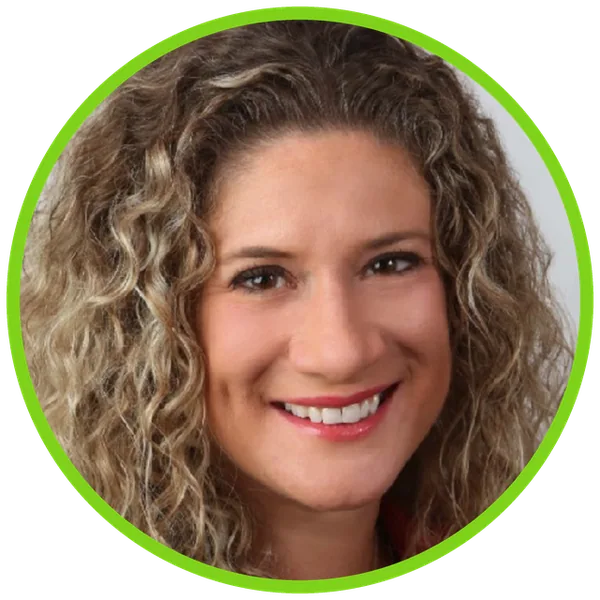
Rose Hall
Hosts James Benham & Rob Galbraith are joined by Rose Hall from AXA XL. James, Rob & Rose discuss about construction risk management.
The full episode
Press play for the whole conversation.

Insurance Tech News
Why have the markets spurned public neoinsurance startups?
Black-owned start-ups in the UK are hitting billion-dollar valuations for the first time
Direct Carriers & Changing Risks: Q&A With Rob Galbraith
The full transcript
Transcribed automatically from the episode audio, so some names and terms may be misheard.
James BenhamJamie Knowledge Podcast Network. On episode 64 of the InsurTech Geek podcast, talking about all things risk management, construction, and tech with Rose Hall from AXA XL. The InsurTech Geek podcast powered by JBKnowledge is all about technology that's transforming and disrupting the insurance world. We'll be interviewing guests and doing deep dives into specific tech that we see changing the industry. We're taking you on a journey through insurance tech. So enjoy the ride and geek out. Oh, happy day. Back again with my good friend, my cohost, the most interesting man in insurance, mister Rob Galbraith.
Rob, how's it going, bud? It's going well, James. How about you? Outstanding. Of course, it's, hotter than blazes here in Texas, but a big important thing happened this past weekend. I mean, a really important thing in my life. I'm really I'm getting emotional about this. College football season started. So I was very excited to get to a fight in Texas Aggie home football game and, you know, have a little meeting with a 100,000 of my best friends as we as we watch the ritual sacrifice of the non conference opponent.
It was it was quite delightful and all this just seems a little bit better. You know, the core marched in, the Aggie Band played at halftime. Life seems like like like, you know, it was a normal weekend. I hope you're hope you're having a good beginning to the fall there, Rob. Yeah. We are here.
Rob GalbraithMy wife actually had knee surgery last week, so it's very team Labor Day for us. A lot of kinda, you know, stranger things marathon and that sort of thing, but she's doing great. And, yeah, it was just a nice kind of capper. It's weird here in Texas because, you know, the kids start school like two, three weeks before Labor Day. I know I've grown up. I used to go to school after Labor Day, so it's kind of the official end of summer. So we've never really done anything big as a family because the kids are already back in school.
But it was a nice way to kinda, yeah, put a caper on our summer. Yeah. Same here in Texas A and M actually doesn't even take a break for Labor Day break. So this whole town just keeps running like it's not even happening. It's the whole the whole world here in in Central Texas revolves around them and their schedule. I have been watching the entire Marvel Cinematic Universe from beginning to end. I finally finished all the movies.
James BenhamNow I'm finally polishing off the last series. I didn't watch Falcon and Winter Soldier. So I feel like I'm earning some more sci fi stripes or badges, you know, like if there was a sci fi scout badge, I would be earning the Marvel badge now. I don't know who the Eternals, like how that's gonna fit in. And I still don't understand how X Men fits in with everything else. It feels like it's maybe a parallel universe. I'm sure our show producer Jim Greenlee could brief me on all that later, but we're not gonna talk about that.
We're gonna hang out with our good friend, Rose Hall. Rose, what up? Lots going on, James. Thanks for having me on the show. Yeah. Glad to have you on the show. Rose is joining us from the road because travel is back and people are doing the travel convention business thing. We're glad to have you on. Rose is the vice president and head of construction innovation, AXA XL, small little startup insurance company. No. No. They're the largest insurance company in the world. AXA I I I said I wanted to say about, like, last count, was, like, a 153,000,000,000 in in premium or something.
It's it's a massive organization, headquartered out of France. Of course, AXA XL, their North American operations. And Rose is a fascinating character. So, Rose, let's just dive in, and we're gonna talk about you before we talk about in InsurTech and ConstructTech and how those worlds are fusing. You have a really cool educational
Rose Hallbackground, but I wanna go back even before your time at Rutgers. Where were you born and raised, and what did you dream of doing when you were growing up? Well, I was born in New Jersey. I spent most of my life in New Jersey, and if you listen to me talk for more than a few minutes, you'll see the Jersey come out. I try to tuck it in, but it comes blazing out when I'm in public, or if I'm with somebody else from New York or New Jersey, it just, you know, the map of Essex County falls out of my mouth.
I was born in Bergen County, lived in the DC area until I was 10, in South Jersey, in a little town called Vineland, and then of course went to Rutgers, and I went to graduate school at Stanford. And so kind of back and forth, Virginia, New Jersey, California, back to New Jersey, back to California. Yep. Yeah, a little bit. What'd you wanna do when you're growing up? Like, when you when you were, like, a eight or 10 year old little girl growing up in the Northeast United States, what what did you envision yourself doing?
Well, my aunt was very close in age to me, and she was one of my best friends, and she's the one who encouraged me to get into sports and athletics. And so I'll be honest, when I was eight, I wanted to go to the Olympics. I wanted to be Awesome. Olympic track star, if you asked me what my favorite thing to do was. Yeah. And you are still
James Benhamsuper involved in all things athletic. In fact, you and I, we went we went to the AGC risk management conference. We ended up one of the things we did, we got together with our friends from document crunch, had a little PT session. We kicked our own butts and we liked it. Yeah. We kicked our I'm kicking my own butt. Good little movie quote there. Censored movie quote. And look, I think that's an awesome aspiration. I think a lot of kids, you know, dream of playing in the I really love the Olympics usually.
This year was kinda weird. I honestly,
Rose HallI didn't even hardly watch Tokyo at all. Me neither, and I usually do. I'm usually glued to it. I'm glued to the swimming and the track and field mostly. And I I didn't get a chance to watch Yeah. Gymnastics. I love gymnastics. I love these fascinating. I mean, there's some really cool events. Honestly, I think what it was,
James Benhamthe no fans just bummed me out so much. Every time I turned it on, I would see it. I'm like, oh, the heck with this. I'm not even watching it. Because it was just depressing. It was just so depressing. And and what was, like, wild is that, like, we're sitting here with full stadiums over here in The United States. You're like, why do you have any fans for this? It doesn't make sense. I mean, it it just it it was a it was a weird deal, so I didn't even watch.
I couldn't I couldn't stomach it. So you went to Rutgers. You got a degree in civil engineering. Then you go to this little community college over in Palo Alto, California Mhmm. Called called a little small place called Crappy little school in California. Crappy little, crappy little school. No. So like one of the world's finest institute of higher education, not the finest institute of higher education because I'm reserving that for Texas A and M, but one of the finest institutes of higher education. I'll take it. I'll take it.
Yeah. Stanford, Stanford is definitively a, just a absolute hotbed of innovation. So you get your master's in civil engineering and environmental engineering there, construction engineering and management. So you were, you know, really busy. You studied this and you studied it and then you studied it some more. And, you definitely
Rose HallWell, I'll tell you why I went to grad school. You'll like this one, James. I went to grad school because I got out of undergrad with a degree in civil engineering, and I felt like I didn't know you know what about you know what. So I was like, somebody's going give me a job to design, you know, bridges or tunnels or something. That's crazy. I need to learn more. I need to learn more before anybody gives me the pen or the stamp. So yeah, that's kind of why I went to grad school.
I was like, wow, this is I know how to design buildings. I have no idea how they're built. So
James BenhamI went to grad school to learn about construction. You know, and I did I did grad school for the same reason. Like, got a got an undergrad in accounting and I was like, I need some more schooling than this. I'm not ready. Got a, same thing, master of science and management information systems. And it good was refining process, helped me feel a little better prepared. But then you actually went out and you did stuff. You built stuff for a while. You're a design engineer at, at Webcor, the this, you know, really fantastic innovative company.
And then you went to Bohler Engineering.
Rose HallAnd then you went to Turner where you were you were at Turner for some time, I believe eleven years. About eight. Yeah. Close. Close. I'm sorry. But, yeah. And at at Bohler, I was there for, four or five because I worked at Bohler as a design engineer intern when I was at Rutgers. So that was kind of one of my homes of growing up at at Bohler. I was the very first female engineer they ever hired. They'd been in business for twelve years, and now they're huge.
They're really big. They've got offices all over the country. They didn't used to be a recognizable name, and now they are. So, yeah, I was the first female engineer they ever hired. Awesome. What was your favorite part of that era from, let's just say, like, o one, you know, when you're an intern at Bowler through Webcor, then Bowler again, and then Turner? Like, what were your favorite projects that you worked on? Favorite part of the job? Oh gosh, that's tough to say. So, you know, when you're entry level coming out of undergrad civil engineering, you do the field engineering thing.
You're processing submittals and RFIs, and it's interesting for like the first month, and then it's like, oh my god, this is mind numbingly poor. Right? Then you're like, we're looking for the next thing. And the most interesting stuff I found was, when I went to Turner, we did Centimeters agent work. That's my first job there, was pre con manager. And so I did precon for a bunch of school referendums in New Jersey. So we I was doing precon for 13 school districts, and I had maybe 20 to 30 projects.
So now I'm not just on one project doing micro work. Now I'm doing macro work and planning, and the project managers are executing the job. So that was really interesting because I started to zoom out a little bit. Then when I did estimating, I came over to estimating, and I'll never forget the chief estimator said to me, you'll build more buildings in this department than you could ever build in the field. Alright. Let's go. So, you know, we're processing, and we're bidding, and we're estimating, and you're doing trades, and you're and he's right.
You know, you you look at so many different projects in the course of a year that you could never build in the field. Then I moved over from there to purchasing, which kind of the natural order of things. You know, first, estimate and bid, and then you purchase the job out. And, did that for about a year. But the most interesting thing came when I went to risk management. And the risk management department at Turner is pretty cool because it's they kind of handpick from their business units who they want in the risk management group because it's an overhead for the whole company.
And at the time, it was a $9,000,000,000 company. So it was the opportunity to see that scale of a construction company at a very, very high macro level and be looking at risk in a completely different way than you look at it on the job site. So they invited me to interview, and I asked my ops manager, should I do this? And he said, well, think long and hard about it because if you come out of the field, you'll never go back into the field. And I thought for about thirty seconds, and I went, yeah.
I think I'm okay with that. The field was fun, but this was an opportunity, and this is in a time when risk management was just ramping up, just starting to become a thing. Just contractors were just starting to realize that you can make two to 4% fee on a construction project and take on a tremendous amount of risk, and then you can lose that entire fee in a second in a bad claim. And when you look at it from a risk management perspective, oh my gosh, we can protect more profit and actually be by avoiding risk, but also by taking on the risk we know we can manage really well and make money on it.
And that's something that was really foreign. Risk management in the in its very beginning was all about avoiding risk. And then you think about, wait. If I can avoid it and I can buy insurance for some of it, what about this other pile over here that I'm really, really good at as a Turner, say? And I wanna take that on, and I want to gamble again like, with myself. Right? And, put the money on me, put the money on Turner to deliver this thing early, on time, you know, under budget, and negotiate myself a bonus from the customer or something like that.
So this concept of can we make money through risk management instead of just avoiding losing money, which was pretty cool. And now there's many, many contractors who make far more money on their insurance operations than on their core fee. I mean, that's when you when you really get a sophisticated risk management operation and you start adopting, like, you know, CSIPs,
James Benhamyou really start self insuring, you form captives. I mean, there's there's it is in 2021, it is a far more sophisticated insurance market for construction and risk management environment than than when you started in this this area. Yeah.
Rose HallAnd it's all legit. If you're going to take on the risk, you should not just be dinged when you miss it. You should also have the availability of the award. Yeah. The opportunity for it. There's going be risk and reward. There has to be risk. Risk and reward have to be paired together. Otherwise, there's no point. I always talk about risk management. I talk about it as a three pronged concept, a three a three legged stool, if you will. You can give it to someone else through contractual liability.
You can take it on yourself and manage it and either win or lose, or you can buy insurance for it. But insurance and risk management are not synonymous, which a lot of people used to think that it was. Oh, risk management is just buying insurance for it. Well, that's not really what it is. Right? And understanding the nuances between all those things and having a whole department that supports that was a pretty cool place to to learn risk management. It was in a robust department like Turner's.
But then you fell in love so much with risk management that you actually go and start working
James Benhamas a consultant, and that's a pretty big jump, and that's really where you've been. You've been on the other side of the transaction. You haven't worked for the contractor side in some time now, but you've actually been working, first, I believe, for, was it a was that a broker or was this a No. It's a consulting firm, actually, called WCD Group that subsequently was purchased by Gallagher Bassett. But, yeah, it's a we did we did expert witness work for claims related to construction and environmental matters.
Yeah. That is awesome. And then so what what led you to AXA and what's your path been like there? So when I was doing expert witnessing, the biggest case case I was on was a four year project,
Rose Hallfour year case of hurricane Katrina, wind flood case for a very large shipbuilder in The Gulf. It was about an $850,000,000 wind flood bifurcation case where I was on the side of the, owner, the insured. Yeah. Everybody knows who it is. But I was on the side of the insured, and they were pursuing their insurer for because they believed that floods should have been covered, and then subsequently went after the broker because the policy was not follow form when it should have been. So we got involved in 2010.
So Katrina was o five. So they'd spent five years fighting each other already before they even called us in, and, and I'd spent four years on that, and then, on the other side of the v from a very large insurance company. And then I got a call from AXA XL, which at the time was XL Cap. Well, at the time was XL Group, actually. Yep. And they said, hey, do you want to interview with an insurance company? And I said, no. No, I don't. You sound awful.
I was on the other side fighting, for four years with this insurer who simply wouldn't pay this claim. Right? Because of course, from my end, you know, that's I was on the expert side of, yes, you should have covered it. So I was like, no, I don't want to work for an insurance company. But I got on the phone Scott Merchant, who is the head of risk engineering, and I just found him to be so down to earth and so the kind of people I wanna work with.
And he said to me, this is the most fun I've ever had in the job. Gary Kaplan came over here from Zurich at the time five years ago. Right? So now eleven years ago. But he said, Gary came over from Zurich five years ago, and he started the construction North America construction business unit with an Excel group. He handpicked everybody that works here. We have a ton of fun. It's really smart people. It's a really good you know, the the the job was risk engineering. So he said, you get to be a consultant to the biggest con biggest and best contractors out there.
You get to help them figure out how to manage their risk in a way you could never do that working for one company. Now you get a book of contractors that you get to support and help them better manage their risk, and they're looking to you for guidance and advice. And by the way, because we're their insurer, we share their risk, so we're all it's not just a consulting agreement where you're paid by the hour or whatever. Your your opinions really matter to these contractors. And I thought, well, that does sound kind of interesting.
And I'll tell you what, it's six years later, and it's he's right. This is the most fun I've ever had in a job. Yeah. And it's it's been neat to see what you've done there with with, you know, moving through
James Benhamas a construction risk engineer to really now where you're heading construction innovation and dealing with all kinds of construction tech firms and pairing construction tech with the construction firms to reduce overall risk. We're gonna talk about that in just a minute, but great background. What a great way to learn the industry from the inside out. Certainly, you know, first academically and then, you know, boots on the ground on the job side and then at a risk management department. If you had to design a resume more perfect.
I would have never seen it go this way. No, know, but this is, it's like the perfect Totally not linear. Yeah, no. Not linear, but perfect in an accidental design. I mean, when you look at the end where the end result is you've gotten to work on almost every side of the transaction and really get to understand the the different parties that are involved in in, taking and sharing risks. So I think it's it's fascinating.
Rob GalbraithRob? Yeah. I think it's emblematic of, right, a career journey versus a career ladder. And I think sometimes those journeys can be a lot more rewarding than just kind of the straight, you know, up and up at at one place because you get to see so many different sides and and work so many different places. So I I think it's a great personal story, Rhys. Thank you for sharing that. Thanks, Rob. You know, we talked about, right, you work for large contractors. You now work, right, for a massive insurance carrier, yet you guys are known for innovation.
And I don't mean just, like, one innovative thing that you've done at AXA XL Construction, right, that you're kind of touting or have a PR, a lot of buzz around. But it feels like you and Gary, like, keep showing up everywhere. Right? I've connected with Gary at, one of my book launch events in New York City a couple years ago. Then I just, you felt like is our working. Our our paths just kept crossing. I kept hearing in in so many different startups, and I I wanna ask you in a bit about, you know, working with start ups and what's that like.
But, you know, I'll be like, who are you working with? The big AXA XL Construction. So what drives that passion for innovation to go beyond the press release or, hey, one cool thing that you did where it truly is embodied in your culture.
Rose HallThanks, Rob. That's very kind words. I really appreciate it. And the fact that you're seeing us everywhere just means our plan is working. It's it's, gosh, this is I'll tell you why this is the most fun job I've had. So I came in as a risk engineer, and I had a book of contractors. I worked with some of the largest, about 20 contractors to 15 to 20 contractors I was working with, looking at their risks as it related to SDI, actually, subcontractor default insurance, which if you look at all the different insurance policies, I would say SDI is the most holistic risk view than, you know, like, where comp is all about bodily injury, with general liability, it's all about third party damage, you know, build of risk, it's all about property.
SDI is really like, when you have a default, it speaks to your how your practices as a business. So a lot of what we look at is very holistic risk, which set me up perfectly. And what I saw was, I saw that we were a lot of the risk engineers we were working with. We have risk engineers for builders risk, for primary casualty, and we have for SDI. And I saw that we were working on some of the same contractors between the lines, but we didn't have a great way to communicate between the lines apart from, you know, a grassroots company.
When Gary started the business, it was small enough everybody was just talking to each other. But by the time I got there, there were 20 or so risk engineers, and I was like, we need to have a more formalized way of communicating so that when we are providing value to I'm gonna use Turner. When we're providing value to Turner, we're doing it holistically. Because they don't look at risk per insurance policy. They look at risk holistically. We need to look at it the same way. So I I suggested that we needed an operations risk engineering role to connect all these dots together, and we needed to create some structured data around how we were collecting information from the contractors, how we were providing them with recommendations back, and connect all those pieces so that we had we were looking at risk the way they were.
So we did that. And we created, we created the operations role. Scott Merchant, again, came came up big there. He said, yeah. I agree with you. I think we need to create that. Gary approved it, and I did that role for about a year with Scott. So that was the first place where I saw, okay, I know I see where we are, but I see where we're going, and I see where the industry is going, and the industry is holistic risk. It's technology driven, data data driven, and we weren't doing that.
We were we were analyzing so much information, but it wasn't structured. So we started to move towards that because then we can know more about what we can run analytics on it. We can provide more value back to the customer, but also provide more value back to the underwriters. And the more value we provide to the underwriters, the more accurate that that policy is gonna be. And at the end of the day, contractors wanna be evaluated for what they are and what they aren't. They want us to know them.
They and we're a boutique shop, small enough that we can. So I was like, I see a gap here. I think we could do better. Let's do better. So we did that, and then we started to create specialists within the risk engineering group. So we started seeing some emerging trends, like technology, like mass timber, like mega projects, like labor shortage. So we started to create specialists that played to the strengths of our risk engineers, and so now we have like this suite of consultants that aren't just looking at your safety.
They're not just looking at water intrusion. They're not just looking at isolated risks. They are looking at the industry risks. They're looking at emerging risks. Then as contractors started to adopt more technologies and started to become more innovative themselves, I feel like and James has given presentations about this. We've been building the same way forever. In a lot of in a lot of ways, nothing's changed in construction. And we need we need to do better than that as an industry, but when you when you're working on razor thin margins, where do you get the dough to do that?
You have to either come up with it on your own. You're not gonna get it back. It's like, you know, it's like it's like, redoing all the carpets in your house. Yeah. You're going to enjoy it yourself, but you're not getting that back when you sell the house. Right? They just expect nice carpets. So, when you think about delivering a project to an owner, and you're like, oh, I want to use this fancy tech, and they're like, I don't care how you do it. Just do it under under budget and under schedule.
So contractors are forced to eat into their own funds in order to become innovative, and it took a while to overcome that, just like it did with risk management about twenty years ago. So putting together a risk management department at Turner that had, like, 25 people in it, the common perception was, oh my gosh. That's a lot of overhead. Really? You're gonna spend that much money to put together this whole department. What's the ROI on that? Well, we can't prove the ROI right now, but we know in long term, it's gonna be better.
And when you put that leap of faith out there, now look at risk management twenty years later. We have peer groups. We have conferences. There are known best practices. We are all banded together, and we're all doing better because of it. I think that technology and innovation is exactly the same. We're in that place right now where there's some players that are really excelling, and there's some ones that are just dipping a toe in, and then there's some ones that are like, I don't know. I can't spend the money that.
And in order to bring all those people together, and they want to share best practices is what I'm learning from our customers, they don't see it as a trade secret, innovation and technology. They don't see it as a yes, it's a competitive edge, but they're not begrudging their peers when there's when there's sharing involved, when there's knowledge sharing involved. They're like, yeah, I'm happy to share my process on how I vet technologies. I don't see that as proprietary. I saw another opportunity to create a role to support our customers in innovation and tech.
I was like, if we are going to say that innovation and technology is the next iteration of risk management for this business, and we are going to encourage our contractors to spend money and resources and time in modernizing their businesses, we have to put some resources toward that too. We need to show the market that we are as invested in them, and I think that is a human. That's a human that supports that role and provides them with the resources because we sit in a privileged place where we can see a cross section of their peers that they can't ever see, and we can share that with them, mostly anonymized.
But I can say, I know another big contractor who's doing x, y, and z. You might take a note from that. Or, you know, so we created the head of innovation goal and, head of construction innovation goal. And again, another Gary Kaplan special, he said, yeah, I think you're right about that. So we we got that approved last year, and that's what I'm doing. Yeah. That's awesome. That's a really great,
James Benhamreally great example of how you have to think think differently and provide incentives. Sometimes it's interesting. Sometimes there's not a natural incentive to innovate because the returns from the incentive get absorbed by other parties in the transaction. That's a really nice way of putting that sometimes contractors don't make their money back because the savings get absorbed by by the owner or or somebody else in in in the transaction, or it's it's too opaque for them to see it upfront. Or maybe the return is there, but it's hard to get them off center.
And so the role that a that a carrier can play is pretty substantial in encouraging the adoption of specific innovations. Now the and, Rose, this goes beyond technology. Right? I mean, this is that's why I mean, what's the role of risk engineers is reviewing process and people. I mean, the new thing here is the tech, right? Like, because, you know, carriers, smart carriers have always had an eye on the practices of their clients. Like when I got cyber insurance, they reviewed my entire cyber practices, then they provided a whole suite of tools to help me improve my security and data.
You know, was a lot that came along with that because they really don't want me to have a claim. You know, they they have a really super vested interest in keeping me safe. That's why I've been so interested in. Let's talk about the tech because you you vetted and approved some really cool technology. And you don't have to talk about specific ones if you don't want to or you can, but, you know, what what are what are some of the some of the types of technology that you're most excited about that you think really move the needle on a risk management for a contractor?
Rose HallYeah. When we first started thinking about this, James, we created a use case wheel. So a wheel of what we believe to be the most important use cases for our customers based on claims, based on what they're talking about, based on what they've come to us with interests. And part of this ecosystem concept that we've started here was driven from the customer. They came to us. They always come to us asking about risk management advice, and lately, they've been coming asking about tech. And so we've been slowly realizing that tech is the next iteration of risk management.
And so what I found from them is the common themes are telematics, water mitigation, imagery, and imagery relates to so many other things. It's not just taking photos. It's three sixty imagery. It's, computer vision. It's comparing that to the BIM model. It's imagery goes way beyond photographs. Yeah. So telematics, water mitigation, imagery. I'll tell you one that continues to surprise me. I did not think contract review was gonna be a particularly glamorous technology, but Document Crunch is one of our, is one of our technologies, and they consistently get the most attention out of all of our techs.
It's crazy. I would have thought that would have been a it's a because it's a pain in the butt. Because
James Benhamcontract review is a pain in the butt. I know. It's a huge pain point.
Rose HallYeah. And when they get into the last phase of construction, which is the lawsuit, you know, the contract is the con the contract in its obscure phrases or lack thereof gets trotted out and rubbed in their face over and over again. I mean, it's, you know, what do you remember most? The painful stuff. Yep. Right? Yep. So those are the couple of the themes. So we went after the themes that were most prevalent for our customers, what they were asking us most about, and what we where we see the biggest problems.
Water mitigation continues to be the biggest problem on the job site. Of course, work comp is a problem, and and and part of the motivation of this from a moral perspective is, you know, less claims are great, but less injuries is really what we aspire to. We want send every worker home every day as does every contractor. I don't know that there's been a lot of, there's a lot of there's a lot of different things for work comp. There's wearables, but they mainly just track. There's a lot of PT programs as preventative measures, but it's very hard to prevent an injury because if you knew you were gonna cut your hand, you wouldn't have cut your hand.
So it's that's a really tough one. Yeah. Absolutely. Rob? Yeah. Rose, I I just to kinda, you know, piggyback off of James' question. And and so you built this program. Right? You recognize the emerging role of technology.
Rob GalbraithYou guys are definitely early adopters. Some of those technology partners that you work with are startups. We talked about before, right, x x l's huge insurance company. Somebody once gave the analogy, which I like, it's like a large insurer trying to partner with a startup is kind of like having somebody's, you know, home rocket, take off and try to do a mid air refueling with a seven forty seven mid air, right? It is really challenging. Like, you know, startups don't always have the level of maturity that a large organization, such as XXL, is looking for, etcetera.
So, you know, how have you found these startups? What's your vetting process? Like, do you have any tips or tricks for, you know, again, you've been known for a number of successful partnerships where a lot of your competitors who quite frankly struggled in this space. And so I'm just kind of curious if you have any thoughts on, you know, how you can build an effective partnership with a much smaller organization.
Rose HallSo the first thing we did was we started with the customer as the main focus. We looked for the text that were most useful to the customers, of course, and then we talked to techno and then we would identify when we start with the use cases, then we would identify what we believe to be is the universe of viable solutions for that use case. So let's take water mitigation, for example. We identified, like, 50 water mitigation companies, 35 of which were only residential. So we don't do residential construction.
We don't do single family homes, so we put those over here. Then we looked at the sophistication of the technology that is out there for that type of tech, and we said, okay. The gold standard is IoT sensors on the pipes with valves that you can shut off remotely, and you can monitor the water flow. So we said, okay, that's what we want. So then we eliminated, you know, the ones that were just the pucks on the ground that identify water on puddling on the ground, right, because then you've already got a So AI, IoT sensors was the way to go, so then we whittled that even further down.
And then, the vetting process is we are looking for mature tech, mature company, mature business leaders in the company, and that doesn't mean you have to be a series c or a series d. Right? So Document Crunch is a great example. They they didn't even have any full time employees when we brought them on, but the value was there. We use JV Knowledge as our consultant. They do some poking and prodding on the technical end, which, you know, you've heard my background. Tech is not my, you know, knowing where they host their data and so on and so forth is not my forte.
So we hire that out to our friends over at JBKnowledge. We look at that. A lot of it is talking to customers. I want to know who you're using, and because we have this network, I have a group called the Innovator Circle, which is the innovation leaders from our top contractors. There's about 35 of them who are part of this peer group. And because I have relationships with them, if a tech says, oh, we have an enterprise agreement with Turner, I'm going to call it the innovation lead at Turner, not the project manager they gave me the name of.
Because it's great that a project manager loves you. That's fantastic. That doesn't mean that you're viable for the whole whole organization or that you're viable for other construction companies. So I'm gonna do some background checks on them with my contacts. I'm going to be looking into, approachability and partnership with their senior leaders. If they're difficult for us to get through the negotiation with, they're gonna be difficult for our customers, and that's a nonstarter. We ask them for a discount for our customers, and we ask them for a referral fee because we do a tremendous amount of work on their part in endorsing them because we believe they're so good.
So we feel we should get a little bit of, credit for that. So it's a it's a long term partnership, and what we're looking for is something that's going to be risk reducing and value producing for our customers that is looking to engage in the type of partnership that we're looking to develop. The last thing I'll say is we're kind of a start up inside a large company, the construction ecosystem. We started this project in 2017, and we've gone through a couple iterations. We've used the lean start up model.
We've pivoted a few times, and we are a very small team with an extension team inside our company, but we are operating a bit like a start up. We wear, those of us on the construction team operate with a couple we wear a couple different hats, so we understand their culture a little bit. I'm not afraid of a company that opened its doors yesterday. If they have an outstanding tech and they have an outstanding leadership team, we will keep in touch with them until they reach the maturity level that matches what we're looking for in our ecosystem.
Not gonna write them off just because they opened their doors yesterday, because in six months, they could be ready to go. Likewise, just because you are mature and you're and you're getting ready to IPO does not mean you're the best solution out there for that use case. So we're open minded about a lot of it. Yeah. That's great. And that's that's so true. You know, you really got to
James Benhamyou've got to evaluate the technology for what it is. And and this is a good lesson for people in insurance and construction. Just because an incumbent's been around a long time doesn't mean they're going be great at what they do. Just because a startup has a ton of funding doesn't mean that they are a worthy piece of technology. Just because someone IPOs for a lot of money doesn't mean it's someone you want to partner with. You do really have to dig and look at, the potential for that particular application if it and if it fits your your market.
I think it's a good a good lesson. Think so many people that listen to this podcast, the Insurtech Geek that are that are out there trying to partner with large carriers kind of they what they really want is they want someone else to just sell their software for them. They don't really and I and I I'm sure you get a lot of these. Yeah.
Rose HallJames, leave it on that because we have to make that distinction very, very clear. We are not a g lead generating engine over here. That's not what we do. We are we are in a position where we know our customers really, really well, and we know what they're looking for, and we're in a position to pair a tech with a customer that's actually looking for that. So, you know, if you think of a cold lead as just the emails, the the 25 emails you and I both get in our inboxes every day that are like, hey, Rose from AXA XL, have you thought about your digital strategy?
And you're like, yeah, form letter, delete. That's a cold introduction or a cold lead. A warm lead is, I know James. I know Rob. Rob and James, I think you guys would really get along. Boom. I connect you over email. Warm lead. You know we know the same people. What we're generating is what I like to call hot leads. I know that Turner's looking for a water mitigation solution right now. So I'm going to recommend Wint and Eddy Solutions, and I'm gonna put you in touch with somebody that is actually really interested in hearing what your technology has to offer.
And I think that three of those are more valuable than 10 warm introductions. So we've had to make that pretty clear in our relationships with our technologies. I'm sure you, as a technology, have a lot of channel partners. We are not a channel partner. We are we are a a network. We've created trusted networks and resources for our customers, and that street runs both ways. We are both protecting our tech partners and our customers at the same time. And by matching them together, we're doing better by both, we feel.
Awesome.
Rob GalbraithRob, last question? Yeah, no, I love that point, Rose. I really do. I think it's really all about relationships, right? And when I say relationships, I don't just mean you follow each other on Instagram or you're connected on LinkedIn, right? But truly understanding. So, yeah, we we kind of use that term loosely these days in our relationships. But, you know, you guys really embody that. I guess I'm kind of curious, Rose, like, what do you see for the future? You know, are there other technologies? Are there areas you're looking to get into?
Do you see competitors following your lead? I feel like you are building kind of a competitive advantage with your group, but I'm also curious just that, you know, start up within a large organization. We hear about it all the time, but rarely is it successfully pulled off. So I just, you know, if you have any thoughts on how you've been able to maintain your success to date kind of that, you know, entrepreneurial I've heard the term intrapreneurship.
Rose HallRight? Yeah. That's what it is. So yeah. Any closing thoughts you have on that? That's a that's a lot there, but, I have some I have some good answers for you. So the use case wheel I talked about, we have a couple different we have a couple additional themes we wanna get to in 2022. So we have more techs we'd like to bring on. We have 34 right now. We're tracking over 450 techs. We've interviewed over a 130, and we partnered with 34 construction specific techs.
I think we'll probably not get much over 50, so I have a couple more themes I wanna fill out. And then we're constantly interviewing and researching new ones on the market and keeping up with some of the ones that are more prevalent, to make sure that we're still relevant. So our agreements with the technologies say that either one, it's very partnership oriented. Either one can terminate at any time for any reason. So, so it gives them a little bit of an out if they don't want work with us anymore, but it also allows us to stay relevant if we feel there's other techs we want to bring on.
That's the first thing, making sure that we're staying relevant. The next thing you asked me was what do I see in the future? So I think the tech the technology adoption for contractors is the first layer. The next layer is data integration and data analysis and data driven decisions from for risk. But I think a lot of people are jumping the gun and starting there. And I've given this advice to a lot of our technologies. When you pitch to the contractors, don't start with data. They're not there yet.
You're there because you're the tech, and you're like, my tech works great. Now here's all the data I can provide you, but they're not there yet. They're still figuring out what their tech stack looks like and how to integrate it with their project management system and how to integrate all those different all those different things. We do a thing called the TAMI. It's a tech adoption maturity index, and it evaluates their level of tech adoption compared to their peers on 32 different use cases. Okay? I have done 25 of these, and what I have noticed is very few of them are all all those things are integrated with each other.
So the first thing they gotta do is focus on the adoption. The next thing they gotta do is make all those things talk to each other. And then the last thing that's gonna well, not the last thing. The next thing after that is gonna be what do they do with all that data? So I think the next iteration of what we're gonna do here in construction ecosystem is to help them manage that data and help give them insights that are aggregate not just within their own company, but across their peers anonymized, of course.
But that's the goal. Once they get their tech stack in order and they start figuring out how to look at their own data, then they're gonna wanna see how their data compares to their peers. And because we see that cross section, we can help them with that by scrubbing it all scrubbing all the all the, identifiers out of it and actually letting them see what their peers are doing so we can all get there faster. There was something else you asked at the end of that, and I've lost Fantastic.
Yeah. Just that culture of entrepreneurship that you built. How do you build it? How do you sustain it? So as it relates to some of our peers, I think some of our success has been in the fact that we have stayed agile and that we have used Lean Startup and that we have been willing to pivot. But the support from our senior leadership has been really, really critical, because if you don't have buy in from the top, then you're struggling to create something, like you said, a small fish in a big pond, and you get lost in the sauce a little bit.
One of the values of what we're doing here is that we are not paying for tech for our customers and saying, you have to use this on your job site because you had so many water damage claims last year. We find that that's a little bit first off, we don't wanna partner with our customers like that. We don't wanna look at it like, here. Now you have to be monitored because you have claims. Right? That's not we really want to help them better manage their own claims.
So it's the it's the give a man a fish thing. Right? If we give them the tech for free, say on a project, and we say, you have to use this on all of your projects now, well, they'll they'll probably put it on the job, but they won't be invested in it. They won't take the time to learn about it. They will see it as a mandate from their insurer. It's a big brother thing, and it doesn't encourage adoption. All you get is risk reduction on one job, if they even use it.
But if you support their tech adoption through resources like our knowledge networks, our Tech Topis webinar series, small bites of tech, we do that once a month so they can learn about tech, our TAMI, which helps them see where they are compared to their peers, they love that. They're like, oh, man. How do I up my score for next year? We make connections for the customers when they wanna find another customer, a peer of theirs that's used the tech. They wanna get a real life testimonial.
It's all about the people. So if we help them learn how to adopt tech, then we feel it'll stick, and that's the long game. That's the five year, ten year plan to reduce claims, to send people home without injuries, to reduce litigation, to reduce our costs, to reduce their costs, and ultimately reduce the cost of work for owners. And then let's expand that a little further. Reducing the cost of work for everybody means our whole society, our whole world gets better built projects faster, cheaper. We get to live in cooler spaces.
We get to play in cooler spaces. Reducing risk across the value chain for construction has just these, I mean, really epic proportions when you think about it. And so our concept here is focus on the long game. Help them learn how to get there together, and then it'll stick. That's what I see in the future. Awesome.
James BenhamYou heard it from, Rose Hall at AXA XL. Fantastic discussion on this.
Rob GalbraithRob, really quickly, just a couple minutes. What what do see happening in the news this week? Yeah. I had put this out there, the first article from TechCrunch talking about some of the market failures of the the neo insurance startups. And, you know, people were saying it's a metric stupid. So, know, I thought it was interesting. I got a lot of comments on my LinkedIn feed. So you know, curious to have our listeners check out that article and feel free to ping us with any thoughts that you have.
But I certainly don't think it's a failure of Insurtech at all. I've mentioned before all these successful IPOs are validation from the market. And you know, after it IPOs, then you have to come and decide is this a good investment? How does that perform relative to, you know, other asset classes, things like that? So to me, those are kind of two different distinctions. And I do think some will do well. I think some won't do well, but it certainly creates quite a stir on my LinkedIn feed.
I wanted to share that with our listeners. The second, is kind of a cool story. There's another, unicorn startup. This one is from The UK, but it's actually the second, black owned UK startup that has become a unicorn, gone over a billion dollars. And it's an insurance firm called Marshmallow focused on motor insurance over there and really serving segments that are left behind by traditional insurers. These two guys are terrific. Good article from CNBC. I encourage listeners to check that out. Then finally, shameless plug. I did an interview with Andrew Wynn, who's the founder of Ascend that does billing solutions, new billing solutions for the insurance industry.
He's formerly of a shelter, which was acquired by Hippo and he led what they turned into Hippo Home Care for a long time. So he is back with a new startup and had a great conversation just about, you know, the direction that Insurtech is going. And it actually kind of ties back to a lot of the themes Rose has been talking about, which is this move from a product centric market that insurance has traditionally been to a customer centric marketplace. And I think a lot of folks are kind of, you know, assessing needs and then saying, what products on the shelf can I fit you in?
Need a little CGL, you need a little bop, you need a little work comp, whatever. And it's not really holistically, you know, understanding the needs and designing solutions around them. This podcast has been all about that. So I encourage folks to check out the interview I did with Andrew. Awesome. And appreciate it. Rob, thanks as always for bringing us the news. Rose,
James Benhamyou are a delight. Thank you for being on the show, and thank you for joining from your hotel room while you're while you're traveling and doing some business travel. I as well, Rose, will be out on the road. I'm gonna be in Denver this weekend watching my Aggies hopefully trounce the University of Colorado football team, and then I'll be on a business trip on Monday hanging out with a bunch of construction CFOs down in San Diego, California. It's the Southwest Regional CFMA. So be out there in San Diego.
I think, Rose, you said you're gonna be there in a a week and a half. So I think we're gonna miss each other in San Diego by a week. Maybe I'll maybe I'll, like, paint a rock and then put it somewhere and then geo and then, you know, you've seen that have you seen people, like, that paint rocks and they leave in places? Should be like a white house. I don't know if you've ever yeah. Yeah. Yeah. Yeah. Yeah. Like the lake house. Yes. Like, I'll leave a message and then you leave a message and then well, it'll be, like, super old school or, have you ever done geocaching?
Rose HallSend me a note in math class?
James BenhamYes. Have you ever done geocache? Have you ever used the geocaching website? No. Oh, it's a giant worldwide scavenger hunt. It's amazing. So if you haven't done geocaching, go check it out. It's amazing. So Nineties kids unite. Yes. It is awesome. Geocaching super fun. And anyway, I'll be I'll be out and about traveling. And of course, we got InsurTech Connect coming up in October in Vegas. And I know I'm gonna be there. And I think Rose is gonna be there. And I think Rob's gonna be there.
Gary Kaplan. And Gary Kaplan's gonna be, oh, I'm sensing. Sensing a live show. Okay. So it's gonna be awesome. This has been the InsurTech Geek podcast powered by JBKnowledge. Again, thank you for joining us for another awesome episode. I have been your host, James Benham, my co host, Rob Galbraith. That's endofinsurance.com. Big thanks to Jim Greenlee, our podcast producer, and Cara Dalton, our creative producer, and thank you for joining us today. Look forward to talking to you soon. We're taking you on a journey through insurance tech.
So enjoy the ride and geek out.