 YouTube
 Spotify
 Amazon
 iHeart
 Apple
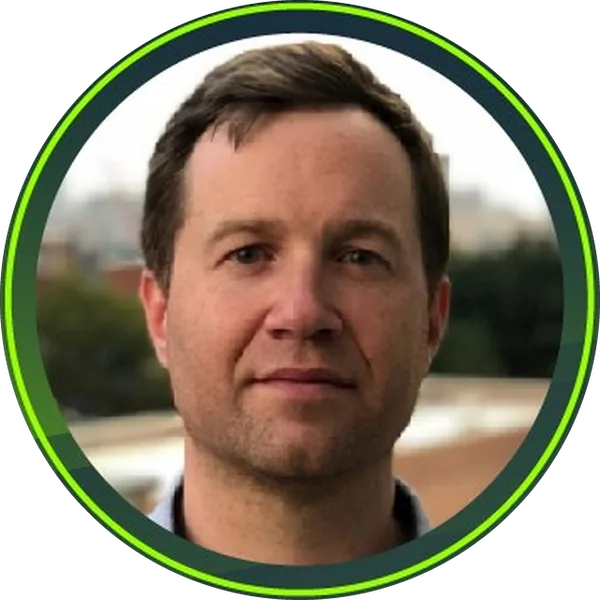
Doug Ver Mulm
Doug Ver Mulm from Stable Insurance discuss how insuretech can impact the auto insurance industry for both the insurer & insured.
The full episode
Press play for the whole conversation.

Insurance Tech News
Insurers punished for intervention in digital claims: J.D. Power
Travelers Acquires Tech Assets of Insurtech Trōv for Personal Insurance
Plum Life raises $5.3 million
The full transcript
Transcribed automatically from the episode audio, so some names and terms may be misheard.
Rob GalbraithJBKnowledge Podcast Network. On episode 80 of the Insurtech Key podcast, talking about exploring value creation in auto insurance with Doug Ver Mulm from Stable. The InsurTech Geek podcast powered by JBKnowledge is all about technology that is transforming and disrupting the insurance world. We'll be interviewing guests and doing deep dives into specific technologies that we see changing the industry. We're taking you on a journey through Insurant Tech, so enjoy the ride and geek out. Alright, everyone. It is we are recording this the March here in Texas.
We're finally finally getting the first part of spring weather and it's been kind of unusually cold winter here. Definitely don't wanna complain because I know many of you in listener land have much worse winters, a lot of snow, a lot of cold, but it's been kind of unusually cold. Usually it's kind of a seesaw here based in San Antonio where I am recording from and it's just been pretty steadily cold, gray, and miserable most of the winter and so finally the sun's out, It's getting a little bit warmer.
I could start putting on the short sleeves even. Not quite shorts weather, but we're getting there. We're getting there. So I'm excited to have with us Doug Ver Mulm from Stable for this week's podcast. And Doug, where are you joining us from?
Doug Ver MulmIn West Hartford, Connecticut.
Rob GalbraithYeah. So it's a little bit colder up here. Yeah. Still cold up there. So any signs of spring or still in the middle of winter for you?
Doug Ver MulmSo we we get teased a lot, I feel like, on the Northeast. So we will sure have a 60 or 70 degree day coming up here and then blanketed with snow probably for another three to four weeks after that. So we don't get our hopes up.
Rob GalbraithI guess it's smart to do that, but it is kind of a tease, right? But it's better to know that the other shoe is going to drop for sure. So before we get started on our interview, don't forget that you can subscribe to the InsurTech Geek podcast by texting geek out to 66866. That's geek out to 66866. Make sure you never miss an episode. So we're gonna go back with Doug for mom from stable and Doug, thrilled to have you on the podcast with us this week.
And before we jump into Stable and learning all about the company and really kind of exploring value creation in the auto insurance industry, which has been pretty stagnant for decades, I dare say. Let's talk a little bit about you and your background. So looks like you, similar to me, are a Big Ten guy. I see Northwestern? Or is that Northwestern College? College? Is that
Doug Ver MulmNorth yeah. It's a little bit different. Still in still in big ten country, but not a big ten school. So a small liberal arts school in Northwest Iowa where I grew up. So it's my first twenty two years there. Eventually made it out to Chicago, so closer to that Northwestern. But grew up a Hawkeyes fan, so still root for them. They're doing all right this year. Looks like they'll make it to the big tournament.
Rob GalbraithSo yeah, so pretty exciting times for that Big Ten team anyway. Yeah, and you, like me, were an economics major as well. So let's just talk a little bit about your childhood growing up in Iowa, and what did you think that you would be doing for your career? And I'm going to guess it wasn't in the insurance industry. It wasn't.
Doug Ver MulmSo, yeah, growing up, I actually wanted to be an astronaut, something I think a lot of kids want to do. But I took it to the next level where, convinced my parents to allow me go to space camp. I was very close to convincing them. I think I was like in fifth grade, fourth grade at the time into doing pilots lessons and trying to figure out like what that actual roadmap looked like. Unfortunately, like in 80s, when I was trying to do this, my eyes went bad.
And so it went really bad where I needed bottle glass type glasses. So wasn't something, laser surgery really wasn't on the market at that point, so that green was dashed. But I think the science and the technology component of that was something that I just held a lot of interest in. And ultimately the first part of my career didn't get into that, but it's something that just in the background percolated from like a hobby perspective. And kind of the regulatory stuff that I did work on earlier in my career kind of like teamed up with more of the science and technology portion of my hobbies and interests.
And that kind of led to where I am now. Yeah. So the econ stuff, you know, worked in a startup. My first job out of school was working for a small, we did a lot of technology automation for trust departments around the country. So small trust departments in, you know, towns in Texas, Alabama, Ohio, you know, not the top 20 cities in The US, but places where you would deal with a lot of kind of manufacturing type businesses where they would have small pensions or things like that.
And these trust departments wanted to automate a lot of the portfolio management that they were doing. And so had a company where we did both that automation but then also kind of the actual financial work behind it. So that's where I met my first co founder, Stephen Decker. So him and I, I think I was employee number one. He was intern number one, and then became employee number two. Him and I built a really good relationship working for about two and a half years at that startup.
And fun fact, one of our of our current investors is is the the gentleman that started that guy named John Crosson. So it's kind of nice having that group of people that you've stayed in touch with for that long to continue to evolve relationships and kind of work on things together. Always fun. Yeah. So that's a great
Rob Galbraithbeginning. And I know at one point you decided to go to law school and graduated from Seton Hall University School of Law. So what prompted the move to go to law school? Yeah, so that
Doug Ver Mulmwas interesting. So I had an opportunity to work for a law firm, not as a lawyer. So right after working at that startup, a friend of mine worked for a law firm in DC, like a white shoe law firm that got stuck with an antitrust case. So Visa was our client. They were getting sued by the Department of Justice for antitrust violations and by many other companies as well. And so I was working on a team of like, I think there's like 300 attorneys on this case.
A lot of these attorneys had no idea about basic economic principles, like especially around antitrust. And, you know, they're going into posing people like Kenneth Chanal and, you know, the Amex CEO at the time, other people who are like heavy hitters in finance. And so my first job at this law firm was just to help attorneys kind of prep for these depositions with people who understood a lot more about finance than they did. So kind of consulting for them and working with them. And that was a super interesting case, not working as an attorney, but working around those attorneys.
That kind of led to my interest in wanting to get into the law. Law school was great. I loved law school. You know, the theoretical stuff that you work practice of law I found out later on, like I started working for a company called Mercer's, one of the Marsh McLennan companies, working on very interesting things. So more like using some of my technology interests and background. While I was in law school, I kind of kept up to date on how to like code. So I refreshed my skills on Python, kind of taught myself JavaScript, a few other things in downtime during law school.
I was continuing to work on some of my own projects. But used some of that skill set to help from a data security and intellectual property perspective at Mercer and dealing within their contract department, working with their outside counsel. So that's kind of how I weaved myself into insurance. Had no intent to go work for an insurance company. Knew nothing about insurance. I think even when I started Stable, you know, had a kind of an understanding of insurance. But I've learned so much in the last four years of starting Stable that I feel like I'm just now able to hold my own with even one of my co founders.
And now that we bring on real insurance talent, like our claims guy, who we'll talk about in a bit, but like these guys still know thousands times more than I do
Rob Galbraithjust given my limited exposure to insurance up to that point. Yeah, know, fascinating and great transition kind of from law school to your role at Mercer, which I know is a name that most of our listeners are gonna be familiar with. So before you went from Mercer to Stable, you were also the co founder of a rideshare fleet. And maybe that was the first time you got exposure to this new concept of using an app to get in a car with strangers. And there's something that the old man in me is that we would have never seen.
And then, you know, two, three years later became kind of an indispensable
Doug Ver Mulmservice that I used all the time in my travel. So tell us a little bit about that transition and what that was all about. Yeah. And so I think within one year of working at Mercer, I kind of realized that I was not cut out to be an attorney. Like, it just wasn't enjoyable to me. Loved the people I worked with, loved working at Mercer, and loved the whole Marsh family. But working as a corporate lawyer was not really what I thought I was going to do for the rest of my life.
So I started playing around with different ideas, different side projects. And I was probably within the first 100 users of Uber in late twenty ten, early twenty eleven, I think is when they came to New York, when it was just black car at that point. Like, wasn't UberX as kind of like it's more ubiquitous now. You know, you would truly order like you get a huge SUV or Suburban or like a really nice Mercedes or black car. And it was heavily discounted because Uber had all this VC money even early on.
So as, you know, somebody just getting out of school, it's like, oh, this is great. Like, I can, for $30, get a really nice car. You take it on dates or you can just pick up friends or whatever it might be. Pick up my parents from the airport, I think, once. And so I would talk with these drivers a lot and try to understand, just have conversations around how they were getting their vehicles and understand the licensing process in New York and the insurance process in New York, which is much different than a lot of different parts of the country.
And maybe like, it was like 2014, I kind of realized that a lot of the players in the space were relatively shady. Think about somebody like all good people, but I think like, you know, getting a rental car from somebody in Queens to do rideshare stuff, probably have thoughts about what type of organization that might be. And I thought to myself, like, could I actually produce like a better product for people who need to rent these vehicles and something that's a little bit more transparent and can be dealt with digitally?
So we built up some very rough product around distribution. A driver could print through our platform and they could do all the maintenance requests through the platform. And the whole goal for us, we were just lazy, the two of us that started it. We didn't want to have to actually manage the fleet. We just wanted people to pick up the car the first time, then deliver it, you know, until the car, like, broke down and couldn't be used anymore to the next driver and so on.
That worked not as often as we had hoped. And so realized that we needed to start thinking about how we were bringing these drivers on. So how do we choose better drivers to make sure they pay on time, they don't abandon the vehicles, don't get into accidents as well. That was kind of an afterthought, but it's really around like kind of credit income management. And at the time, think it was in 2015, Uber started making some data available via API so we could apply for the use of it.
We kind of put our business case out. It's made of a small fleet. We're trying to understand these driver profiles and who we should be renting to. And so we started using that just from like a credit modeling perspective to determine who we were going to rent to. And it did have a substantial increase or decrease, I guess, in the number of issues that we had just by doing some of that light credit modeling. So we do things like try to understand are they earning enough over a certain period of time to actually pay this weekly rental?
Do they have a good community score, good crowd based driver score? And one of the other things we started to realize was there's like a lot of interesting loss control and risk data available as well within there. And and what we started to realize was that the fleet that we had built, so I think we got up to, 35 cars at one point. And and the goal was to we wanted to actually build, a large fleet around it. We had some private equity interest in what we were doing, just how we were able to automate.
It's very interesting from an ROI perspective, but a very asset heavy business. So something that's not really a venture interest, but more of like a private equity or hedge fund type interest. But the issue we always came up with was they would look at our financials and they're like, you have this static insurance cost that just never changes. Doesn't matter how well you're operating, how much risk control you're kind of putting into this. That number just like continues for eternity, good or bad. And we're like, yeah, that is a problem.
We can see how we were trying to scale this up, that not shrinking is going be a problem from an ROI perspective. So we went to our insurer, small insurer in New York. There's two, essentially two insurers in New York that do Uber and Lyft in New York City and said to them, hey, we're collecting all this data. We have the beginnings of what we think is an interesting loss development within our fleet. Is there any way we could work with you to get a better insurance rate?
And they weren't interested in it. They were open to discussing it, but they just didn't have capabilities to actually do that. To say, hey, we'll take this data in, we'll figure out how to underwrite you in a different way, and then do this in an automated way where we can like consistently make this successful for us. And so with that, that kind of started, I think this is like 2017, 2018, and I realized the more interesting thing to work on was kind of the insurance problem.
So I went and talked to other fleets, talked to a of individual drivers, and that's when we made the realization insurance part of this is a much more interesting and fruitful problem to solve. And it's only going to become more so as different types of mobility get put on. So the hybrid use of vehicles, know, these platforms that are looking to put as many drivers on that they don't, they do some background checks on, but maybe not like full background checks. It's not like they're doing trucking or anything like that where you have drug testing and things where you really are certain that this is going to be a good driver risky as possible.
So that of, that fleet allowed us to get to stable and really a lot of some of the technology that we have now is born out of that fleet. Definitely the understanding of the business model was built out of that fleet. Yeah, no, fantastic. Thank you so much for sharing that background
Rob GalbraithDoug. So you eventually leave Mercer, you start stable. What were the markets that you were, I guess, originally targeting?
Doug Ver MulmAnd then how has it evolved over the course of time to where we are now in 2022 at a high level? Sure. Yeah. So the first thing I did is I went back to that gentleman I talked about earlier, Steven Deckers, the guy that I worked with and with that company called Main Street, that that trust automation company. And I said, hey, this is this is what I'm working on. Like, this is, you know, some of the the financial stuff that I put together, and these are the competitors.
Really, once he looked at the competitors, he's just like, okay, this is super interesting. There's no automation going on. So I think, you know, the companies that were making waves at the time were like Lemonade, obviously, a few others that were talking about kind of like just building a better front end, but automating a lot of the processes. So we looked at them as not necessarily road maps for us, but just thinking about, like, the market in general and how we could improve our product or the product that we wanted to offer.
So we knew New York very well after a period of time, New York City very well. We had been making a lot of connections within the space amongst fleets and individual drivers. And we had built some of our own technology around distribution and handling better handling claims in a better way then automating a lot of the internal underwriting processes. And then the big thing was the data collection for us. We thought that that was very meaningful. And it was. So what we did was we went out to reinsurers, I think we probably talked to 30 different reinsurers, and everybody was interested.
But we got the feedback almost in course, unison of course was, okay, guys, there's no insurance person here. It's you and Steven. You seem nice and bright and you could maybe do this, but like you've no idea about any type of insurance like PNC insurance. So that's kind of a check mark against you. You want to do this in commercial auto, like livery of of of, like, the really terrible section of commercial auto. And then you wanna do it in in New York, and and not even just in New York, in New York City.
So, like, why are you why are you setting yourselves up for, the most difficult challenge, like, right out right out of the gate? And so we had about two years of those discussions, and and we we still have, like, a lot of customers that are interested in using us in New York. We just I think at some point, realized we can't get our product live there first. We did, interestingly enough, one of the the company that we were working with as the fleet, the small insurer that I talked about, they came back to us and said, hey, why don't we try and work together?
You guys can act as a digital broker for us and start supplying us some of this data and then maybe we can work on a product together to improve the market overall. So it was really interesting to us. We did that for about a year. A couple of things outside of our launch happened. So we launched that product with them on 02/13/2020, probably the worst time ever to launch a rideshare product, right, with with what what events that ensued afterwards around COVID. And so we got about nine months into that relationship and realized that that carrier, they were they were small enough where they're like, we just need to figure out how to survive through COVID through the next, you know, two years or three years or or god knows how long this is gonna last.
And I think the other thing we realized was there was a lot of ambition within the, you know, the owners of the company that didn't really filter down to the rest of the company. And almost some people that we would have to deal with on a daily basis saw us more as a threat than like an enabler to them. So we decided to amicably part ways and try to focus on other parts of The US. And so we went out and spent about six months. We worked with Guy Carpenter for a bit, so kind of like drummed up some of my old March connections and got involved with Guy Carpenter's InsurTech unit.
Great folks there that were very helpful in getting us in front of reinsurers again. But then just by happenstance, stumbled upon a woman named Gloria Guenthienis, who I think was on your show maybe two or three months ago. And she was working on a company called Pouch at the time, like her own company. But she was also working on this idea of a true InsurTech accelerator. So something where not only do we help you with maybe some of the thoughts around, you know, sales and marketing and and raising money like an accelerator would, but we're gonna bring capacity behind that.
We're not gonna help you find capacity. We have capacity ready to go through their relationship with ILS Capital Management. And and so that was really interesting to us. And so we started talking to them this summer and realized like the lack of data that we had on the market wasn't a concern to them. They were really interested in trying to experiment in the space and allow startups risk capital necessary to get started. So we've built a great relationship with them over the last six months or so, nine nine months now almost, and have focused we still have a focus on fleets, but we've realized that there's also a lot of drivers who are doing upwards of twenty hours of rideshare per week.
And then there's also kind of like ancillary mobility spaces that are very interested and from a risk perspective and from the way we write our insurance contracts are very similar to rideshare. So things like car share, obviously delivery is a big one right now. But even like kind of like not the way you think of delivery of I'm getting DoorDash, I'm getting my noodles, delivery like Amazon, so kind of the trucks you see going around, things like that. So this concept of on or off platform and having kind of a contractor or renting out this vehicle for some use to, you know, it could be somebody today and somebody completely different tomorrow.
And so that's kind of how we've evolved. And from the insurance perspective, I guess what we think about it is the insurance is key for a lot of these drivers and for a lot of these small fleets, like it's absolutely needed for them to continue operating in a in a cost effective manner. But because of the data that we started collecting, whether it's from, an Uber platform or Turo platform, a lot of other things that we can kind of lay around. A lot of different analytics and decision making tools that we have the ability, we have the data, and then kind of the software ability to build for them.
So rather than having to pay for something different, a fleet management platform, is that something that we can provide you or give you access to? So we think about that a lot. Our core product right now is definitely the insurance side. But on using individual drivers, rideshare drivers for example, we have a driver report that we give them. So it kind of rolls up and consolidates all of their earnings across different platforms that they're working on. So not a lot of drivers do this, but they should be doing it.
You should understand like, am I, is my time that I'm spending actually worth this, right? Am I only making $10 an hour? Am I actually making 25 or $30 an hour? So we try to help them understand their top line, then understand some of the expenses that they, they input some of the expenses that they have and then understand if they're just making good use of their time as a driver. And that's really interesting for them because that's some drivers that do do that, they have to like pick through their driver reports and probably spend two hours on the weekend trying to do And that just stops a lot of drivers from doing it.
So the fact that we can do it in, you know, just by doing an API call to the networks that we're already working with, roll that data out for them, they can spend five minutes on the weekend and say, just say, okay, like, is this something that I should do this this next week? Or did I just make so little money that it's it's no longer worth me doing this? Yeah. I wanna keep going on this idea of kind of that enhanced
Rob Galbraithvalue creation, Doug, because I find it really fascinating. And I know I've talked to my share of Uber and Lyft drivers over the years, similar to you, kind of fascinated about their stories, how they got into it. Everyone had a different story. Sometimes it was part time. I know one guy in the Arizona area, he just said, hey, I live in the Phoenix area but my office is in Prescott, Arizona. So whenever I'm making the, you know, hour and a half drive up or hour and a half drive back, I just, you know, flip it on platform.
You know, this guy is kind of as a mid sixties. He's doing well financially. I think he had his own insurance agency if I remember correctly and so it was yeah, made a lot of money but that was even the point for him. The point for him was basically have a buddy to ride with, right, somebody new, somebody who's definitely an extroverted type person and you know he always enjoyed the conversation. Whereas other people clearly right, it's really their job kind of a full time income.
They are running a small business, maybe the smallest business that you can have. So, definitely, you know, they all have strategies, right? Well, I go early in the morning and I do this or I do the airport runs or I try to do late at night. And then some people say, I don't wanna do late at night because then people are drunk and they throw up my car, right? And then I gotta pay extra to clean the car and things like that. So, yeah, tell us a little bit more about kind of going beyond just that, hey, you have to buy insurance, you bought us and now hopefully you never have to think about us unless, you know, the worst happens and you file a claim of actually giving them value added, you know, before that claims experience happens?
I assume you'll be there if they do have a claim, but like what are some of the other things that you can do
Doug Ver Mulmto show them the value that they have by partnering with Stable? Yeah. And it's fair, like, we I think a lot of this was developed from reading some of the Insert stuff. Like, we're on that Slack channel. Coverage talks about this all the time, I feel like. Like, this lack of touch points with an insurance customer. And I don't know that we have that solved yet, but we think about it almost every day. Like, why would a customer think about us today on a day that they're not, you know, hopefully not getting into a claims event?
And, you know, maybe once a month they're actually making a payment to us, also not something maybe that your brand is associated with on a consistent basis, right? They know they have to pay it, but is that the only thing that they're doing with us? And so we love this idea of just trying to push additional value through us. We talked about the driver report a little bit, just a way to understand, like a very simple tool to understand, you know, are you spending your time correctly?
We're working with companies like BarblePay to figure out ways that we can actually add additional benefits into our platform. So are there things specific to this driver base that they need? Things like, obviously, they're driving many, many more miles than a typical auto user would. So their tires are needing rotating more often and replacement more often. They're obviously getting oil changes more often. They need to clean their cars more often. So building up kind of like a benefit ecosystem around those types of things where if we can help them under or if we can help provide discounts to them and then provide more users to that vendor are the ways for us to kind of sharing those benefits with our users.
We think about it from like the risk protection, like advanced risk protection. So like helping you understand like some of the things that we're doing hopefully stop you from ever being in a claim. But if you are in a claim, hopefully we are able to ascertain like the genus of that claim much, much quicker. So we're huge advocates of dashcams. And I think there's kind of this debate within personal auto, like do I want a dashcam? Do I want, you know, a privacy perspective, do I want you know, telematics?
Do I want my vehicle tracked? My driving behavior tracked? And there's still that issue with rideshare drivers. But more often than not, they realize like, hey, I'm already being tracked by Uber. Uber's tracking me and Lyft's tracking me. This data is being collected on me. So if I understand that, that Uber and Lyft and whatever platform I'm working with is having some advantage by having this data from me, can can I put my data that I'm creating to work for myself? So when we think about that, we're like, if you if you're willing to allow us to put a dashcam in your vehicle, we have the the belief that our defense costs are going to be much lower.
Even when we are, when our drivers are at fault, it's going to be much easier for us to understand whose claims responsibility that is. And not even that, just by having like, so cloud base is really like our preference for dashcams because it allows us to kick off the claim almost immediately. So a lot of times we can tell if an accident has taken place shortly after that accident, send a text message out to the driver and say, hey, like we believe you've been in an accident.
Here's some steps you should take to make sure everybody's safe. You know, contact the police, make sure you get a police report. Sometimes that doesn't always happen. Get the other driver's insurance information. I would say half the time when we were operating as a digital broker in New York, never had no idea who the insurance was with. Right? So we'd have to run like a license plate search and then track that driver down, track that insurance company down. It would take a long time. So just make sure you've taken, like, the correct steps as a driver to help us resolve this claim for you much faster.
And I think just like the positioning where we understand, like, these drivers who need are using this vehicle for income generation. So you kind of talked about the gentleman, you know, that travels back and forth between his office. That driver, obviously, when a claim takes place or when a claim takes place for you or I, we want our car back as soon as possible. But it doesn't kill us if we don't have it, right? Like, I'm still going be able to pay rent next month if I don't have my car.
Whereas these drivers, a lot of them, at least for a period of their life, this is a large portion of their income. And so if we don't have a replacement vehicle for them almost immediately, like the claim should happen, like we should be able to help the car get fixed very quickly or replaced very quickly. But even then, like sometimes that's outside of our control, like supply chain issues right now. It could be held up for two weeks, like waiting on a part. Do we have a car that you can actually use on Uber and Lyft to help replace that?
So it's really just thinking about what does this customer need and making sure that we've supplied it for them versus policies are great. I think the incumbent policies that you can get with the riders, they're priced well and they fit the regulatory needs that you have for the state. But are they there's still a personal auto policy that they've kind of layered some solutions on top of. Our view is like we need to tear this all down and kind of think about what's the first, second, third, fourth thing that this driver needs in the event of an accident and making sure that we supply those first and then layer the other things on top of that.
So Doug, wanna nerd out a little on the insurance side here and I know, from my many years at USA, you know, risk segmentation is such a foundational part of insurance and
Rob GalbraithI talk to organizations all the time about traditional variables such as age, gender, and marital status. Obviously, there's a whole lot more information now that you can get today at your fingertips with telematics and some of the data that you're able to collect and go beyond a lot of those traditional rating variables. But obviously determining, right, the appropriate amount of premium to charge based on the risk. This is a, I know a lot of the largest insurance companies such as Progressive and others talk about billions of pricing cells, right, that they have a really refined view of risk.
So can you tell me a little bit about, I would imagine you've got kind of some unique challenges yet unique insights as well from the population that you serve at Stable. So how are you approaching this challenge? Yeah, so, I mean, we do think about risk segmentation.
Doug Ver MulmSo Multiply's background, Gloria and Steve McKay, the two founders of Multiply, both have, roots in Progressive, and then some of the talent that they've brought on to help out also have Progressive roots. So they've like, that that idea of being able to segment, like, I'll I'll write a policy for you. You might not like the price, but I'll I'll write it. Right? We we think about that. We we definitely want to we apply both a carrot and stick approach. So using the dashcam thing as a video, like, that's huge segment for us.
Like if you are self selected into a dashcam, like you are going to get a very good rate from us. If you're not, we'll still write a policy for you. But maybe you want to go somewhere else because you could get a better price elsewhere. So we think about it from, like, a driver behavior perspective. But even then, and and, like, actually, Gloria and I would probably have slight disagreement on this. Like, the benefit of underwriting via behavior, I think, is still somewhat to be proven out.
You know, we've seen some companies try to do that and either they're doing it incorrectly or it takes more time to develop than maybe was initially thought, or we're just looking at the wrong things. My view is like every city and area of the country is a little bit different. So an example would be if doing kind of like a blanket behavioral based underwriting on let's say harsh braking, and all I do is drive on the BQE, this freeway between kind of Brooklyn and Queens, it's going to look like I'm an awful driver because I am hitting the brakes every like three seconds and I'm probably hitting them very hard because of the bumper to bumper traffic.
So there's a lot of considerations I think that go into play whether or not like that type of behavior based data makes sense and then where it would make sense. So there's just a lot of work that's needed on that. Not that it can't be done, but end of the day, I kind of think, is that as valuable from an underwriting perspective versus just the fact that I have dashcam footage from you getting into an accident? I in my I'd pick the dashcam footage over, like, ability to to have a telematics solution.
And then there's things like experience, like definitely, like, actuaries aren't going to disappear, right? There's still generalizations that need to be made, and those are we have amazing actuaries that have ton of experience working in the shared economy and auto in general. And so their jobs are pretty secure for a very long time. But we do think about it from a how long have I been driving, but also what type of work am I doing? Am I doing rideshare? Am I doing delivery? Or am I doing like car share?
Am I just dropping this off and actually have no risk because somebody else is actually taking this vehicle from me? And then even from like a rideshare perspective, like am I driving mostly in the city? Am I driving mostly on the freeway? Am I going back and forth to the airport a lot? So I would put a heavier emphasis on the type of activity that's being done from a segmentation perspective, but then also where that activity is being done. More than even saying, hey, do I have one year experience as a driver or do I have five years experience as a driver?
At some point those kind of melt altogether in our view and we really are more concerned about do you have the proper safety equipment in your vehicle such as a dashcam, what type of activities are you conducting in, like you have a passenger in the vehicle so you're driving a little bit safer, or do you have some noodles in the vehicle that are hot and you want to make sure they get to somebody within five minutes as you're driving like a madman because there's nobody to judge you at that point.
So those are, in our view, like the type of activity being done and knowing that that activity could switch back and forth. Like that same driver that was just driving like a madman could then switch on to Uber and say, hey, I'm gonna like, I wanna keep my five star ratings. I wanna drive, like, perfectly for this person. So those are, like, really interesting problems that we think about. Definitely don't have them solved yet, but we love seeing that data come in to see like, hey, is that is that same driver like an idiot today?
And then like tomorrow when they're doing rideshare, like the the perfect like, you just looked at that one day, they look like a perfect driver. Yeah. So the segmentation segmentation stuff is very interesting. I love the background we've gotten from the Multiply team to be able to allot for that and hopefully write any policy that somebody would actually buy from us.
Rob GalbraithYeah. So I have not ever driven for rideshare service or done any deliveries, but I can tell you I'm, you know, fairly responsible driver. I haven't been to an accident in many years, but the last two days my daughter was very much in danger of getting a tardy at school, so I might have had some creative driving that involved cutting through gas stations the last couple of days. So yeah, that driving like a madman versus kind of the standard, I can definitely, definitely relate to that.
Doug Ver MulmSo Doug, Well, know, insurance say, there's one other like, another interesting thing to think about here is, especially, like, with age and experience, like, I I lived in New York. I'd like, I just forgot to renew my license. And for a while, I didn't have a driver's license. I had to sit and do the test again, do the course. So, you know, I'm 42, you know, decent credit, like established from like a underwriting perspective. Like Progressive gives me a very, very good rate. But somebody who's like 21, 22 has been doing rideshare for a year, like terrible credit, you know, not married, no education.
Like from an actuarial pure actuarial perspective, that person's probably gonna have double the premium that I have. But, like, they've been driving, you know, maybe fifty, sixty thousand miles over the last year on rideshare. Like, if you are if me or that person shows up with to pick you up from a rideshare person or rideshare per perspective, take that other ride. Don't don't ride with me because you're more likely to get into an accident with me. Yeah. No. That's a that's an excellent point. That's an excellent point.
Right? It's just the
Rob Galbraiththe purpose, like you said, you know, your familiarity, it just changes a lot of the assumptions that I think we've traditionally had, right, in either personal or commercial auto. So, you know, as you know, insurance is a very conservative industry historically. You know, you've talked a little bit about some of your experiences and partnerships, but I'm just wondering, you know, there's these groups that we kind of call gatekeepers, whether they be, you know, agents of brokers, carriers, reinsurers, regulators. So so what's your experience with those folks in our segment?
And how have you been able to get buy in? Yeah. So obviously, is very conservative, very, very risk averse,
Doug Ver Mulmwhich makes sense for for what's going on. I think we just ended up getting lucky. We had like a six month clock left where we said, hey, if we can't find this partner, we're probably just going to figure out what else we should do. Like, can we sell off some of this technology? You know, can we roll ourselves into another company? Can we go back to the company that we're a digital broker for? Should we work on something completely different? And it's really kind of pure luck, think, in finding that partner that's willing to take that chance with you, especially when you have no data.
Right? So if you're truly trying to do something from a cold start perspective versus I think like others that have been successful in our space and great competitors in our space, they had a broker before. So they kind of had a number of policies that they had control over and they could kind of tell what these losses look like over a longer period of time, what their go to market strategy would be. And then they had a little bit more respect I think amongst the insurance community.
And everybody's always been nice to us. It's not like somebody kicked us out of their office or anything like that. But they, it just never fell under their mandate or we couldn't get them comfortable with what we were doing. So I think it's definitely like you need to find that partner that you can sell into and say, hey, like, you're buying into us being the expert in this and that we have this idea and we don't really have enough data to show you whether this is true or not.
It's a hypothesis, right? We want to test this hypothesis. We can't do it without the insurance products. Are you willing to help us write that insurance product? And I think with Multiply and ILS, we found that. And I think other Insurtechs, obviously, a number of them are getting started and continue to be started. So it's really just finding that insurance partner that kind of believes in what you're trying to do, that aligns on the vision, is willing to help you execute on that. Yeah, that's I hate to say that it's somewhat comes down to luck, but maybe it's just like going out and talking to enough people and finding that and then realizing if it is like really, really far out, the timing might not be right.
You might have to put it on the shelf for a while or figure out another way to get moving forward. Yeah, you mean, you mentioned Gloria and Multiply, right? And as we talked with her on an earlier podcast episode, that was the entire vision is to support
Rob Galbraithstartups such as Stable that may be, you know, out of the box or a little bit different proposition, or is it just, you know, the same as usual, but just with a small twist, right? And I think of companies like Lemonade as being much more akin to that traditional insurance and they may be executing automation better or giving marketing better, digital interfaces better, etcetera. So not saying that they don't have value, but it's a little bit more just a variant on a theme rather than you're really kind of building something that's more radically outside the traditional insurance ecosystem and for good reason, right?
Because risks are evolving and ever changing. And clearly this has been just a mushrooming segment that needs appropriate insurance solutions. And so you've been there for that. So as we wrap up, Doug, I'm just kind of curious. So what is next on the roadmap for stable? What do you have on your radar? Yeah, so we
Doug Ver Mulmwere very lucky with Multiply to, I mentioned, you know, they offer a lot of insurance support, but they're also, I think they consider themselves like a mini VC. So they led our most recent round with one of our pre seed investors, Brooklyn Bridge Ventures. So we kind of have the ability now to kind of get live in four states. And so we'll be doing that, executing throughout the year, launching in Illinois first later this spring. So very excited to kind of get that product out into the market.
It looks like it's going be a joint or love the joint capability of selling both rideshare and car share as it stands right now. So excited to get out in space. The car share stuff is also very, very interesting to us. This concept, and I didn't come up with this term, somebody else in the space did that we've gotten to know, of distributed fleets. Right? I'm kind of what I was doing with the ride share side, but for car share. So I have 10 vehicles and I'm just trying to create a passive income stream or maybe replace my job with that.
It's also interesting, like a rideshare driver who has a lot of control over their schedule can start to do those types of things. We think about creating our own customers in that space as well. So, yeah, going live in four states this year and then trying to pick out kind of what makes sense for us in 2023. We talked to drivers, John, our third co founder John Salvucci, is the actual insurance guide. I didn't bring him up yet, but he like gives us the credentialed insurance that we need.
He's a former IA, and so loves talking to the customer, but he worked as an underwriter for a while at AIG. He's out talking to customers every day about specifically what they need and making sure that kind of the features that we're building what is going to get them excited. It's fun to watch those videos because you like to see people's eyes light up when we talk about some of the higher end features of what we're trying to do that just aren't being offered right now.
And so yeah, we're just excited to get that product out, you know, start to see how people actually interact and react to it, how the community overall interacts and reacts to it. And then not that we're looking for for claims, I know our clients, we have a gentleman named Dylan Brand who came over from James River. So James River did a ton of Uber work right through I think 2018. He's seen the good and the bad of rideshare and has handled claims there for a long time.
Really excited to have him on board and some of the stuff he's building around the claims process, like how that interacts because it's not always our claims. Sometimes it's Uber or Lyft claims. So how do we help that customer through that journey? We very much believe that we're going to win or lose customers on the claim side of things. And so we're excited just to see if we're actually doing that right, if we're actually providing the value that we think we need to provide to customers.
That's, as far as the insurance product's concerned, the most important point of that journey for them. It's not going to happen to everybody, thank God. But those that it does, we want to make sure that we're doing right by them. Yeah, fantastic, Doug. So for folks that want to learn more about
Rob Galbraithwhere to find you or learn more about Stable, where would you point them to? Yeah. You can check out our website, Stable INS,
Doug Ver Mulmshort for insurance, so just the initials INS. We're on LinkedIn. We have a company page on LinkedIn. I'm I'm on link on LinkedIn. I'm on Twitter. Our company's on Twitter. You'll see yeah. I think we interact every once in a while on Twitter. It's very interesting insurance community right on Twitter that that's fun to kinda, like, josh around with. So yeah, you'll see us on there, but check out our company page on LinkedIn, just stable insurance, same with Twitter. Follow us if you want to learn more, always feel free to reach out.
I'm just douglasstableins dot com. So if you want to talk about anything, I love talking future of insurance, future of regulated risks, regulated sectors.
Rob GalbraithSo happy to have that conversation at any point. Yeah, fantastic, Doug. Well, it's been a thrill to have you on and wish you the best of luck. I'm gonna pivot now as we wrap up the episode to a few news items for the week. The first one comes from digital insurance and this is a headline that caught my eye. It says insurers published for intervention in digital claims. This is based on research feedback from J. D. Power. And they talk about the number of companies that have come out of course with digital claims offerings, maybe in the auto insurance space, right?
You file a claim on an app, you take photos of the claim, you kind of submit it and you're looking for a resolution and what they found is that about a third of these claims are still requiring some type of physical inspection as a follow-up. That percentage has actually not decreased over the past year as more and more companies have embraced digital workflows and consumers have embraced using those digital workflows. And so it's causing a lot of frustration from customers. When they are able to submit their claim online and submit photos, they're looking for not necessarily an instant resolution, but a very quick resolution.
And in many cases, it's taking a week or more for claims adjusters to follow-up. And then if there are some kind of, you know, a manual need to have somebody physically take a look at the damage or things like that. That is causing a lot of frustration for customers. You know what are certainly possibilities that a lot of folks have been talking about can actually be negative customer experiences if not done right. And so I found that one to be a really interesting study. The second news items Travelers has acquired the tech assets of the Insurtech Trove for personal insurance for an undisclosed amount.
This is from the insurance journal and Trove is one of those companies that when they started, I really was excited for them, excited about their technology and they've been through kind of an interesting journey that actually started as more of an on demand insurance product. The one that resonated with me is you think about maybe your expensive camera and ensuring that only for the two weeks that you're on vacation rather than on some type of personal article floater policy for an entire year. And I know it's actually something that I had taken a look at at a traditional insurance firm to try to emulate what they were doing.
And we kind of realized that we probably have to charge 80 to 90% of the premium for those two weeks that we were for the whole year because that's obviously when the assets are more at risk. They later pivot on to working with Waymo, the automated driving company about offering some of their insurance, as well as pivoting towards an embedded insurance platform that people could use their technology via APIs. And so that's what Travelers is acquiring here. So it's a fascinating study, Trove, I think, of just some of the evolutions that InsurTechs go through, the twists and turns of the journey and an interesting move for obviously a large company Travelers.
They talk in the article about their acquisition of a company called Simply Business that was based in The UK that is selling small commercial business online as well. So some interesting acquisitions from Travelers. And then finally, a fundraising announcement from Coverage on a recent guest that we had, Rahim from Plum Life. So they've raised their seed round of $5,300,000 And as we've talked previously on the podcast, there's a lot of Intrutech and innovation going on in the property and casualty space and less so in the life insurance side.
And we've talked into some of those folks such as Ladder Life and others, but Plum is one that, you know, we were kind of excited to see what they've been doing, and just happy to see that they've had a successful seed raise. So anything in those news items of the week catch your catch your eye, Doug, or you think is
Doug Ver Mulmis intriguing? Yeah. Need to I need to pass on the claims article to Dylan, get his thoughts on that. But you mean, that it's I don't know if it's great that that's happening. I'm curious how much of that is supply chain issue. Not supply chain, but just like lack of workers. Right? I think a lot of companies are having problems finding people to go out and carry tasks. So hopefully that's somewhat short lived and gets solved out a bit. It's interesting with Trove, right, when I, in 2018 when we were starting Stable, you know, saw them as a competitor and kind of had them on our competitive list.
Really smart people. You know, Scott's a great guy. Travelers is, out of anybody, out of any incumbent right now, I think is doing some really interesting things on acquiring assets and kind of rebranding. And I assume there's going to be a Trove powered Travelers branded or they'll come up with a new brand name. I can't remember what they all are, but I've seen several new Travelers branded items, right, digital items come out. So it's great to see that that found a landing place. You know, we were talking about, like, doing variations on a theme, and Trove never did that.
Right? They they were really early, 2013, I think, when they started, 2012, and doing something, you know, somewhat completely different that ultimately maybe didn't work out. But the willingness to take that risk and actually try and create new products within the insurance space. Obviously, that's something that we are trying to do. So I love seeing that even if it's not ultimately maybe the outcome that they wanted. It's great to see that that will live on, you know, in another form. Agree with you on Plum Life stuff, that the life stuff I don't know a lot about, but it's also very interesting.
We we were interviewing somebody from Bistow, actually, and learned way more from him than than he did from us, I think. And, yeah, so just super cool stuff going on on the on the on the non PNC side of of Insurtech. Fantastic. Well, Doug, it's been a great conversation. I wanna thank you for, being on the InsurTech Geek podcast with us this week. Thank you. Yeah. Thanks for having me. So,
Rob Galbraithfor all of you in Listerland, this has been the InsurTech Geek podcast powered by JV Knowledge, who is all about technology that is transforming and disrupting the insurance world. I am your co pilot this week flying solo, Rob Galbraith. You can find me at endofinsurance.com. And of course, you can find my co host most weeks in the master of ceremonies, James Benham at james benham dot com. Thank you to Jim Greenlee, our podcast producer, Cara Dalton Aro, who's our creative producer. And thank you in Listerland for joining us today.
We look forward to talking with you soon. We're taking you on a journey through insurance tech. So enjoy the ride and geek out. See you next week.