 YouTube
 Spotify
 Amazon
 iHeart
 Apple
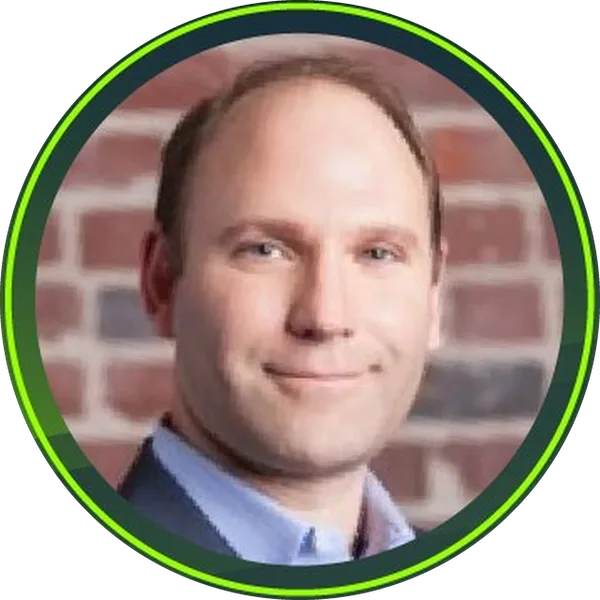
Jon Soberg
Host James Benham is joined by Jon Soberg from MS&AD Ventures. James & Jon discuss a different side of InsureTech, the funding of it!
The full episode
Press play for the whole conversation.

Insurance Tech News
Buckle partners with CMT for telematic auto insurance
InsurTech Policygenius nabs $125m after 2 years of strong growth
Tesla Insurance expands in the US
The full transcript
Transcribed automatically from the episode audio, so some names and terms may be misheard.
James BenhamOn episode 82 of the Insurtech Geek podcast talking about funding Insurtech with Jon Soberg from MS&AD Ventures. The InsurTech Geek podcast powered by JBKnowledge is all about technology that's transforming and disrupting the insurance world. We'll be interviewing guests and doing deep dives into specific tech we see changing the industry. We're taking you on a journey through insurance tech, so enjoy the ride and geek out. All right, all right. As we record this, it is Friday, 03/18/2022. As I mentioned last week, I keep writing 2021 on all the date fields on everything.
It's really throwing me off. But, you know, I guess I just haven't accepted the brutal reality that it's another year. That's okay. With me today on the InsurTech Geek podcast, Jon Soberg. He and I are both in California today. John's up in the Bay Area. I'm down in beautiful Carlsbad, California, one of my favorite, most chill places in SoCal on a little spring break vacay, but can't ever put down the podcasting.
Jon SobergSo, John, how's it going, buddy? It's going really well. Thanks for having me.
James BenhamI'm, super excited to have you on the show. I'm super excited to talk about funding InsurTech because we talk to a lot of InsurTechs about funding, and we talk to, we cover a lot of news stories about funding. And, you know, we talk about all the different things that are going on from a from a from a a founder perspective. So it'd be good to get a a money side on today's show, and I'm excited to have you on board. Before we jump into our discussion, I wanna remind you, if you're watching this show on, Facebook or Twitter or LinkedIn where we livestream, it'll be, of course, next week when we stream it.
If you're watching it there and you wanna subscribe to the audio only version, you can do so by texting geekout, g e e k o u t, geekout, to 66866. Make sure you never miss an episode. Back to Jon Soberg. John is, currently managing partner at MS and Eighty Ventures. That's m s eighty dot v c. John, we're gonna we're gonna talk about venture capital in a second. Before we do, I wanna talk about you. You got a bachelor's in engineering from Harvey Mudd College. You got a master's in mechanical and robotics from Northwestern, and then an MBA from this this little school that you might have heard of called the Wharton School.
So you got a great academic pedigree. You you studied some really fascinating topics. I mean, what was the goal when you were growing up as a young boy? First off, where did you grow up, and what did you dream of doing originally? Or did you did you have a a big big pipe dream there? Yeah. So
Jon Sobergwell, again, thanks for having me. I grew up in a really small town in Minnesota, and, basically, everybody the the whole community was a farming community. So I don't I guess, a couple things. It was it was a small enough school that everybody had to play sports. So, you know, I played sports in the fall and the and the winter and the spring. And so, you know, it was football, basketball, baseball, hockey. You had you had to play a little bit of everything. So I'm sure as as most kids, you know, you dream of being a professional,
James Benhamyou know, player in something. I was never good quite good enough to to really think that way. Put me have a Put me in that club, John. I I never had the what you would call the athletic skills to do that. I had a I had a the heart was willing, but the, the skills were not there. No matter how much I practiced, I just didn't have the hand eye coordination that I needed to really be, wildly successful. What I did have, John, was, a propensity for violence and a willingness to, to, sacrifice my body for the team.
And so that got me a long way in defense and soccer, and, I played water polo for Texas A and M. I had a willingness to throw my face in front of the ball and get hurt, so that helped me. What what do they what do they call that position in hockey where you just go around and beat people up? What is that called again?
Jon SobergI mean, it's usually one of the defense players, but the goon, I guess. The goon. There you go. That's what it is. Yeah.
James BenhamYeah. That'd be that'd be me. I I would never I would never get the puck in the net. It would it would just wouldn't happen. But going and committing acts of violence on the ice, that would have totally been my job. If if I would have grown up in Minnesota, which I had I grew up in South Louisiana, which is the opposite of Minnesota. There was no ice anywhere to be seen. They had we had a ice skating rink once a year for two days.
Jon SobergYeah. And and we're the opposite. We had the legs freeze over, you know, and you could play play pretty much from, you know, late fall to early spring. Yeah. It's funny. I I I totally understand your mentality. I played rugby in college, and I, I I did spent one year at the University of New South Wales in in Australia, and I joined the rugby team. And, basically they said, hey, you know, you're the yank. You don't even understand what the rules are. So just go tackle the guy with the ball.
That's your only job. So so so I was able to do that and I I actually did play for a while. But yeah you you know does some damage to your body after after some time as well. Yeah it's it's it's very
James Benhaminteresting, how how far a willingness to, to commit yourself will take you. So so you you go you go get all this schooling, and, then you go work for Accenture. I went to PricewaterhouseCoopers for all of six months, and that was enough for me to realize that was not my path. You lasted, looks like, a couple of years at Accenture before moving on. What were your your initial jobs? Because you had a really interesting combination of engineering prowess and an MBA and all that stuff. So what was what was the
Jon SobergI I was always good you know, in growing up, I was always good at kind of math and science, and and I I assumed I would end up in some sort of a technical career. Didn't know exactly, but, you know, that was sort of the the goal. So you see the Harvey Mudd, I got my engineering degree. Northwestern, I sort of thought I would dive into robotics. I I actually went to high school in in Pittsburgh, after growing up in Minnesota. And I worked at Carnegie Mellon, which was one of the, you know, top robotics places in the world.
And I worked there summers and then sometimes during school. So that's kind of where the robotics piece came in. And I I actually really thought I was gonna go into it. But what I found is I didn't absolutely love coding. And so Accenture was a little bit of a combination of coding plus people skills, I would say. But just like you said, I only really lasted two years because I it's a little bit more of a machine than I wanted to be part of. Yeah. I remember when I was sharing, I was working at a major airline client for Pricewaterhouse,
James Benhamand, I worked in their global audit division as a consultant, though, which is no longer legal. Back in the nineties, you could consult on the things you audited, and then this, a few laws went into place that said, hey. That's not a good idea, which I always wondered about, John. I was like, I was sitting there going, wait. Hold on. Our audit team finds the problems, and then they pay us to fix them, and then our audit team audits the fix that we put in? That doesn't seem right.
But, you know Exactly. Sharing a cube with two other dudes wasn't exactly my idea of a good time in general, and then traveling to exciting places like Delaware. Now no offense to Delaware, but, you know the the travel you do in your consulting is not exactly exotic travel. You you literally live in a a long term hotel and then you you you work in a shared cubicle in your client's office even though you could do it from home. It's just not exactly the most glamorous gig on the planet.
And I, like you, found a different path. So let's talk about your different path. You worked as an analyst and VP of engineering. Like, what what'd you learn along the way, and what'd you do? So I I after I left Accenture,
Jon SobergI actually ended up working one of the clients I was working with was Capital Group, and they wanted me to stay on. So I actually stayed there for a couple years and got my CFA while I was there. So I I basically kinda learned the asset management kind of industry for a couple years. But, again, the big company thing just didn't work so well for me. So I I joined pretty early, I joined a startup called Adforce that was a Internet advertising company in the late nineties.
DoubleClick's biggest competitor. So for those who know about DoubleClick, that Google bought and serves a lot of the ads in the Internet today. We were about 40% of the of the Internet ads at the time, and, we we actually did go public in the year 2000. And then once you get the startup bug, you kind of can't not have it. I started one. Started another one. And I always tell people I had, so I had one IPO and one failure, and I had them in the wrong order.
The the second one was a company called Broadband Digital Group that was a high speed Internet ISP, and we got to be the fifth largest in the in The US
James Benhambefore we ran out of funding in 2001 when the when the market tanked. The whole market, the whole economy tanked. I mean, it was, it was it was it was brutal. You know? We had we had the dot com collapse followed by nine eleven, which is right when I started my business. Now you had you had you had made what a great time. Right? What a great time to be an entrepreneur. And And you had all these crazy things going on. Global Crossing went belly up too.
And they had all of this bandwidth that ended up going on the market for pennies on the dollar, which really dramatically improved everybody's access to Internet. So interestingly, all this funding going in, funding all these companies that went belly up actually made all this stuff available at a fire sale,
Jon Sobergwhich ended up spurring on even more of the development of the It's it's really true. I mean, if you look at I remember global crossing really well. If you look at that, had that crash not happened, I think the structure would look a little bit different, but the capacity that was thrown in in that period of time and the amount of money spent on infrastructure was was was just massive. I do think we're a little ahead of our time. Like, we did DSL, and we basically just could we had an we had so much demand that we couldn't roll it out fast enough.
And, you know, so you were capacity constrained to a large extent. You know, a few years fast forward a few years later, and and it's all in you know, all the things that we were trying to do in 02/2001 basically came true.
James BenhamBut that infrastructure had to be there. In my neighborhood in College Station, Texas, we're finally getting fiber to home. 2022, they just front Frontier came in and bought Verizon's old physical plant, and they're and they're finally putting in fiber. Now mind you, we already had Gig to Home, theoretically Gig to Home on DOCSIS 3.1, which is one coaxial, you know, that hybrid fiber coax network, which which never actually delivers a gig. Right? It you you you you end up getting, like, 600 megs, 700 megs down, but the Internet's come a long way since you and I were first traversing the interwebs back in the day on our gopher protocols before we got into to the web.
Jon SobergRight. What when did you yet you had multiple startups that you were an entrepreneur and adviser. Like, when was your first big startup that exited? Like, what was your first big exit? I guess so Adforce was actually a pretty big exit. That was the one that I I would point to. Some of the other ones are are end up looking more like investments because if I was an adviser or not a full time employee, I I ended up kind of, you know, owning a a small piece, but, there's been a few exits since then.
But that I kind of put them more into the VC portfolio. I had a bunch of sweat equity in a few of them. You've been
James Benhamthis is wild. And I and I I I don't think I've met someone with this many board positions. You have held board positions in over 50 companies now. What what were your big lessons about being on a board, and what are your favorite industries that you've been a board member in? That's a good question. So I guess I've
Jon Sobergone of the big things you learned is, I think, a lot of boards are really not that helpful. That's probably what I would say first and foremost. I try really hard to to not be a burden to the company when I'm on the board. I I wanna be helpful, and and I wanna be available. I think the board members that that don't do their homework and come in and and haven't actually you know, don't pay enough attention and then ask questions that are not particularly helpful is are they're just detrimental.
Because if you have a good board, it can be a huge, huge advantage for for the companies in the board members to actually get some work done is a is a big positive that the best entrepreneurs do. In terms of the ones that I've industries that I've liked, I generally like the ones that are a little bit outside of of my sweet spot. You know, I've done a lot of fintech investing and a lot of insurance investing, but I'm on a board of a company that's doing their it's a med tech company basically trying to diagnose neurological disorders using eye movements.
That's fascinating for me because then I get to learn. Yeah, it is. I mean, it's a
James Benhamit's a really exciting time in any board position. I'm on a university board right now, and I'm learning a ton being on a public university board.
Jon SobergI enjoy stretching out. So let's talk about Insurtech because that's really what we're here to talk about. Like, when was your first glance with Insurtech? So I I I guess I'll go back a little bit. I after I did these the startups and I I actually worked in a couple of financial services companies after the the crash, I I went back and got my MBA at Wharton, and coming out of Wharton is basically when I started my kind of career in, in investment. I I feel like the InsurTech wave didn't start until maybe 02/1415, something like that.
James BenhamThat's a fair assessment.
Jon SobergGoing back a little bit before that, you know, I date myself, but I always tell people I invested in fintech before the word existed. We used to call it financial technology or financial services or or whatever. But if you sort of look back, I feel like the first thing that hit was mobile payments. And then people started talking about lending, and then they started looking a little bit more into banking. And then insurance was one of the last ones actually in in terms of kind of if you look at financial services that are that are people are trying to disrupt.
And I think it's a lot because the structure of the industry is pretty tricky and takes a bunch of capital and the re regulatory, you know, regimes are are not so easy. Yeah. I mean, any regulated market
James Benhamis gonna be a little bit more complicated. And you look at, like, percent of revenue spent on technology, and banking is, like, always, like, almost at the top, and it's a super heavily regulated market. And there are fintechs disrupting banking, but there's still some pretty really crappy tech at most banks. Right? Especially, like, the regional and local banks are kind of relegated to working with a handful of providers that still kind of stink. This largely because it's regulated as a bank, can't risk it. And I think that probably delayed a lot of innovation in insurance because insurance is even more complex because you have 50 regulators that are just churning out more regs every single year, and it makes it very hard to justify risking anything on on a on something that might get you in trouble because the fines per day are so steep.
I mean, the consequences are so severe for screwing up. Yeah. I think so. I I think that's that's exactly it. It's also to me why it's such an exciting opportunity,
Jon Sobergactually. Because if you think about it in a kind of disruptive framework, the fact that the incumbent insurance players or the incumbent banks can't or don't move very much creates a lot of opportunity for for new players. Now the hurdles for them to get over are are not low. They're high. Yeah. But that also means as an investor, if you find the ones that get over those hurdles, there's probably not 20 competitors that are gonna be relevant. Probably not.
James BenhamLet's
Jon SobergWe don't know for sure, but, you know, probably not. Probably not. So let's talk about MSN
James BenhamIn 2018, you took over as managing partner. First off, explain what MSN AD stands for and who owns it and what its core mission is. Yeah. So MSN AD is a a
Jon Soberginsurance conglomerate based in in Tokyo, Japan. MS stands for Mitsui Sumitomo AD is Eioiniseidoa, which is, tight coupled with Toyota. So when people think about that, they should really think kind of motor insurance and and tied pretty closely with Toyota. It's a big conglomerate with operations in almost 50 countries around the world. And kind of, I guess, as an investor, you build out a network, and that's one of the things that I think you really add. And, frankly, this job came about because a friend of mine said, hey.
These this company wants to set up a new, venture fund, and and you you probably would be a good fit. So, you know, can you meet with them on Friday? And I said, sure. I'll I'll go talk to him. You know, one thing led to another. I'm flying to Japan two weeks later and, you know, call it four weeks, and and we've got the fund up and running. Wow. So That's that's that's pretty that's pretty quick. It's, it's quite quick. I mean, they had already sort of formulated what they wanted to do.
And then as, you know, typical me, think we changed everything that they said that they wanted to do. We started out with a $40,000,000 fund that was gonna last us for two years. It lasted nine months, and then we went back and asked them if we could, you know, keep going and and go a little faster than they had thought. So we second fund was 80,000,000 in 2019, and then we have another $80,000,000 fund from 2021.
James BenhamSo we're at 200,000,000 under management right now. When you're talking about faster, you mean literally deploying capital faster. So that means, plowing more money into, into investments.
Jon SobergYes. I I think I don't I I'm not a 100%. At least a couple publications last year ranked us as the, as the most active InsurTech investor in in the world. I think we did 46 transactions, in 2020. Wow. Something like that. And then 2021 was probably similar. So we we are fast. We've invested in 70 companies in three and a half years. So you could think about a pace of a deal every, you know, couple weeks. Man, that's a that that's an incredible pace. There's a lot there's a lot of due diligence.
I mean, certainly, it's also
James Benhaman incredible volume of contacts
Jon Sobergon the top end just to to reach that far down in the funnel. Yes. It's a it's all of those things. I think I always tell people, you know, if you're I guess, if I'm a Talladega Knights fan, if you're not first, you're last. So, you know, you and and I think that hustle is a is a competitive advantage if you actually are willing to to put in the work. So it's almost like the mentality you were talked about earlier about, you know, if you're willing to throw your body out there in, in sports, it's kind of similar, I think, in, in our world.
If you, if you're willing to to work harder than somebody else, you're probably gonna do okay. Probably.
James BenhamYep. Yeah. Unless unless you move so fast, you're making a lot of bad bad mistakes.
Jon SobergSo so there are risks with that for sure. There's no question. So so let's talk about what you're investing in.
James BenhamWhat what industries is MSN AD putting money into? Is it all fintech, Insurtech,
Jon Sobergor are you spreading it out across the board? So we are we invest early. So I'll start. We we invest early stage, typically seed in series a. I I've learned over my years that I look really closely at teams. So you talked about diligence. The to me, the most important thing is the team. They're the ones that have to figure it out. It's not that the industry figures itself out. It's, you know, the team that has to solve all the problems along the way to build the startup.
So I do most of my diligence around the team. We are investing, you know, like I said, early stage in what we call sort of future of insurance, which is a very broad kind of focus or mandate. So we're investing in InsurTech, but we're also investing in things like climate, health, mobility, some fintech, some even sort of enterprise SaaS. We we see that we think the future of insurance has a lot to do with understanding data and understanding risk and not necessarily exactly the traditional business models that have existed for a long time.
So what's the most exciting ones you put money into so far? Exciting ones. I I mentioned the, the neurology one. I'm I'm quite excited about that because I think it's so unique. We are we're investing in a couple that I I think I they're not actually public yet that are that I'm kind of excited about. We we've got a couple sort of, you know, ones that I think would be well known in the InsurTech space, like Next Insurance and and Vouch. We're an investor in Hippo.
A couple of those are fairly well known. I tend to like the things that are that are a little bit off the beaten path, though, And and some, like, data assets are usually where I where I like to look. We're an investor in a company called Caro in Singapore that is a marketplace for everything related to your car. So they'll sell you the car. They'll sell you the repairs. They'll they'll finance it and the insurance all in one. All for, like, one one bundled payment where it just it all comes out one time, and then it they handle they handle bundling everything together?
It can be one payment. It it doesn't have to be one payment, but it's one entity. If you think about buying a car in in The US, you'd you know, you your finance probably does come through the dealership. But your your repairs and your repairs might come through the dealership for a period of time, but not necessarily guaranteed. Your warranty expires after a while, and then your insurance is usually from somebody completely different. So these guys bundle the whole experience, so that they manage everything for you.
Wow. It probably looks a little bit more like what Tesla's doing in The US now. Yep. And I feel like that's sort of where we're seeing the the industry's going. I think most of the automakers are now kind of looking to see if they can do something similar to Tesla. Yeah. And it's,
James Benhambut Tesla, like, acquired an insurance company, I I believe, to do that. I mean, which is a a a little a little bit of a different story. Right? I mean No. I think the building,
Jon Sobergof something from scratch is is diff is for sure different. But I guess it it illustrates a little bit the way we think of of things. At the end of the day, as a consumer, there's no reason that you wanted to go buy your insurance from somebody else or that you would want to go someplace else to get your financing, it's way more convenient for you to get it together. So I think we think a lot about, you know, when people are talking about embedded insurance, for example, now, I don't always think embedded is the right term because that sort of implies that it's a little piece of the puzzle.
It may be that it's kind of pulling together a whole bunch of things to give somebody a a, you know, complete experience that they haven't had before. And, you know, again, embedded can mean a lot of things. Like,
James BenhamI I have to view what Tesla is doing as a little bit different because they went into a whole hog acquisition mode. And like what Volvo is offering everything together in one payment from Volvo. And that's again, there's a lot of ways call our view embedded insurance. It's a lot of ways you could view it. So what do you think is the key to success? We talk a lot about funding announcements. I mean, we really do. We talk a lot about funding announcements. We talk a lot people's rounds that they make they're they're pulling down.
It's been a very, very heavy active sector. We're seeing some signs, and I get Crunchbase's daily newsletter like everybody else. We're seeing some signs that investors are pulling back and exhibit exhibiting some more caution right now. You know, so is is that really the case? You know, is is Crunchbase right? Are are you starting to see a little more hesitancy or maybe it's really been a seller's market for private equity? Other words, the people raising the rounds are getting really great pre money valuations, really great seed round pre money valuations, and As and Bs that have some what what alright.
You and I are old enough to remember the irrational valuations of 1998, 1999, and 2000. So we remember when things got this hot, and it is that hot again. And so are things cooling down? Are people gonna have to make a better case or take a lower valuation? The short answer is yes. Things are cooling down. I think people are gonna take some lower valuations.
Jon SobergIt was really pretty smoking hot last year. You know, it was a That's an understatement. The pace was we're we're a fat we're a fast paced organization, we almost struggle. You know, we kind of struggle to keep up with the pace of things that were happening last year. So, this year feels a little bit more, call it call it normal so far. And I and I I guess there's a you you asked quite a few things in the in the at the same time, so I'll try to try to unpack it a little bit.
I I think Crunchbase is correct that things are slowing down, and it's not quite so easy to raise the rounds. But it varies quite a bit based on stage and also a little bit by industry. So I would I would argue a little bit that the kind of InsurTech wave one is sort of nearing its end, and there's probably a wave two that will hit in, you know, coming up. But right now, last year, InsurTech was was really hot, and this this year, it's definitely less hot.
And when I when I say that, it's the investors that
James BenhamNo. I mean, it's it's it's like lemonade and Hippo and, you know, the the public market cooling off definitely cools off the private market. Right?
Jon SobergFor sure. So if you think about that, you know, we're and I've I mentioned we're an investor in Hippo. So we went through the IPO last year and we're, you know, we're watching the stock price now. It's I I would say this. I think people were starting to look at InsurTech's last year like software companies, and now they're recognizing again, don't ask me why, that, you know, the the business model doesn't look exactly like a a SaaS software company with 85% margins, and that's kinda coming home for for some people.
So I think you're seeing that a little bit. A couple of these companies have struggled with their loss ratios as well, which which isn't helping the overall industry. And so what I think is
James BenhamYeah. Like, when look at a group like Tiger When they brag about how how they use data so well, and then they have a really crappy loss ratio, it's like, maybe you don't use data really well. Like like yes,
Jon Sobergmaybe, maybe your hypothesis It's was a assessment, completely I think, because that's really the promise, right? At the end of the day, an InsurTech company is, is basically saying we can do this more efficiently or we're going to understand risk better than the incumbents because we use data better or we have better modeling or machine learning or whatever. And if they don't actually do that, then, you know, that promise is a real question. And I think that's sort of where the the what I think is gonna happen is we're gonna see the the really good companies are still gonna get funded without too much problem.
But the ones that are are on the edge are not quite as good or not executing executing as as well well are are gonna going to really struggle. It to me, the market narrows. It doesn't necessarily tank. Yeah. It doesn't go away.
James BenhamIt just becomes, a bit more pragmatic. You know? Because you because you have the initial, thesis holders, so be it, that IPO and then their then their financials become public. And that's that's where it gets really interesting is once you go public. I mean, Hippo is Hippo is in the tank right now. I mean, they IPO at ten, and they're at $2.09. Lemonade is is not doing well on on their stock price either. And I can tell you, I work for some of the largest insurance companies in the world, and these were two very talked about companies in the halls of large insurance carriers, and now they're two very not talked about companies.
Because there was a good deal of fear and trepidation, I think, in some of the some some companies out there of of, hey, What if they're what if they're right? Like, what if we've been doing this for forty years or fifty years or eighty years, and we're not the best at calculating risk? And then once their their their financials become public and their loss ratios become public, then you go, oh, well, they really haven't figured out a new mousetrap. And and so then they because it it almost shakes some confidence in the mainline the main the mainline incumbents.
But where where I think it did really have a big impact is it forced so many incumbents to look at the user experience and say, hey. Look. People want to have a direct to consumer option if they don't wanna use a broker or agent, and people want to spend far less time filling forms out, and so we can leverage big data and machine learning a lot better. And people want a much more streamlined claims experience. Well, now we've started to see all these incumbent providers adopt those technologies because
Jon SobergInsurTech's introduced the concept to them. I think you're you're right. I also think, though, that the the the discussions in the halls a couple years ago about Hippo and Lemonade and maybe Next or a couple of these we're probably too early and and too worried. And the not talking about it now is actually to me also a mistake. Because to me, you look at the you need to look at this through a ten year lens or maybe even longer. And I do think, you know, some of these tech based insurance companies do have the ability over time to build much much more complicated and much probably more insights through their data.
Because like we were talking about the the in the old systems just can't possibly process the amount of data that the that the new cloud based systems can. And so if you think about this in a ten year time horizon or maybe even a twenty year time horizon, If you're a company that still has a mainframe somewhere in your in your, you know, back office somewhere, you can't really compete with somebody who's who's on AWS and Google Cloud or whatever long term. So I think the the, you know, the hype about the the Intritext was probably too early, and the writing them off now is also probably not the right the right move.
I think what you'll see is this is gonna come back over time, but it'll it's almost like the they do these, these charts where you have the immediate euphoria, then you have the trough of disillusionment, and then it kinda comes back. It's sort of a linear. And I think that's what we're seeing right now. We're we're in the trough of disillusionment right now. Yes. We're a 100% in the trough. But but hey, you know,
James BenhamOut of the trough comes legitimate tech because that happened to us after the dot com collapse. A bunch of super legitimate tech companies like Google, Facebook. I mean I mean, massive companies now came out of that trough of disillusionment.
Jon SobergExactly. So I think we're gonna see that same thing here. I I the other parallel I often use is I did a bunch of, fintech investing, and and lending was one of my areas that I did. And if you look now at underwriting in a lot of consumer loans, it's something like 70% of the consumer loans are underwritten by, you know, tech companies. Even the banks are have become more of capital providers as opposed to their doing their own underwriting. And so I think that's sort of the model that I see for insurance over time also is that these models are gonna continue to get better.
They're gonna add more data over time. They will figure it out. And I'm not saying that it's going to be, you know, 100% better than the existing, but even a small delta and insurance is enough to actually get you a competitive advantage.
James BenhamIt is because the volume. And and, you know, it might take and you talked about pace and speed of deployment because of how long it takes to adopt the change in an old mainframe server based environment for so many insurance providers. There can be a three to six months advantage can turn into a three year advantage in insurance,
Jon Sobergwhen others try to deploy it. So I do think we're I do think we're gonna see some changes in insurance over over the next ten years. It's gonna take time. You know, these the the big guys have become big, and they've got a lot of moats with with capital, with their ability to to acquire customers, even with their customers that they have today. Because, you know, we don't you and I don't go online and look for insurance every day. It's not like we're you know, people might be on Amazon every day, but they're certainly not on it on an insurance website looking for a new, you know, car insurance every day.
So even if you think about the consumer patterns, the the trends of of moving to a new insurance company are probably gonna take years because the transaction volume is just not so high. Correct. Yeah. There's so many people that are just fine. Like, I I renew my personal insurance every year. I I do shop it around, and I just, oh my god, this is good enough. And by the way, I don't buy direct. I actually buy my personal insurance through an agent.
James BenhamAs a point, my personal insurance is complicated. It's a complicated situation, but it's, you know, I'm a pilot. I don't buy my, you know, aviation insurance through direct. I can't. Right. So, I mean, there's a lot of things out there that are not going to be changing quickly. But what I am seeing improve very, very rapidly is the large incumbents responding well to the pressure that InsurTechs have applied in either licensing their technology, acquiring them, adopting their own, starting their own funds. I mean, you're you're literally sitting in a company that started by two, you know, very large companies.
But you're you're a pretty small team, and and one of the things I'm really interested in is how on earth how on earth do you maintain this, you know, global investing and this pace, in early stage investments with with such a small team? Like, what what's the secret sauce there that you're willing to share? I guess,
Jon Sobergyeah, we are a small team. On our on our investment team, we have three partners and, and kind of three other people at the associate level that, that help us, for, you know, for the volume and we are global. We've got companies in multiple continents and a lot of cities. I think one of the things that that that's I guess everybody who's in the industry knows it, but but the network is the is to me the most important thing when you when you look at venture capital.
I think a lot of people think it's like, from the outside, it looks like it's just money or that you, you know, you read these funding announcements, and it seems like, oh, yeah, every great company gets 50,000,000 or a $100,000,000 these days. But a lot of it's based on trust and relationships. And, so my team and I have been working at this for quite a while. I get all of my deals through friends. And it's so it also makes it a lot easier to do diligence because if you worked with somebody before and you say, oh, yeah.
I've you know, I know that this person actually does good investments and we've we've worked together. I've seen what they're like on a board. It makes your diligence a lot easier. So the speed is is also faster. And so and we talked a little bit about my board approach of I'm I don't take that many board seats now. I've sat on a lot. I tell people my cell phone always works. So if you need if you need my help, just call me, but that doesn't necessarily mean that I have to be on your board to do that.
So that's kind of the approach where I like touch I like touch at the end of the day. And that kind of gives us a little bit of an ability to be faster. Yeah. At the same time, sometimes your phone and I've experienced this sometimes there's a that time can can overwhelm your work time.
James BenhamAll all the all the ad hoc advisory calls can sometimes consume a whole week. Yeah. For sure. I mean, there are definitely weeks where that's all I do.
Jon SobergAnd that's okay to me because that's part of that's, you know, it's a part of the job, and it's it's probably the most critical part of the job really at the end of the day. So so, John, you're you're in the Bay Area. Are you in the Valley? Where what what city are you in? Office is in Menlo Park. Live I live pretty nearby.
James BenhamAnd, you know, we'd we're on planes a lot too, so we're, you know, we're kinda a little bit everywhere. Yeah. But you're not you're not in you're not in San Francisco. You're down in the valley. So let's so Yeah. Down in the valley. Yeah. So let's let's talk about I'm a Texan, and I'm a proud Texan. Let's talk about this apparent center of gravity shift towards Austin. Is it is it real? Is it a whole bunch of noise? And we're seeing a ton of companies reflag their corporate headquarters into Texas.
We're seeing Facebook just took down the largest building in Austin. They took down a lease on the entire building. Procore, company I've worked heavily with on the construct tech side, has 600 employees. They almost have more there than in California now. And you're just seeing a lot more money there, a lot more VCs. And is there is Silicon Valley losing some of its grip on,
Jon Sobergon being the center of everything? The short answer is yes. The longer answer is I actually think this is a long time coming, and it's actually pretty welcome. You know, you you've mentioned the global aspect. So my first investment in, I think, Israel was 2009 to my first one in Germany was, I think, the same year, maybe 2010. London, similar. So I've actually had this thesis for forever, and it's not a thesis. It's true. Great entrepreneurs don't just come from the valley. They don't just come from New York.
They, you know, they don't just come from Tel Aviv. They can come from anywhere. And so a lot of times, these these markets were completely underserved even though they had some pretty high quality entrepreneurs. And I've always thought of it as you have centers of gravity where where you have enough kind of, talent plus capital plus, you know, sort of, I would say, entrepreneurs who have been there, done that are sort of the key ingredients for an ecosystem, and Austin clearly has that. I just got back from South by Southwest, and it was, you know, not exactly the way it was before COVID, but it's pretty close.
And I think it's it's great to see that that these that, you know, other cities are are really kind of getting to to get the credit maybe that they deserve and to attract the talent that that, you know, wants to live there. Yeah. And I'll I'll be in Austin this weekend.
James BenhamI'm catching the last the last weekend of South By and then rolling through my my CEO forum. I'm in I'm a member of EO, Entrepreneurs Organization, and our our software as a service forum is meeting in Austin because so many go to South By that we decided just to do tack on our forum visit on the tail end. Yeah. So it's interesting where we've been. I think I recognize where we are as this, maybe this intermediary trough where now we're going to see some really, really cool stuff come out the other end.
I've seen a lot of transformational change in the mainline incumbent providers who are using tooling from InsurTechs and are building some of their own. What what is the what is the next five years look like? Are we gonna see a because of inflation being, nominally at 7.9%, reality is 11% to 15%. Are we in for a recession, a la 1999, 2000, 2001, February, 02/2010? What's your economic prognostication on this? Because this will certainly impact the startups that we invest in and,
Jon Sobergour our economy as a whole. I will say to start, I since I do early stage, I actually am I'm I'm not a a big macroeconomic, prognosticator or somebody I actually literally probably pay less attention than I than maybe I should, because most of my investments are ten years from now. And so what what's happening today is probably fairly irrelevant to whether or not they're they're gonna succeed except for the the funding path from here to to get there. So Yep. That is that is clearly relevant.
I don't know. It feels to me like I I do think we'll probably have a recession at least in terms of what the what the, you know, indicators are gonna say. I don't know that that's going to I think where that's gonna impact most is some of the later stage companies. We talked about how the the numbers in the public markets have come down, and then that really does impact the guys who have done, you know, pre IPO rounds or pretty huge late stage rounds. And if they don't grow into those valuations, that's gonna be a really really tough spot to be.
Because the private market valuations last year are probably double what the public market valuations are today or maybe even higher. So those companies basically need to grow into that valuation in order to have a good path to an exit. And I think that's going to be really tough for the next call it two years. That that are that are this the most feared phrase in all of investing. Don't roam. We will see some of those. So, you know, while your your your, you know, your Crunchbase updates will have some of those, I think.
Or, you know, they won't talk about what they won't disclose. Everybody's been disclosing their valuations that you didn't used to be the case. I think it might go a little bit back towards the old days where people don't disclose their valuations quite as often.
James BenhamWell, they're they're they're going through early. It's certainly a badge of shame in, in startup world is to have a down round. I mean, it's, you're you're crushing your early investors on the cap table and, you know, things don't look pretty. Yeah. It's it's pretty hard, you know, and once you've lived through them a few times, you you know what it's like, and it's not fun for anybody.
Jon SobergI do I think the early stage valuations are are not necessarily gonna be quite so hit because to me, the early stage is much more about what people are willing to pay for this team in this market and not so much correlated to the macro. The other thing I still believe, I think we're gonna see some of the big limited partners pull back a little bit because their allocation mix is gonna be off because the public markets are down and the the private markets haven't been marked down yet.
So their their target allocations are probably high to on the private side for for right now. But I but I also think that the trend of money coming into VC and private markets as a whole is is here to stay. If you look at how much money VCs raised last year, it's, you know, all time record. Even early this year, it's still doing pretty well. So I I think the amount of money to be deployed in VC is still pretty high and and will stay there for the long term.
So we might see a blooper a little a little bit, but I don't think we're really gonna see a a huge correction in the amount of VC capital. I I agree. I know that I am I, I was ardently
James Benhamnot a private equity and venture capital or an angel investor, and now I am. And I don't see that changing. And I'm aware of the risks. I mean, you know, I've been in business twenty one years in this business, and I've made and lost, money on different ideas. I know the risk of capital losing. My problem with the public markets is I feel like a lot of the value has already been sucked dry by the time companies go public. And so I really think the opportunity for larger gains is in the private market, not the public market.
That's been proven out in the last year. Tech's taking a lashing, and people who really made the money are the folks that bought it at $5.06 dollars $7 share. And, you know, even if it's, even if it's at 10 or 20, they've they've still tripled their money. And, you know, it's it's fine. It's, the the public market really,
Jon Sobergtakes the shellacking. One of the things I think, at least for me, when I when I kinda just put on an an economics hat, you used to you used to always talk about having your, you know, your large caps and your small caps and your, you know, what's your allocation to bonds or what's your allocation to, you know, international or whatever. And today, what I feel like is basically what used to be considered small cap investing or your, you know, Russell five thousand, that's private. Yep.
And so I I at some level, I actually think the allocation to private companies is still low relative to where it might be in a few years. Because just like you said, I think it used to be that those companies would go public a lot faster, and so that those small caps you could actually catch and you could invest as a as a public investor and catch that upside. No. They don't. No. That's just not the case. So I think if you're, they don't need it.
I think that there's, to me, if you think, you know, positively about the long term and in terms of private markets, I think more money's going to flow in because that is where you capture the return on these early stage and these the, you know, kind of small cap, investments. And so I think that's actually gonna still be a positive for start ups and should be for the long term. Let's talk about a few news stories here that I think are interesting.
James BenhamThese are all from InsurTech Global, from FinTech Global. Policygenius, and we're going to talk about this, I thought I'd just open it out. Policygenius just pulled down 125,000,000. Dollars is all of their existing major investors joined the round, including KKR, Northwest Venture, Revolution Ventures, AXA Venture Partners, MassMutual. They brought in some new money as well into this group, Lincoln Financial, Pacific Life, ISO, a lot of mainline providers. They're trying to grow their life disability home and auto insurance. In addition to the equity funding, they received a credit facility from ORIX Corporation to finance growth.
And they refinanced their existing senior loan with with facility with JPMorgan. So if you don't know what Policygenius is, it's a one stop digital platform for consumers to compare and buy insurance. They recently released Policygenius Pro, which is targeted towards independent agents and financial advisors. So they had their Series D in 2019. That was a $100,000,000 Series D and they say over the last two years their no exam life insurance business has grown by 30x. And so it's been a pretty interesting growth on this. Total, they've now raised $250,000,000 in their first few rounds.
So again, you know, we talk about it is really definitely getting harder to raise money, but for some existing providers that are really taking hold, And you'll notice they're now rolling out a service offering targeting agents and brokers because maybe maybe they're not gonna be completely disintermediated.
Jon SobergRight? Yeah. I well, so I think this is the it's a it's actually a great story and and a and a good kind of lens to look at. I've always believed that sales channels are are just that, that, you know, trying to say, oh, yeah. We're gonna disrupt the brokers, we're not not gonna we're only gonna sell direct. The the most successful Intrutex usually have a multichannel strategy. It tends to be that they have some direct. They have some that goes through brokers, and then they have some that might come through partnerships or things like that.
And I we see that being the most successful approach. So having the you know, basically, still working with the brokers is the right thing to do. It there's an awful lot of insurance that that gets sold by people and and should be sold by people. So I'm not a believer that tech tech takes away all these jobs necessarily.
James BenhamYep.
Jon SobergI don't know the details of Policygenius. I know sort of like you said, the headlines. What I see though is it's pretty clear. There there's still a lot of money out there to be invested. And if you're a company that has that is doing well and continuing to grow, people wanna double down into those. You know? So if you're if you had to have if you happen to be one of the strong companies in a portfolio, the investors are gonna wanna put more money into those.
I think what you'll you may see is some companies might end up raising even bigger rounds because they're gonna be in such demand because there's fewer that hit those milestones. 30 x growth rate is is pretty fantastic. You know, you don't find that many of those. Yeah. And so you're gonna see everybody flocking to the winners is the way I I would say.
James BenhamYou you know, you you you probably see that if you look kind of the macro picture. So let's look at another one. These are auto because we did talk about auto insurance briefly. Let's talk about auto for a second. Buckle provides rideshare and delivery drivers with personal and commercial coverage in one auto policy. Right? So it allows them to be covered while they're driving for themselves and while they're driving you and me around. They are partnering with a telematics provider, CMT, Cambridge Mobile Telematics, so that it's an optional integration for now, optional for now, of the DriveWell score, meaning if you implement this technology through an online app, then it allows Buckles insured members to review their trips and understand their own driver and vehicle behavior.
Okay, let's just break this down into plain language. They're going to make it an option for now drive for Drywall's gig drivers to score how much they suck or are good at driving, and then they can get a better rate if they don't suck. Now, John, I'm not consenting to releasing my driving habits or behavior. I like to accelerate.
Jon SobergIt's You you and me both actually, so I'm not either.
James BenhamSo but in a gig driver, that can that can that can scare the hell out of some people, even if they're delivering cargo. So this is yet another partnership where they're bringing telematics together with auto insurance. This time, auto insurance for gig drivers. Telematics, you you have any investments in Telematics? I don't actually.
Jon SobergI think I understand the value proposition there, and I think that CMT has done quite well. I I think to me, when I when I look at this particular transaction, one thing that stands out to me is if you're a gig driver, you're already being monitored. So they already know what your driving habits are Yep. At some level because you're using their app, right, for these Well for these That and you see this also with truckers and The the it's not quite at the level of detail, but the gig company knows the gig company knows how you drive, but they're not sharing that information with your insurance provider.
James BenhamSo that's the true.
Jon SobergBut I but I but I guess what I would say is you've almost already consented to allowing someone to look at your driving behavior by doing that. And so the step to actually get maybe better insurance is not as big a step as just a private customer that says, you know, I think what you tend to have the nice thing about telematics is if you opt into telematics, you probably are a slow driver or safe you know? Because you you know you're gonna end up looking good.
If you're somebody who, you know, hits the accelerator hard and hits the brakes hard and whatever else, you're probably less likely to do that. So there may be some segmentation there, but I don't know that that ends up being the end all be all. But I think in cases where you have fleets, where you have people who are already being monitored, where you have truck drivers, for example, these those types of solutions seem to be where that where the telematics are working the best or are adopted the most, maybe is the way to put it.
Fair enough.
James BenhamAnd we talked about Tesla earlier. I just want to close out with this article. Tesla is expanding its insurance in The United States. Austin based now Tesla has revealed plans to expand its auto insurance into two more states. That's Oregon and Virginia. And so they are continuing to expand. They are projecting through the Elon that insurance could someday represent 30% to 40% of their auto business, that they are building a major insurance company and they are continuing on their path to expand in states. So John, we talked about this earlier, but they are still on the roll, pun intended, with their insurance rollout.
Look, it doesn't surprise me.
Jon SobergAnd I think we're going to see this more and more with some of the big companies that see insurance as a as a nice revenue opportunity as long as they get to the point where they understand the risks. We happen to be an investor in a company called Bambi Dynamic in, in Israel that is doing the Insure My Tesla program there. So I happen to have some insights into at least what they what they do for insurance. They have huge amounts of data for sure. So they actually, you know, and they're they're good at processing it.
So if you own a Tesla, you're already you've already basically consented to telematics whether you like it or not. And, you know, so they they do have some real ability to understand risk. And I think that's kind of gonna be the the case going forward is new cars are gonna there's so much data that they're collecting, whether you know it or not, that it's gonna be almost like the embedded piece that we talked about earlier. Yep. And offering insurance is gonna be an easier thing for them to do.
And especially as you start going to autonomous vehicles, that's sort of the way I think it's going to go anyway. Because it's not even clear who's going to have all the, all the liability in those cases. And if the auto manufacturer has that liability, then they're gonna wanna make sure that they've got the right insurance, and it probably fits to be embedded. Yep. So this is a trend I think is gonna be here. It's gonna take obviously, look, not not everybody's buying an autonomous vehicle, and most don't even you know, we're not there yet anyway, but it's gonna take some time.
But I think this trend is a big one that we're that we're gonna watch over the next decade. Well, look, I wanna thank Jon Soberg from for for for joining us today and talking about an insurance technology and geeking out. Again, he is from MS&AD Ventures.
James BenhamThat would be msad. Vc. John, thanks for being on the show.
Jon SobergThank you so much, James. I really appreciated it. Yeah. Fun time, fun discussion,
James Benhamglad to have you on. And, this has been another episode of the InsurTech Geek podcast powered by Jimmy Knowledge. It's all about technology that's transforming and disrupting the insurance world. I've been your host, James Venom. That's jamesvenom.com. Big thanks to Jim Greenlee, our podcast producer. Kara Dalton, our creator producer. And thank you for joining us today. We're taking you on a journey through insurance tech. So enjoy the ride. See you next time.