 YouTube
 Spotify
 Amazon
 iHeart
 Apple
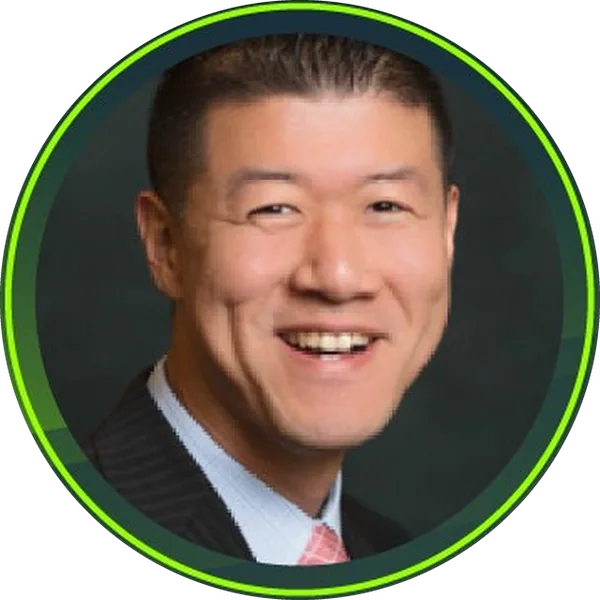
Jeff Shi
Jeff Shi from Quote Hound talks about his learning methods throughout his life and where he thinks VC's & InsureTech aren't paying enough attention.
The full episode
Press play for the whole conversation.

Insurance Tech News
Introducing the Lemonade Crypto Climate Coalition
Analysis - Cyber Insurers Face Large Ukraine War-Related Claims Despite Exclusions
Refocus AI - If you build it, they will come: telematics adoption webinar
The full transcript
Transcribed automatically from the episode audio, so some names and terms may be misheard.
James BenhamJBKnowledge Podcast Network. On episode 83 of the InsurTech Geek podcast talking about where VCs and InsurTech are not paying attention with Jeff Shi from QuoteHound. The InsurTech Geek podcast powered by JBKnowledge is all about technology that's transforming and disrupting the insurance world. We'll be interviewing guests and doing deep dives into specific tech we see changing the industry. We're taking you on a journey through insurance tech, so enjoy the ride and geek out. Man. Oh, man. Oh, man. Oh, man. It is another day. April Fools. Yes.
It's April Fools Day. Gotta love it. It is April 1 as we record this 2022. Finally got used to saying the correct year. Just in time for the second quarter of said year. With me as always, my illustrious cohost, the most interesting man in insurance, fellow Texagander, Rob Galbraith. What is going on, Roberto?
Rob GalbraithYeah. Happy April Fool's Day, James and Jeff. And, yeah, it's interesting. My oldest daughter last night asked me. It's like, Tomorrow's April Fool's Day. Does our youngest, like, does she know it is? And it happens to be around the time that we adopted our family dog and my 12 year old just is in love. She wants to be with that when she grows up. So our dog's name is Zoe. So we kind of call it Zoe's birthday. So we don't really know when her birthday is.
So it's when we celebrate. So it's actually been a good distraction because she kind of forgets that it's April Fool's Day. I'm worried about school, but we'll see. We'll see. So so far so good. No pranks. Oh, jeez. I'm
James Benhambig on pranking people, Rob. Like, I I love humor. I like comedy. I enjoy having fun with my friends. But pranks to me always toe the line with something that that might really hack somebody off. And so I'm always like, I don't think I'm gonna I don't know, man. I mean, maybe if it was my kids, I could prank my kids pretty easy though. Because pranking your kids is just good clean dad fun. You know? Like, that's that's that's that's that's totally fair game. I agree with that.
With us too from Northern Virginia, otherwise known as the Washington DC suburbs, Jeff Shee, what's going on, Jeff Shee?
Jeff ShiThank you for having me. There's like two rock star here. I'm glad to be on the podcast with y'all. Man, we're glad to have you on. Jeff Shee's from QuoteHound.
James BenhamAnd we're gonna have a good we're gonna have a good conversation about what VCs and InsurTech are not paying attention to. There's a lot of things they are paying attention to and they're investing a lot of money. You know, there's a lot of money being put at work. Of course, right now is a little bit of a different time. Funding's crunching down a little bit right now. The IPO market's cooled off in tech, and that's impacting the secondary private equity markets. But but that's okay. We're gonna we're gonna talk about where the money is ignoring right now, and that's an that'll be an interesting conversation.
I wanna remind everybody out there in listener land, if you're watching this in our livestream on Facebook, Twitter, LinkedIn, on Vimeo, or Restore, we got a lot of places we push this video. If you're watching the video, you can subscribe to this podcast simply by texting geek out, g e e k o u t, to 66866. Make sure you never miss an episode. So it's geek out to 66866. And you can listen to all the shit, you get all the show notes too. You get all the all the guests.
Have a we we do about 48, 50 of these a year. And you can really hang out with us. We'd really appreciate you hanging out with us. In addition to that, I just wanted to point out that I would love to see some comments and questions from our listeners. Now, is something I've been doing on my other podcast for some time now. I've I've had an open text line that I think has been particularly useful for people texting in questions and texting in of course, I like it because people text in memes.
Right? I I enjoy receiving all the memes. Now, Rob Galbraith, I'm gonna give you one guess and one guess only as to the common memes of the week that dominated this week on my on my text line from my other show.
Rob GalbraithIt's gotta be the slap for old Ronda World.
James BenhamMean, it's gotta be the slap. It's gotta be the slap. I have never seen now, first off, I was like, holy cow did that happen. Now, of course, none of us in The United States saw the actual slap in real time. The Australians did. You know, we have a time delay in The United States since they edited it out. And then, like, when Will Smith got up and was, like, accepting his award and talking about, like, love making you crazy, we're like, okay. Didn't understand it until, like, the Internet got bombarded with Will Smith slapping the hell out of Chris Rock.
So that was definitely the Meme of the Week. But I'm just I just wanted to roll this out there that if you have questions, comments, or suggestions, or you wanna text us the Meme of the Week, you can text it to (979) 473-9040. That's (979) 473-9040. I would love to hear from you. If you have suggestions for future shows, if you have questions, comments, if you wanted to just text me a funny InsurTech meme on Slap of the Week. Like, I I would do love to see like that, like, with an InsurTech meme.
So go ahead and send it. I love memes. (979) 473-9040. So back to our special guest. Jeff Shi. Jeff, we're gonna talk about quote, how we're gonna talk about InsurTech in a second. But first, we're gonna talk about you. Now you went to high school. You got a high school deal from Chantilly High. But before that, you weren't born and raised up in Virginia. Tell me, like, where were you born and raised? I was born and raised in Beijing, China. Back in the old school Beijing.
Jeff ShiNot like the modern Back in the old school. Not like the modern capitalism Beijing. Back in old school, ride bike since I was five years old to school. So it's about hour bike ride each way. And I since I was five years old, I do that on my own in a a city with 23,000,000 people and 3,000,000 migrants that go into the city to work every single day. And, you know, so I have a two hour bike ride every single day since I was five years old to 11 years old.
And the parents were fine with it, just kind of like how we used to let our kids go outside and play until, you know, Internet came around and the crazy pedophile came around and we're like, no. You're staying home. Right? But
James BenhamYeah. This is like back back in the day, like, I remember now, by the way, did you say an hour bike ride each way? To school. Yeah. To school. And Beijing gets cold in the wintertime, doesn't it? Oh, yeah. Beijing is like Chicago cold. Yeah. Did you actually, like like, is little Jeff Shi is little Jeff Shi on That this bike me. In the snow? That was
Jeff ShiI was a 100%. That was me. Oh my gosh. Imagine 07:00 in the morning, you know, because our school is different. Our school is like between seven to five. So no time's different.
James BenhamAnd it's fascinating the differences. I'm 42. I'll be 43 this year. So was was raised in the early eighties, you know, late eighties, like, when kids just kind of ran feral. Right? Like, you just did you did whatever you wanted. My my my general rule, like, I would get home from school in Baton Rouge, and I would, like, drop the backpack off, go eat a snack, and then run outside, get on my bike, and disappear. And my mom would be like, get back by the time the street lights come on.
Like, that was kind of the guidance. Like, when the street lights are on, I'm supposed to be home, and we're gonna have dinner. Yeah. And, like, now if my girls, like, literally leave the property, it's like, be careful. Take your tracking tag. Take your phone. Let me know where you are every five seconds. Life Life three sixty app. Yeah. I mean, like, man, my mom, I don't even know how she did it. Because she had no idea what I was doing. She grew up in Beijing.
And what was, like, the the childhood dream? What'd you wanna do growing up? What I wanna do in Beijing growing up. Wow. That was a good one. This is like chairman Mao's China. Right? It's like this was a guy Yeah. This is like a different time in China. So like what was the what was the aspiration? So to graduate middle school to move on to high school high school selection process.
Jeff ShiRight? And you have to achieve English three. So they have English one point zero, two point zero, three point zero. The world reserve is dollar currency. Yeah. The world language is English. So China government prepared their little soldiers, little minions for the next battle, the next decade, the next century. So just to graduate middle school, had to learn English and so you can get into apply, right? Apply with high schools and get into high schools. And then, you know, your ranking in the social world, whether dating or coolness will be based on where you get accepted to high school.
Yeah. So you so you grew up in a very competitive,
James Benhamvery tense environment. And you managed to graduate middle school, which then then what what was the what was the Well, I came here once 11 years old, so I didn't experience that last part. Yeah. I knew that I had to be ahead of me. You were in middle school? Getting intense. Yeah. You were in middle school, and you you felt the pressure, and you knew it. So so then your dad what what happened? Like, one of your parents got a job in Virginia, and you came over there.
What was the what was the the impetus to come on the sixth? When I was five years old, she left China.
Jeff ShiShe came over to University of Maryland and she was a student there. She applied for a visa and she went to for a little bit and she was working minimum wage jobs, graduated University of Maryland and applied for a visa and then, you know, my dad and I came over. My dad delivered Chinese food, first first year delivering Chinese food, wrapped twice at gunpoint for less than $40. That was introduction to Reston, Virginia. And and I was, you know, stabbed three times, you know, I was jumped.
I was suspended four times my junior year. I was expelled from my high school and went to a new high school. And then my first week there, I got suspended for a week, you know. It was trying to be accepted in a culture is is different, especially we had a little bit of us
James Benhamgetting violence in the school. So Yeah. So I mean, wasn't like you had, like, a a welcoming committee with open arms giving you a gift basket saying, welcome to America. It was kind of like Yeah. Welcome to America and here's your punch in the face.
Jeff ShiYeah. Yeah. That's tough. My my high school my high school dream was to live past 25. So it wasn't it was my big dream at my time. Everybody dreamed big, and that was my big dream. Was to live past 25.
James BenhamLive past 20 I'd like to have a life expectancy longer than 25. So Yeah. Then you what what happens? Like, what changed? I mean, what obviously, from that point to now, there's been a world of a change in you as an individual. And, what I mean, first off, you you right after the this high right right after your high school experience, you jump into auto sports. And I've gotta understand this. I am a I am I like to go fast. Me and Ricky Bobby like to go fast.
So I like Yeah. I like anything that flies,
Jeff Shianything that floats, anything that goes fast. Right? So Yeah. Tell tell me what tell me how that how you got started with being an owner and manager of an auto sports company right out of high school. So funny story. I was 18 years old. I turned 18, and then my friend was like, let's go to club. And then me and a couple of friends of mine, we went to club, and then I get in my first beer with an x on my hand, right, because I'm under h, and taking the first sip, and then the bouncer caught me, grabbed me, about to kick me out, and then grabbing all my friends.
And then I ran to the owner of the club or the management group, and he was like, where are going? I was like, I'm leaving because I'm getting kicked out of this this dumb club. Right? And then he was like, this is my club. And And he was like, and I was taking these three girls with me because, you know, I came with him. Was like, well, don't want you girl with them. And then he was like, why don't you stay? And he gave me like band.
He started chatting with me. He was like, do you know a lot of people? I said, yeah, I know some people. And he was like, well, I'm putting together a promotion group because I'm taking over four other club that's struggling and I'm gonna be running them and I need more people. And I was like, okay, I can help. So turned out he gave me a job that night and nobody knew how old I was because when I was 18 years old, I looked like how I look now.
Right? Like, even bigger, like, worked out more. And and so I started working at four different nightclubs, Wednesday night, Thursday night, Friday night, Saturday night. I did guest list. I did promotions. I did bouncing. I did VIPs. I did, you know, whatever you can think of. Yeah. And later on, I saw his business plan and I replicated it. At 18 years old, I started going to all the other favorite bars and clubs in DC, 18 years old, walking by myself, asking for the owner and say, hey, I know you have nobody here, it must suck.
What I want is 100% the door. I'll keep 100% the door, I'll bring the crowd, you keep 100% the bar. And I need about 200 or 500 or $1,000 off bar tab a night to treat my VIP guests, but they will spend money here. So I started getting my own nice book and I hired seven promoters, five bouncers, two DJs, VIP girl, cashier girl, guest list girl. And then at 18 years old, that was my first corporation. I went to government center and set it up.
Is that is the that is the best that is probably one of the best startup stories
James BenhamI have ever heard. I mean, my first business was when I was 12 cutting lawns, and then I I I was fixing computers and teaching building on the Internet at 16. At 18, you're you're going out and running a full scale club promotion circuit.
Jeff ShiI mean Yeah. Wednesday night, Thursday night, Friday night, and then and then coming back coming back to high school. Right? I'm still senior at high school. Yeah. I'm bad. You're still in high school. I mean, was your weekend activity. Like, sometimes, like, our our nights ends at 03:30, four I get home by five, and I'm, like, waking up the next day at, like, 07:30 to go to high school. And I'm, like, sleeping. Right? And then, like, waking up, I was one credit away from failing high school in a year and tell you about my cousins, right?
I have four cousins in The States and one cousin back in Shanghai. My one cousin back in Shanghai is a partner at Pricewaterhouse Cooper, which is a fine He has 300 traders underneath him. He's a partner, right? I have another cousin who was top world class chess player, world class piano player, went to a college in Harvard, right? When SAT was 1,600 for perfect score, he scored fifteen eighty and he had a full ride to Harvard, worked at this company called Microsoft and he was Chief Growth Strategist Officer, next to a guy named Bill Gates.
And I have another cousin, McKinsey Group, have another cousin, cyber company.
James BenhamSo I have a whole family your super and dad are smart like, what is going on with Jeff Shi?
Jeff ShiYeah, they're like, what is wrong with you? Why can't you be like your cousin? That was like what I heard my whole life. All my cousins score over 1,500 on SATs with their eyes closed, and they all they all had like multiple offer from like McKinsey, like, you know, any any legitimate firm you can think of, you know, just in these brilliant white collar jobs and then me, you know, just bombing around at these nightclubs, you know, in the shadows. Right? But, you know, it taught me a lot.
Right? It taught me about survival, about building business, about tax models. And while I was still in high school, I remember this kid was going through this magazine called Super Street. Jason Darnish's name, shout out to Jason. And he passed it on to me and I'm reading this magazine, was like, people are lowering their Honda Civics, putting exhaust on them. But it was intriguing to me because it was a West Coast thing and I'm an East Coast guy and it was big on the West Coast.
So it turned out that the person I mentor at the nightclub, he also had a daytime job. He had a car performance shop. It wasn't a performance shop like lifts modification, it was a performance shop just selling bolt on parts and he was getting about 40% margins on these bolt on parts because, you know, you had these Montgomery County, Maryland kids who just got parents money. And it was also a cool thing to do to modify people's cars, so I replicated the business and I had two jobs, right, I had nighttime club promotion and daytime I worked at regular jobs, right, I had, I worked at Circus City and told me about inventory, told me about organization and so I started this car performance shop with a couple credit card lines and some savings And then went to a show called SEMA, special event for me.
I love SEMA, man. That's
James Benhamthe that's the aftermarket show. That's that's where you get to see the cool things people do with all their vehicles.
Jeff ShiYep. Made all my connection of the West Coast companies. Right? I had a tag list, right, of all the parts, the manufacturer, the brand that I wanna carry in my shop. And these guys all started saying, okay. So be our wholesale distributor in the East Coast in this area. If you start with a buy in of $20, we'll give you this territory. $50 will give you the state. $250 will give you this region. And our total credit line was 10 for the entire company. So I had to do a lot of convincing about trying to tell people to believe in me.
And I had six company fronted inventory on a thirty day net and forty five day net. And I had to turn all those inventory around within those timeframe where I was going be out of business. Yeah. So I learned that at 19 years old. And I'm still doing my nightclub thing where I'm under attack because I was set up by the owner one night where we had a big night of $15 cash. And we have five guys that was like straight up out of the wire, you know,
James Benhamsurrounding me. So I had to learn survival on multiple friends. So it was, like, that was 15 k of door take? I mean, that's Yeah. It was cash. Jeez. What a deal, man. You know? So you so you roll through nightclubs at night, Evolution Autosports during the day, learning about receivables, cash flow, you know, hardcore bootstrapped lessons like where you're trying to figure out how do I make ends meet, how do I how do I finance this operation. You don't have a VC behind you. You don't have investors behind you.
This is just literally Jeff Shee figuring
Jeff Shithings out. Yeah. And then five years into the business, you know, we started doing drop ship before eBay and Craigslist. Yeah. Right? Before all of that. We were on this car performance forum with like s two k I which is s two thousand groups, three fifty z groups, super groups, Subaru groups, and we're meeting people around the world and doing dropship and direct ship before e commerce was a big thing. So I learned it on AOL dial up. So I was using AOL dial up while shipping, you know, the beginning stage of e commerce.
Right? The business was booming, but the margin wasn't there. So my business partner and I had a disagreement. I want to take it to the next level by Dynos, full performance fabrications and he want to stay at the current level. So we decided to part ways, but before we part ways, we went through three breaking entries where we had, at one point we kept an eight ks underneath the register and I just told my wife at the time, I was like, you know, I hate my life, like this is not why signed up for this, like I don't need to be fearing for my life, like worry about who's robbing us and who's breaking into our shop next, just they can steal a couple $100 from us.
And, you know, so so the so the company and didn't know what I was gonna do. Went on to sell cars and went on to sell cars just because it was something that I bumped into And I did that for five years and had a lot of success selling just selling cars and learn about the Internet business. One of biggest takeaway was leadership skills and CRM because I was one of 20 salespeople that leveraged CRM systems. And that's when CRM just started to roll in the car industry.
And 20 salespeople on the floor selling Cadillacs. I was averaging 43 cars a month and 19 other salespeople was doing about eight to nine cars a month each. And I allowed to use technology to manage me versus me trying to manage that technology.
James BenhamYeah. Yeah. It's it's huge. You know? I I still because I'm I'm, you know, one of the one of the chief salespeople here at at Jibby Knowledge, and and I'm I'm an animal about my CRM system and always have been because you have to be. Right? I mean, it's it's impossible even for even for really, really bright people to keep up with everything. And you you gotta you gotta let your your tech manage you in some cases, you know, it's it's it's hard to do. Well, you got into insurance eleven years ago.
So talk to me about how you you wound through nightclub promotion, great cash business, to to auto sports, to selling cars and learning about sales and CRM. What landed you in insurance?
Jeff ShiSo I had, like, a really good year before the last year in car business, you know, made some good money selling cars, but I also had a export company, you know, when a lot of third world country was being really developed during that time in 2010, 2011. And Colombia, UAE, Saudi, Russia, China. That's when their country starting to give some wealth, some money, and everybody wanted American SUV. So whether it's Range Rover, whether it's BMW, whether it's Mercedes, you know, Mercedes is made in Tuscaloosa, Alabama.
BMW SUV is made in Spartansburg, South Carolina. Right? So, you know, even though they have factories in China, factories in Russia, but they are tiny little factories. Right? Like, our factories are monster factories. But their demand was so much more demand over there. So they wanted what's here. So exporting was a big business. United States were exporting about 2,000 SUVs out through the retail dealership into export, into the retail store over there because they couldn't keep up with the demand. So I did that for a little bit and made like 600,000 in six months.
But I always wanted to be in insurance Why? It's a cool story coming from the insurance. So one day I was selling cars and, I got a phone call from upstairs and my finance director at the CALA dealership at the time called me and his name is Mr Lee. So I stepped into Mr Lee's office, I'm just thinking, uh-oh, what did I do now? Am I in trouble? Right? And Mr Lee took his glasses off and he's in his, you know, late sixties, mid sixties. Mr Lee said, Jeff, you remind me of myself.
I'm thinking like, okay, I'm Chinese, you're Korean, you know, we're the only tuition in this dealership. That's probably why. And then he said, you have a work ethic like I've never seen before. You remind me of myself. Do you know what my regret is? I have three sons, 25, 23 and 21. I was never there for them. I worked fourteen hours here with you every single day. You have a son, right? I was like, yeah. At the time my son was like one year old. And he was like, get out.
Wow. I was like, mister Lee, I made what? 40 last year. Right? The most I ever made owning my own business was like 50. And mister Lee was like, look, I made $2.50, but if I can do it all again, I would not be here. I said, what would you do? What what do you recommend me do? Mister Lee was like, there's three business I think you would be great at it because you have to work ethics. Real estate, mortgage, insurance. I really like insurance for you.
I said, why? He was like, you worked seven years and you can go play golf. I said, no, forget about golf. I don't care about golf. Tell me why. And he was like, I see credit applications when people want to buy cars. I know what people make. And I have safe farm friends where I just talk to them because they spend more time wanting to talk about the car. I spend more time wanting to talk to all of them about what they do. Some of these State Farm nationwide guys, they make like five hundred and six hundred.
I have Allstate friends that make 700. I was like, really? And then also what inspired me was there's a guy named Gary Wipke for Paul Henkel Lexus, like he had a salary like $1.21300000 a year as a general manager and he gave a profit share, But for me to own my own dealership is such a high mountain to climb because you got to have serious backing. And then also it's kind of like the good old boy club where the manufacturer decide who gets what point, right?
Who gets Alexa dealership, right? Yeah. You got serious connections and those are generations connections. But I thought that only my own agency was more obtainable and I can grow from there because I have my work ethics and also because I have a, I can do attitude, right? So I took his advice and started saving my money, but I went through a really bad period where I was spending more money than I made. I had a $1,200,000 house at the age of 25 in 2005, right? Yeah.
I had, my wife at the time had 13 Louis Vuitton bags, you know, Gucci, Chanel, Burberry stuff, I had a gun safe, that had more guns than I actually shot, like 90% gun, I didn't shoot, I just collected. I was just having a bad habit of buying things I don't need. And so I didn't have the capital to build my own insurance agency. So after five years, went through a bad divorce, went through an economy change in the o eight, I finally saved my money, got all dead and was ready to go.
So I called Nationwide and they never called me back. I called Progressive, they told me go sell captive insurance, for somebody, or go to an aggregator for five years and call them back in five years. And then call State Farm and had three interviews with State Farm. And then I didn't pass the last one because my background check didn't pass because I had a short sale in 2008, you know, through my divorce, you know, I had a house I bought that didn't worth what it was worth.
And I would say, call me back. They're like, so do you have capital? I said, yeah. I have 140,000. They're like, do you have a pulse? Come on in. Right? And they were just trying to get any scratch agent they could at the time and so I came on board and I came on board with two people day one. Right? Open this after two months of training, open the business, never sold insurance, never handled claims. I remember handling that first claim call. Right? I've been through fights.
I had all kind of things happen in my life, you know, so many things that most people never go through their life. But that first claim call I had to take was the scary things of my life. I had no idea. I said, don't f this one up. The guy who got surrounded by a bunch of folks at a nightclub demanding his money was more scared by a claim call. Yeah. You know, because I wanted this business. I want this business as a forever business. I don't wanna f it up.
Right? So when you don't wanna f it up, you don't think about f it up in your lifetime. You think about by the year, by the month, by the day, by the call. Yeah. Right? I don't wanna f that call up. So next thing, though, we survived, but we didn't come nearly of what I anticipated. I'm like, okay, year and a half in, I just dumped 140,000 of my own savings. We have a tiny little book that was like $800,000, because Virginia is a forty eighth lowest auto premium, forty fourth lowest homeowner premium, and we are a captive agency with 12% close rate and no broker lines.
I remember this one day as, it was a Saturday, you know, I have custody of my son on the weekend. I took him to Chick fil A, right, and I slide on my credit card bounced, company credit card bounced, company check card bounced, personal check card bounced, four cards at Chick fil A for like number three and number six, think, you know, that's our thing. And I drove my son back to my ex wife's house, I said, hey, know, I got something that came up, you gotta take them this weekend.
I couldn't feed them. That was like, I think on the eleventh, right? And in the insurance world, we get paid our compensation deposits nineteenth of every month. So everything you did previous month, you get paid on the nineteenth of that month. So for the next eight days, I called up, I made a list of every single friend I haven't seen in a long time, and I said, hey, what are you doing? You don't want ketchup? I come over to your house. So I knew that if I come over to their house, they will cook for me.
So I had no money for food. Geez. I couldn't borrow money for food. So I had to figure out a way to get myself fed for the next eight days. I couldn't tell my employees that I can't feed them because mine has four kids and one was actually the mom of my son, you know, my ex wife came over and she was like, you bought to put your whole saving into this business, I can't let you fail. So both of them quit their jobs and then my first two employee, they were both making ones, making over 6 figure, ones making close to 6 figures because they believe in me.
They knew that I had ambition and drive. So long story short, after that incident, I reached out to my mom who I haven't had a relationship with over thirteen years and she let me borrow some money and then my business survived. And then I learned the difference between the startup and the scale up. And I put in seven different course. And then those seven course are things that I talk about. I'm a speaker at many captive insurance carriers events with their agents and independent agents events.
And then those seven cores are people and hiring recruiting, cash flow, cash reserve, technology, tech stack and CRM, leads and marketing, and process and document process and training and coaching. You know, I can go through each core almost like a whole episode into podcast, help out each specific core, why do things this way. But I believe you cannot have any other success without one of the seven, especially when you want to go from a startup to a scale up. Our business is amazing, amazing business. But if you look at the failure rate, right?
SIA, they have 10,000 agents, right? I'm sorry 9,100 agents, but their premium total is 10,000,000,000, right? That's 1,100,000 per agency. You guys, your audience can do the math. Well, 1,100,000 premiums is in revenues. And then what is that after one CSR expense and one salesperson expense? Not much. If you look at the trucking industry, right? Yeah. If you look at the trucking industry right now, every five truckers who's retiring leaving, one trucker is coming in. So we have 18 year old getting behind the wheel with no experience driving 40 foot trailers, you know, because we're desperate for these supply chain deliveries.
But if you think about the insurance industry, we're in the same boat. The people hitting that Florida Margaritaville are on their path, right? State Farm, the biggest premium personal line company cannot grow over 20,000. Allstate was at 13,000, now 11,000. Now they're at 9,000 and Barterbee at 7,000. You know, they say they're at 9,000, I think they're at 7,000. Some people even say five. Right? What they're not telling a lot of the world right now is ever ever carried rely on agent distribution, they're dying because the agency owners are dying because one, the startup have eighty percent, eighty six percent failure rate the first four years, including independent and the capital world.
And two, there's a massive demographic of agents that's leaving that nobody's talking about right now, right? People say, oh, MMA is heating up, MMA heating up, of course MMA heating up because there's so many people leaving at the same time right now. There are thousand thousand agents leaving at the same time. You know, one of things I wanna go into later, if you guys allow me to, is the thing that Insurtech and the VCs are not paying attention to. Well, let's go into that
James Benhamthat now. Let's let's just talk about that now. Where where do you where do you think they're missing the boat? Because distribution is obviously critical to insurance. There are those who have said they're gonna disintermediate the agent for a long time. That has not really played out because agents are are still extremely important to to distribution.
Jeff ShiSo where where are VCs and and the Insurtech? Where where are they what are they missing right now? Right. So just finishing up my story earlier, my ninth and eighth year was probably where I had the most success in the captive world. I went from two people shop to eight people shop to 30 people shop to 50 people shop and on my way to a 100 people shop. And then I took my process and replicated it and I had four sales managers spun out and they build their twenty, thirty people shop, which is really rare in the captive industry when every little shop of Allstate State Farm farmers are like mom and pop.
They're like your state, they're like your subway. Right? So basically, what I built was I built a domino model. I built a chipotle model before that existed. Right? And and then I sold $10,000,000 of captive business my last year. And then our first year when we for Quantum Assurance, we did $23,000,000, our first twelve months on personal lines with four carriers. So if you look at what VCs are concentrating today, and then we talk about Insurtech one point o, your roots, Lemonade, Metro Miles, those are the big names.
Right? But we're Lemonade at one point they got like what, 9,200,000,000 market cap during their peak. And they they very openly advertise that they don't hire insurance people, they hire tech people, they're tech company. But I believe Insurtech stands for insurance as well. I believe Insurtech is reimagined tomorrow based on today's problem. If you don't come from insurance, you don't know what insurance problems are, you don't know what bogged insurance down, so it's harder to reinvent tomorrow when you don't understand what the problem today lies, right?
And I think InsurTech two point zero and InsurTech three point zero will really come from people who came from our industry. You know Liberty Mutual is like kind of like the Bill Parcell tree, there's a lot of impressive people that came from Liberty Mutual that went on, right? If you look at Coterie, Branch, Clear Cover, and openly, you see a lot of ex Liberty Mutual people came from that world. Liberty Mutual is one of those companies that actually challenged their people to think openly, aggressively, forward thinking.
So the problem with Lemonade is they do have the agency channel open up, but it's very limited and the new business commission twelve and eight. At 8% renewal, you're not going draw agents who come and write your product. And if you look at what COVID has done, COVID has sped up the mobile search process and everything mobile, right? And 2021 versus 2020, Google saw 47% lift in revenue, Amazon 27%, Facebook 22%. And you can go double check these stats, but we didn't grow 27%, we're 47% in population growth.
We didn't grow that much more in searches, did we? But what happens is the cost of bid went up a lot higher, right? Because everybody is digital, digital, digital. And then you have these VCs pouring billions and billions and billions billions money into it. Well, what? State Farm, Allstate Farmers, GEICO Progressive, they also have billions and billions, but they have more billions than your VC does. So they play in the long game. They're like, okay, you wanna drive up the search cost? We'll play this game.
We'll drive up the search cost. And then now people like Lemonade, if you look at their cap, their cost per acquisition, look at 2021 versus 2020. Their model didn't change. Their people didn't change. Their salary of their people didn't change. Their product didn't change. But they playing this they playing this zero sum game with guys who have Warren Buffett money. It's a sick game. Right? So if you are stuck in that Google sandbox, you will forever be in SureTag one point o. And we can just look at where in SureTag one point o by just looking at Metro Mile, Roots.
So in short, if if Lemonade doesn't reinvent itself and become a two point o, they will follow the first step of Ruth's and Metropod. Right? Both kind of brilliant concept, but they got stuck in that Google sandbox.
James BenhamYeah. Because it be all all because of distribution. Right? I mean, it's just cost of distribution and cost of acquiring leads. Mhmm. And and digital search, I mean, I I started, you know, I started this business in my dorm room twenty one years ago. And we we built websites for the first several years, and nobody even thought about organic search results when we built websites. It wasn't even on our radar. We built them so that you would have a you would, you know, buy ads. Like, print ads to direct people to your website.
They'd have some place to go. And then all of a sudden Google really became the major way people find found things out. And we we started, you know, redesigning websites to acquire traffic organically. And then we were like, wait, we can buy ads and they really evolved their ad program. And I was a very early buyer of Google Ads and it was a free for all in the early days. It was really cheap to buy keywords. It was really easy to buy keywords. It was really easy to dominate search.
And of course, now it's not. And so your distribution costs for any product, not just insurance, Jeff. I mean, any digital product has has gone up substantially. I mean, the amount of money I have to spend on traffic now is substantially more than it than it used to be. And it's because there's a there's a hell of a lot more competition, but not not just from, you know, the new companies, but certainly from incumbent providers. Yeah. What what led you in and and by the way, you hit on one of my rules of building mad scientists, and that is study the problem.
That's rule number four on my five rule of building mad scientists, and that is spend spend 95% of your time studying the problem before you start building a solution. Right? Mhmm. So you you spent a long time studying the problems. And you still have I mean, according to your to your resume, you're still involved in your your most recent insurance play, Quantum Assurance International. And in September '21, you decide to go out and found, you know, QuoteHound. So first off, tell us tell us what QuoteHound is and tell us what what was the problem you saw?
Jeff ShiSo QuoteHound was a lead company that we cofounded with Justin Marks, Caitlin Anker, Justin Anker. And it was small, small shop, five people shop and Quohang which is helping Quantum to acquire leads. At one point, you know, our vision of Quohang is one out of five mobile search in America, we want to bid on it. Right? As we go into more mobile search, we want to bid on one out of every five mobile search for personal line, whether it's home, auto, life and commercial. And that was the vision.
But for the first two years, Kuham was in a pilot mode of trying to help Quantum grow. And the quantum business model is something that quantum is disrupting an area where nobody's paying attention in my opinion. If you look at all the VC funding into insurtech, it's direct to consumer d to c, 90. Right? 90% they like, you have API, you're going have the data. Here's our series a money. Here's our c money. You know, we got more money in Israel. We got more money in Europe.
It's coming your way. We got more money from Silicon Valley. I would say 90 to 95% is going to D2C, but what if we go to b two b, right? What if this insurtech investment into b two b and to a company who are into b two b? So look at everybody investing in, I love I love my guys at branch, love my guys at Coterie and Openly, I think those are fantastic co founders and founders. They're the hot thing on block, right? Because lemonade is one point zero, Hippo is two point zero because Hippo have distribution and Hippo also have a call center.
But I think their call center is going to hinder because it's going to raise their cost per acquisition, right? Because right now people are expensive because we're supply chain shortage of people. But you know, what branch and corporate are doing really amazingly is using the independent industry. But if you look at one group of guys in the insurance industry who are just cartels, mafias, Brown Brown, H. A. Hub International, Willis, Aon, who's trying to disrupt them? Where is the InsurTech VC funding money to disrupt them?
There's so much Insurtech VC money going after Geico, going after State Farm, going after Allstate. Well, guess what? Those are hard. Those are really, really hard. Why haven't Amazon, Google, or Apple went after Allstate, State Farm in USA? Right? Because they have two models. Right? Because people like Allstate and State Farm make their money on variable business model. Right? They cannot control your profitability of auto, of home, of umbrella. So their income is constantly in a variable model. But this is the business model that everybody chasing to disrupt.
But if you take your over here, let's look at who said their business model is fixed. They get commission on renews. Their acquisition of commission on renew. They acquire little people who go acquire acquisition of premiums. Right? And Brown and Brown, Aon, all they all their business model are fixed operations. Right? Where is the insurtech trying to disrupt them? Do you think people like Aon and Brown and Brown have the most most proven untouchable technology out there? I don't think so. Right? If you look at LinkedIn, all the employees are twenty, thirty years in.
So you can't have disruptions and innovations with people twenty, thirty years in. That's just the way it is.
Rob GalbraithYeah, Jeff. Fascinating. Kind of following up on your theme. So I've seen, you mentioned Brown and Brown, I think Keystone, Agrisure, or some of these companies have really kind of gone in. Mentioned the retirement, right, of a lot of these mom and pop agencies. And I've met many wonderful agents over the years. And sometimes it's a, I used to call it the last family business in America, right? They've been passed down generation to generation. And oftentimes that younger generation doesn't necessarily wanna take over mom or dad's agencies.
And so there is a lot of this M and A activity and we see companies like Acrisure actually acquiring an AI company, Telco, 400,000,000, right? And so they kind of are trying to do this federated model where they're acquiring the tech, they're developing the technology, but yet still kind of having a little bit of that local feel, right? And some of those nuances between state, we know each state has its own insurance market, etcetera. So I'm kind of curious, like what you kind of think about that.
And then do you differentiate it all between these? I think of some like Aon Marsh, They handle a lot of those large accounts that are going to be high touch. You've got maybe loss control functions and others versus some of these others tend to be the small to midsize commercial. We see small commercial going a lot of digital, but that mid to large size accounts still seems like it's bread and butter for your traditional independent agents.
Jeff ShiYeah, I think the biggest opening for disruption is the broker model, right? Like right now there we see money, Intritech activity in softwares, right? Who's gonna be the next Vertifol? Who's gonna be the next EasyLane? Who's gonna be the next Applier? Who's gonna be the next Termika? Who's gonna be the next Terberator? There's a lot of focus here. Right? And then their consumers are agents. So that believe they believe agents are not going anywhere. But the cluster model. Has the SIA changed their business model for fifty years?
Has Keystone, which protocol IPO, right, changed their business model for fifty years? Has Firefly, Brightway, where any of these people change their business models? The answer is no. And I believe there's innovation disruption into everything. Right? So if and they have a safer model, right? For VC to invest in money is really the all in game when they go after eliminating and roots because they rely on these people to build a profitable insurance company and that's super hard, especially you have Florida, Michigan, California, New York, you have these unfriendly BOIs, Department of Insurance, right, that is challenging you every single day.
So I believe the VC should start looking at maybe I should invest my money into the Aon business model, the SIA business model that whoever trying to disrupt them because they are building on a fixed income business model versus a variable business model, which, you know, for me, if I'm a gambling man, I play the odds of two to one versus trying to play 10 to one, you know, because when you play two to one, you can two to one, two to one continued growth. Right?
So that's what I think there's the biggest disruption right now that's available. There's not enough people looking in this direction and that's kind of what quantum is. And what's funny is we're trying to raise our serious AI quantum and I was getting some personal one on one advice from a guy named Steve Lakis from Branch and he's looking through our deck page, our pitch deck and he was like, Kohan, what is Kohan? I was like, oh, you know this lead company. So I explained the business model to him.
Within five minutes he sparked, right? He was like, Jeff, this is a sexy thing right here. This is what's missing. This is the thing that you guys should be pushing forward. So I changed my role in September 2021 and now I'm heading Quohan and I'm developing relationship, you know, building that relationship and say, hey, how do we, how do we try to grasp, you know, all independent agent and captive agent about moving forward. At the end of the day, two years ago personal line net growth 98% belong to Geico Progressive and 2% belong to other billion dollar companies and hundreds and thousands of independent agents and captive agents, right?
There's so much room there for growth and if I can just took what I learned in the past nine years and then build Quohang into the next decade of what the lead generation is and should be for the next decade, making decisions with leads. Right? Right now a lot people just buying leads, they're not making decisions like active decision with leads. It can get crazy the next decade once you understand, like, how you can use leads to decide where you wanna buy and especially nowadays, loss ratio is affected by geographic so much.
Right? Imagine, let's just say we as a company on personal lines, home and auto make the most money in Pennsylvania. Let's drill it down. What part of Pennsylvania? Central Pennsylvania. Let's drill it down again. What age group? 35 to 55 year old. Okay, let's drill down again. Homeowners or not homeowners? Let's drill it down again. Imagine when your legacy carriers, regional carriers, or Intritech carriers to be able to buy leads strategically in the area that had high retention based on median household income or buy leads with loss ratios in the right area and you can now grow strategically profitable through your insurance agents.
So imagine like a Foursquare, right? The agents, the carriers, the CRM and the lead vendors and Kuhang's like a little thing in the middle. We are an ecosystem, kind of like Ethereum. Ethereum is an ecosystem that everybody else is in, whether you're NFTs, you're blockchain, you're DeFi, while Kohon is an ecosystem and everybody else plays on our ecosystem and we talk to everyone and we feed data and share data and help agents to grow into the next level.
Rob GalbraithSo Jeff, maybe just to clarify for our audience, QuoteHound, it sounds like you built QuoteHound as kind of an outgrowth of building Quantum, but yet QuoteHound is a separate entity that is looking for that B2B helping to work with existing independent agents, captives. Would they have any concern about the relationship between QuoteHound and Quantum? Like is Quantum competing with them or maybe you can just kind of flesh that out a So little bit for our Quantum,
Jeff Shiyou know, they have they get their leads directly. Right? And Quohang is separate division, like everything's separate down the middle. Like all of our employees are completely on separate side. We probably tell each other like once a month at most, but we do have a lot of quantum agents that we deal with. So these quantum agents are people who I talk to personally, who I help mentor, coach, and how teach them how to buy leads. So we work with some of the best lead company out there from your legacy lead company like EverQuote, CallWizard, which is part of LendingTree, you know, QuinStreet, Alpha Media.
We're working we have a great relationship with Datala. Shout out to my guy, Eric Feinman at Datala, you know. And we also work with upcoming company, right, Bow Penguin is an upcoming company. We work with a company called Kisterra who's funded and backed by some of the smartest Israeli people in the industry. And, you know, we are in a big ecosystem, so we have personal auto home, we have life, we have Medicare, we have commercial trucking and we're working on small commercial in a little bit.
But our business model right now is we have probably 95 on the exchange where we bid across all 15 lead vendors, Right? So let's just say James for a second, James live in Round Rock, Austin. Right? Let's just say he live in Round Rock, Austin. And James is like, I really love my area. My area is growing super fast. Everybody got new roof and I wanna dominate my local area. So I can take what James want and go bid on all 15 leave vendors, 10 leave vendor, whether it's click to calls, internet leads, live transfers, whether it's Spanish calls, whether it's trucking calls, and whether it's Medicare.
Just really dominate James area. I can try to say, hey, you know what? I'm not going to underbid Ali. I'm going to overbid Ali. So this way that we can grab everything in James area and send it to James and his sales team. So this is like a new way of direct mail, but in the modern way, where it's all feeding to CRMs and the CRMs that's all there. You know, we only work with agents who have CRMs and then I'm very picky about CRM we can work with.
So they gotta have automation process of texting, email, drip voice mail, drip text, drip calls. All five have to be in place before we work with that specific agent. And then we only work with agent have specific full time sales staff size. So this way that we know that my time is valued.
James BenhamYeah. Because otherwise, it's probably not gonna work. Right? I mean, the auto people expect instantaneous communication when they fill out lead forms or when they initiate a chat session. So that's why you you go into automation routines. I have to I have to ask since you mentioned it. What are your favorite tools? I mean, from a CRM perspective or from communication
Jeff Shiautomation, chat automation, what what do you really like? What do you really like out there? I like I like CRM that's full package. So anybody who have a CRM have those five tool built out, but that's a full package, either with Twilio or with RingCentral already built in. I like people who have cell phones, no hardware phones, just cell phones connected to their laptops. I like companies who have dedicated insurance team because a lot of the CRM company don't care about insurance industry because there's so many mom and pop accounts and they don't care about people, they're wasting manpower.
So mortgage is more attractive to CRM companies and real estate companies more attractive. There's a lot of more companies more attractive than the insurance industry. But whenever I recommend to agents, I say, do they have a dedicated insurance team? You know, is this CRM company focused on insurance industry, right? So, and then also integration, right? Do they integrate with AgencyZone? Do they integrate with Tarmica? Do they integrate with Applied, Vertifore? Whatever that is, right? So, you know, these are all the questions that go into and also when I start hearing agents, oh, I can custom build this as I stop.
Remember the seven core we talked about? Where the tech development and software development is part of your seven core, You got seven hats you should wear and tech development is not one. We have so many agents who want to do everything because they want to micromanage the process. But micromanage the process and not relenting the power is where they stop growing because they get bogged down in focusing on the thing that doesn't scale. So I was trying to preach to agents, you know, buy the bento box if you can find them.
Yeah.
James BenhamBuy the buy the bento box. Yeah. A 100%.
Jeff ShiWe Buy the big mac meal. Well,
James Benhamwe need to we need to kinda bring this home. So so Rob, what's our what's our last question or or comment for Jeff? Yeah, Jeff, so that fascinating
Rob Galbraithconversation, you've got an amazing life story. Thank you for sharing that with us and just love hearing your perspective on InsurTech and where things are headed from quantum and now a quote have perspective. Just again, for audience members, you mentioned that you're in the process of raising a series A. So who should be reaching out to you? Who are you looking to partner with?
Jeff ShiWhether it's series A into quantum work, Wuhan, you know, we just wanna focus on people who would let let us loose. Like, you know, we are ambitious and smart people in this industry and we know what's been broken. Insurtech can be built on today's technology with today's problem, that solve a solution. Right? We are disrupting an industry that a lot of people turning their head around. If you think about what Kuhang is, so let's just say you are, I don't know, a farmer corporation and you're typically a West Coast company.
When you're nationwide, you're typically East Coast company and you wanna grow the other coast. So hypothetically, let's just say, you can reach out to us and say, hey, today we're super profitable in Indiana. We really wanna grow Indiana. Huo Hong, give us your list of all your Indiana agents. So here's all my SIA agents, here's all my Quantum agents, here's all my direct appointment agents, here's all my Brightway, Keystone, Firefly agents, right? And I submit a list of two fifty people of everybody that's under Kohan that's selling to Indiana.
They're like, no, we want more, we want more Indiana. I said, okay, here's all our non resident agents who selling to Indiana. Let's just say now there's four fifty. They're like, okay, give us everybody that's buying 20 leads or more. So now you know that they have at least two dedicated salespeople. Right? And now the list will shrink down. And then now let's just say hypothetically, I am branch insurance. I'm in short tech. I got, $125,000,000 VC money for my Series C. Right? I want to spend that in twelve months.
How do I spend 125,000,000 in twelve months? Okay, let's go to a place where we're super profitable and let's go appoint all 200 agents you just submitted to me and we're gonna put $2,000 in each one of those agencies sales producers seat. Right? We already connect down CRM. Right? We know they already buy leads there. The resident agent, we're not resident agent by leads there. We know they already know all the state. So now branch insurance who just have injection of the VC money now through Kuhang, they just now access to 200 some agents who we already buy data, we know that they buy and they're growing there.
And now we get to bid on all 15 lead vendors in the entire state of where we want to grow based on zip codes on median household income. So we know we can get the retention and we know the loss ratio going to be good because we have these maps of historic CAT zones. We're to stay out of the CAT zones. So this is what future of personal growth look like through the independent distribution channel. I'm going take it there, right? And if you think about it right now, how does a carrier like SAICO or Liberty Mutual meet their agents or traveler?
They go to these shows, whether it's Big Eye, whether it's SI, PIA, right? They spend $5 on a booth, $10 on booth. They spend $10.20 grand on sponsorships. They send their people making 80,000 to 120,000 there for two days, three of them, travel, hotel, food, dinner, meal. And then they talk to 20 people and they may go home and call back four people and they might appoint three and those three have a failure rate of eighty percent next four years. What can they bring in the return on investment?
This model called Tinder, This model is called match.com. This model is called Bumble, right? But guess what, this haven't been disrupted the last fifty years, carriers been meeting agent the same way for fifty years undisrupted. Let's bring that to the new century where we have technology, We can connect people between carriers and agents based on data. Carrier can choose a profile of agent they want to be appointed through data and put money in their pocket, have them grow where they want to make their money in loss ratio.
Awesome. Well, great
James Benhamconversation. Jeff, I wish we had more time to to keep rolling on this. It's a it's been good to get to know you, and I enjoyed the I enjoyed the chat all about Insurtech, Fintech, what VCs and Insurtechs are missing, about the nature of distribution itself. Of course, you're a hardcore sales and leads guy, which I appreciate. So awesome. Awesome conversation. Now, Rob, we've got a few new stories we need to to do quickly, but, what what do we have happen this week? Yeah, James. So, I've got three real quick.
You
Rob Galbraithknow, it wouldn't be the Intritech Geek podcast news section without a mention of lemonade. So this week, another announcement. This one really caught my eye. So this is the Lemonade Crypto Client Coalition, which is a mouthful. It's funded by the Lemonade Foundation and it's formed to tackle the problem of climate change risk particularly in areas that are really underserved or not properly served by the insurance industry because it's hard to do so affordably. So the coalition is designed to tackle that problem by accurately quantifying weather risks, automating claims assessment, and providing adequate funding and reinsurance.
And the coalition brings together industry leading partners with expertise in various fields to work on the problem together. It's being designed to create highly accurate, fully automated weather insurance models using a decentralized autonomous organization or DAO that is gonna build and distribute insurance at cost based on an eco friendly proof of stake blockchain. So I found that to be interesting one. Curious definitely a little bit out of left field for lemonade, but Also
James Benhama lesson in how to load as many high search keywords into a single blog article as you possibly can. No.
Rob GalbraithYou know, we've talked about Parametric before. We've had other folks on there. So there's a lot of folks that have working on in this space. So it's interesting to have Lemonade kind of jumping into this space as well, but more from the charitable right side of the industry. So fascinating to watch the development yet again, right? There are always the attention seekers and grabbers and do an amazing job at that. And then I've got another one, cyber insurers, this is from the insurance journal, face large Ukraine war related claims despite exclusion.
So a lot of companies have exclusions for war or for state actors in terms of cyber. And there's an estimate that's out there that if Russia carries out a large cyber attack, which spills over into several countries, it could lead to claims totaling $20,000,000,000 or more similar to insurance claims for a large US hurricane. Lloyd's of London says that it faces major claims from this invasion. And part of the challenge, again, our friend contract language and exclusions, and there's a lot of ambiguities in these cyber contracts in terms of language.
So basically the article says, hey, these war exclusions may not be enough to protect some of these carriers. So something to watch for sure. And then finally, just a quick plug. I did a webinar a couple of weeks ago with Carrie Ann Nadeau from Loop who we've had previously on the podcast. We were both on a panel hosted by Refocus AI, Colby Tunick is the CEO over there talking about telematics and how we can balance all the data and the insights that you get that have been attractive for carriers now for two decades and have really gotten hot with really a compelling value proposition for insureds, right?
It's their reluctance or them not necessarily seeing that value add to be a compelling product offering for them that's really held telematics back. And so there's a YouTube video link that we'll send out there. So encourage anyone that's interested in telematics, it's been and where it's going to check that out. Yeah. And if you haven't looked at your renewal yet for your cyber liability policy,
James Benhambrace yourself and and maybe get a change of underwear ready. And premiums are premiums are going up in many cases triple three x, 200%, 300.
Jeff ShiCan I ask something in there? Yeah. I always wonder why cyber insurance company don't have all their reserves in Bitcoin.
James BenhamBecause their payout is gonna be Bitcoin. Yeah. Right? So why not keep your premium? Why not keep your premium? If at least they're writing something,
Jeff Shilet's just say, if you're underwriting something for a million dollars in coverage, you're not writing, that million dollars is not in fiat, right? That million dollars is in Bitcoin. So why not the minute the premium money come in, you deposit that money right away per percentage into Bitcoins or Ethereum because at the end of the day, your payouts, Bitcoin and Ethereum, never dollar. That never understood. Like if you look at the CNA hack, the CNA hack, the hackers, like they doubled their demand because Sydney took so long.
Yep. While CNA as a company probably didn't know where to buy Bitcoin at that volume, right? Like who to use, who to transfer, who to hold it, like that process is a process. So every single company who offers cyber coverage should have massive Bitcoin reserve to match. Right? So if I if I am insolvent with the state of Florida because right now, Demotech is in the news downgrading 20 insurance carriers in Florida because they don't have enough reserves. Right? Versus their premium and then their loss ratio projection claims.
That should be done in the cyber world. Like, if you're going to have 500,000,000 in coverage, you better have at least $100,000,000 in Bitcoin reserve. Like, that should be common sense to me. I don't know why it's not. Yep. Well, at least collect your
James Benhamthat portion of the of the insurance premium in Bitcoin for for extortion. And, yeah, it's it's it's it's a it's a fascinating dilemma. The real the real dilemma for many folks is that, their premiums tripled this year. So it's a it's a scary year on cyber. Well, look, we we've got to wrap up. Jeff Shee, you're the man. Appreciate it. Thanks for everything, and thanks for being on the show. Thanks, James. Rob. Thanks, Rob. And Rob Galbraith, as always, thank you for co hosting. Absolutely, James.
Another great episode. Thank you, Jeff, for sharing your story with us. Very fascinating. Yep. And again, thank you for joining us for the InsurTech Geek podcast powered by Jimmy Knowledge. It's jimmyknowledge.com. It's all about technology that's transforming and disrupting the insurance world. I've been your host, James Benham. That's jamesbenham.com with co host Rob Galbraith. That's endofinsurance.com. Big thanks to Jim Greenlee, our podcast producer, and Cara Dalton, our creative producer. Thank you for joining us today. We're taking you on a journey through insurance tech. So enjoy the ride and geek out.
See you next time.