 YouTube
 Spotify
 Amazon
 iHeart
 Apple
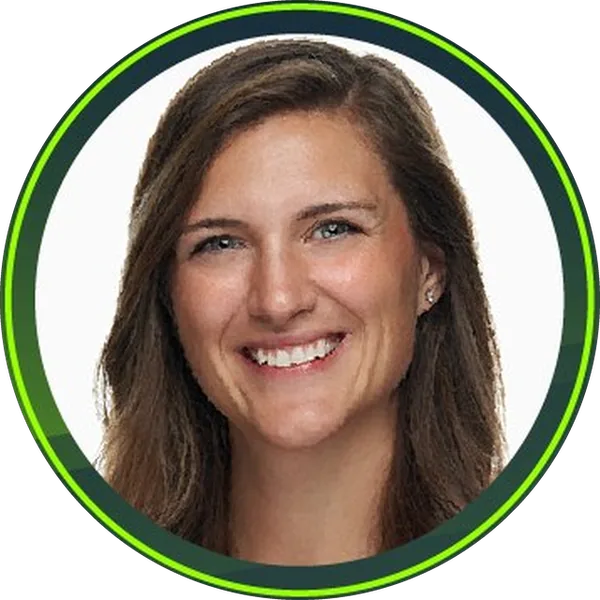
Ema Roloff
Ema Roloff from Naviant talks about her background in education and its influence in her career focusing in on process automation and the state of insurtech!
The full episode
Press play for the whole conversation.

Insurance Tech News
Insurtech Funding Levels Come Crashing Down in Q1
The full transcript
Transcribed automatically from the episode audio, so some names and terms may be misheard.
Rob GalbraithOn episode 86 of the InsurTech Geek podcast, we're talking about process automation and the state of InsurTech with Ema Roloff from Naviant. Alright. Alright. Alright. It is another Friday here that we are recording the InsurTech Geek podcast. I am flying solo this week in the pilot seat. James Benham unable to be with us, so I guess I get to take the seaplane and see wherever we go. James is a a pilot Emma bringing in Ema Roloff from Naviant so oftentimes I have never flown a plane.
I have no I've talked to pilots before but yeah, not something that I'm interested in doing. I'm risk averse. I could get insurance professional. How about you, Emma? You ever wanted to fly a plane or have you ever done that? Do you have a pilot's license? I have
Ema Roloffnot. My husband's uncle has a pilot's license so the family is very familiar with the idea but I have yet to be brave enough myself to get into the little plane. So I am kind of in that same camp of insurance friends that are afraid to take too many risks, I suppose.
Rob GalbraithYeah, that's a good litmus test if you are like a startup founder or an insurance professional. Are you a pilot, a licensed pilot or not? That'd be a good one. Although I've met some folks that are big motorcycle enthusiasts and others that are more staid, you know, like an HR insurance executive type. So anyway, know that looks can be deceiving, right? So before we get started with our interview with Emma, don't forget that you can subscribe listener land to the InsurTech Geek podcast by texting Geek Out, that's g e e k o u t, to 66866.
Make sure you never miss an episode. And so, we're back with Ema Roloff from Naviant. So we'll definitely dive into Naviant and who they are, what they do. We're also going to talk a little bit about the state of Insurtech because Emma and I just got back from the Global Insurance Symposium in Des Moines, Iowa, which is a wonderful event and it was wonderful to see it back at full strength in person. My first time actually going there. So we've got a lot of good insights from so many of the different panelists and speakers there.
But before we dive into Naviant and GIS, we wanna learn about Emma, a little bit about you and your background. So you are a Big Ten alum like I am. You are currently in Wisconsin. You're alum of the University of Wisconsin Madison. So before you went to Wisconsin and you have a Bachelor of Science in Secondary Education and Teaching, so it's a little different than insurance and we'll definitely talk about that transformation. What did you want to do as a little girl? What did you want to be when you grew up?
Well,
Ema RoloffI mean, I think this answer isn't going to be a surprise based off of what I went to school for, but I was always the teacher or the mom when we were playing as kids because I liked to tell people what to do and I really now looking back again it's that like natural, I like to say natural born leader, right? And so I was always the one that was making up the games of what we were pretend learning or, you know, telling people where to go and what to do.
As I grew up, educate or what age I wanted to be a teacher for kind of went along with me on my education path. So at first I wanted to be just like my elementary school teachers and then I got to middle school and was like, woah, I don't want to teach people how to read. That's way too much pressure and then kind of shifted and then through high school honed in what I thought I wanted to do and how I wanted to teach and now I teach people about transformation and technology and change within our industry.
So I still kind of feel like I've got a little bit of that as a part of what I do every day. Absolutely.
Rob GalbraithNo, I'd still say you're still an educator. It's just a different type of education for sure. And you put a lot of great content out there and we'll definitely talk about that. So just kind of curious, like, obviously, you know, went to school, great school, focused on being a teacher. And you were a teaching assistant and a training specialist to start with before you made the change and went to Naviant. So maybe kind of tell us about kind of early career, what that was like, and then what kind of caused you to then make this change over into kind of the technology sales side?
Ema RoloffYeah, so I was really fortunate being in UW's program to have a great exposure to all different kinds of education. And so I have the the secondary ed which for people that aren't in the education world that means certification for teaching sixth through twelfth grade. So through the program I got time with middle school and high schoolers and then based dictation, I asked to see the whole spectrum of education. I taught in a traditional school, I taught in a charter school for kind of at risk students as well as a private school that was so kind of getting my full exposure to all different kinds of teaching and I really loved working with kids and I really loved the different opportunities that I had to try and teach but I also kind of came face to face admittedly with the idea of oh man I have some loans in front of me and what is that input and output going to look like when I graduate and maybe what are some alternatives where I could still have the parts of this career that were really fascinating to me but maybe in a slightly more sustainable income status and so all through high school and college I had worked for for any of us Midwestern folks the the name Culver's will sound familiar, but it's a fast food chain that started just outside of Madison and so I had worked at a restaurant managing all through high school and college, and then right before, or I guess my last two summers of college, I was approached by the franchising office for an internship in their training department, and that I think is really where when I got to graduation I had seen how I could use my skills in a private business and I'd also had lots of exposure of how I could use them in kind of the public domain teaching and I found that as much as I liked working with kids, teaching adults was also very fulfilling to me and so I worked there for a couple of years and got some really cool experience.
Mean going back I was 22 years old and teaching people how to go open their business so my job was to teach restaurant franchisees coming in all of the procedures and processes from scooping ice cream or making a hamburger to scheduling their restaurant paying attention to human resources like rules and regulations that they needed to be aware of for owning their business and I had a classroom aspect to that position as well because the franchise also does some really great management training for continuing education for managers that are a part of those restaurants.
So I still had my very kind of traditional classroom teaching, but it was management skills and soft skills and that kind of stuff. So I did that for a couple of years and when I looked up and started kind of thinking about what I wanted to do next, I realized I'd been with the same company when you look across high school and college and all the rest of it for almost ten years And based off of the relationship between the restaurant that I worked in and the franchise office, everyone had known me since I was 15 and my nose was too big for my face and I ran into stuff and you know, like all of those things.
I just was ready for maybe a bit more of an adult experience and I had been encouraged by a number of different people to look at going into sales because I like people and I like teaching and I like explaining. And I would like to pretend I had this grand plan that was going to bring me right into the world of transformation. Really, ended up landing where I'm at because of our company culture and heard really great things about the business and the people that were working here and didn't fully even understand kind of from a software standpoint what I was signing up for at that time.
And I came in and I sat down and our COO at the time was interviewing me and she said, you know, I you don't meet a lot of the qualifications description, but the second that I saw you were a teacher, I knew that you'd be a good fit because when I worked for IBM all those years ago before IT was a thing, they would go and recruit teachers on college campuses because they needed people to teach about technology and get people to understand the concepts. So we think you'd be a good fit for the company.
We want you to come and learn the technology and learn about what it means to kind of manage these relationships from a partnership standpoint, and we'll take care of that part. You bring your personality and that teaching expertise to the table.
Rob GalbraithYeah, that's awesome. I did not know that about IBM. That's really fascinating, but it makes a lot of sense. And particularly anytime you're in some type of or your products or services are technical in nature and specialized. And I know firsthand somebody that's been on the insurance carrier side for twenty years with budget authority in many cases, making purchasing decisions, how to evaluate between different options. Like there's not a ton of great information and resources out there. So you come to rely on the education process, thought leadership and others that companies provide.
It's great that they saw that background and that you had that skillset, right? And that that would really be valuable for Naviant. So for our audience, maybe you can just share a little bit about Naviant. What does the company do? How does it tie to the insurance space? And yeah, just give everyone kind of a broad overview of Naviant.
Ema RoloffYeah, thank you. So we at our heart are a process consulting company. And so what I mean by that is we are in the software space and we implement software technologies, but we're typically partnering with software companies to resell their solutions and so what makes us unique is we have the ability to have multiple different solution suites that we bring forward based off of our customers specific needs and we can focus on looking at the process that we're trying to automate and so for example, look from tail to tip at a claims process and really focus in on how are we redesigning that process to be as efficient as possible.
And then from our toolkit of these different platforms, what are we going to need to enable that new process and enable the people that are working on your team to accomplish that great customer experience that we're all chasing? And so we have the consulting side, and then of course we have folks on our team that are doing the actual technical implementations and a nationwide support team that's there to support our customers with technical challenges and or expanding their solution over time. And so from a technology sweet spot, I talk a lot about process automation, which I've already said, as well as content management.
And so again, kind of going back to that claims process, there are pieces of content, all different kinds of pieces of content that go into a claim. So there's the initial information, whether it's you're getting it electronically, maybe through a portal, you've got that first notice of loss, or you've got physical documents that are coming in, maybe a police report or pictures of an accident, or at least in the P and C space. So we're looking at all of that content, but you use that content to make decisions, and sometimes those core platforms that we're using don't do a great job of managing the content that's behind those decisions.
So we're often teaming up with those platforms and offering that content management side of things, as well as then having process automation tools to again look at that full life cycle and see where we maybe have bottlenecks in our process that the current tool set isn't able to address, and where can we fill those gaps to build in automation so that you're streamlining that process further and taking your team and applying them to the hard stuff and the stuff that automation can't manage. So the complex claims that require extra effort or the customer experience and making sure someone going through a loss is really getting what they need while they're moving through that process.
And so again, we have all different kinds of tools across that whole life cycle, and it really depends on what our customers are looking to accomplish and where they have those gaps as what we pull out of that toolkit. It sounds like a fairly comprehensive kind of suite of products and services that you offer. So I'm curious, maybe you can share just to make it more real for the audience, when
Rob Galbraithare companies coming to you and who in these companies are coming to you? So are it business leaders? Is it like a call center, an underwriting team, a claims team? Are they process engineers? They They have a lot of manual touch points and they're looking to start their automation journey or maybe they've started down the road with some of the RPA type software or others, and maybe they are realizing that it's not a complete solution and they need more. So I'm just kind of and maybe it's all of the above, but just kind of curious, like, when are companies reaching out?
When are they looking to engage? What parts and at what stage? I'm
Ema Roloffgoing to sound like that stereotypical salesperson where I say it's a little bit of all of the above. So we're going to get to the Global Insurance Symposium, but I heard somebody during the Insur Tech panel say a statement and I'm going to take it and it's kind of like that curated value idea that he was talking about from the standpoint of like working with an agent or a broker but in this scenario we're kind of that curated value partner for our companies. So someone oftentimes people will come to us when they are and this was a bit more common a handful of years ago but like oh man we still have a lot of paper or We've moved away from paper, but we get a lot of PDFs that are attached to emails that come in, and so it's electronic paper at this point.
So it's like that very, very beginning stages of How do I even set this foundation to be able to go and deliver on all of these expectations that my customers have? And we can certainly get down to this later, but again, maybe you've got a nice flashy website that makes everyone feel like you're this really digital insurer, but then all of a sudden all of your back end processes are still outdated and inefficient. So it could be starting at that starting point of we realize we started over here and now we need to address everything that's going on in the back end.
I would say most frequently though, we are meeting our customers where they're at on that journey. And so it's typically like, okay, we are in the midst of replacing our policy admin solution and we recognize there's these five gaps and we need to bring in a solution in tandem to help solve these problems. Or going back to one of the ideas that you mentioned, we brought in a vendor and we were building a portal and we want a self-service option for people to know exactly what's going on with their claim just the same way as when they order from DoorDash or whatever, you know, in the blank of what business we're comparing ourselves to.
And all of a sudden we realized that like the statuses that we have in our systems are not useful for our customers or the status doesn't update as frequently as we would like it to in our core system and there's other activities taking place out of it and how do we report on that and how do we give visibility to our team and our customers on those things. And so there's different start points of what those conversations look like and part of why I love that so much is that's the process consulting heart that I was talking about.
So regardless of where you are on that process, we're going to come and we're going to meet you where you're at, and we're going to talk about where you are today and where you ultimately want to go, and then help make recommendations how to get you there. And then sometimes it's as simple as like, you know, what I'm hearing you say, I think if you're able to accomplish these changes with this vendor that you're already working with, you guys are going to be able to accomplish your goals.
And we're not necessarily going to bring in another tool to enable that because you've got what you need today. But more often than not, we do find that we're able to kind of help solve some of those problems by bringing in one of the tools that we've got Most frequently in the insurance space it's going to be things like claims processing, new policies or policy changes, those types of things are going to be where we see that there's a lot of content that needs to be involved in those scenarios and maybe that's where some of those challenges lie.
And then or anytime that you're interacting sometimes with an external database or doing data validation or I was having a conversation with someone today, every time they've got a claim they need to go to this external database to see if there's already been a claim that's semi related. This is a workers comp situation, but they need to go and validate against PNC claims to make sure that there's not a duplicate. Well, that's a really manual process that their team needs to go about doing, and there isn't a great way within their current solution suite to have something that manages that repetitive process of logging into the external portal, pulling back the report, grabbing the data that's needed, and bringing it into the system to drive decisions.
So we can do things like bringing in robotics to manage that repetitive process so that their team can focus on the decisions that are being made with that data instead of actually executing the task at hand. This
Rob Galbraithkind of idea of automation, thinking your processes, there's so many different aspects to it, right, from a customer service experience or a customer experience piece or customer service as well, right, as well as just expense savings, things like that. So we've kind of mentioned now a couple of times that we were both at the Global Insurance Symposium. And so there's several things that I wanna get to kind of on that event. But one, just to start off with was we got to see pitches from the last or the latest cohort from the Global Insurance Accelerator, the GIA, that's based in Des Moines and the team and Nicole Gunderson, Megan Brandt do a fantastic job.
Several fantastic startups have gone through that program. And this this year's cohort was was no exception to that. There was one in particular that was interesting that was called Safari. It was really talking about talent in the insurance industry and this challenge that the industry is suddenly facing. And we've talked about the telling app for a long time. We know that we tend to be an older workforce in the insurance industry. We've obviously been hearing with the pandemic and the great resignation. All of those folks are leaving.
And yes, there's some talent that are and we saw some student competition actually from three universities that were finalists from Gamma Iho Sigma that did presentations on what they think the future of insurance is gonna look like in 2030s. Those great programs at universities, they certainly aren't providing enough graduates to fill that gap. And so, of course it's like, where are we gonna find these people? And I think that's a legitimate question that people are worried about, but I've always said, hey, those 400,000 jobs or whatever we're gonna they're not all gonna be filled by people.
Technology is gonna fill the gap and it's gonna be through automation and other efforts, AI, etcetera. So just kind of curious your thoughts. Are seeing that? Is that maybe giving people a little bit more motivation to explore some of this as they're seeing folks retire? They're taking a lot of tacit knowledge and experience with them and they're recognizing that, yeah, trying to train that IT graduate in COBOL or Fortran, that's not going to be a long term strategy. So we need to come up with a new way of managing our talent.
Ema RoloffYes. So I think there is, and I talk about this a fair amount in terms of just like the greater idea of artificial intelligence or automation in general, I think there's this thought that we will be able to replace people and that can cause fear, but it's not we are replacing people and automating tasks, but it's not to get rid of people in the workforce. It's to make it so that the people that are in the workforce have manageable workload and that your organization is able to grow and scale without having to have the sheer amount of people that we used to be able to accomplish our goals and especially currently in light whether it's the insurance industry or any other, you know there's other folks on my team that focus on specific verticals like government and commercial companies, every single industry because we're in the midst of the great resignation is seeing this huge pinch for talent and you know there are certainly people that are looking for jobs and great talented people that are out there, but especially I feel like in the insurance industry we have a tendency to want to bring people in that have years of experience to match maybe what we're seeing age out of the workforce.
This is again the joke of every job description. I need five and a half years of experience for this entry level position and I've even seen some stuff of like we need five years of experience for this technology that was developed two years ago. So you know there's a little bit of that that goes on but in the insurance industry specifically I feel like that pinch is probably a little bit more felt because of the average age of the population of employees, but also because change is happening so quickly in the industry now and we've seen an acceleration of that.
It's also going to be bringing in people that have different skill sets than maybe we needed before, and when you're bringing in people that have technical aptitude versus insurance experience, suddenly you're pulling from a pool that a lot of other companies and a lot of other industries are pulling from as well. And so I think that almost increases the sense of urgency to figure out how do we do more with less, and that's exactly what automation is there for. So my hope when we bring in solutions for our customers is number one, that those poor people that you're talking to that are just overworked and their to do list is never ending and the pile of work continues to grow and they can't hire people quick enough to keep up with it, my hope is that we make those people's lives better and we make their working environment more enjoyable.
And then once you do that and you set that foundation, then it's how do we scale the company with the talent that we've got and leverage the value that that talent brings to the table to be able to offer a better customer experience to our policyholders. And so I feel like maybe I answered the whole question. I'm not sure. Stop. No,
Rob GalbraithWe've obviously talked a little bit about the aging of the workforce and the population. But in parallel, there's been this aging of systems, right? And I know a lot of folks over the years that made really good money at insurance companies because they knew an outdated proprietary system backwards and forwards. And so they were really valuable, relied on those people to maintain those systems, to make sure that they kept running, to troubleshoot if they needed to be modified. Maybe there's a new product or a new data field, etcetera.
Unfortunately, their value was their knowledge and expertise in this outdated system. And so they were kind of tied to the company because if they left the company and went somebody else, well, guess what? They don't know that other proprietary system that's outdated at some other company. And so you've kind of locked in these people that are the experts in that system. Well, are many of the folks among others, right? That are now retiring from the workforce. And so you can't really replace that person. You can't have that, hey you were here when the system was first implemented in the 1970s and 1980s, right?
You've been with it the whole time and you have this encyclopedic knowledge of it. Like you've probably forgotten more than we even have documented in any type of training manuals or documentation. And as people are leaving, think it just really points to these now outdated systems is even more of a pressure point of like, hey, we had older workforce in older systems with the older workforce, they retired. We're still using the systems, they don't retire, but we've got to get off them or upgrade or take that on in some way.
Ema RoloffSo I shared this story with you, I think, already, and I have two stories that I kind of want to talk to that play exactly into this. And one is that old mainframe system that just to what you're saying, I had a conversation right when I first got into the industry and was still learning about insurance and learning about software and getting myself up to speed and I was at a networking event and we were talking about all of the perks that come with working for an insurance company, and some of this has changed due to COVID, but you walk into most large carriers and they've got these beautiful courtyards with with a cafeteria attached and then there's the summer hours and all of these different things and so we were talking about that and they were like, that's part of what we do in the industry to make sure that our employees feel valued and that we have a good culture and then the conversation continued to flow and somehow we got on to the conversation of how they are starting to recruit and this was a handful of years ago so I hope this has changed, but they were starting programs in local high schools to teach students how to begin to learn Cobalt so that they could support these platforms when these other people retired.
And it was, again like 24 year old me was sitting there and I'm like, I feel like you're thinking about this paradigm the wrong way and maybe we should be having a conversation about getting replacement on the roadmap before these people retire versus trying to find children that will eventually support this archaic platform. And so that mindset was again, it's forward thinking kind of, but I wouldn't say it's innovative thinking. And then a more recent conversation that I had going back to kind of the idea behind robotic process automation.
There are lots of different tools that you can bring in to do that that are kind of like configurable solutions or low code solutions. And I was talking to an insurance provider about potentially bringing in one of our platforms and this is no they've developed some really cool things in house, but they were telling us that they had brought in a solution and it wasn't quite meeting their needs and rather than going back to the marketplace to look for another solution that they could bring in house, they reskilled their team to be C sharp development resources.
Again, I'm not going to they're using modern technology, but instead of having those resources, one, they made them more expensive resources through that training process, and then they had them build custom solutions that accomplished the same goal of what they could have brought in another platform to do. At the surface level, that seemed like a cheaper choice from the cost benefit standpoint because they're not paying these large licensing fees and it's the team that they've got, they've reskilled, that's great, but if you're not a technical resource, I don't know how many people realize that code is kind of like your own personal, like you write code your own way, the same way that I might write the same sentence a different way than you do.
And while it's a more modern programming language, you bring someone else in to come support something that someone else has written and it's not the way that they would have written that code, they're going to have to untangle a bowl of spaghetti to be able to support that solution. And so it's this buy versus build mentality that's very interesting to me in the insurance industry that we continue to opt back to this build side of things because we feel like that's what's going to give us our proprietary edge instead of realizing that there's tools and frameworks that we can build into the organization that will allow for easier upgrades and configuration for stepping into supporting those tools and still give us the ability to tailor those solutions to our competitive advantage, where you don't need a proprietary solution to give that to you.
And so it's just the updated version of that old mindset and it's just sometimes it drives me a little bonkers when I start hearing those conversations.
Rob GalbraithYeah, it's funny you mentioned that, Emma, because I forgot which panel it was, but somebody brought up this you know, build versus buy, which we've been hearing about from a long time. And I I made a note to myself, is anyone actually building anymore? Like, I feel like this debate's been settled. Like, you should always buy where it may I mean, it almost always makes sense to buy. Right? And then, integrate. And so we're seeing companies, right, moving to the cloud. We see them leveraging APIs to kind of communicate, bring in different partners.
This whole idea of platforms and eco systems. And I've done some recent training courses for insurers to kind of talk through some of these concepts. But I was like sitting there like, wow, in 2022, like I I know ten years ago this was a a robust debate that I was a a part of, you know, at at USA at the time, kind of talking about different systems or whatnot. But I was like, in 2022, it feels obvious that because and there's lots of reasons I won't get into all of them.
But to your point, it's like, hey, what percent of the marketplace do you have? Right? Even a large insurer like USA might be 5% of the personal lines market. Well, that's 95% of the market that they don't have. And so it just doesn't make sense in many cases to build their own system because they can only max capture 5% of the market when a third party firm can come in, right, develop for a much greater share of the market. They're gonna see a lot more data.
They're gonna do a better job training their AI. They're gonna be able to more quickly incorporate new features, etcetera. Like they can build a whole business around it. So I think in so many different aspects, instead of build versus buy and like kind of a, you know, oh, if we can't build it, then we should buy. To me, it's the opposite. It's like, you know, only look to build if you can't buy it for whatever reason. If you can't buy it, then try to figure out like, why is that?
Could somebody, you know, could we co develop or something like that with another firm? I want to put one other statistic that I heard somebody. So one of the panels, and you may have actually even mentioned it when you were sitting up on stage,
Ema Roloffone of the panels had somebody from AWS on and he shared that only 4% of insurance process are being hosted in the cloud. Going back to what you said, my initial reaction would be like, yeah, I know we're a little slower to adopt, but 4% is so much lower than I would have expected it would be at surface. And so I think that kind of goes to show
Rob Galbraithmaybe we're not quite as far as we were hoping. Yeah, you're right. I had gone to a panel in the morning prior to the panel that I was speaking on, which was on the future of PNC insurance. And so I went to kind of the future of technology panel in the morning. And you're right. That was the one that kind of stuck out to where I so so, you know, full credit to Chad from AWS for that. But, yeah, it was definitely striking. And one of the notes that I took and had a lot of takeaways, I think, from the two days.
I'm curious, Emma, what were some of the other takeaways or moments that you had from the Global Insurance Symposium?
Ema RoloffSo I think I was pleasantly surprised with how much of the focus I heard pointed back to an innovative culture being the absolute first step that's needed for transformation and you know we've talked a decent amount about what Naviant does and I always tell people like I sell software but like I actually don't think that that's the most important part of managing transformation effectively and anybody who like looks at my LinkedIn or we can get to this, but like my TikTok or anything else where I'm creating content for people to consume, my biggest message that I want to slap people across the face with is that transformation is about people.
Now whether that's your customers or your employees and the culture that you're using to support them or the customer experience that you're providing, it all comes down to your people being enabled by technology or your process being enabled by technology, and so the idea that we're actively having the conversation of what it means to build an innovative culture within a company, and during the keynote, the president of AM Trust was talking about how they have started to put that into their rating system and an innovative culture and just innovation in general, but the first piece was leadership and culture associated with innovation is a major part of how they're rating that and so that made me very happy to hear that and hear that focus because sometimes when we're at these other industry events there's so much excitement around the really cool like shiny new technology that we have available or maybe we're not having the actual real conversation of are we ready to bring that technology into the company that we have right now.
That was something that made me pretty excited to hear over presentations. And then I would say the other part is and now I'm going to like sound a little contradictory, but there's a lot of really cool stuff that's happening in this industry and a lot of really cool ideas coming out of the whether it's the Global Insurance Accelerator Program, GIS team brought some folks over from Israel to come and do kind of a fast pitch competition. There were some people from Insure Tech, New York there.
I think AmFam's Accelerator. I may have missed them because I came a little bit late during the initial pitch, but there were so many different ideas being offered, and what was also kind of fun about it is those ideas spread across all the different lines and even into kind of like half ancillary insurance and another type of service offering. So there was employee benefits, there was life focus stuff, telematics, I mean everything you can name of and it was really fun to be able to see those founders
Rob Galbraithshare that as well. Yeah. No. It was a it was a great mix of folks. And I know each event tends to have a little bit, you know, different mix. Sometimes it's a little bit more from the the the incumbent side. Sometimes it's more from the startup side. Sometimes it's the, you know, VC folks. Sometimes it's the the regulators. But one of the great things about GIS is I feel like it really had a a pretty robust representation from all the different groups. And you're right, I think just seeing A, the technology, I know we heard from somebody from Meta talking about the metaverse and you and I had a conversation about, you know, okay, we'll believe it a little bit when we see it, right?
But it is interesting to kind of think about. And I heard a ton in terms of value added services, right? Particularly from some of those founders that are more seasoned Insurtech founders that were part of the panel there about, hey, I'm not just selling insurance, right? But actively making lives better, having a much more immersive relationship with customers than I think is traditional rather than, I think somebody said something in terms of like, I'm gonna screw this up, but you kind of react and remunerate. It's now going to protect and partner or something like that.
So again, I'm I know I'm I'm messing up that quote, but yeah, it was absolutely kind of a mindset shift. You know, one thing that you and I were sitting together kind of at the end for the last couple panels. And so we saw the Insurtech founder panel and that was followed by several of the insurance commissioners talking about the NAIC. And you mentioned to me that it was kind of a striking contrast from a lot of these founders that are probably pitched hundreds of times and really knew their spiel versus some of these regulators that that were up there.
And the thing they were most excited about was starting a new permanent committee. So I just yeah. I wanted to to kinda, you know, get your thoughts on any of those kind of moments. There was a CEO panel earlier in the morning, etcetera. There was kind of anyway, there was some contrast and so anything that stood out to you just in terms of like a disconnect or something that was a bit striking among all the different groups? Well,
Ema Roloffso I unfortunately missed the CEO panel because I was hosting a live event from my hotel room so I had to do that and then quick come over for the other sessions. So I wasn't there for that conversation but just as you were saying the back to back Insurtech panel and then the commissioner's panel was an interesting piece to watch and I think the biggest thing for me that came out of the Commissioner panel is that they were talking about, you know, from a regulation standpoint, they're not actively seeking to stand in way of what the consumer wants and that sometimes they're not even necessarily aware that something needs to change because it's a statute that's been there for such a long time that like, again, they are not the ones that are pushing the envelope on innovation, and so they need the collaboration of understanding if and when something needs to change, and the idea that like they have yet to run across something that they weren't able to adapt to when they were working collaboratively with the industry to figure out the solution to the problem.
And I think sometimes, and everybody kind of opts back to like, Oh, government moves slow, and they're kind of the enemy when it comes to regulation, and they get in the way of innovation. And that's not what they're there for. They're there to protect people, just the same way insurance companies are there to protect people, and that they want to be collaborative and they want to help support where the industry is at today. And so the CEO of Beam was also talking about having to get into a car and drive for twelve hours for a fifteen minute meeting with the FDA to get their connected toothbrush approved because it was just something that they couldn't wrap their mind around why someone would want to connect a toothbrush to the internet.
They didn't say no because it's clearly a part of their business model today, but they weren't the ones coming up with the idea, so they didn't realize that there was something in their regulations that needed to change to allow for that innovation, and so that was one kind of parallel that I saw between the two. It's like, oh yeah, if someone came to me and said, oh we can't get this toothbrush approved because it's connected to the internet, I'd be like, do they even know that you want to do that?
And so that was you know and that's the difference between somebody whose mind is an entrepreneur's mind constantly coming up with ideas and pushing the envelope, that's what their role in society is, and then you have to collaborate with people that fill other roles in our society in the way that we work. So it was kind of fun to see that back to back
Rob Galbraithside by side of the two panels. Yeah, and I forgot which state, but one of them said during the pandemic, and they just like many other companies, right, had to have their workforce work from home and kind of pivot quickly. They were talking about their efforts go paperless. We were kind of saying that like, hey, lot of insurance companies, they've had a lot of paper in the past, but many of them have gone paperless kind of ten, fifteen years ago. It's good to hear the regulators finally in 2021, 2022, looking to go paperless.
Hey, maybe you'll get some new customers out of that from the insurance regulators side. You We mentioned helped to establish them. Absolutely. So you talked about LinkedIn Live having a show, and you have kind of a regular broadcast called the third Thursdays that's out there. So we'd love to talk to have you, a, kind of share, you know, what is that? I know you have a cohost and you kind of have different guests on. And then just maybe more broadly after talking about third Thursdays is just, you know, content creation in general, you mentioned TikTok and you are somebody that's really kind of out there and getting fairly well known.
And so I think you have some great insights and tips for anyone that's maybe looking to breakthrough. In fact, was just talking with the founder right before we jumped on the podcast, and he's early stage. And he was asking me about ways, strategies to get in front of insurance companies they'd like to partner with. So hopefully he's listening to this podcast and we'll get some of your ideas.
Ema RoloffYeah, so I do have a number of kind of, I would say channels of how I'm creating content. And it all started at the beginning of the pandemic. I was, I joke, a sad salesperson who was home alone just like everybody else trying to figure out how am I going to get back in front of people and going back to what we talked about at the very beginning, I've had a very consultative education based sales style from the very beginning and you can't do that unless you're in front of people and especially in those early stages of COVID when we didn't know how long things were going to last and we hadn't really gotten back to that business as usual.
I had a lot of meetings canceled or put on hold while people were trying to figure out how they were going to make do. So I had some extra time on my hands and my husband's a sales and marketing consultant and he encouraged me to start experimenting with video because he knows I'm comfortable speaking and that's what I've always done and so at first it was just kind of an experiment if is anybody even gonna watch and so I started a weekly interview series which I am now I just crossed the threshold of two years So there's, you know, if you want to binge watch, there's over 100 episodes out on YouTube and it's called the Digital Transformation Talks.
And so naturally, because I work so much in the insurance industry, there is a fair amount of those episodes that are targeted at insurance and then some that are just targeted at wide facing trends in the movement of transformation because that's not individual to insurance. So for that series, a lot of times I'm interviewing CEOs of software companies or consultants that are focused in different areas like change management, as well as executives that are leading change within their organization and doing things like massive system overhaul or and those are really short and sweet.
They're about fifteen minutes ish max and we cover a couple of questions and there's a central theme to it and it's meant for people to be able to learn about industry and kind of build what I would call like digital literacy across these platforms and also other ideas that are kind of key to being able to transform and then I got connected with my co host of the third Thursday he's actually in in Ireland and we've never had the opportunity to meet in real life in person so we got connected while we were doing one of those interviews and I think he may have reached out to me for a quote on something he was working on I asked him to be on the show.
We clicked really well, and once I got LinkedIn Live Access, I reached out to him and I was like, Hey, want to start this panel. I want to try and do this, and he was like, Great, how will we call it the third Thursday and we do it every third Thursday of the month and I was like oh okay well there it is it has been born and then like at that point we were on like I honestly think we were on like the Monday of the week of the third Thursday and we were like quick who can we bring on to start this and see if this is something we want to continue and so similar to the digital transformation talks it's not necessarily just focused on insurance we have different topics that we'll talk about Again, are broad facing for all different kinds of industries and then just the one that I only felt right while I was at GIS to host an insurance event while I was doing it.
So just yesterday I had Brian and Nick join us for a conversation on the future of data driven decisions and underwriting and how new technology is potentially going to impact the way that we look at and specifically talking through PNC and auto claims and stuff like that in that episode specifically but they're thirty minute conversations and my co host likes to call it no vendor BS so I'm not talking about Naviant where when we bring on leaders that are talking that work for other software companies, we're not allowing them to sell.
We're talking about large concepts that are going to impact the way that you transform your organization and really looking to make it an educational resource that helps people. It's supported by Naviant, but it's not a Naviant broadcast. It's not for R7 where Karen works. It's really for us to have conversations that we think are going to help people. And then the last side of it is probably the TikTok is probably more unusual side of content creation, and I was having a conversation with somebody else in the space and he said something and I was like oh that'd make a good TikTok and he was like okay so go make it and I was like well I don't know about that like I'm over the age of 30 should I be doing that?
And after that conversation it like kept coming back to me and I couldn't get out of my brain and I was like okay again I just need to do it. I need to try it and see what happens and so I made this TikTok and I put it out there and like in the post was like do we hate this content or should we make it a thing? And of you know and I'm sure all the people that hated it stayed quiet so I'm sure that there are plenty of those because it's the internet but I got a good response from it and people were like it's actually a lot of fun to see something that's different than what we see all the time and so now I've started what I call TikTok Friday and they go on to LinkedIn but I also have a TikTok channel where I just talk through different ideas or again there's plenty of trends that I latch on to because those are kind of fun and it makes again our content a little unusual and different.
But then I've segued into using it also as like a way for you can do you know a couple minute videos where you're just sharing information in a different way and I would say over the pandemic good, bad, indifferent all of our attention spans have shrunk and something needs to be really compelling to get people to interact with it. What I've found is doing these TikToks, even though I'm embarrassing myself on the internet, it gets people's attention and it gets them to pay attention to what I want to share.
And then what I can do is use that post after they're engaged with that thirty second, fifteen second video to share additional resources that they can check out from the YouTube channel or the Third Thursday or articles that I've read that impacted the thought process behind that thirty second video, so that if it's something they want to learn more about, then they've got this LinkedIn post that's full of resources for them to go into and dive into, they but don't have to watch a fifteen minute interview to understand if it's something that they're interested in.
And then now I've slowly but surely started to pull my team into the TikTok game, Naviant's got one now, and we use that for recruiting and culture stuff, and it's actually a lot of fun now that we're all remote and we have people all over the place. It's a lot of fun to be able to make these collaborative TikToks with co workers that you see twice a year now because you're not seeing everybody all the time. So it's like a nice mechanism to reach out or highlight what our employees are doing outside of work.
We're Naviant, the consulting company, not Naviant, the student loan company. So we poke fun at that kind of thing. It's just, it's a nice way for us to show what our company A human culture
Rob Galbraithside. So you're not just Ema Roloff, Director of Enterprise Solutions at Naviant, right? But you're Ema Roloff Naviant personality, right? And content creator and just putting yourself out there. So good on you. I
Ema Roloffwas going to say on April Fools, we had one of our employees so I'm in the office and I come in pretty frequently and there's a core group of us that come in and then the rest of the office is set up as hoteling space and so for those of us that have permanent offices, we've got our little name tags so that you know people know that it's a permanent office and she replaced all of them and with like joke titles for all of us and mine is That American TikTok Girl because Ed Halsey, who's another insurance name, I've collaborated with him a couple of times and everybody in my office calls him that British insurance guy.
Then on the flip side, he told me his co workers call me that American TikTok girl. So we've each got our
Rob Galbraithlittle nicknames And so that now is now forever living on my door as my designation within I the love it. Yeah. Actually, Nick Lamper, Ellen, and I were on, I think the very first episode of one of Ed's productions called Grinding My Gears, and there's like flames behind us. So yeah, if there's like an embarrassing internet moment for me, that's that's probably it. But kudos to Ed. He's a he's a great guy. So anyway. Well, Emma, just, you know, as folks want to follow you and see some of your content, what's the best way they can do that?
Ema RoloffI would say LinkedIn is a great starting point. I post very consistently there. So find me there and then you will naturally, if you're interested, find all the treadles on the internet to the YouTube channel after I post an interview on a weekly basis or my TikTok because that's again going to show up every Friday. And so all digital insurance transformation focused content.
Rob GalbraithAnd I would love to have everybody come and join in the comments and contribute and share their experiences as well. Yeah, that's awesome. So thank you so much Emma for being with us here on the Intro Tech Geek podcast. Very quickly, I only got one news item this week. I was really struggling to find stuff. This is from the Insurance Journal, it's actually the source of CB Insights that said that even though I guess ironically we were talking about InsurTech, that InsurTech funding levels have come crashing down in Q1 twenty twenty two.
So they've actually plummeted 58% in the 2022 compared to 2021. So the total funding amount was $2,200,000,000 across 143 deals compared to $5,300,000,000 on the same number of deals, 143 for 2021. It actually has only fallen 15% if you do Q1 to Q1. But after Q1 twenty twenty one, which again, it was kind of in the middle of the throes of the pandemic, Funding really rose after that. So, this is actually from a larger report that's the two zero six pages from CB Insights called the State of Fintech Q1 twenty twenty two.
So definitely something to, check out and, said it was actually the largest percentage drop in quarterly funding for Fintech since 2018, and then SureTech was the largest percentage drop in the sector. So anyway, kind of interesting. I know, you know, there's a lot of folks that have been struggling a little bit. We've talked on this podcast about the share price of lemonade and others that have really been kind of struggling lately. So it's been a bit of a rough go for it, but, we managed to see some battered survivors this week at GIS.
And and in talking with them, I'm actually excited about some of their prospects moving forward. So I I know there's always this hype cycle, and now feels it like we're in a bit of a trough here as it relates to Insurtech, but I have a feeling that it will pick back up again. So Emma, just I don't know if you have any thoughts on this news item.
Ema RoloffI mean, obviously it's like from what you shared, there's been a bit of a more severe dip within the Insurtech space in general but I would say growth funds if you're looking at a macro level like all of them are kind of taking a hit right now just with current economic climate and there's so much uncertainty going on that investing in something that doesn't feel like a sure bet feels a little uneasy right now. And so I would hope for many many reasons that all of those kind of macro trends that we're seeing that are making people feel uneasy come to an end shortly and we can kind of start to pick back up to what we would all like to see from the standpoint of investing in the future and excitement kind of going towards those goals.
Yeah absolutely, a lot of talk this week actually about the impact of
Rob Galbraithinflation, a lot of costs, inventories, right? Repair costs for auto parts, from building materials, etcetera, etcetera. So it's just a challenging time in general in the insurance industry, whether you're a startup or an existing, incumbent. So but Emma, it was fantastic to have you on. I'm so glad we had a chance to do this. Thanks for coming on. Yeah, thank you for having me. So I'd like to thank our guests, Emma Rolloff from Naviant for joining us today. And we'll see you next time on the InsurTech Geek podcast.
This has been the InsurTech