 YouTube
 Spotify
 Amazon
 iHeart
 Apple
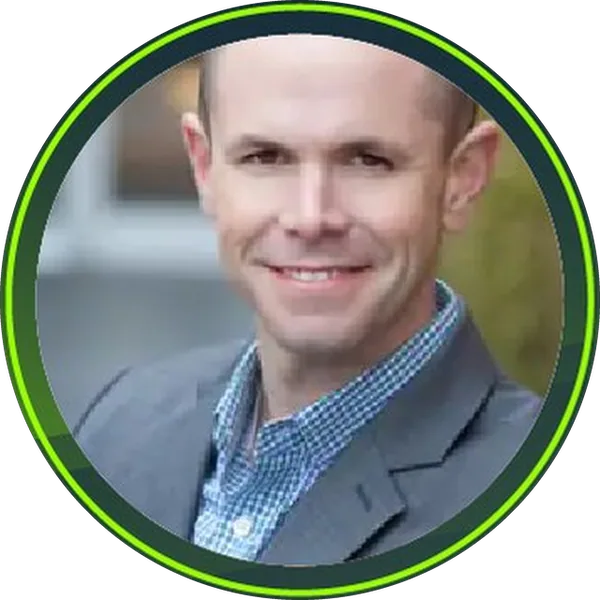
Garrett Droege
Garrett Droege from IMA Financial Group discuss innovation, strategy and what falls under the definition of InsureTech.
The full episode
Press play for the whole conversation.

The full transcript
Transcribed automatically from the episode audio, so some names and terms may be misheard.
James BenhamJBKnowledge Podcast Network. On episode 91 of the InsurTech Geek Podcast talking about InsurTech with Garrett Droege from IMA Financial Group. The InsurTech Geek Podcast powered by JBKnowledge is all about technology that's transforming and disrupting the insurance world. We'll be interviewing guests and doing deep dives into specific tech we see changing the industry. We're taking you on a journey through insurance tech, so enjoy the ride and geek out. Welcome to the Insurtech geek podcast. I'm your host, James Benham. As always, if you're enjoying the podcast, please be sure to subscribe, leave us a review, and share it with your friends.
Before we get started with our interview, don't forget you can subscribe to the InsurTech Geek podcast by texting geek out to 66866. Make sure you never miss an episode. Here I am today with our special guest, as I mentioned before, Garrett Droege from IMA Financial Group. We're gonna be talking about InsurTech. Garrett, thanks for joining us on the InsurTech Geek podcast. Thanks for having me. Happy to be here. So, Garrett, we're gonna start out talking about you before we jump in talking about, technology. I am, like, a lifelong almost lifelong.
I'm 43. I've been writing code since I was about 11. So I'm a pretty hardcore nerd. Like to like to code. Like to talk about code. Like to build software and technology. But more than that, surprisingly, I'm a people person. I actually like talking about people. So tell me about yourself. First off, where are you joining us from today? So I am just outside of Charlotte, North Carolina.
Garrett DroegeAlso 43. Nice. Also software developer. So we've got a lot in common.
James BenhamNice. Which, you know, it's fun when you meet someone around the same age, because all of the generational references for technology, like I can say things, Garrett, that you're gonna understand Yes. That most people won't. I can say that my first eight programming languages, among them was GW Basic, Fortran, Assembly, Pascal, Turbo Pascal. Uh-huh. I loved Pascal.
Garrett DroegeI love Pascal too. That was that was my first. So I was I was late to the game. You were much earlier than I was. GW Basic was the jam.
James BenhamIt was the jam, Garrett. It was messy and sloppy, and there were no procedure calls. There were just these things called go to statements. You had to jump around, and you made this big pile of code called spaghetti code. My first big application I built was in Pascal, and that's actually kind of how I got into technology, Garrett. Do you remember what your first application was? Wrote a word processor that had a little encryption thing where it would encrypt your message. And I made it emulate kind of look like MS DOS's edit program, the MS DOS edit program.
Yeah. I was on Linux and FreeBSD back then as well, and I used VI. I was one of those weirdos that used VI for my text editor. Do you remember what your first applications were that you got to code? I have no idea. I took computer science in high school. Yeah. It was an elective that I thought sounded easy.
Garrett DroegeYeah, and it was like, here's Pascal and here's no, no. But I I really I really enjoyed it. And later on, I got into web development. So,
James Benhamyou know, HTML and that like that language made more sense to me. Yeah. Pascal was like, I really don't understand what we're doing and why it takes five hours to make a a, you know, a tiny little thing happen. So Yeah. Well, that's back before you had any, like, intrinsic functions. Like, there there were intrinsic functions, but not a lot. And so there wasn't a lot you you had to hand code. I remember I had to hand code the drop down menu in Pascal. Yeah. You know, file, edit, copy, like, all that.
I had to hand code that. Right. And if you get one thing wrong screen. Yeah. It's all over. You gotta redo
Garrett DroegeIt's the entire
James Benhamin the garbage. It's all over. Yeah. Okay. So I'm gonna throw some more stuff out for you because we're gonna we're just gonna go do a time warp here. Gopher sites. Did you ever get to play with Gopher before HTML? No. No. So so Gopher was, like, '93, 94, and it was on the way out as HTML HTML and HTTP were on the way in. But it was like, you know, you had this thing between FTP and the web with called Gopher. And it was pretty cool, but it was a predecessor to what really changed the planet, and that was HTML and HTTP and markup languages.
And, mean, I it it was a totally brave new world. You know, we we all coded static HTML first, then we started putting code behind them, and and then the the whole planet changed. Right? Yeah. And now so I'm I'm I should say I'm very out of date.
Garrett DroegeNo And longer when I actually look at software today, I'm like, you know, all of the stuff that would take us weeks to code is now baked in. It's an hour. Oh, it's it's a click of a button and shortcut insert. And so, yeah, no no clue what's happening in the world of of software today Well directly. Yeah. Yeah, Garrett. I'm I'm in the same boat. So of of my 270
James Benhamstaff, 220 or so are engineers, and so they they do the coding. I don't do it anymore. But I'll say that you and I had to had to learn this thing called bubble sort, and we had to learn, like, sort algorithms and how to store data in arrays. And now they're like, oh, yeah. I just say I just tell the code to put the data over there, and then I tell it to bring it back. And I'm like, that used to be like two weeks of work.
Yeah, exactly. It's a different world. So you you but interestingly, you ended up getting a theater degree. Yeah. I think it's super cool. I'm a hardcore musical theater Broadway nerd. Love it. Did you wanna be a performer? Yeah. So I was.
Garrett DroegeMy I was a theater major. I I got a couple jobs. So in in the coast of North Carolina, the largest studio East of Hollywood is in Wilmington, North Carolina. Several teen drama shows were filmed there while I was in college. So Dawson's Creek. Dawson's Creek. Yeah, One Tree Hill. Yes. And so we we made our rounds on those. My wife and I moved out to LA, chased a couple jobs, hence my reentry into the world of software development. I started my own web development company while we were out there between acting jobs.
And that took on a really nice life of its own. Just about the time we were we were hitting into the black successful, we decided we wanted to leave LA, move back east, start a family. And so I sold the company, thought I might do another startup. My wife got a got pregnant immediately. And I took a very quick job into insurance. I thought I'd be here for one to three months before I figured out what I was gonna do. And, you know, seventeen years later, here here we are.
And dah dah dah.
James BenhamRight. Sucked into the vortex of insurance. There it is. Yeah, baby. There it is. It does that. You know, it did that to me, and I'm cool with it. I'm like, oh, I'm I like this. It's it's in Same. Yeah. It's a it it's really important problems. When businesses can't get insurance, they're in a lot of trouble. You know? Economic activity grinds to a halt. Bad things happen. So it's it's an important industry. Yeah. Your favorite acting gig, what was it? My favorite acting gig Or top three.
You don't to pick one. Okay.
Garrett DroegeWell, I was in a I was in a lottery commercial that ran nonstop, you know, specifically at my gym, where I worked out for like two years. And so it it I would I would be working out and I'd see people register like the guy on the screen looks like the guy on the elliptical. And so it was kinda half fun, half annoying because it got to be like, yeah. Yeah. That's me. Yeah. So I I was I'm an expert at little bit parts, one liners that need to be said.
Playing lab technicians seems to be a a forte of mine. Nothing nothing really, really hard hitting drama. Were you ever in Dawson's Creek? Oh, yeah. I was part of Dawson's film crew back in the last season where Dawson became a filmmaker. I was on his film crew. My wife was on Dawson's. She played a a store owner that that Pacey had a had a little deal with. We were both on One Tree Hill. Yeah. Great memories of that. And and I would say I use my degree probably more than anybody that I know.
You know, theater skills are important skills, communication, presentation, improvisation, all very, very necessary in in my role at least. Yeah.
James BenhamMy daughter's a 15 year old hardcore musical theater nerd. Just spent the summer at Interlochen. Awesome. It was amazing. I had to see their final performances last Friday and to watch a bunch of 15 year olds from all over the country. And Interlochen does great things with them. Right? I mean, it's it's a pretty Intense. Yeah. Pretty cool school. They produced some of the best Broadway I've seen. I I I was like, holy crap. You're 15. Yeah. It's amazing. Dawson's Creek, my favorite was Pacey. So I just wanted to say that.
Okay. He was my favorite. So I just gotta just gotta lay it out there. Happen to be I don't pick favorites. I love them all. I happen to be a fan. Alright, so let's jump in. You somehow stumbled into InsurTech and insurance in general. You've been in that space since 2007, so has been a pretty neat ride for you, you know, fifteen years now in insurance. Right now, let's kind of go to because you just recently took over last year as the director of innovation and strategy at IMA Financial Group.
What does IMA Financial Group do and what do you do for them? So IMA Financial is the third largest independent insurance broker in the country. Retail
Garrett Droegebroker, all lines, you know, P and C benefits, life and health. I've worked with IMA for the last ten years in my prior role. So I led an organization called Tech Assure, which is a retail broker network, global broker network that focuses on all things technology risk. So we'll back up just a second and say, when I got into insurance, I loved insurance because it was problem solving. It's very much like software development. It's, you know, solving a problem, how do you build a program that's fit for purpose for what this particular risk profile is?
I was not very successful with traditional commercial businesses, you know, construction, real estate, manufacturing. Like, these were these were industries that I didn't really understand, but I did understand technology. So I was able to come in. And while most brokers didn't understand how email worked, I was able to come in and really understand at code level what the SaaS company was doing, how it worked, and how to build an insurance program that dealt with those particular risks. So we joined TechAssure about ten years ago in my former retail role.
IMA is a TechAssure member. I came over last year to help with our innovation, initiative, which is called IMA Labs, as well as help with what we call advanced industries, which is our focus in ensuring technology, life science, advanced manufacturing,
James Benhamand digital assets. So did Tech is Techashire like a consortium of brokers? Exactly. Yeah. They co invest in technology? How does that work?
Garrett DroegeSo think of it as a nonprofit trade association of retail brokers all around the world that specialize in tech risk. Ah, got it. And it's it's a very unique specialty. You know, you're talking about non standardized products. You're talking about every technology works a little bit differently. Unlike unlike other industries, you know, a $50,000,000 software developer, compare it with a peer, and they're doing vastly different things. So the insurance that they need is quite different. TechAssure members come together, share information, talk about best practices. What works in London will work in Boston, in San Francisco, in Denver, Colorado, and everywhere else around the world.
So that's that's really the idea, just information share for brokers that truly specialize in that space. And you're the CEO? Yeah. Yeah. So not initially, I came in as a member. Unfortunately, the CEO got sick and passed away, left the association in a in a bit of a little bit of a tailspin, not knowing you know, certainly hadn't done contingency planning for that sort of thing. I was at the point in my former role where I either needed to be running the show or I needed to to leave because it's just a kind of a diff different cultural environment.
And so I I made the decision. I'll I'll come over lead tech assure for probably two to three years. And I don't know what I'll do. I'll go start my own insure tech. I'll go start my own brokerage. And I was there for almost eight years. You know, loved it. Yeah.
James BenhamAnd, you know, the tech market has gone bananas. Cyber premiums
Garrett Droegetripled roughly this year. Yeah. And limits cut in half. Yeah. Limit limits got cut, premiums tripled. It's a pretty wild market right now. Yeah. I mean, you think of it like cyber had it had it really good for about, you know, twelve, fifteen years. And we kept telling every commercial policyholder, you need to buy cyber insurance. It's dirt cheap for the amount of coverage you're getting. The exposure is real. And for a long time, it was a hard sell. And we had, like, a sweet spot of about two years where people were buying cyber, and the pricing was still low.
And and carriers were moving towards that. All you need is a website, just a URL, and we can underwrite the account and give you $10,000,000 of limit, and it'll be $2,000 a year. You know, just really ridiculous pricing models. And that's because it's a juvenile market. Right? It's it's we don't have the actuarial data like we do for property or or workers' comp. So the models weren't right. And now they've been tested, to ransomware and social engineering. And that's just what happens. Like, it's we're starting to have a correction that was very needed.
It's unfortunate. It's very painful for some some companies that are they're not able to get the limits that they're contractually obligated to have or the types of coverage that they actually need. But it's okay. I'm not one of those people that says cyber insurance market is is destined for failure. It's, you know, on life support. I think it just needed a correction. Yeah. It is too bad it had the correction had to be all at once in one renewal. Yeah. Yeah.
James BenhamThat's the problem and the pain. So, what do you do now leading innovation and strategy in IMA Financial? What does a week in the life look like for you, just daily work, leading innovation? Because that's when you say you're director of innovation, that can mean a lot of things to a lot of people. And it can it's a very nebulous title. Right? Thankfully so. What what
Garrett Droegeare the daily habits of innovation look like for you? Well, so I have a I have a bifurcated role. I I help with our production efforts for companies that have unique complex technology risk just because that's what I've done for, you know, fifteen years is work with very complex technology accounts. So I'm I'm able to lend that IP to our sales and service teams to help them better articulate a value proposition. So I might be spending a lot of time directly speaking with with clients doing consulting or prospective clients talking about the value proposition of working with a specialist.
So that's that's half of my role. The other half is working with IMA labs. And that's all things Insurtech, all things innovation, and investment. So what's unique about IMA and what I gravitated, towards was IMA is not only investing in InsurTech. Right? We're not deploying software, and saying we're a technology enabled agency. We do that too, but we're also looking for areas where there might be a solution that doesn't exist. And if there's not, then we'll innovate it ourselves. We've done that. There's a company called Highwing that came out of of IMA Labs.
It's now a standalone company, Insurtech solution that was just not available. And we we were able to put a team together, develop that product. And then there's also an investment component. So we have our own venture arm that's doing strategic investments. So it's yeah. It it could be all over the map what I do on a weekly basis. Do you steer that investment fund? We have we have a separate individual who steers the the investment fund, but I'm on the team. So I I think of myself sort of as a an early stage talent scout for InsurTech.
So if I'm constantly scanning the environment for what's out there, what solutions are available, who's who's building what, and for the solutions that I feel like might play a role within IMA, I'll introduce them to the team that I think they could most impact. Or if I say, you know, maybe this isn't necessarily a software that we would use, but I see the value in it, I think it's gonna be a an a player, then we'll talk about maybe a strategic investment. We have a pretty tight investment thesis, which is it really has to improve the life of our associates or our clients.
I mean, that's the Insurtech that we're focused on. You know, the carrier Insurtech is very critical. I'd say that's the piece that needs the most work. That's not what we're investing in. We're really focused on driving the value for our clients and our associates to make make the process easier,
James Benhambetter enable them to make smarter decisions. So there's lot of insurance companies that I work with and others that I know that do not have a innovation and innovation strategy role. They don't have it. They have a CIO. So for those companies that are out there, and there's many that listen to this, help them understand the difference between having an IT group and having an innovation group. Yeah. I mean, both are both are critically important. Right? I mean, you've you've gotta have an IT group that's overseeing the core operational
Garrett Droegetech stack for the organization to keep keep everything moving. The innovation role is really thinking, you know, more strategically about future future state. What does the vision look like five years down the road? And how do we put the pieces together for for that? And where do we think where do we think the industry is going? How do we build solutions for, that are gonna play nice with not technology of today, but technology of five years, ten years away? So that's where a lot of our our work comes with, you know, Web three Labs.
That's that's something that I I have a key role in. And we're really looking at Web three, blockchain, metaverse as that's the future Internet. So if we don't have our hands dirty and helping build and shape products and platforms that play in that environment, then we're not going to be relevant in ten years because that's that's where the entire world's going to be. You think so? I do. You think we're actually going to move to wearing headsets? Yeah, I do. Not Oculus full, you know, heavy headsets that that are have to be plugged into your computer and all that.
But if you've looked at any of the patents that have been filed by Microsoft and Apple and others, the slim profile glasses that you and I are both wearing eventually are gonna have the metaverse baked into them. Right? So it's it's more augmented reality than virtual reality that I think we're all gonna be living in. And you look Dubai had a big announcement today. They're they're doing a, you know, tens of millions of dollar investment to become the first city in the world that's fully metaverse optimized.
And that doesn't mean you're gonna slip on a headset and go tour Dubai and and look around like we can do today with art museums and and things like that. It means you can actually go to Dubai, and the entire city is augmented so that you know your way around without ever having stepped foot in the city. You know, the restaurants that you want to go to the directions to meetings. It's, you know, that kind of technology, it exists today, just not at scale. And the amount of money that's flowing into it, I think there's no question that's the future.
Yeah, it's funny
James Benhambecause I feel like an old curmudgeon sometimes that I've been wearing and using VR headsets since I was in high school. Yep. I had a really crude headset. Used to play like Frankenstein three d in, and I got or whatever it was. I forgot I forgot what it was. I I Franken Wolf Wolfenstein? Wolfenstein. Wolfenstein three d. Yeah. I used to play Wolfenstein three d in a VR headset in, 1996, And it sucked, and you wanted to puke because it was the frame rate was too low.
So you and I had the very first Oculus d k one, d k two. I went to the very first Oculus Connect conference, o c one, where Palmer Lucky turned 21 and ate a chocolate VR headset and then stripped stripped down to those boxers and jumped into a pool I do. A in LA. It was it was a very LA moment. And and so I've been there. I have been there for the moment. So I I was there when HoloLens got released. I had the very first HoloLens, the second HoloLens, Got to spend time with Alex Kittman when he was talking about releasing the HoloLens.
Like, we wrote apps for HoloLens. I've wrote apps for the Epson Mavirio b t 200, b t 300. I mean Okay. I've been all up in this sector. And you're not feeling it? And I kinda feel like I'm no. And I kinda feel like I'm in the trough of disillusionment, you know? Like, we went through the we went through the big hype cycle, and, like, I've got the Quest and the Quest two, and I've got the HoloLens and HoloLens two, and I've I have these devices.
I built software for all of them. And it's really interesting, but at the end of the day, my primary device, and this is the guy who actually owns all of these devices and has used all of them, it's still my phone. Yeah. Right? Like, I mean, I am obsessed with augmented reality. I built an AR platform eight years ago and loved it. I I was fascinated by it. I I feel like we're trying to actually sort out the stuff that people wanna wear something for. You know?
And the phone has gotten so good. And, you know, LiDAR on these devices,
Garrett Droegetotal game changer for augmented reality. Yeah. Total. Yep. But I'll tell you what your phone can't do is train a surgeon how to operate on a patient Nope. It can't. By providing them direction. You know, mean, I I suppose it could, but you I want both both of my surgeons hands on the instruments, not not on their phone. Right? No. And and and the HoloLens two, like Trimble Yep. Because I I operate heavily in the construction space.
James BenhamTrimble did a construction version of the HoloLens two called the XR 10. They rebalanced the weight of the battery in the device, and they mounted it to a hard hat. They and they didn't. And then they wrote a bunch of software to go on it to sync three d models, and it's working, and they're using it, and it's hands free, and it's awesome. I mean, it's awesome. I mean Sounds amazing. It is amazing. I've used it. It's awesome. Like, I've been on a job site with this thing, and it it kicks butt.
I'm like You're coming back around. I can feel it. You're gonna be all in. You know, honestly, for me, it's gonna hit when it when I can wear when when I can wear this, these glasses in it. And Web three is interesting, I I wanna bookmark Web three and come back to it because I think we can talk a little more about that. I'm gonna ask you a very philosophical question. What is Insurtech?
Garrett DroegeI know what it's not. It's not just a technology platform that the insurance industry uses.
James BenhamThere you go.
Garrett DroegeThere's a lot of legacy players that suddenly have called themselves Insurtech, right? Yes, they have. Almost all of them. Oh, yes. Right. And like, we're OG Insurtech. We were Insurtech before there was Insurtech. If that were true, Insurtech wouldn't have existed. Right? Because the the need for Insurtech is is because our industry is so broken from a technology standpoint. I mean, let me just you can appreciate this. When I first got in to the industry, I was like, alright. These these certificates of insurance are pretty important.
How do we get these to to clients that prove that they have this thing that they bought? And, you will you pick up the phone and you call this lady named Sherry, and she she will mail you one. And I was like, well, there's a software solution that can easily do this. Like, why why has no one thought of this? Yep. And so that's we're so far behind. And I think once people realize how broken and fragmented it was, you had all of this VC money pouring in to develop innovation.
And that's what InsurTech is. It's it's trying to build the the framework of tomorrow's insurance industry, not the the legacy framework. As you know, someone that that works with carriers platforms, brokers platforms, it's outdated technology. It's technology from the nineties. It literally can't be updated. It has to be burnt to the ground and rebuilt. So that that's what I think InsurTech is. Yeah. I I do agree with you. I like defining InsurTech in a negative sense, by what it's not.
James BenhamSo you can also you can also define it by saying radically enhanced customer experience. Mhmm. You know, a dramatic streamlining of underwriting. Yeah. I I I almost I try to explain to people like this too. There to me, there's going paperless and there's going digital, and those are two different things. So going paperless means I'm gonna take the same arduous underwriting process, and I'm gonna eliminate the paper in exchange for zeros and ones. Yep. K? Bits and bytes. But I'm going to keep an identical underwriting process.
I'm just going to process it with, in many cases, spreadsheets, because you and I both know there's entire carriers that run on Excel and Word only. You can literally underwrite policies, issue policies, and manage claims only using Excel and Word, and there are many that do, to a scary level. Yeah. MGAs too. Oh, yeah. Oh, especially MGA. Yeah. They want they want more commission, but they don't wanna buy the systems to actually do it. So they You got it. They want the 30%, baby. It's a good gig.
They're tired of 15. They want they want 30, and then they go hire a TPA and pay them eight, and they keep the 7%. I mean, come on. I mean, it's then you have digital MGAs who call themselves Insurtechs, and then you then you say, okay. How are you an Insurtech? Like, by what definition are you an Insurtech? We have an easy to use website. Is that big an Insurtech? I mean, I have to say no. We've been building easy to use websites in insurance for decades, literally decades, right?
Like, some people had really crappy websites, and some people had really good ones. That was just the way it was. Right? Some systems were easy to use, and some weren't. But I think I think dramatically streamlining the user experience is big. Going digital rather than going paperless. So reengineering the entire process so that underwriting and I and to me, like, the biggest thing you're at a broker. Right? So the damn forms. Oh my gosh. If you're still having people fill out forms, you're not an InsurTech.
Yeah. Like PDF forms. I I had to fill one out last week for a line of business I'm renewing. PDF forms. Yeah. I'm like, we're in 2022, and I'm still filling out PDF forms. You can't just take last year's data and then ask me to update it in a inside of a web system that that you can then submit to all of your no. Oh, no. No. No. No. No. Yeah. So that that to me is is that's got to go at some point. It's got to be easier to buy insurance, in particular for businesses.
Personal lines, right? Buying home insurance, renter's insurance, you know, lower face value, life insurance, That's pretty easy, though. It yeah. It's very easy. I mean, I think outside of high net worth homeowners,
Garrett Droegepersonal lines is gonna be a 100% digital. And everyone's comfortable with that. Yeah. Digital. Digital. Not digital.
James BenhamDigital. Like, truly digital. Where where you and that's the other thing for me, Garrett. Insurtech's leverage big data and traditional insurance technology. Because they can't. So yeah. Because they can't. Like, when you enter an address, I'm going to pull all the data on your property for you so I don't have to ask you about it. Yeah. Right? Exactly. That's a big one. Yeah. It's it's all client experience base.
Garrett DroegeI mean, that that you you hit on the one that's, I think, the easy the poster child of application management. Right? The digitization of applications. We won a very large account very recently solely because their experience with their current broker was so bad because they didn't have time to look at 12 PDFs and compare last year's to this year's, whereas our system is smart enough to send them a smart link and just update the information and it automatically goes out to market. You know, it's the way it should have been built from the beginning.
And so that's where the the brokers specifically that aren't investing in that kind of client experience are gonna start losing market share to those that are. I've been saying that for five years. I think now we're starting to see that where clients just expect more. And then once they're in that ecosystem, can you imagine going back to, like, what's the renewal process look like? Well, you know, we'll send you summary of insurance, you you go over that and mark it up and send it back. Those days are over.
I hope they're over. With y'all, are. Yeah. Right? You've moved on from I would say if you had to, like, you know, break it down into words, it would be integration
James Benhamis a really, really important hallmark. Right? Like, integrated systems. And this is something we suck out at insurance. There is no real data standard for passing mean, I there is a data standard. Okay. Hold on. There is a data standard that not nearly enough people use. Yeah. That's right. Right? Like and Well, again, you're you're you're talking of So for for for policy and claims? There's certain aspects of what we do that can easily be standardized.
Garrett DroegeThen there's there's other things that can't be. And we've made we've made our own mess here. Take cyber we were talking about, right? There there could be seven insuring agreements, there could be 17 insuring agreements. Cybercrime might be defined five different ways within each of those policies. Like, it's very difficult to teach a system how 500 different markets define certain terms. Right? So, like, there's just there's not a standard set of framework that everyone operates from. And that's that's the problem. You have to build your own data lake and teach that how to interpret all this other third party data, and it's time consuming and it's expensive.
James BenhamYeah. It's it's interesting. So integration's a big hallmark, right, for me. It's easier to integrate if you use standard datasets. Most here's the I listen to a lot of insurance podcasts and InsurTech podcasts, and no one has ever talked about OMG's standards development organization P and C data model. And literally, like, any podcast I've ever listened to, and maybe I've just missed an episode, but there is a P and C data model for property and casualty insurance. It actually exists. It was published in 2014, and it was signed off on by twenty first Century, ACE, CSC, CTS, Cindy Mike, Gail Austin, Garza Data, Harleysville, International, IBM, LiquidHub, Mark B.
Gorman, Object Management Group, Penn National Insurance, and TCS. They were the contributing members. And it defines just about in this specification, which is a pretty pretty sizable document. It defines almost every data field that you would need for policy and claims. It's amazing. And I had no idea it existed. And me neither until recently. I I by the way, I just texted you the link to it in the chat. Awesome. Thanks. So you can see it. Because I never knew about this, and I have been doing this for for seventeen years.
Twenty one years in business, seventeen years in insurance, and there's an actual data model that was agreed upon by a whole group of companies that defines all the things we need, because this is a hallmark of InsurTech is integration. And if we use standard data models, then we can integrate more easily. Yeah. Right? Another one for me is intelligence.
Garrett DroegeThe use of machine learning in some way, shape or form. I agree. I think we're we're really early days on that. You know, there have been a few companies that have dipped their toe into that water thinking, you know, our AI platform is very smart, and there have been quite a few failures. So I I agree AI is absolutely the future. It's just I'm not I'm not sure we're there to where it's it's it's able to be rolled out at scale. It can do certain things.
Right? But it's it's it's not a it's not an enterprise solution yet. Not in a in some regards, it's being useful. There there's there's some interesting players that are doing things with reserve setting that I'm really interested in,
James Benhamwhere they're looking at historical claim data and they're making recommendations on reserves, and they're making recommendations on treatments and work comp claims. And they're saying that based on the entire dataset, our machine learning algorithm has run on this dataset, and we're recommending that you get nurse case management on these three claims. Yeah. Because and
Garrett Droegeso it's it's like a super specific use. Right? That's what I mean. So we're Yeah. We're using it with benchmarking data. Right? Because the same sort of thing. Well, based on the industry, the NICE code or SIC code, the revenue size of the client, what we know about them, these are the estimated maximum probable losses per line. These are the carriers that you should look to the market. Like, that's that's where it can do a good job
James Benhamwith the right dataset. You know, you gotta have clean data. With clean data, which goes back to standards. So integration intelligence automation is another hallmark for me. And I I think that's something that we've gotten better at is actually automating workflows. Have you done any experimentation or work with RPA, Robotic Process Automation? Very little that I'm involved in, no. Software robots? Yeah. It's been an interesting bridge technology for me, where it's not the end state, like, shouldn't be the end state to train a robot how to use a human user interface.
Because ideally, you just have an API to work with. Yeah. But in the in the absence, like, we have a just a huge absence of APIs, right, to integrate with our systems. And so at the end of the day, sometimes you gotta work around the API by using something like UiPath. And so I see that as a big hallmark as well. But then, of course, the use of BI and the use of business intelligence systems. It's been interesting watching the world evolve from Crystal Reports to Power BI and beyond, but I think that's a major hallmark.
So I I decide I always like talking about what is Insurtech because I feel like we throw the phrase around, and now I feel like the legacy players have misappropriated
Garrett Droegethe phrase to make sure they don't feel left out. And we're kind of losing track of the definition of what it actually means, you know. And I'll go back to my point to say if there wouldn't be a a need for all of these companies to exist if the legacy players had built it correctly from the beginning. So Yeah. Boom.
James BenhamOf course, the world evolves too. Right? 100%. Like, the datasets we have available. The first company I worked with insurance was a roof inspection company for property. They did inspections. It's all they did, underwriting inspections. And and we were like, you know, drones, these thing called drones are coming out, they might really impact this. And satellite imagery, like, demand satellite imagery could really and and sure enough, now you look at what's going on in in house inspections and roof inspections, totally different ballgame because technologies exist that didn't exist at the time.
Right? Yeah. That's very true. So they didn't miss in 2,001 or 2003. They just didn't have the tech available to them, And Elon wasn't up there with 40,000 satellites either. This is true. What do you think is gonna be big next? Like, because we're talking about hype cycles. Right? Like, what's big for y'all? You're a broker. Tell me what the next big project is for a broker. So we did digital
Garrett Droegeapplications, digital underwriting. I think now servicing on a digital basis, I think certificates are compliance is a big issue for a lot of insureds and not having real genuine oversight in who their vendors are, who their clients are, and more importantly, what their contracts obligate them to. A there's a lot of nuance in a commercial insurance portfolio, and it bleeds into legal contracts, lease agreements, vendor contracts. So to be able to automate that, to be able to have oversight using a digital platform that's smart enough to identify where you're compliant, where your weak blind areas are.
That's, I think, tomorrow. I mean, the technology's here, there's a few players. But I think that's where we're going to be headed to where we're providing a much more digital solution. Claims is the other, you know, where the claims process is so backwards how we've done it. And I think everything from reporting, I think you can appreciate this, just given what your company does. You know, there's just a much better way because that's really that's what they bought was the claims experience. Right? They bought the they bought this this paper to perform in their time of need.
And 90% of of consumers and business owners feel like it was a terrible experience when they actually had a claim. So we've got to figure that out, how to make it faster, less onerous on them,
James Benhamand expedite the entire process from from weeks into hours. Garrett, I just went through a property claim. Personally. Because I personally. And I had a I had a water damage. Ice maker water line. Ice makers are terrible. And Oh, do it every time. Yeah. Terrible, terrible, terrible. It makes me never want to buy an icemaker ever again. Yeah. Because the amount of damage it did was pretty, pretty incredible. You know, pretty incredible. You know, flooring, ceiling, whole a couple of a few things that it was on the 2nd Floor too.
So it it, you know, it was it was a mess. And the claims experience was not good. It was it was confusing, super long time to get an answer. I I had to call and leave a voicemail. I couldn't text with my claims adjuster. The emails took forever, and I had I had to constantly re remind him of which claim number it was, so I had to always look it up. It was awful. It was like Yeah. It was so dumb. And then the payments, they screwed it up, and they mailed a payment that was for my construction guy to me, and I was like, oh my gosh, this is exactly Yeah.
What we're talking about. You know, this this is terrible. Right. It's terrible. I agree with you. It's gotta get a lot better, and the brokers have to lead the way too, you know, because they're the ones with with the relationship with the client, I think. They've gotta we're seeing a lot of brokers go into a claim stewardship role, you know, where they kind of steward the claim along, and they've gotta have a better way of of keeping data together. You know, a lot of InsurTechs this is my final question for you, Garrett, because you're involved in your in your investment fund.
A lot of Insurtechs about five years ago were saying, we're gonna we're gonna disintermediate the broker. In fact, pretty much all of them were saying that. We're gonna be a digital MGA, then we're gonna be a carrier, and we're gonna go direct to market, and we're gonna cut all the brokers out. No. That is not what happened. Like No. Not even close to what happened. So, I mean, there are some direct to consumer plays, but the vast majority of these companies is like, oh, no. We have to work with brokers.
We can't possibly scale without them. Yeah. So they've pivoted to
Garrett Droegewe are going to enable brokers. We're not gonna disintermediate them. We are going to enable them There you go. Which I think is better because it study after study shows that consumers want a guide, an expert to to hold their hand through the process. And and going through a website is just not the same thing. So if if you're yeah. If you're paying attention, all of the Insurtechs that were out there saying we're gonna be direct to consumer are now partnering with brokers. Even those, you know, five year years ago that I told You know, what's your broker partnership strategy?
Oh, we're not we're not partnering with brokers. And then today No. We don't need to do that. Yeah. Sure. Okay.
James BenhamYeah. Know, pride comes before the fall, as they say, in the South. It's a tough thing. But it is proven that human relationships, I think, still reign supreme. A 100%. You know? You got people do business with other people. What we're what we're trying to do now, you know, of course, you're talking to a guy who's who's spent twenty one years in software and seventeen without insurance, and the whole time, I've been providing tooling to the existing players to try and eliminate friction. And and so that's really what, you know, my goal has been all along is let's let's cut all the friction out so that we can we can have great human relationships and great human interactions, but without the friction of having to fill forms out, remember your claim number, find the right email address, trip through 80 page applications.
Let's just kill the friction so that you can easily sign up, you can easily pay, and you can easily file a claim and get paid back. Like, if we can do those four things, then this is gonna be great because then insurance companies can do what they do great, which is calculate risk and take risk, right? Or in the brokerage business, form great relationships. And what my broker does for me, identify areas that I don't have coverage in, that I need help. That's right. Well, and your broker can
Garrett Droegewe know how as brokers, we know how to navigate the insurance landscape. We know how to navigate carriers with regards to claims or underwriting or whatever function. That's not on you. Like you as the insurance buyer shouldn't have to have an insurance license to know how do I get paid for this claim that I just had. That's what a broker should be doing. Managing that, and it's more of a psychological relationship of just being there to help you through the process to say, you're not crazy.
This is not a great process, but we're gonna hold your hand, and we're gonna help this thing happen. We're gonna expedite where it can.
James BenhamYou know? But there's a lot of work that needs to be done. There is. You know, I thought I'm a pilot, so I fly. Love flying. Aviation insurance is super complicated. And expensive. Yes. It's very expensive, very complicated, very hard to navigate. And you get a lot of rejections, you know, be and and I could not do it without because I tried doing it online direct, and it was a terrible experience. And I got a really good insurance broker who specializes in aviation, and and it completely changed everything.
Right? There's still a lot of value. So I just want I I wanna close on that with you. Yeah. Because, you know, I think it's important to remind everybody how much value good brokers add to the buying process and the claims experience. And I'm thrilled that someone like you is leading innovation at a firm like yours. Cool. Thank you. So I appreciate what you're doing and also appreciate your vintage. 1979 was a good year. Yes, sir. It was a good year. Absolutely. Absolutely. It was a good year for the for the for this vintage of wine that we come from.
So
Garrett DroegeThat's right. My kids my kids remind me they they remind me that I was born in the seventies all the time. Yes. Are you are you enjoying stranger things?
James BenhamLove it. Of course. You know the answer to that. Yes. Of course. I said, kid, this is what childhood was like. No electronics, playing outside until the sun until the street lights came on. No parental supervision. It was fantastic. Oh, yeah. It was fantastic. Yeah. How the world has changed. Oh, how it has changed. Garrett, I appreciate your time. Thanks for being on the InsurTech Geek podcast and talking tech with us. Really do appreciate it. And, thanks to all of you listeners out in listener land for joining us.
We'll see you on the next show. Thanks. Same to you. This has been the InsurTech Geek podcast, powered by Jimmy Knowledge. That's jimmyknowledge.com. It's all about transforming and disrupting the insurance world. I'm your host, James Binnen. That's jamesbinnen.com with co host, Rob Galbraith. That's endofinsurance.com. Big thanks to Jim Greenlee, our podcast producer, Kara Dalton, creative producer, and thank you for joining us today. We're taking you on a journey through insurance tech, so enjoy the ride and geek out. See you next time.