 YouTube
 Spotify
 Amazon
 iHeart
 Apple
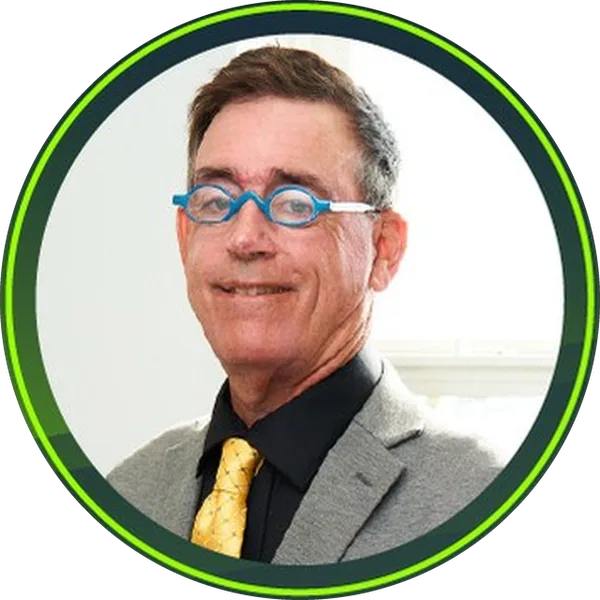
Mike Ansay
Mike Ansay from Ansay & Associates discuss what it looks like to be a modern broker in the world of insurance!
The full episode
Press play for the whole conversation.

The full transcript
Transcribed automatically from the episode audio, so some names and terms may be misheard.
James BenhamOn episode 97 of the InsurTech Geek podcast talking about the modern broker with Mike Ansay from Ansay & Associates. The InsurTech Geek podcast powered by JBKnowledge is all about technology that's transforming and disrupting the insurance world. We'll be interviewing guests and doing deep dives into specific tech we see changing the industry. We're taking you on a journey through insurance tech, so enjoy the ride and geek out. And we are back with another great episode. Good to be here with my cohost and fellow Texagander. That's right.
Combination Texan, Michigander, Rob Galbraith. Rob, how's going today? Beautiful day here in Texas.
Rob GalbraithJust enjoying those slightly cooler temps.
James BenhamYep. Yeah. Slightly cooler meaning just below 90. Yeah. Not triple digits. It's yeah. I I I yeah. Not triple digits, and we're enjoying the relief from the from the heat. So good to have you on the show as always, Rob. And with us today is our guest, Mike Ansay. Mike is chairman and CEO of Ansay & Associates. He's out of Port Washington, Wisconsin where the cheese squeaks. I I actually interviewed Mike, a guest, from Wisconsin years ago on one of my other podcasts, and, he he shipped me a package of cheese curds in advance.
And he had to demonstrate that it squeaks when you eat it and that what's what that's what makes it good. So I I learned something about Wisconsin there. Hopefully, I'll learn a bit bit more about Wisconsin today with you, Mike. So welcome on the show. Thank you very much. Thank you. So we're gonna we're gonna talk about insurance. It is the topic the topic du jour here. We we're gonna talk about insurance. We're gonna talk about how technologies played a role from one filing cabinet and one telephone to to the the enterprise that you're running now, which is really a neat story.
But before we do that, I wanna talk about you and your background. I love talking about people's entrepreneurial stories, and especially when you talk about bootstrap businesses that have, that have started from nothing into something really amazing. That's your story. So were you were you born and raised in in in Wisconsin, in Port Washington? Yeah. So so,
Mike Ansayactually smaller town, North Belgium, Wisconsin, but yes, born and raised here. My roots are here. Nice. Sticking to the story.
James BenhamYou're sticking to the story. Yeah. And that, so you, you were born and raised, you went to Marquette, You got a degree, and it looks like you went straight to work out of that out of college. You you had an interesting story because your father had started and say associates and, you know, started in 1946, I believe, is when the firm was founded. And you stepped in in 1977. And tell me what the business looked like back then when you stepped in. Yeah, that's,
Mike Ansaythat's got to remember those times. But yeah, it was it was really as every insurance agency is its relationships. My father was a local banker, and he had the trust of many people. In his day, he was the largest hometown insurance agent, home insurance agent in the country, insured Gilson Manufacturing, Northern Singles. So he was widely respected as a banker, but also as much as a strategic, business advisor. And so with that, back in the seventies, when the first one of the recessions hit back before Reagan got into office, you know, it was a challenging time.
So I had an opportunity to work for Ernst and Iulio Gallo, who interviewed me out of college, to go around college campuses to promote drinking wine, I kind of knew that that wasn't going to be good for me in my career. So I came back home and I started working for my father, and that's kind of where I started. You know, virtually did it door to door knocking on, selling doors, dialing for dollars. And then my brother came in later and other people and the rest is kind of history.
James BenhamYeah, it's been a long time since I thought about E and J Gallo. They're still around.
Mike AnsayThey're still doing their thing. Well, what's interesting, what they recruited me to do was to have people cultivate the wine taste, because they understood the next generation wine drinkers was going to be the baby boomers and they wanted to integrate into it as soon as possible. So I was president of fraternity council Marquette, so relationship building was part of my diet. Yeah. Exactly.
James BenhamYou're what what fraternity were you in? I was in Sigma Phi Epsilon. Sigma Phi Epsilon. Awesome. Awesome. I was a Fiji
Mike AnsayOh, there you go.
James BenhamIt was a it was a crazy time economically. You had to dial for dollars straight out of the gate. I had to do the same thing. I started my business in my dorm room building software for anybody who would pay money. And and, of course, the first lesson was how to call people and ask for business. Tell tell me what that was like acquiring business because, you know, we talk a lot about acquiring business and insurance here on the show and how how complicated it is, how many people have tried to disintermediate brokers in the last decade.
And it's a lot harder than it seems because it's really actually pretty hard to acquire clients.
Mike AnsayYeah, there's no question about it. It's relationship building and the value proposition is what you have to learn and understand. So in the journey as a young person, I was always the challenge to figure out how to get the opportunity to talk to somebody, have, have a value proposition that they'd listen to. And as a younger person, they always are testing whether you're going to be there, you know, because at the end of the day, they're going make a change for whatever reason. They have to have trust.
So at a young age, with my father's reputation, it was an opportunity, but it was slow as we go. It wasn't a great success. It was trial and error. And I always figured out that rejection was a part of the process. And if I didn't have the opportunity, I need to see more people. So I use it as a proactive motivational
James Benhamtool versus a rejection model and self pity. So that's kind of Yeah, it's, it's easy to feel sorry for yourself. Remember some early days when I was trying to acquire clients feeling bad for myself a couple days. And I said, you know, let's get out of the pit of self sorrow and stop wallowing in and then just start calling more people. And that's when things started to turn around for me. Tell me what lines of business you guys wrote as a brokerage back in 1977.
Mike AnsayYeah, so small town bases, know, were an ag based community and so farm was a big part of what we did, personal lines. And then we did have businesses too. I was not in the benefit businesses at that time, so it pretty much personal lines, commercial lines is what we focused on, what we had as a base. And then from there we built it out. And today you're all lines, personal and commercial, right? Yes, and benefits. Yes, we have all lines of business during the middle market, right?
So we were pretty much about businesses and relationships that are in certain size and, we've had great success with MiddleMark. And you have hundreds of employees now, correct? Yeah, we have up over I think two forty-two 50 people now. You know, we really work hard at our culture and it's the Anse way. It's a lot about my father and the core values and the mission that he gave in front of us. Give to get. If you help people, they help you. And our goal and mission is to secure people's future.
James BenhamYeah, which is, you know, of course, that's a topic Rob and I have had many conversations about the social good that insurance does and providing the security they need to operate. It's been interesting in the insurance markets as of late. It has been challenging to get coverage and you then you you start asking yourself this question. If I actually can't get a market for this, will I continue the activity? And then you realize how dependent you are on insurance to actually engage in certain types of business and personal activities because of, you know, the offset of risk allows you to conduct the activity.
And so it's really sobering moment when you realize that if there's not a market for that, you might actually be in trouble.
Mike AnsayThere's no question about that's why people trust you. I call it relationships that work. It's a journey. You got to keep working on behalf of your customers, you got keep pursuing the opportunity. Absolutely. So let's let's kind of take it forward through time because I wanna I wanna turn it over to to Rob in a second. But,
James Benhamyou know, from 1977 until now, you added a lot of lines of business, went full personal and commercial, you went into benefits. Was the big strategy to be able to solve all of the risk problems for the for the clients that you had in the mid market? Was it say, hey, look, we don't want them to have to go anywhere else for for writing benefits or insurance?
Mike AnsayThere's no question that once you get a customer, you want to retain customer and you start to realize their needs. And within that, you start to understand what you don't have in your value proposition and how you need to get there. So in that journey, my brother joined the firm. He started to lead us on the benefits side. Yeah. And so consequently, we had the full portfolio, which gave us a competitive advantage in the marketplace. Yeah, because you were able to get a pretty comprehensive picture on that on that customer rather than having to carve this massive thing out on the side, right?
Yeah, it just made good business sense. And when people trust you, they just say, why don't you handle this for us? That was the evolution of why we started to pursue those opportunities.
James BenhamNice. Before I hand it off to Rob to really dive into the company vision and what goes on at an independent brokerage, I wanna talk about a unique thing about you that I really think is worth discussing. You're you're Luxembourgish, so you you have a citizen you have Luxembourg citizenship because you are historically, your family is from Luxembourg, and so you were able to get your dual citizenship, United States citizen in Luxembourg. And, of course, for for the listeners who don't know where Luxembourg is, it's a very, very small country just South Of Belgium, kind of, you know, smashed in between France and Germany, just North Of Switzerland and just South Of Belgium.
It's it's just right there wedged between, you know, Germany, France, and Belgium. Tell me about about Luxembourg because you have another business that I think your daughter runs that that imports goods from Luxembourg, but you've been involved in trade missions there. You've been involved in you know, you I think you got knighted. I mean, tell me tell me what the story is with Luxembourg.
Mike AnsayYeah. So for people that know or don't know, it's a very small country. It's only about 600,000 people, which half are Luxembourgers and half are immigrants to the country. It's a super diverse economy, super diverse country, and they know a minimum of five or six languages. That's because they're always in the middle and they're always in the negotiation process of what they do with Germany, France, and other countries in Belgium. Our journey started because of my father's passion, and then the government would come over and visit him, and the Grand Duke at that time visited him.
So from that process, through that learning from my father, I then started to engage, and we founded a society called Luxembourg and Mary Society, which is located in Belgium. It's over, right now about 2,500 families. There are more people of Luxembourg descent than Luxembourg than Luxembourg. There's over 3,000,000 Luxembourg Americans. But the government has always stayed engaged with their immigrants, and they've always been strategic because of the love for The United States. Patton's buried there, World War II was fought in the Battle of the Bulge, and so much of that is still connecting.
So what ends up happening is through my passion of founding this society, the government started to engage me and I became an honorary counselor. The honorary counselor then is a representative on behalf of the government in The United States to promote commerce and that. And, and that was a little bit what the, the program, that's how the Grand Duke Knighted me because of my interest and of the passion I have. And then from that, we started to do trade missions. So Governor Evers was strategic, along with Kate, Katie Sinnott, who helped us develop this whole, whole program along with Gaston Schronk, which was the ambassador.
And we did a virtual trade mission. And out of that trade mission came three cohorts. And out of the cohorts, we founded the program for Generator, which we invested close to half $1,000,000 in startups in Luxembourg, and we just had gone over about 20 investors from the region and the area that wanted to invest in Luxembourg and startups and Generator, which is in Wauwatosa, Wisconsin, an aggregator and a startup sort of organization. That's been one of the accomplishments that we've done in the organization.
James BenhamYeah. And you you were just there, I think, like a week ago. Yeah. In Luxembourg. So you just got back from your from your latest trip. How are things in Luxembourg right now? Well, know, as you all know, Europe and and the whole challenge with Ukraine and Russia is certainly
Mike Ansayon everybody's mind. The ambassador, Tom Barrett, who was a former mayor of Milwaukee, we spent time with. But they are managing as best as possible and it's real. But they're, they're, they have stabilized their government and their people and it's a journey and they're engaged on the journey. One thing we didn't talk about is the importing business of beer, wine, hard apple cider that my daughter runs, and that's all family businesses. So when we were over there, all the investors got a chance to have tastings and have dinners with these people.
You know, it's really the friendship of the countries that's remarkable. Yeah. It is totally remarkable.
James BenhamI love that you got to go to a Packers game in London, though. There's some sweet, sweet, cheesy justice to that. That's
Mike Ansayall wanted to say. Yeah, no, I was blessed because we were able to extend our trip and go to London and then go to the Packer game. It's amazing how many people are Packer fans from Germany, from Switzerland, from France. I mean, they had all the Packer gear and it was fantastic, except the outcome wasn't what we liked. But it just helps you understand that things are cultural around the world. You know, we're very, we're very, it's all connected. It's amazing how things are connected in relationships.
And that's why in the industry we're in, what we do, it's a blessing and I'm grateful for what I've been able to do, but also share with others because it's a fantastic industry
Rob GalbraithAnd it's all relationship based. That's awesome. Well, Rob, please take it away. Mike, it's a pleasure to have you on the show and, really appreciate, your comments and clear commitment to family to relationships. And I know that is first and foremost to you. I'm curious, you know, you've spoken about the vision of Ansay and Associates. And in the past, you've talked about that the company is committed to superior growth through strategic initiatives and entrepreneurial spirit. And in prior to recording, you know, you were kind of sharing some of that and even just seeing the evidence, right, of the growth of the company from when your father started it to now.
I'm curious, aspirationally, right, that makes sense, but help our audience, like, what does that actually look like in practice? And I know you've done a lot of innovative things. So relationships are at the core of that, but just kind of curious about the entrepreneurial spirit and how you started to shape the future of insurance in the brokerage space. Yeah. So entrepreneurialism
Mike Ansayis providing solutions, right? And as a, or sales organization representing a carriers, we're always the intermediary to success for people. Now we insure a lot of family businesses, you know, and that, that provides a lot of risk mitigation on their behalf to secure and protect their version of the American dream. That's one of our brand strategies. The entrepreneurial piece is critical for the growth. You know, it was early in my career, I started to recognize talent and people and people were really the magic to make this work.
And then as we got a little bit larger, I recognized that without growth, I can't secure talent. When you get really good people, you have to provide challenges and opportunities and growth allows that. Now that, that's not easy. You gotta remember, started out one file cabinet, one telephone, my brother, and all of a sudden we have all these people. So culturally, you have to really be established on core values. Core values are the stress, the glue of opportunity. When our employees are interviewed and or our staff, if they don't align to core values, then it doesn't make them bad, but it doesn't align to what we want to do.
Because you have to build it on a foundation. And core values are the foundation of what my father taught us, what we did in communities. My father lived to be 86. Forty seven years he was a county supervisor, never ran for the office, it was unimposed his whole life. That speaks to the core values of who the man was and what that meant to others about trust. So that's kind of the home wired. That or he was extremely effective at pre filing campaigning? No, he was, he was, he was, you know, of course, I love my father, as all of us do.
But it was just, he was unique. And when the man passed at 86, we had to shut the church down because people came in to pay the respects of all the things in the impact. Yeah, that's awesome. But that's the beauty, that's the beauty of,
James Benhamof the give to Gad and servant leadership. So I believe in that. Yeah, I, Mike, I was just kidding. I, I was a city councilman, I ran unopposed for my my terms on city council. No one ever ran against me. So it was, I was, I was in a similar a similar boat. I was a planning and zoning commissioner than a city councilman twice, but But you build trust, James. You build Absolutely. Yeah. You you know, when you when you file, everybody goes, well, I'm not gonna I'm not gonna run against that person, you know, I that that's who I want on there.
And and, you know, I ran for election. It was the same thing. It was didn't draw any opponents because Well, congratulations. That's Yeah. But it's a it's a it's a it's a statement that he served that long in county leadership without without opposition because that that means that he garnered an incredible amount of respect from a lot of people to be able to do that. And, you know, I come from a family of politicians, so I understand for sure. Rob, I'm sorry for interrupting. Yeah. No.
I
Rob GalbraithI think that foundation, right, is of core values as you articulated, Mike, really, really important. But then just continuing to push to innovate, to expand, right, to meet the growing needs of your your customer base, I think is really remarkable. And quite frankly, I don't always see that in every family business, particularly in the insurance space. And so, I think that, you guys have, just a culture, a corporate culture, right? That's been imbued, throughout your organization that you really embraced, change and embrace the future and are much forward looking than, than others in this space.
And so just really curious what's what's fueled that? Yeah, you know, it's,
Mike Ansayit's really believing in the mission. And then I spent a lot of time on culture, I have a culture audit for all the offices, I do culture tours on a regular basis. I do videos, you know, when we went virtual, of course, but it's really interacting with people and then, the core values. And so I'm open book, people can call me whatever they need, whatever they want, both on the carrier side and the employee side. And then we really work hard at their advancements, you know, today more than ever, next generations, they're really, concerned about career paths and opportunities.
We really have shifted ourselves to a mindful leadership strategy. We're really concerned about the people. Now it's not without accountability and responsibility, but we're very, very much about trying to do what's right for people at the end of the day. Mike, for fifty nine years,
James Benhamyou operated, bootstrapping, opening your own locations, growing organically. Then starting in 2005 and really picking up steam in the last nine years, you've been on a tear acquiring different agencies. I mean, you you've I I I counted about, I don't know, 20, maybe 22 that you've acquired in the last seventeen years. So what was the what was the impetus to go from not acquiring any other agencies and growing organically only to being so acquisitively in, and running your your brokerage?
Mike AnsayYeah, I kind of shared it before. It's about, it's about getting better talent. And, you know, when you do organic growth, and you're constantly engaged in that, that's one form of revenue. Another form is M and A. So consequently, what I did is I brought somebody in to work with me on that. They help help get the strategy behind on the infrastructure. And then we moved into the next direction. Have a solid team. My CFO, Angie Sikowsky, Tim Broch, Nikki, Al. I mean, can't say enough about my team.
So I'm really, really developing that. Now, once that starts to occur, we call it life after the deal. So in the M and A space, you have venture capital firms, you have publicly traded firms. Those are all different business models. But our model is life after the deal, family owned business, strategic with carrier relationships, and then how does this work for you and your family moving forward? So we've been able to grow that. We had six acquisitions in one year, great teamwork on behalf of my team that executed it.
And then a cultural side. I worked very hard again on the cultural bit. So that, that I always tell people when you join our firm, you're not moving to your hometown. You own the relationships. You have the opportunities. We want to advance it. So if you're at the point of your career, you want to change out your asset base to help fulfill your work product that you did in your life, we're all for it. It's a lot about your employees and your customers. So we're very judicious about that.
And that's why our numbers have worked and the lift we've gotten. Now, it doesn't come without complications and worry and opportunities and struggles that that's all part of this. But the combination of the two have been really powerful. And that's why you see the, the growth and why we're ranked where we are today. Yeah, it was a, it's a, it's a major change in strategy.
James BenhamAnd I understand the need for growth and providing opportunities. I I employed 272 people in in my business, and, you know, you're always trying to provide new promotion opportunities, new opportunities, and different, you know, accounts they can manage and different roles they can play. And that those opportunities don't come up unless you're growing the business, whether it's organic or or through through acquisitions. So I certainly understand the impetus there and the need to provide those kind of opportunities for people. You know, acquisitions have not been something that we've pursued.
We sold part of our business four years ago and that was a wonderful type transaction because we were able to keep almost all the people. And that was the best part of the transaction was that, you know, obviously, the people are what took took, you know, twenty years for me to pull together. So understand that and appreciate what you're what you're pulling off up there in in Wisconsin. It's that's really exciting.
Rob GalbraithRob, what do have? I want to ask you a little bit about the operations at ANSI and Associates. And, you know, we were talking prior to recording our podcast that, you know, in a previous relationship where I worked with a carrier, we were looking at standing up our own digital distribution platform that would be white labeled to our independent agent and broker partners. And they would use their branding, but kind of be through our quote funnel. And in doing some of the research and homework, even on, also looking at, streamlining underwriting, we worked closely with, your folks at Ansi and Associates, and I was just blown away just, by how forward thinking folks were, by how much investment that you had made in technology, how clear eyed you were about what's working, what's not working, really experimentation.
And, you know, I don't know this for a fact, but I would bet that that really put you in a very good position when the pandemic hit. And I can tell you firsthand, a lot of other broker partners that we worked with at the time were really scrambling to adopt to a virtual workforce, everyone remote, being able to do business digitally. And so just maybe you could tell us a little bit about what motivated kind of those early investments in technology and not just know, considering yourself digital by somebody, sending over an email accord form and that's it, right?
We've printed the PDF and we filled it out. Yeah, no, know, when you talk about all that, especially with the pandemic, we went virtual in two days.
Mike AnsayAnd then from there we were able to use technologies to connect and we actually grew through the pandemic. But, but the fact of the matter is it's a mindset, right? And everything we do in life, it's how you approach opportunities. I always tell me that I'm getting gifts every day. Whenever I have a problem, I call them gifts. So it's the approach to it. We know that digitization, by the experiences of people and the value propositions you get today in your own life, Amazon, different things that you experience, that the customer has a higher expectation of the delivery of the product.
Now be that said, I also spent about seven years going to every tech show in the world to figure out where it was. I went to Columbia University to study under David Rogers on digitization. And what I found in all of this, the customer wants a higher level of engagement and they want to have the agent be their partner. So the distribution model's not going to change. It's how do we get processing and redundancy out of the system? So we work very hard on that. That's the mindset at ANSI.
And if you look at our vision and mission statement, talks about using technology as a solutions idea. We shifted this strategy three years ago because we recognized in the world we're in, next generation. So we have four different generations in the workplace, but as each younger generation comes in, they have a higher expectation not to be doing processing, but to be engaged in things. So when I looked at this model, I said, we have to continue to pursue that. Now our partners, our carrier partners, are always trying to drive our stuff through their portals, which is really more redundancy.
So we started to take apart the process to workflow, and we're starting to add pieces. So we're first one of the first people to do a single entry multi carrier, which then allowed us to move marketing in a different role. Instead of having four people that just did marketing, it all came down to account executives. So we're able to take those dollars and reinvest in different job descriptions. So our HR team under Nikki Kiss and the rest of the teammates are constantly reevaluating job descriptions and compensation modeling.
Today more now their talent and the world we're in is challenging to acquire and to get the right people. So for a firm that keeps evolving and is relevant to that, and for the generations that come in, we have a full program on training, we have a full program on recruiting younger people, we have an internship program. So we're engaged on this all the time. But as you well know, you compete against Google, you compete against other players, Amazon, in different functions. That's kind of what is being challenged.
Now, our marketplace and our direct to market lemonade and all those people have perfected different parts of it. But the brokerage side of the business is still yet to evolve with the carrier, and that's something that we're engaged on. In fact, we just today started working on a different job description for digitalization
James Benhamleader in the company to move us even faster to that result. Are you building any of your own tech? Are you licensing everything off the shelf from existing providers?
Mike AnsayYeah, it's a great question. So what we've been able to do through the company of Dais, which has a platform that interacts at a higher level, we're able to take their product mix and use it and strategically implement We then look at others, other products out there like click and that to really reinvent what we do daily, and then continue to streamline it. We don't believe in spending the money on putting in software and building our own software, but rather use what's out there. The critical word platform is misleading.
The word platform is a lot more like a way that you connect the ecosystem. Right now in our industry, our operating systems aren't there yet. So we adjunct that with other people like Deus and that, and that's starting to evolve. And that's why the internet of insurance in the marketplace, when you really think about what we do, we create markets. It doesn't always look that way, but the independent agent searches out the opportunity and then they present that opportunity to a carrier. Therefore we created the market.
So that evolution of how this is going to work in the next ten to fifteen years will be quite fascinating. Because if you're able to digitize it more and more, then the carer's responsibility is going to evolve differently as to what they're going do and how they place risk. And that'll open up the marketplace to other people who take risk. So it's kind of exciting. I mean, I always tell everybody I'm on the wrong end of the bell curve. I got less time to do more stuff.
But at the end of the day, I'm committed and I'm relevant. I always maintain in my firm, if I'm not relevant, that's, that's when I have to get out of the leadership role. That's when I went back to school at Columbia University under David Rogers. Fantastic learning opportunity with executives from all over the world on digitizing businesses. It was, it was fascinating.
James BenhamYeah, it's very interesting to constantly challenge yourself and learn how you have to do business. COVID presented a lot of challenges for me in running an organization in three different countries with with, you know, almost 300 people, it was really challenging to figure out how we were going to maintain our culture, how we were gonna continue to promulgate our values, how we were gonna continue to teach people without being together physically. It's It's been a very challenging set of circumstances, I think, reshape how you think about training, employee acquisition, and team building, because it's hard to build trust without spending time physically in the same place.
And that's been something that we've really relished the the challenge to to try and solve. I think we've we've been able to knock it you know, knock some things out of the park and probably not some others. And we're always trying to to to work on that. So it's it's good to hear how you were able to tackle it and what your approach to technology is because developing your own is is very expensive, very challenging, and there there are a lot of firms in insurance who who do it for a lot of good reasons.
But, you know, it's it's it's all all always always something we have we have to work on.
Rob GalbraithRob? Mike, I wanna go beyond technology to innovation in general. And so we'd love to kind of, a, hear your kind of high level thoughts about innovation, the role that it plays at ANSA and Associates. And then if you have specific, innovative projects or initiatives, spaces that you're looking at that you could share with the audience, I think they would really love to have those insights of kind of what's on your mind in terms of kind of a future horizon where things are going. Yeah, that's a great question, Rob.
So one of the things I think so critical about innovating is curiosity.
Mike AnsayYou know, leadership and entrepreneurialism has a lot to do with curiosity and the word grit, right? And what I try to do and still in my leadership team, when you have a problem, disassociate from it and try to figure out how to collaborate and being creative. You know, as a former chairman of a bank and being involved with all these different things, and sitting in a room with executives all over in the Columbia model, you learn very quickly that there's so many people that have a solution that you don't even knew existed.
So getting your innovative teams to engage with more people outside the legal entity, being active in different organizations, that it just helps get clarity towards those next steps of innovating. And then failure. You know, our whole world's trying to be perfect. And really the bottom line is I can tell you everything I failed on, which only created more opportunities as I drove it forward. But as to projects, that's a great question. You know, one of the things we're trying to do is constantly look at workflow and get rid of redundancy.
And we know that in the independent insurance agency, we're full of redundancy. It's the alignment, I call it gain sharing. You know, when you're in certain businesses, you approach things with gain sharing. You bring in your logistics team and other people and say, well, if we talk to the people that provide that, can we cut costs and redundancy and share that? Our industry doesn't even understand gain sharing. They understand more complexity and more things done in a way that really brings less value. And then we try to make sure the customer's happy.
So we spend a lot of time, we're working on a couple of key initiatives. The single entry multi carrier thing was fantastic for my team. It works wonderfully in the internet of insurance. It's a Deus product. We started to engage on with other agents on a whole idea of how to reduce process and redundancy in personal lines. Personal lines is very laborious to get somebody to get an answer. We're quick on getting the claims, you got that streamlined, but when it comes to the process, you got to go in their portal, you got to go through a rating functionality, you got to figure out this and that.
We're working very strategically on it from rate call one to rate call two to issue a policy. And so we're on the next step, which is prefilled. We're able to do that with certain carriers at APIs. You know, the carriers have to align towards API processing, and you can connect them. We could virtually do personalized quoting in real time, all off a cue card. If you take a picture on it, you put your name and address in, it pre fills all the data, goes in for the rate, comes back in real time.
And we've integrated a chatbot strategy where it connects with people. And so we can use that as a way to get them into the system, then we can break through that to have a personal conversation. It is still important to remember, technology will not replace relationships. It will not happen. Now, certain things that are more price sensitive and functionary and transactional, certainly that'll evolve through the system and change. But we are a firm believer that it's relationships. That's why tell, I try to tell my people, what we're doing is enhancing the workplace and your experience with the customer.
Certainly we'll have an expectation of more revenue per employee. But if you don't have to do the processing, and you're more of a concierge service to provide solutions, that's the fun of the business. You know, all this other stuff, data entry, I don't know one college student today coming out of school that says, I am fired up to do data entry. You know, when we evolved back with the days in Wang and all that stuff computer wise, it was exciting that we had something to put into someplace they brought something back.
Well, that's transitioned. You know, everything today is constantly going. And that's the benefit of having youth in your company. They spur you on on change. And, and it's always been the energy that I enjoy, because they're teaching me, right? It's reverse mentorship. Yeah. And so I'm blessed. We have a lot of great young people, a lot of good hardworking people, and I'm just fortunate that I'm able to lead them. Awesome. Well, you so much for spending time with us today and talking about the
James Benhamyour agency, the growth that it's experienced, both through organic and acquisition growth. The role technology plays, of course, I'm very excited about the future laying out that could happen. You know, real time quote buying pay, the ability to not have to email Excel sheets and Word documents and questionnaires around. I mean, the ability to exchange data with all of your markets. I mean, those are those are big, big, big goals that are a lot harder than they sound. And so I'm excited about what you're doing to tackle it and certainly excited about the future of your firm and, you know, how how fortunate the the staff is there to have a a great leader who has who has vision and values and sticks to them.
So thanks for spending the time talking about it with us today.
Mike AnsayWell, thank you. And I appreciate it. Remember, to know a Luxembourger is to love a Luxembourger.
James BenhamThat's the first time I've ever heard that. But, you know, I agree. It's awesome. You know, I I have not visited Luxembourg, and it is now officially on my list. I was just in France in June and was not too far away. So you have you have now put it on my radar as I am sure you have put it on many other people's radar, sir. So thank you for your time today. And Rob, thank you for being on the being on the show as always.
Always a pleasure, James. Yep. Thanks. And we will see you next time. Thanks to all of our listeners out there for tuning in to Geek Out with our interview. Mike Ansay from Ansay and Associates. This has been the InsurTech Geek podcast, powered by Jimmy Knowledge. That's jimmyknowledge.com. It's all about transforming and disrupting the insurance world. I'm your host, James Binnom. That's jamesbinnom.com with co host Rob Galbraith. That's endofinsurance.com. Big thanks to Jim Greenlee, our podcast producer, Cara Dalton our creative producer, and thank you for joining us today.
We're taking you on a journey through insurance tech. So enjoy the ride and geek out. See you next time.