 YouTube
 Spotify
 Amazon
 iHeart
 Apple
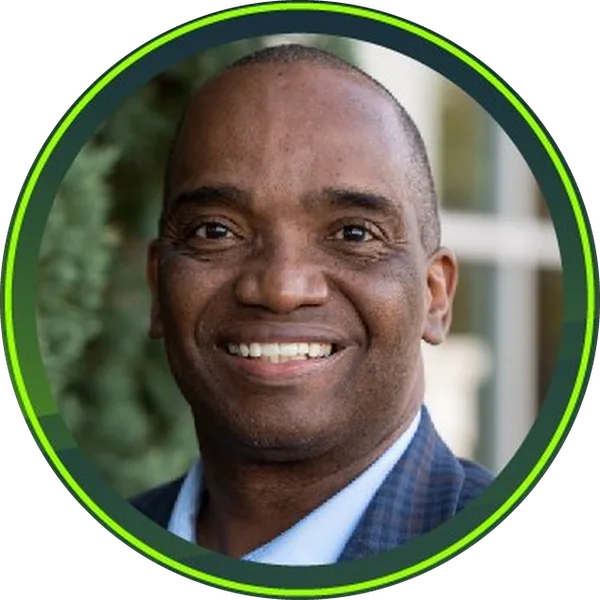
Albert Betts
Albert Betts from the Insurance Council of Texas shares his expertise and insights on leading texas insurers through challenge and change. Learn tips and tricks on how to navigate the insurance industry in Texas and ensure your organization stays resilient in changing times.
The full episode
Press play for the whole conversation.

Organizational Resilience
The world of insurance is a complex one, and when it comes to steering through the dynamic terrain of the Texas insurance industry, having an experienced guide is essential. In our latest podcast episode, titled "Leading Texas Insurers Through Challenge & Change," we had the privilege of hosting Albert Betts, the Executive Director of the Insurance Council of Texas. With his wealth of experience and profound insights, this episode is a must-listen for individuals in the insurance sector, whether they operate within Texas or beyond its borders.
Exploring the Episode
In our engaging discussion with Albert Betts, we explored various facets of the Texas insurance industry and the art of leadership during times of transformation:
Tune in to gain insights about the Insurance Industry
"Leading Texas Insurers Through Challenge & Change" offers a rare opportunity to gain insights from a genuine industry insider. Albert Betts' remarkable career journey, coupled with his current role as the Executive Director of the Insurance Council of Texas, establishes him as a respected authority in the Texas insurance community.
Whether you're a seasoned insurance professional operating within the state of Texas, eager to expand your knowledge of the Texan insurance landscape, or simply intrigued by effective leadership within a challenging industry, this episode presents a wealth of valuable information.
The Role of Technology in Insurance
The conversation also highlighted the pivotal role of technology in transforming the insurance industry. In today's digital age, insurance companies are adapting to meet evolving customer expectations. Policyholders now demand streamlined and convenient experiences, and technology is the driving force behind these changes.
One of the most notable shifts has been the integration of technology into the claims process. Mobile apps and online platforms have made it easier for policyholders to report and document claims, significantly speeding up the process. This tech-driven efficiency is especially critical during large-scale events like natural disasters when quick response is essential.
Moreover, the use of data analytics and artificial intelligence (AI) has revolutionized risk assessment and underwriting. Insurers are harnessing the power of data to more accurately price policies, assess risk, and tailor coverage to individual needs. This data-driven approach not only benefits insurers but also allows policyholders to access more personalized and cost-effective coverage.
The Evolving Regulatory Landscape
While technology has brought numerous advancements to the insurance industry, it has also presented regulatory challenges. Regulators must strike a delicate balance between promoting innovation and ensuring consumer protection. As the industry continues to evolve, regulators in Texas and beyond are tasked with adapting to these changes while safeguarding the interests of policyholders.
One approach gaining traction in the regulatory sphere is the concept of a "regulatory sandbox." This innovative framework allows insurance companies to test new products and technologies in a controlled environment with relaxed regulatory requirements. The goal is to encourage experimentation and foster the development of innovative solutions without exposing consumers to undue risks.
Looking Ahead
The future of insurance in Texas and beyond is undeniably intertwined with technology. As AI, big data, and automation continue to shape the industry, insurers, regulators, and consumers must adapt to this new reality. Texas, with its history of pioneering regulatory approaches, is poised to play a significant role in shaping the future of insurance.
The ever-changing landscape of insurance and technology presents both opportunities and challenges. Texas's unique regulatory approach and willingness to embrace innovation make it a captivating focal point for the insurance industry's evolution. As we look ahead, it's clear that technology will continue to be a driving force in insurance, transforming the way policies are underwritten, claims are processed, and risk is assessed. The partnership between innovation and regulation will determine how successfully the industry navigates this dynamic landscape.
Tune in to gain a deeper understanding of the Texas insurance industry and to derive invaluable leadership lessons from the experiences of Albert Betts. ️ #TexasInsurance #InsuranceLeadership #ChangeManagement
The full transcript
Transcribed automatically from the episode audio, so some names and terms may be misheard.
James BenhamOn this episode of the InsurTech Geek podcast, talking about leading Texas insurers through challenge and change with Albert Betts from the Insurance Council of Texas. The InsurTech Geek podcast is all about technology that's transforming and disrupting the insurance world. We'll be interviewing guests and doing deep dives into specific tech we see changing the industry. We're taking you on a journey through insurance tech, so enjoy the ride and geek out. And we're back with another great episode of the Insurtech Geek podcast. I'm your host, James Benham from beautiful College Station, Texas joining us from another beautiful city, one of my favorite in the state of Texas, actually, because it's got a beautiful river running right through it from San Marcos, Texas.
Albert bets. Albert, how are doing? I'm good, James. How are you doing? It's a good day. You know, it's, like you and I are talking to the preshow, it's gonna be under a 100 next week, which we're just relieved about for some reason. We're celebrating,
Albert Bettslike I said, celebrating 95 and,
James Benhamthinking it's actually, what, winter like weather here almost. I know. Right? Like, a sweater on. It's gonna be cool. It was my my my youngest daughter is a cheerleader, and she I went to the game yesterday because she's middle school. And and it was 107 degrees, You know, the car the car temperature at the field when we pulled up Right. Was one zero seven. And I was like, my poor baby's gonna melt.
Albert BettsYeah. We're looking at a balmy 108 here today. So Oh, good lord. I I sympathize with her. I sympathize with you because I'm gonna hope you sat out there and I did. I did. Okay. It
James Benhamwas it was something the father of two two daughter cheerleaders, you know. So it's Good luck to you, man. Yeah. I've I've I've sat at a lot of games and a lot of heat in this state. But we're we're gonna talk about Texas and we're gonna because this is like that's actually one of my and you don't you don't know this, but, like, Texas is one of my favorite topics I got here. For the uninitiated listener out there. I am from Baton Rouge, Louisiana, born and raised there.
But I left when I was eight, turned 18, graduated high school, came to Texas a and m, and never never went back, Never looked back. Texas has been my home now for twenty six years, and I I love it. I'm still in College Station, travel around the state, travel around the country a lot. Let's, that's, that's a little bit about me, but let's, let's talk about you, Albert. Where were you born and raised? Actually born and raised in Dallas. So native
Albert BettsTexan lived here all my life. Came down to the university of Texas, at Austin to go to college and never left. Stayed here and got my law degree after my undergrad degree. And, like part of the problem here in Austin now, or the Austin area, I stayed along with a few other a 100,000 people, after they came down here. And so now we're extremely crowded, but I've, I've been in Austin, the Austin area forty one years now. Believe it or not, it has flown by.
James BenhamAwesome.
Albert BettsThat's awesome. Lived here, got married, have kids, and this has been home, for a while. But yeah, born and raised in Texas. So, this is my native state.
James BenhamYeah. It's a, I got here as fast as I could and stayed. And it's been a, been a, been a great place. And certainly we have a huge insurance industry in Texas, massive, you know, people talk about, they talk a lot about Connecticut, they talk a lot about, you know, the Hartford area, talk about New York City, talk a lot about London. Texas is the the world's if it were its own country, it's roughly the eighth largest economy on the planet. Right. Actually,
Albert Bettswe are the seventh largest, insurance market in the world. Yeah. Just Texas. Yeah. Just Texas by itself. So that's that's how big it is here. Couple thousand companies riding insurance here in Texas. We are the sixth largest contributor of of taxes, through premium taxes that the, insurance industry pays here. So very big, very important part of the, infrastructure of the Texas economy. As I often tell people, you couldn't drive your car, couldn't keep your home or have a business without insurance. That's that's just the honest truth.
Unless you wanna go bear and take your chances. Yeah. But I don't I don't suggest that in a state where we have pretty much every natural disaster, except, volcanoes, I believe, is the only one we're missing because we actually do have earthquakes We do. Out in West Texas occasionally. So it's it's not unusual to find us leading, you know, tornadoes, hailstorms, floods, biggest, largest, freeze, ever a couple years ago of all the things that happened here in Texas. So big market, important market, and a key driver of the, of the Texas economy.
James BenhamThat's yeah. That's so true. Well, let's let's chat about about you and and kind of your career for a second before we jump into the Insurance Council of Texas and talk about, you know, our beloved industry here. You you were born and raised in Dallas and you went to UT for undergrad and for law school. And you had a varied career, you actually worked for the Texas Attorney General's Office, then you worked for the Texas Work Comp Commission, then the State Office of Risk Management and the Office of Attorney General, then you had the Texas Department of Insurance for quite some time, ninety eight to eight, looks like it was at least a decade there.
And then you actually went into private practice and almost ten years ago, nine years ago, you went to insurance council of Texas. So you did your stint in the state government and certainly ran the gamut there. I'm currently a governor's appointee, I'm on the Texas Southern University Board of Regents. And so I serve the state and I serve the incredible students of Texas Southern at the very first HBCU law school in Texas, the Thurgood Marshall School of Law, which was what the school was created for.
Well, congratulations,
Albert BettsJames. I did not know that. Good to you. Good good service. Good way to give back. It is. And it's a lot of fun. I go to 3rd Ward,
James Benhamevery other week pretty much. Yeah. And hang out with all my tigers down there.
Albert BettsHey, let me clarify. You mentioned I worked at the AG just so we're all clear. This was a long time ago. Not right now. 1991
James Benhamto '19 Yeah. '90
Albert Bettsgiven what's going on with the AG right now, just make it clear. Well, yeah, it's thirty years
James Benhamago, he worked at the AG's office. Thank you. Let's provide some clarity. Yeah,
Albert BettsI will not be testifying this week.
James BenhamAnd my listeners are really not going to be familiar with the fact that our current attorney general is in a lot of trouble. And so we're not talking about that at all, but it just helps color your background, you know, that 've really had a great diverse career in law and then in insurance and state service and then in private practice and then on to nonprofit service. And by the way, if you ever want to come to Thurgood Marshall School of Law and hang out with my students and talk to them, I'd love to have you down there.
Would love to We'll be happy to. It's it's, as you run through that, my background thirty, thirty plus years,
Albert Bettsit also reminds me, and I've often said this, it's just, it looks like I can't keep a job. Because I've changed so many times, but no, it's been a, to paraphrase, it's been a long and winding road,
James Benhamover the last thirty plus years or so. Well, let's, let's just talk about like, what were your big takeaways? And and you are and I'm I'm actually most interested. You know, you worked for TDI for for Texas Department of Insurance Right. For for about a decade, including as chief of staff, you know, commissioner on the commissioner's office division at work comp. I mean, you're busy, in the state level. Like what was your big takeaway from working at, Texas Department of Insurance? That
Albert Bettswas probably the first time I really had a good sense of how big the Texas insurance market was and how intricate, it was. Because having done what I'd done before, I just saw insurance from a, legal background. So I was prosecuting fraud cases or representing, my agency against the regulator often. And having gone over to TDI was a good opportunity just to see of all how varied, their work is and their responsibilities are, and what a huge market is. And some of the really tough decisions, they have to make, the department has to make about, how to regulate, how to interact with regulators.
Some of the discussions that went on when I was there or that I was a part of, you know, directly impacted, the Texas market and how policyholders got coverage or how companies handle rates. So really, I think for me more so just learning the importance of what the department of insurance does, to make sure Texas has a healthy
James Benhamand, vibrant insurance market. Yeah. We've got some stark examples out there at state levels of states that have challenging regulatory environments on insurance and it's led to a very, very challenging market for the consumer. And I'll speak specifically about Florida where rates have skyrocketed and you can blame hurricanes and natural disasters all you want. The reality is the assignment of benefit with the roofers and the lawyers and the full roof replacement cost on roof replacement and combine that with Morgan and Morgan law firm out there.
And the fact that even after Florida fought, you know, changed all their laws that really mimic Texas's insurance laws around this, Morgan and Morgan filed thousands of lawsuits the last day they were allowed to. Right. You know, so they, you know, you look at all these carriers getting taken down and and a lot of it's from roofing claims. The regulatory infrastructure in a state dramatically impacts the citizens in a in a huge way.
Albert BettsYeah. Yeah. You're exactly right. It's, well, getting to the intricacies of Florida, you know, that's that's where you see, I'll use the word failure, just a failure of a system, an abuse of a system, by the legal system out there. Plus you add in the hurricanes and the huge losses and, the assignment of benefits issues, which we don't have here in Texas, the fraud, that occurs, in Florida. So you see what happens when a market is not, either not well regulated or the political forces that are driving, how PNC is handled out there puts in place bad or poor ideas that end up harming the marketplace.
So I I Florida is often my example of what we don't wanna become.
James BenhamYep. Me too.
Albert BettsThat's not you know, we have a coast like Florida. We have a coastline. We get hit hit with hurricanes, but, it's a perfect example of here's what you don't do. And, and we often use it in discussions about, you know, what can we do to Texas market? It's don't do what Florida did, or don't do what California has done in response to issues out there. So, I think the value of having a good solid, you know, and people will disagree with the insurance commissioner and his or her decisions over time, but having good solid decision making and having, having been there and being chief of staff and being part of those discussions, I think it was it was well worth the the experience of seeing it from a different side, James.
Real quick story because I had when I was the, attorney for state risk management, there was a position that I advocated for, with the regulator. And I was told no. And I thought, oh, came back and I probably told my board and whoever else, what a, what a bad decision. This is not good for us, blah, blah, blah. But then when I became the regulator, my predecessor or two predecessors after me in that same role, guess what? They came in and made the exact same argument, about the issue.
And they told me, they said, we know you made this argument because we can see we found your memo, on it, and we believe what you believed, that, this change needs to happen. And I just laughed at him and said, you know what? That was a great argument. Guess what? Not doing it. Because in my role as a regulator, I don't think it's a good idea, but I'm glad.
James BenhamGuess what? I've got a new hat on.
Albert BettsThat is exactly a long way to get there. Once my hat changed, I was like, yeah, that's great argument not doing it. And their response was sort of like, well, wait a minute. You said, I said, yeah, know. I was in that hat. I was wearing I was I was serving in a different capacity. That's right. Yeah.
James BenhamWell, let let this is a insurance technology show, and I love talking about insurance, but I really love talking about insurance technology. Right. What do you think what do you think the role that technology has played in insurance? Tell me about your observations as a regulator and as a representative of the insurance industry and the role that tech's playing in insurance. Like everything else now,
Albert BettsI think it's really driving where the insurance industry is headed. You know, the industry, as you're well aware, has had this image of being this staid and stodgy, oh boy network that we don't change. We write our policy and we we do this and this is how we do it. But But I think the industry over the last few years has has come quickly realized they have to adapt and change. Customers have different expectations about how they're gonna interact with an insurance company, about how their service occurs.
I think the industry has figured out. And my example is go back to, go back to Uber and Lyft, go back to the transportation network companies. And if you may recall, at least I know when that issue came up and basic issue, it was you had a person in their personal vehicle under their personal, policy, but they were engaged in a commercial activity and your personal policy didn't allow for that. So a lot of work, I think initially a lot of, oh my god, what are we gonna do with this?
But the thing I saw was the industry working with the the TNCs, Uber and Lyft and others quickly figured out, oh, there's an opportunity here. There's an opportunity to provide a product, a policy that can serve a growing market. And so let's figure out how to make it work, and they did. And I think you you find the industry much more willing now as, you know, customer expectation changes, new products come in the market that they are quickly adapting, and finally made ways to make that work.
I'll I'll point you to even think about during the ice storm here back in 2021. Also remind you, we are in the middle of COVID still. So people were somewhat locked down, couldn't get out of your house. You're stuck. You had over half a million claims come in from that ice storm, Texas statewide. And companies had employees working remote because of COVID. And probably ten years ago, that would have been a disaster in terms of claims handling and and, outreach to consumers, but the industry had changed.
And so you had apps to file your claim. You could work remotely and handle, interact with customers. So I think I think the industry has just figured out, to be nimble, to be quick. The industry has invested in InsurTech, very heavily. I've I've heard seen some numbers that there may be over $3,000,000,000 invested by the insurance industry in the, Insurtech. So they're they're trying to nurture new ideas and new approaches. So it, this ain't, you know, I'm borrowing a very old phrase from a very old car company, but this ain't your father's insurance industry.
This is this is different. And I think, that should be you deal with TSU in the law school, TSU, but I think it should be even more attractive as we're trying to find new people to come into the industry because younger workers, you know, they grew up with with smartphones and and iPads, and so they are used to technology. So I think this industry has done a great job of of catching up and I think is probably, in some cases, leading the effort to, to help change technology for insurance.
James BenhamYeah. In some cases, really is, especially in making it easier for consumers to buy insurance. One of the most painful things about buying insurance historically was all the friction involved in filling all the data on your application. And you know, there's a ton of big data, public data sources that people are tapping into now on property records and vehicle records and you know, weather around property and the building structures and three d models of those structures that are formed from satellite images that are helping dramatically streamline the application underwriting process to make it easier to get insurance.
Albert BettsYeah. It's I never as I'm gonna use my own personal experience, I haven't talked to anybody to buy insurance in the last, I don't know how many years, because everything is is is is on an app or it's online. And I think that innovation, I had a claim a couple years ago because someone ran into my vehicle. We did everything through the app, took pictures, sent in the, damage. Wow. And that's allowing, that's making the claims process quicker. And I know in some instances, they may have to come out and look at your vehicle or your house because of the nature of the damage.
But even having that available to consumers who don't have time, and who are trying to get things done quickly, think has been great for the industry.
James BenhamThat's outstanding. Yeah, and I'm also excited about the potential to respond to changing needs with new insurance products using technology to really help facilitate the rollout of those products. You I mean, you you cited ride sharing or TNC, you know, and I I would also cite short term rentals because that really threw the the property insurance market for a loop because it's not it doesn't behave like a long term rental and doesn't behave like a single family occupied house. It's very different risk. And I own a couple of Airbnb's, so I've seen how the nature of the operations of renting a house at short term is very different than long term and different risk profile.
And so there's a whole new suite of products now that are certainly tied to that. And now, of course, we're starting to see some exciting insurance products tied to just utilization based insurance, where you're not having to pay all year, you pay while while the vehicle is being rented or by while the house is being rented instead of having to cover it all the time. So there's some very interesting new products that have been really facilitated by the fact that you can, you know, plug into an OBD two port in a car or you can have an app connected to the car or you can, you know, like I I'm a I'm a I'm a pilot, I'm also a drone pilot.
And so, know, when I fly my drones, I buy insurance by the by the hour through Verifly. So I don't actually buy annual insurance on my drones. I just buy insurance for the location and time I'm actually flying. And it's far cheaper than a than a standard, you know, drone policy. So it's been really good to see a lot of that that that innovation. Now you currently represent, let's talk about Insurance Council of Texas for a second, because I want you to plug why do you all exist and what, what do you do for the state of Texas and for the insurance industry?
That's a good question. Think about
Albert Bettsinsurance company. We have about 400 member companies. Insurance companies, they do their, their work with the Department of Insurance and otherwise. But what we serve as is more of a collective voice, for the insurance industry. So we can, for example, with certain issues deal with the regulator on behalf of the industry as a whole. We can, educate legislators on issues, for the industry as a whole. And then, part of what we do also after severe events like the winter storm or hurricanes or whatever, you know, we're a good resource for the media, to help educate, the media and the public on things like you had this claim, how do you how does the claim price work generally, how to avoid fraud, here's what your coverage is or isn't.
Think about after a flood event, huge flood event. Let's go Harvey. We were trying to help educate people that you've gotta have comprehensive coverage, auto coverage, in a flood and amazed how many people don't understand things like that. So we we serve as a collective force, for the companies in this state. We help educate them on what's going on. We provide educational events for our own members, to keep them abreast of insurance trends and changes. So it's it's been it's beneficial to our members. There are various state trades around the country.
We are the largest, in the nation in terms of membership number, and we represent, James, about 86% of the property and casualty market, in the state when you measure by premium volume. So, we're the biggest and one of the biggest states, and I think we do a great job of of representing our members' interest, keeping them informed, and helping with, make sure they understand what's going on in Texas. Huge state, and very important state to many of our member companies.
James BenhamAbsolutely. And and certainly, you're there advocating for the industry, make sure that insurance companies have appropriate regulatory frameworks in place that allow them to stay in business stability and insurance companies is extremely important for the policyholders.
Albert BettsRight? Right, yeah. It's important that, I talked earlier. As a regulator, I take one view. As the, advocate for, the insurer may have a different view. And so oftentimes, you know, we're we're talking with the regulator about here's what our members are concerned about or the, regulators taking a particular position that is problematic for our members or the regulators adopting a new set of administrative, rules that we have to go in and talk about, well, for our members, this works or doesn't work. So it's a good way for us to, you know, keep their interest at the forefront.
It's a good way for companies to use us as a single source, instead of having teams of people to come in and do some of the, advocacy and representation work. So very important to our members. We are a long standing organization, but, it's it's a good industry. And I'm gonna jump ahead and tell you, I got into this this role, because you mentioned, you know, I've been a regulator, a lawyer, a manager. I actually ran HR, which people are shocked to hear,
James Benhamsome point, but That's your softer, cuddlier side.
Albert BettsI had to get softer and cuddlier. Let's just say, put it this way, at some point, when I got into HR because, we were looking for someone who understood risk and risk analysis and legal issues with with HR. But at some point after maybe our first couple of meetings with a manager or someone, my assistant director said, Albert, you're gonna have to tone it down a little bit. A little bit softer and gentler because I I tend to approach things very analytically and very direct. But, it it it has been interesting to get off into this.
And and I looked at the insurance counsel who, by the way, was my client. I was a partner at Thompson Co, Cousins and Irons, law firm. And so seeing what the trade association did, I was their general counsel, so I was in board meetings and discussions, and I gave legal advice on the issues. It seemed to be something that would be interesting to do and pretty good pretty great responsibility, just representing the industry as a whole.
James BenhamLet's talk about an area of your expertise, work comp. This is an area that I've spent the last fifteen years diving deep on building a software for. Okay. You know, here at JBKnowledge, we've got just under 300 employees that build software for insurance carriers, TPAs, PBMs. Most of our stuff is WorkComp. And I, I got introduced to work comp after spending a few years dealing with personal lines property. We still do personal lines property work, but, but comps majority of our business. Texas is kind of unique in comp.
So can you, can you explain
Albert Bettshow Texas is unique in work comp? Yeah. Texas, kind of unique is an understatement. We are we are, the only state that is truly a non mandatory workers' compensation state. And what that means is as an employer in Texas, you're not mandated to have comp. You have a choice. You can either have a workers' comp policy or you can provide some other sort of, protection, disability or wage, continuation protection, or you can simply choose to go bare and have nothing and take your chances, in the court system after an injury.
We're the only state like that out of all all 50 states. And so it it has I when I go around and talk about it, cop comes up outside it as it works for us. The majority of companies are in, have a insurance policy. I think about 80 plus 85 plus percent of employers have a policy. But it it is unique. It it presents itself with employers making decisions about, as you know, can't understand comp. Worker gets injured. There's a set of benefits that come with it.
If you don't have comp coverage, there's likely a lawsuit that will come with it. And so it it makes us a little little different. It is a heavily, I'm trying to think of the right way to describe it, an administratively driven system, meaning your benefits, if you're injured, your medical care if you're injured, is all pretty much laid out in statute and follows a set of statutory requirements where you get this many benefits at this level for this timeframe. That's not always the case in other states.
So Texas operates sort of, I don't wanna say as a lone wolf, but as unique. And we've had a couple of states Oklahoma, tried to adopt something like Texas a few years ago. And I believe Tennessee, has explored adopting a similar system. And in other states, it often runs into pretty significant opposition as you would imagine from labor, and and the legal community, because Texas's system does not rely upon, significant attorney involvement in it. In fact, attorney involvement is very little in workers' compensation in most claims.
James BenhamOh, no. Know.
Albert BettsThe the lawyers lawyers can't extract their 800 pounds of flesh from the process. Yeah. It's sad. I feel I feel bad for my brother and I do sympathize, but, but Texas does not not promote, or encourage lee lawyer participation in comp until it gets to a certain level. Sure. Yeah. Absolutely. But otherwise, it's generally handled. It's worked well. You're familiar with comp, and and, I came as in com as commissioner back at o five because we did a reform because our system was so bad at that point.
And employers were threatening to leave it. Doctors were threatening to move out of the system. Injured workers were unhappy. Carriers were unhappy. So I got appointed and charged with implement the, reforms in o five. And I'll tell you what, I mean, there's been subsequent commissioners since me, obviously, but the system now today is generally viewed as a model across the country because it works. Good return to work rates.
James BenhamComp rates are low or down. They're low. They are, they are, they are low. I mean, look, in the money By the way, I didn't put together that you were the work comp commissioner that implemented a lot of the reforms. So that's really cool. But I mean, the rates speak for themselves, right? Right, right. And employers are
Albert Bettsin the system happy. Doctors are back in the system and are happy because we, when I go into a lot of detail, one thing I did was, we did was help implement new, reimbursement rates for doctors, hospitals, and ASCs, ambulatory surgical centers. And those worked. And so the system now works pretty well, not perfect.
James BenhamYou know, there's things obviously that are tweaked every now and then, but it works well. Do you think, kind of last question here. Do you think regulators struggle sometimes to keep up with the pace of change in technology and how it's, how quick it moves? And you think, do you think, or have they gotten better at being a little more agile and nimble and responding
Albert Bettsto a changing technology landscape? I think they've gotten better. As technology is, in my lifetime, I've watched it change faster and faster each year. And so I think regulators are well aware of it. You know, there's, you've heard maybe heard the term regulatory sandbox. You know, how do we create a regulatory sandbox that companies can try, new innovations, new products, new ideas without some of the regulatory hurdles that may exist in in statute because the laws are passed. They they're written when we may be thinking about a particular line of business or policy in a certain way.
But I think now listening to the legislature, listening to to the regulator, TDI, they get it. They understand, hey. We've we've gotta be nimble. And as products enter the market, let's take a close look at it. And if we need a a statutory change, let's get that before the legislature so that we're not they're not impeding, innovation, new products, companies from offering things like water detection, systems, that technology, which helps mitigate against its water losses, water damage.
James BenhamAnd so I I think they're better. Oh, it helps it helps mitigate, like, 85% of water losses. That's right. Yeah. It's a huge It's a huge
Albert Bettschange. A huge shift. So I think they're getting better and and are much more aware of it. I can't say that across every state in the nation, but I I think it's it's something that's on the radar for companies, you know, AI with the increased use of of of AI and the data, that companies are now have access to that you referenced earlier. I think regulators have to be aware and have to kind of you can't sit there and think about insurance regulation like we did in in 2000 or even probably 2010, because everything is just shifting so quickly.
James BenhamOkay. Part b of my final question. Okay. Because it just came up when you mentioned AI and I have a self driving car. Who do you think is responsible when a car is in self driving mode and it gets into an accident?
Albert BettsThat's a good question, James. The lawyer in me says it will depend probably on what jurisdiction you're in. And if there are any laws related to that, I know there's a obviously, the question here is that car is doing its thing. You're still the driver. I think generally the view is no matter what that car is programmed to do, self drive, whatever, you as the driver still bear some responsibility, and and then when that car is in motion. Now that said, when I'm suing you as a lawyer, I'm looking for the deep pockets.
Yeah. The deep pockets may be, probably are gonna be with I'm gonna name Tesla, whichever, builder. That's where the money is. I I can recover on the driver's policy. So I I think those that litigation is driven by where is the where's the money, to recover from.
James BenhamYep. That's a interesting case. I've had I I have a Cadillac, so it's GM. And, a couple of times, it almost steered me into a car. Well You know? You know? Because it got you know, the lane lines went away, and then it it couldn't detect lane lines, and it it had a challenge, and and I had to take over and and stabilize the vehicle. Of course, you know, what GM did that I thought was annoying at first, I think legally is brilliant as they put a camera facing your face and and as soon as you look away, they start to slow the car down and disable it.
So, you know, you've got to keep your eyes on the road, Whereas in a in a Tesla, there just has to be weight on the steering wheel. I think the g GM approach is probably the wiser approach because it makes sure that you're awake Right. And that you're look that you're looking out the front front windshield. And, because they they want you to to ultimately be responsible for the for the safety of the vehicle. Right. Yeah. It's it's
Albert Bettsit'll be interesting to see where that goes. I know you you heard the predictions a few years ago with the self driving vehicle, although there was very few that were, quote, self driving. But the prediction was, oh, there'll be fewer auto claims, rates should go down, blah blah blah. And then the exact opposite happened because not everybody's driving a self driving vehicle. And the people next to you may do something dumb in their vehicle. And so you got the same problem. So, yeah, I think, you know, it's it's it's we all thought the the world of the Jetsons.
If you remember that old cartoon, the flying cars, blah blah blah. All the time. Yeah. We're not there. We thought that was coming and it's not quite there and probably won't be here for a while. No. And all the predictions were
James Benhamreally off on timing, including the CEO of GM who said they'd have a, you know, largely self driving fleet by '28 2018, 2019 A few years ago. And 2021 and then 2022, and Super Cruise is still okay, not great. Yeah. Their efforts in Austin though with Cruise, not Super Cruise, but Cruise is truly impressive. You know, those are truly autonomous vehicles. So I'm I'm gonna be interested to see how the insurance landscape responds to driverless vehicles, and that's that's, you know, just a topic for another day.
Yeah. Well, look. We we are we are out of time, but I really enjoyed meeting you, and I really enjoyed our conversation. And, can we just say it? Texas forever?
Albert BettsTexas forever. I thought you're about to say Texas fight, I figured you wouldn't say that. I know. You're
James Benhamnot getting that out of me. So Texas forever, it's a this is what a great state we live in. What a great state to do business in. What a great state to be an insurance in. And I just wanna encourage anybody that's one of my listeners, go to insurancecouncil.org, insurancecouncil.org, And, check out their website. You've got a work comp conference coming up April 24 year that, I will probably be
Albert Bettssliding into. Great. Great. And I think we're gonna talk a little AI Yeah. Workers' comp at that conference. So, yeah, we're happy to see you Yeah.
James BenhamThat's it it's gonna be they're in Austin, which will be, will be really fun. So, exciting. But, again, thank you for being on the show. Appreciate it. Good discussion. And, thank you to our listeners for tuning in today to geek out with our interview with Albert Betz from the Insurance Council of Texas. We'll see you in the next episode. The InsurTech Geek podcast is all about technology that's transforming and disrupting the insurance world. I've been your host, James Benham. That's James Benham dot com with cohost Rob Galbraith at endofinsurance.com.
We're taking you on a journey through insurance tech, so enjoy the ride and geek out.