 YouTube
 Spotify
 Amazon
 iHeart
 Apple
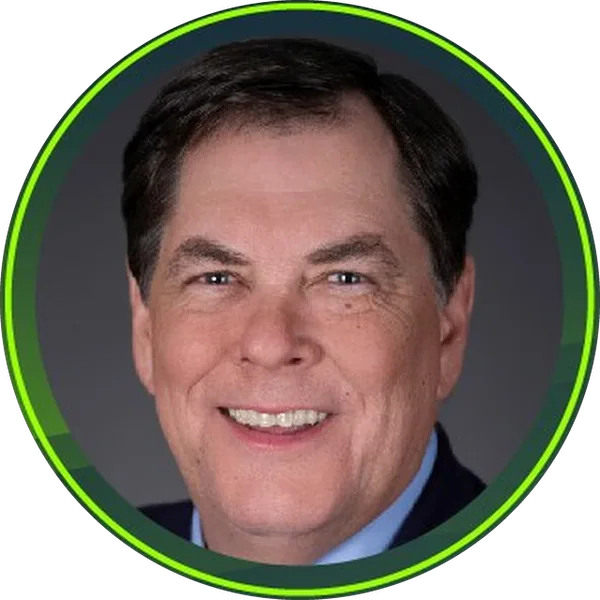
Scott Kipper
Scott Kipper from the Nevada Division of Insurance shares his expertise and insights on protecting consumers and regulating a twenty-two billion dollar industry. Learn tips and tricks on ensuring the future of consumer protection through driving innovation and fostering collaboration.
The full episode
Press play for the whole conversation.

Regulation for Consumer Protection
In this week's episode of the InsurTech Geek Podcast: Scott Kipper Insurance Commissioner of the Nevada Division of Insurance discusses with James and Rob Galbraith the Impact of insurtech in regulations and at the same time, how regulations can be impacted by technology.
The conversation starts covering how Scott got into insurance and how he ended up in his current position. Kipper emphasizes the challenge of keeping up with technology in the commissioner's office.
The top priority or mission, he states, is twofold: that Nevada's consumers are protected and to protect companies' solvency. That's where he says technology plays a big part in assessing potential risks. "There are new vehicles for investment in technology" he notes.
Both hosts and Scott established that in the InsureTech Connect, there was a Lack of traditional carriers which in turn made them all refer to the role of tech to further the use and sale of insurance.
After being asked about his Panel Empowering the Future, Scott Kipper cited two pillars as a baseline to do his work:
When asked about the current state of regulation and the role of technology in its future Scott answered that in the regulatory space: "We are confronted with 21st century challenges as far as insurance is concerned. Our regulatory framework is based on 20th century thinking so for us to really do our consumers what they deserve, we need 21st century thinking and 21st century technology".
The full transcript
Transcribed automatically from the episode audio, so some names and terms may be misheard.
James BenhamOn this episode of the InsurTech Geek podcast, talking about protecting consumers and regulating a $22,000,000,000 industry with Scott Kipper, insurance commissioner of the Nevada division of insurance. The InsurTech Geek Podcast powered by JBKnowledge is all about technology that's transforming and disrupting the insurance world. We'll be interviewing guests and doing deep dives into specific tech we see changing the industry. We're taking you on a journey through insurance tech, so enjoy the ride and geek out. This episode is sponsored by Terra, your strategic ally in modernizing insurance claims operations.
Explore our cloud native risk management information system at terra.insure. That's terra.insure. How's it going, Scott? Glad to have you. Welcome on to the InsurTech Geek podcast. Hey. It's a pleasure to be here. Thank you so much for having us. Yes. And, along with Scott, I've got my illustrious cohost, the most interesting man in insurance, Rob Galbraith. Rob, how's going down in San Antonio? It's going. It's going. I
Rob Galbraithalways forget how busy this time of year. We're recording this right before the holidays, and so just, you know, shopping up for gifts, obviously, and everything. But there's also a lot of use of things like dental benefits and whatnot. So, yeah, it's a busy time just trying to cram in everything
James Benhamright here at your end time. Sure is. Yeah. Same here. It's presents for kids and end of your Christmas parties and all that stuff. It's a lot to to handle. But we have a very special guest, and I'm really excited that he's on because we've never had an insurance commissioner on the show before. And I'm super excited to talk about this. This is a regulated industry, and so it helps to have the regulators on and talk about about real issues. And of course, we're gonna talk about the impact of technology on regulation and keeping up with regulations, how regulations can keep up with technology.
It's a complicated interconnectedness between technologists and regulators. And so that's why we've got the insurance commissioner of the state of Nevada. I I I just wanna make sure I state correctly for for the locals that are listening to this in Nevada that, I I recognize I might have said Nevada. It's Nevada. Well, James,
Scott Kipperyou're you're not gonna be the first, certainly, and you probably won't be the last. So certainly,
James Benhamtotally acceptable. Awesome, man. I'm glad to have Scott on here. Now you're in you're in Carson City, Nevada. Correct? That is correct. So, you know, he's got a fantastic view out his window. It's a beautiful, beautiful, beautiful part of the country. I've had the privilege of going up there a couple times and really enjoyed, my visit and see why you have so many people moving over there. It's, it's really quite a special place and, you know, quite different. I mean, you know, Nevada in general is really interesting.
Just a dynamic landscape, a lot of, you know, mountains and deserts and salt flats, and it's just a really interesting place. And from Vegas all the way up to Reno, it's a it's it's a really,
Scott Kipperwild and interesting state, isn't it? Oh, it it to me, it's fascinating and it's it's completely beautiful. I I'm a westerner by heart. I I grew up in, Wyoming, and, I lived in Washington, Oregon, Nevada. And and the the desert is absolutely beautiful if you see it in the right light. But in Nevada is a very special and unique place. You mentioned the the, metropolitan area of Las Vegas, which is a spectacular modern American city, and then drive up to Reno through, seven and a half or eight hours of a desert, ghost towns, a lot of old mining technology from the past.
It's a it's a truly a beautiful, beautiful spot. Yeah. That's awesome.
James BenhamAnd, you know, you grew up in Wyoming. You went to University of Wyoming. You got a bachelor's in business. When you were growing up, what what did you wanna do? Oh, man. I you know, if I had my brothers,
Scott KipperI'd have been a professional baseball player. I just thought that would have been the life.
James BenhamYeah.
Scott KipperYeah. But then, you know, looked at the first curveball it was thrown at me, and I figured I'd better find a different way to make a living.
James BenhamWell, you and me both. You know? I just anything involving aim, I was really never any good at. So I I played soccer growing up and then baseball, and I I played catcher in baseball, could not hit for a lick. And I I played soccer and was great at defense. So I found out I'm just a defensive guy. If it involves inflicting pain on others and defending against an offense, I can do that. But I just I didn't have the skill on the offense there. I always wanted to be a good pitcher.
I I I worshiped Oral Hirschweiser back in the Dodgers Hirschizer days, and fancied myself as as being like him one day. Just definitely never had the talent to get there. Well, funny
Scott Kipperside story. Oral Hirschizer's married to a young lady that is actually went to high school with my sister in Laramie.
James BenhamOh my gosh. Wow. World. That is amazing. So I was just reviewing my baseball card collection with my 13 year old daughter. I have an entire section of his baseball cards. So we may have to talk later. I I may need to send some things over to get autographed. There you go. We we could we could certainly work something out there. We could see it. Right? So you you, graduated from UW from University of Wyoming, and you you became a health analyst at the National Association of Insurance Commissioners.
You spent some time there. So did you when you were in college, you just hear about opportunities in insurance? Because, you know, business schools, even now, almost none of them have insurance programs. Some some select ones do, but that's very rare. At the time, you know, '96 you know, before be '96, they they really didn't. So what was it that that turned you on to to insurance? Well, couple things.
Scott KipperI had some friends who were in the in the retail side of things, and they asked me one day if I would wanna make a little extra if I wanted a side hustle, a side gig, be a part time agent. So I thought, you know, what the heck? Why not? Knew a lot of people in town and got my insurance license and started out and attempted to make, you know, a little bit money on the side as a part time agent, which morphed into trying to do it full time and finally figured out that I was not a very good closer.
And rather than starve to death, one of my softball colleagues said, you might look at this job at the Department of Insurance in Cheyenne, which I started there as a rate and form analyst back a long a long, long time ago. And, that that's kind of where it got it it all got started.
James BenhamThat's great. And then you you've ended up in a array of positions. You you worked, in health insurance plan company, then you were deputy commissioner in my home state of Louisiana. We're gonna talk about that in just a second. And then you went on to Oregon, then your first stint in Nevada, 02/2010, then back to Louisiana, then back to Nevada. So you've had some an interesting array of jobs moving through both the private industry, heading up regulatory compliance and then working the division of insurance. I I'd like to just talk about your Louisiana years for a second because it is where I was born and raised, and you did say in the preshow that you really enjoyed living there.
I'm from Baton Rouge. You lived in Baton Rouge, and you got there right after a massive insurance event. You you were there two weeks after Katrina hit. What was it like to step into the the Louisiana the Louisiana Office of Health Insurance, I mean, right after this enormous event? It was,
Scott Kipperit was, as you might guess, a little overwhelming. I, was living in Austin at the time. And then and prior to the day that I started, it really never set foot in Baton Rouge. I'd been to New Orleans a couple times. And and seeing the enormity of the of the events and the number of people that, had crowded the highways and were living in Baton Rouge at the time was was was, certainly an eye opener. The the time I spent there was it was absolutely fantastic.
I I had never met the commissioner before. In later in the week after Katrina, the office called and said, if you want if you can, please come to, Atlanta. We're having a meeting there of all the insurance entities. So all of the carriers are coming to meet with commissioner, kind of, you know, formulate a plan. And I met him there. And, after making some small talk, he said, if you can find a place to live, you can have a job. And I ended up living for three months at a place called Bennett's Water Ski School in, rural Zachary, Louisiana.
I went to high school not too far from there. Oh, is that right? Yeah. It it was it was delightful. They called it a chateau. It's basically a one room cabin, and it just fit the bill. But we worked our fannies off. We you know, it was 7AM to, you know, seven, 8PM, six days a week for several months. I wasn't the deputy commissioner for health insurance. And so we spent a lot of time trying to, you know, stand up the health payment system back to the providers in in New Orleans, in the affected parishes.
So we really had a lot of challenges, but I I came away just loving everything about Southern Louisiana and Baton Rouge and New Orleans. And
James Benhamtruly, peace of my heart will always be in Louisiana. Yeah. You mine too. You gotta love the people more than anything. It's just Yes. I they'll just take the shirt off their back and give it to you, and it's it's really the way it is. You know, I've I've had more invitations to have dinner at people who I just met at their house, and they were serious. You know, they want you to come over. They wanna feed you. And, it's a it's a very it's a really neat place.
I'm glad you got to experience some some years there in in two different stents you had, had there. So let's just kinda fast forward to the day. You know, you you about the last eleven months roughly, you've been insurance commissioner for the state of Nevada Nevada. Sorry. And, you just came as your deputy commissioner in Washington. So what led to this latest dent, and, what are you excited about in in leading the insurance, commission in Nevada? Well, I it,
Scott Kipperbefore I went to, up to the state of Washington, I gotta spend a little time with, then, candidate Lombardo, when he was running for governor and gave him about forty five minutes to an hour background on insurance issues preparation for his campaign, and he, he remembered, that when in in time came to start filling some positions, the position here was open, and, they his team was kind enough to ask me to return. And it has been a a joy, you know, being gone for, almost eight years.
Things have changed quite a bit. But on the other hand, some things never changed at all. Much of the staff had turned over. Many of the issues remain the same. But one of the things that's been a real challenge I see for our office is keeping up with the speed of, technology and the technological changes in our industry. And that's that's, one of the things we've been sprinting, to make sure that we don't get behind what is going on in the industry. Yeah. There's a lot there's a lot moving.
James BenhamAnd you you're you're ending up with, you know, brand new insurance products, right, that that are maybe somewhat complicated to understand. Like, if you if you jump into, like, gig economy insurance and you're looking at insuring Uber drivers and Airbnb homeowners and, you know, the there's new ways of them fractionalizing assets they own and then sell and then selling the use of them. And, of course, that use has to get insured, and that can be a little complicated to understand if they're getting a fair deal.
As as the regulator, you know, you're I I I'm gonna guess your top priority is protect is protecting consumer rights and making sure that, the public's interest in dealings with the insurance industry are represented at. I'm guessing that's kind of the top priority for you. Absolutely. That's the mission here. It's it's basically twofold, and and that's
Scott Kipperclearly, first tenet is making sure that those consumers are Nevada's consumers are protected to the extent that our legislative and statutory framework provide for that. And then the second piece is, certainly company solvency. And that's where a lot of the technology, you know, come is come into play. There's new investment vehicles that carriers can use. There's, you know, new ways for us to review and observe and and evaluate the the the holdings that that companies have. And it's, you know, all these tools and the technology around that to use and get to that level is what's really important for us in in what is also becoming a bit of a challenge.
We will talk about the vehicles in there and and what's going on in the industry. I was, a little over a month ago, was at the InsurTech conference in Las Vegas and had some, downtime, and I was able to walk through the exhibit hall. And it it's obviously, if you've been there, it's it's enormous. And as I wandered through the hall, looking at all the different entities that had booths and what was transpiring, I found it interesting that I came across a single traditional insurer that had a booth.
One that if you get a piece of the rock, you would have found them in the exhibit hall. And everything else is brand new. These brand new entities trying to figure out ways to use technology. Maybe this might be a little broad, but use technology to further the use of insurance or the sale of insurance to all kinds of different entities. I found that completely fascinating that, one, the number of exhibitors, and two, the lack of traditional carriers that were
James Benhamengaged with this. Yeah. It's really a it's really a bold new world. And and Rob and I were both there at the conference and got to see the same thing. Right? And we've we've been there for a few years before that to see the evolution of InsurTech Connect and the just the sheer number of providers in the space, the sheer number of InsurTechs that, you know, are are starting as MGAs and evolving into carriers, but they're doing it in a very different way. And so we've definitely seen quite the evolution there.
Rob, what you got?
Rob GalbraithYeah, Scott, I would love for you to maybe summarize a little bit of your discussion and some of the other talking points from the panel at InsurTech Connect. I believe this is called Empowering the Future, State Insurance Commissioners Advancing Innovation and Collaboration. Also, just your thoughts, having served within departments of insurance and several different states, state based regulation of insurance, what do you see as perhaps some of the pros as it comes to fostering innovation as opposed to potential,
Scott Kipperyou know, other other vision? Well, you know, I'll tackle that second one first, if I can. And, you know, state based regulation is I think it's it it is the utmost in consumer protection. And, you know, there's been various inroads attempted over the last couple of decades to regulate insurance a little bit more at the federal level. We believe we're closer to our consumers. We understand the consumer issues in Nevada, more so than a federal regulator might within the confines of the Beltway. So we think it's very important for us being able to work with our state legislature, dealing with the issues that's handed to us by the McCarran Ferguson Act to make sure we regulate this at a state level.
You know, the issues here in Nevada with wildfires, challenges here up north, with the challenges of a lot of people driving in a very confined area in the Las Vegas Clark County Metropolitan Area are unique to our state and certainly different from those in South Dakota or Texas or North Carolina. And we think those things are best regulated by the experts on the ground and especially those where we are able to work closely with our state legislature in formulating, you know, solutions to our unique state problems.
So I I think, you know, it is I I couldn't be a bigger cheerleader for state based regulation. I think it's it's where we are as a as a nation, and I think it's where we're best served as a as a nation. Now as far as our panel at at InsurTech Connect, we had Doug Oman, is a commissioner for the state of Iowa, who I think is is one of the brightest insurance regulatory minds in the in the world. Doug served in a couple of states, been the commissioner for a long time there in Iowa, which is an insurance centric state.
They have a great big footprint. And then we were joined by the one of the deputies from, Bermuda. Bermuda, Bahamas. Maybe The Bahamas. And then a deputy commissioner Loeb from Pennsylvania. So we had a very wide ranging conversation about a number of issues. One of the takeaways that I had was, you know, something that we touched on a little bit ago about technology and the challenges that that are endemic to us as regulators. One of the things I think I I touched on is that, you know, we we are confronted with twenty first century challenges of on a lot of fronts as far as insurance is concerned.
Much of our regulatory framework is based on twentieth century thinking. So for us to really get our job done and and do our consumers what they deserve, we need to get some twenty first century thinking, and twenty first century technology, in align with the with our mission in in our in our processes here. What what does that look like?
James BenhamSo you have a you know, you have you have the insurance commission there. You've got a a staff at your disposal. You got a budget from the state. You've got a, you know, some difficult choices every year where you allocate resources as an insurance commission. And, certainly, you can engage in the rulemaking process and and drive a lot more data to be reported to you. You can you can beef up all your reporting requirements on first, short, and second reports of injury. You can I mean, there's a lot you can do as a regulator to centralize data in your state and to make good or you know, good decisions with it?
If you could wave let me just put it this way. And I know there's probably some things you can and can't discuss, but if you could wave a magic wand as the insurance commissioner and do something big in your office and in the state, and it can be with or without technology, what would that be? Like, what what what's what's something big that you would change if you could just do it immediately and snap your fingers? Well, if if if you know, Ohio, you know, being in the holiday season, high on our on our wish list
Scott Kipperis the a a a data scientist. We're getting better and better at collecting data. But, you know, if you have data and and are unable to read it or utilize it or spindle it or fold it or manipulate it, all you got is a bunch of numbers. We need to we need to have the the the staff and and a team available to be able to look at that and say, here's here's what we've got, and here's, here's what these numbers are telling us. And I'll give you a quick example of that.
We, you know, unfortunately or fortunately, live in the rain cloud of California. And with that comes the, threat of wildfires. Now in Nevada, knock on wood, we've been very fortunate not to have a singular catastrophic event, but we live close enough to California that our insureds are being challenged because of the threat and the propensity for a wildfire to spread through the Tahoe Basin and either that or or over the hill into Carson and and Reno. But what is that what can we do for our consumers?
And so we've been collecting data. We're trying to figure out how to work closely with our our admitted insurers to to find a way to make sure that we can still have insurance that's affordable, that provides a good benefit, but also protects the industry from the threat of a catastrophic challenging event like they do when hurricanes hit Florida and the the property casualty marketplace there gets significantly impacted because you have too many risks in a small pocket of population. All that kind of what I'm trying to say is, you know, it'd be nice to be able to have that information, that data, and then be able to interpret that to say, here's the challenges that we've got, and here's the best way to
James Benhamaddress it. Makes sense. And, you know, that's that's good to hear. You know, there's always there's always a a flip side and a challenge to data collection because, collecting and normalizing massive amounts of data can be a big challenge. There are no real alright. I I hate making bold, you know, sweeping statements like this, but, like, there's no real data standards in insurance. Right? Everybody has a different way they ask for data, different field formats, different field values, which makes it very challenging for carriers and TPAs and others to submit all the lost data that people like you need to make decisions.
Even though there's obviously, there are standard data formats by state of how you want certain things done. There's no national standard that's actually adhered to, and that's that that that can make those kind of data collection aggregation projects challenging. But certainly, I think it's where the if I were a regulator, it's where I'd spend my time is collecting more data, normalizing it, and then doing something with it. Right? Because you can you can more proactively
Scott Kipperget involved, I think. And that that's that that's a it's good to hear you say that. Yeah. We started collecting data, for example, on these on this wildfire issue here about a year ago before I, arrived. And, we have just, sending out our, follow-up. So we we've created a baseline. But I wanna know, you know, and take a look and see what this year's data will tell us. But I think there's probably some questions in there's some data there that we're not collecting that might be of value as well.
So that's the other thing a data scientist could assist us with to make sure that we're answering or getting answers to all the questions that
Rob Galbraithwe need to be asking. Yeah, Scott, it's kind of a follow-up to that. You know, I'm curious your perspective of, you know, obviously you manage $22,000,000,000 insurance market, you have, you know, many, many admitted carriers in the state of Nevada. So those are the folks that you interface with. Those are the folks that you're responsible for overseeing. But yet, you know, they do business with say catastrophe modeling firms, right? That are providing the wildfire model. And there may be several committed insurers all using the same model.
In the healthcare space, right? They could be all using the similar electronic medical record provider. You name it. There's new technologies that are coming in, the use of artificial intelligence and things like that, that can spin into products that are selling into the industry that they can use. So I'm just curious, how do you, learn about, how do you interface with some of these non insurance entities that have an impact on the insurance market? And do you have proactive conversations with say, technology startups? And then would that happen in your office in Nevada?
Or is that kind of under the auspices of say, NAIC?
Scott KipperWell, it's a that is a great question. And, I I there's there's multifaceted answers to that. The we just spent a week at the National Association of Insurance Commissioners, fall annual meeting in, Orlando and had the opportunity to sit down with a number of reinsurers, for example, which we ordinarily wouldn't have that opportunity to do so and talk to them about some of these, excuse me, issues in in in our in our area. We statewide here, we've we've always had a series of advisory committees. And, for example, we we just, not two, three weeks ago, had had a property and casualty insurance advisory committee meeting, a life and health advisory committee committee meeting, and then we also do one with the producers and brokers.
And from those meetings, we glean a lot of information. And directly that and one of the things that came directly out of that was and we asked the folks from ISO Verisk to come up and talk to us about FireLine, which is a CAT mapping service that they provide. And the staff and I, I think, learned an awful lot about what goes into that, how those CAT maps are developed. And the next step for us then is to sit down with the carriers and say, this is what we know, but tell us how do you utilize these?
And and then do it on a carrier by carrier basis because as you said, it may be different from, one carrier to the next as to how they utilize their services. So, you know, as we start parsing these pictures, pieces down, not only do we talk with those whom we regulate, but there's some others that we wanna make sure we understand how their input is into the marketplace. And and then and then how, of course, how that directly affects, our Nevada consumers.
James BenhamExcellent. Let's, let's wrap the conversation up talking about Newtek. I mean, we've got an era where, this device on your wrist can tell you just about everything off of your body and is being used for rehab on work comp injuries. It's being used for detection of slip, trip, and falls. It's being used for all kinds of really cool things. We've got an an an a world in which we can get real time telemetry off of every vehicle that's being insured. We have a world in which we can get real time data on every property that's insured and even have remote control of really important things like water main shut off in case there's a leak.
You can have use AI to detect leaks. I mean, there's there's a lot going on in tech, you saw that at InsurTech Connect. On top of that, there's companies trying to to change insurance. So you have, you know, parametric insurance and pay by use and you I mean, there's a lot going on in the space. What do you what are you most excited about? Let's keep it in the positive realm. What do you what do you as as the the the chief regulator for, you know, an incredible state, what are you most excited about when you look at all the innovation going on in technology and insurance?
Man, I I well, selfishly, I you know, the the number of tools that are being developed,
Scott Kipperfor regulators. You know? You know, we used to do everything on, with, you know, spreadsheets and and, you know, six column green paper, accounting paper. But the the the the tools for instance, our our examiners and analysts use a team a program called teammate, and we're phasing out of teammates. Some states have already started using a program called teammate plus, which is teammate on steroids. It is a phenomenal tool that will help our folks do their jobs faster, smoother, smarter, more efficiently, and and highlight those challenges within those companies that we're tasked with making sure we oversee that much easier for us.
So there's is there's there's tools like that. And then they and then the education piece of this and learning how to deal with those things. I I think that's one of the big challenges for us in a small state like Nevada, especially in a place like Carson City where it's not the easiest place to recruit, great, regulatory talent. So that's that's, one of the real challenges. You James, you mentioned at the top, education. And, I wanna give a a bit of a plug to the University of Nevada Las Vegas has, just started a center for insurance and risk management at the, business school there, at the Lee Business School.
And on top of that, they're planning on rolling out very soon a full four year major program in insurance risk management, which we are tremendously excited for here on the in in the on the West Coast. You know, we have the opportunity to to to interact and and spend a lot of time with the school and the program And, thrilled that, in talking to some of the professors and spending some time with some of these great students that, my gosh, our industry isn't gonna be in great hands with these young leaders that are coming out.
But, they're the ones that are gonna embrace this technology and embrace these tools, and get us old,
Rob Galbraithold dogs, learning those new tricks. Absolutely. I agree with that. Rob, any closing comments? No. Just really appreciate you coming on, Scott. As James mentioned at the time, this is a perspective and 120 odd episodes we we haven't really gotten on the Intra Tech E podcast. So it's just a pleasure to be able to to talk with you, to gain from your perspective, and I know our audience will really benefit. Just quickly, you know, if if folks wanted to reach out to you, if they had more questions, what's the best way they can find you?
They could find us on our website, which is doi.nv.gov.
Scott KipperSo all of our email addresses are on there. You can reach me at ikomish, icommish,@doi.nv.gov. We'd love to hear from folks, you know, the questions that they might have or ideas that they might wanna share with us. You know, we're we're we try to be lifelong learners here and and certainly the talk about technology and and the need to keep up. We'll we'll take all the tools that we can use. Awesome.
James BenhamWell, thank you so much, Scott Kipper. He's the insurance commission at the state of Nevada up there in Carson City. And really an honor to have you on. Appreciate it, and thank you for for your love that you feel for my home state of Louisiana. I'm I'm in Texas now. I'm a Texan now, but, you know, you're not born and raised in Louisiana. Always a Louisianian. Right? I'm I'm always a a Louisianian. So I There you go. Super appreciate your love for my state, and I appreciate your service serving the citizens of Nevada and, their interest, and and obviously providing for a well functioning, well regulated insurance industry.
So, thanks for your time today, thanks for being on the InsurTech Geek podcast. James, Rob, I I can't thank you enough. Thank you so much. And thank you to all of our listeners for tuning in today to geek out for our interview with Scott Gipper from the Nevada division of insurance. We will see you at the next show. This has been the InsurTech Geek podcast powered by JBKnowledge, jbknowledge.com. The Insurtech Geek Podcast is all about technology that's transforming and disrupting the insurance world. I've been your host, James Benham.
That's jamesbenham.com with cohost Rob Galbraith at endofinsurance.com. Thank you for joining us today. Look forward to meeting up again, and we're taking you on a journey through Insurtech, so enjoy the ride in Geek Out.